Overview
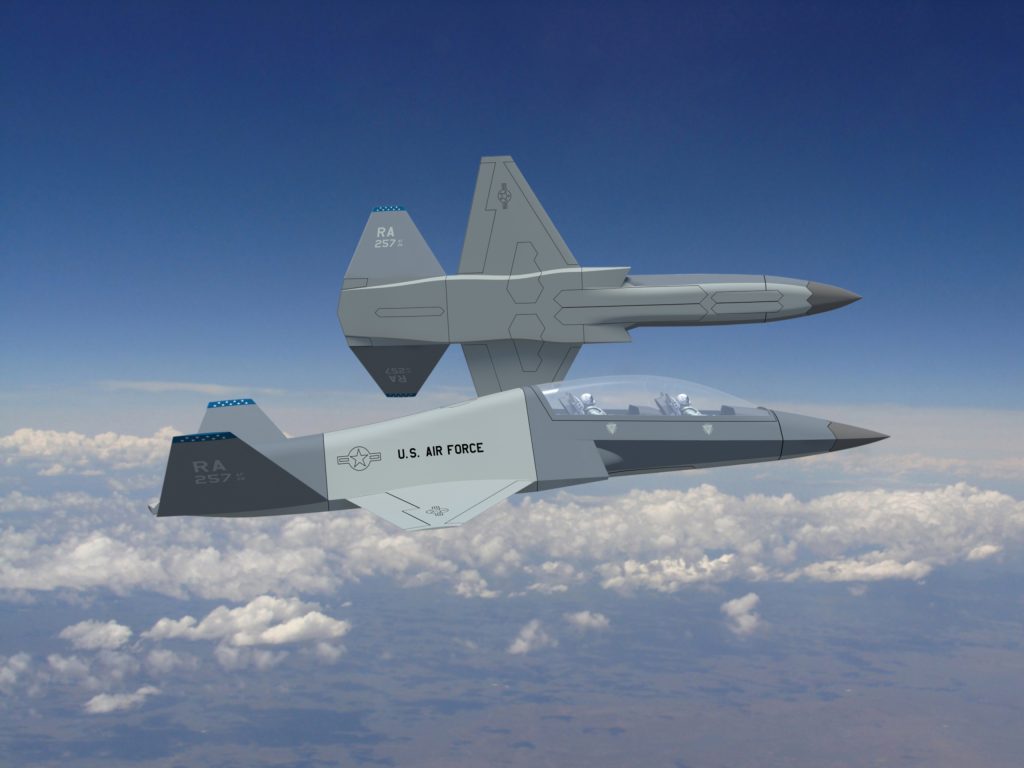
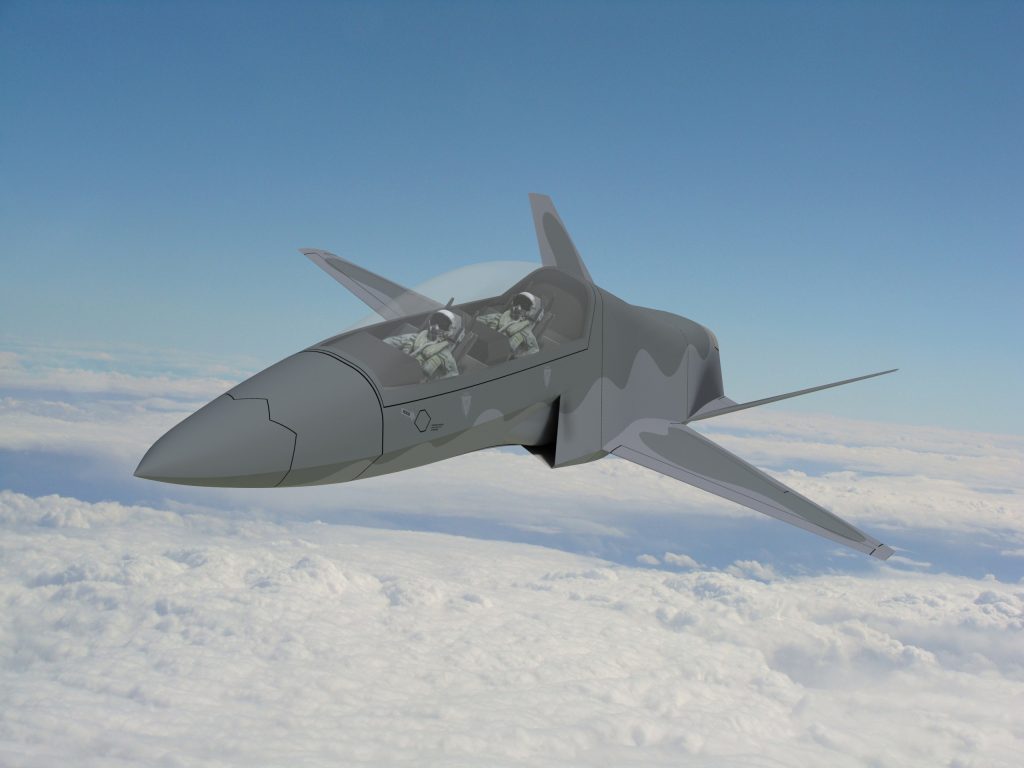
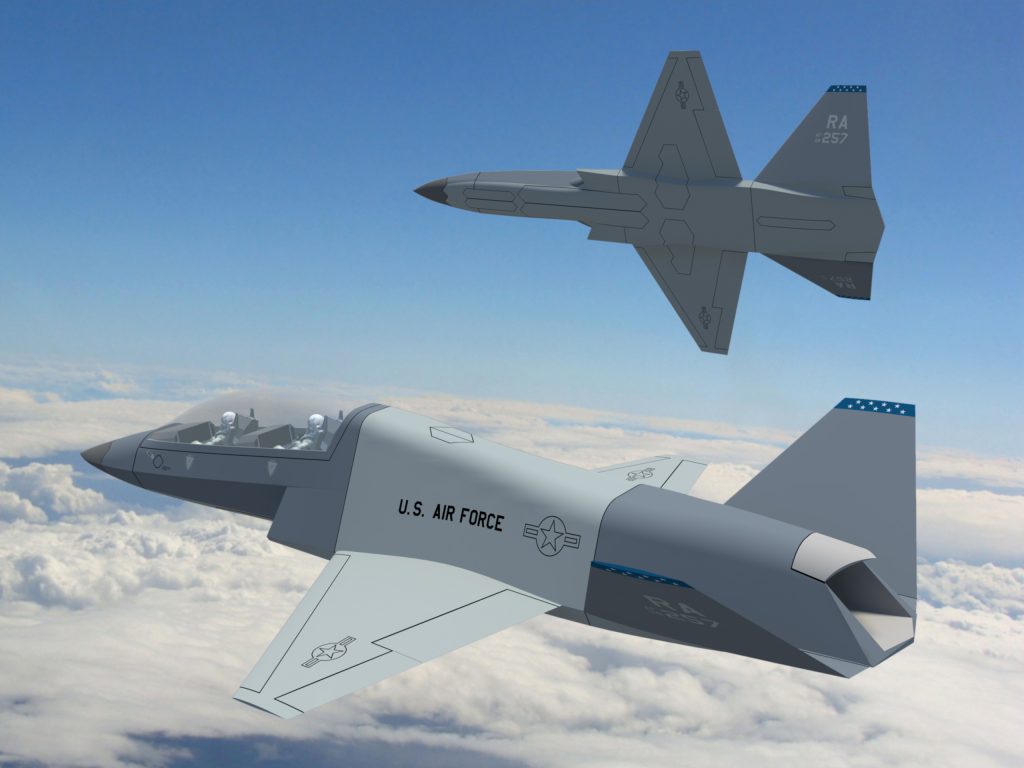
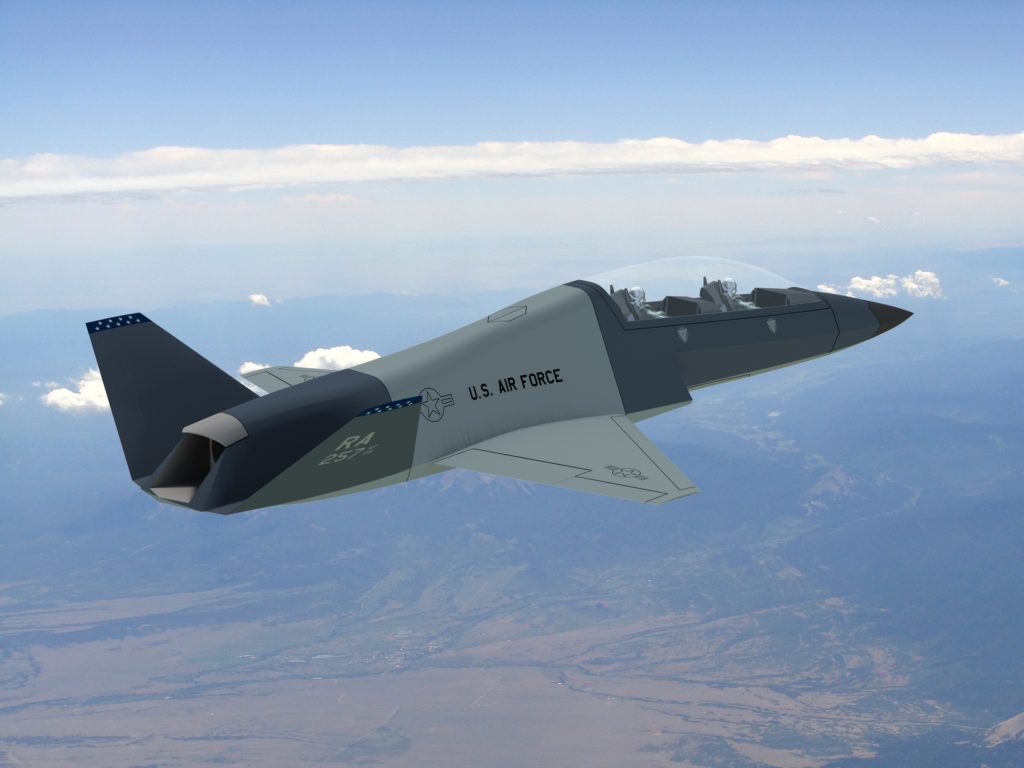
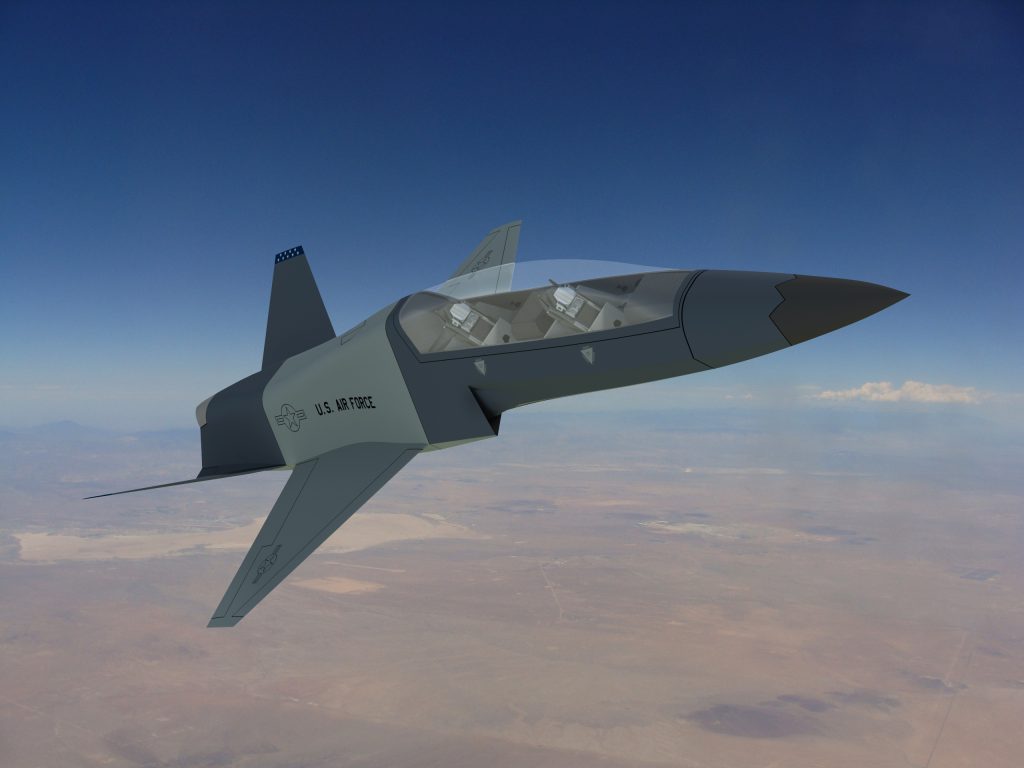
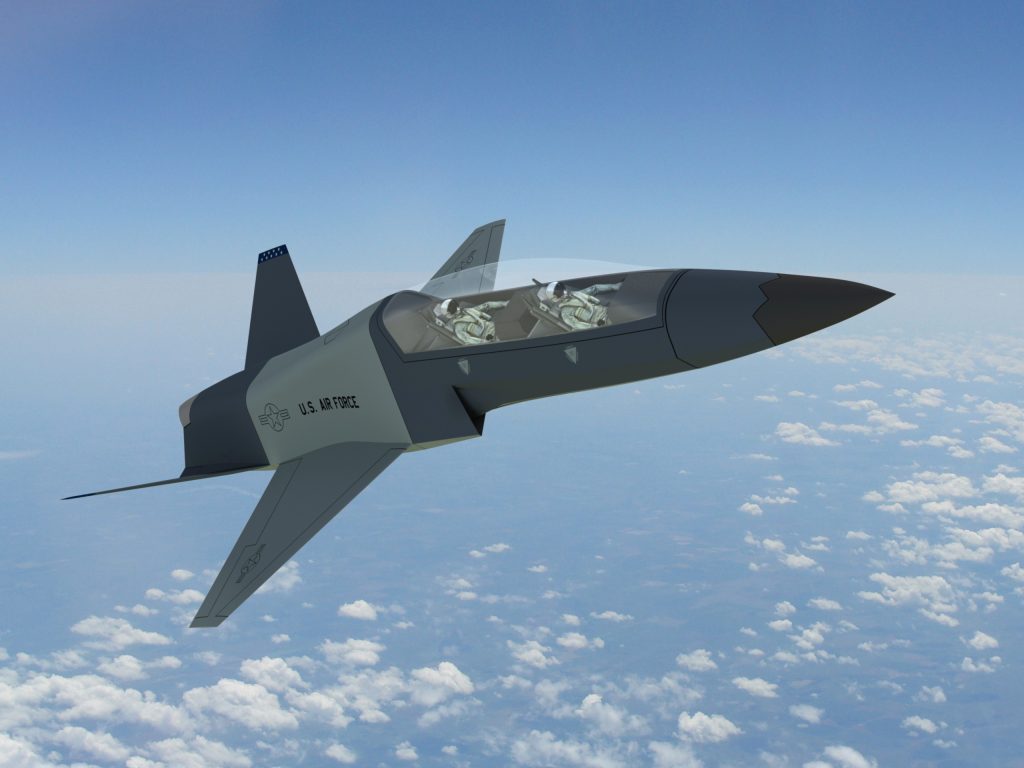
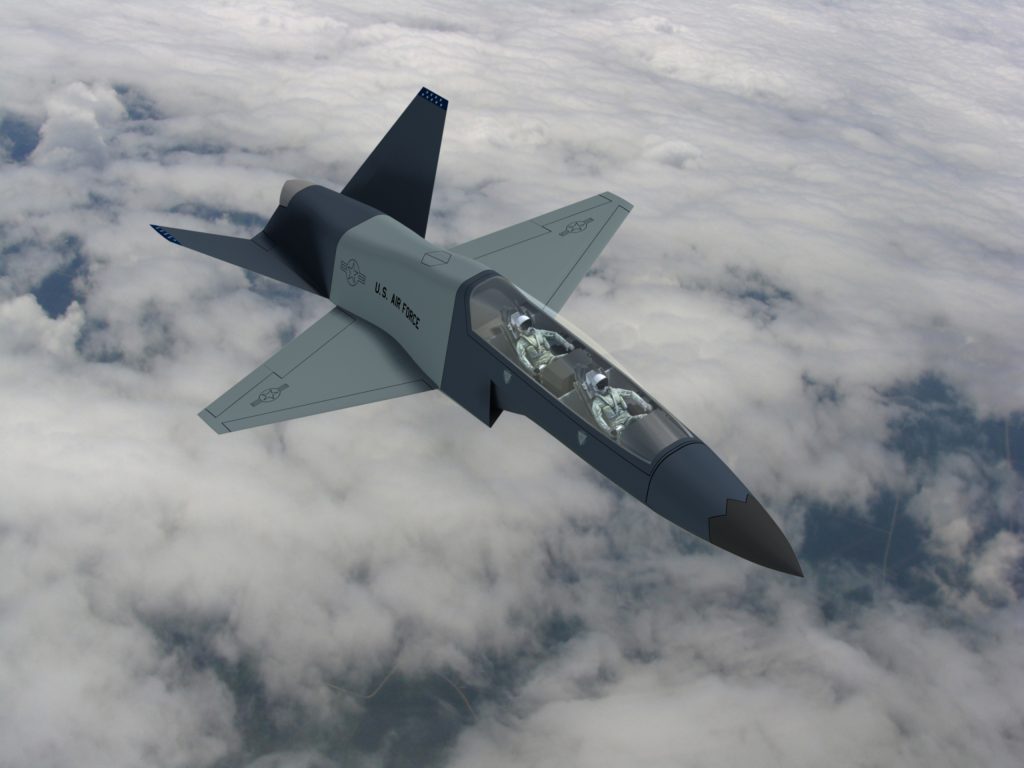
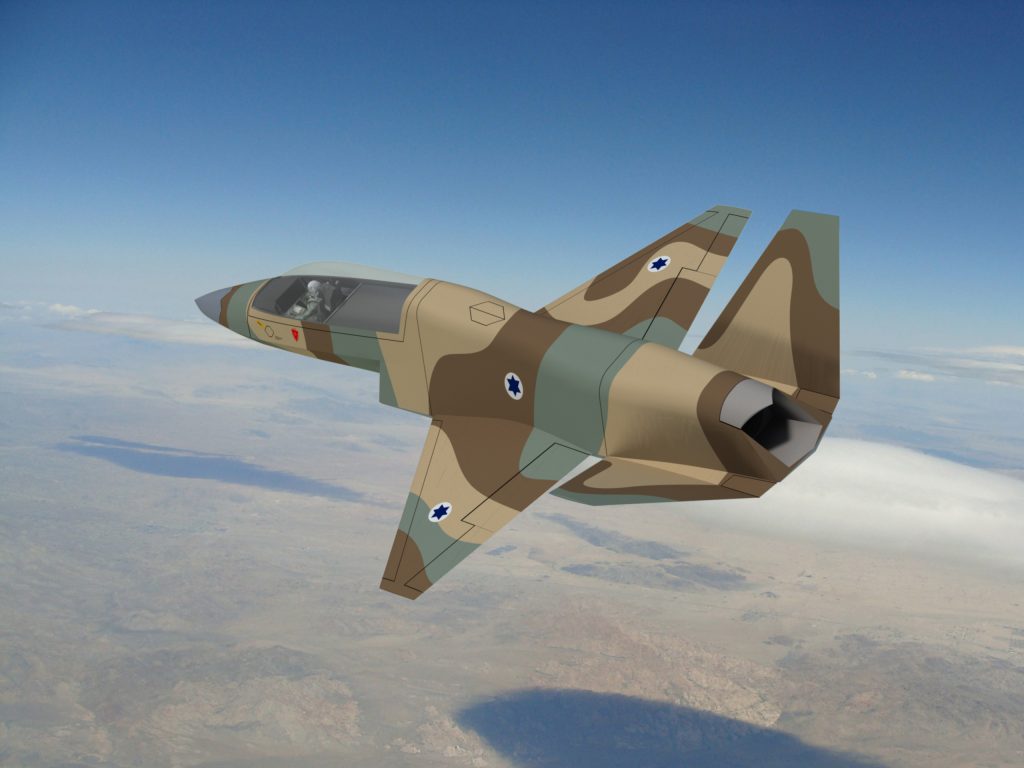
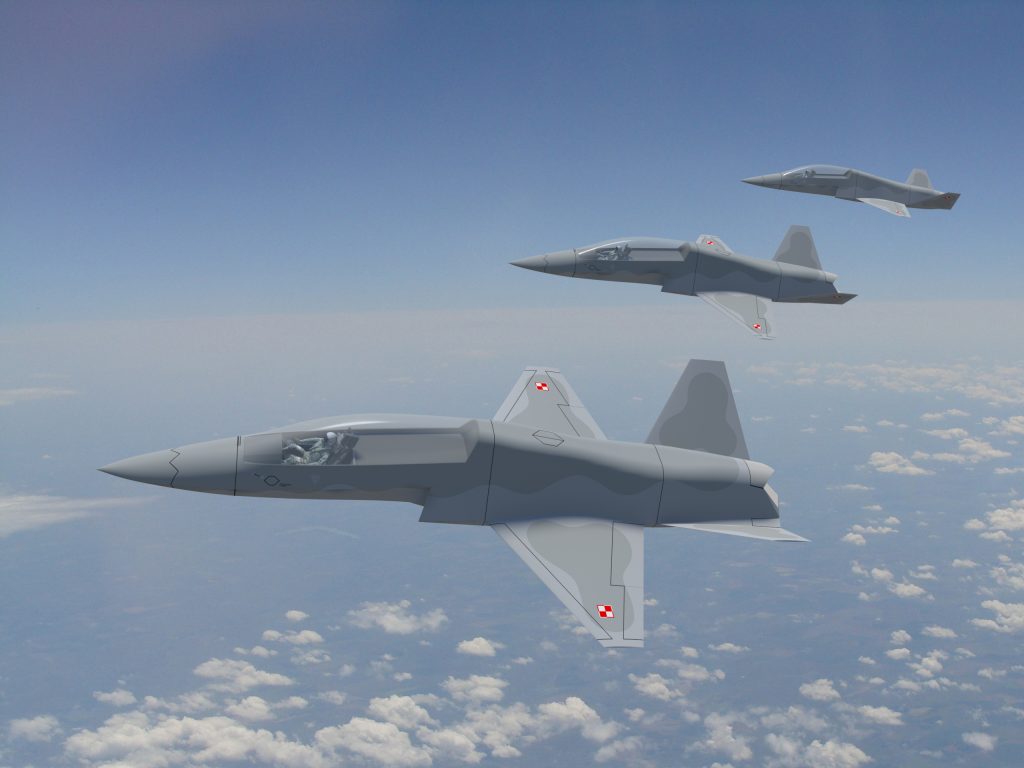
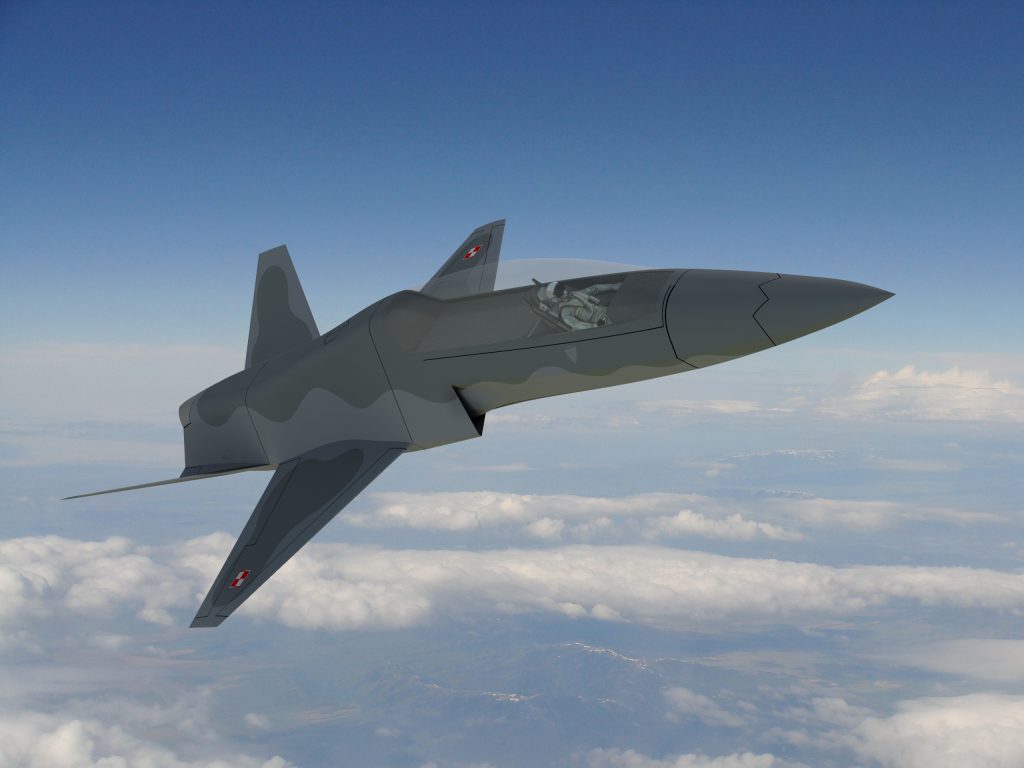
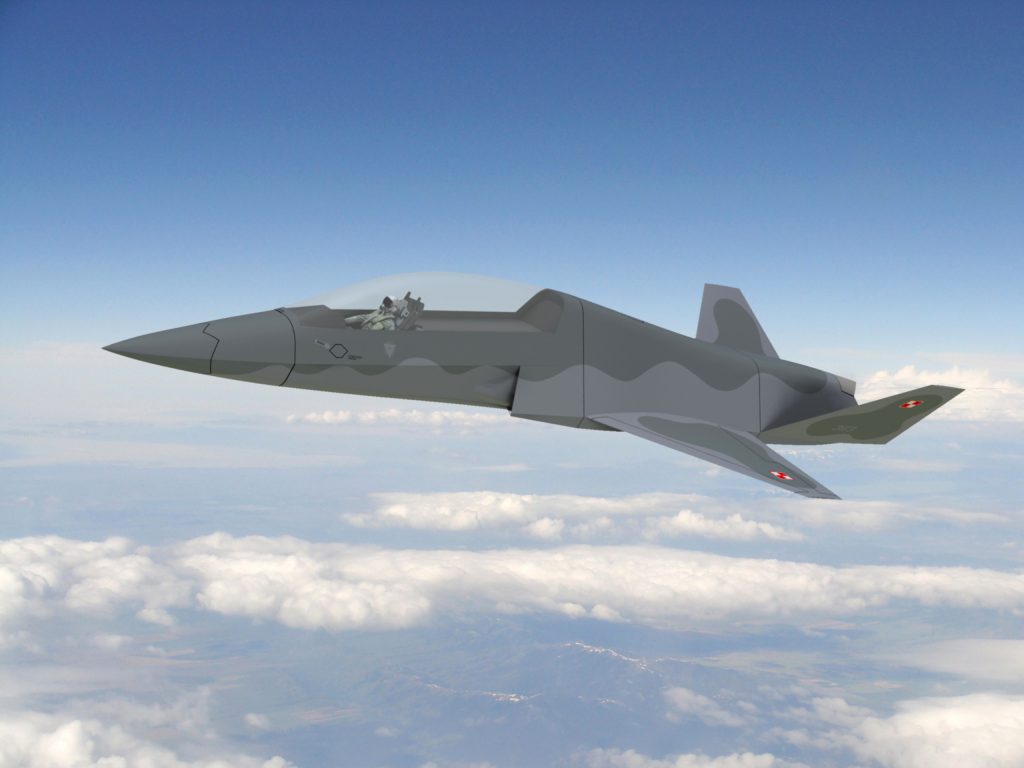
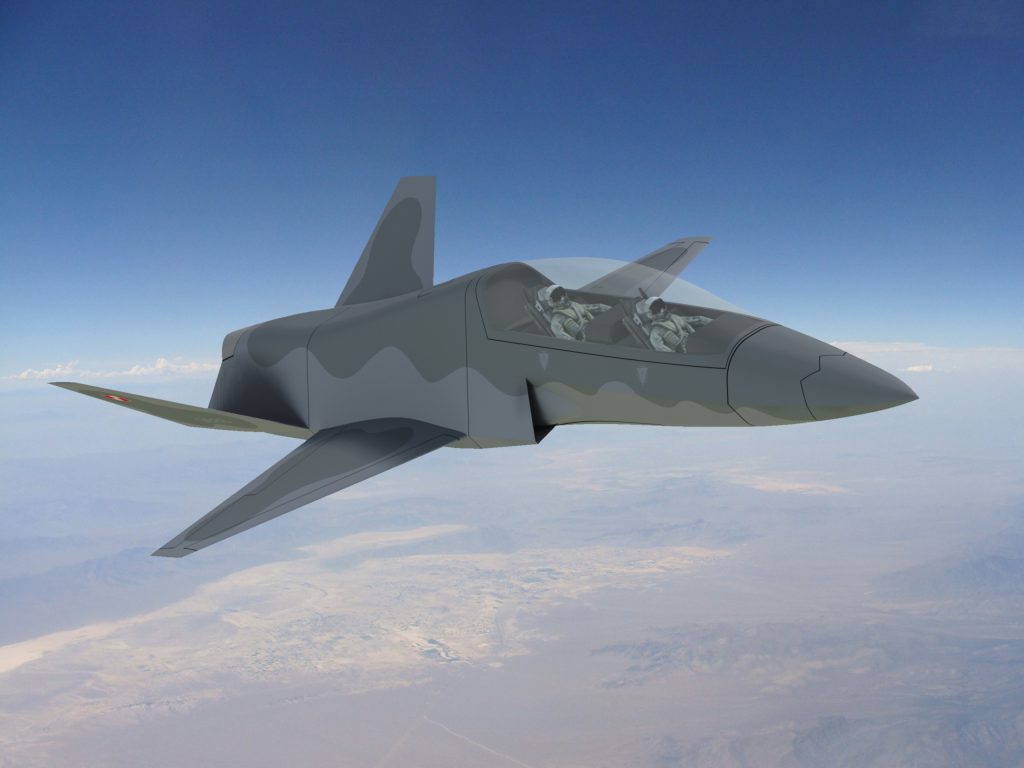
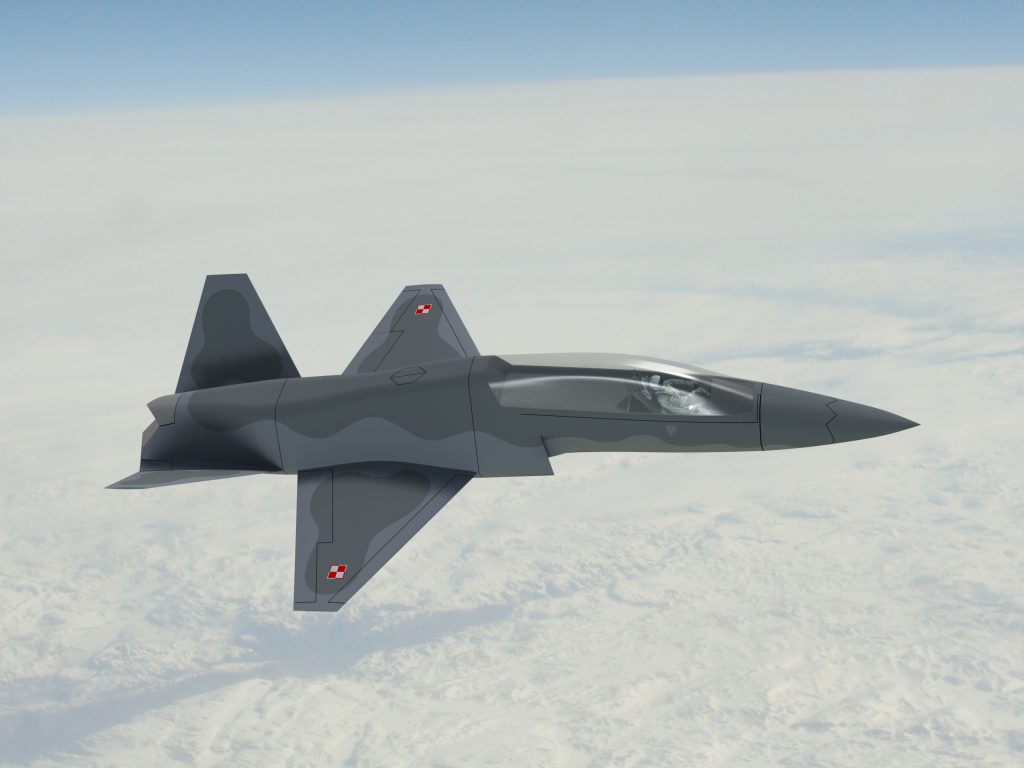
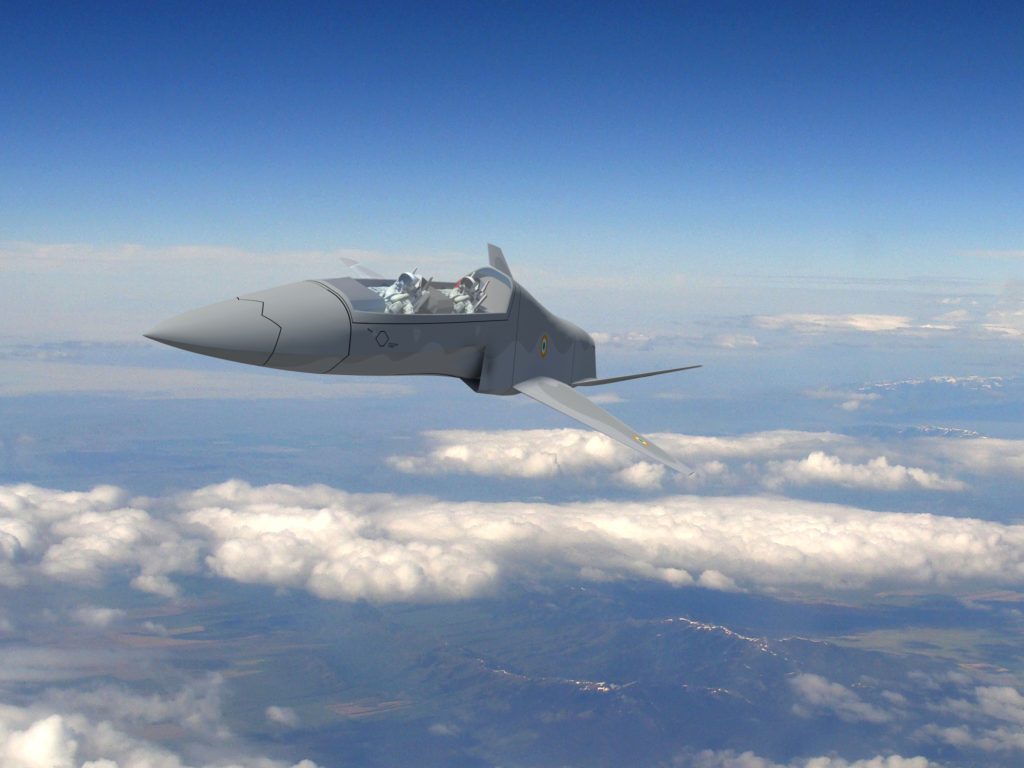
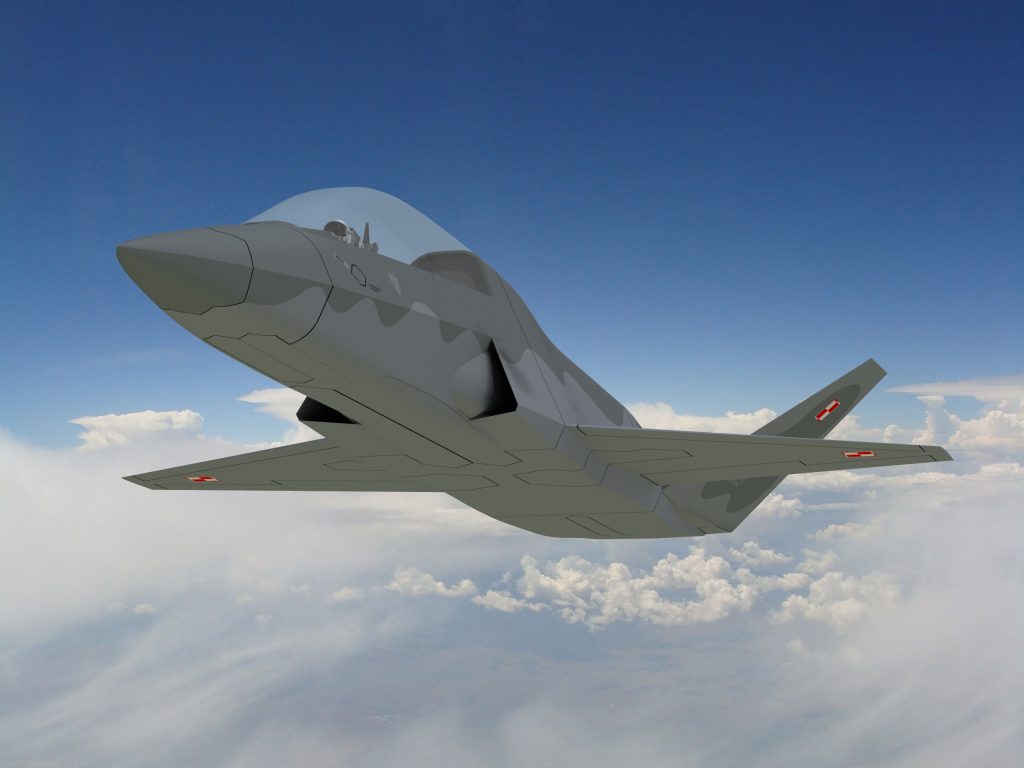
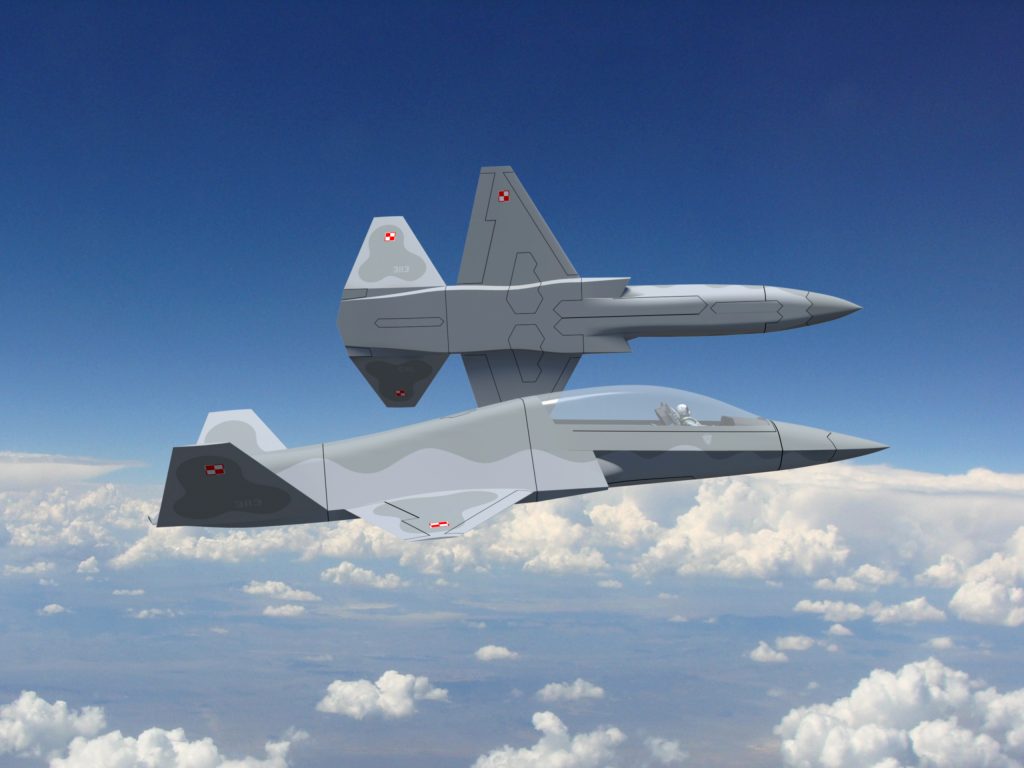
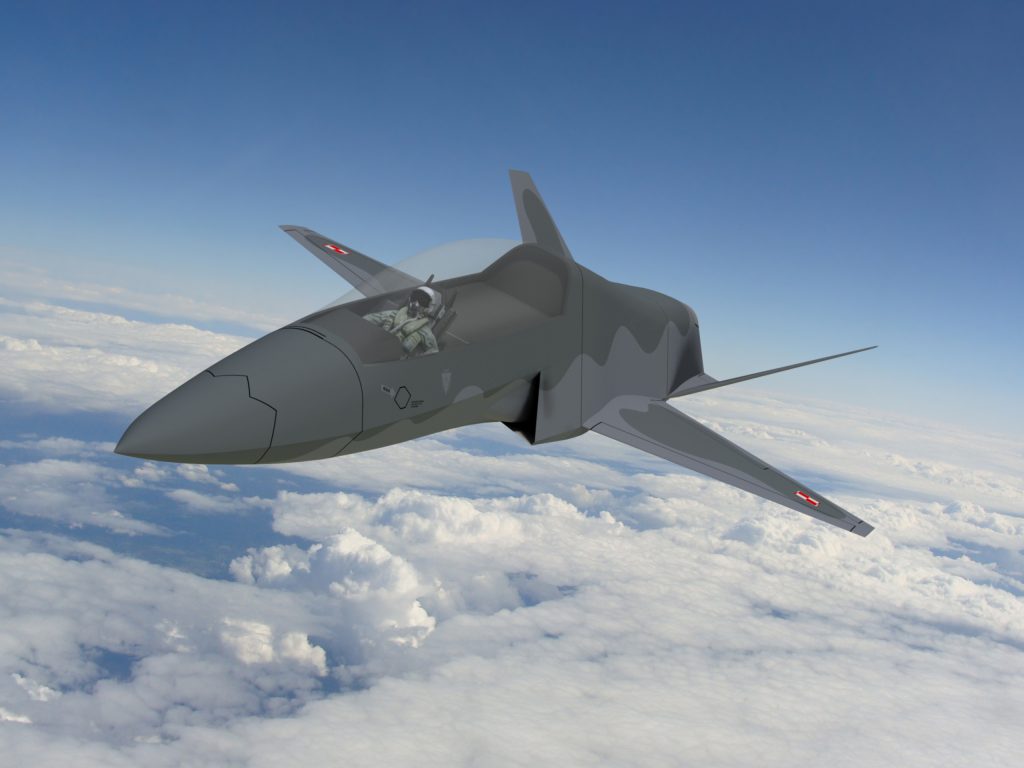
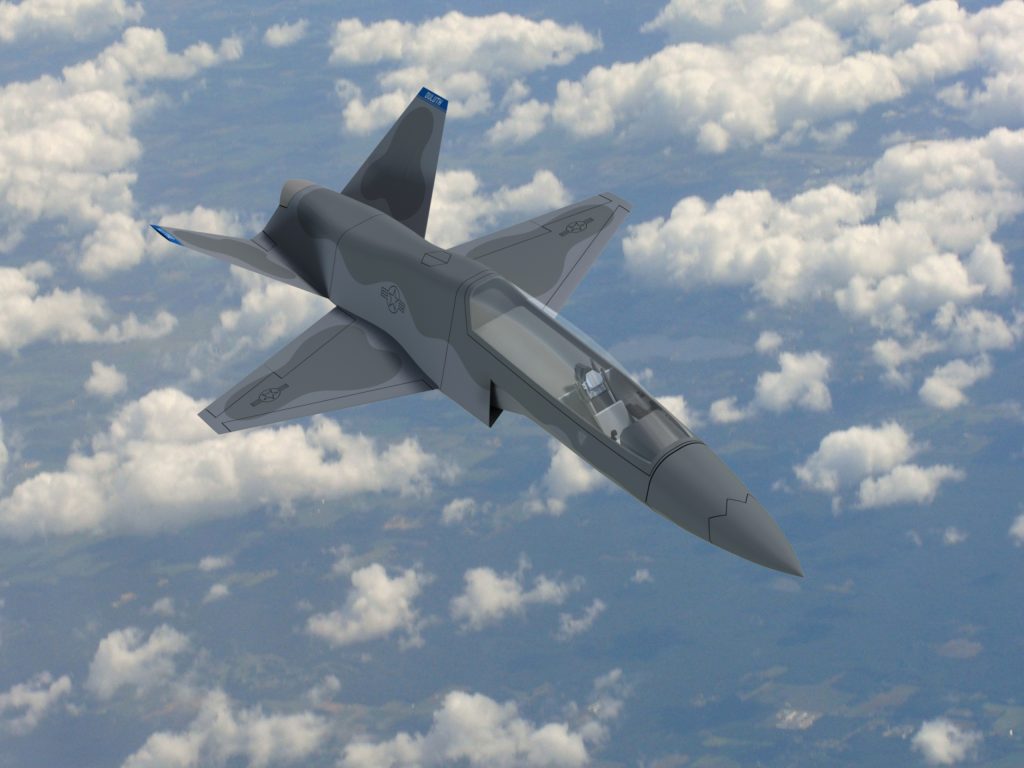
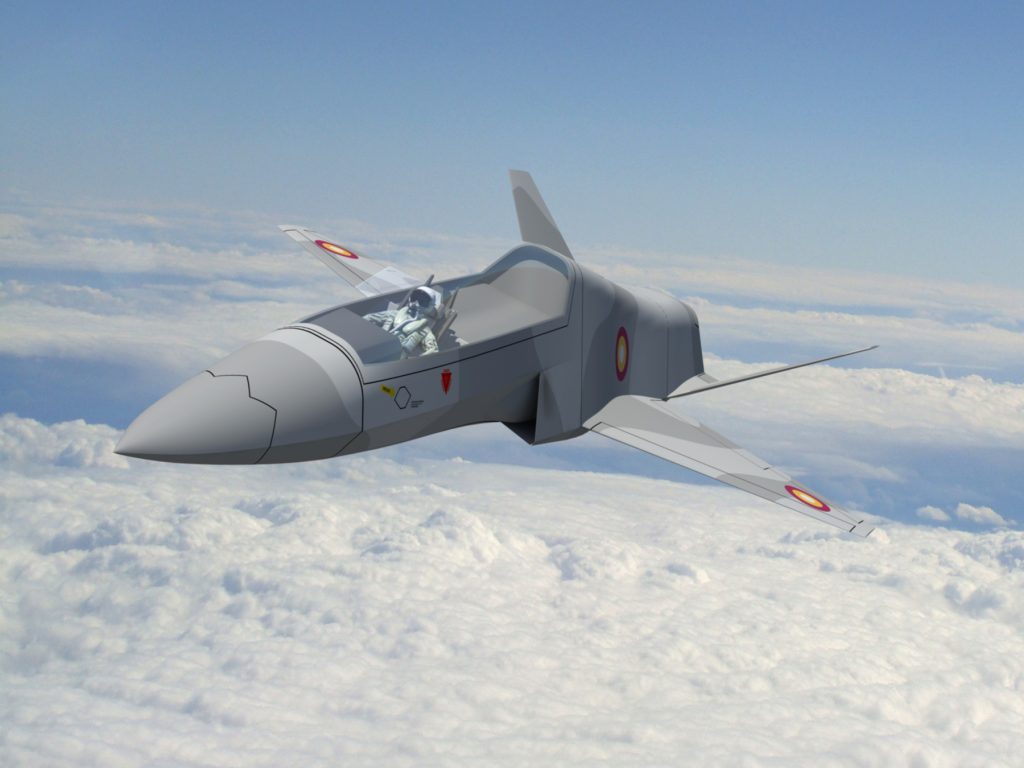
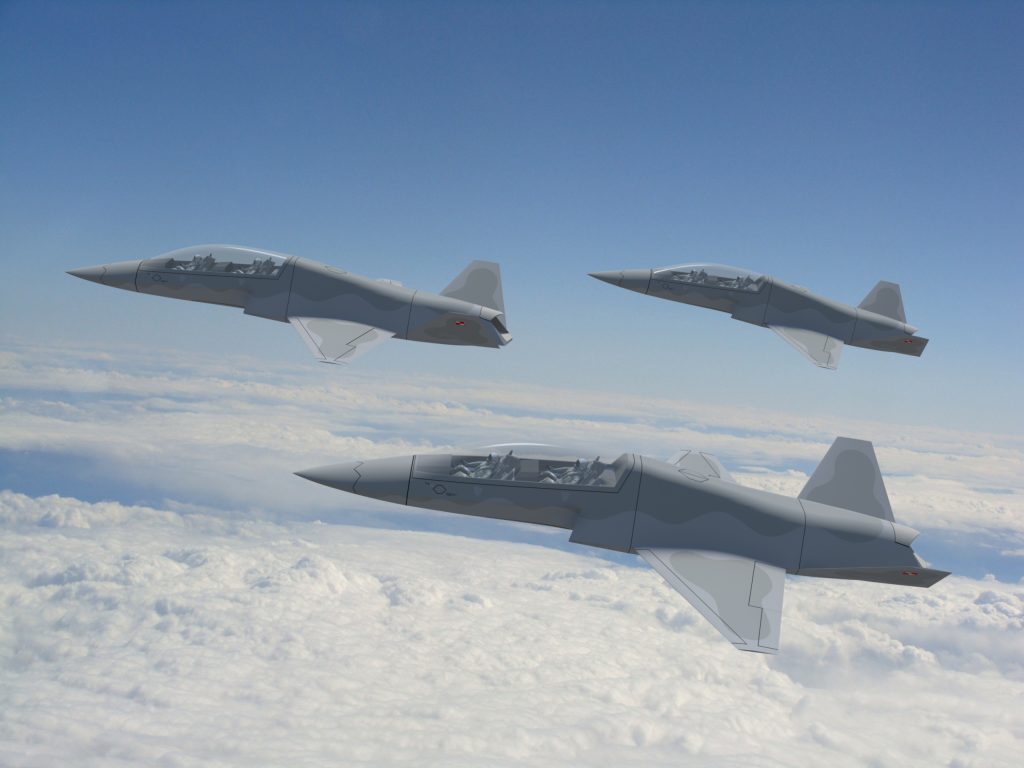
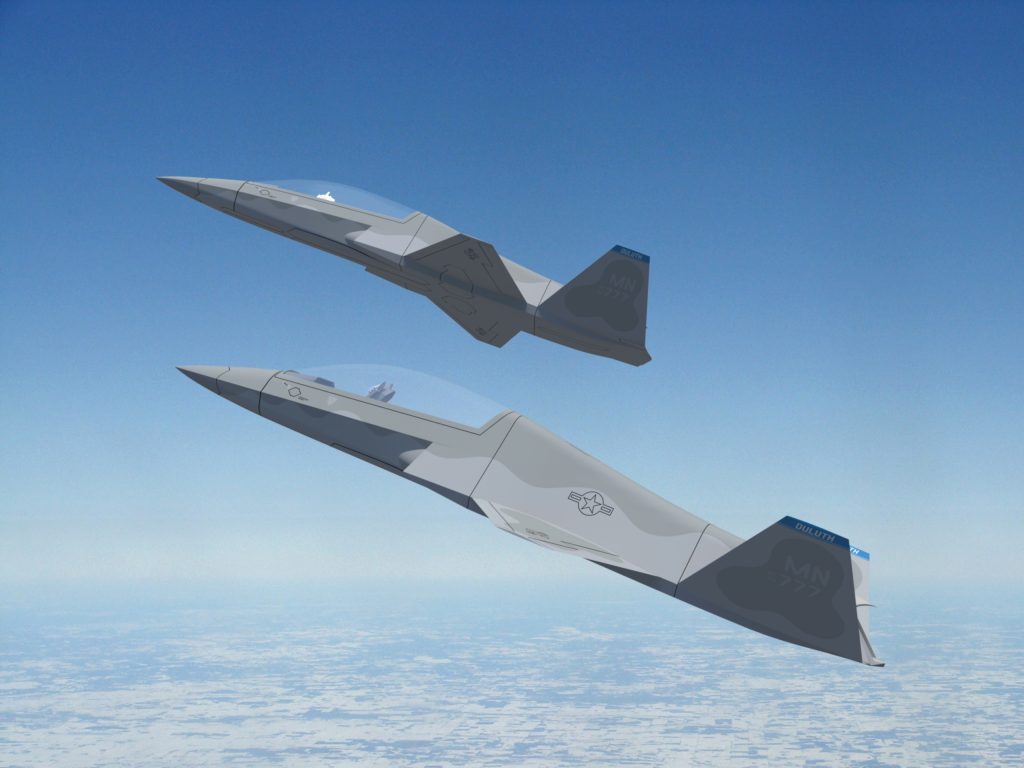
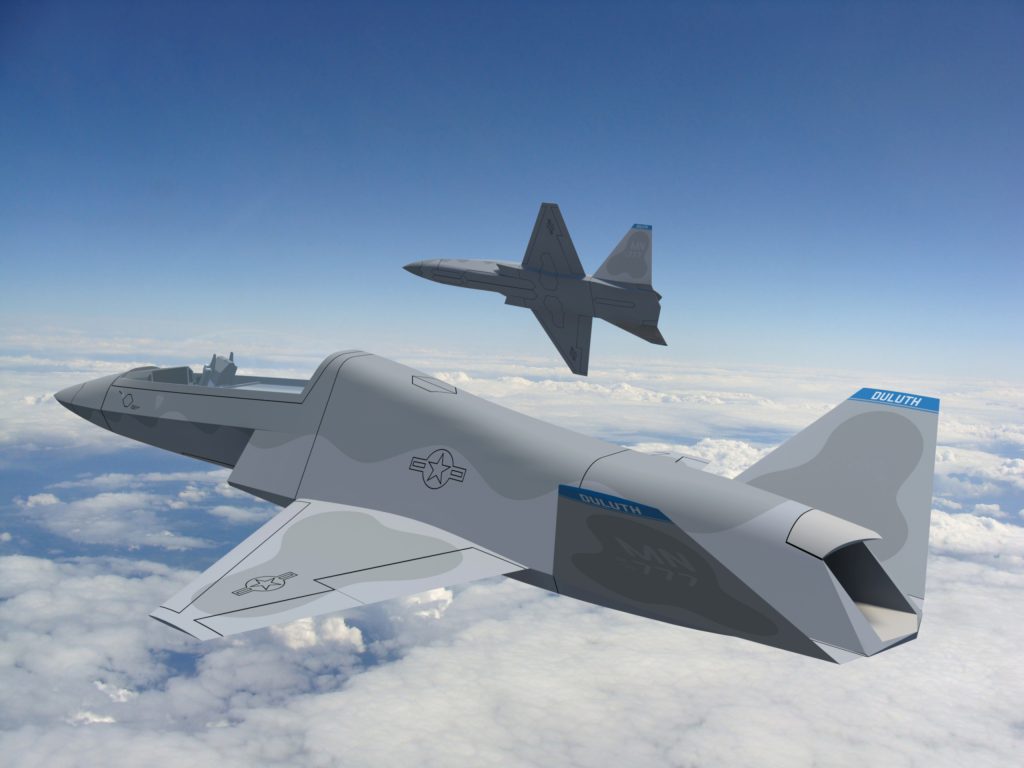
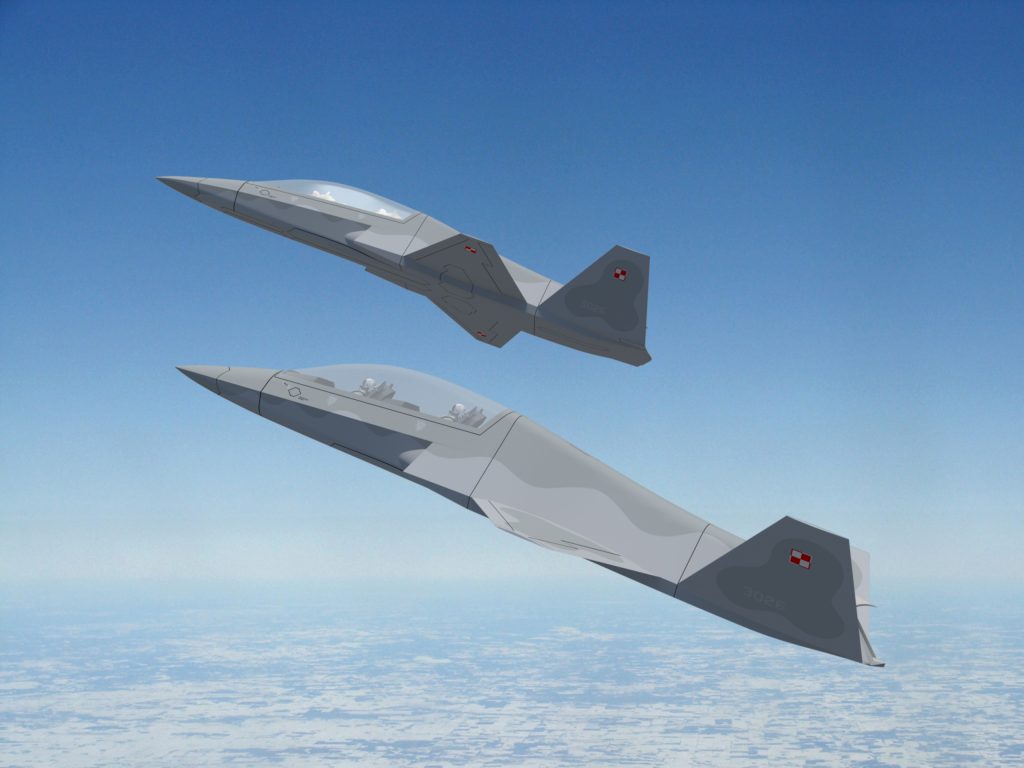
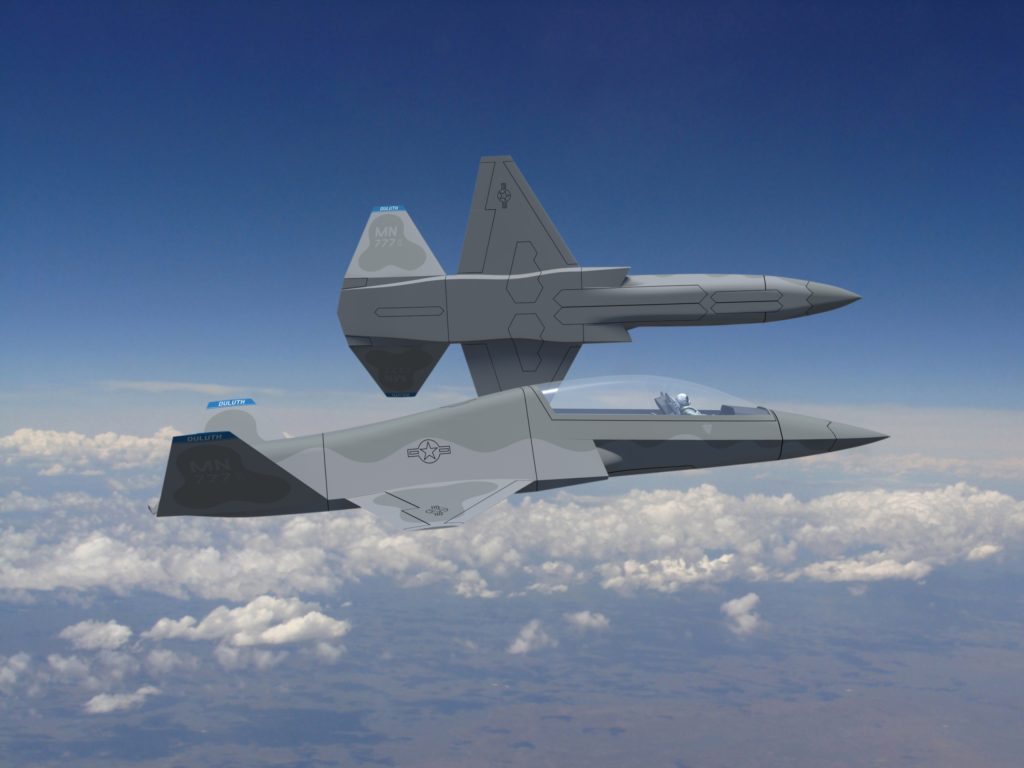
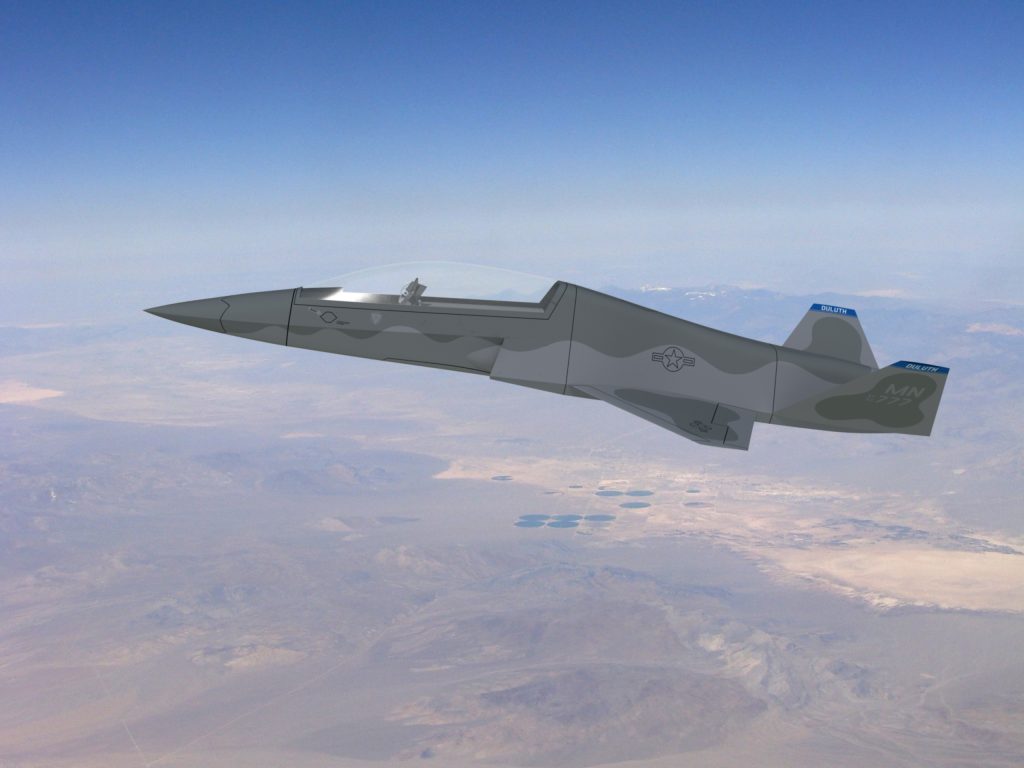
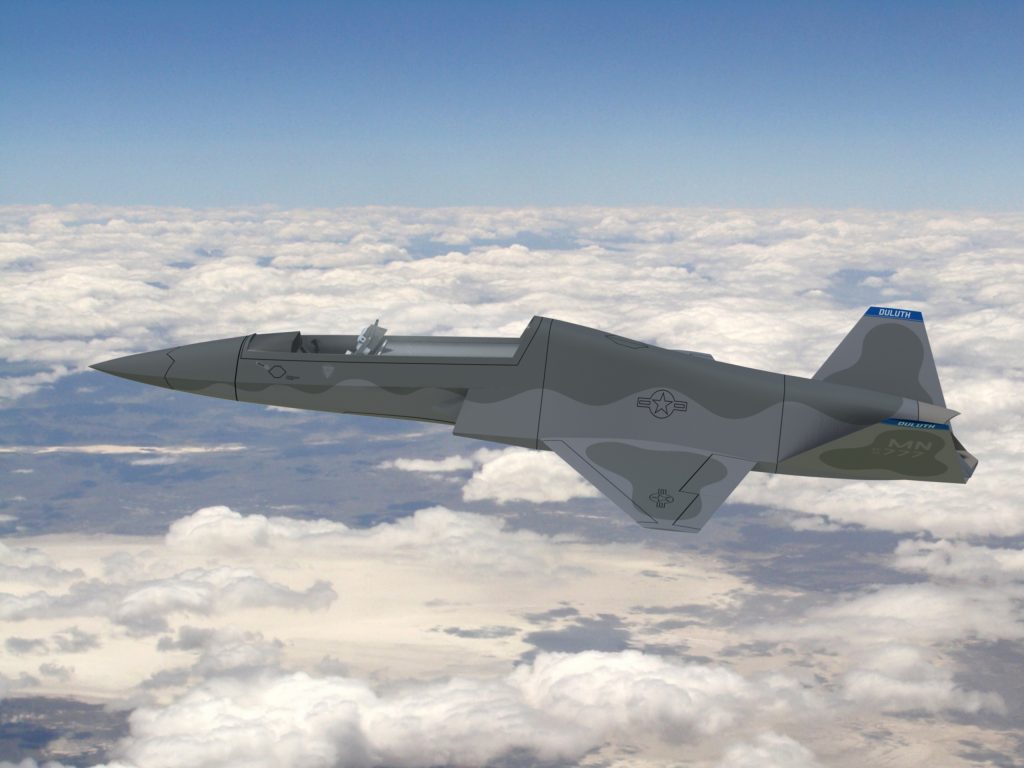
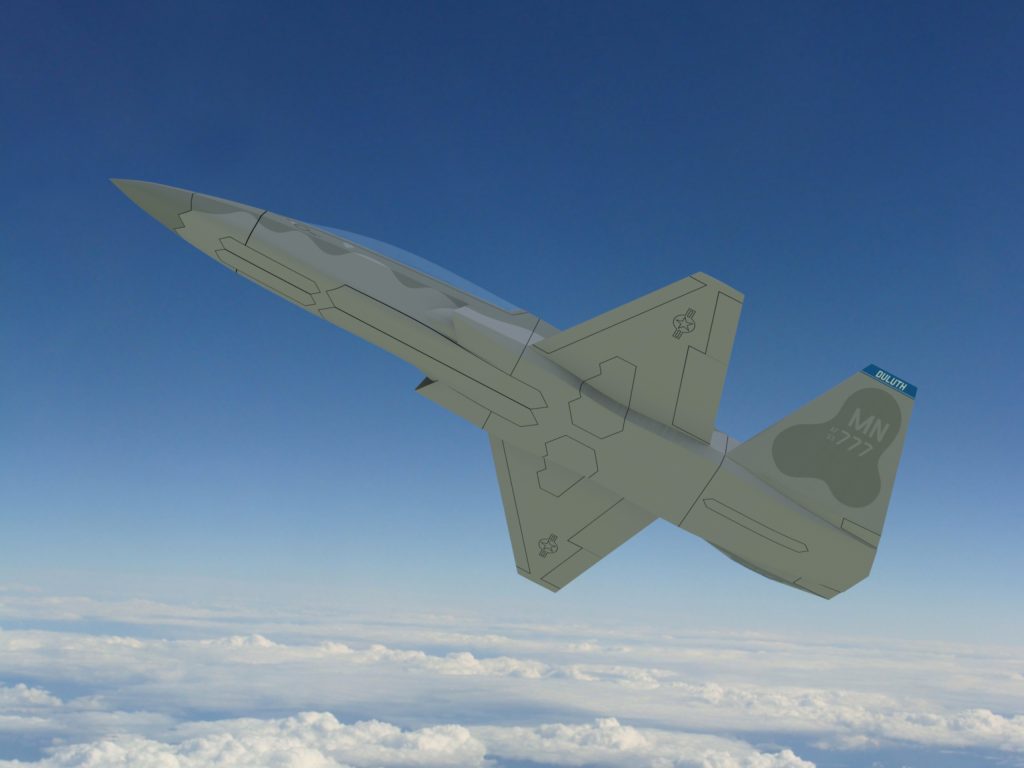
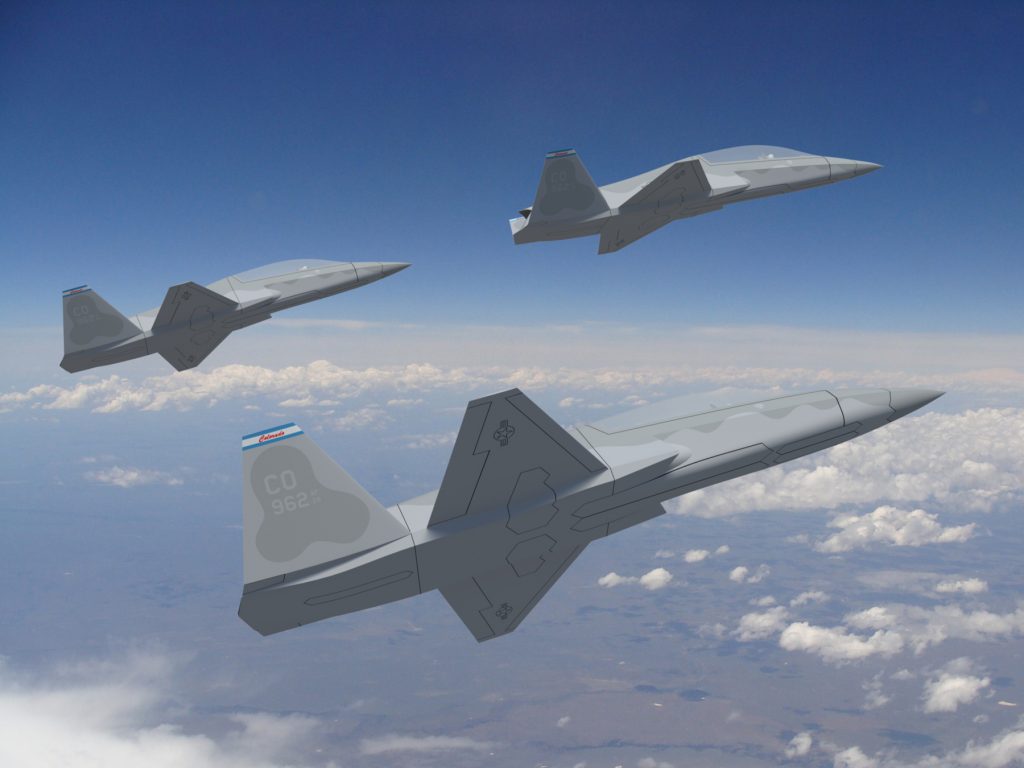
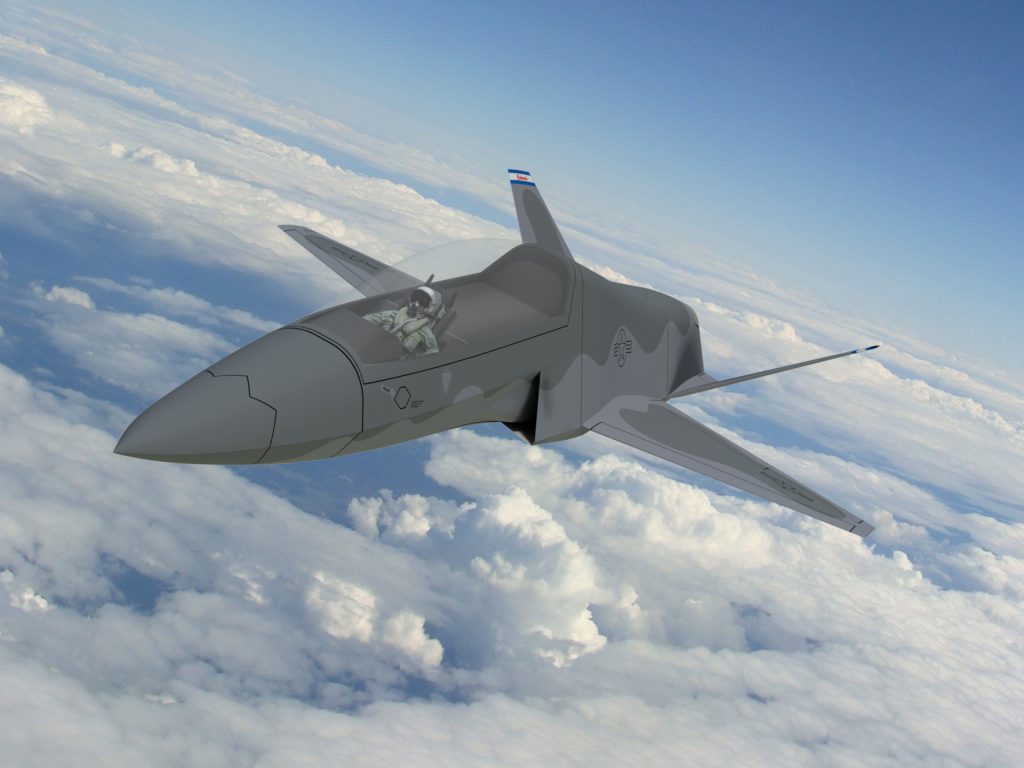
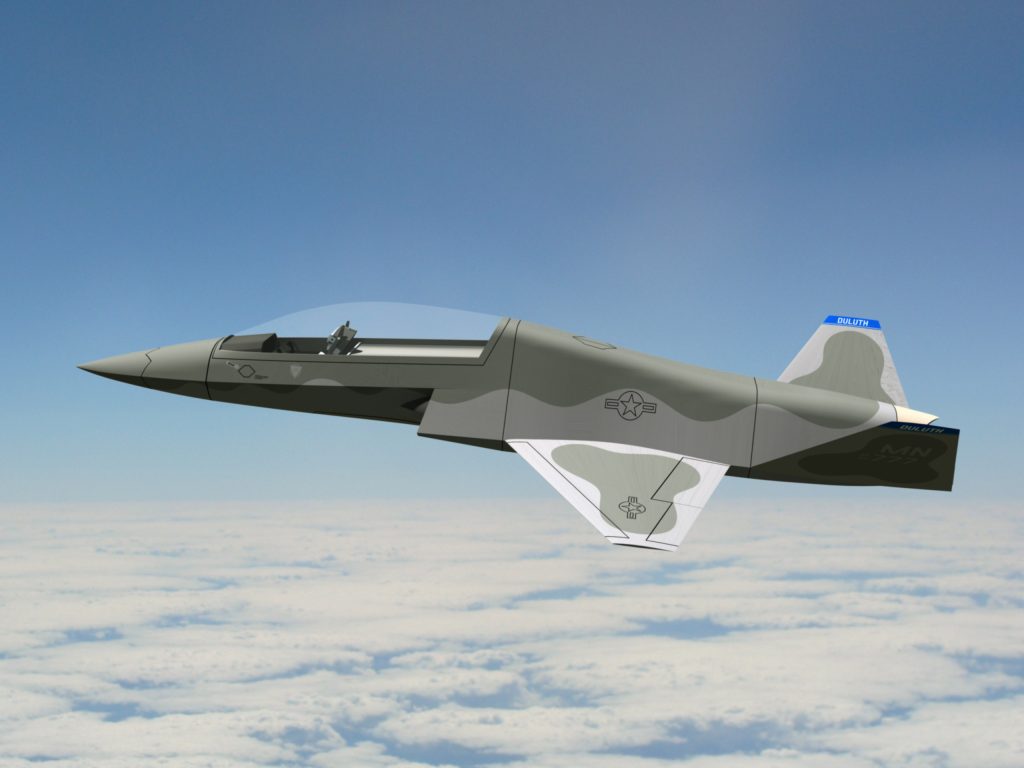
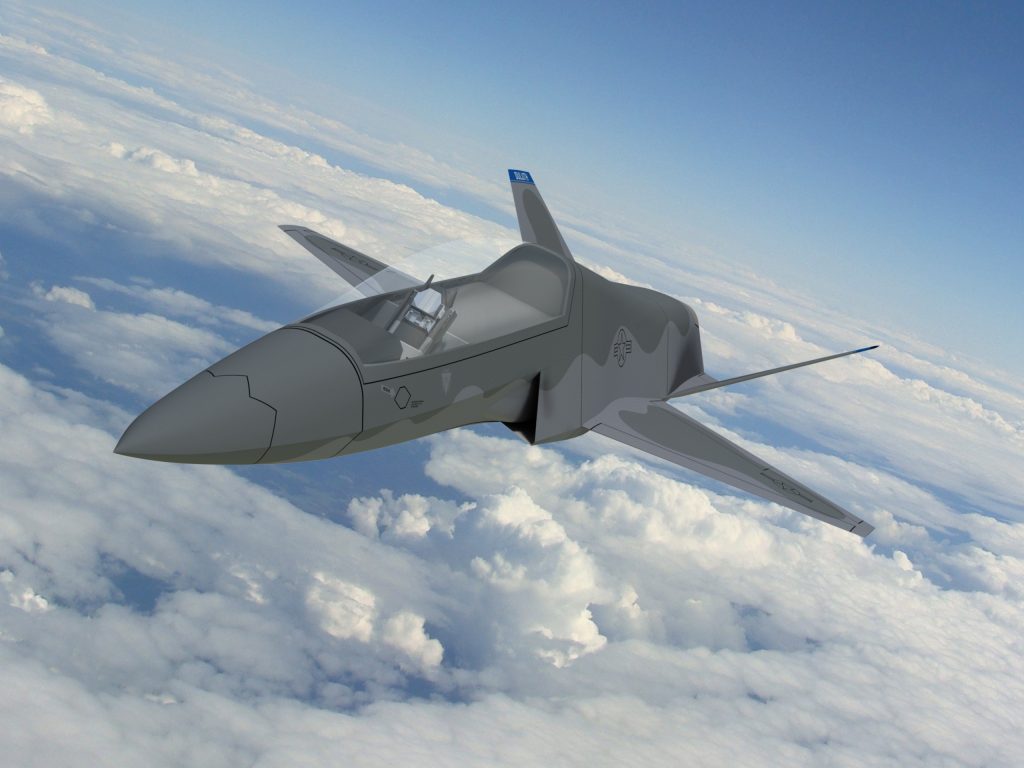
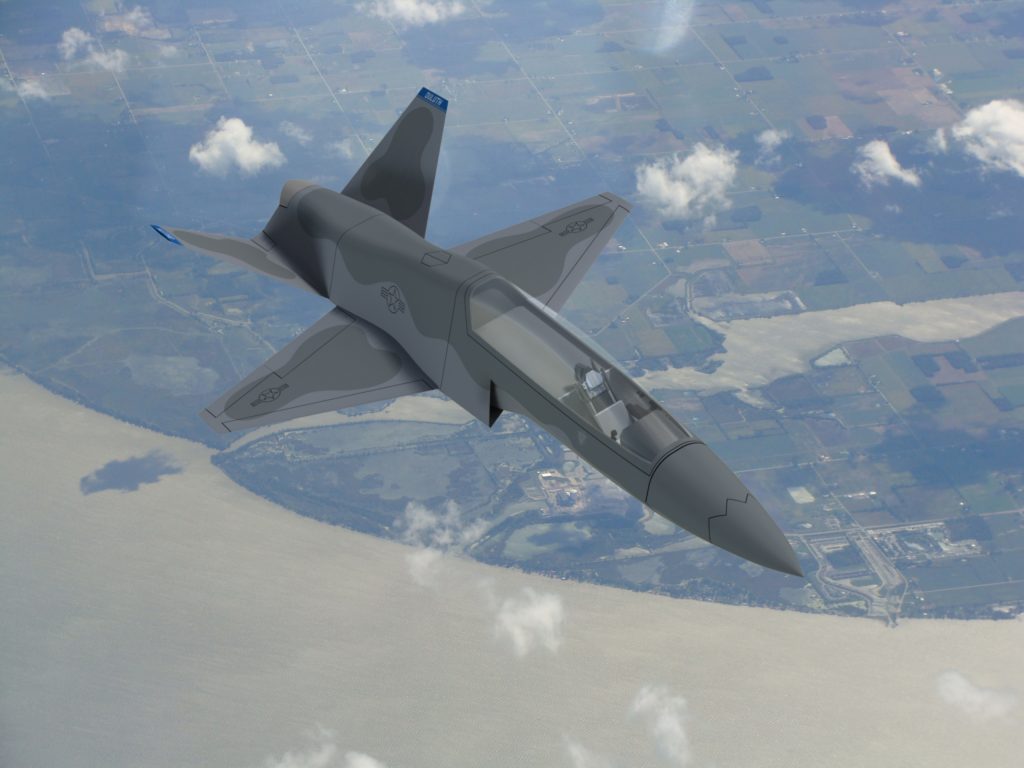
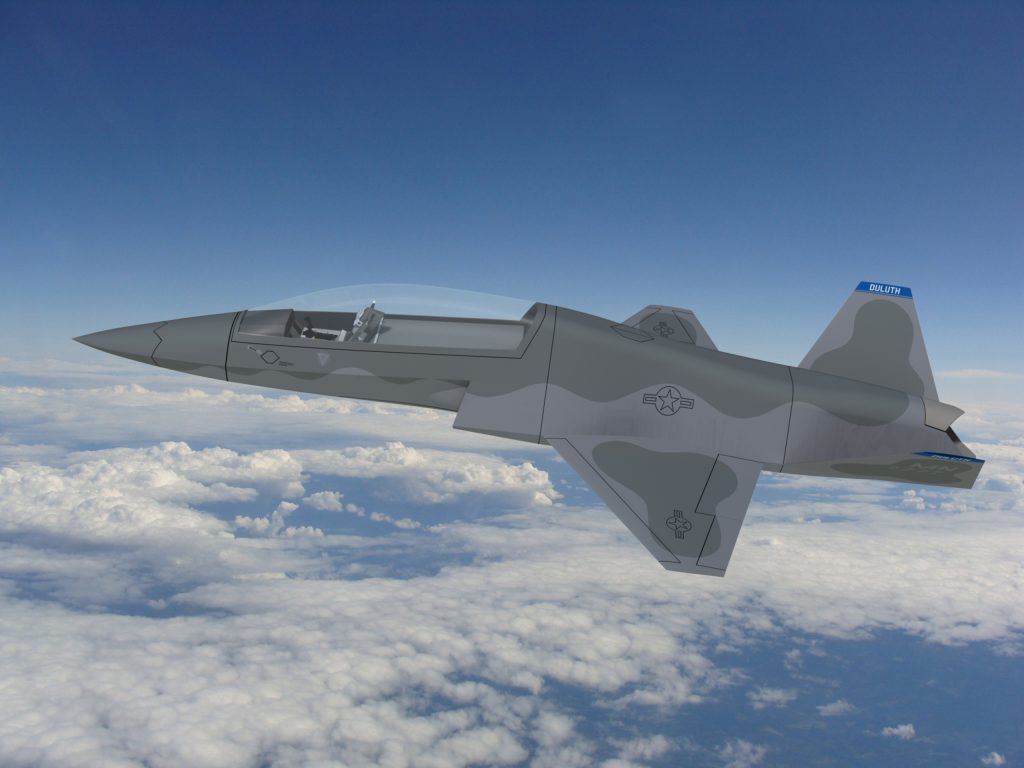
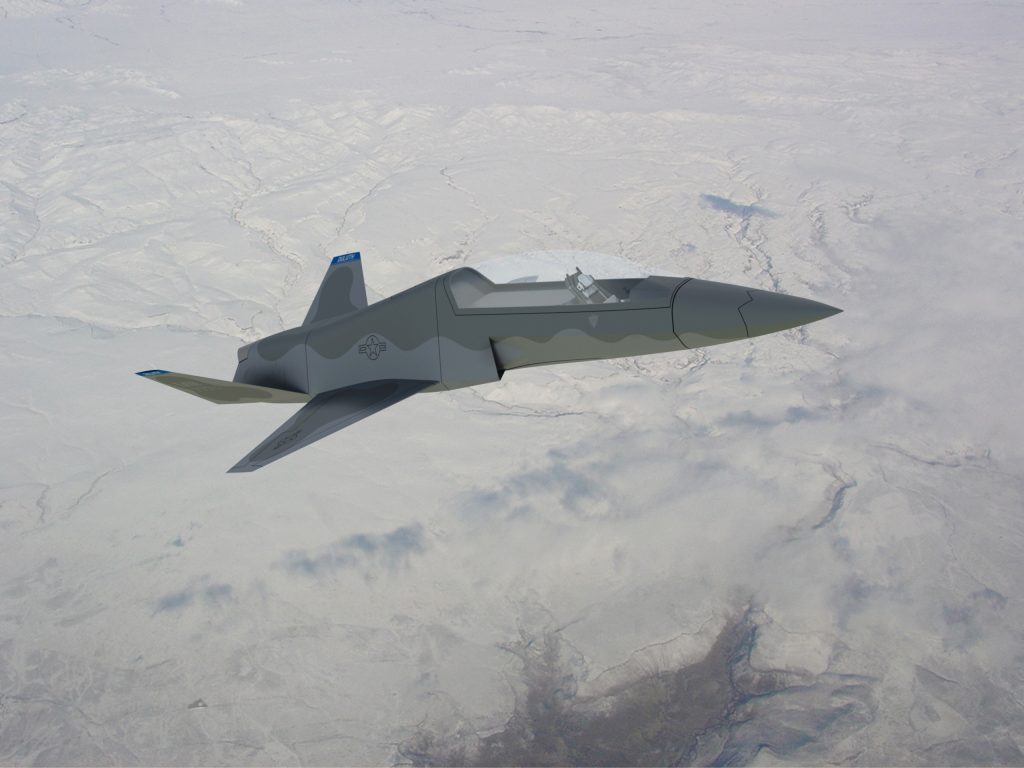
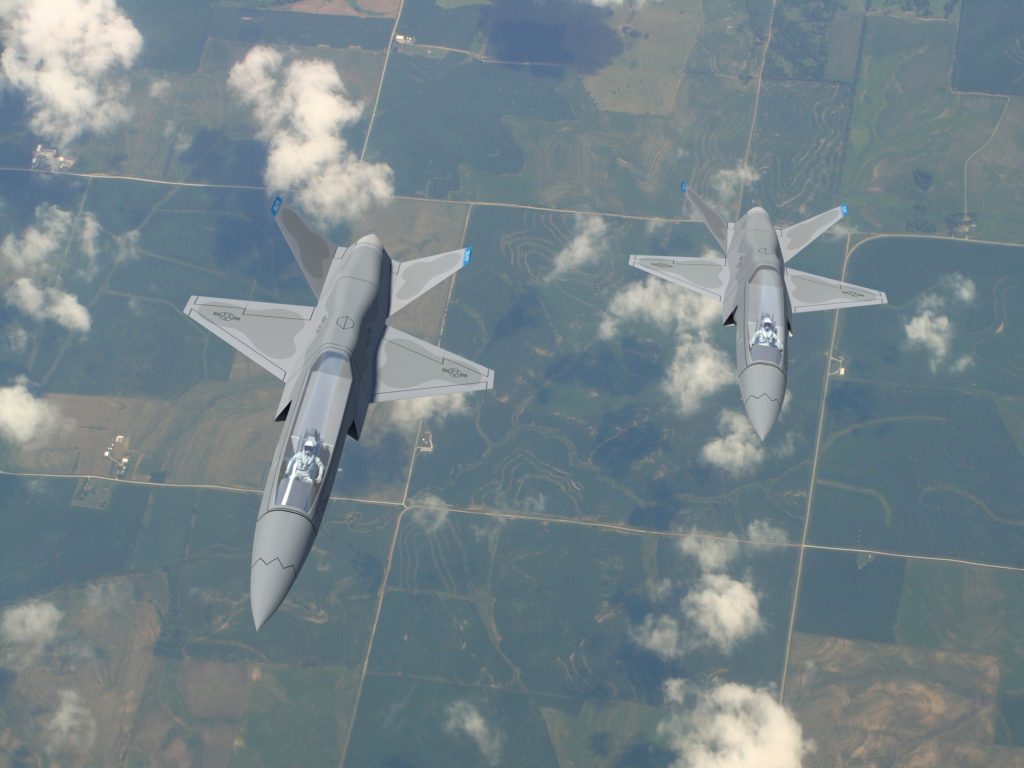
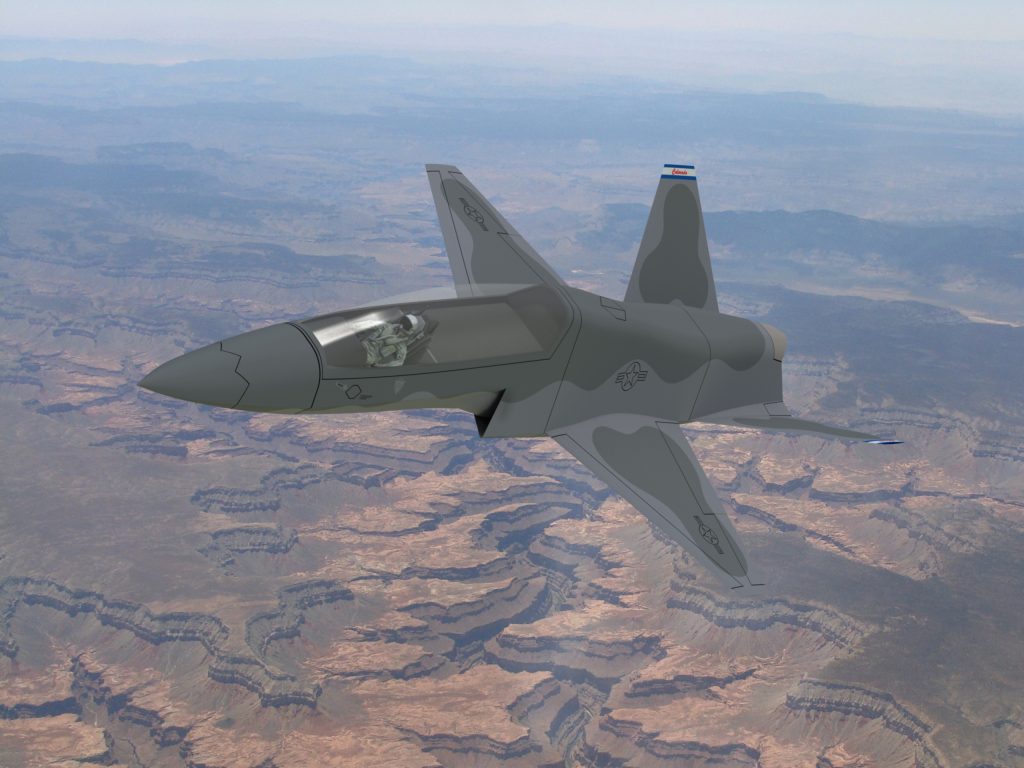
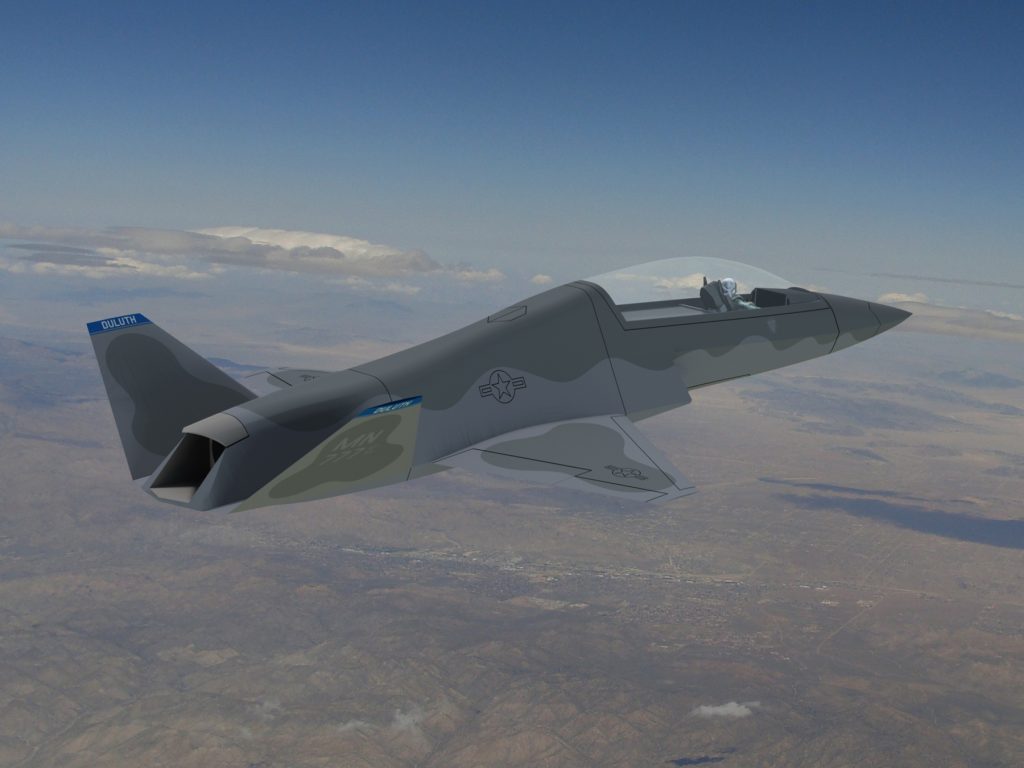
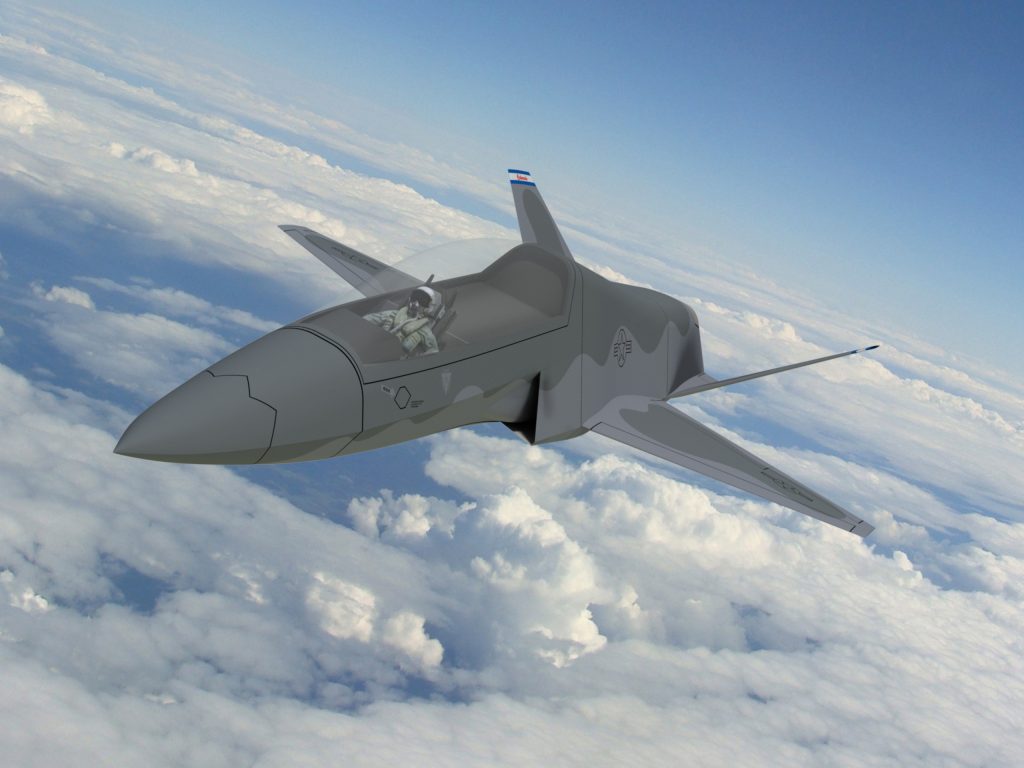
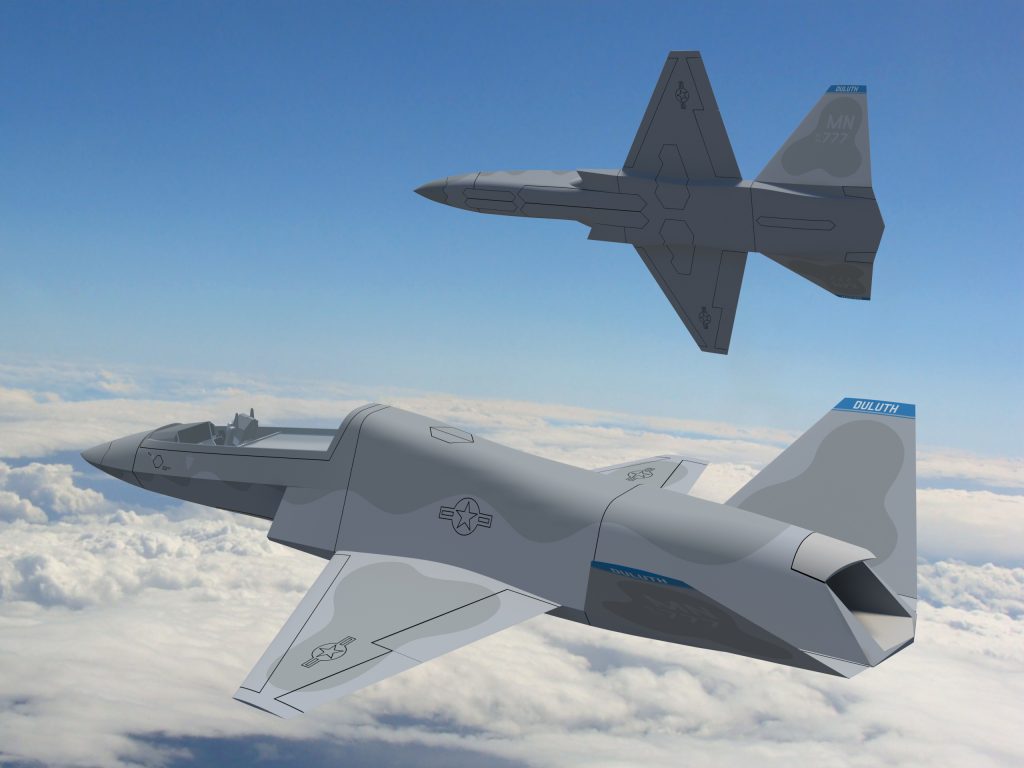
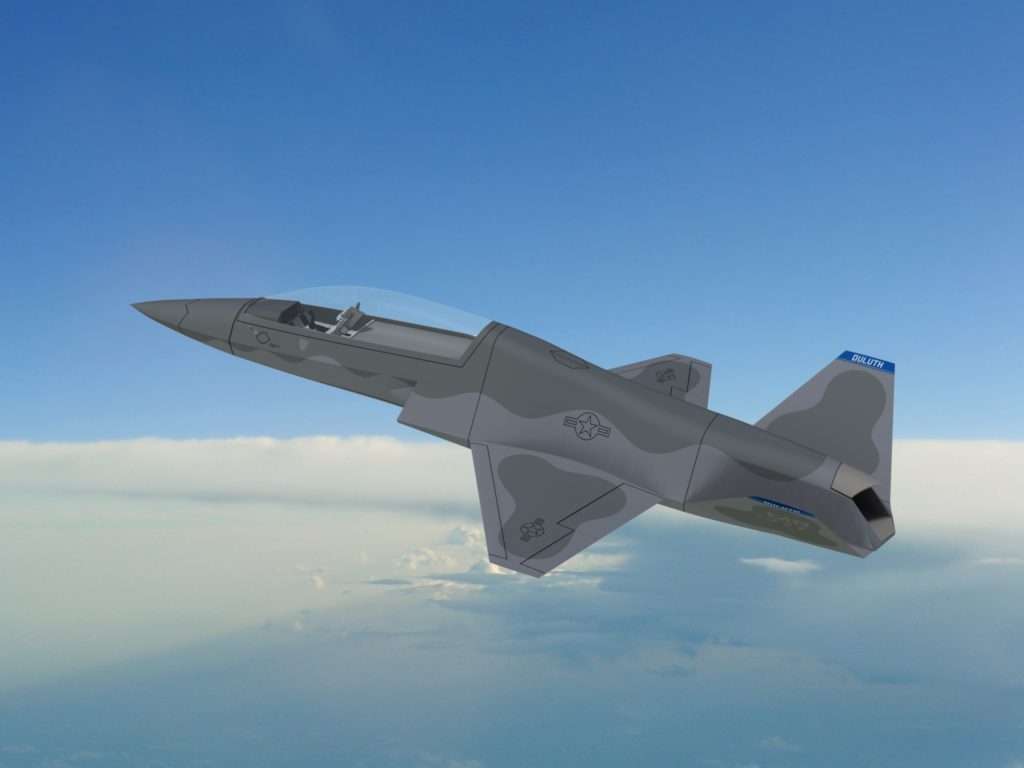
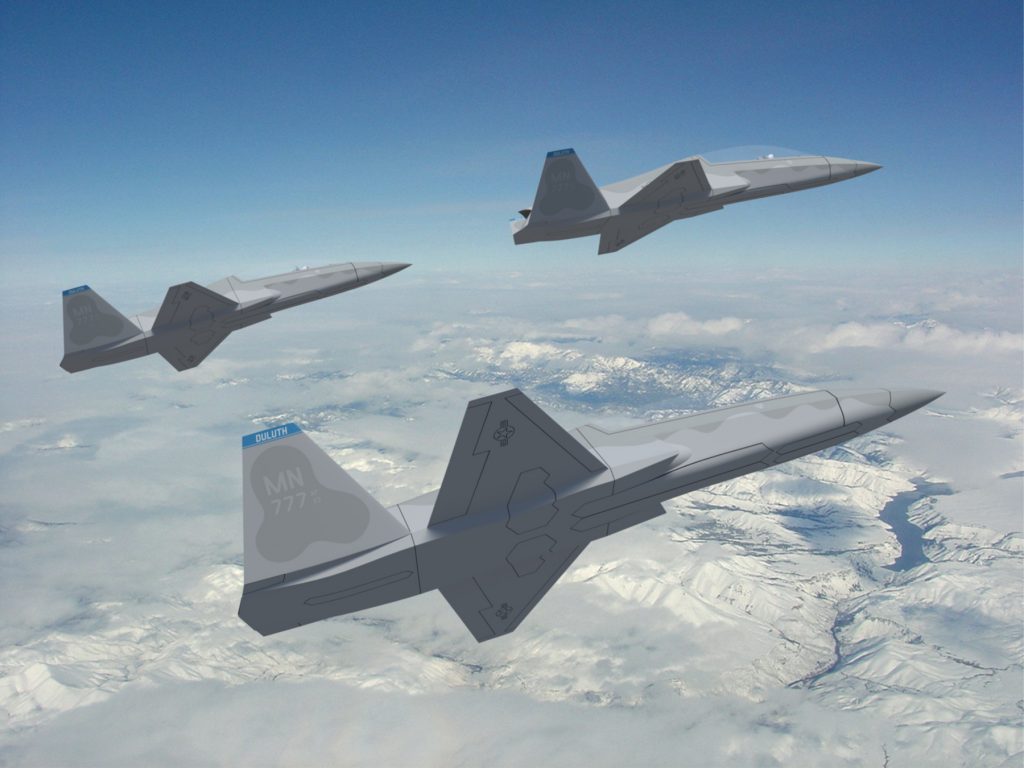
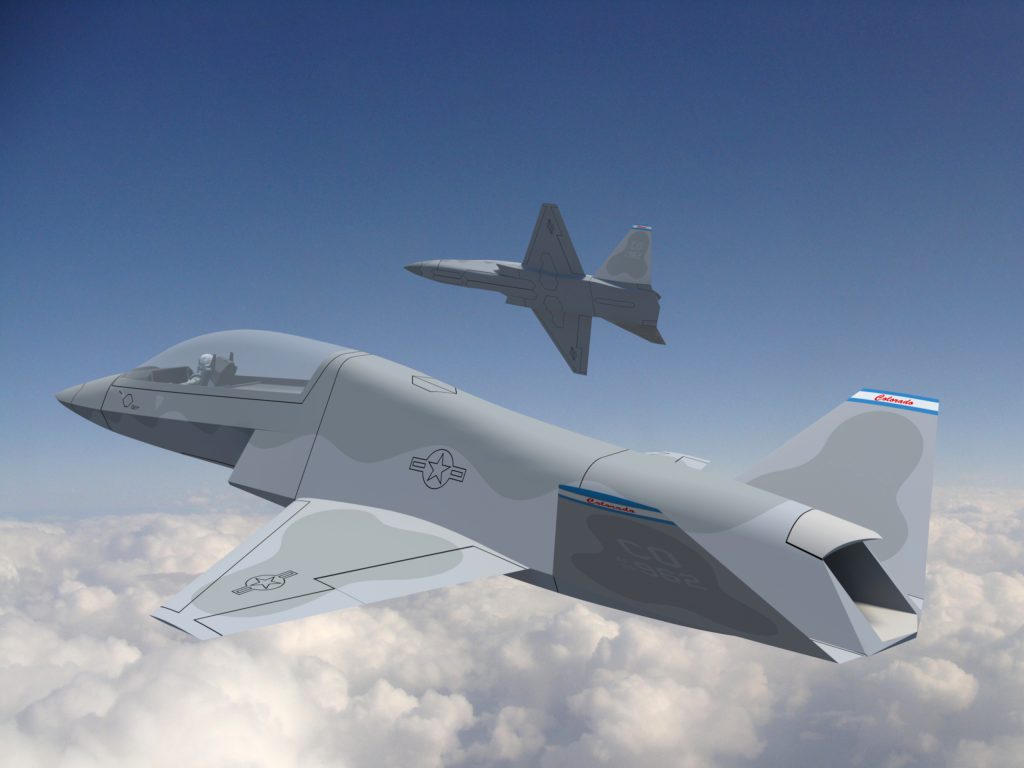
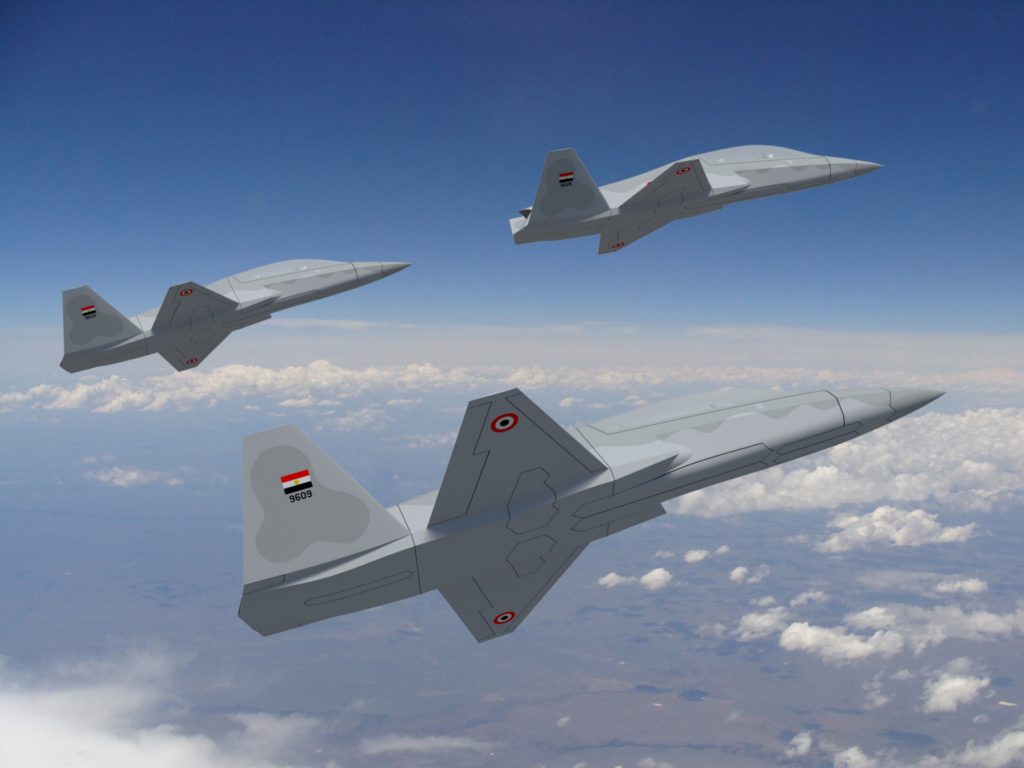
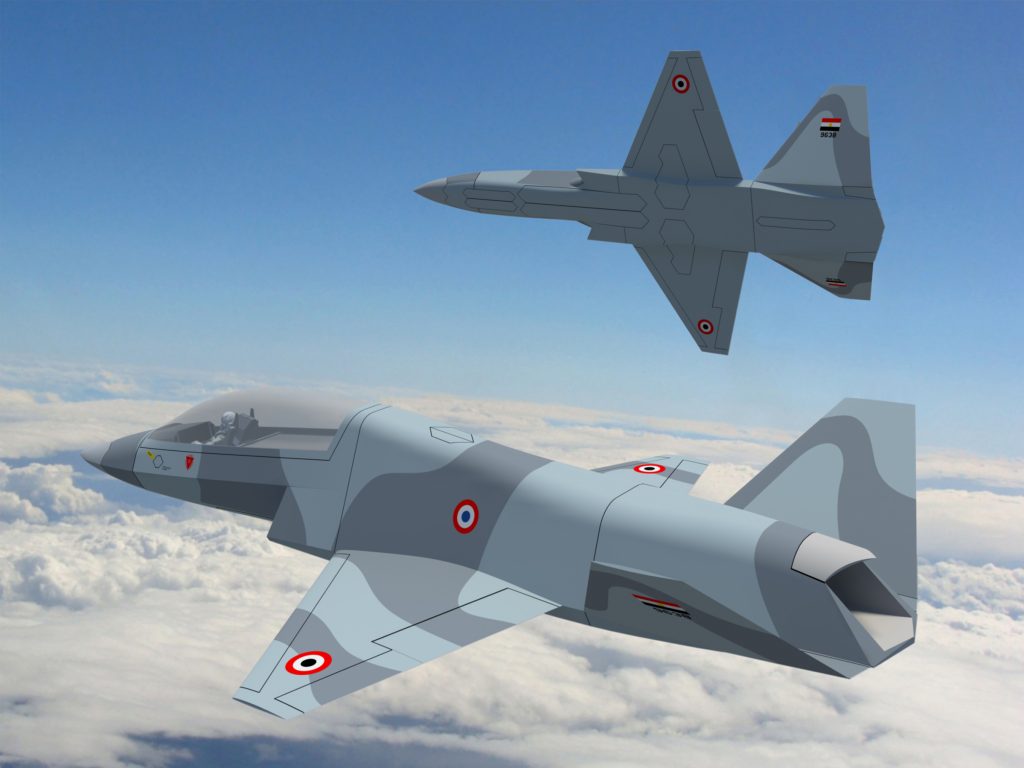
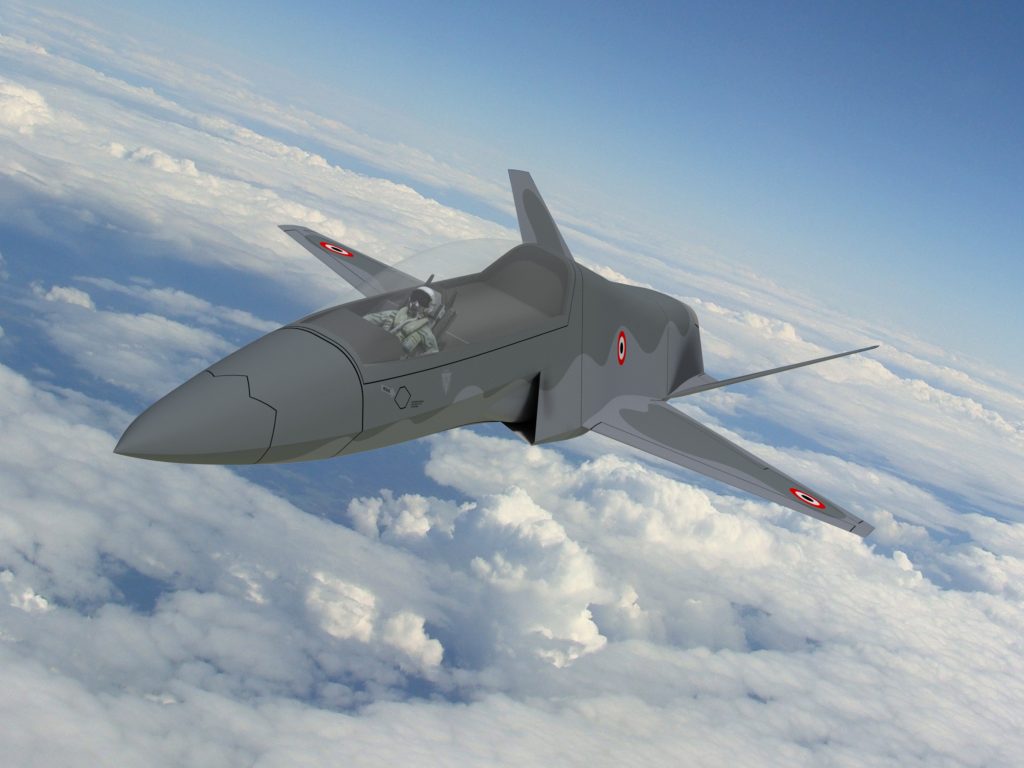
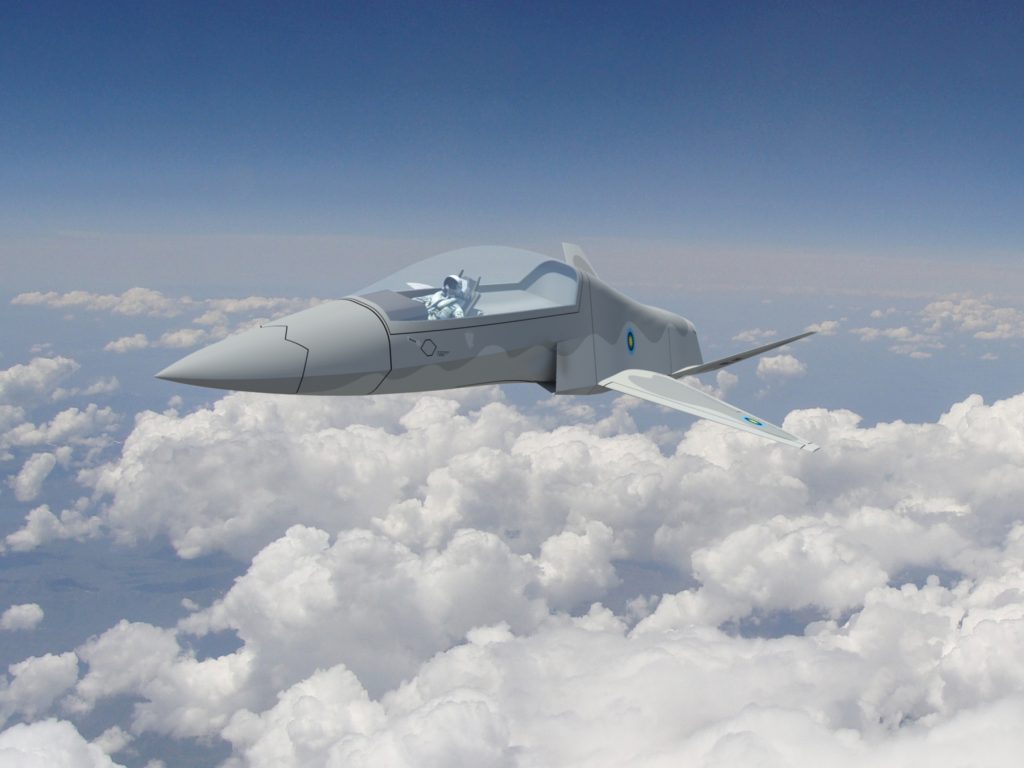
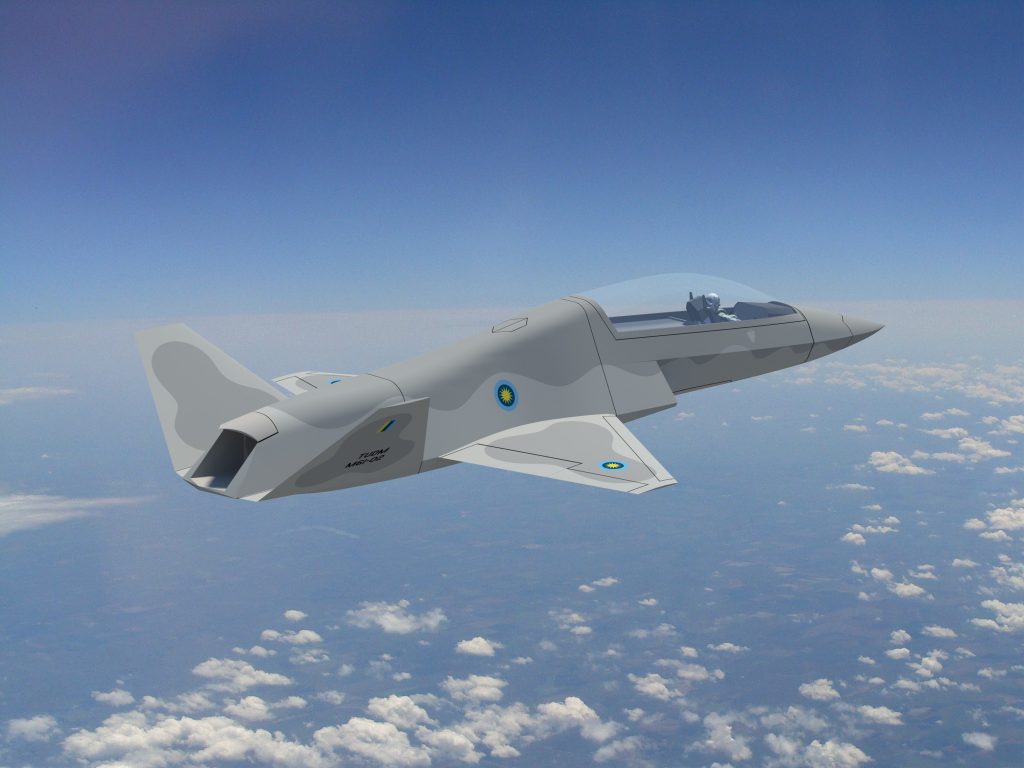
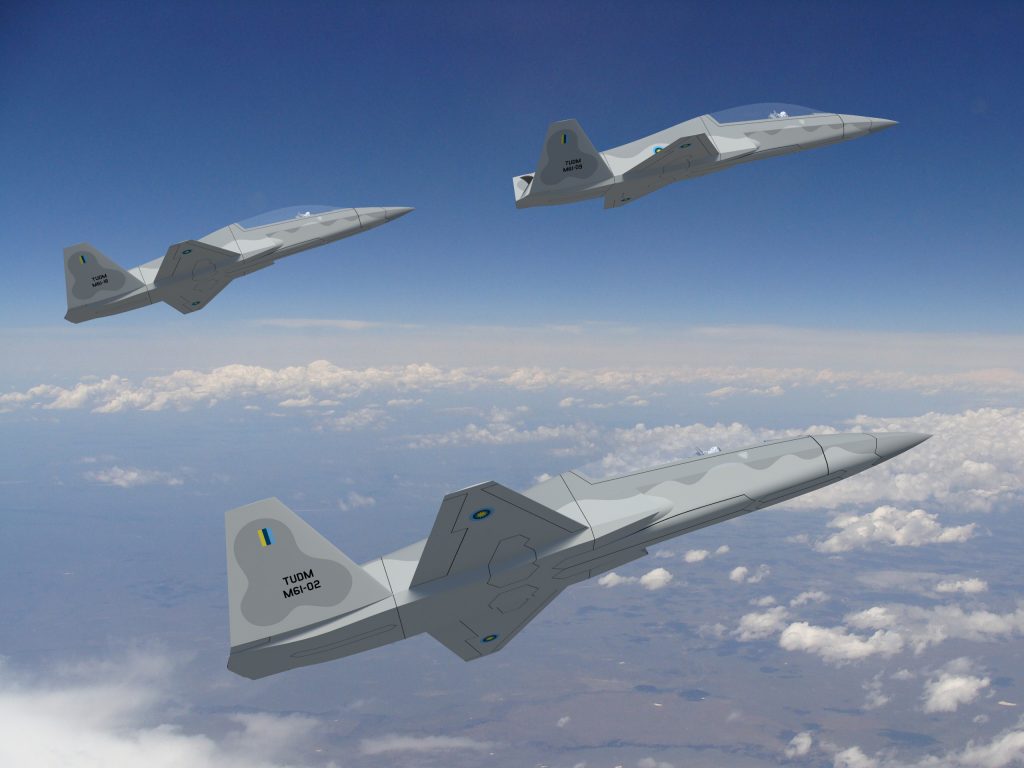
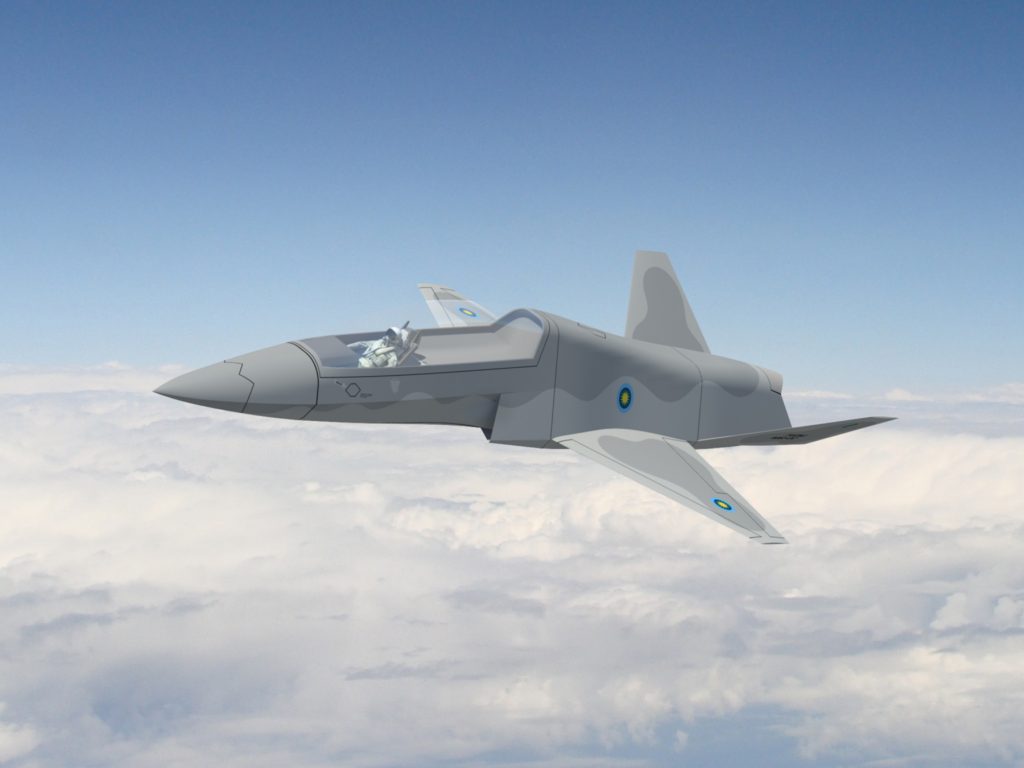
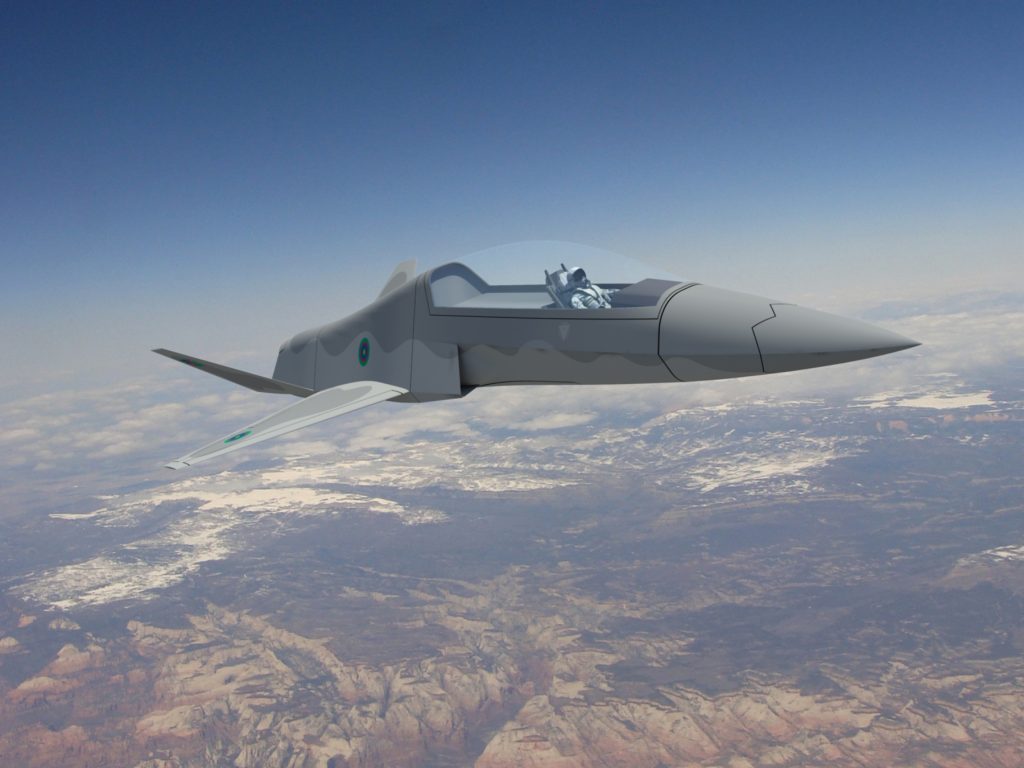
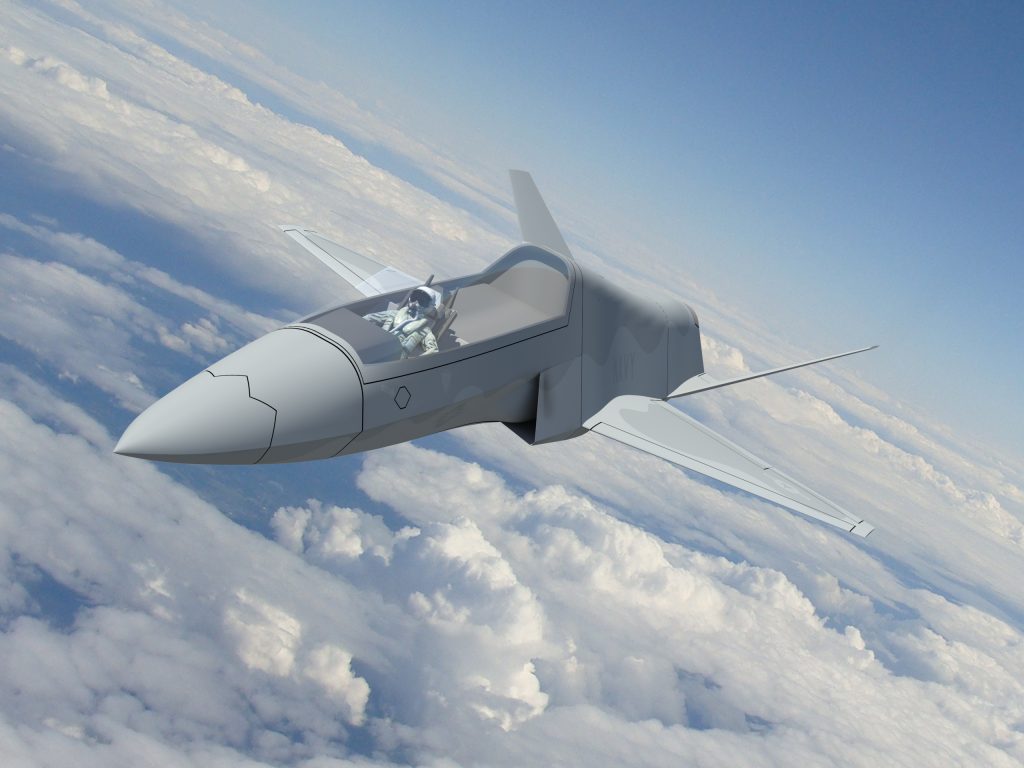
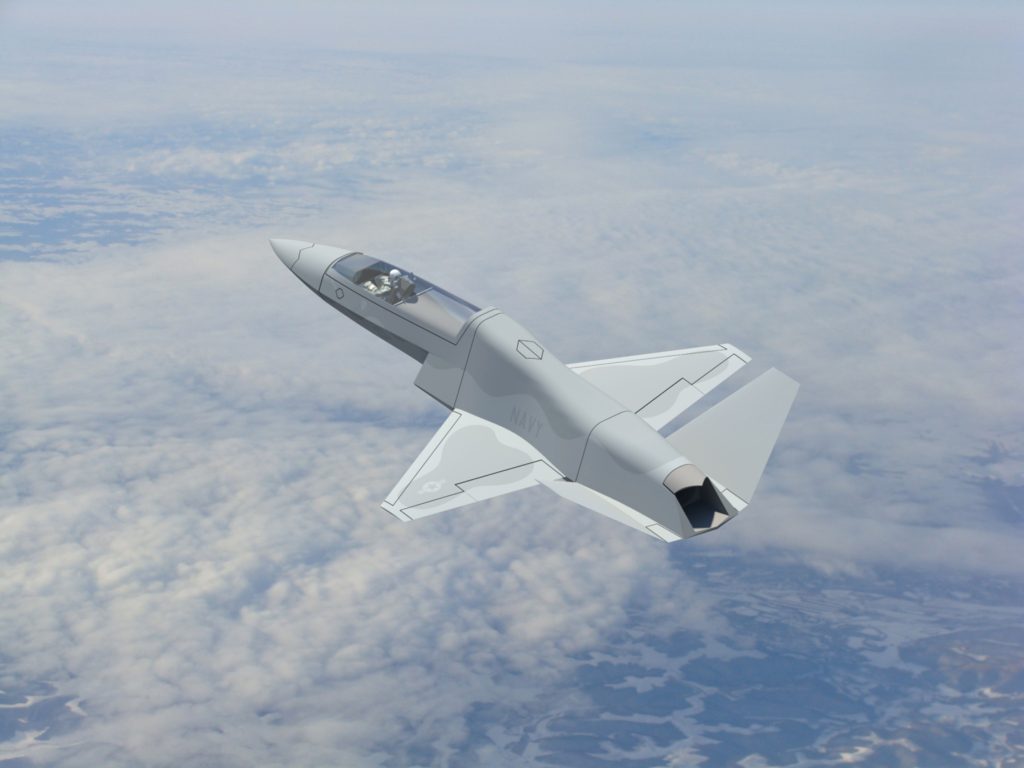
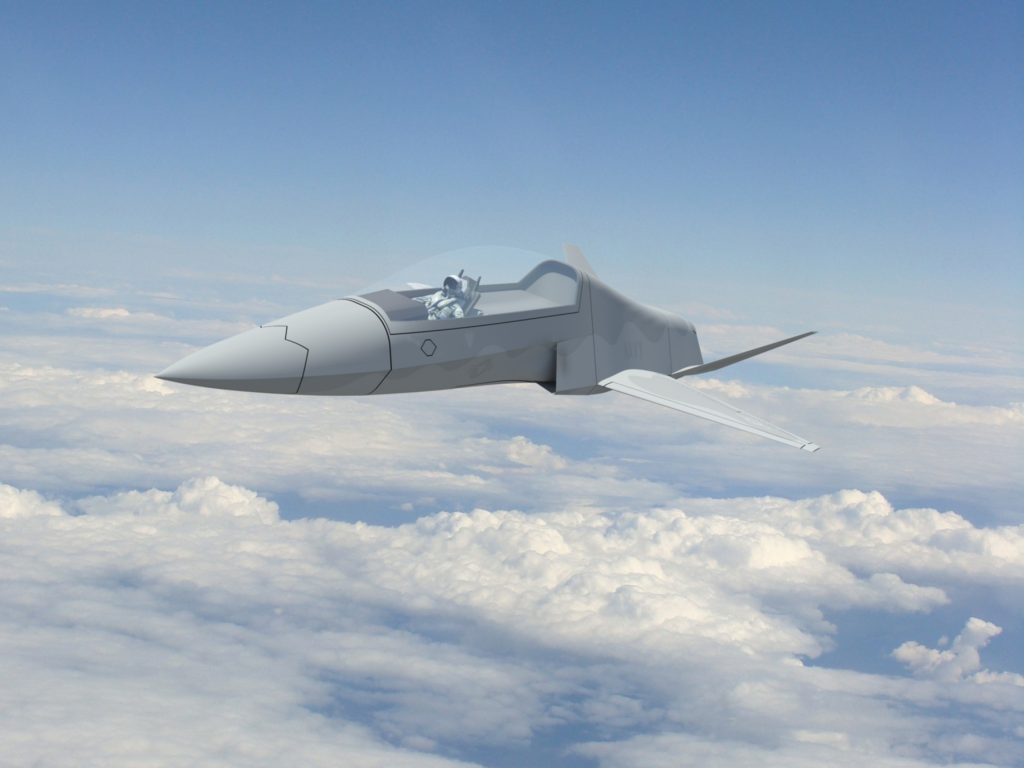
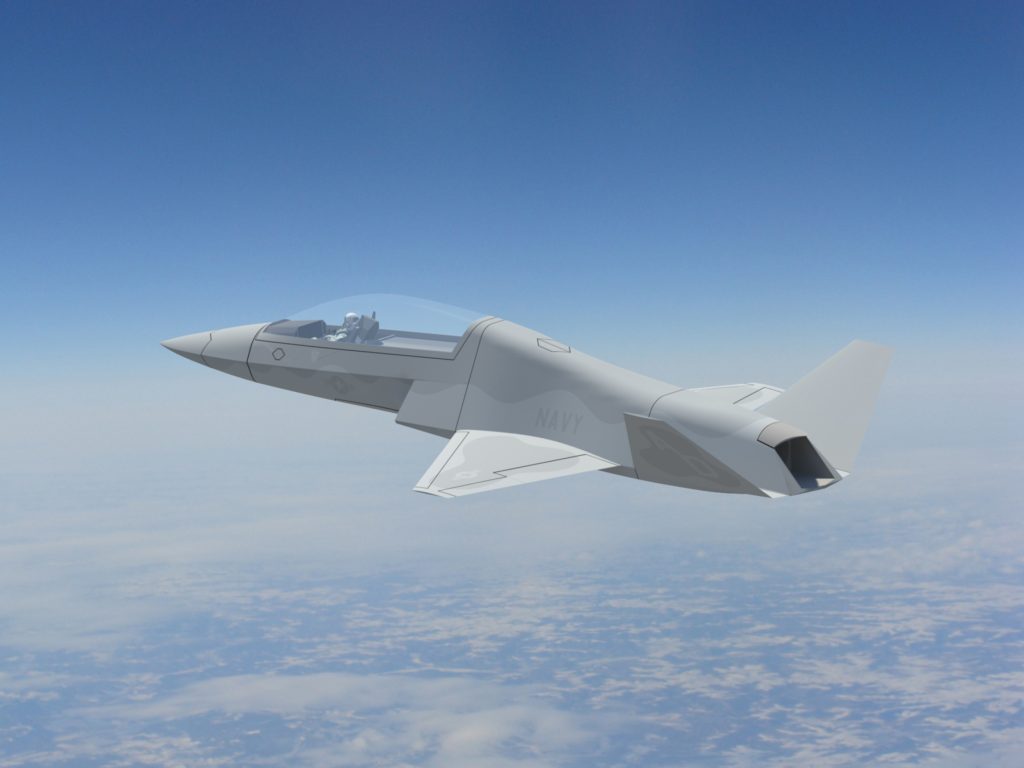
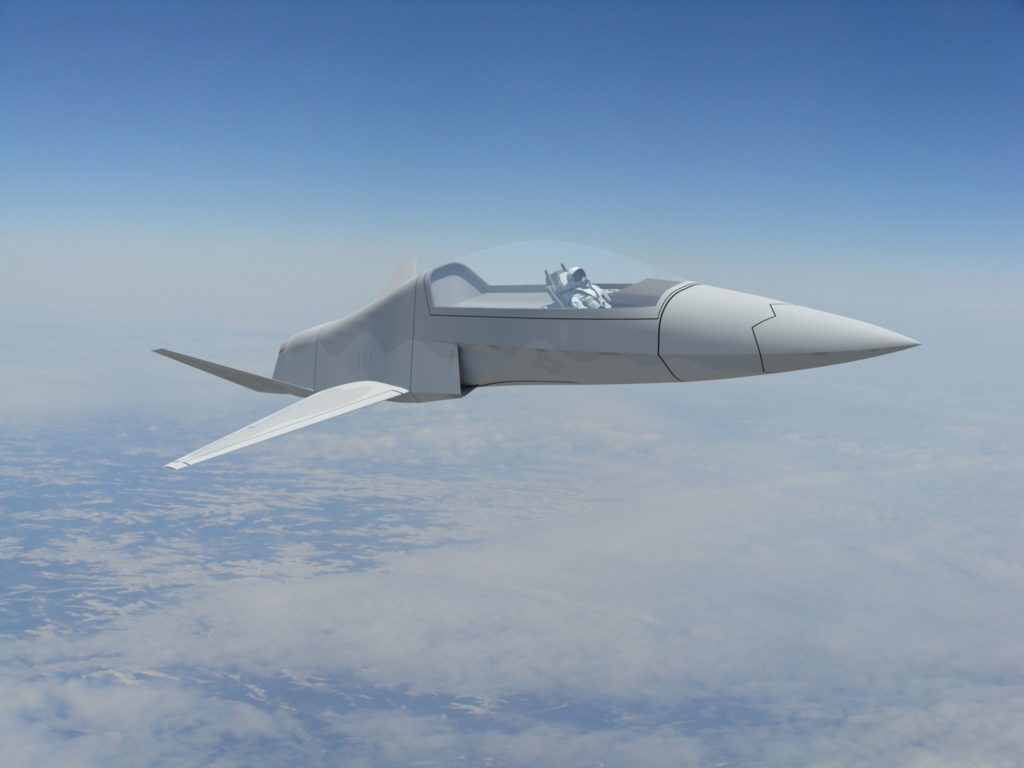
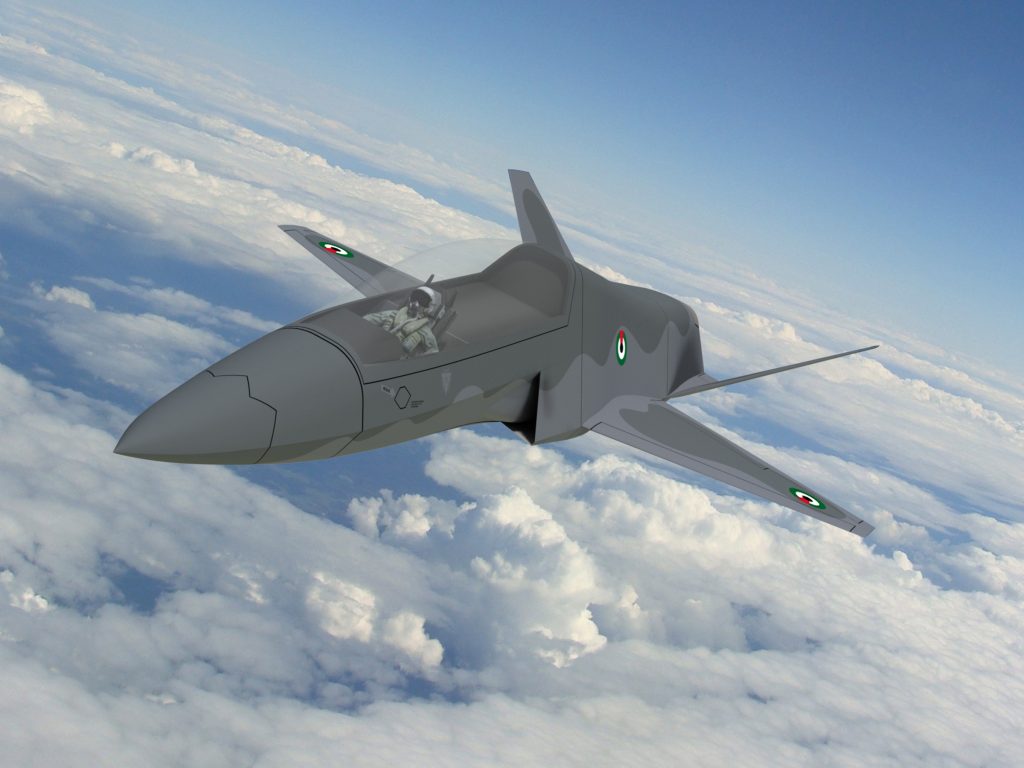
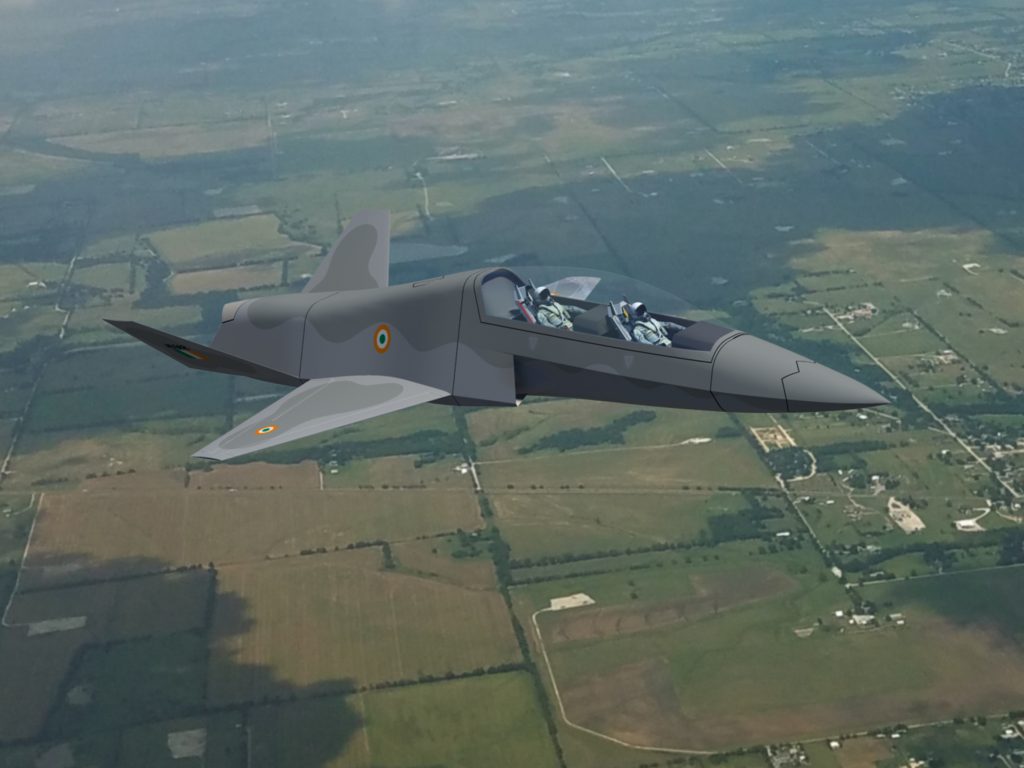
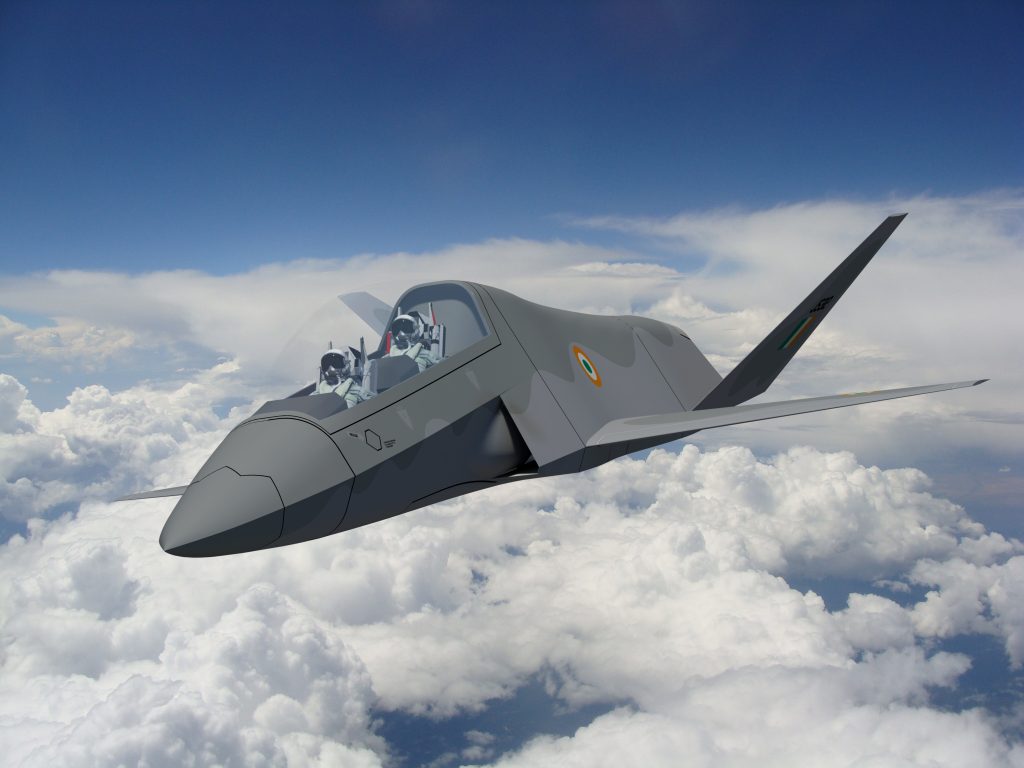
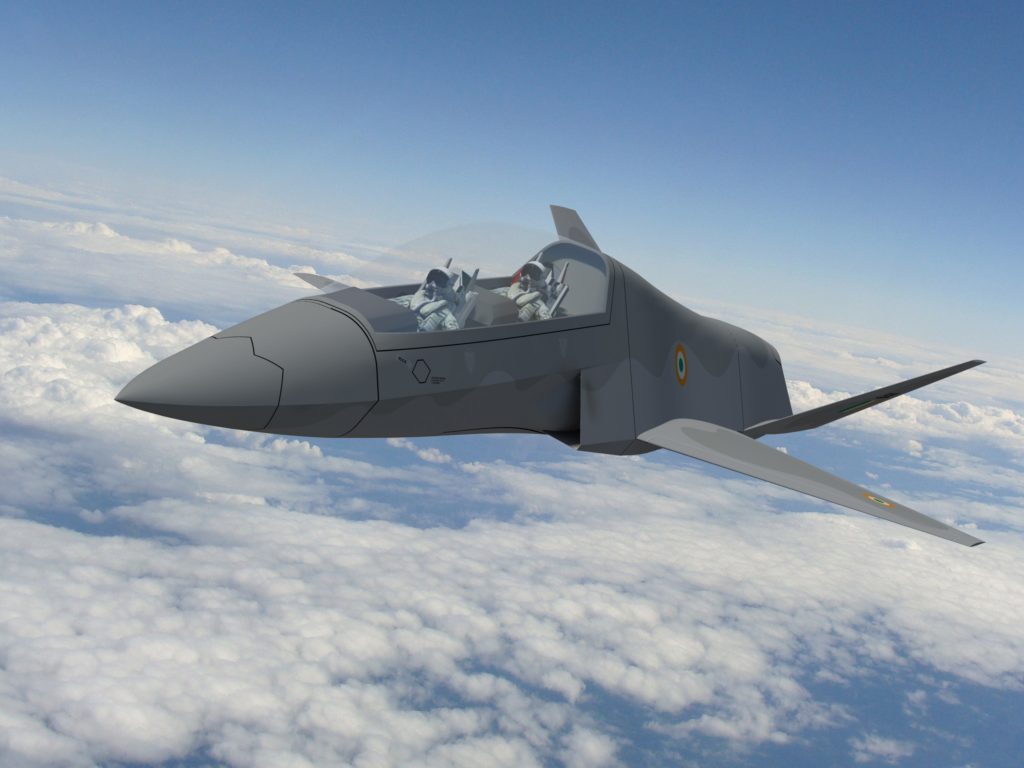
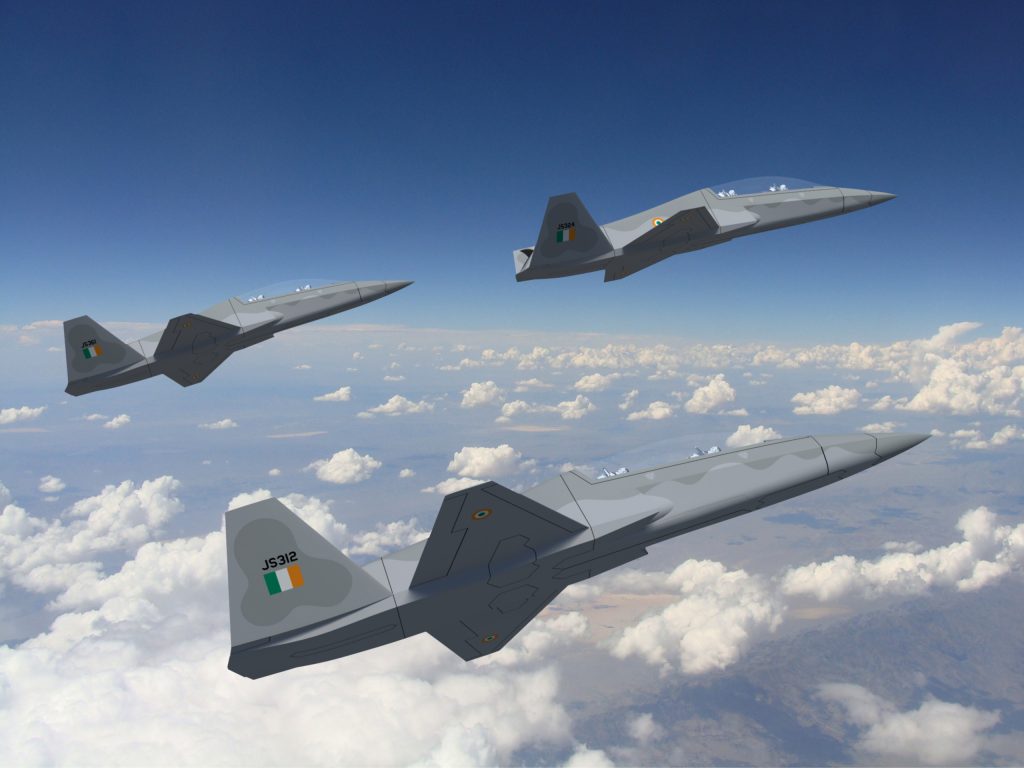
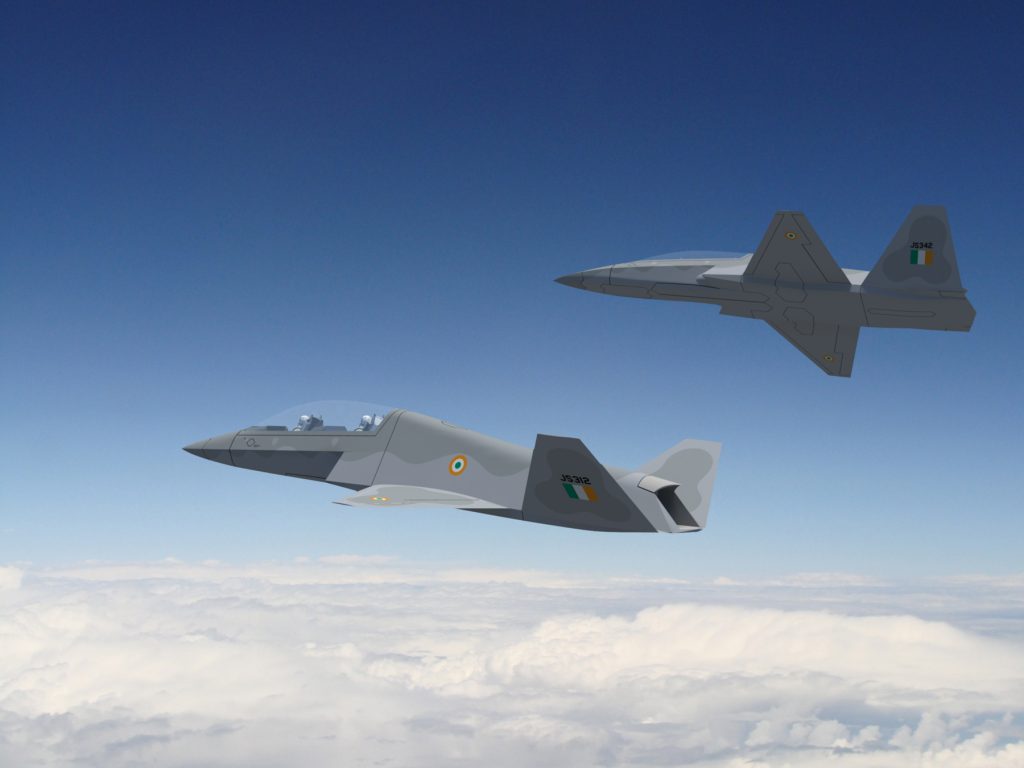
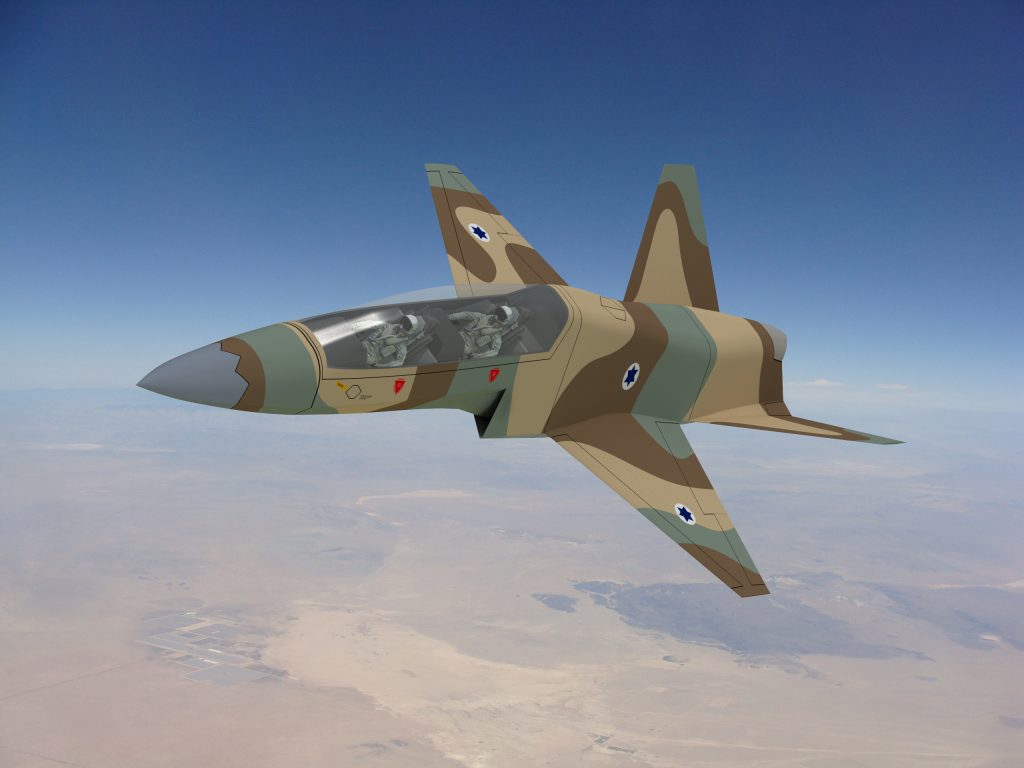
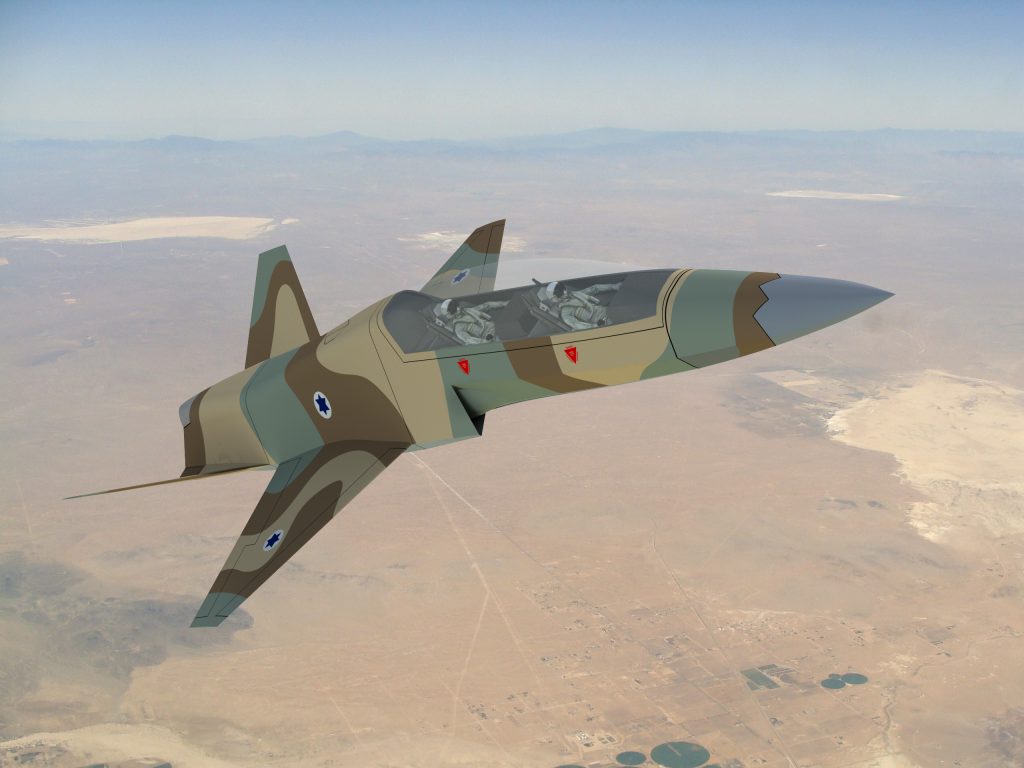
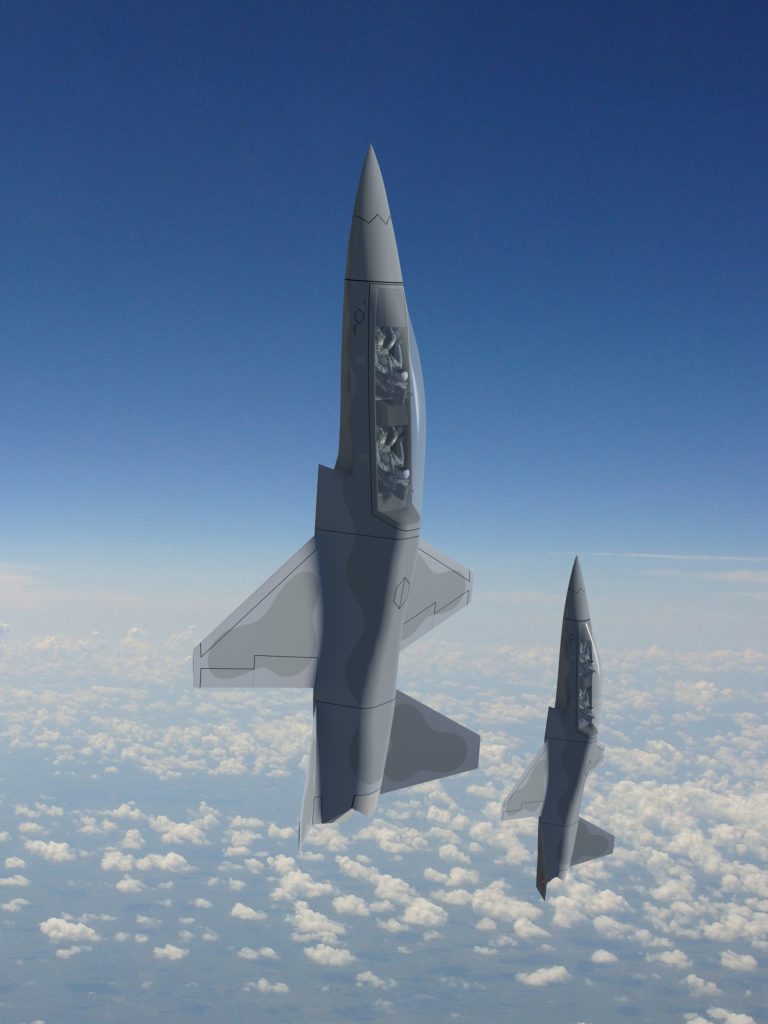
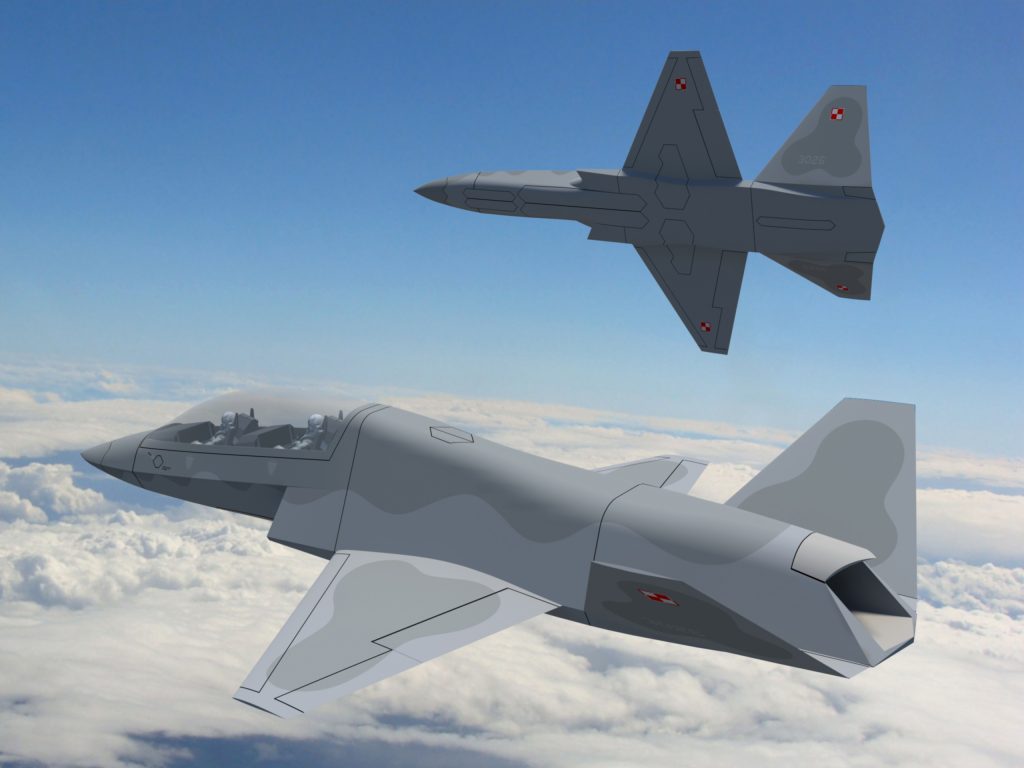
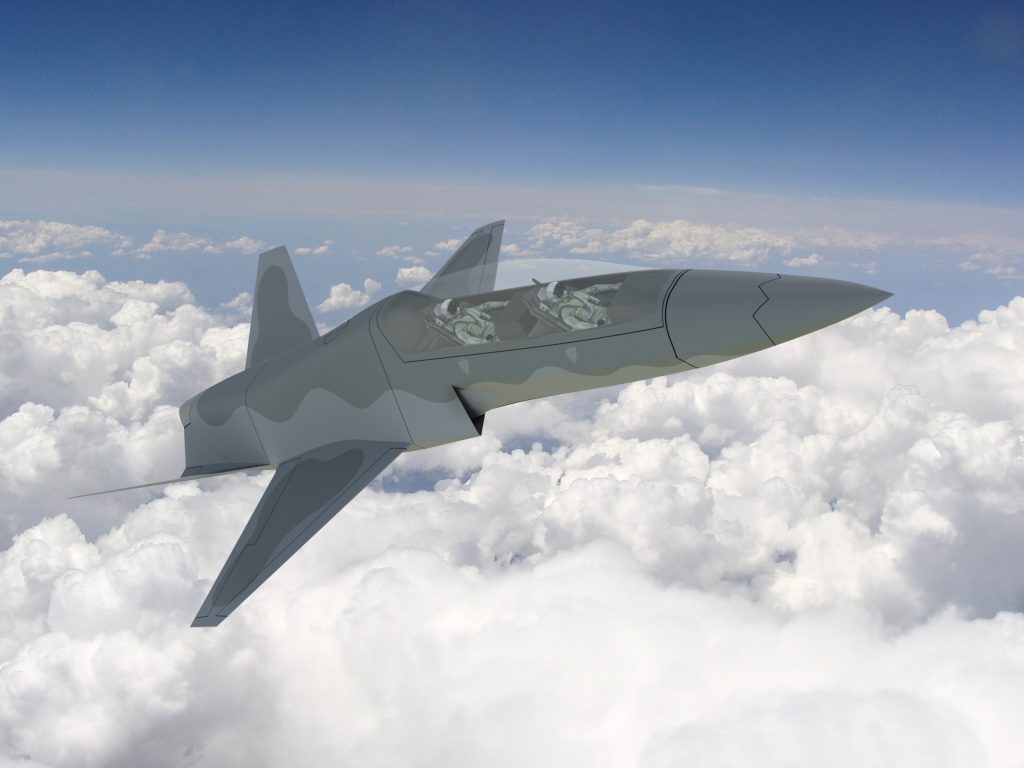
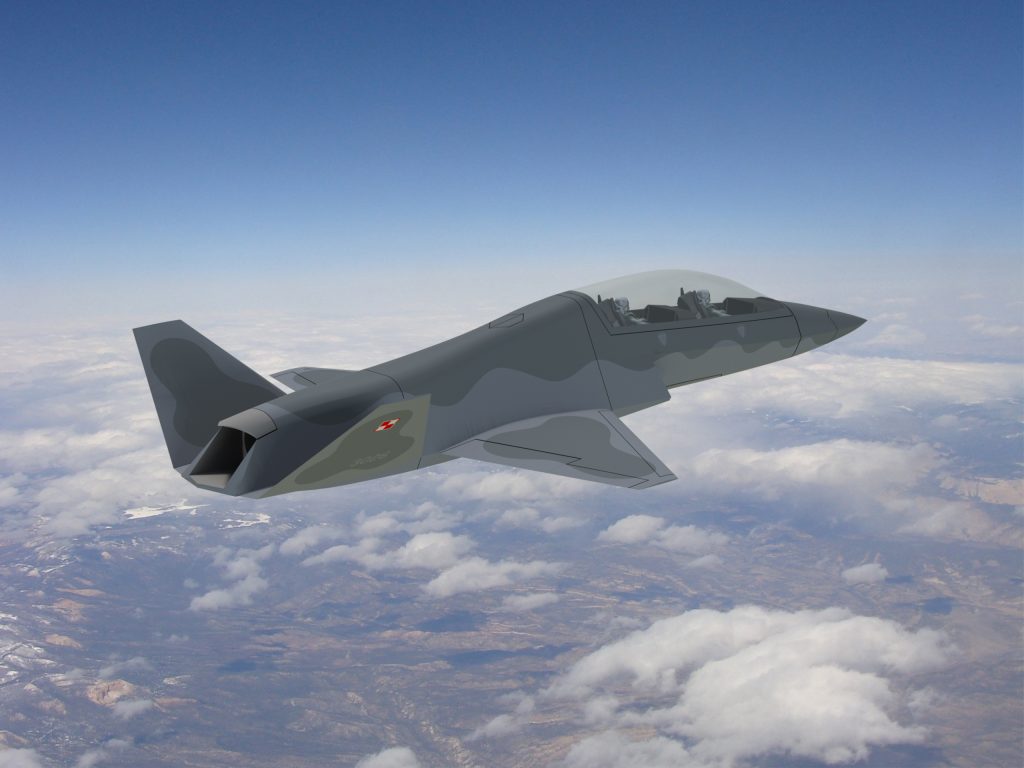
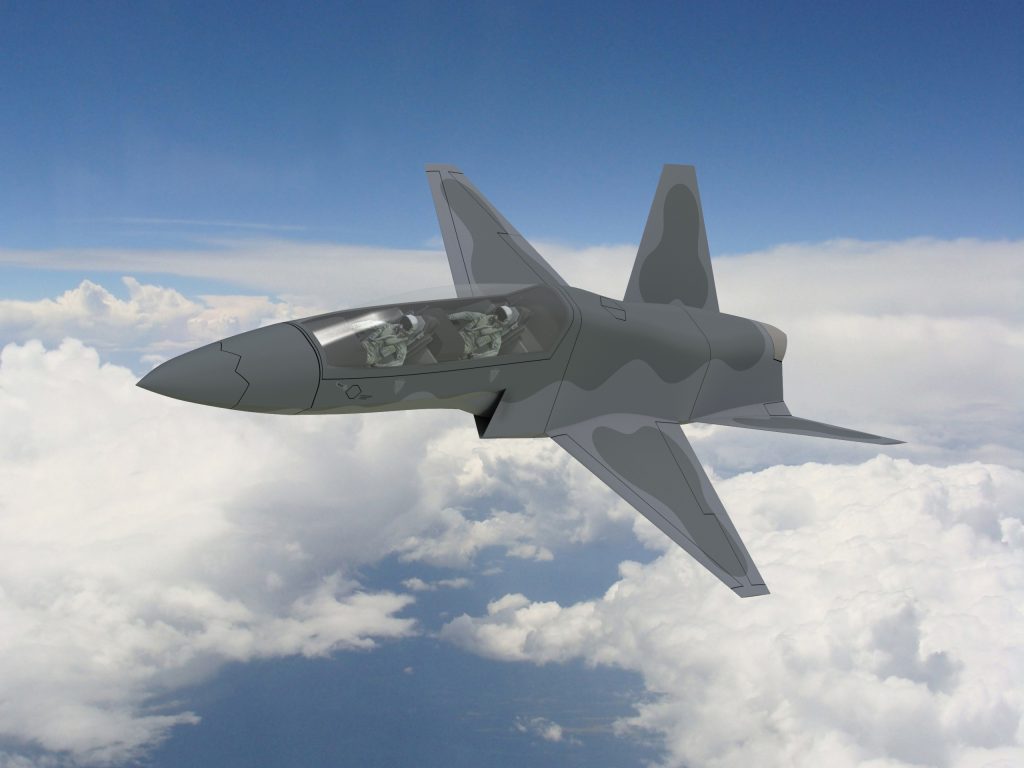
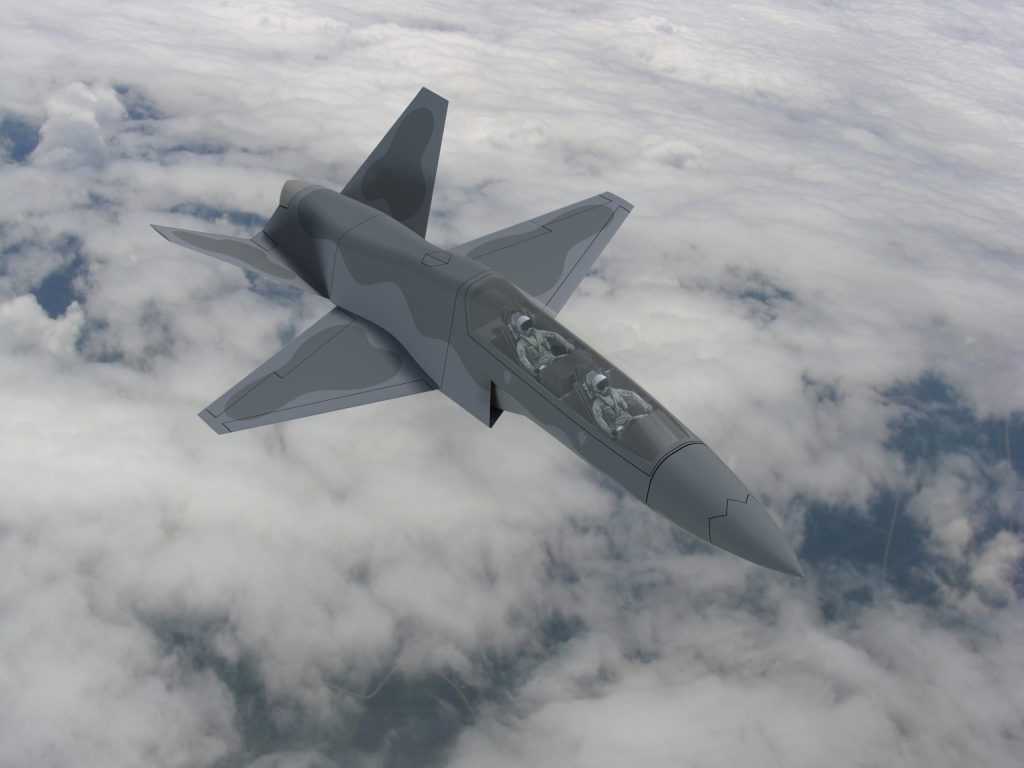
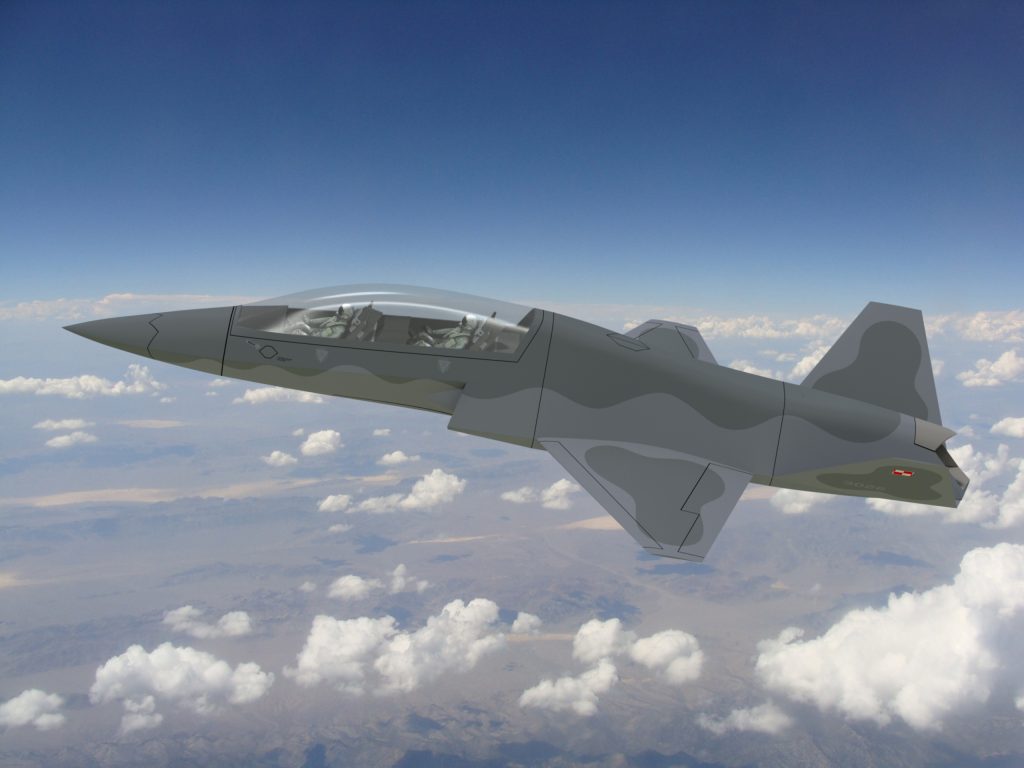
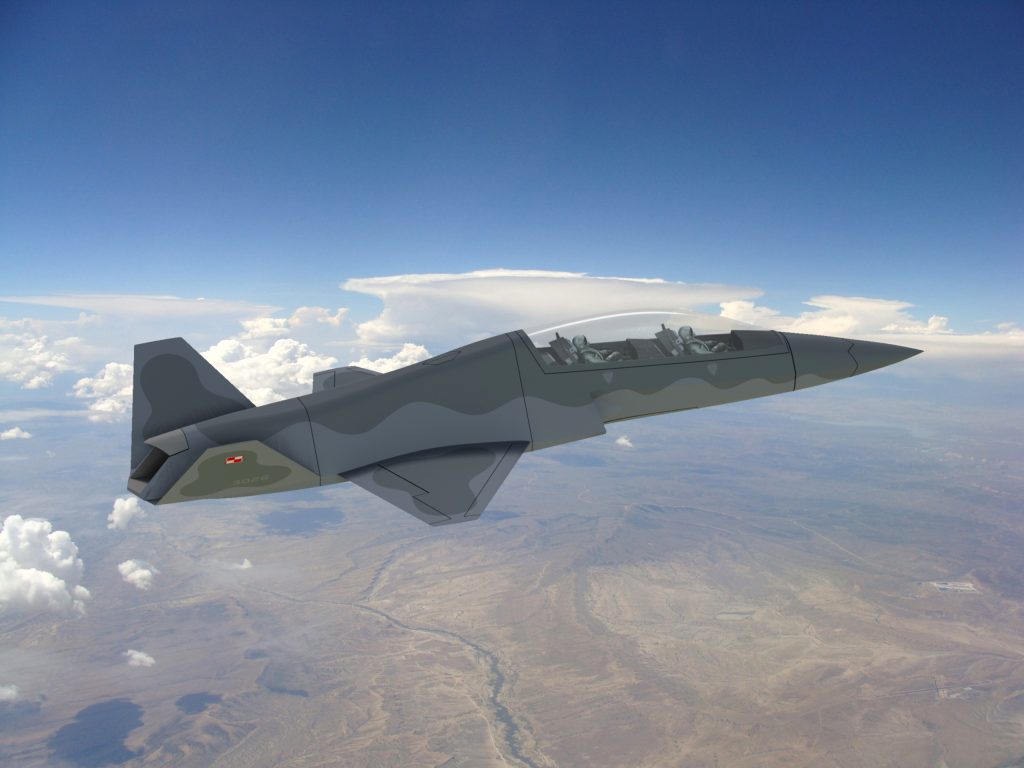
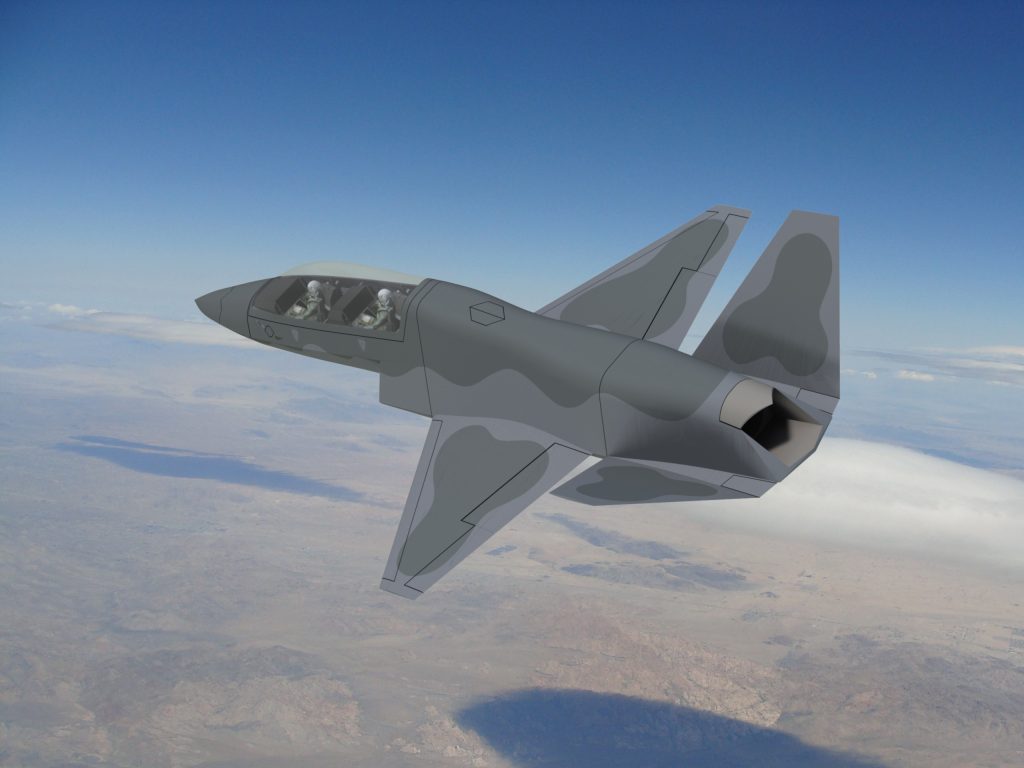
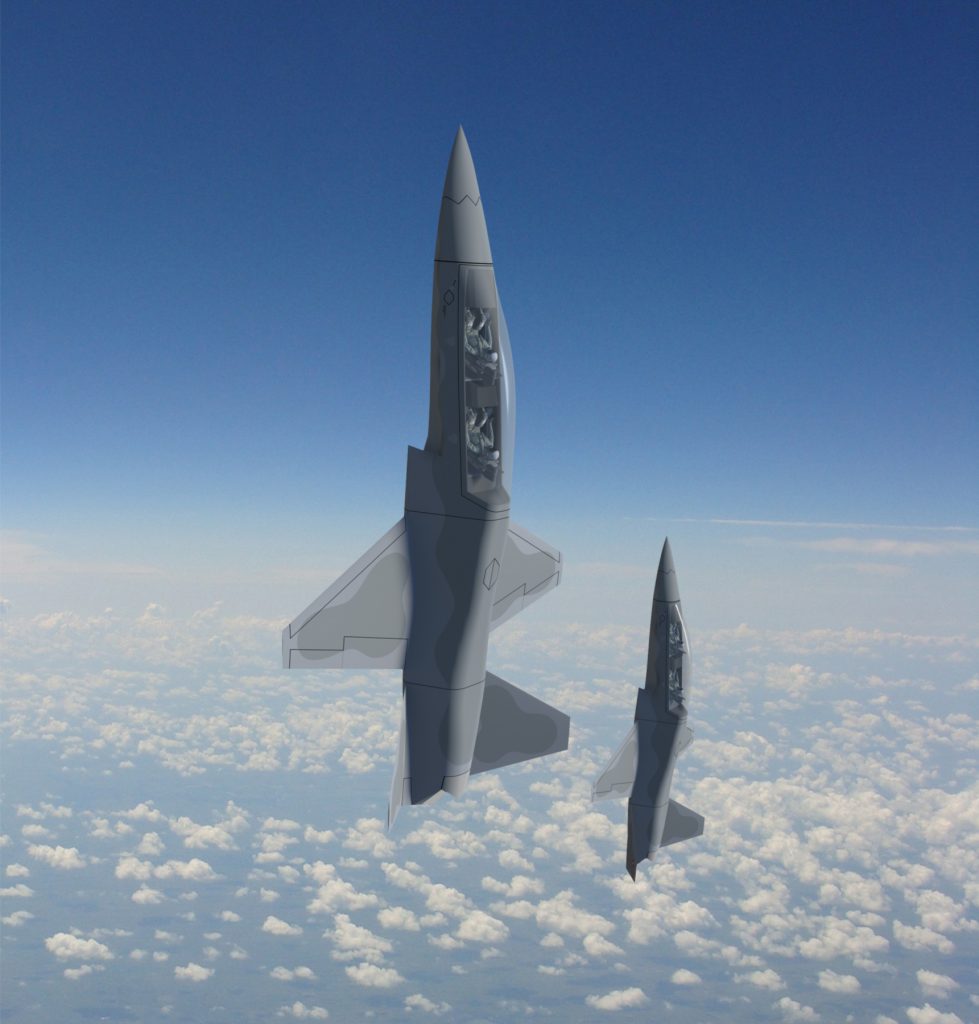
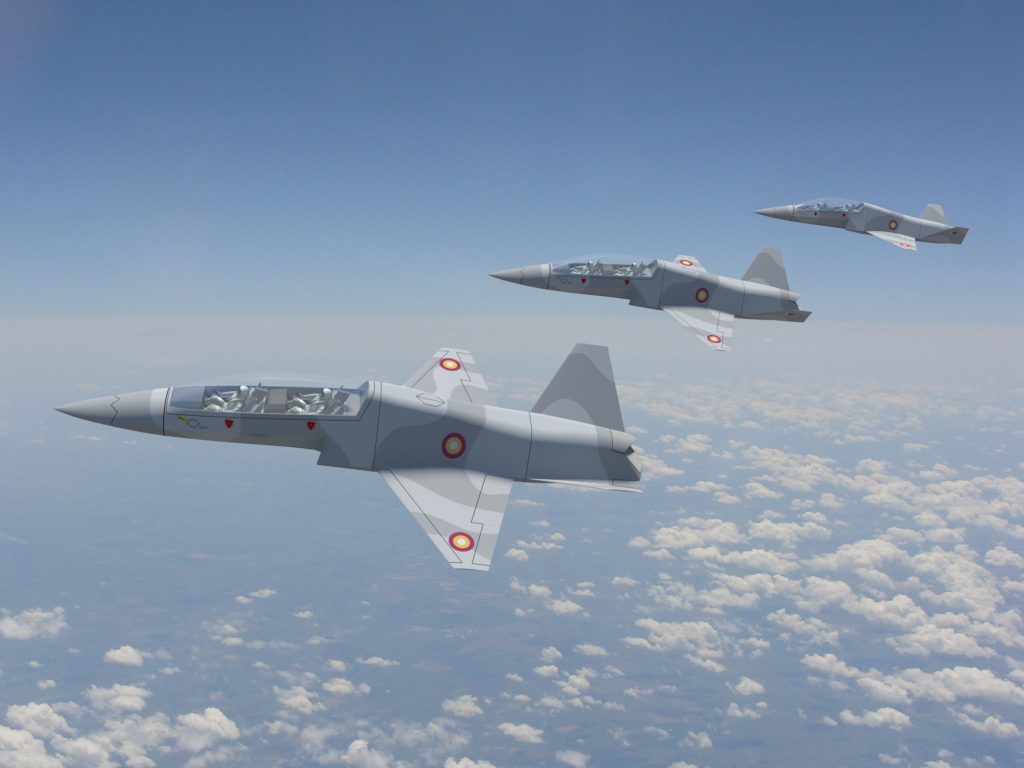
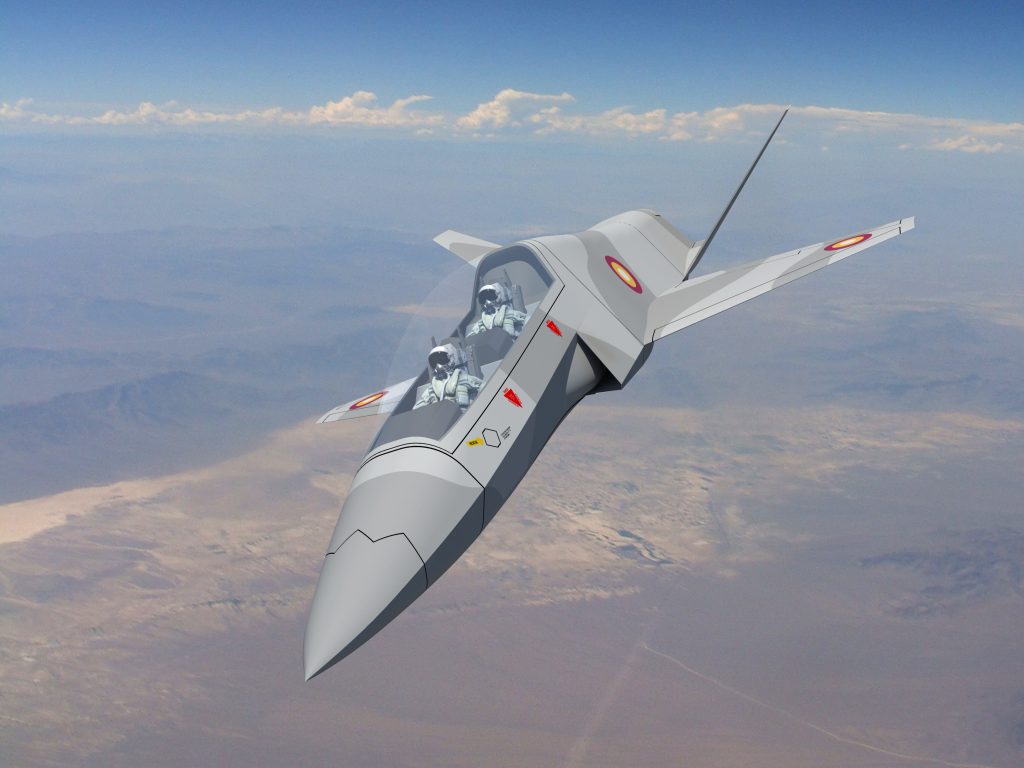
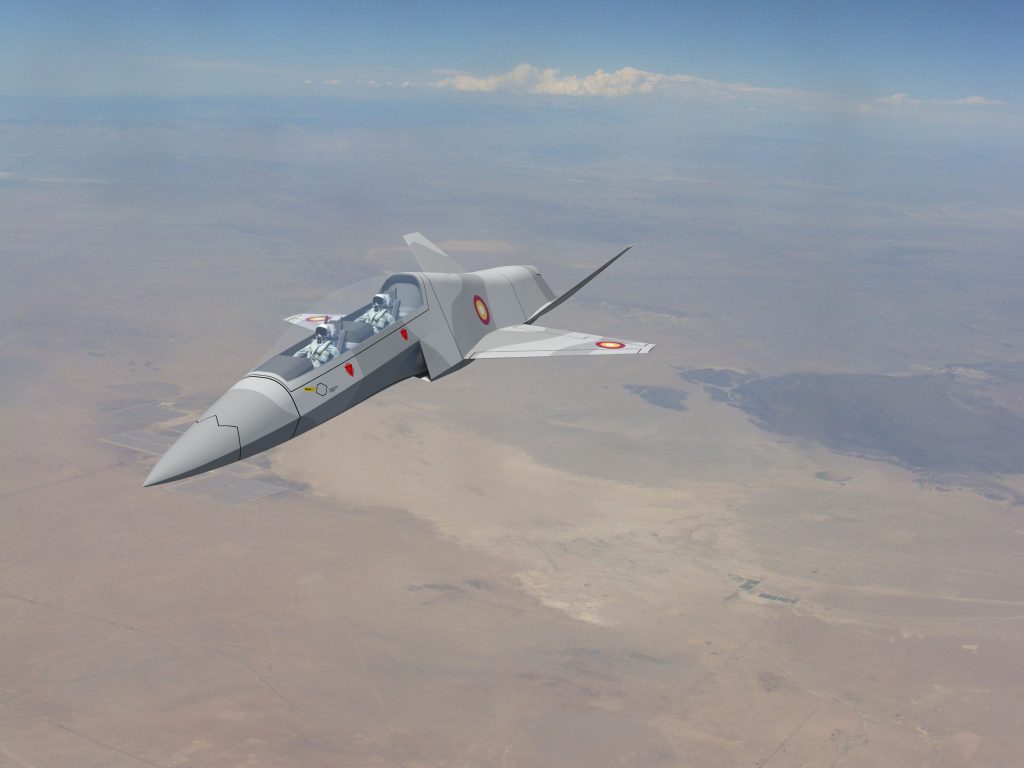
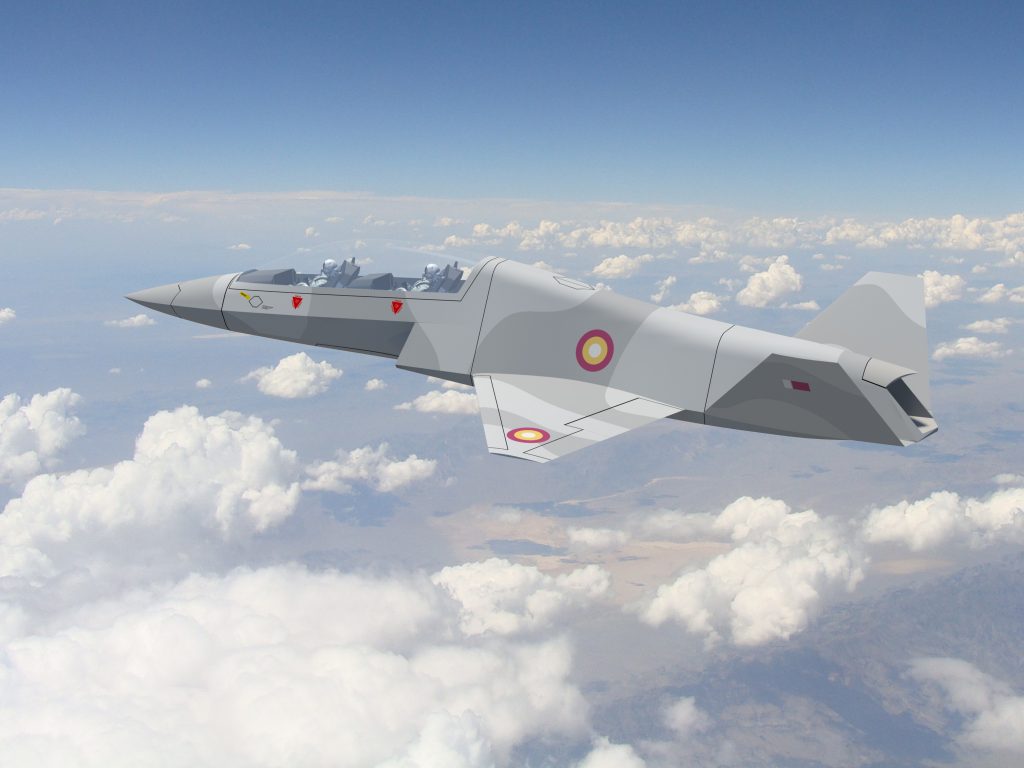
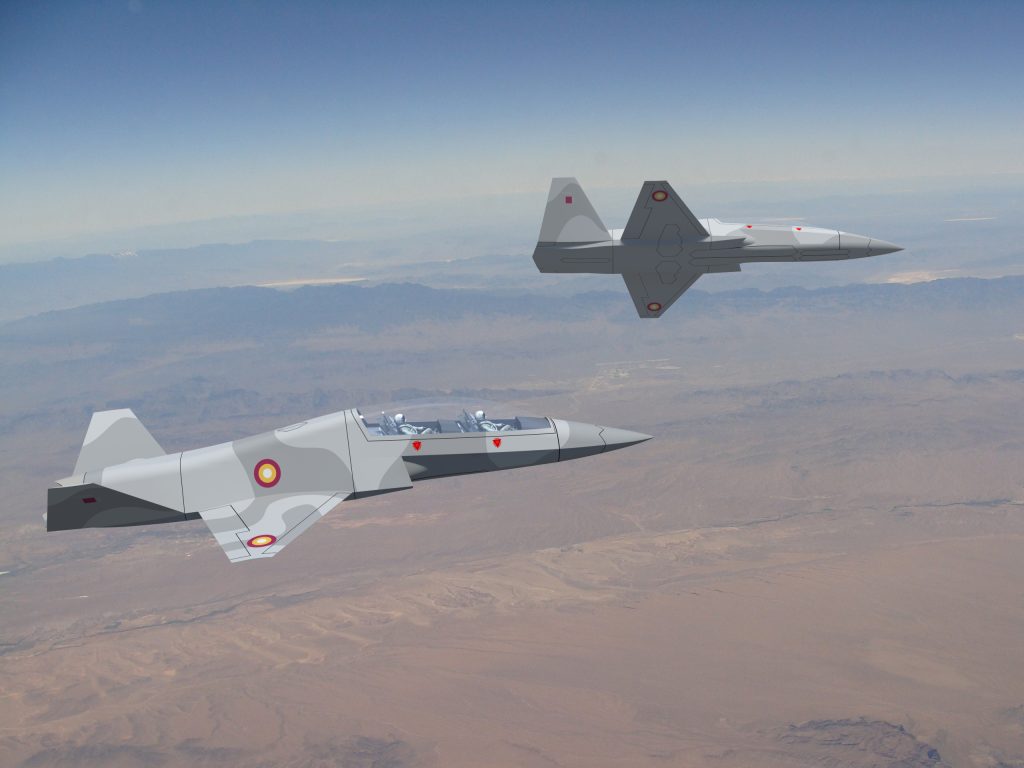
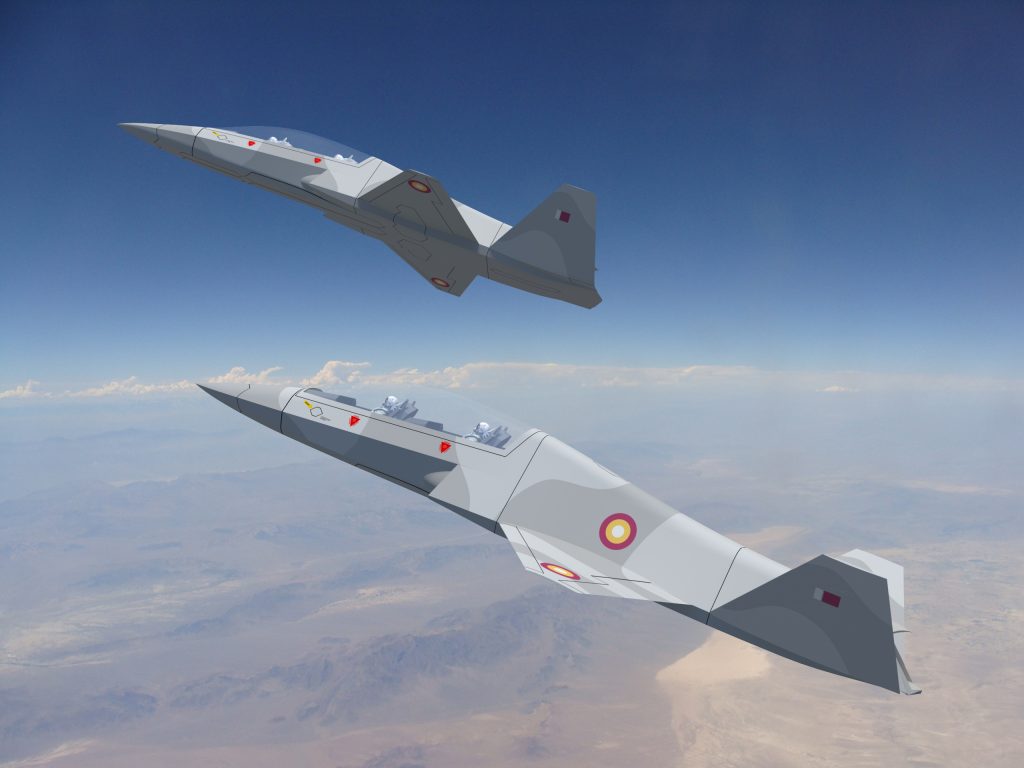
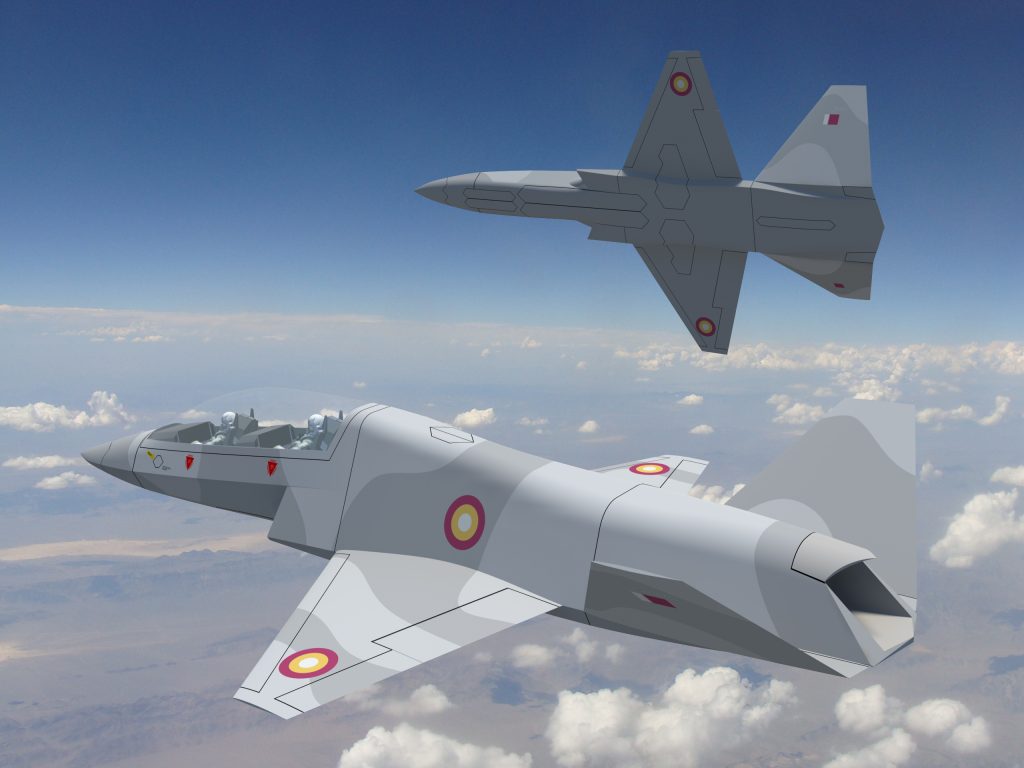
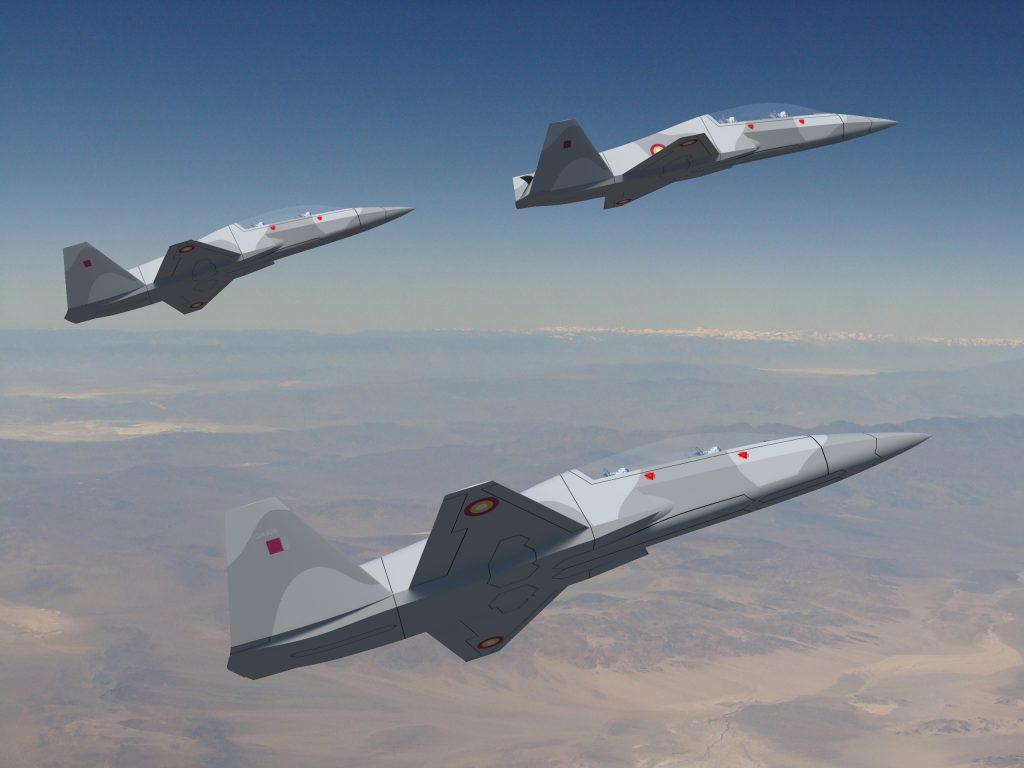
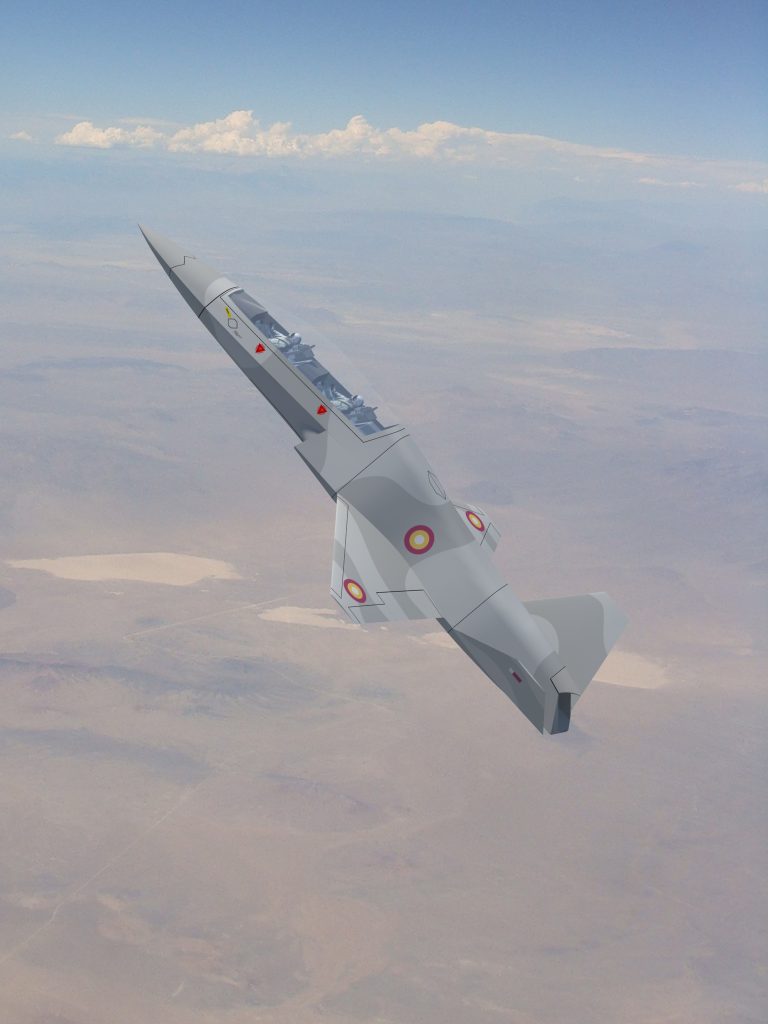
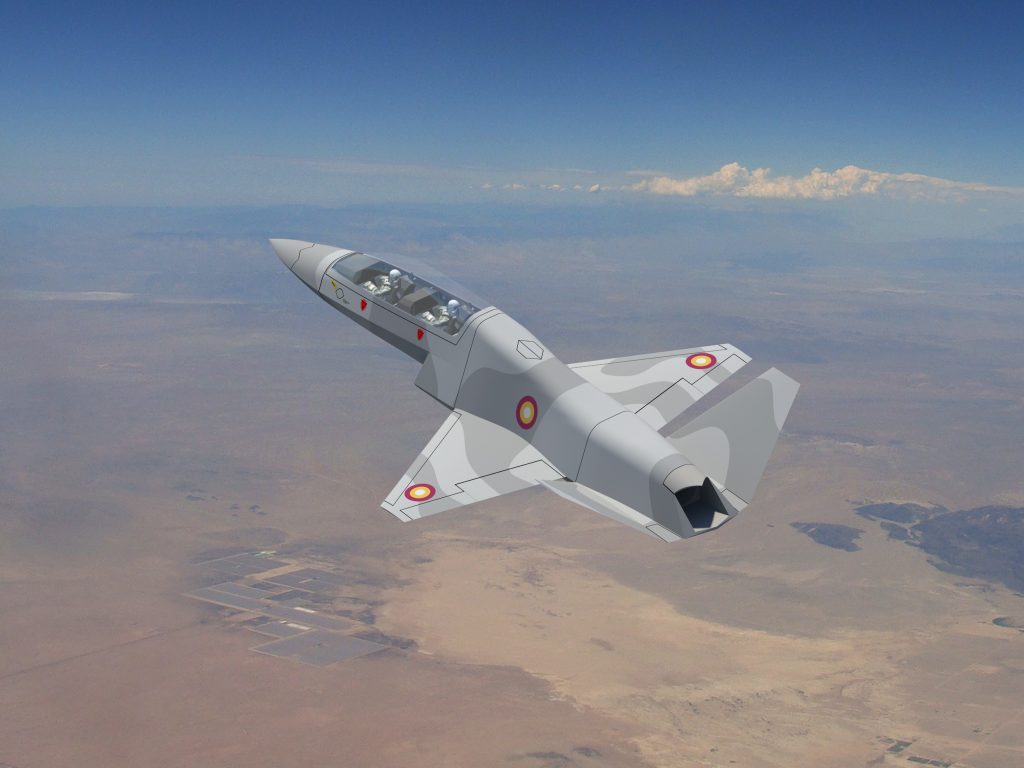
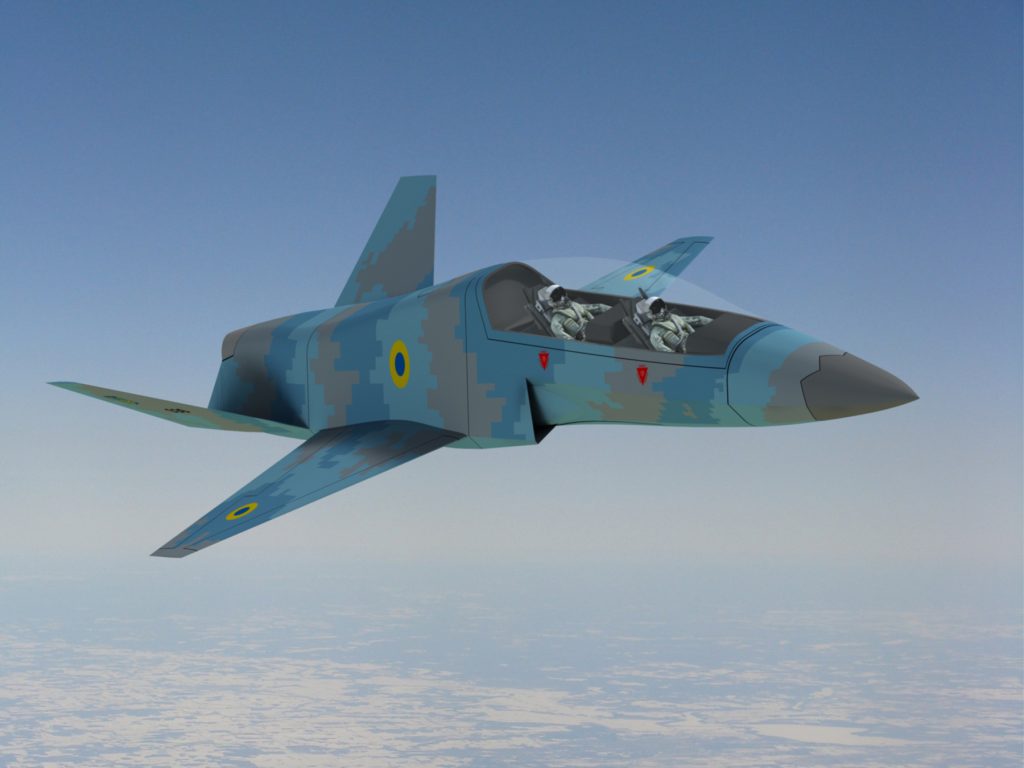
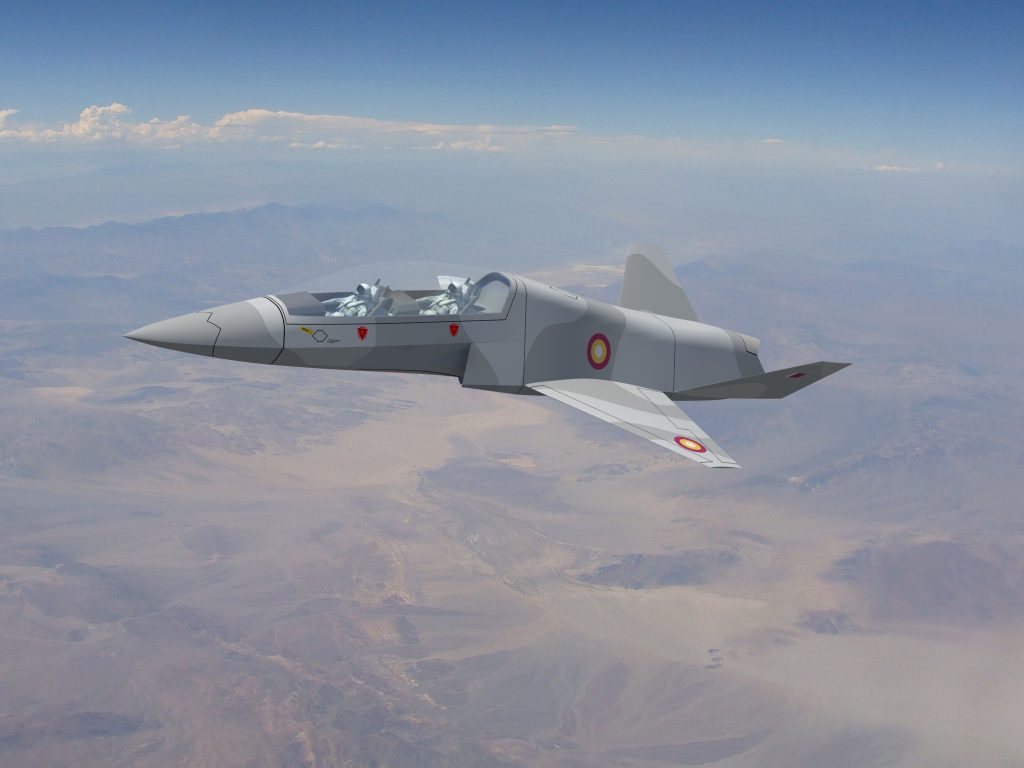
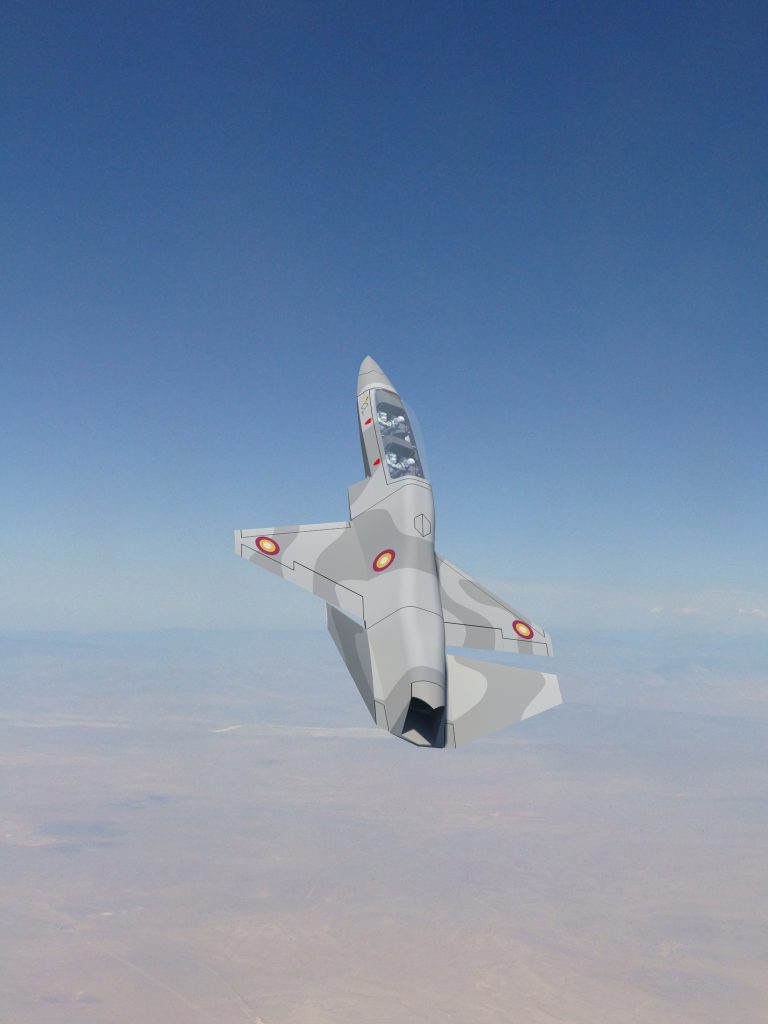
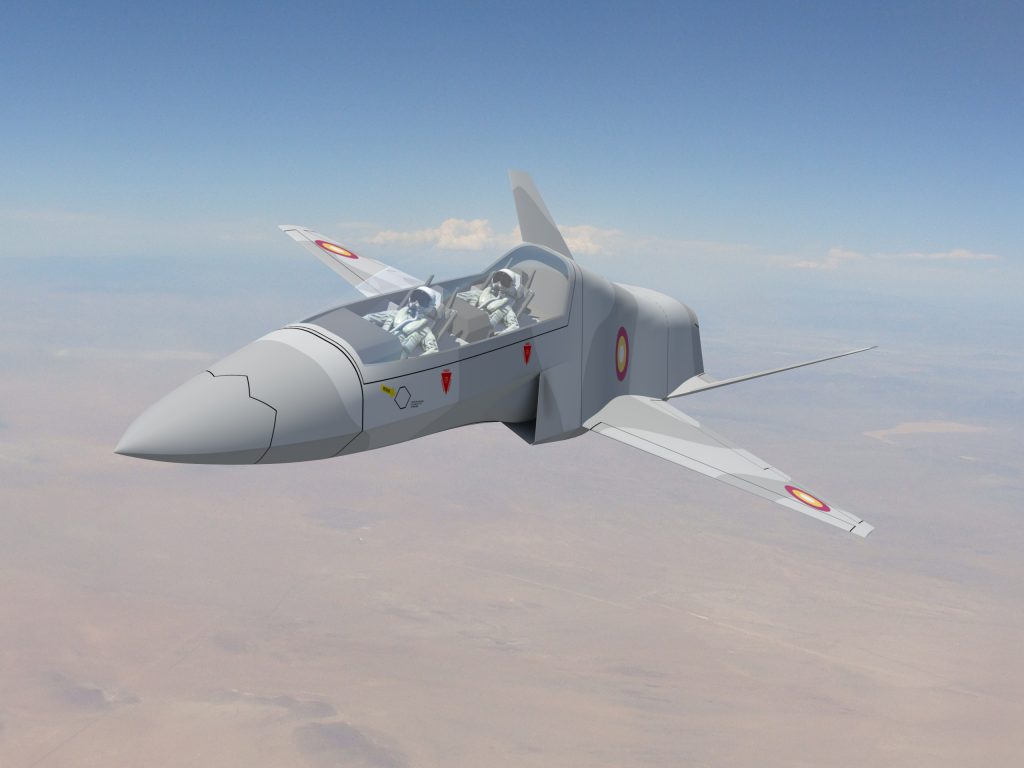
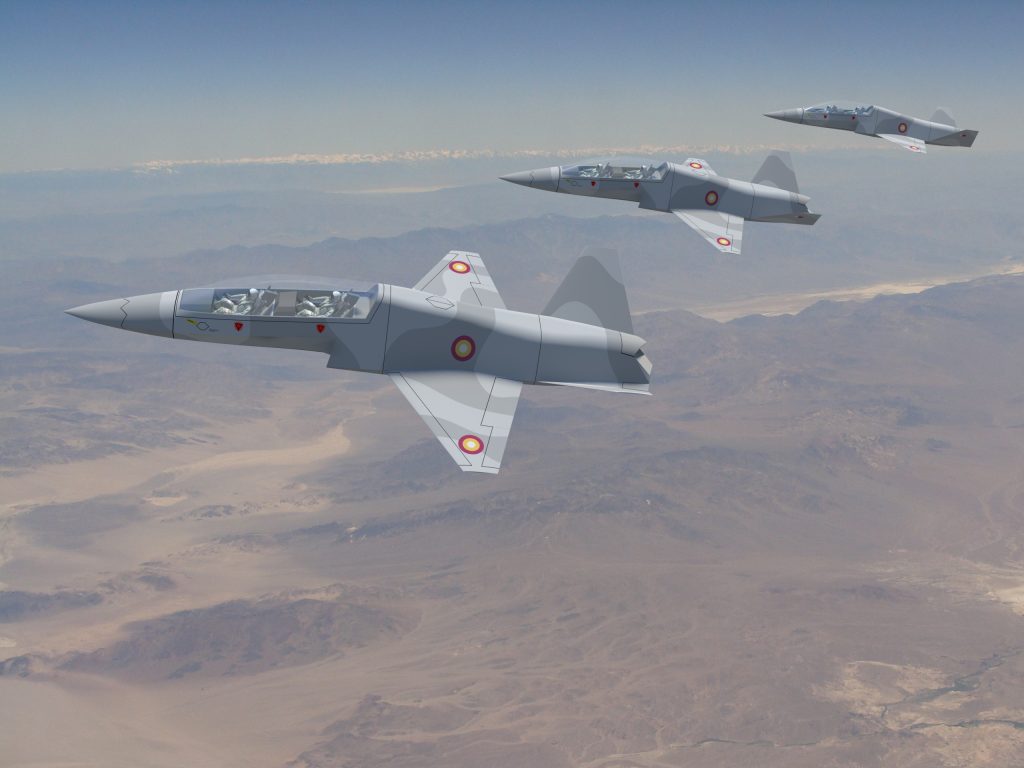
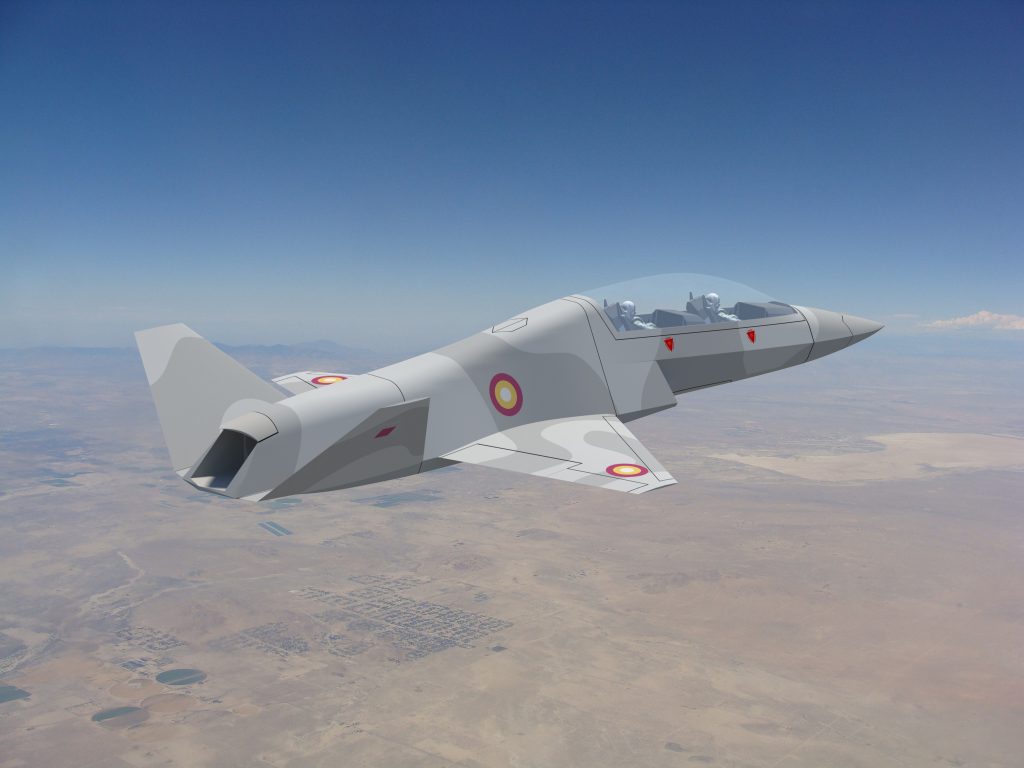
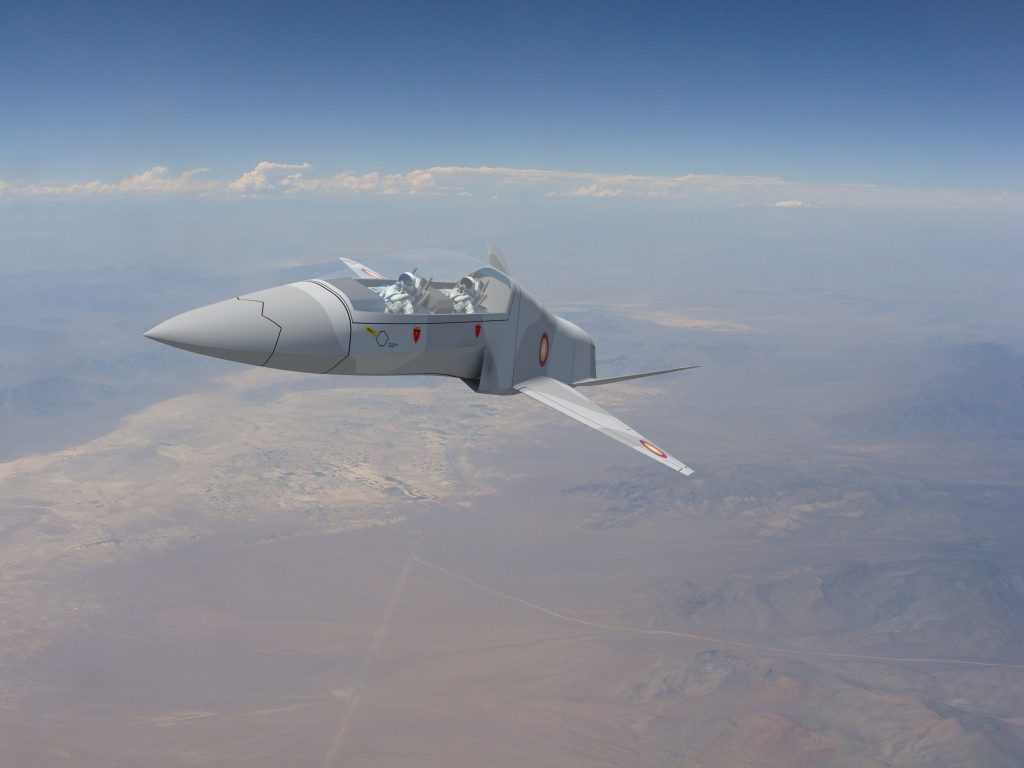
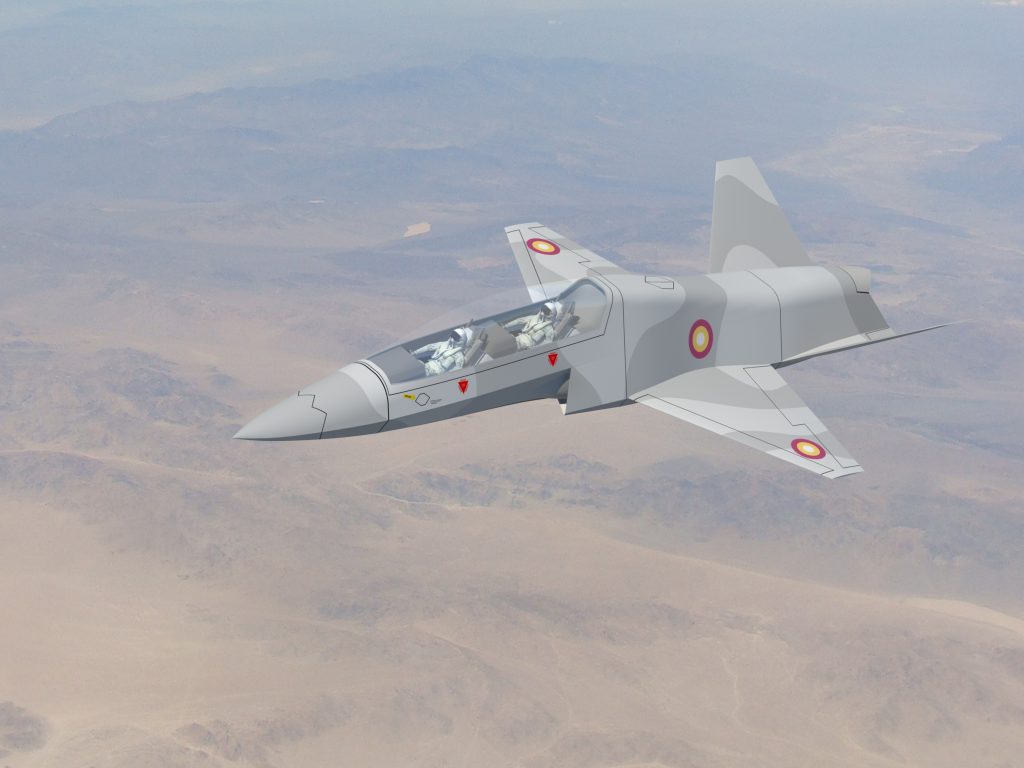
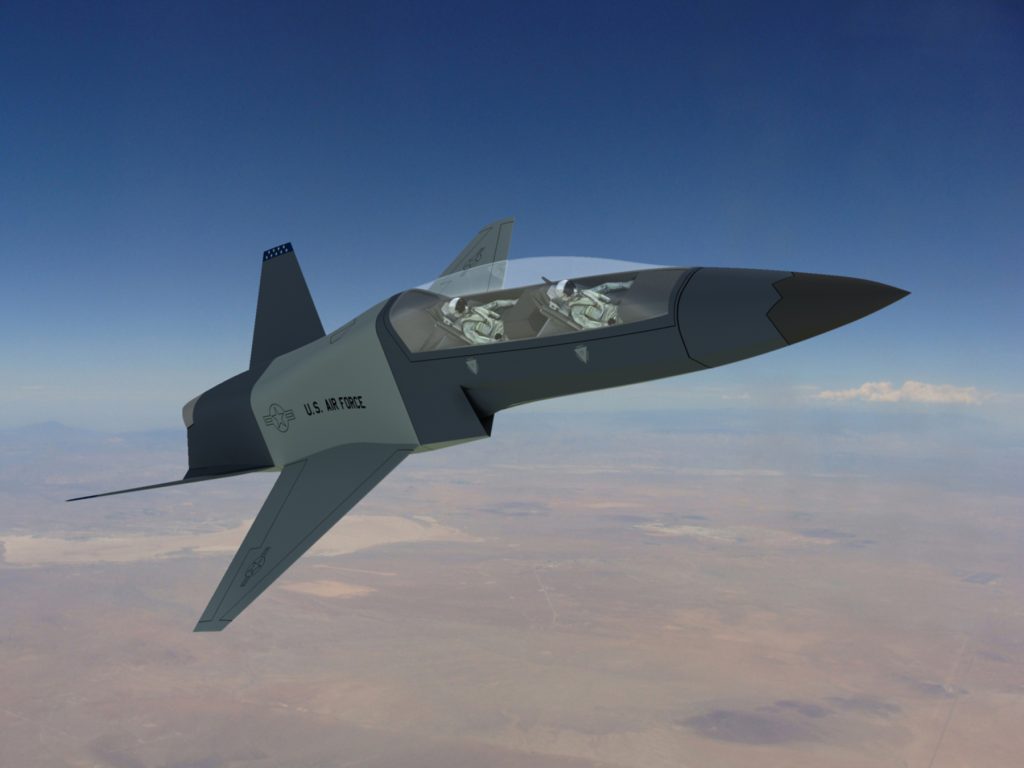
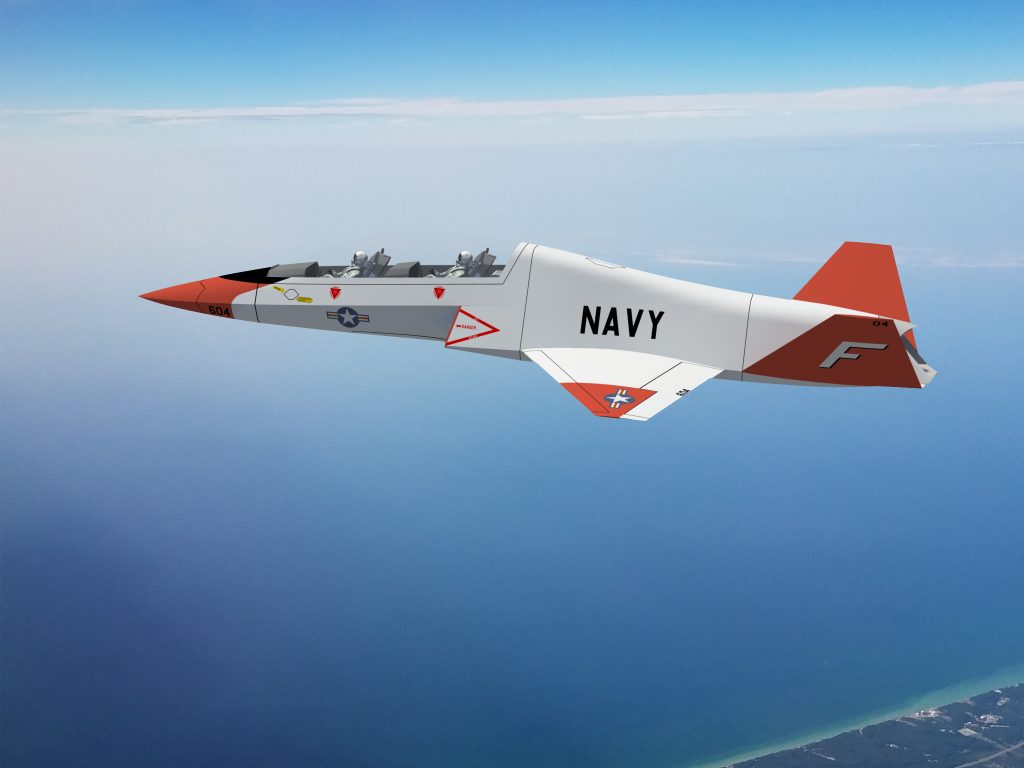
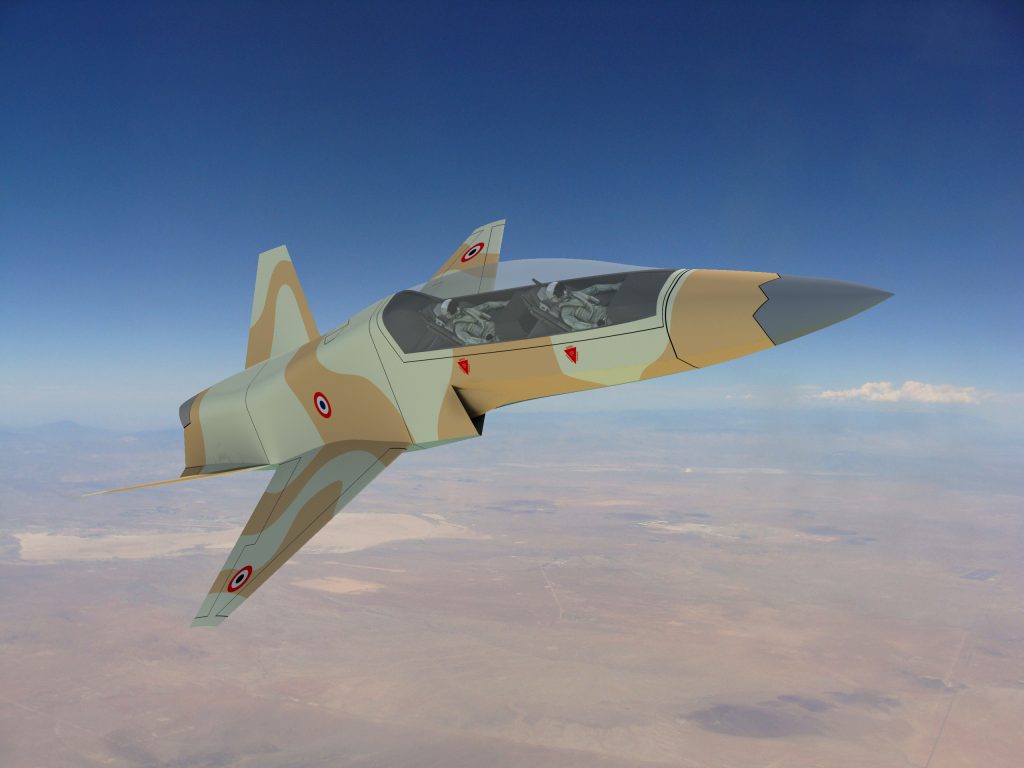
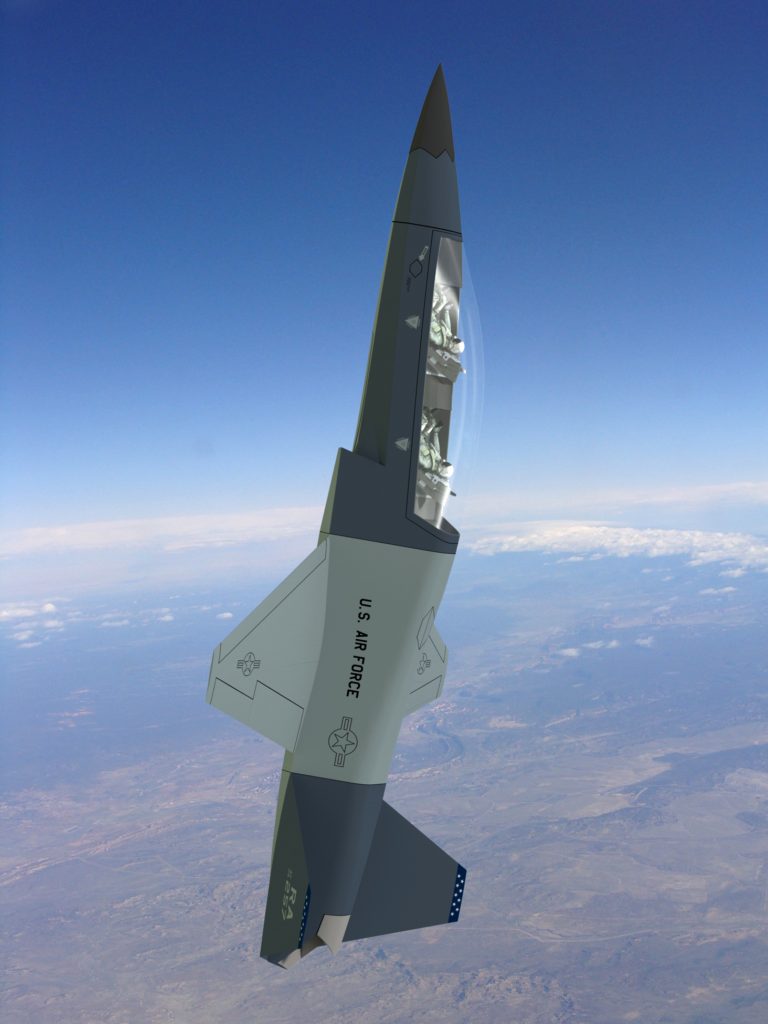
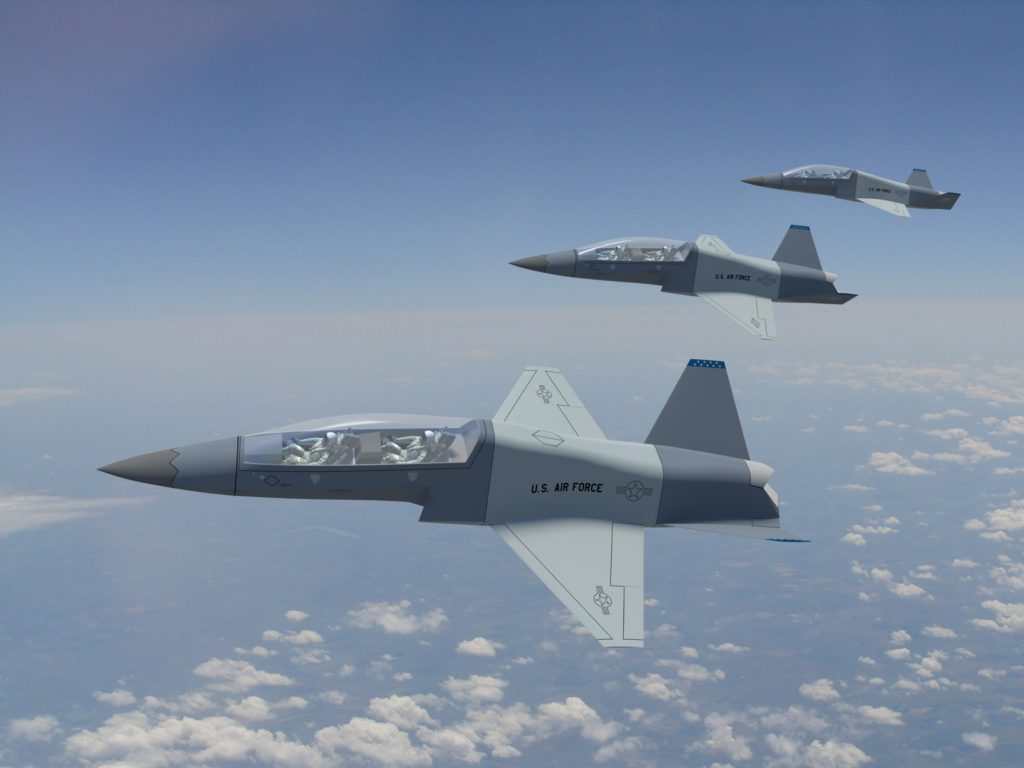
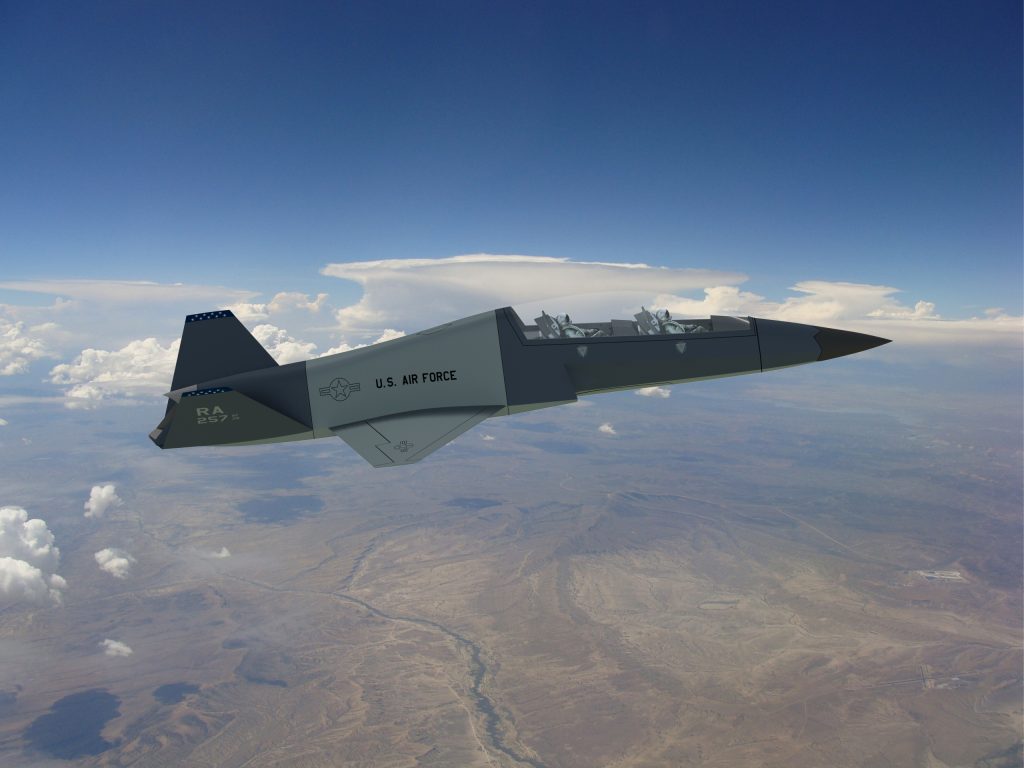
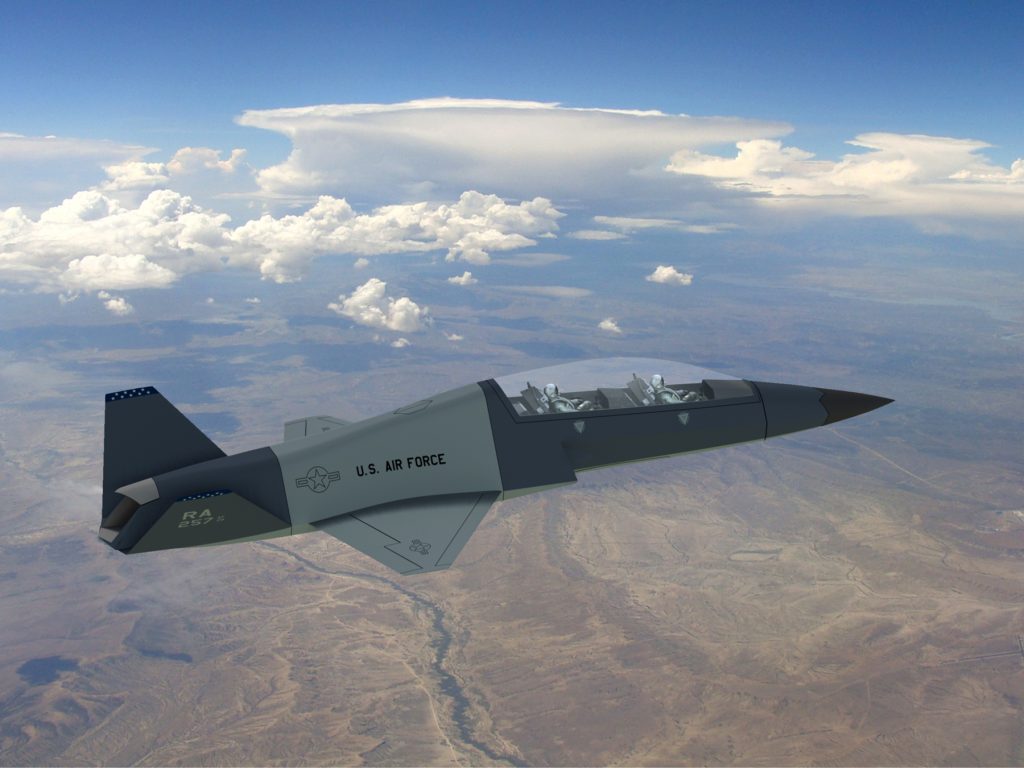
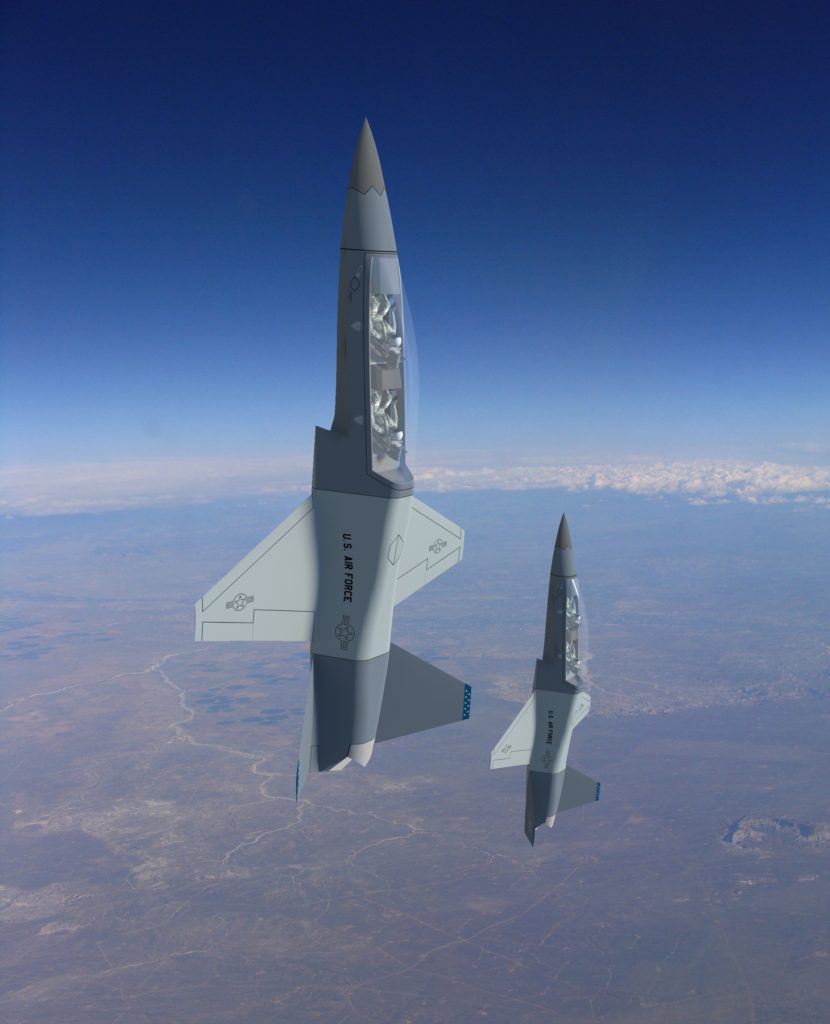
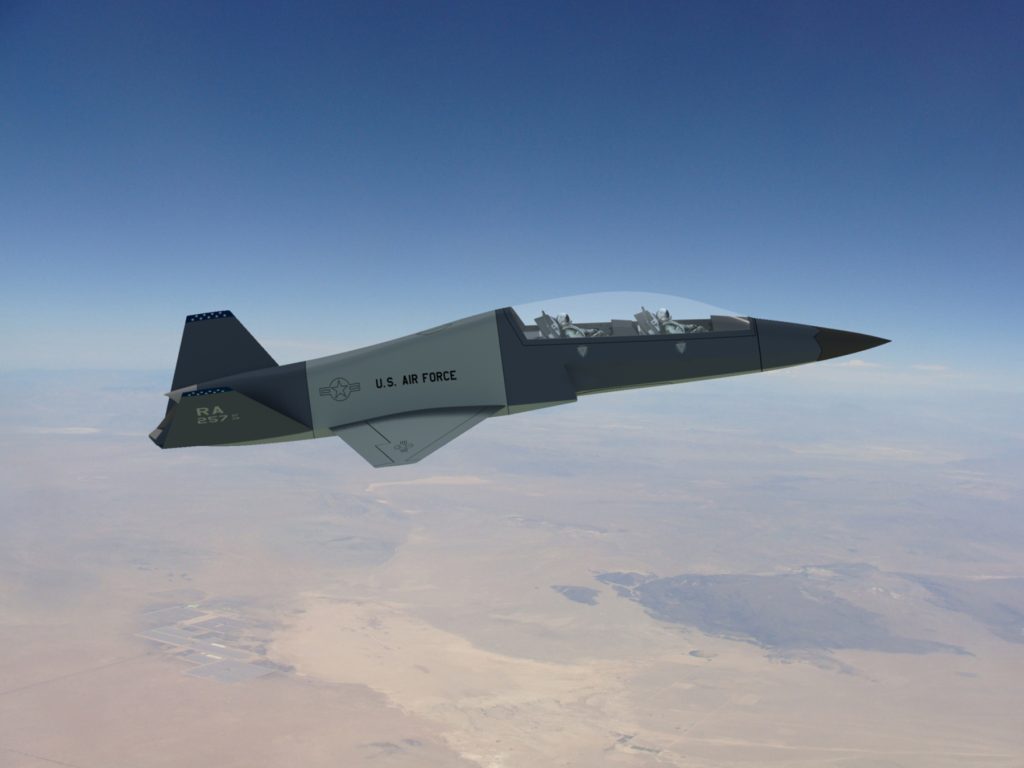
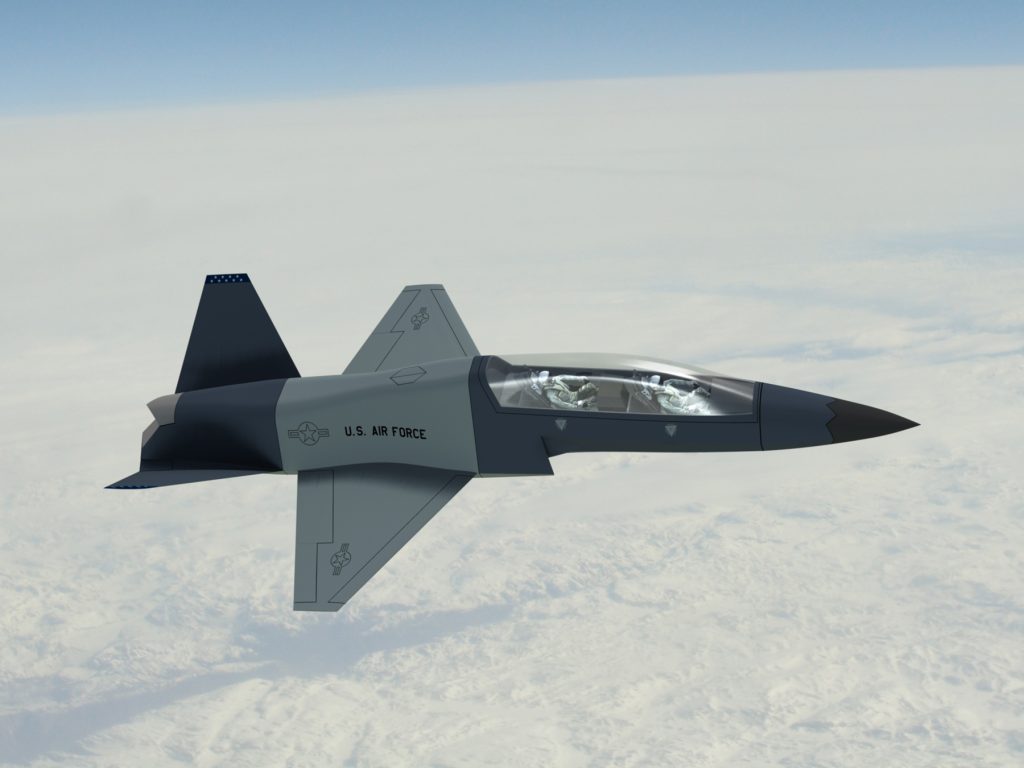
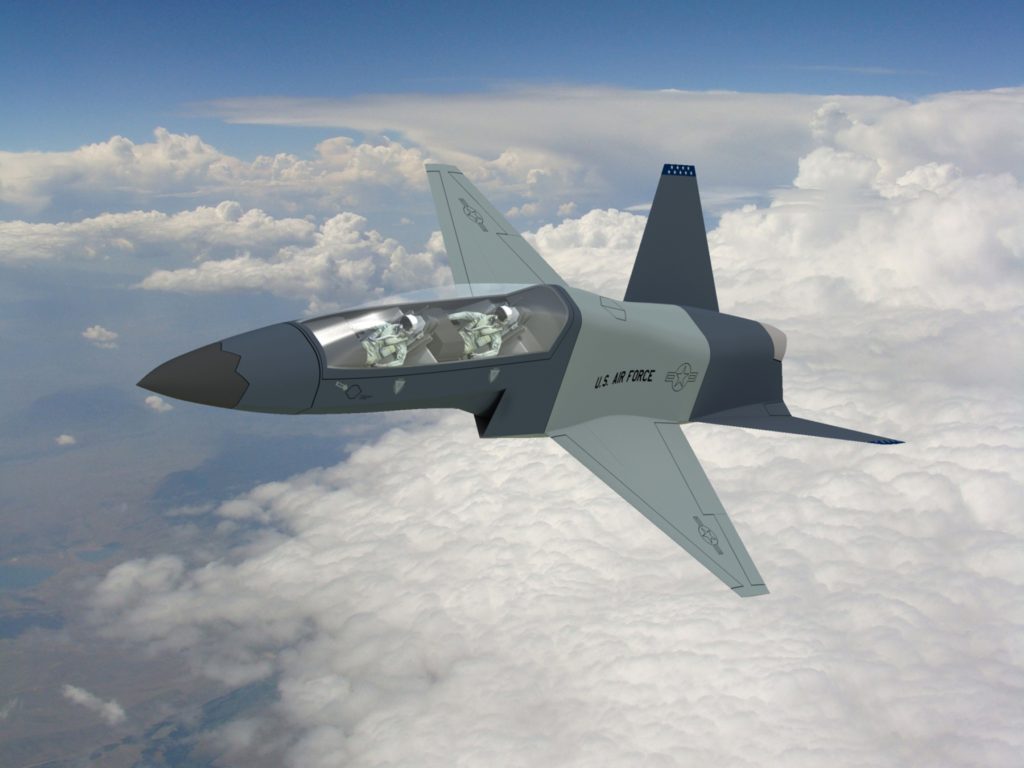
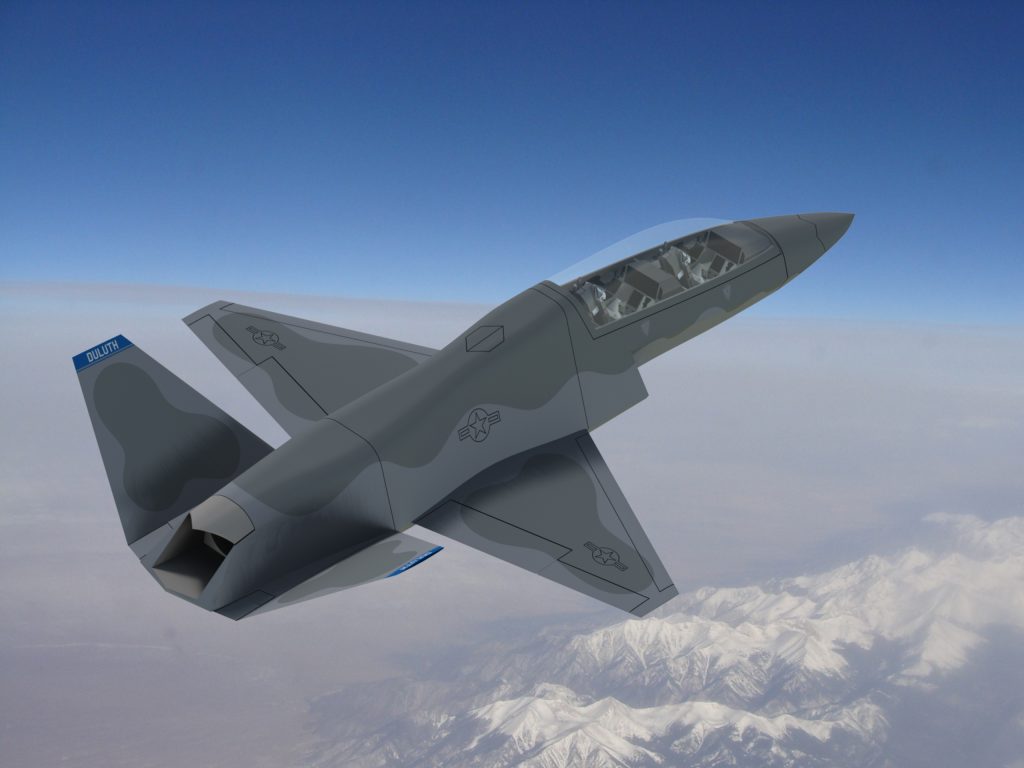
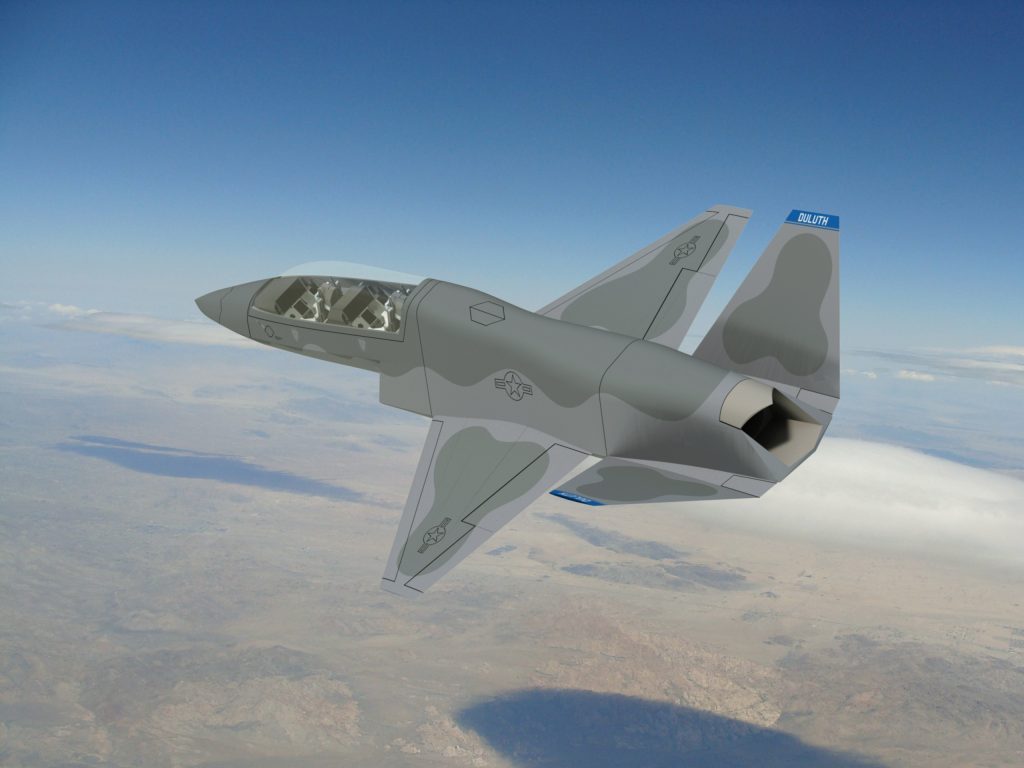
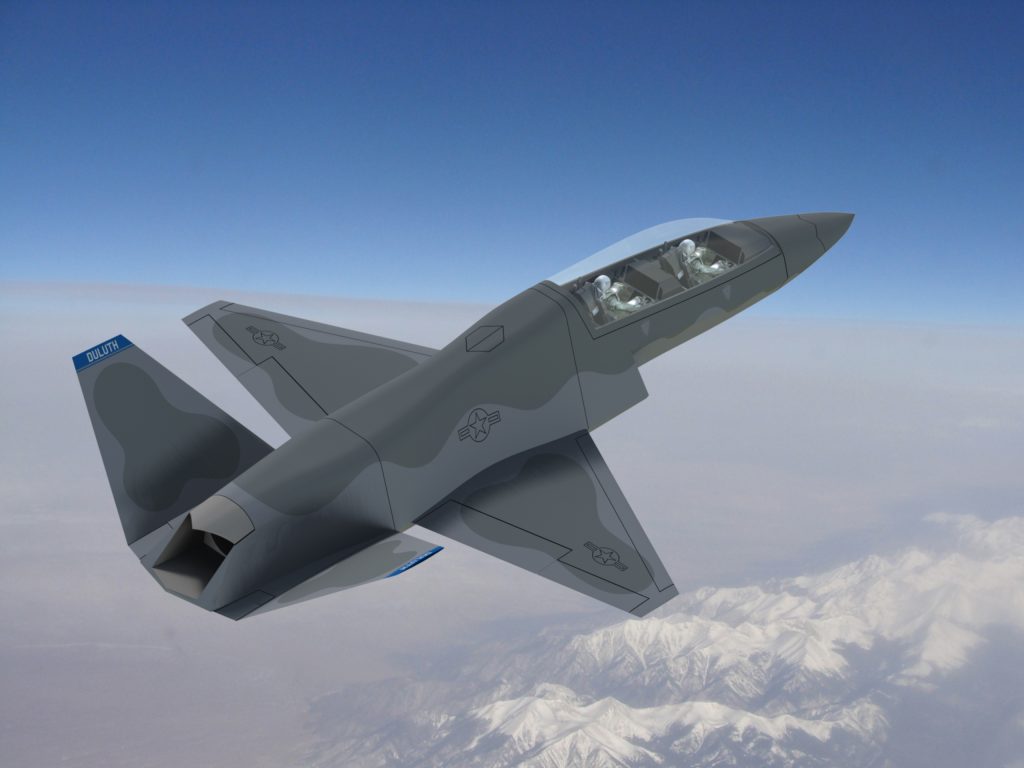
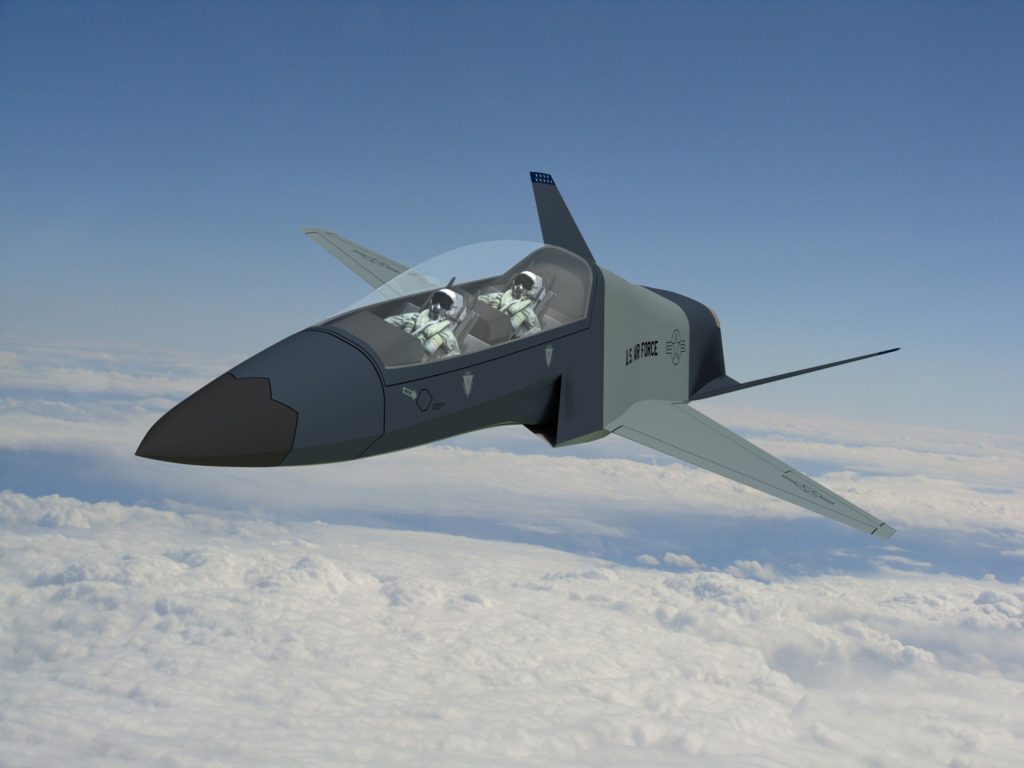
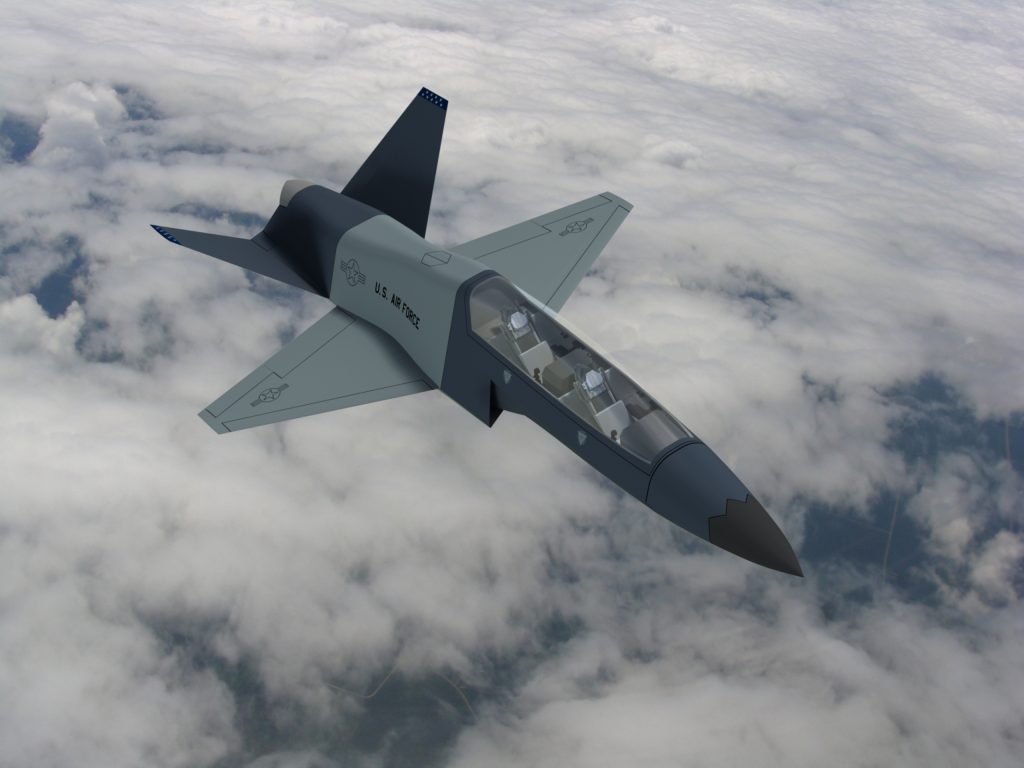
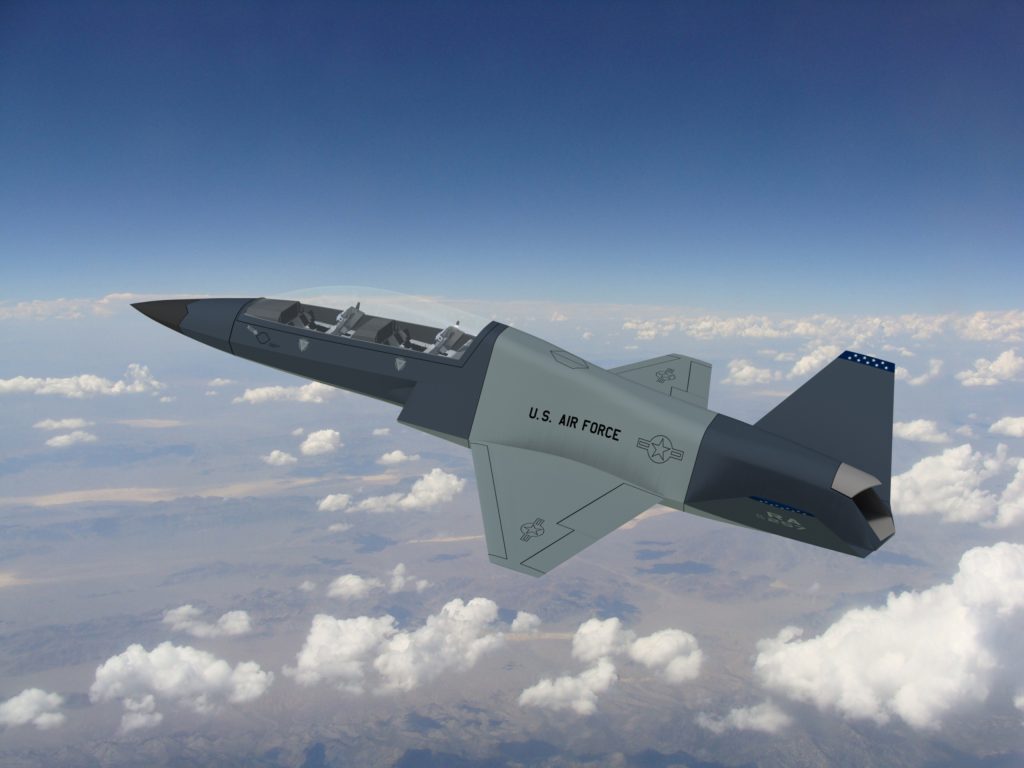
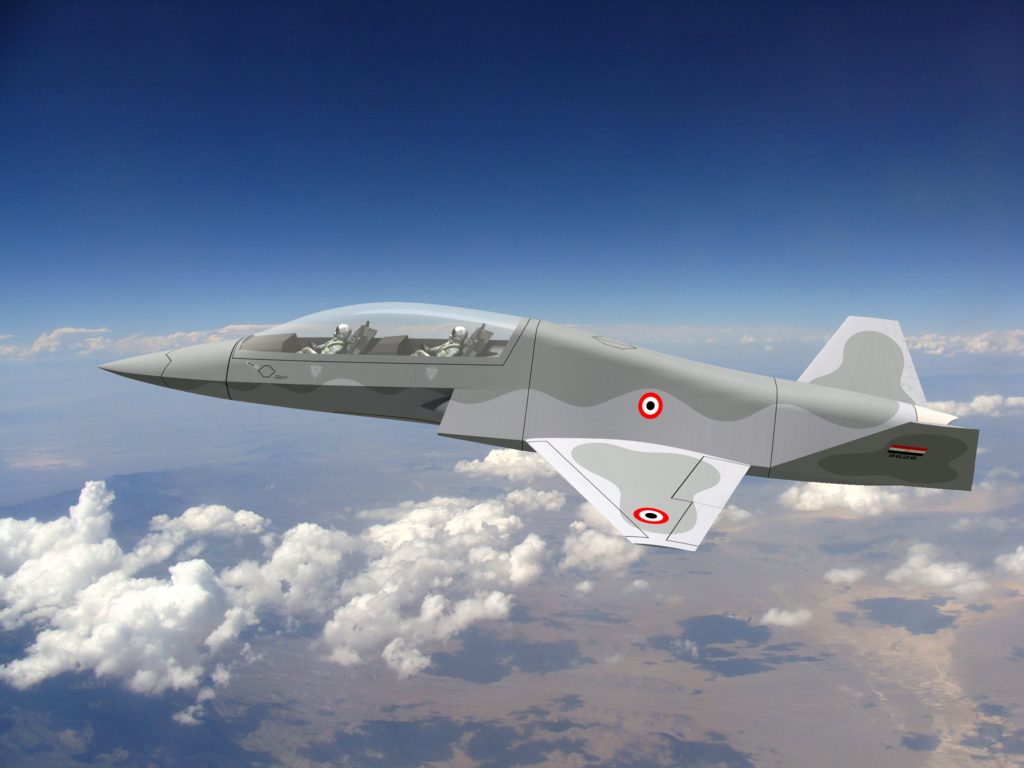
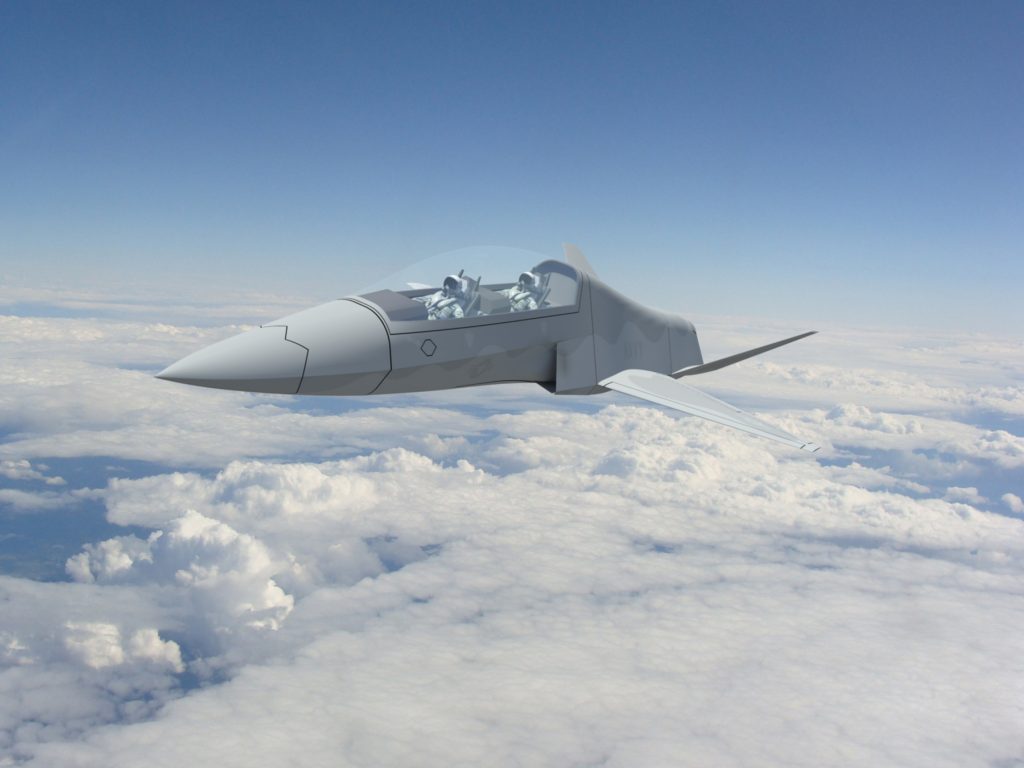
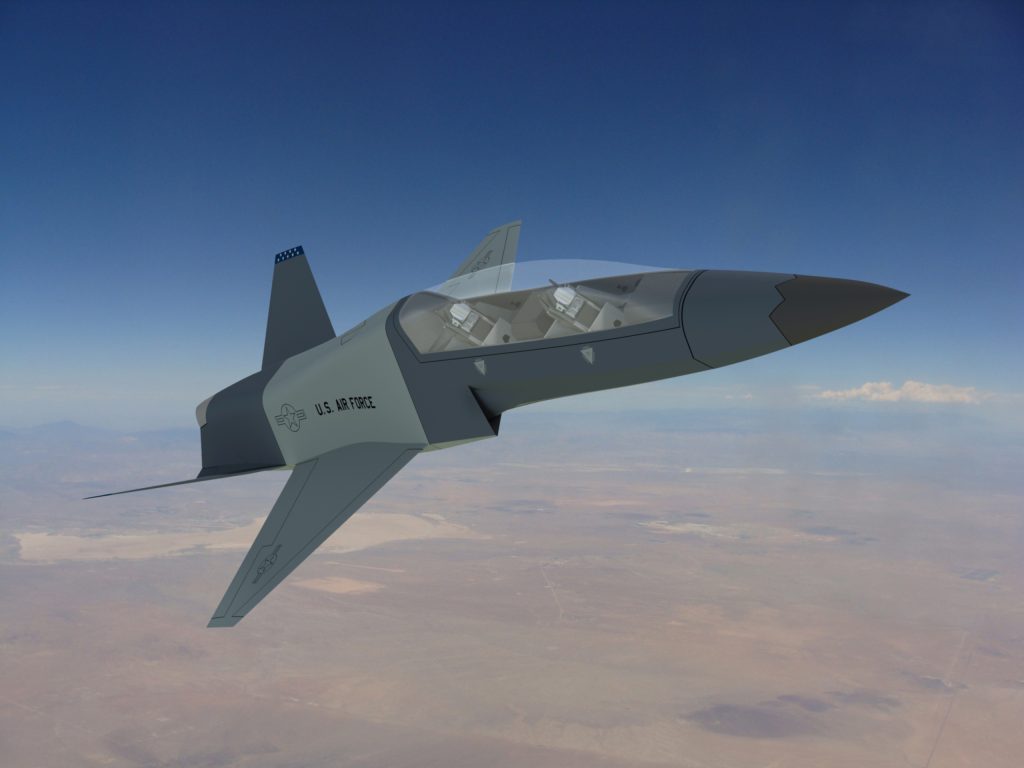
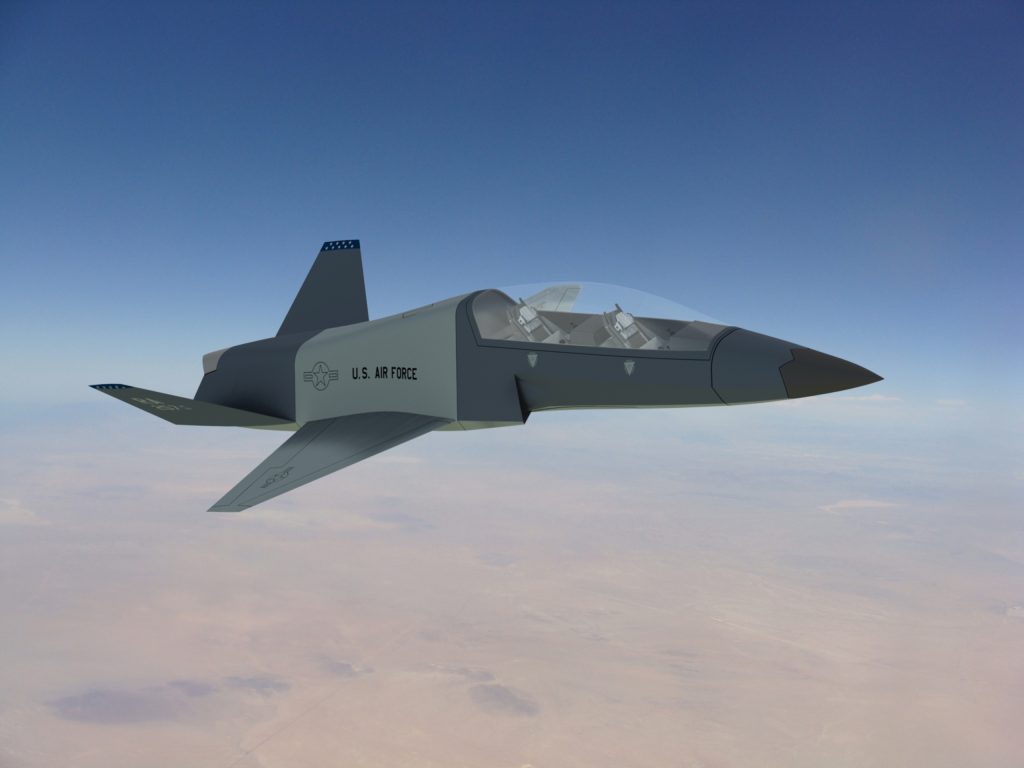
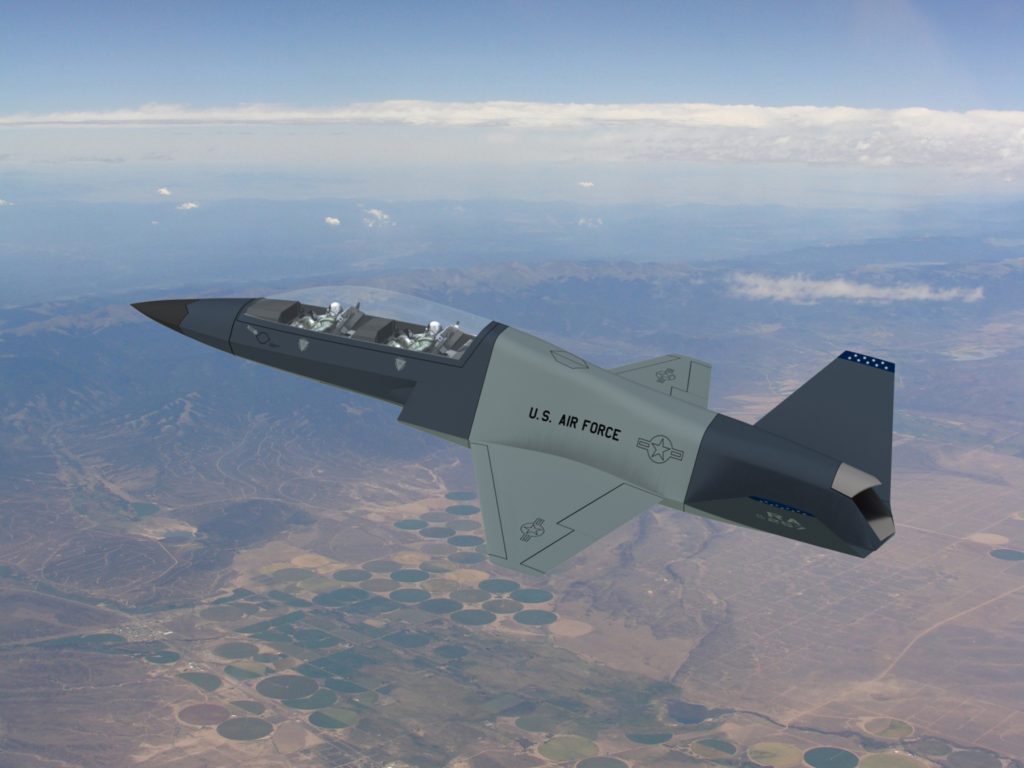
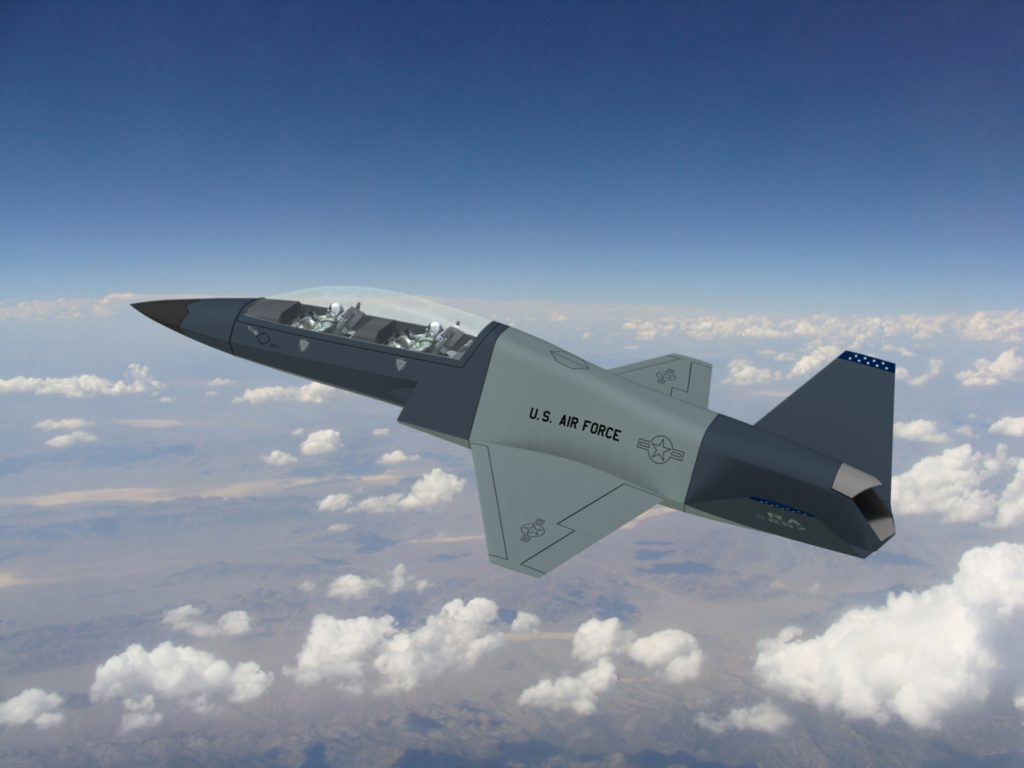
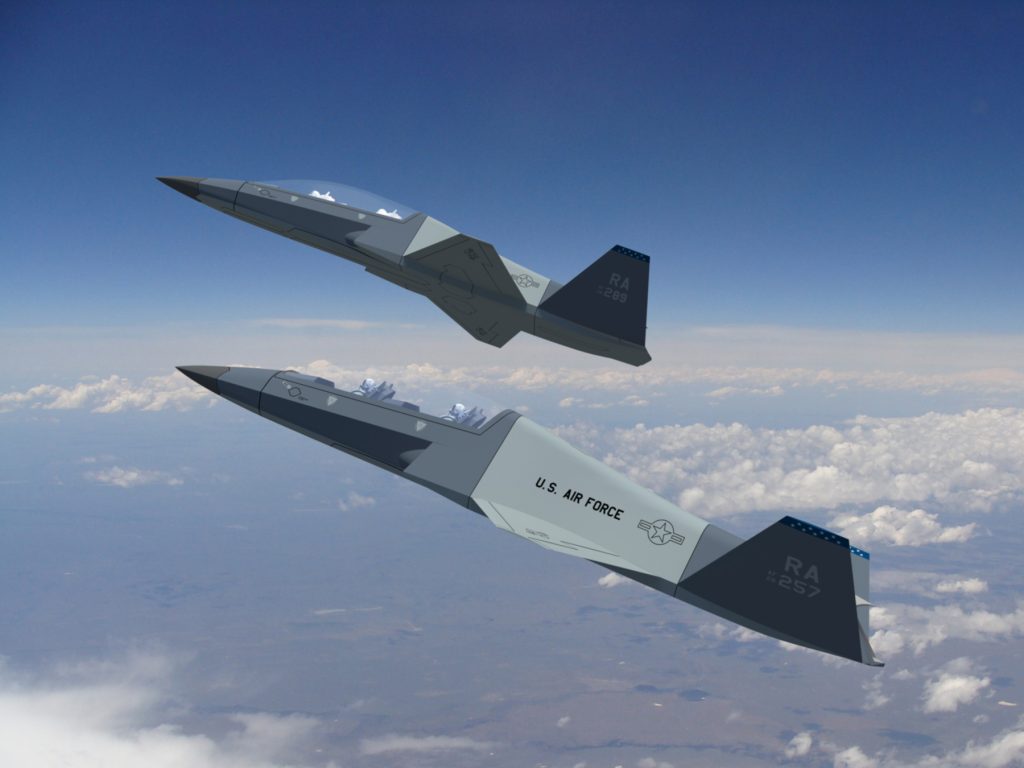
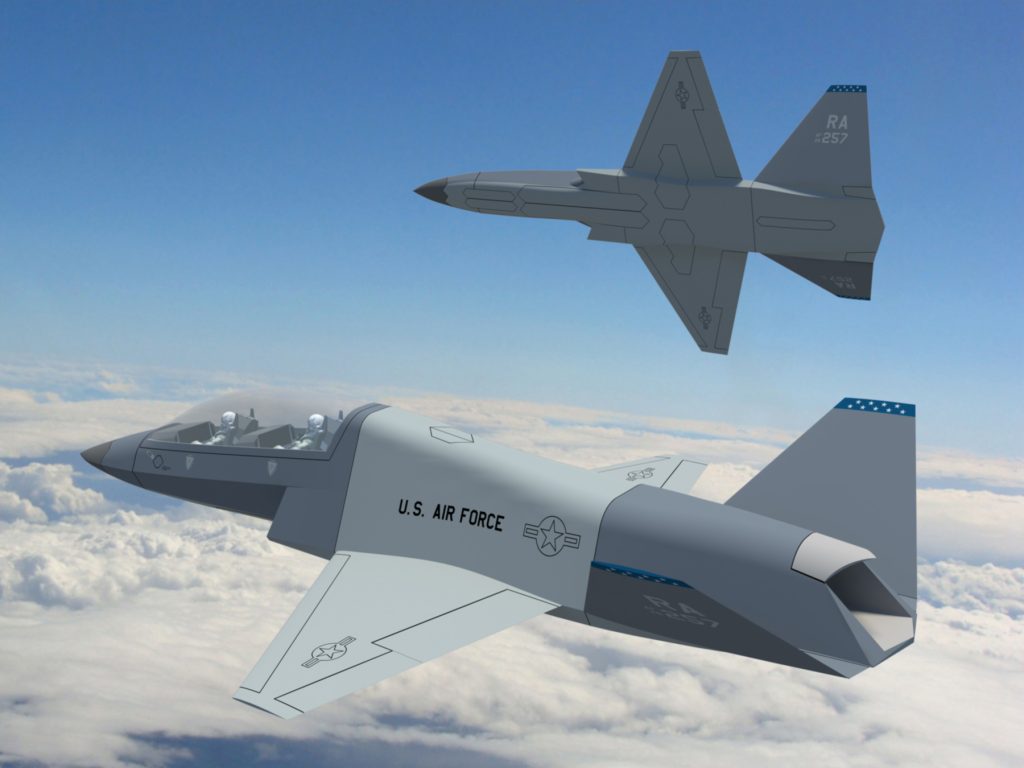
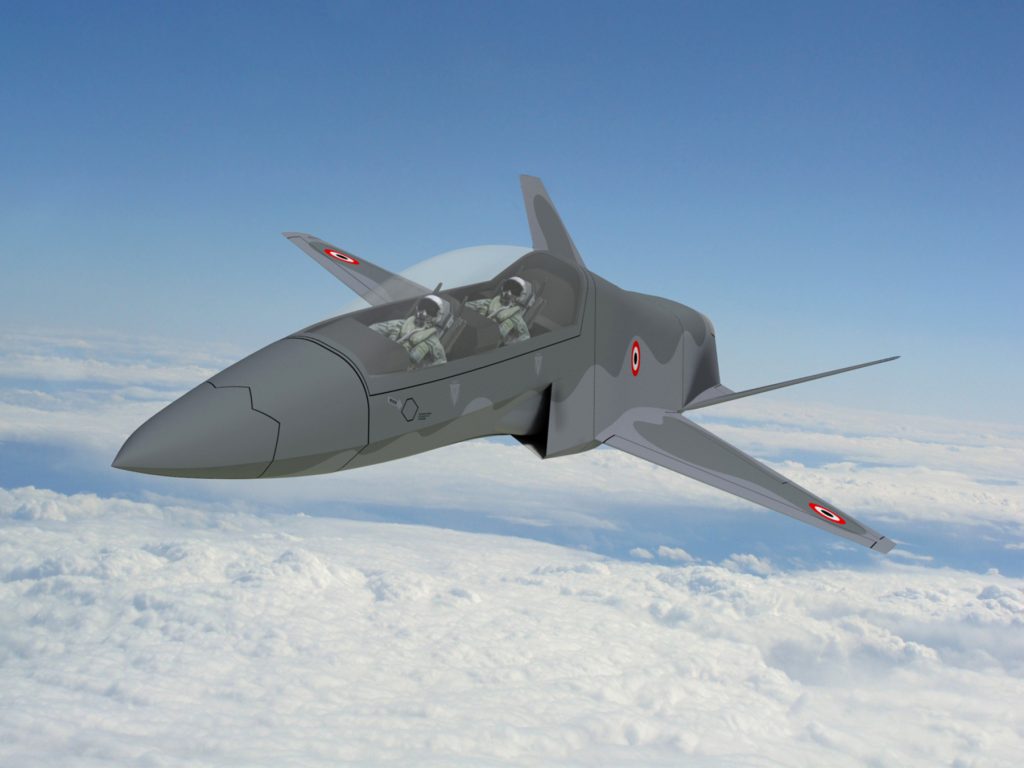
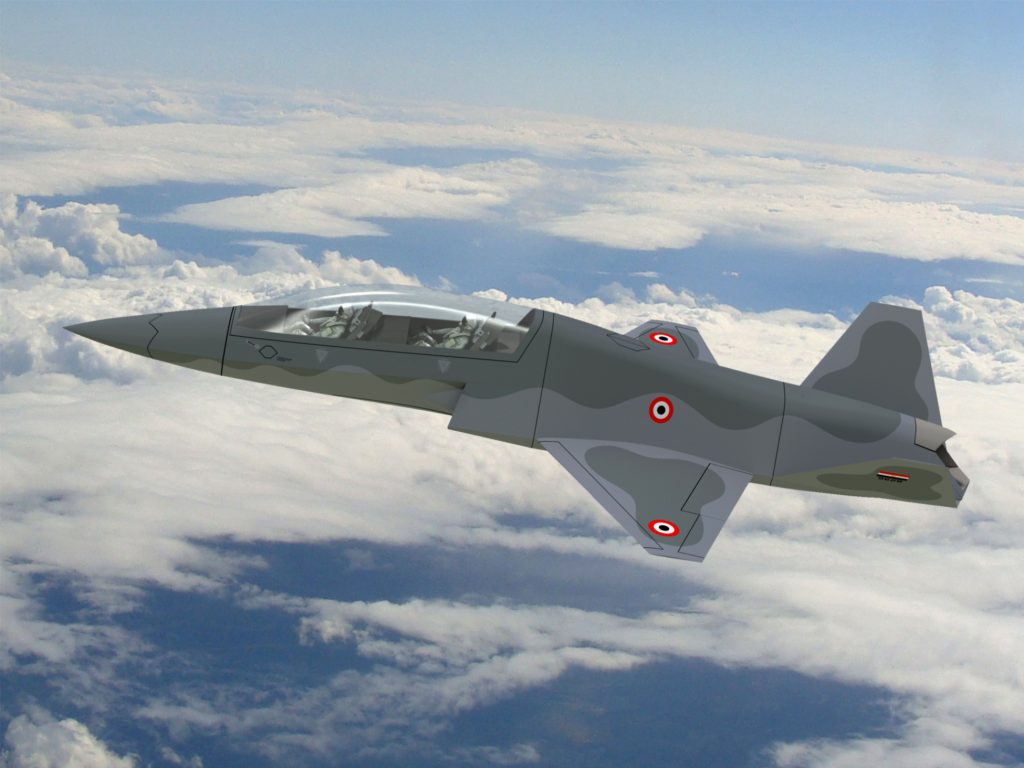
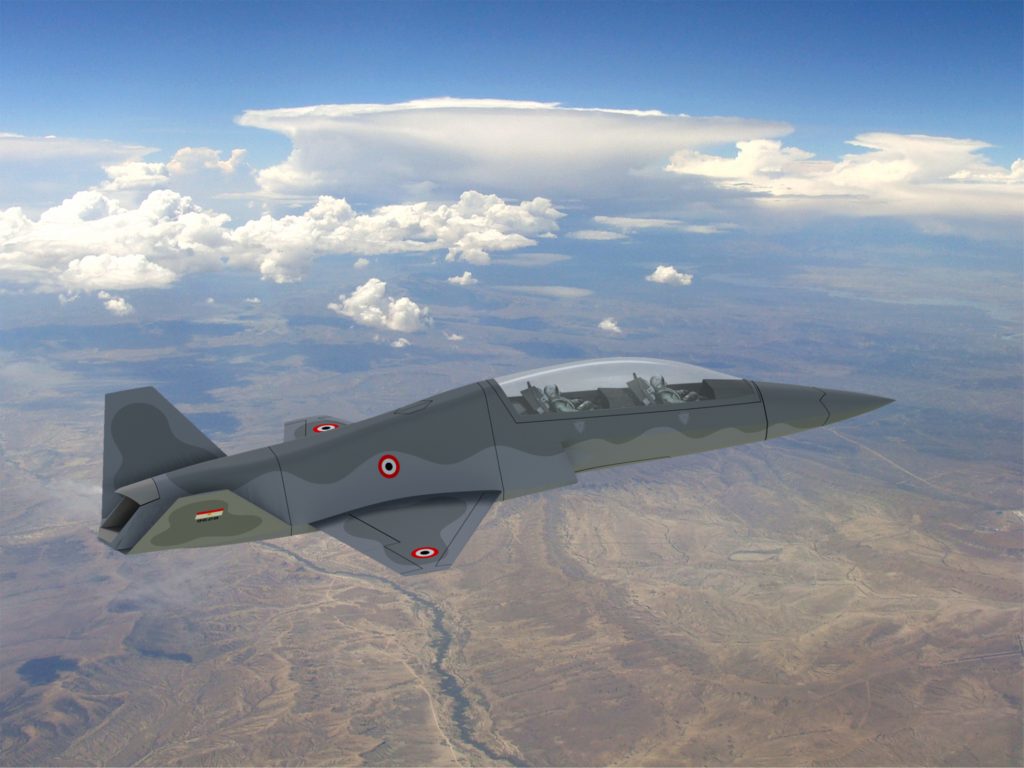
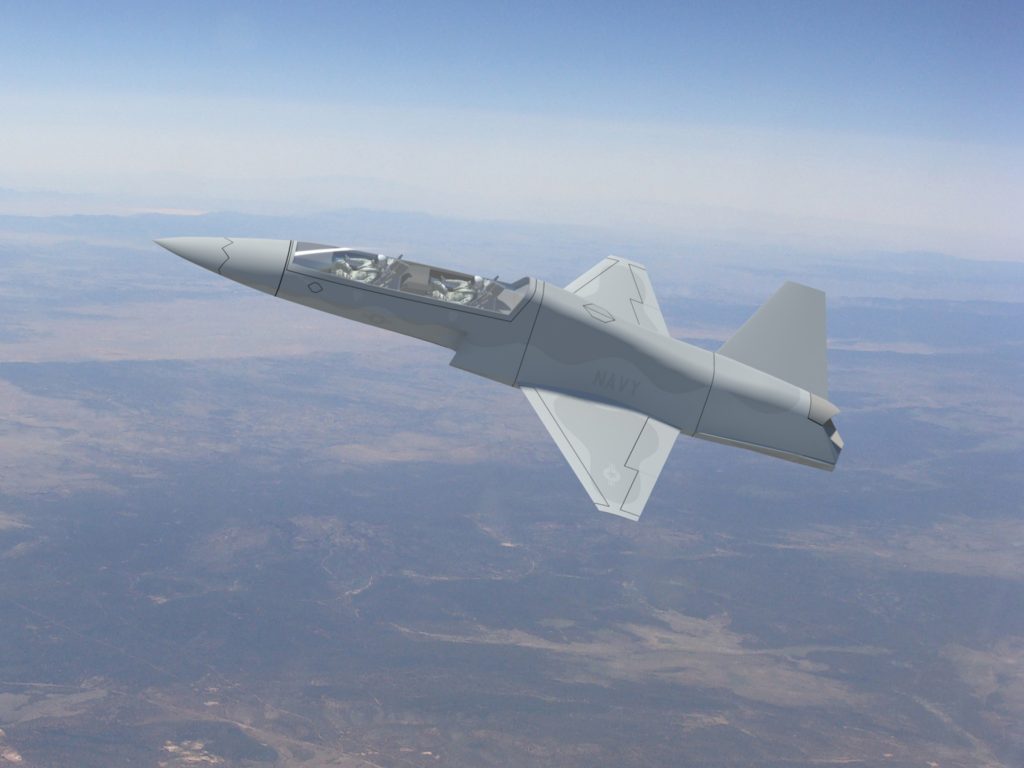
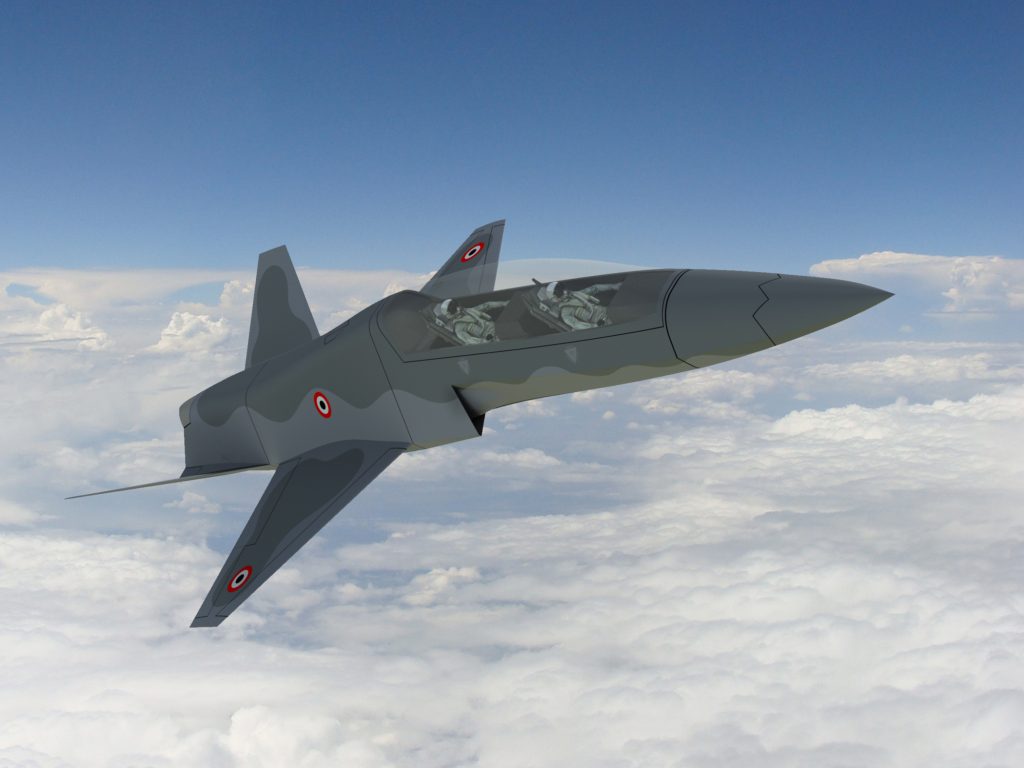
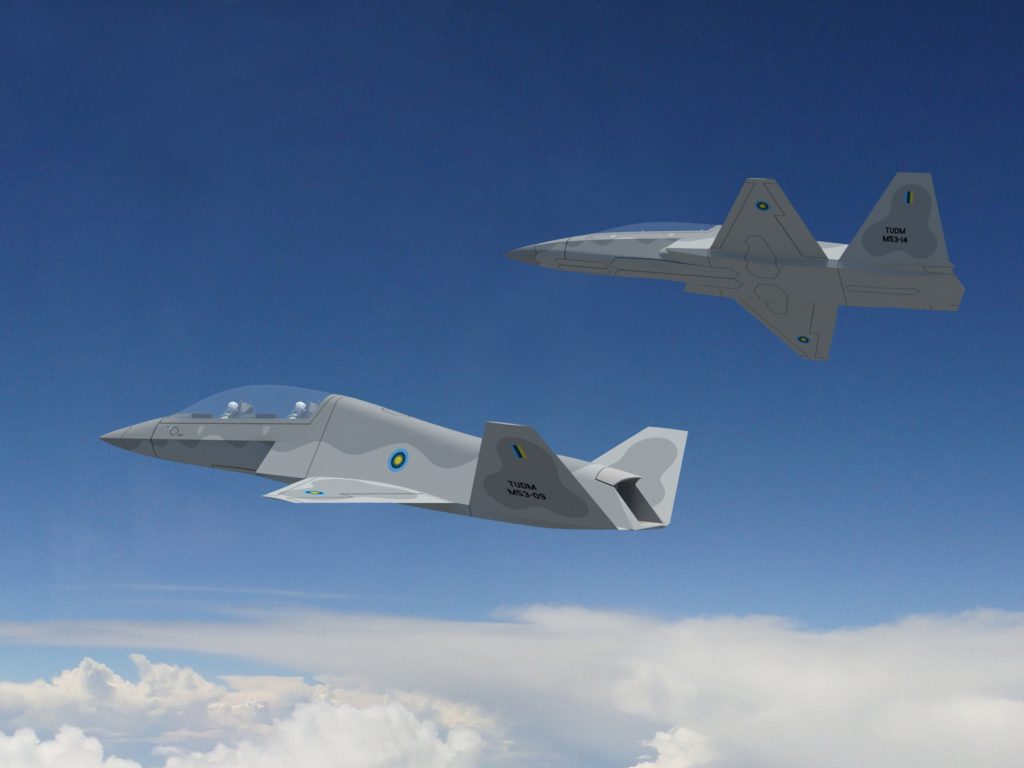
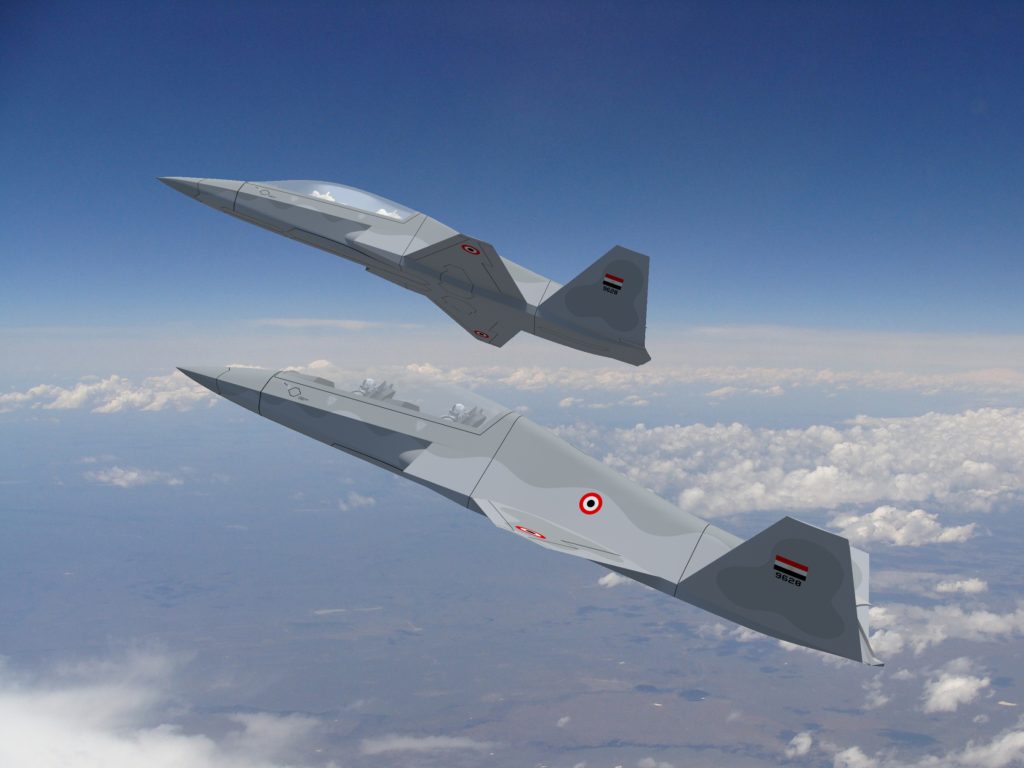
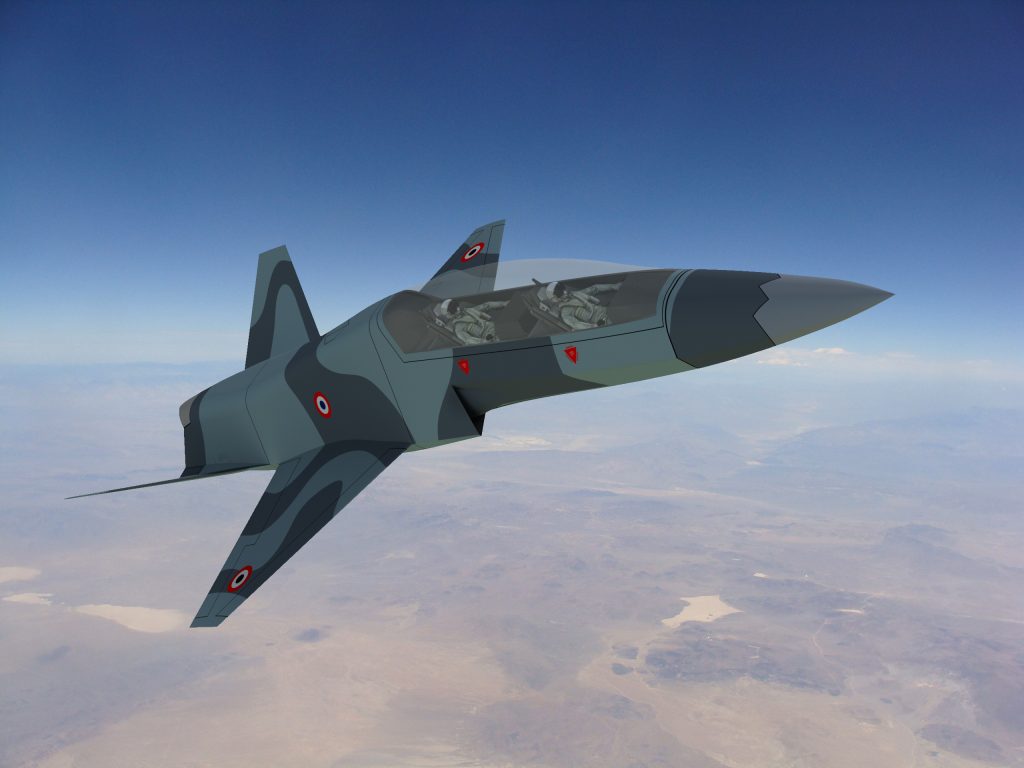
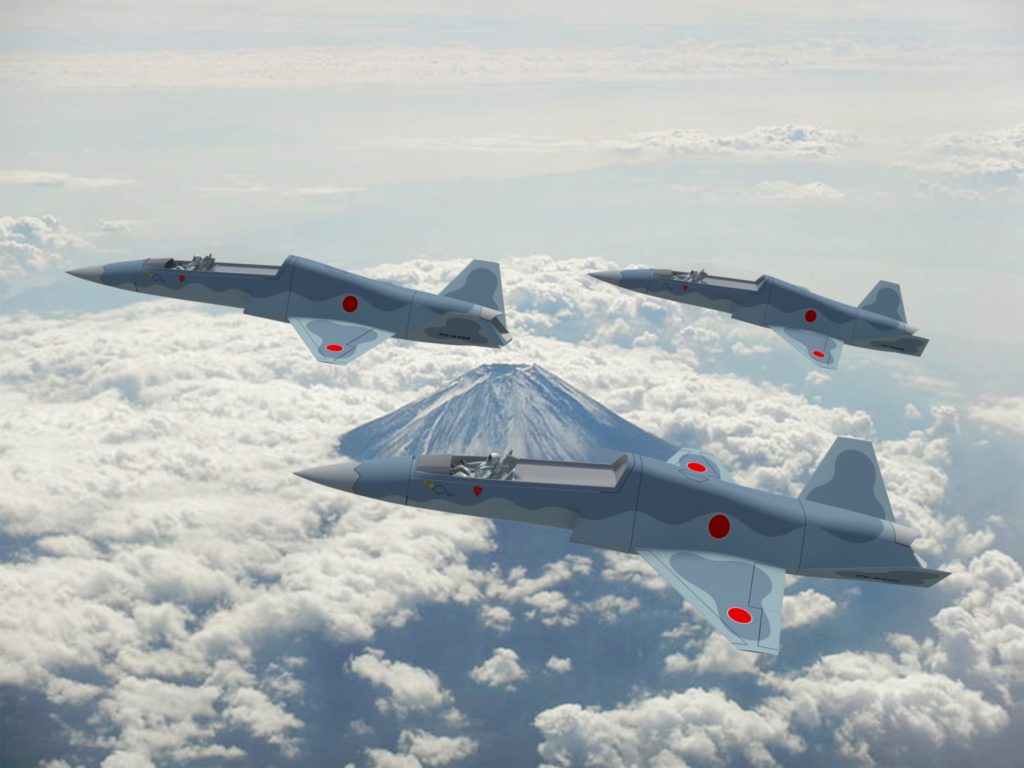
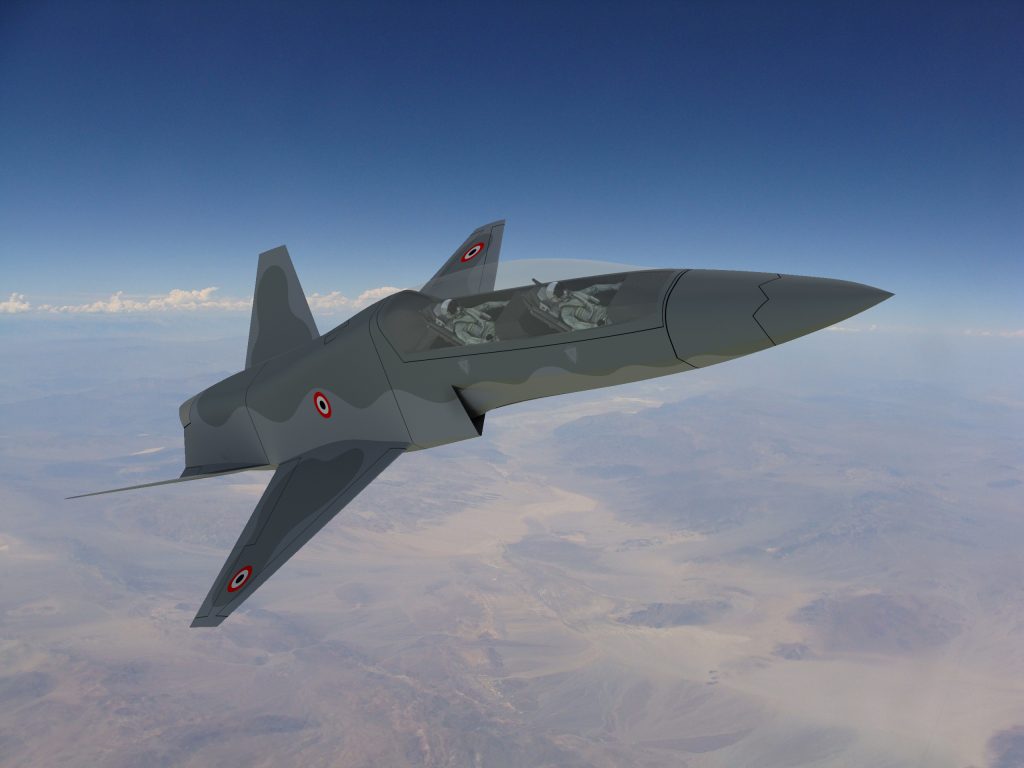
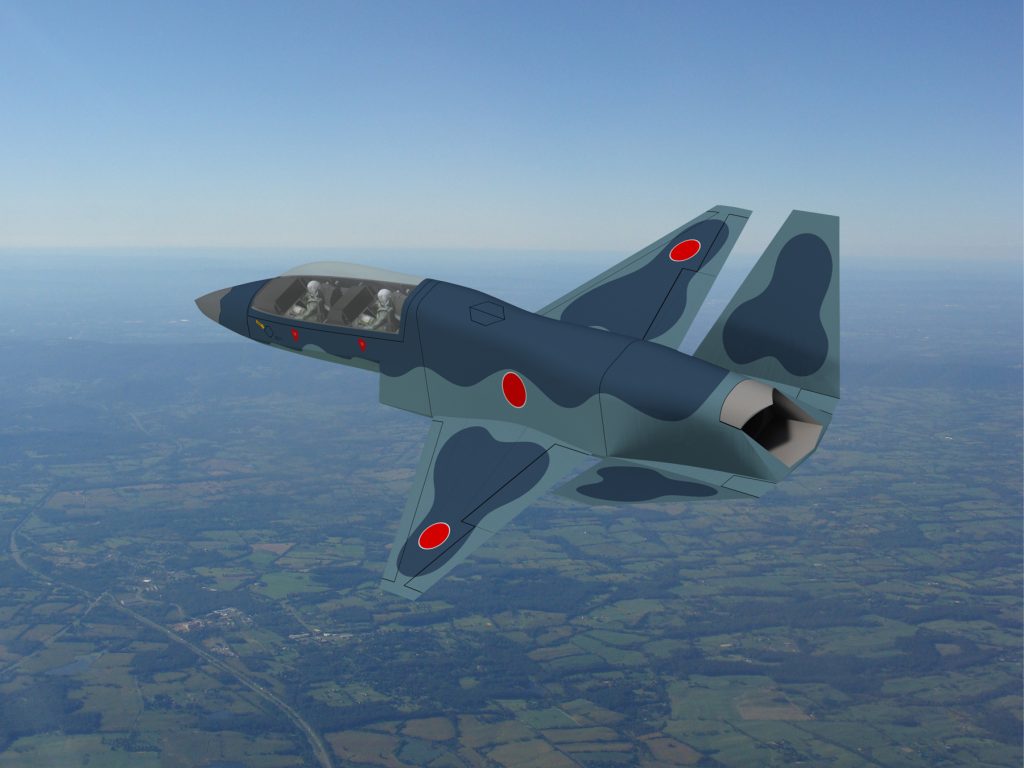
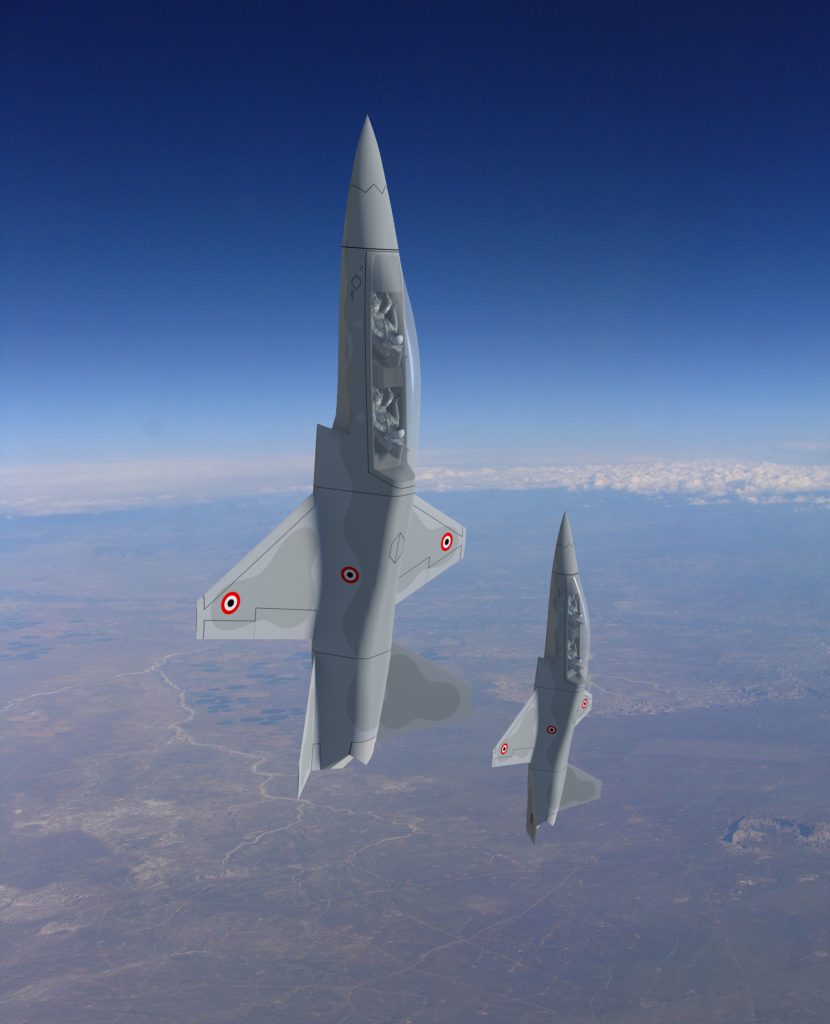
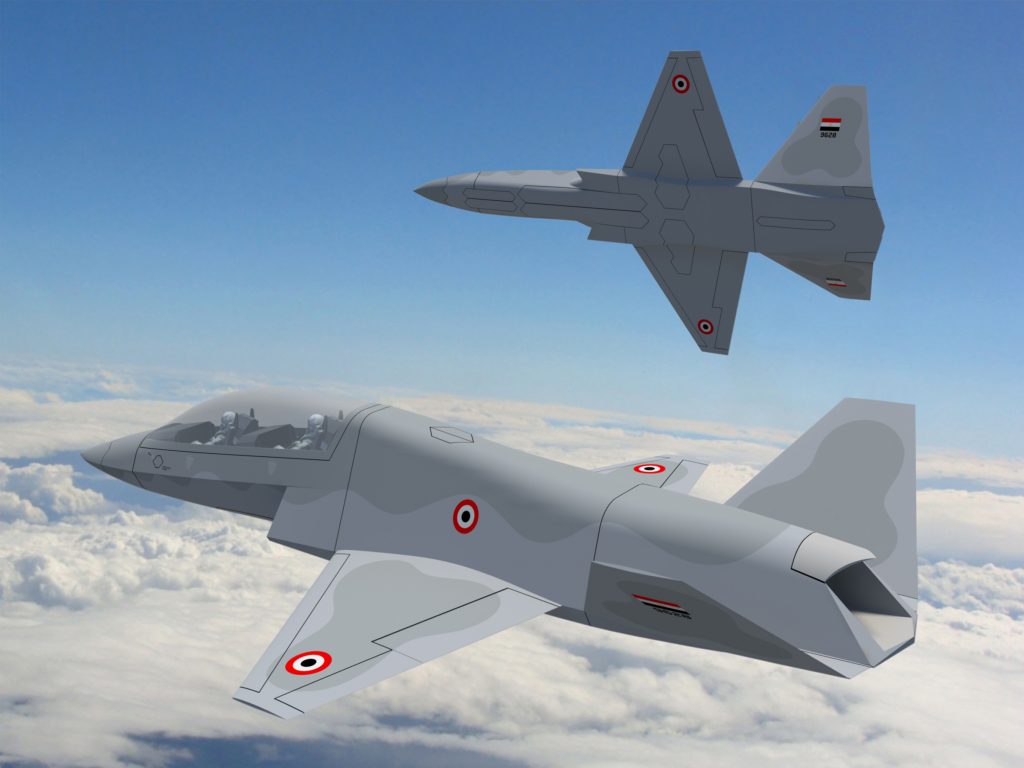
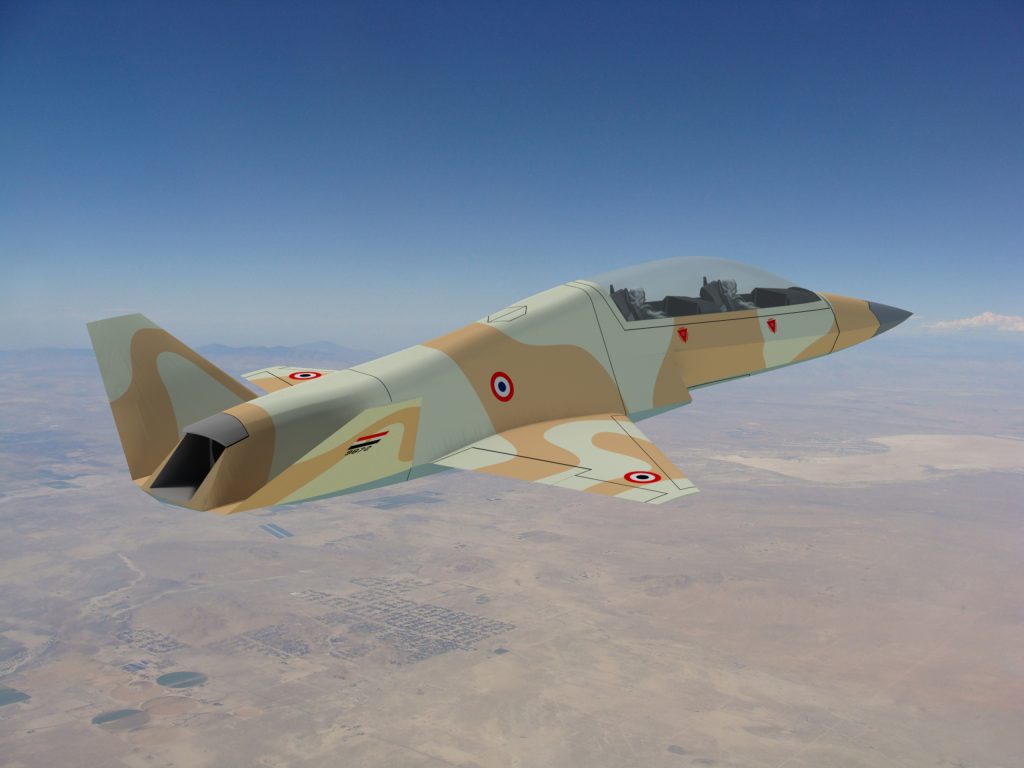
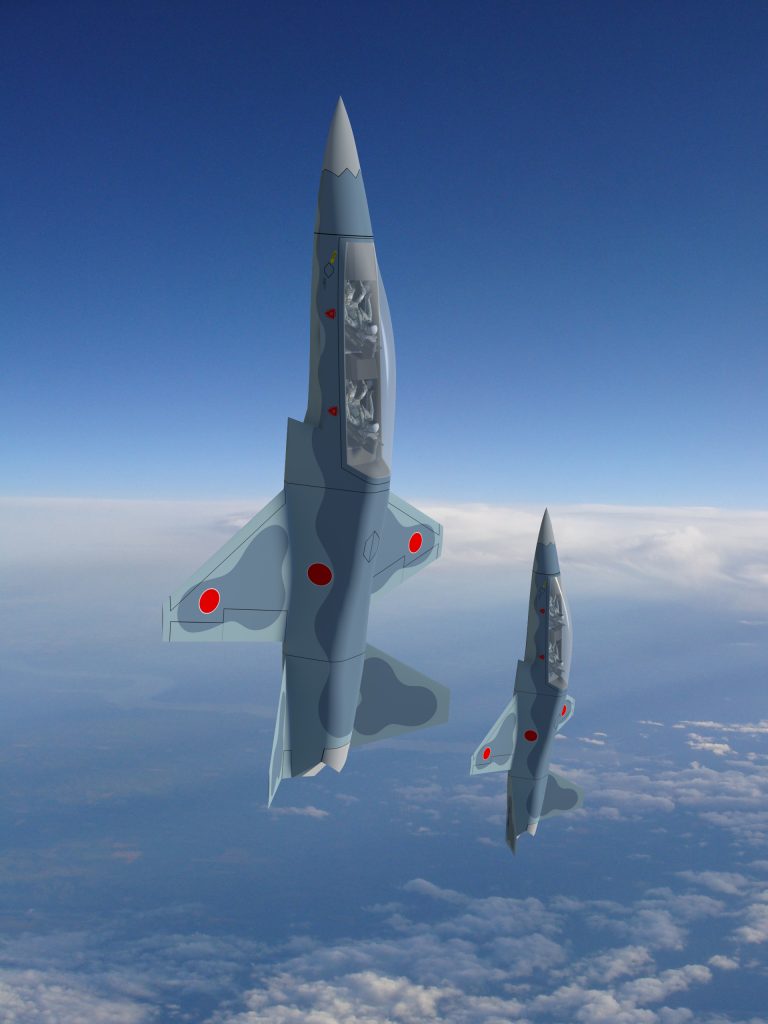
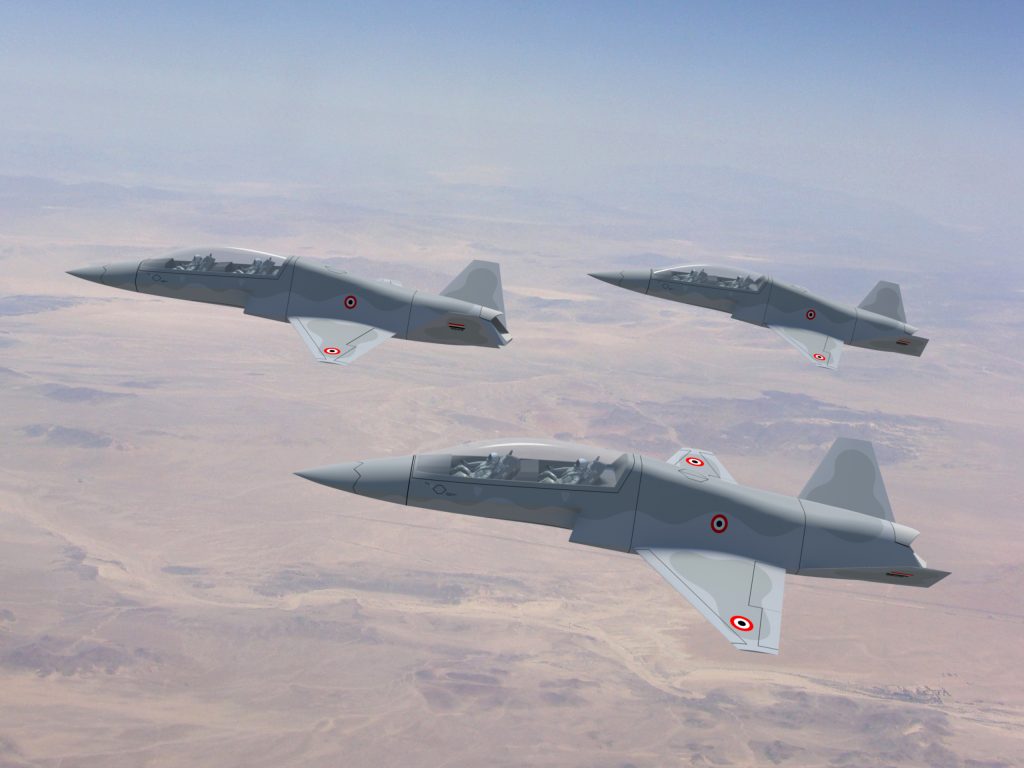
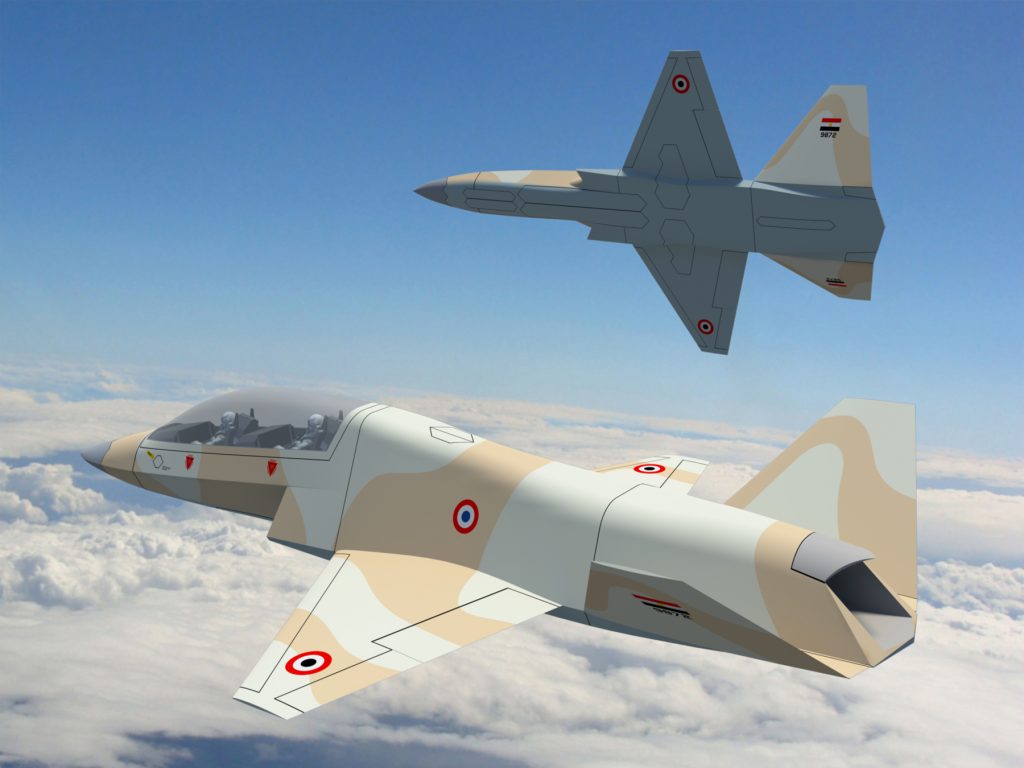
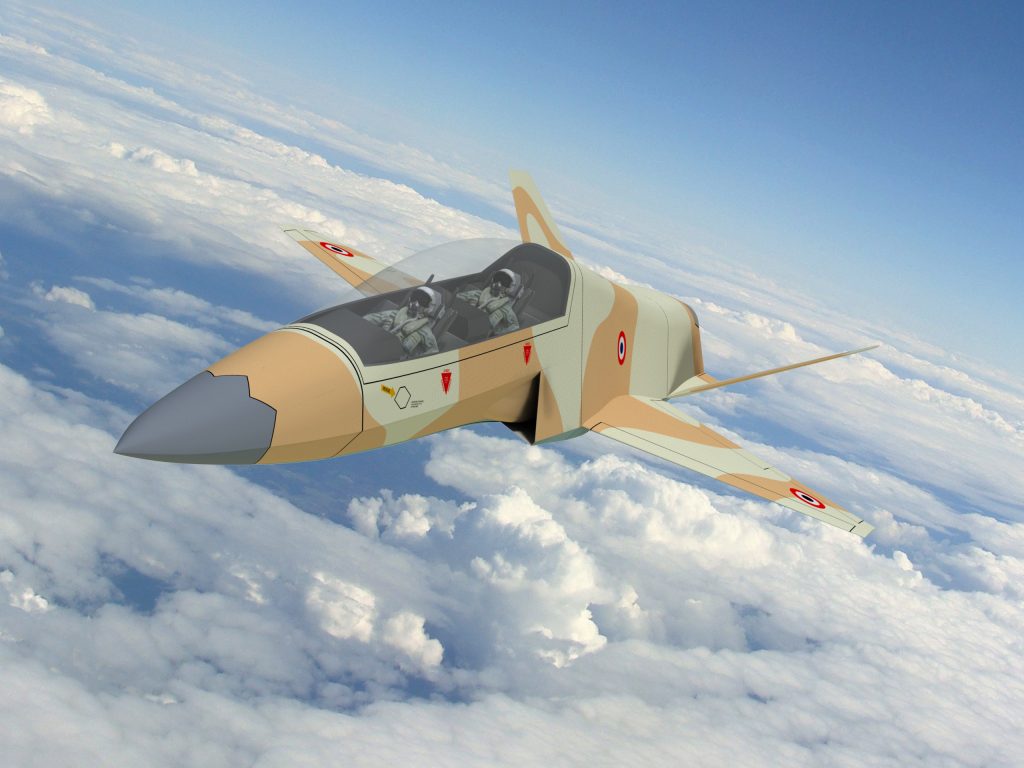
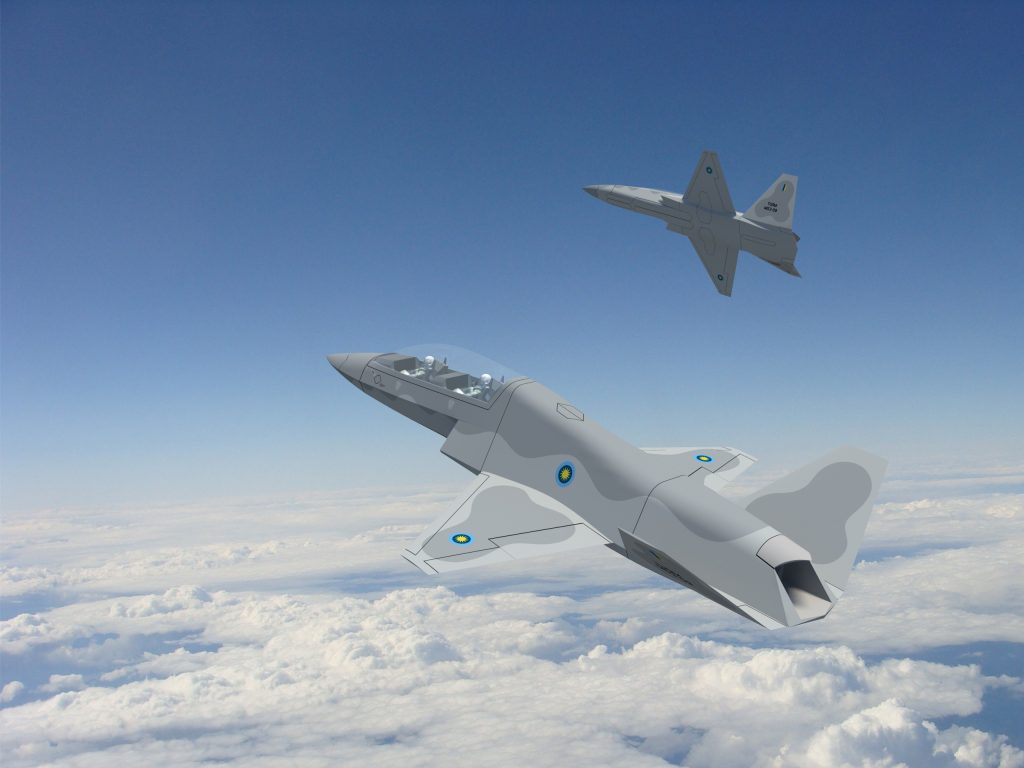
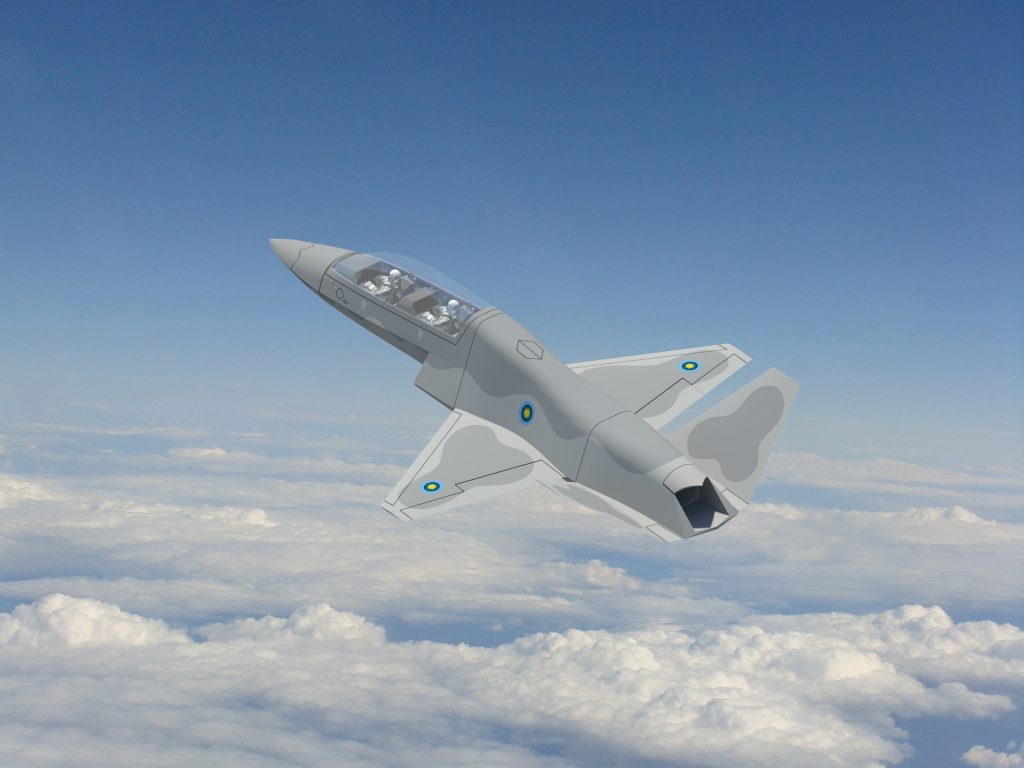
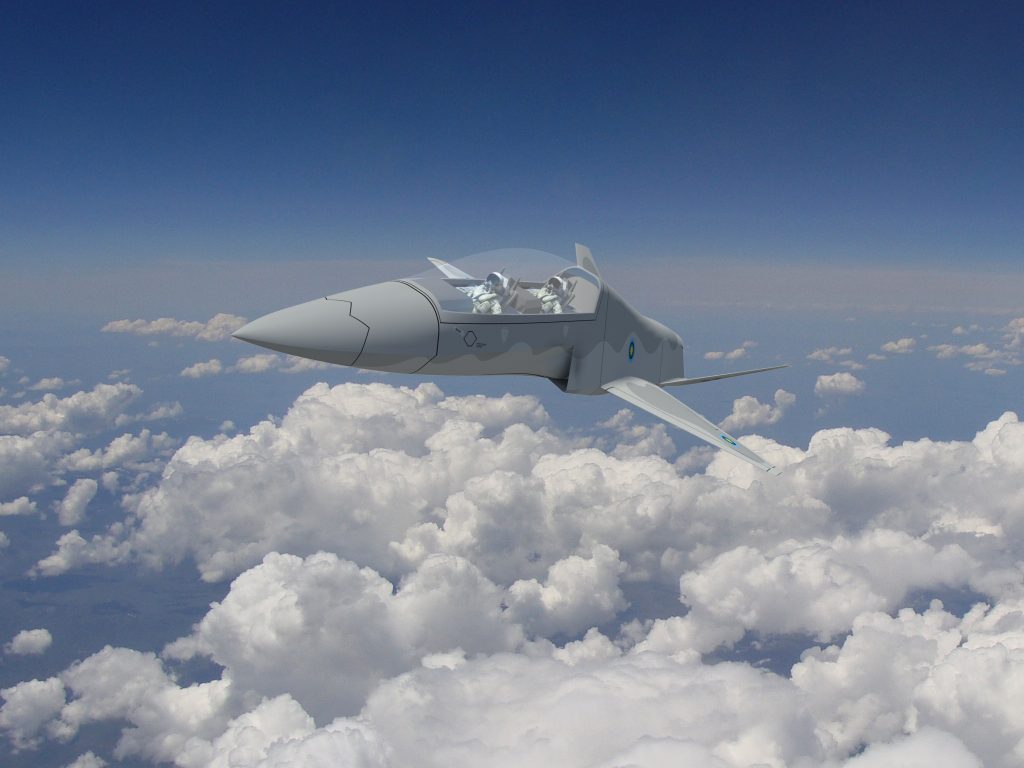
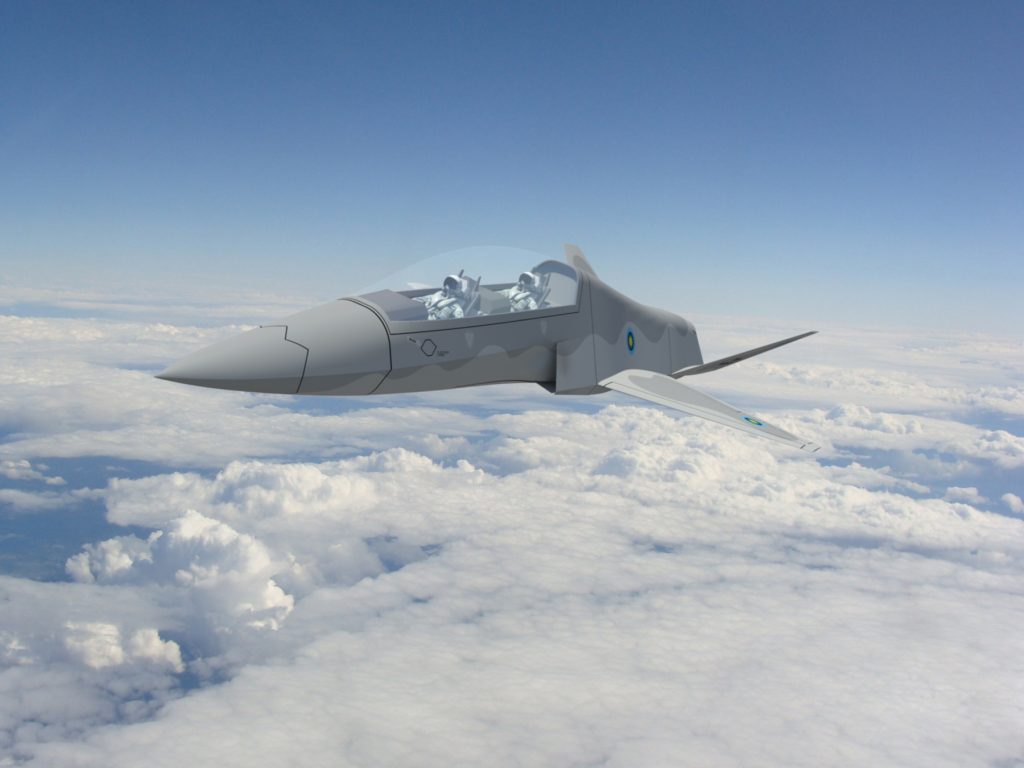
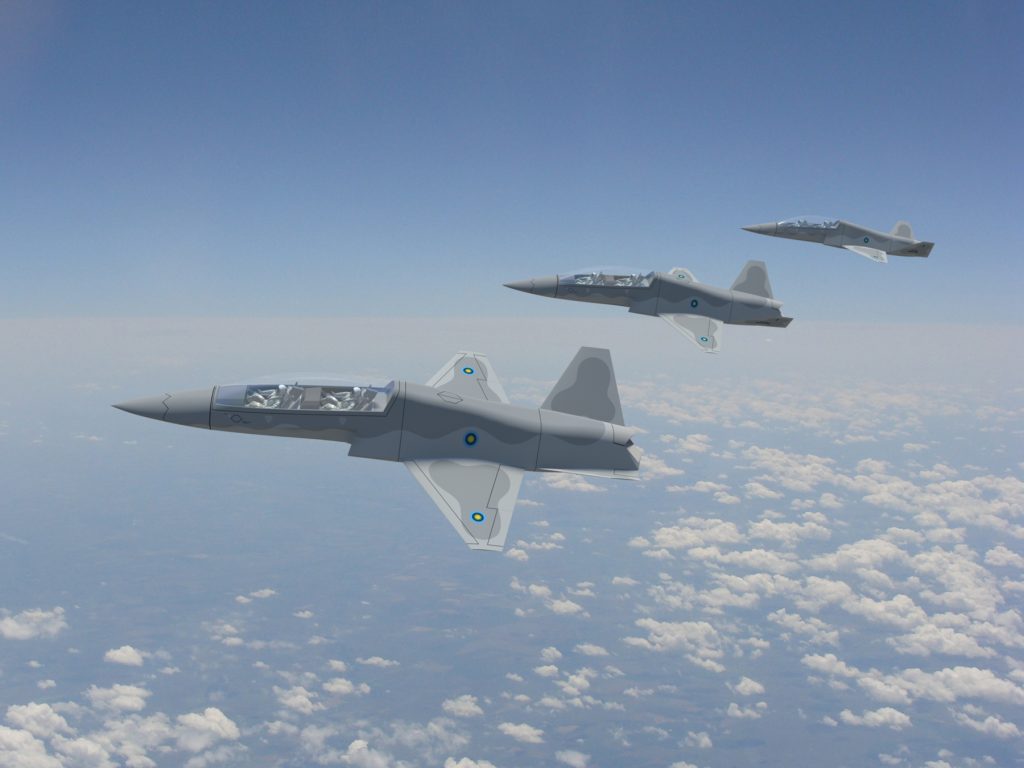
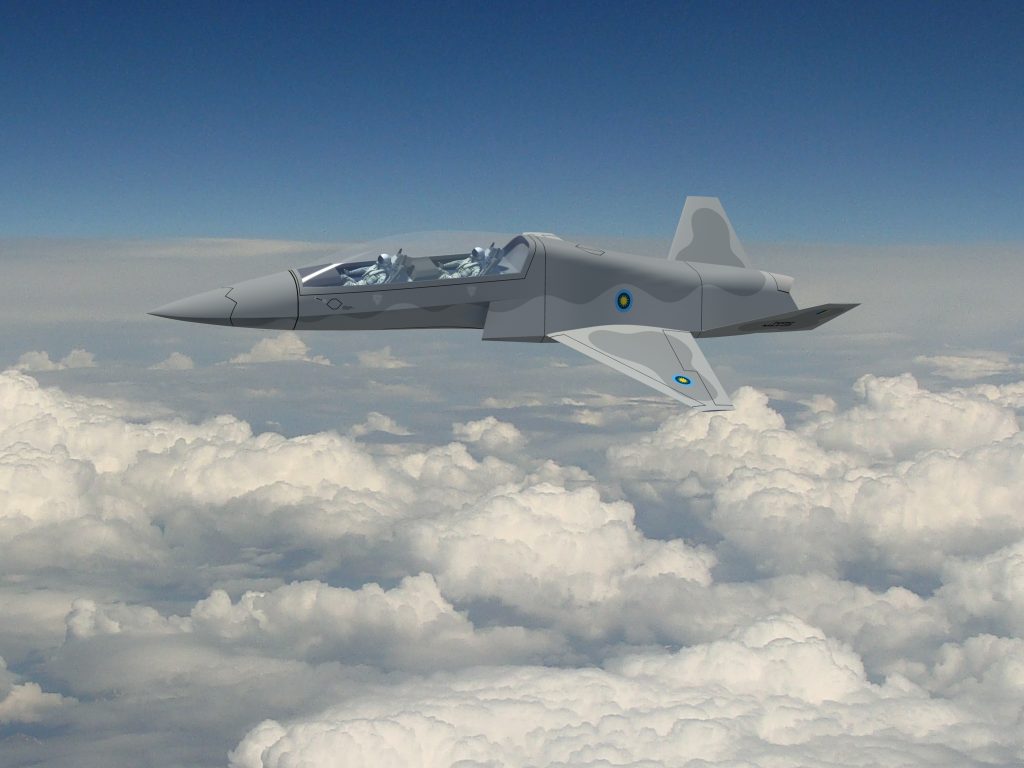
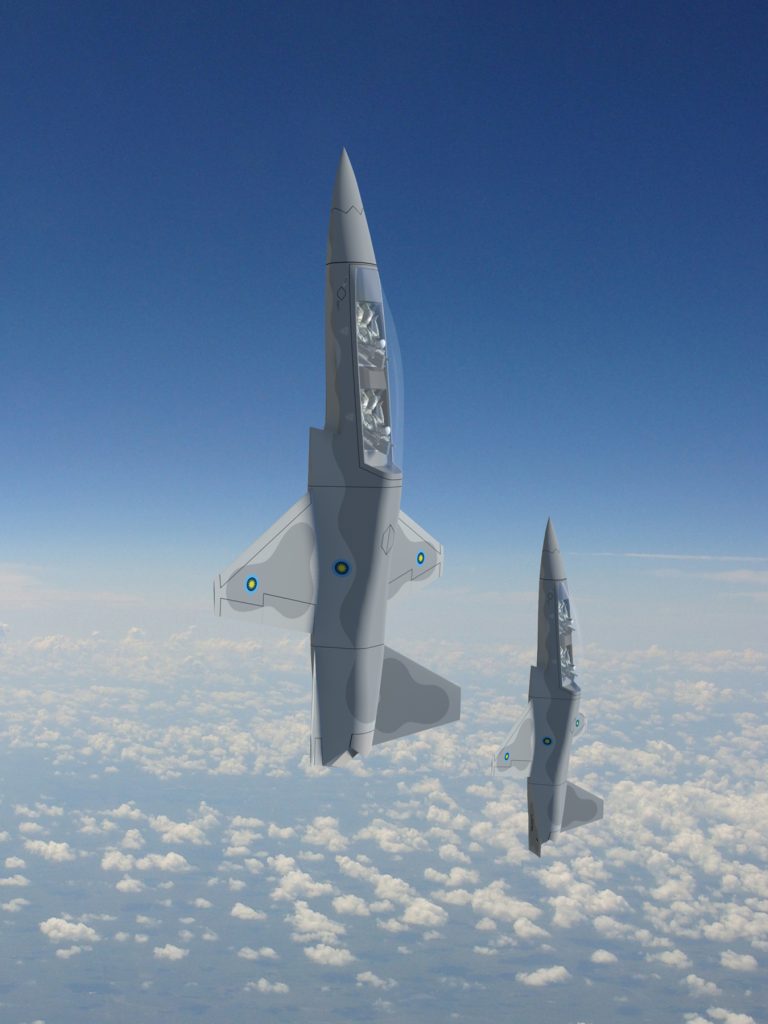
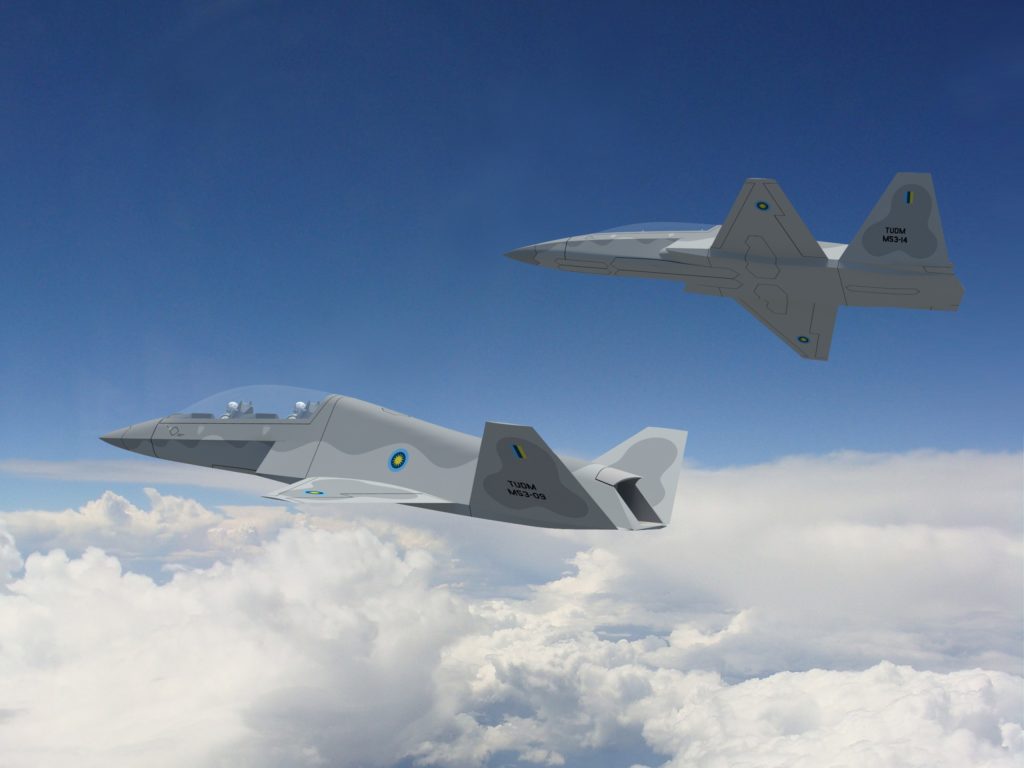
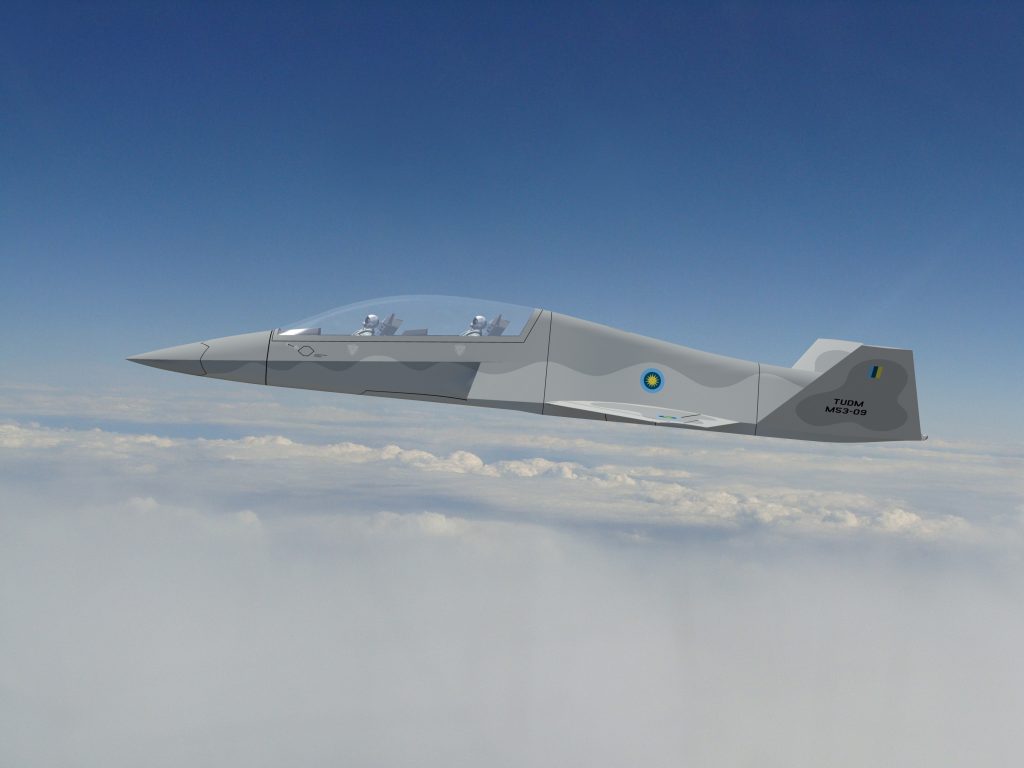
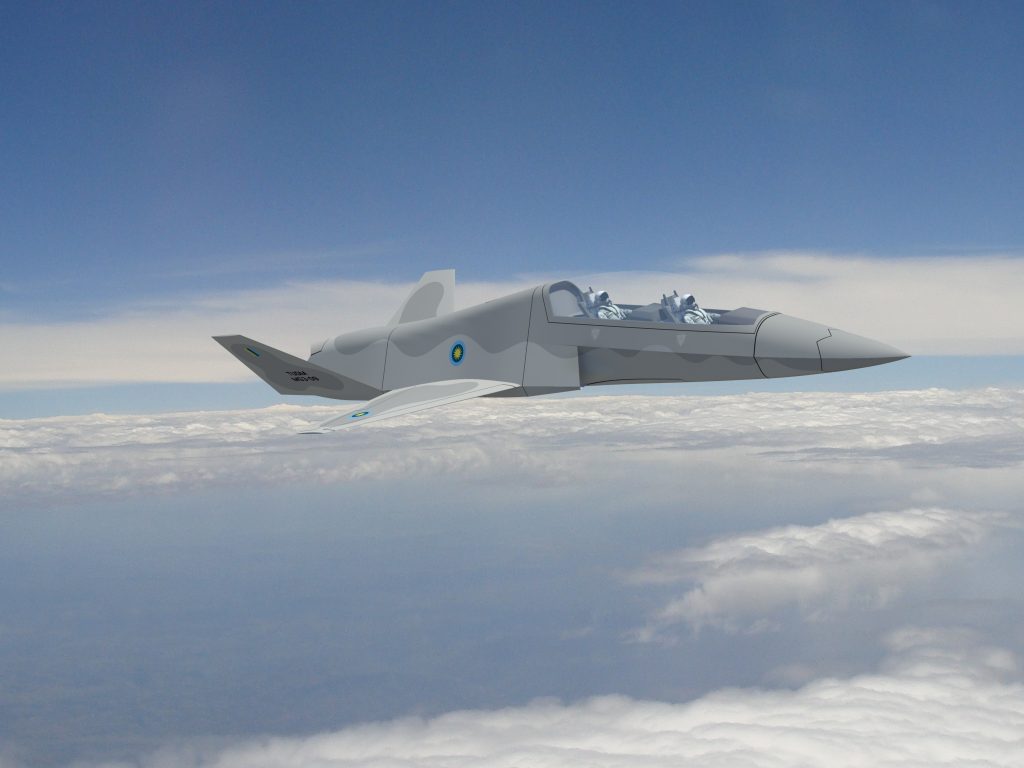
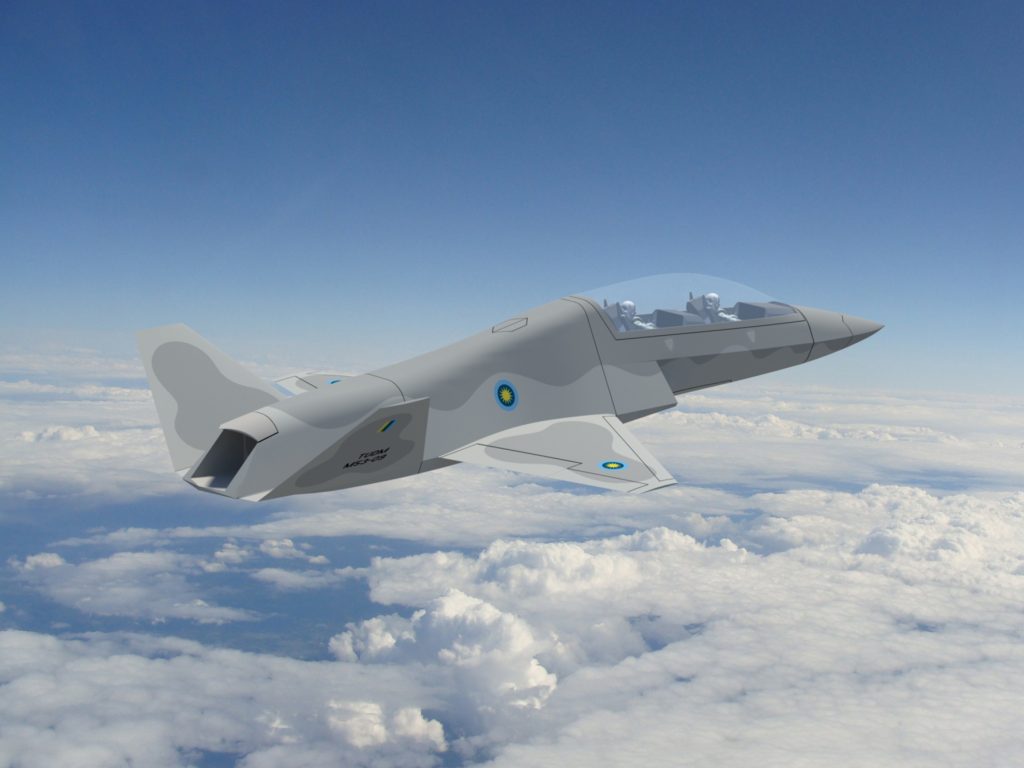
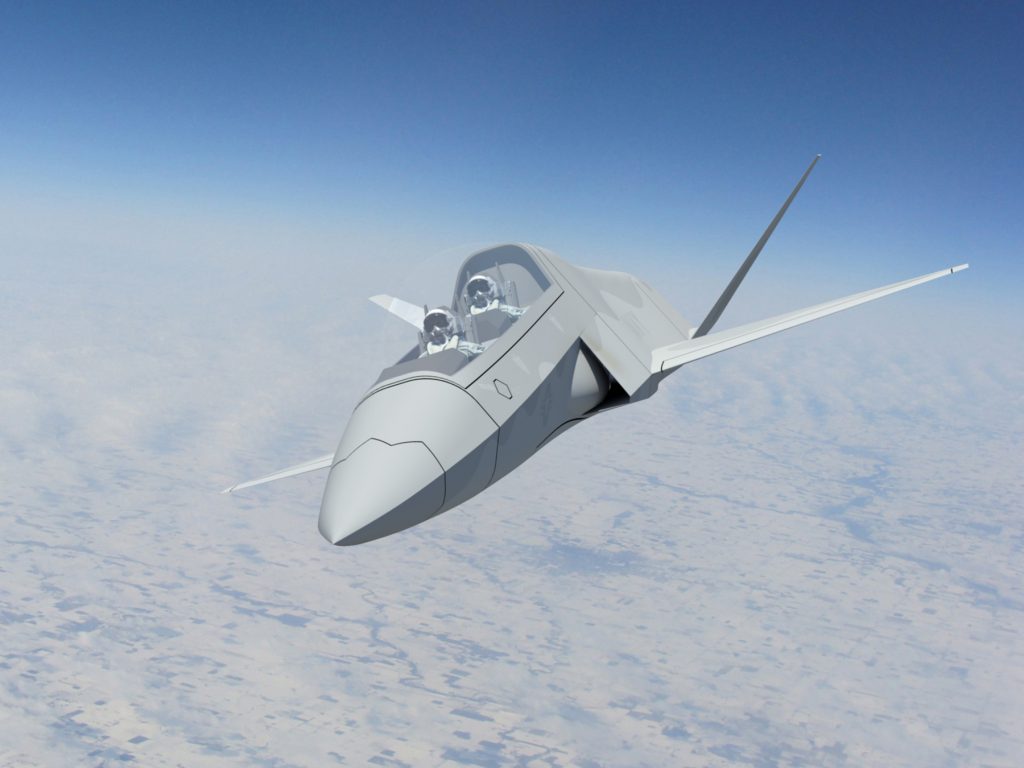
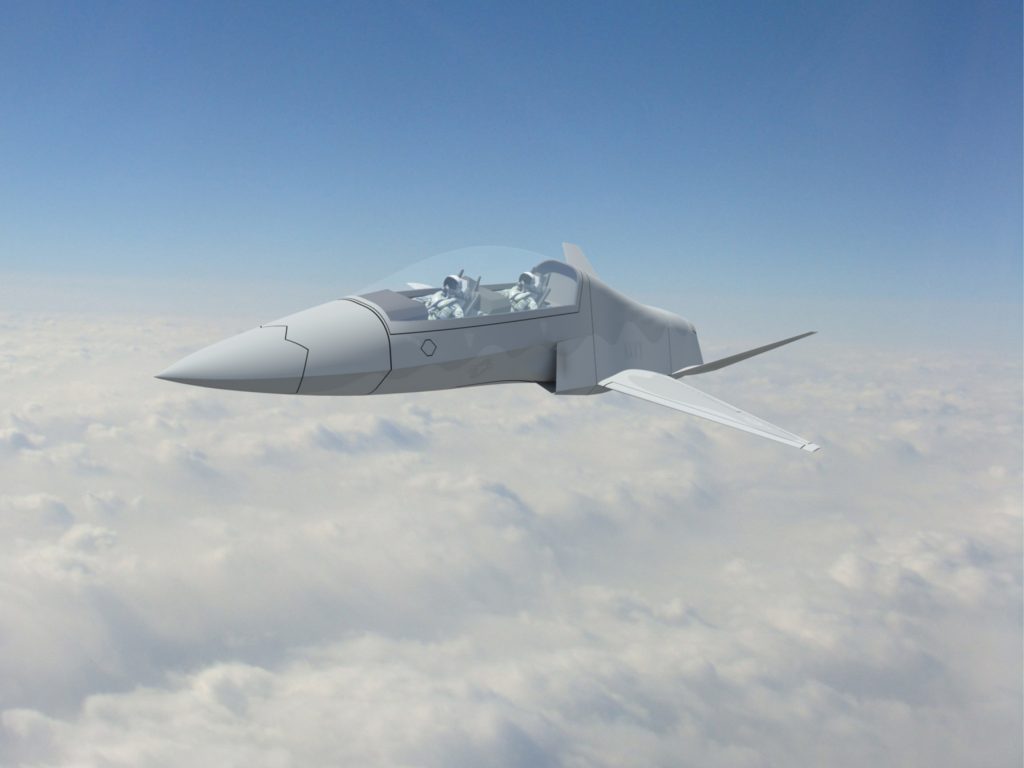
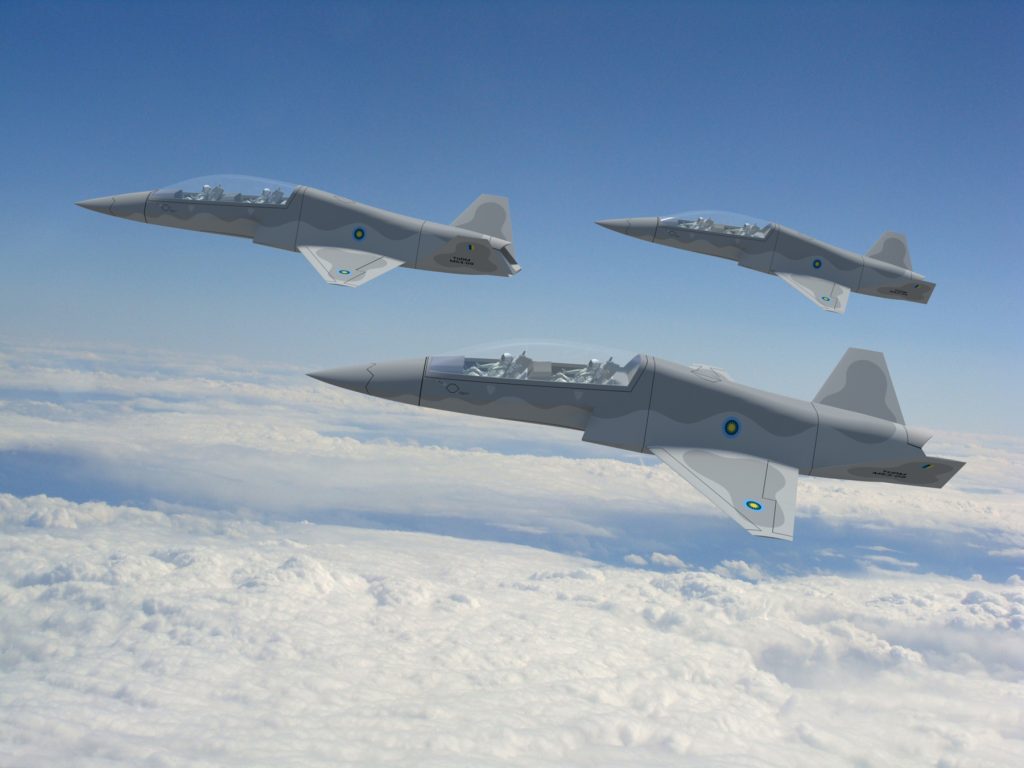
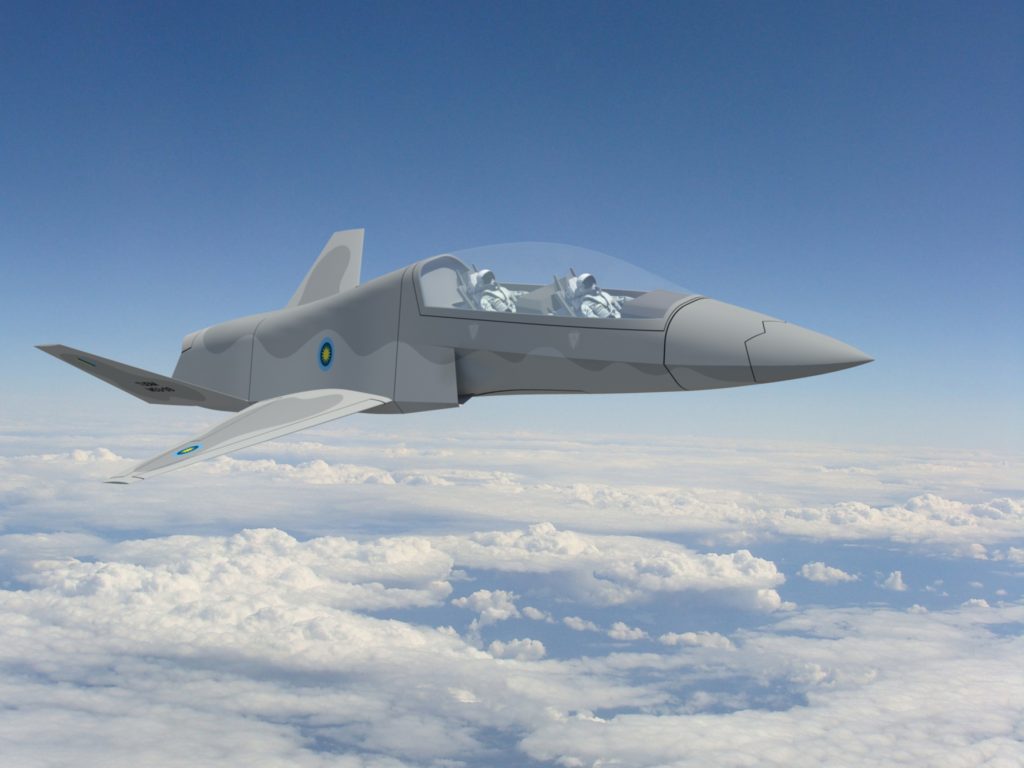
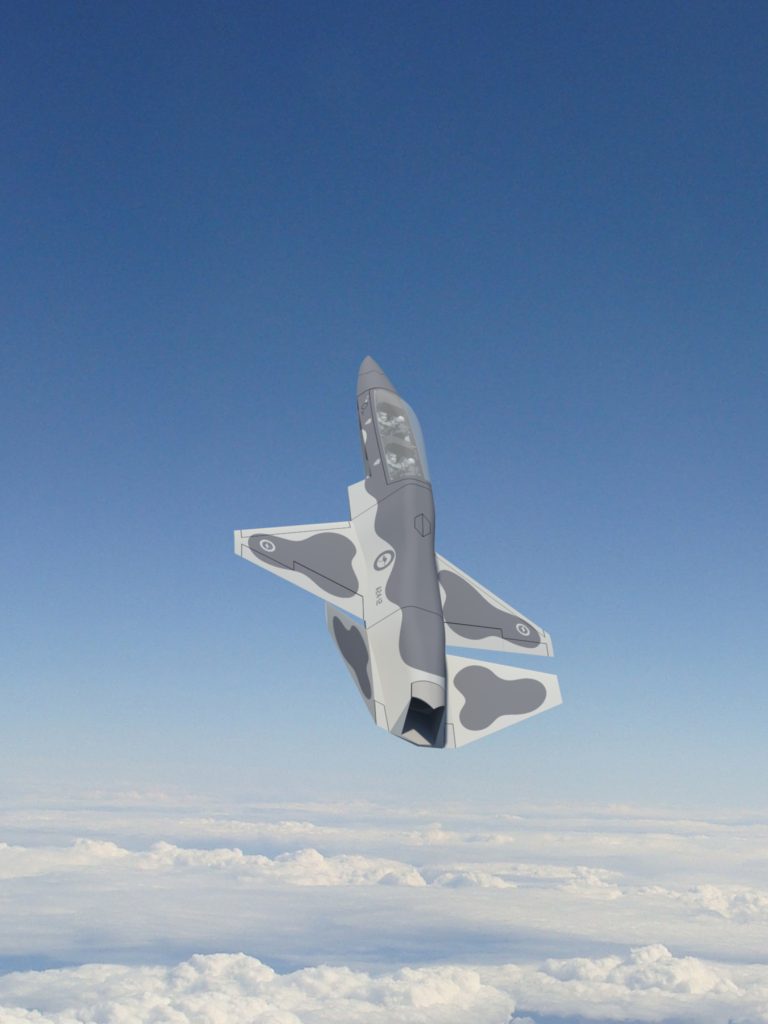
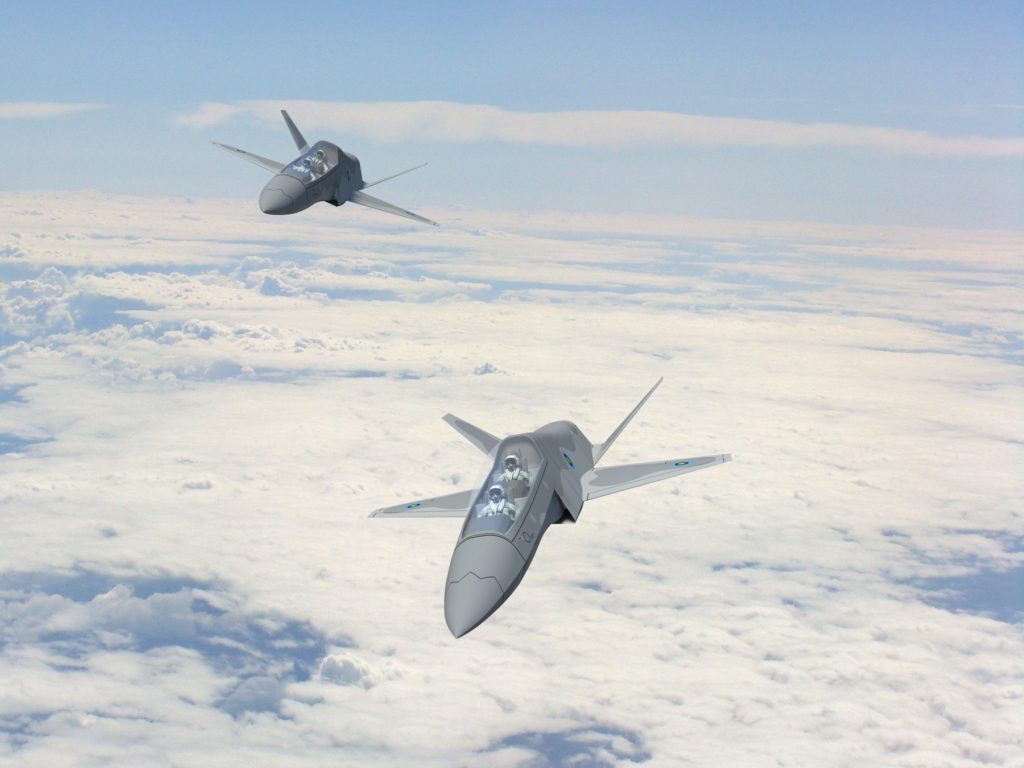
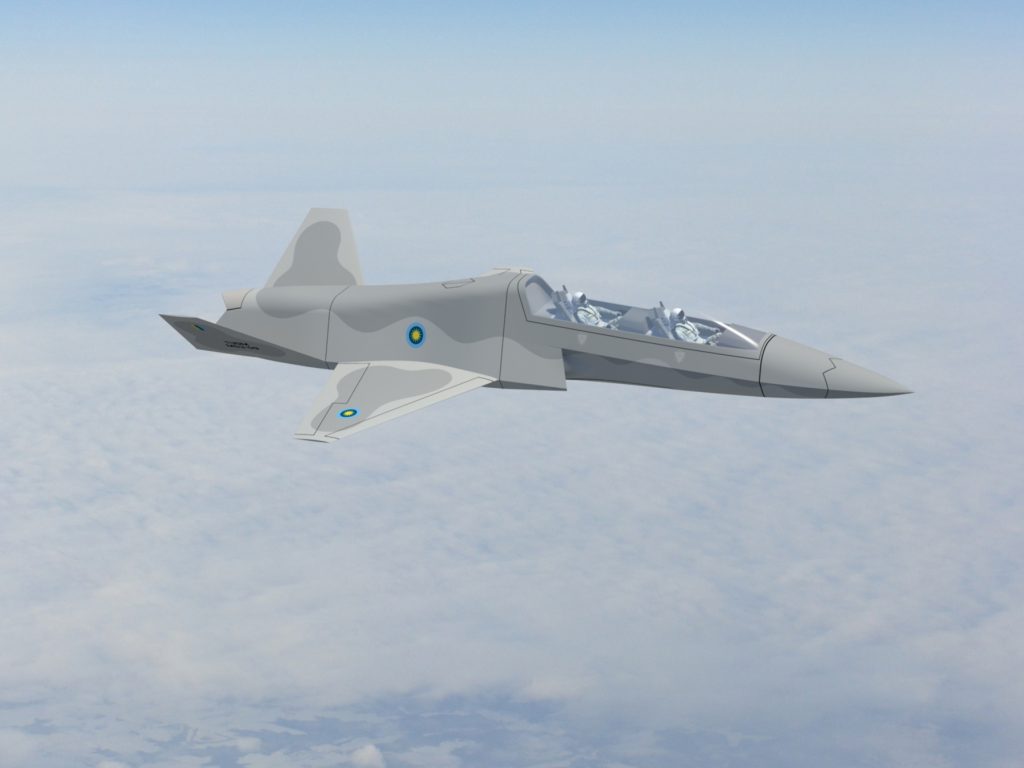
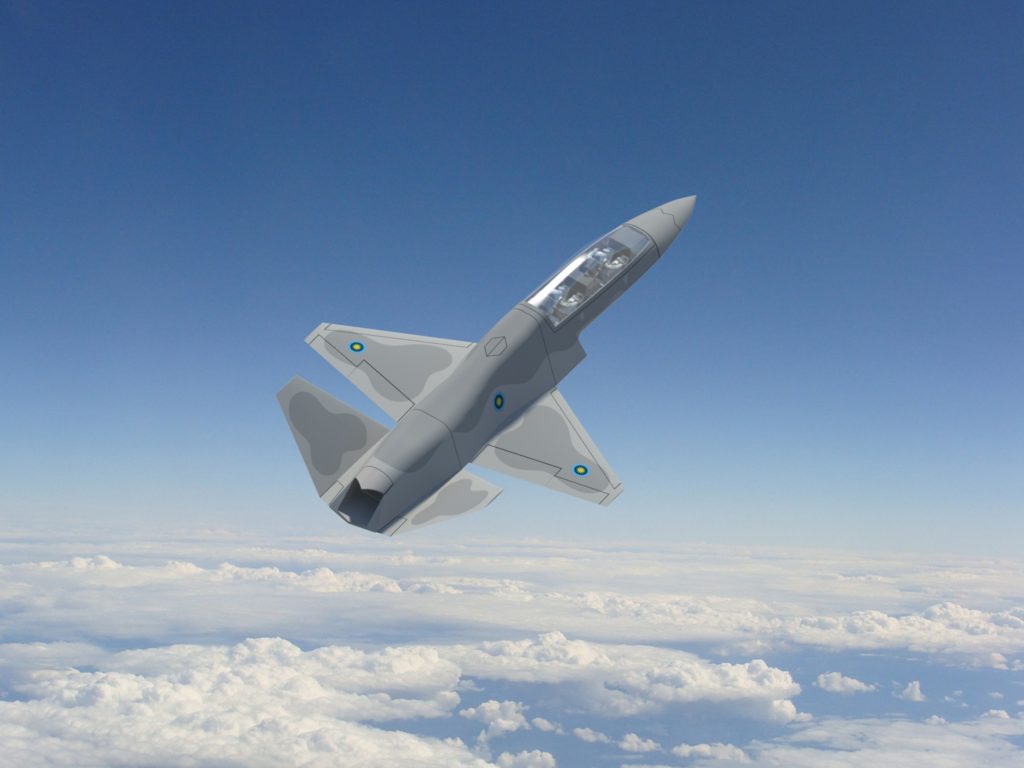
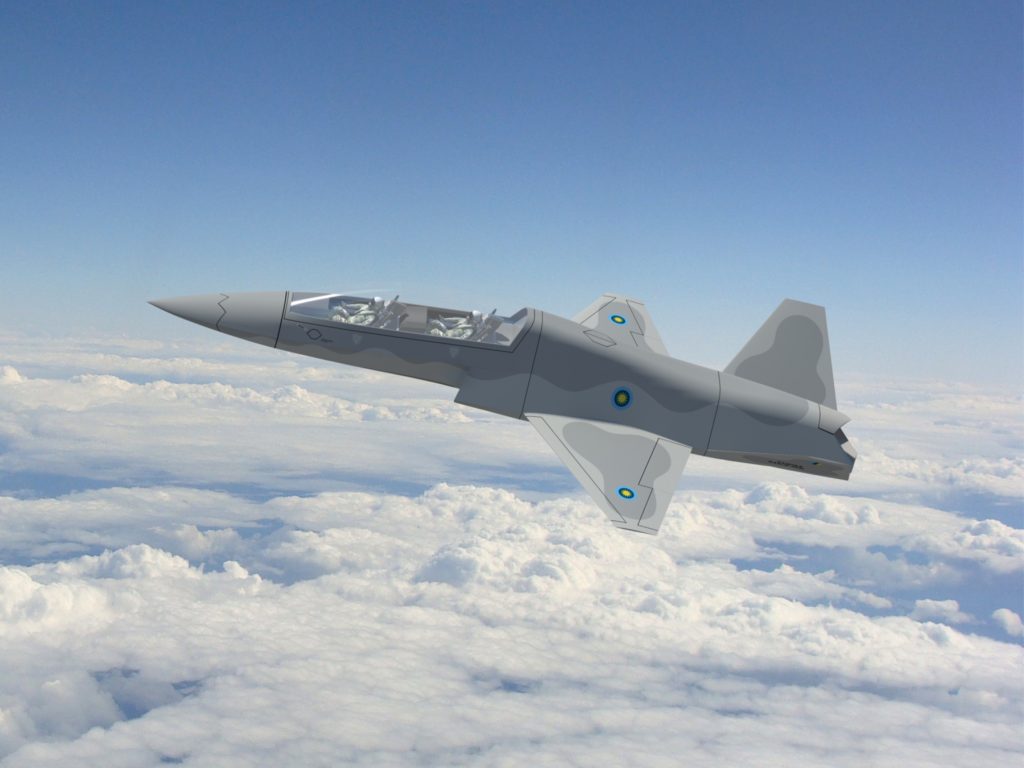
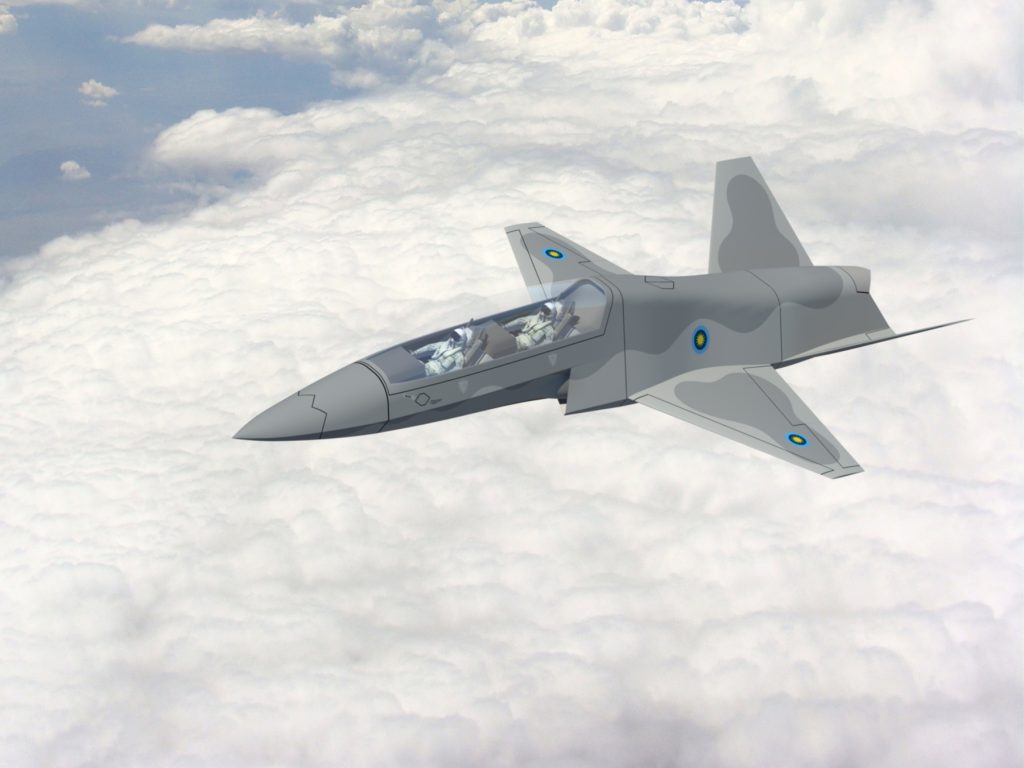
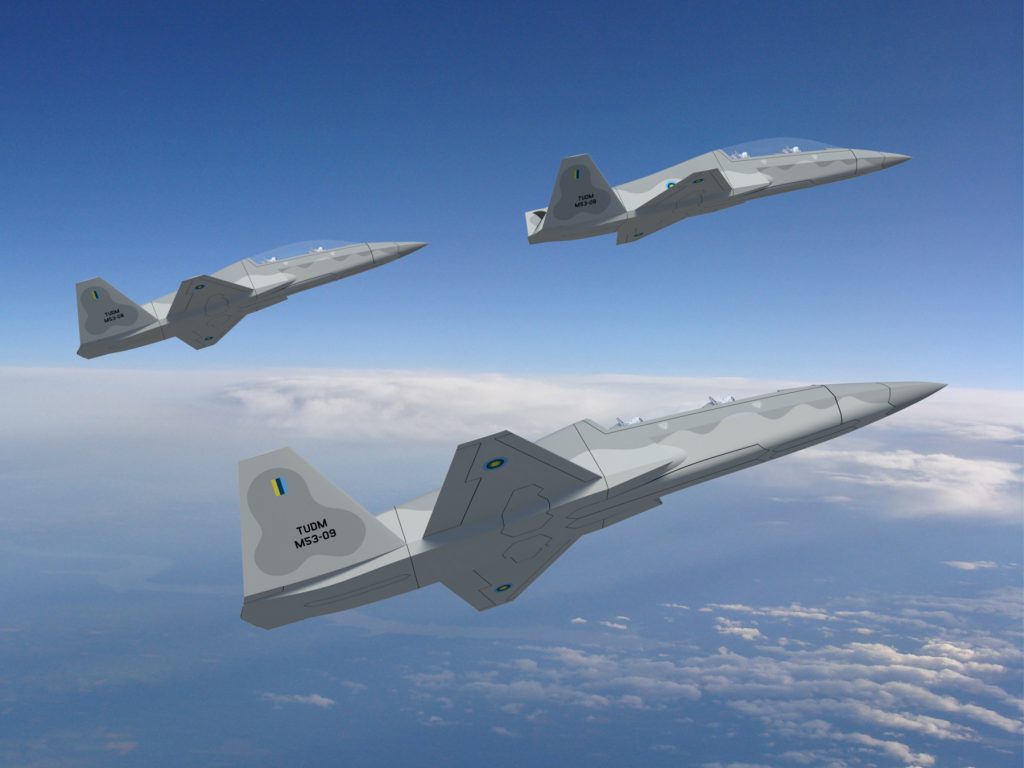
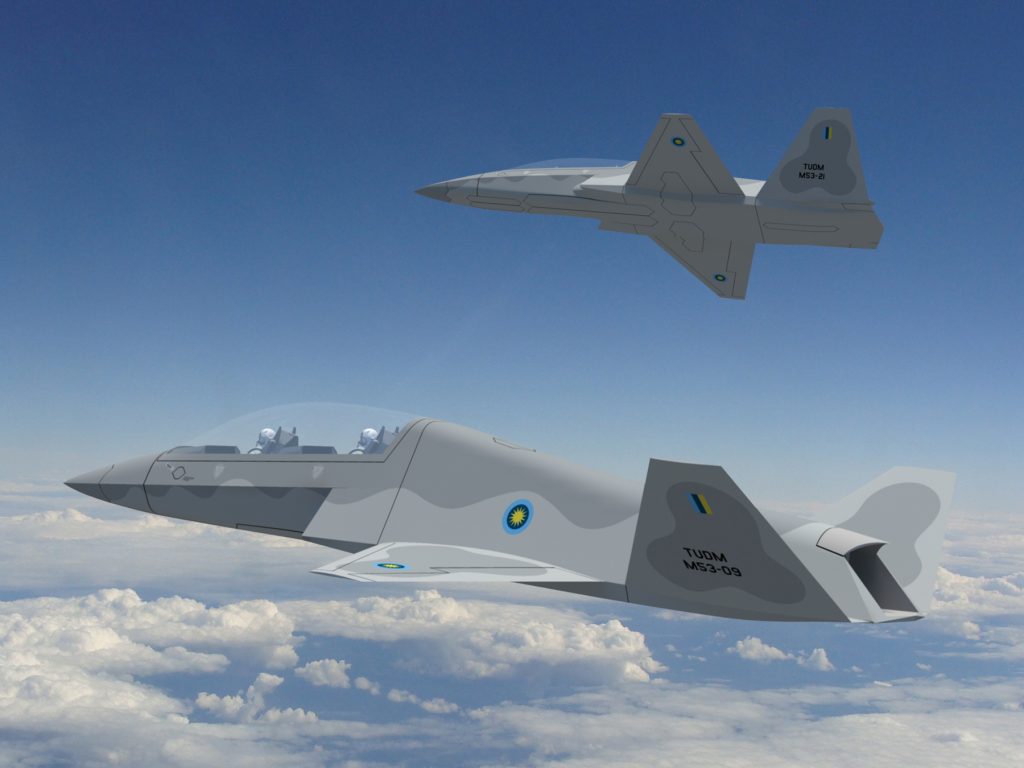
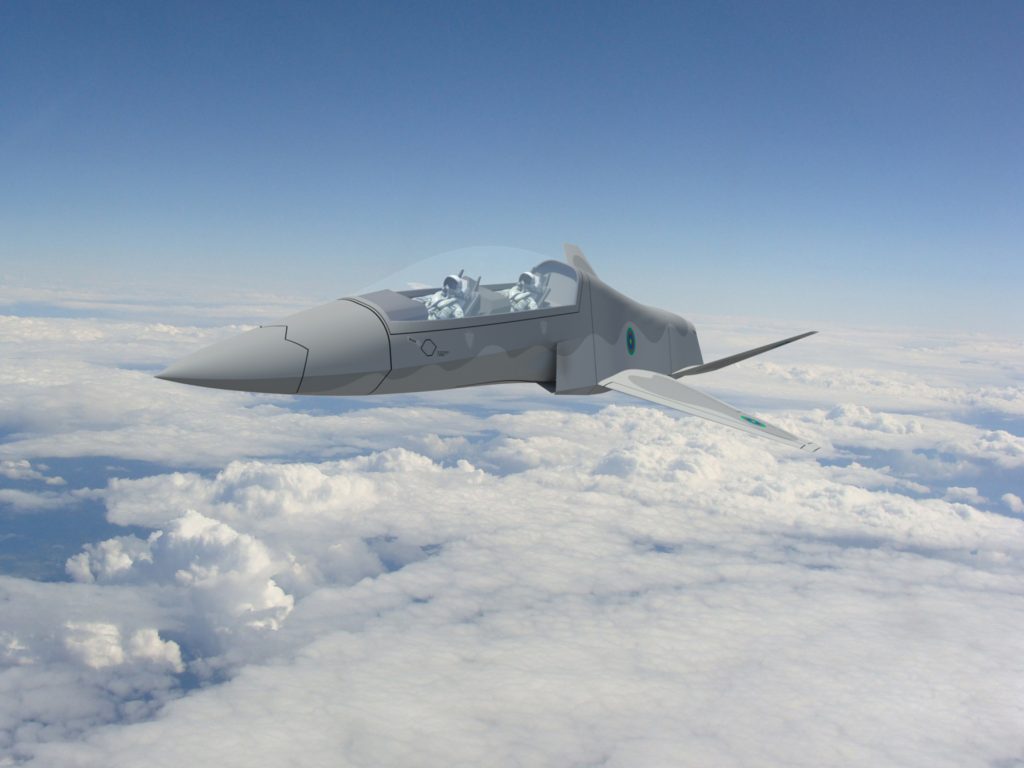
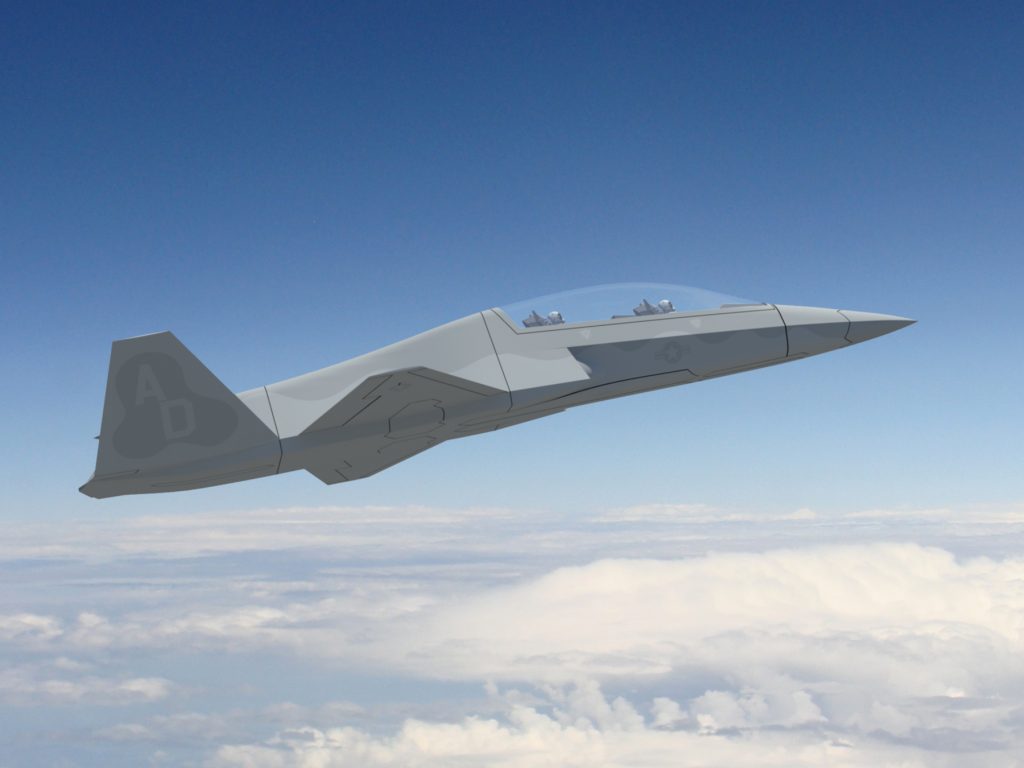
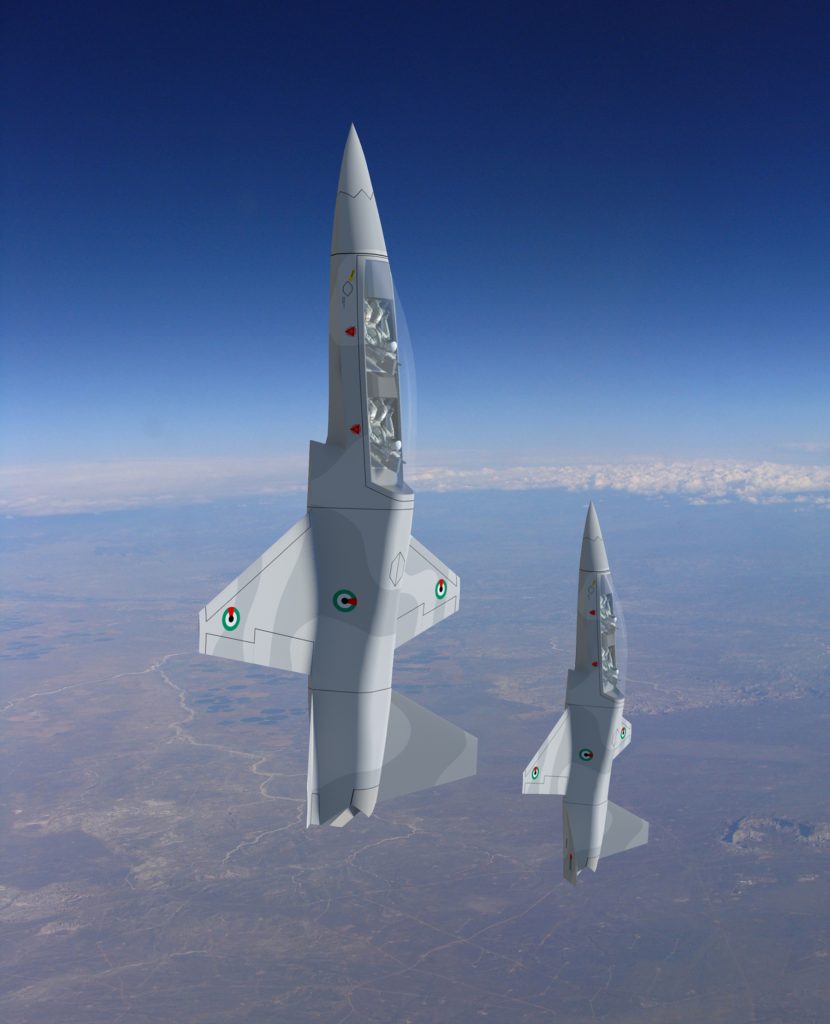
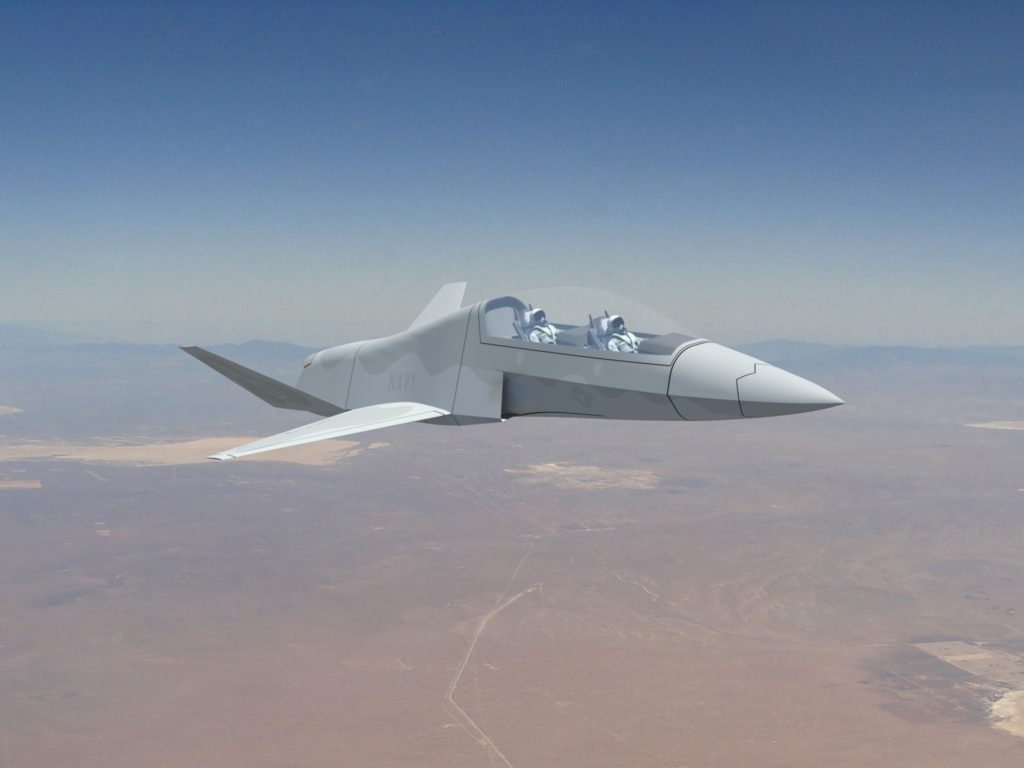
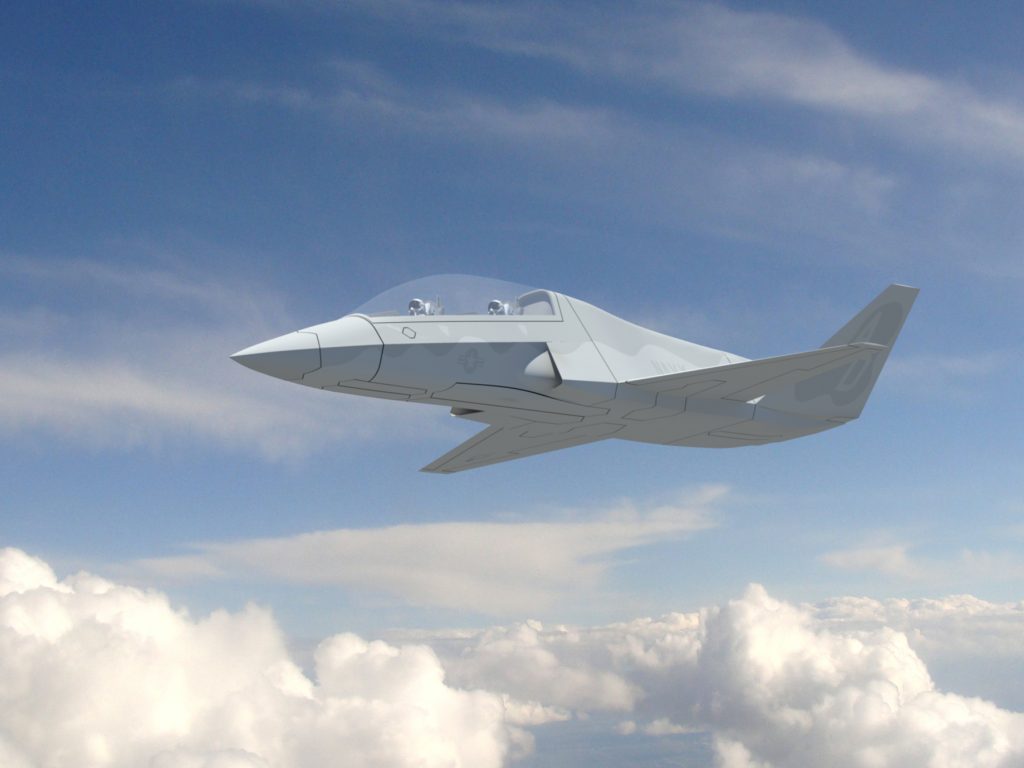
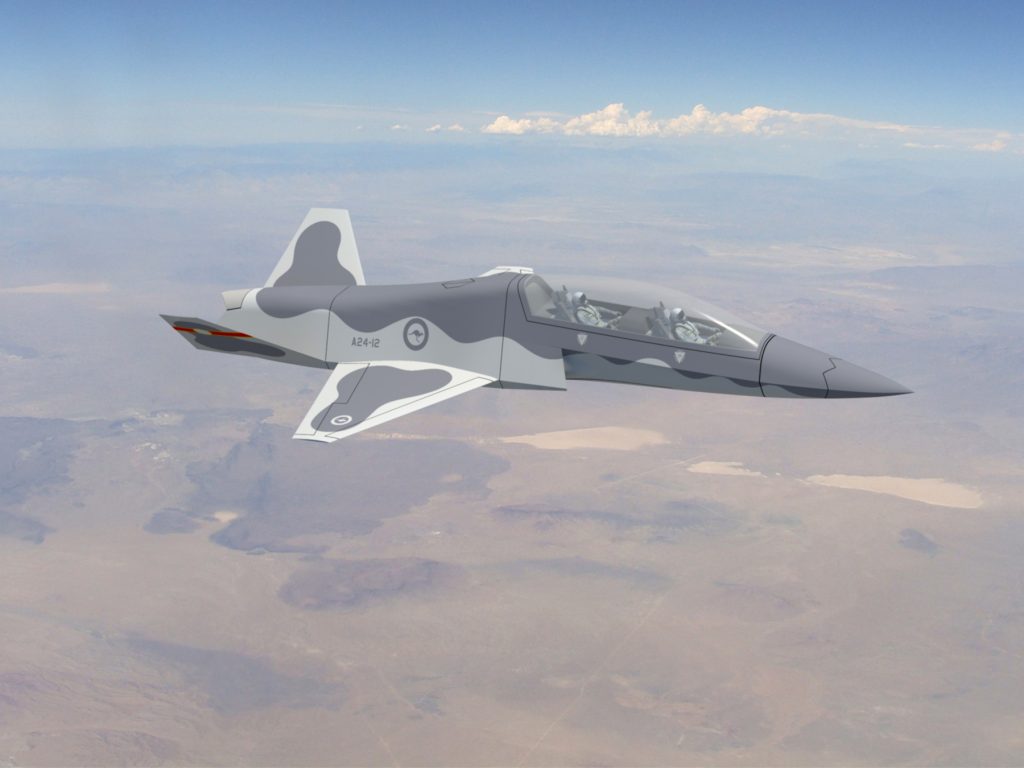
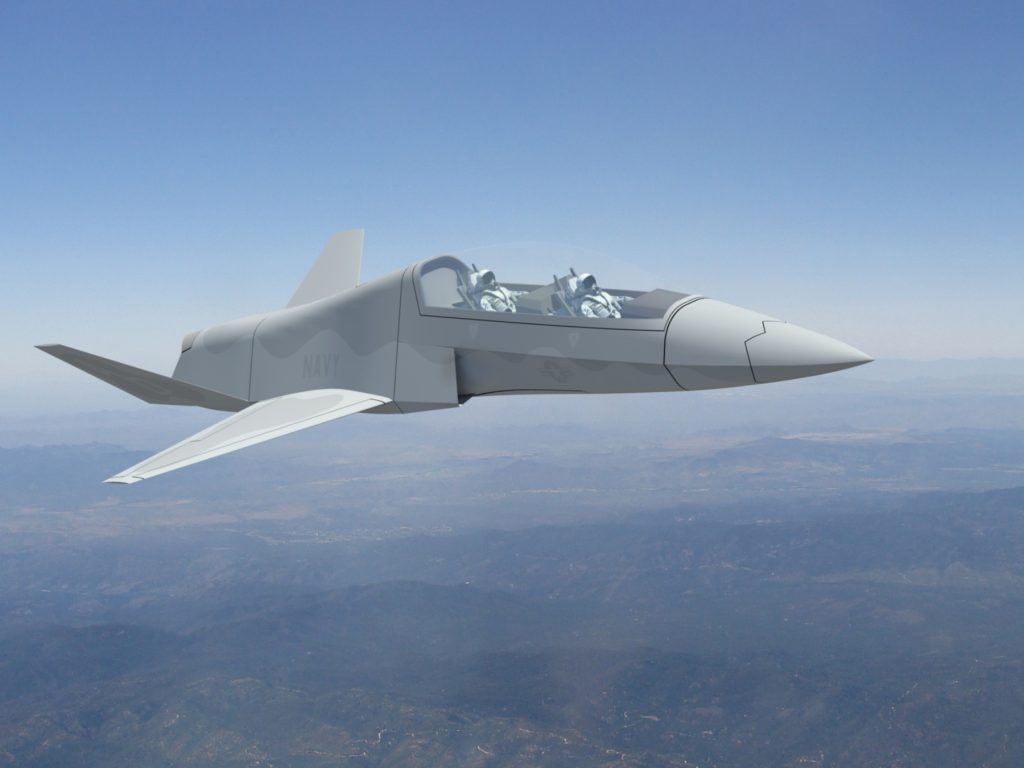
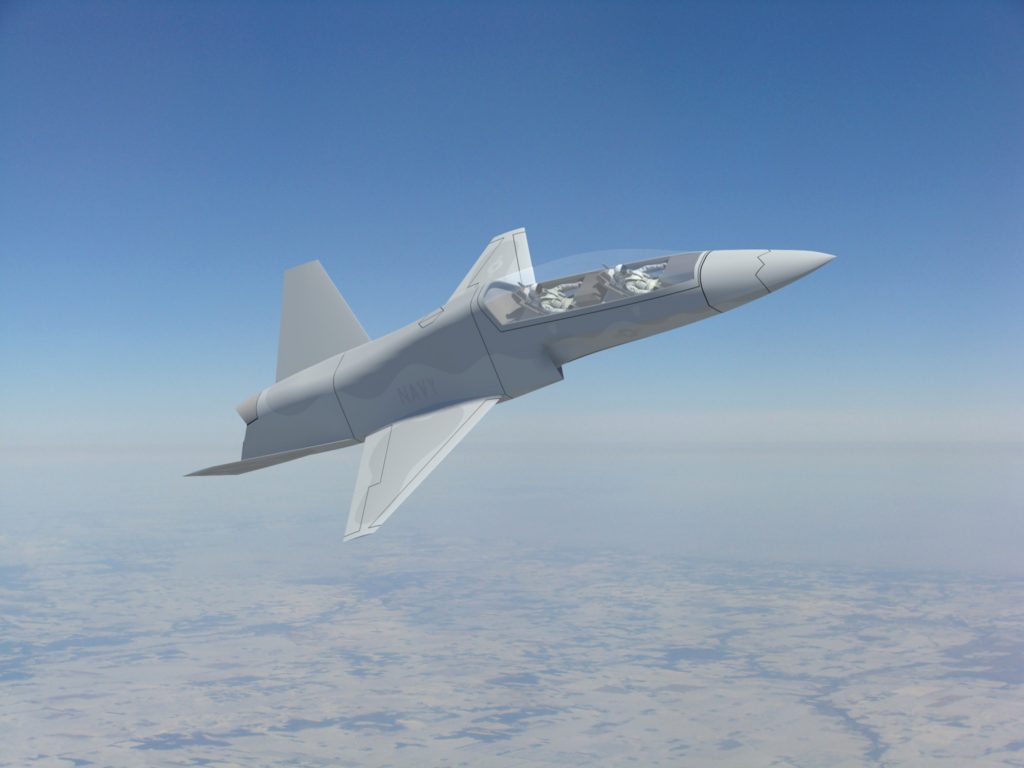
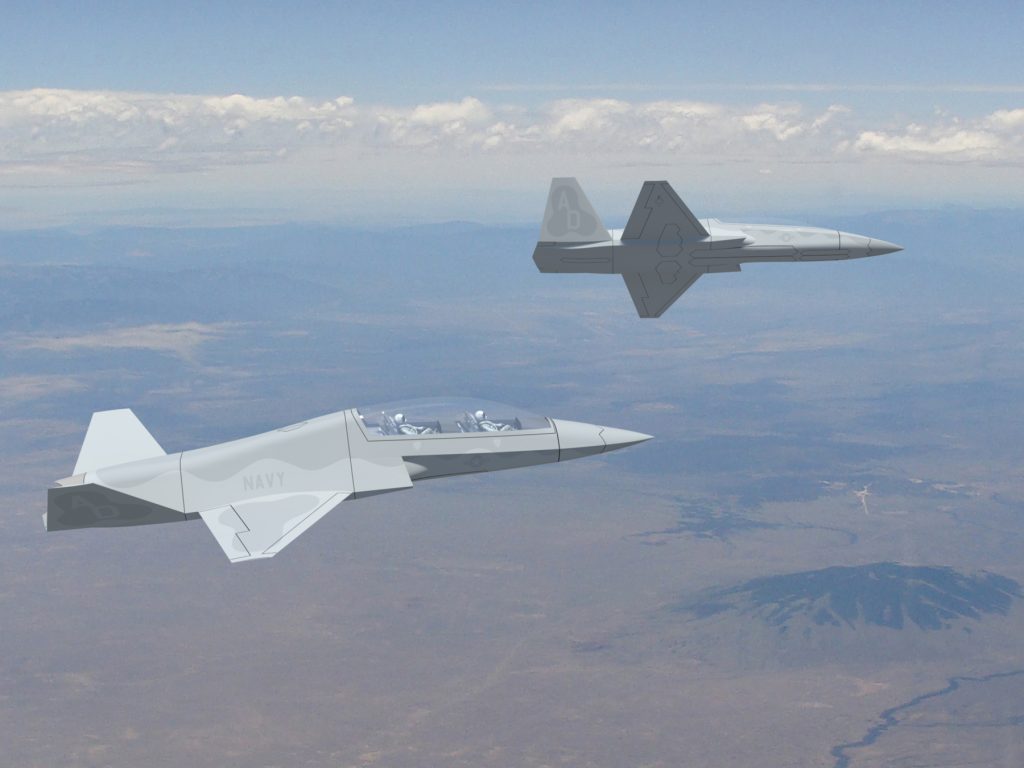
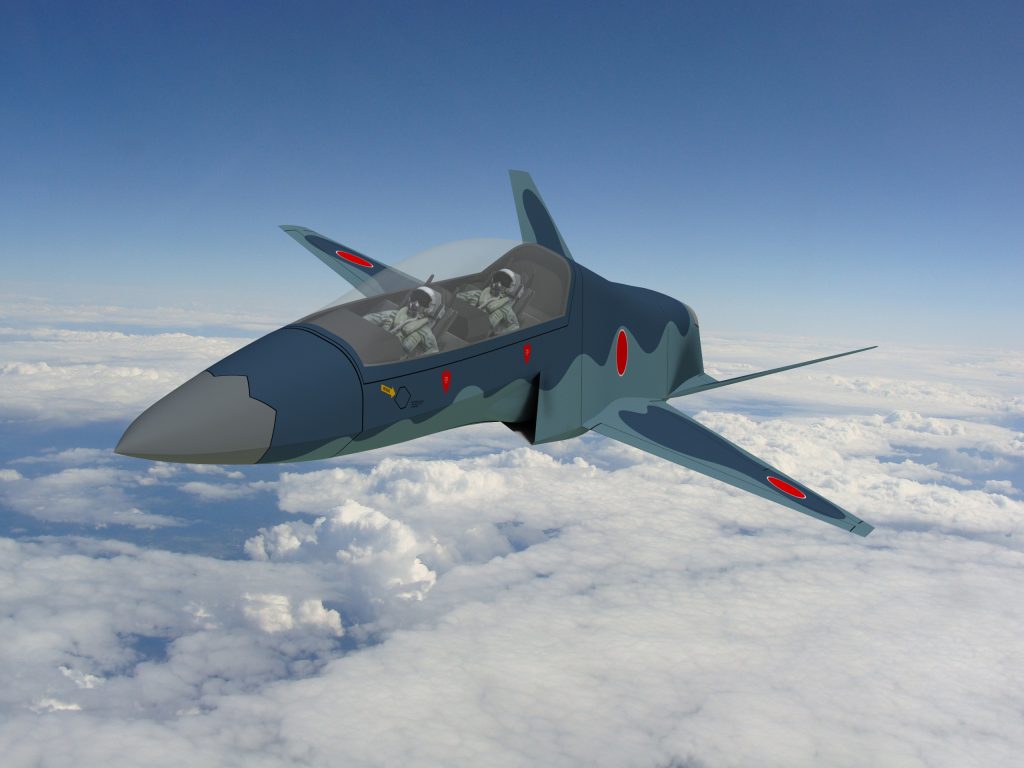
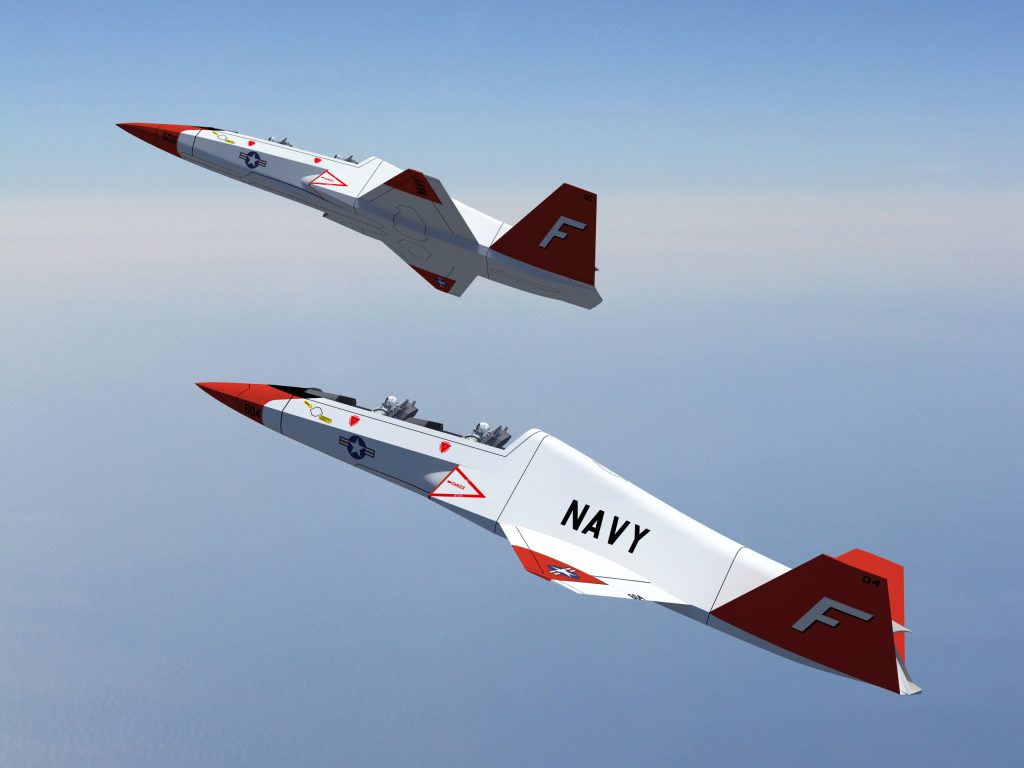
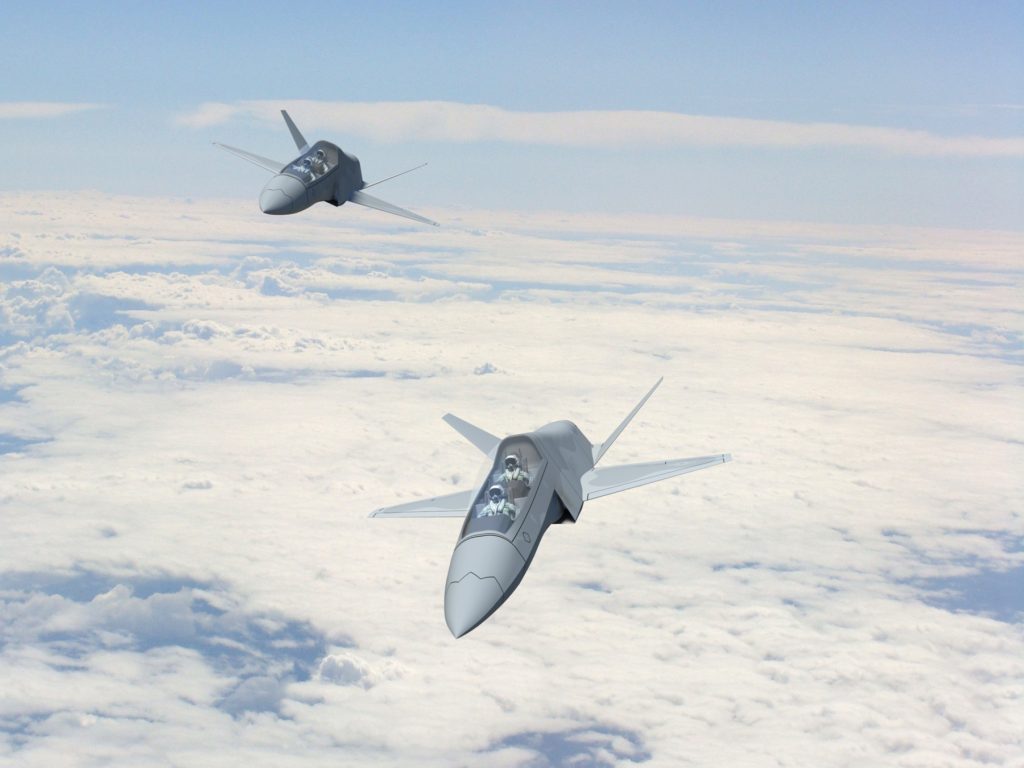
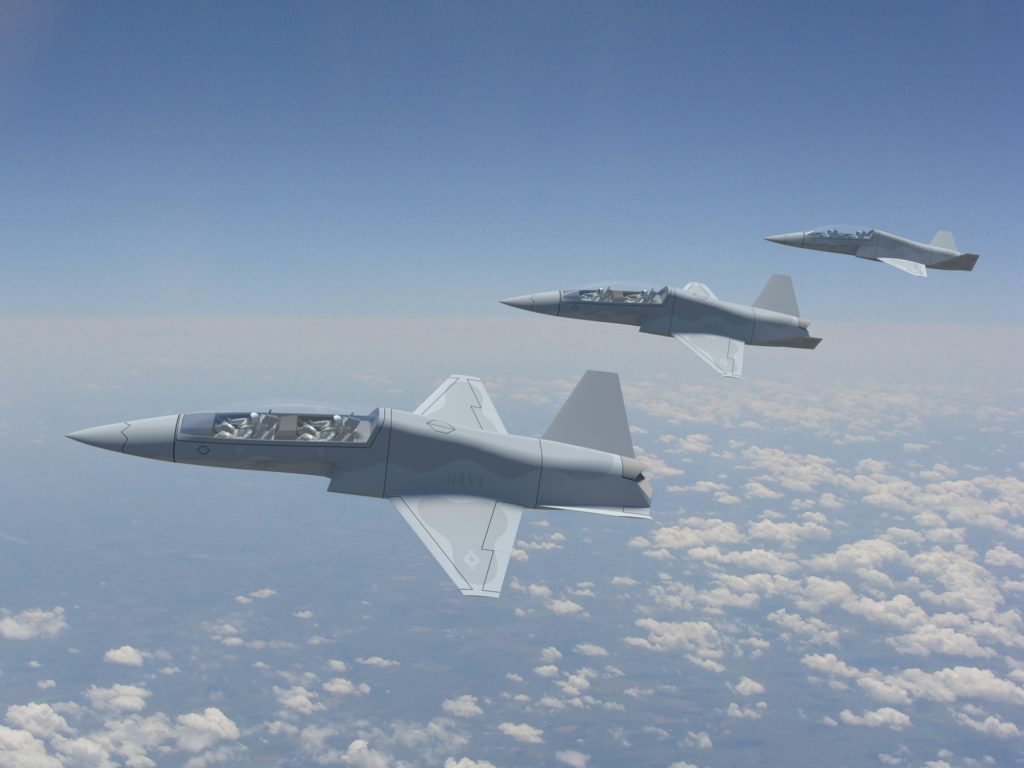
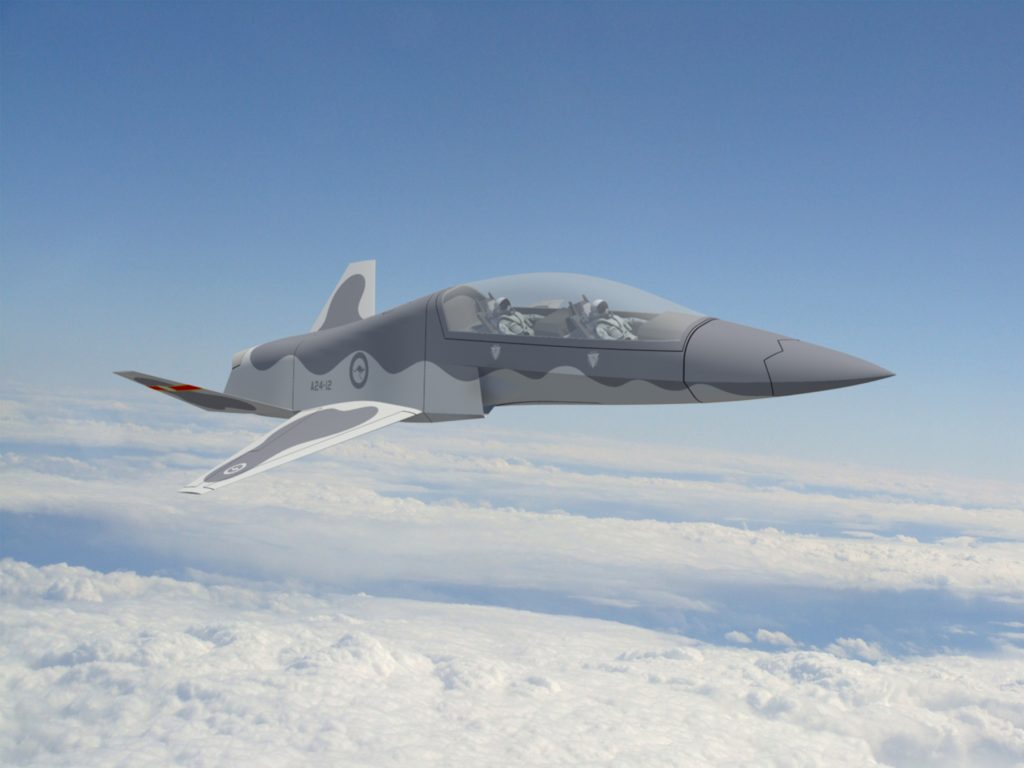
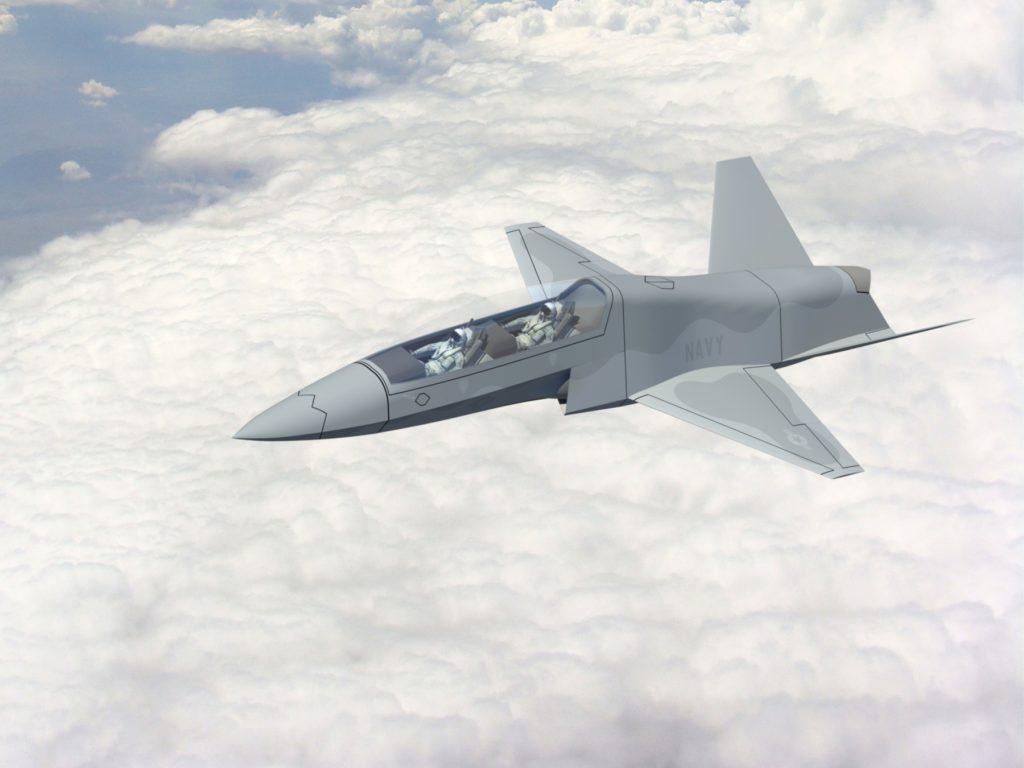
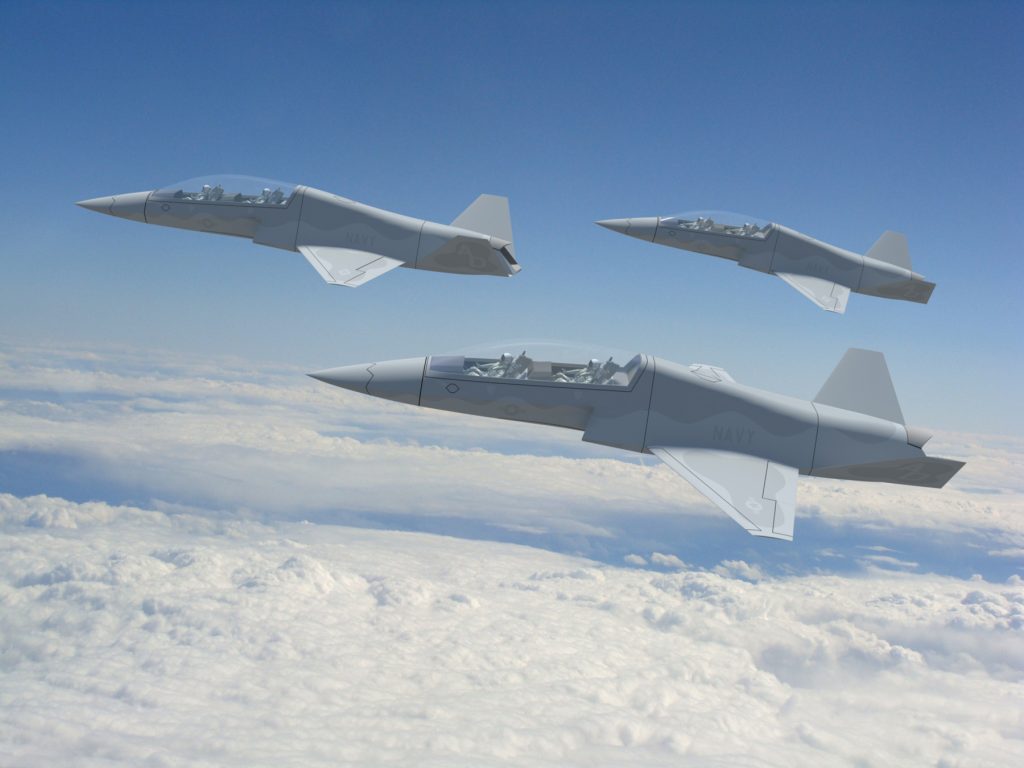
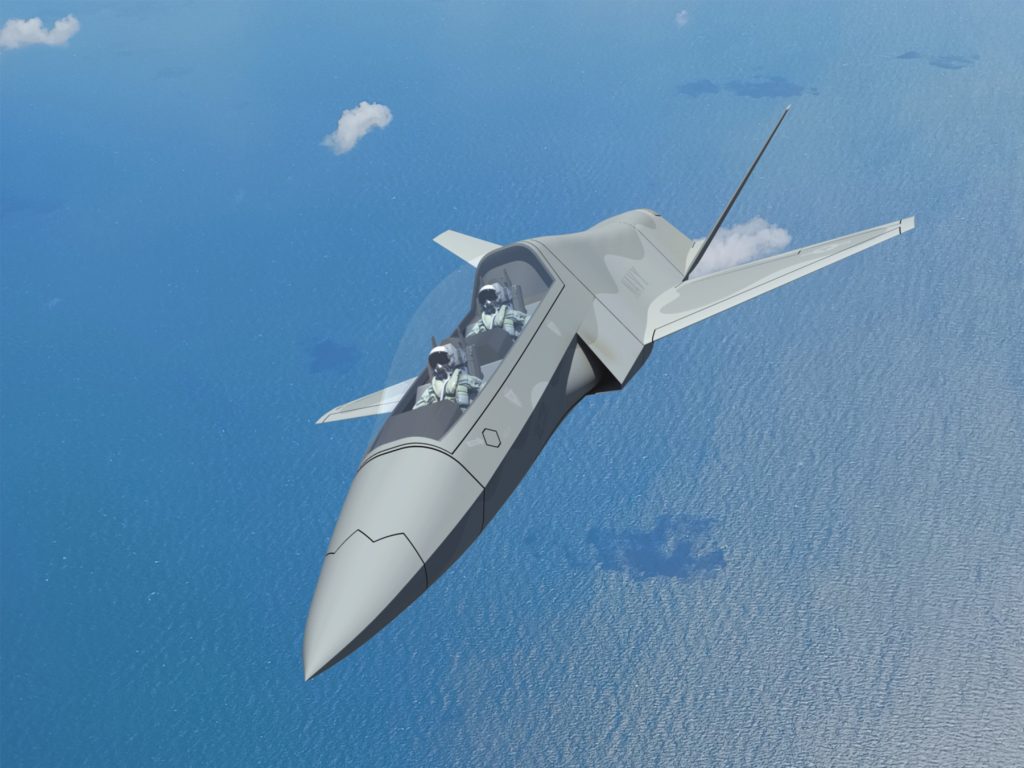
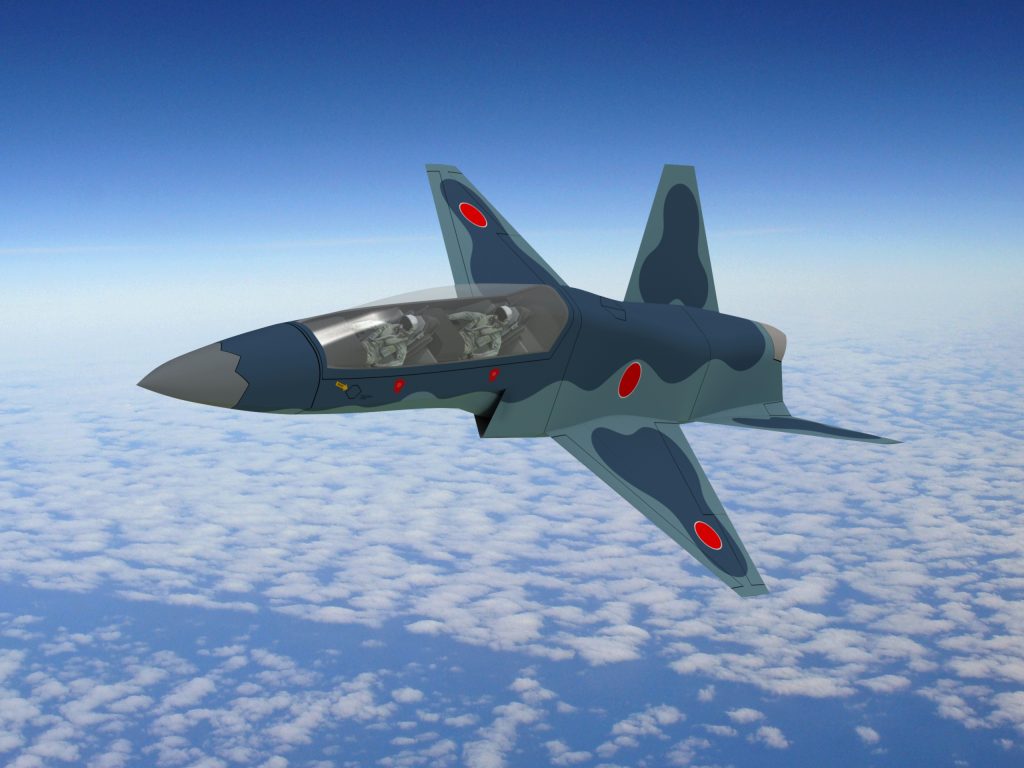
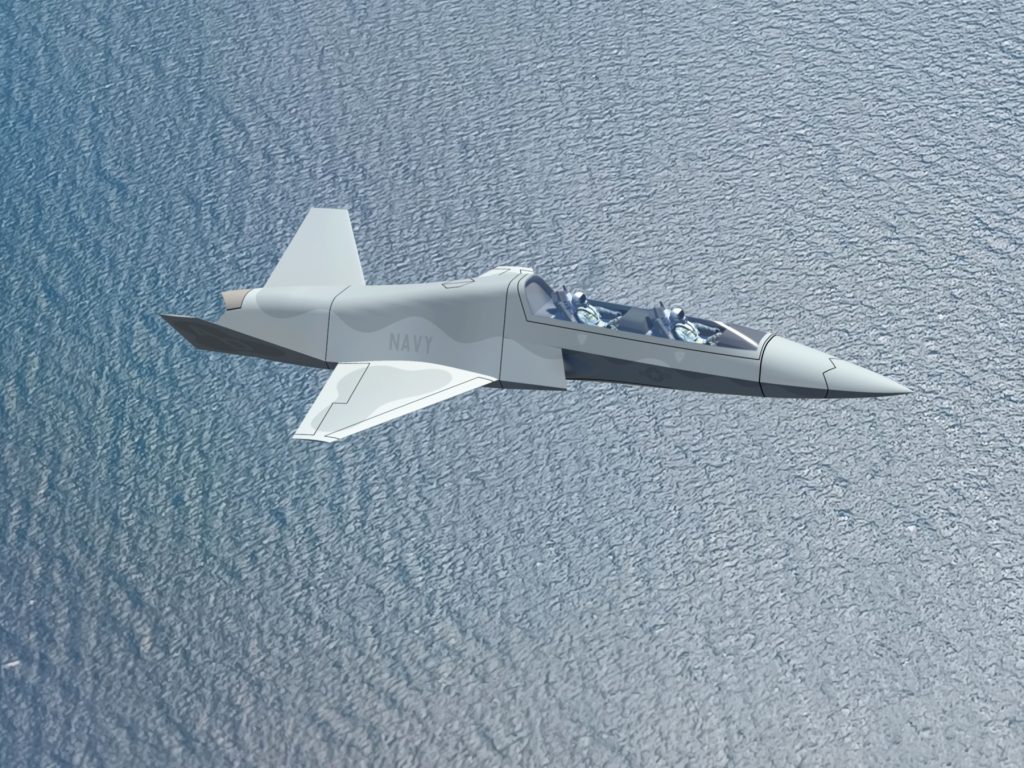
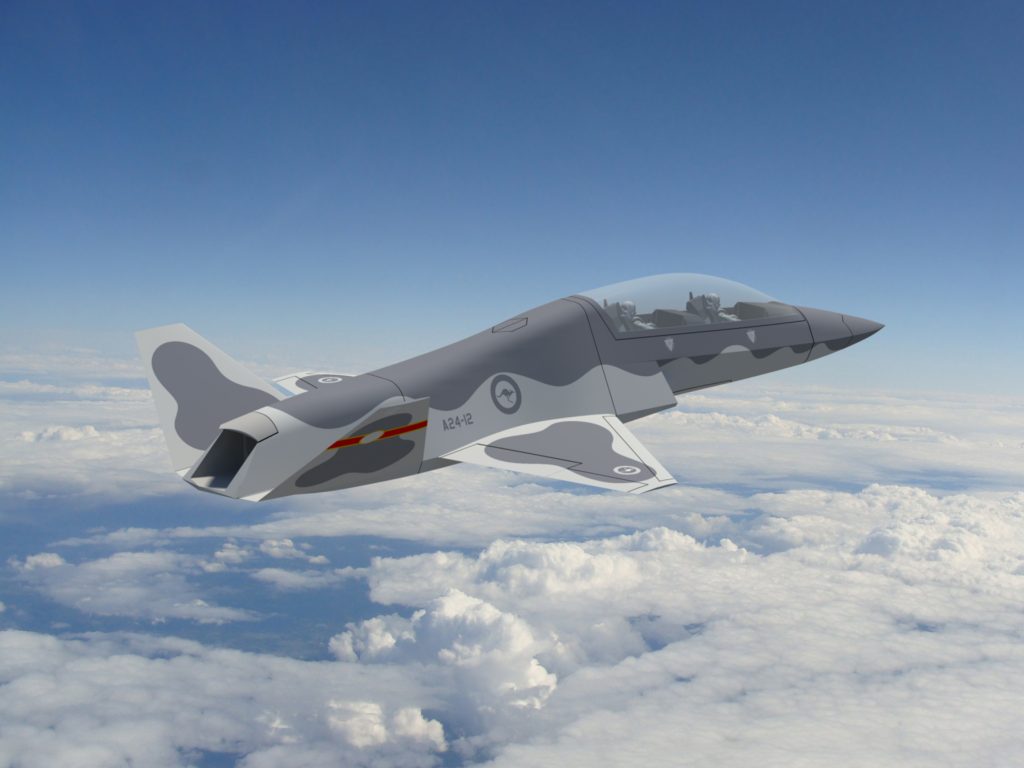
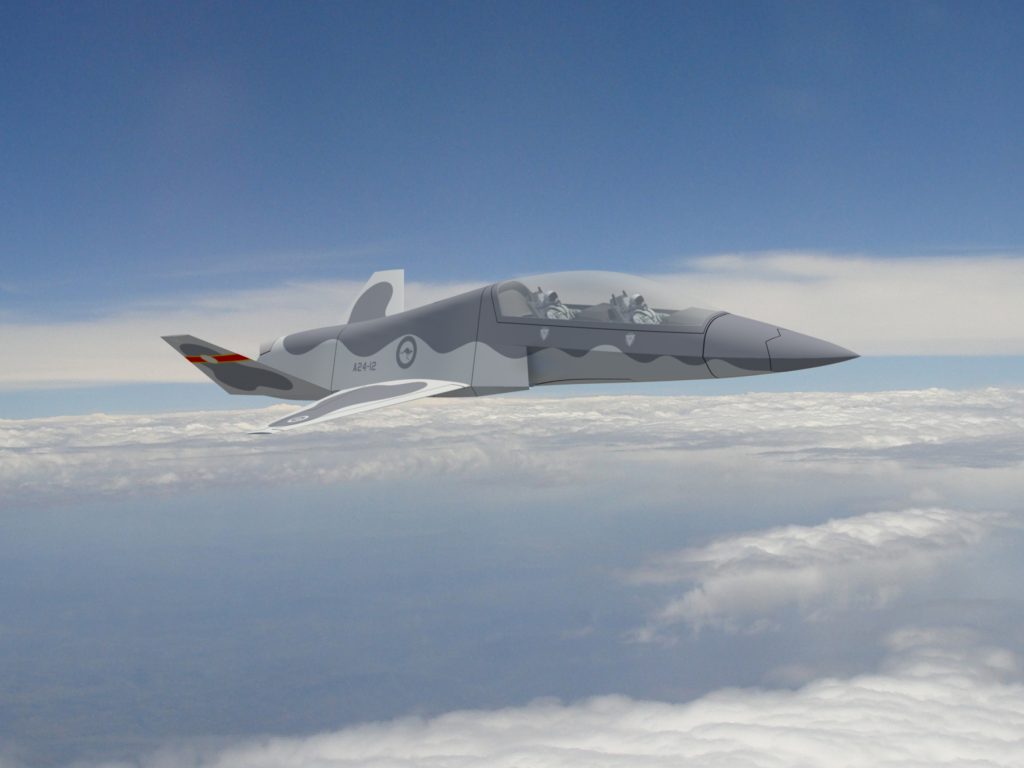
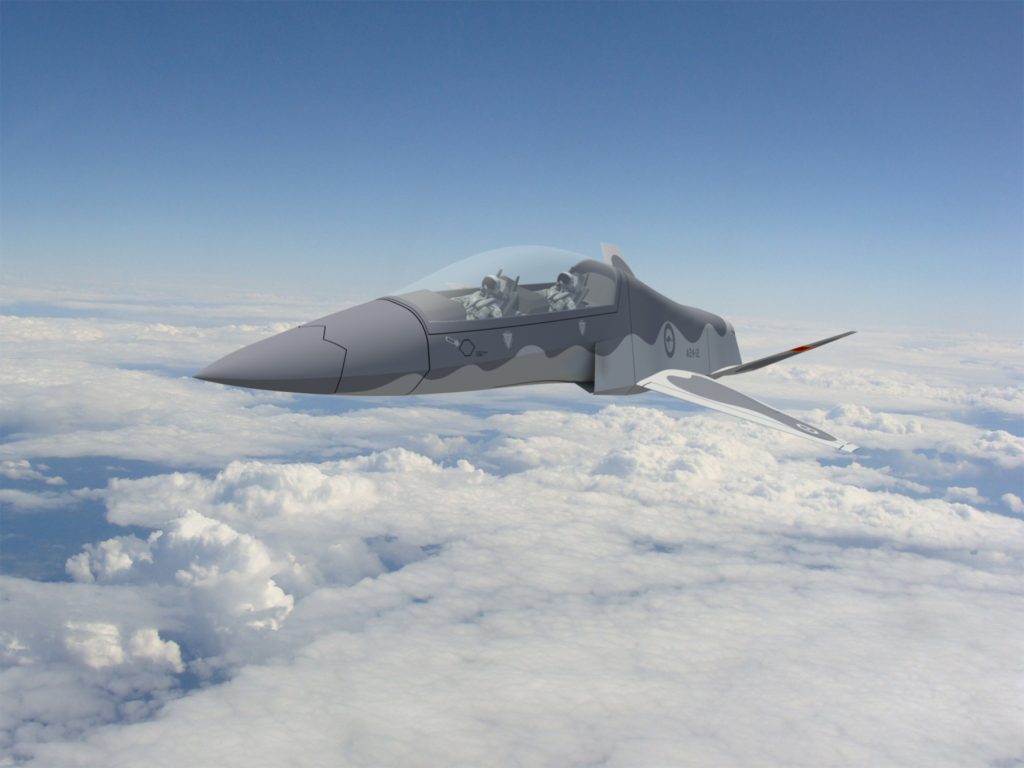
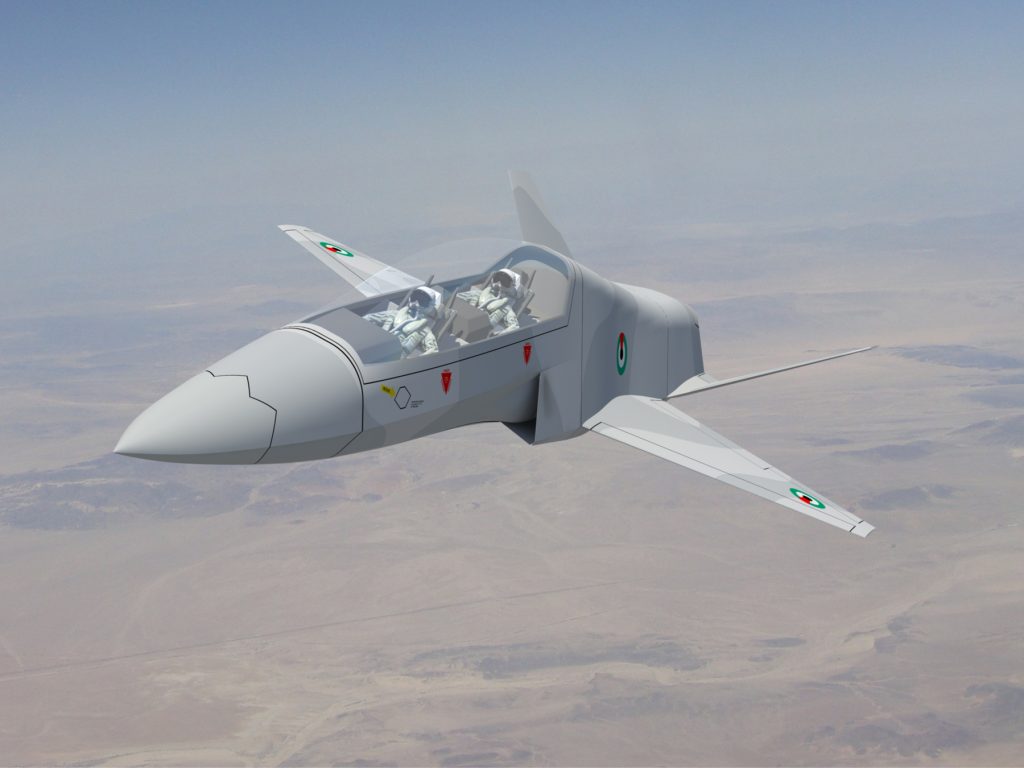
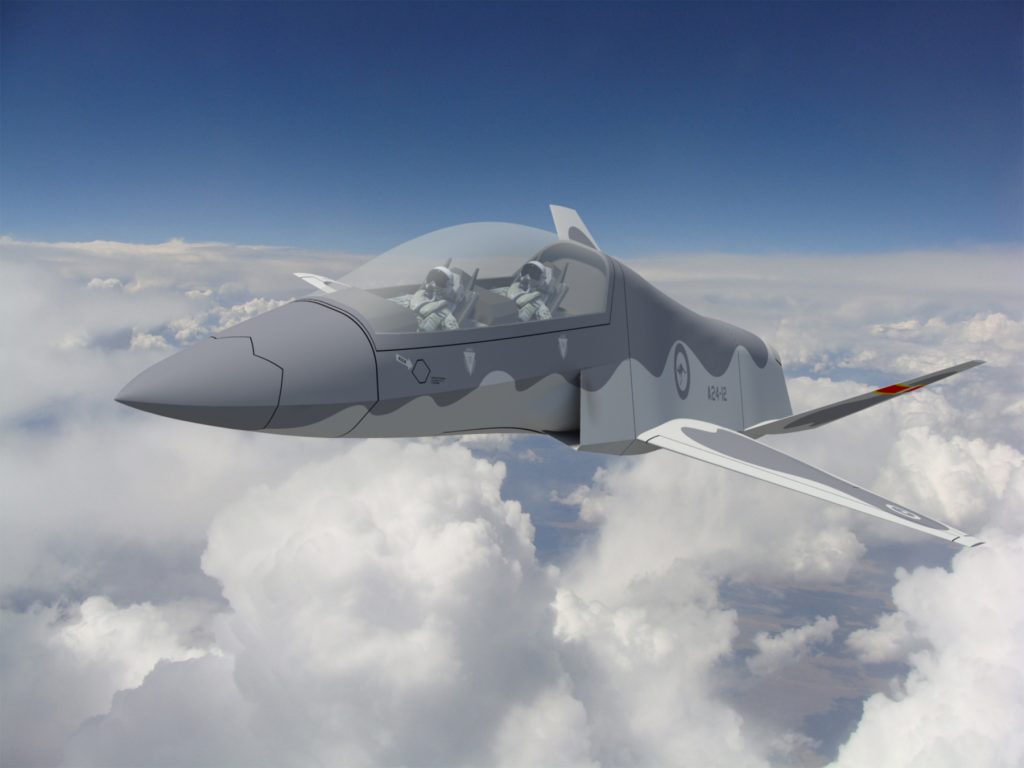
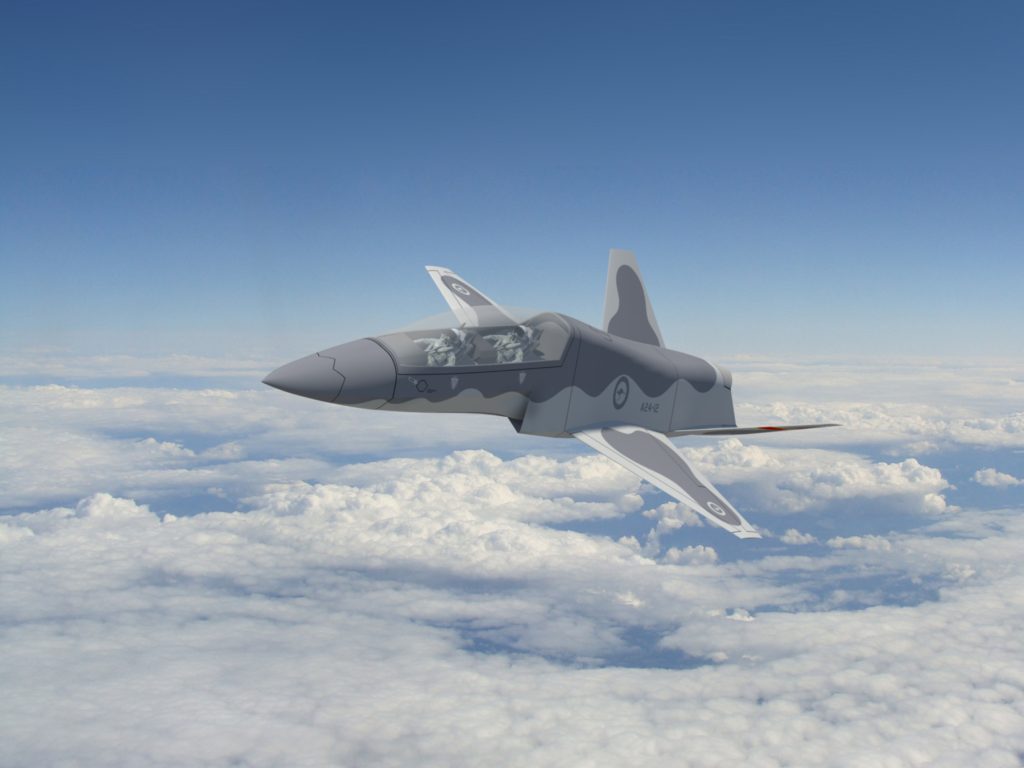
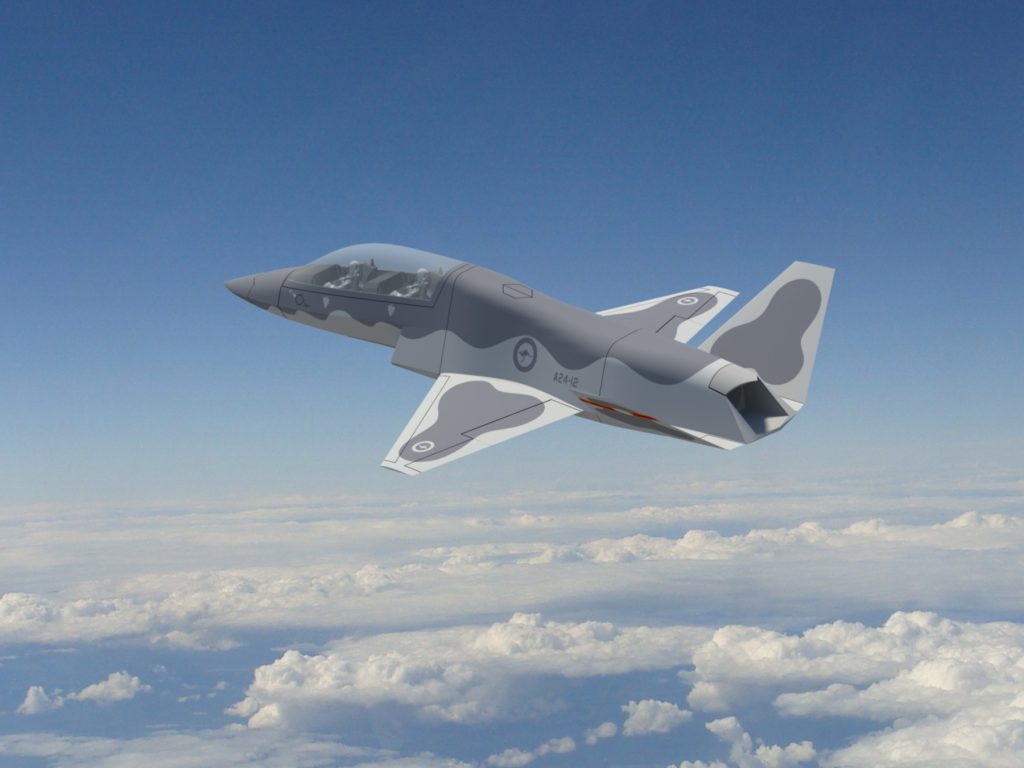
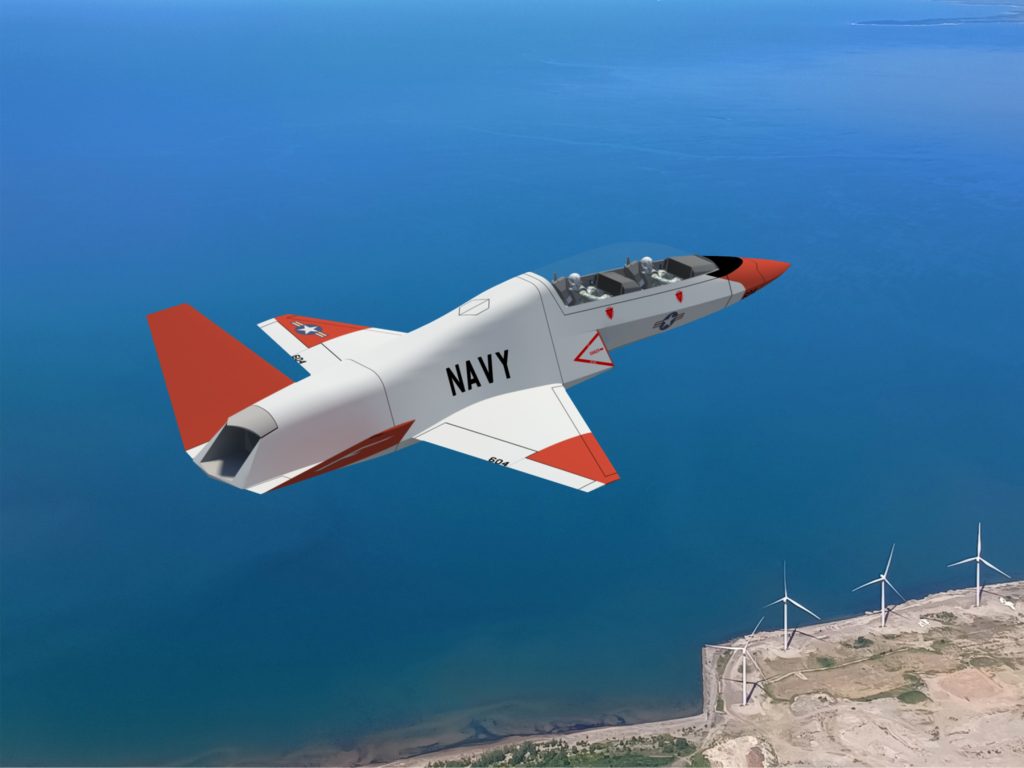
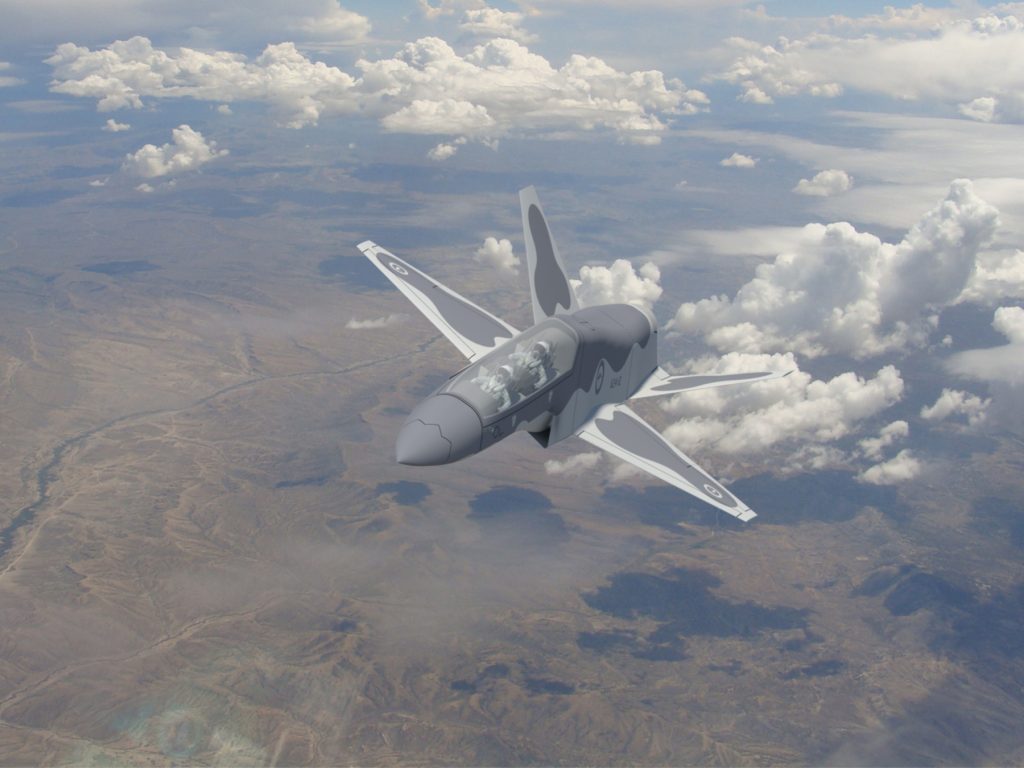
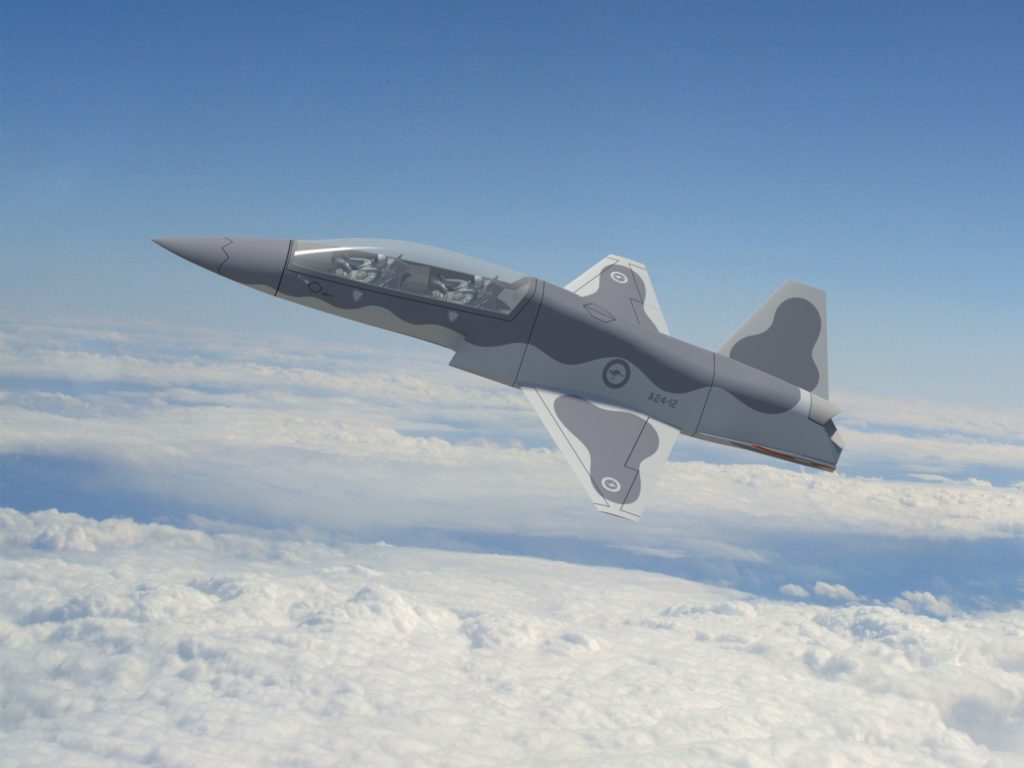
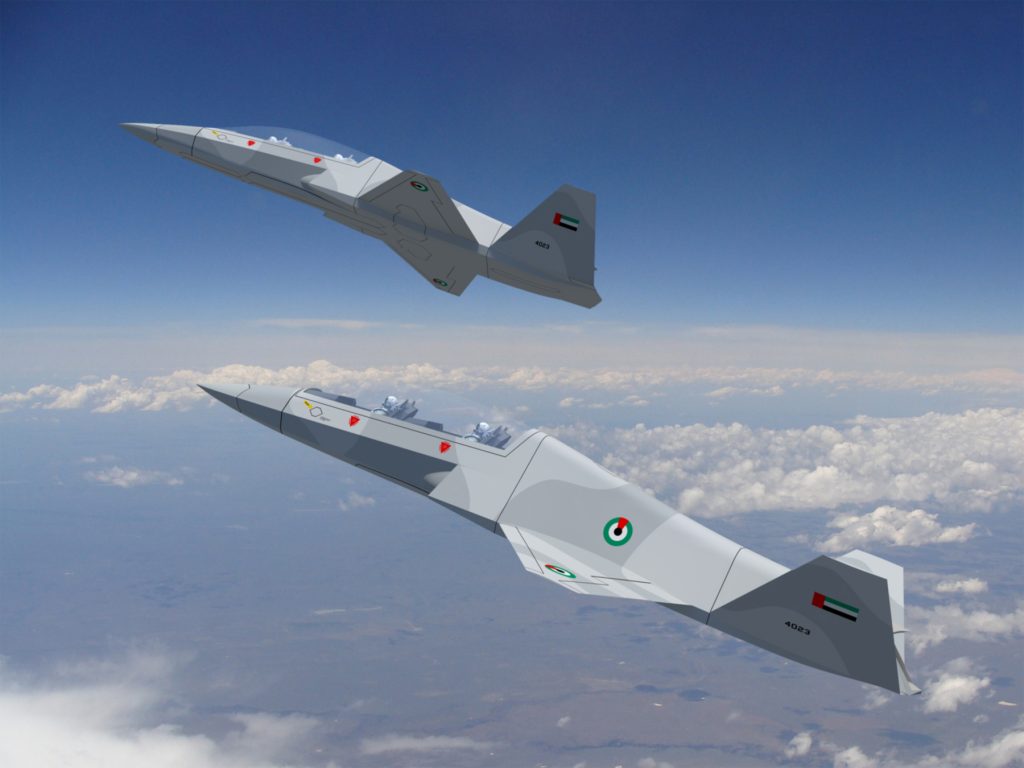
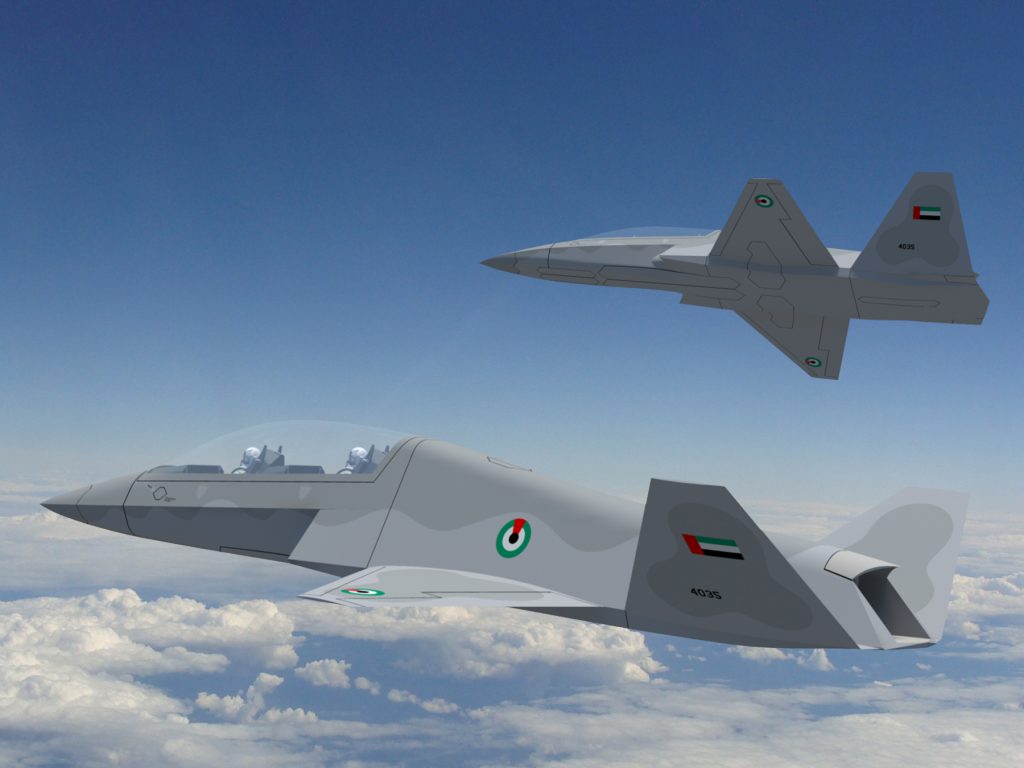
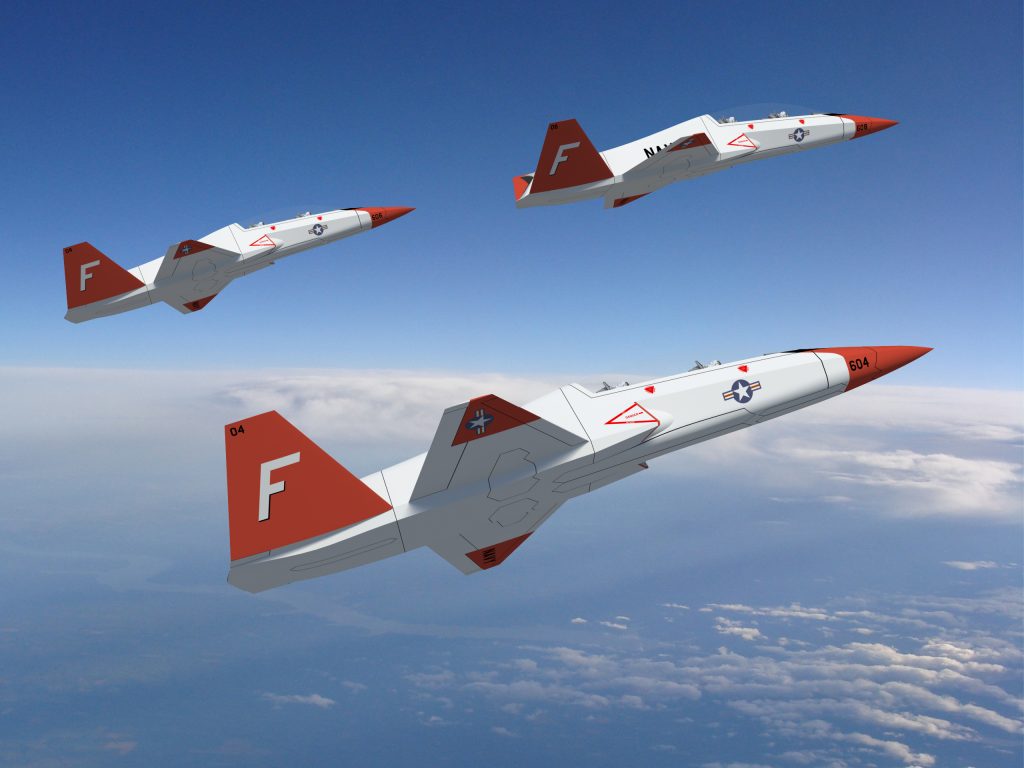
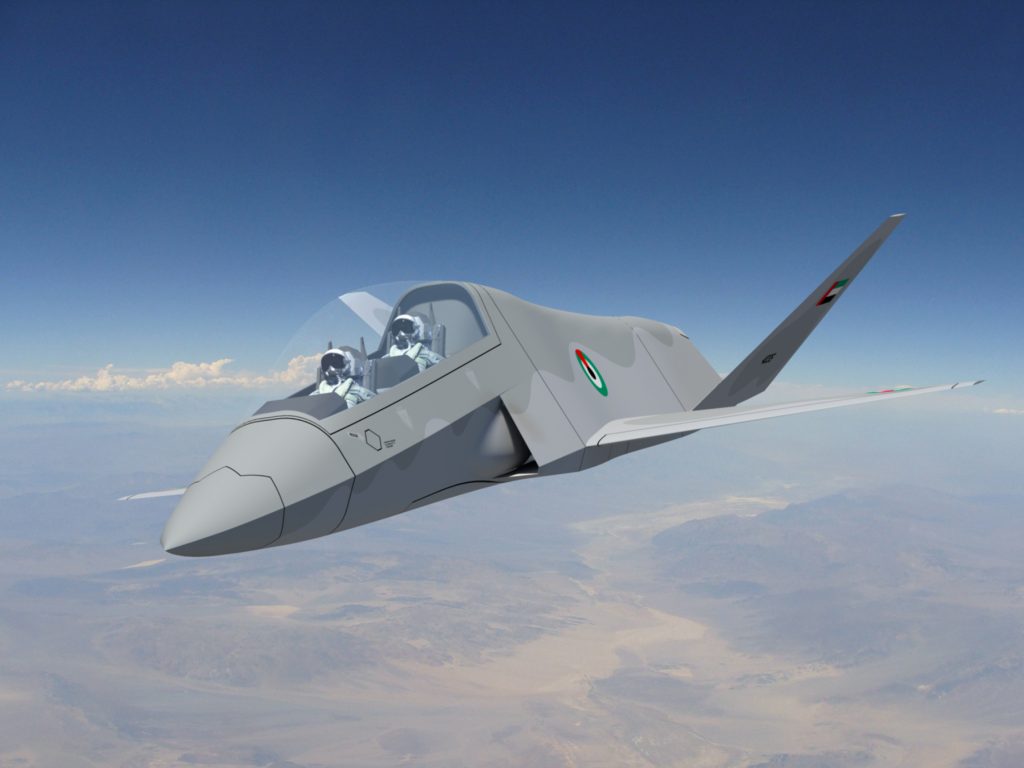
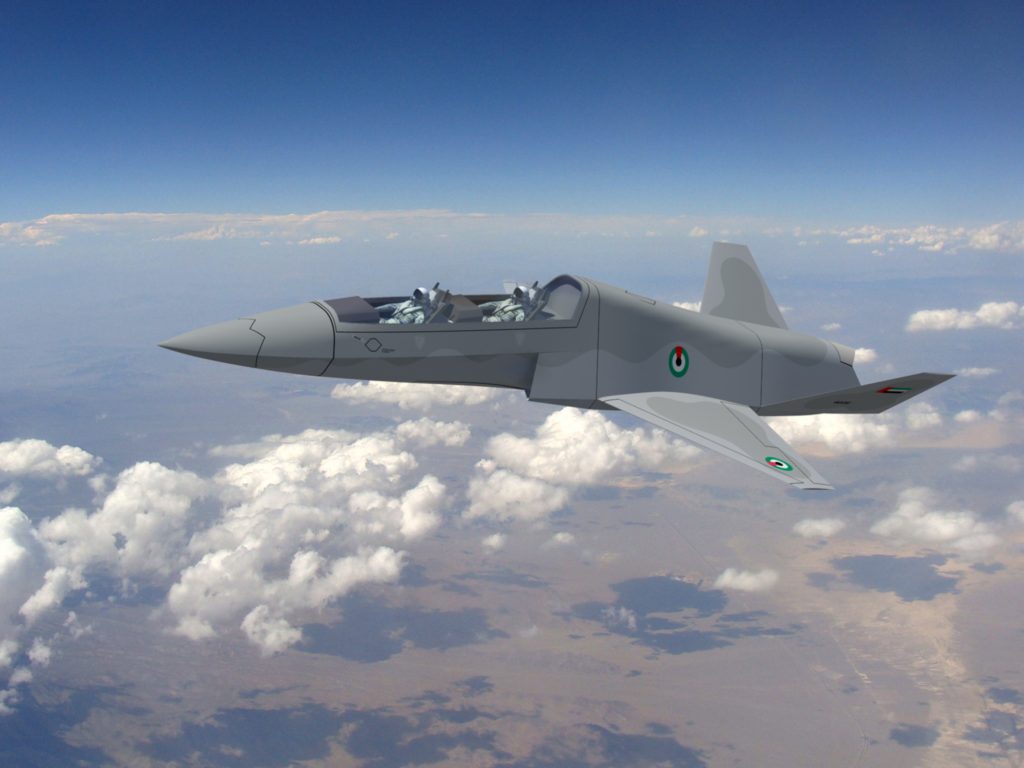
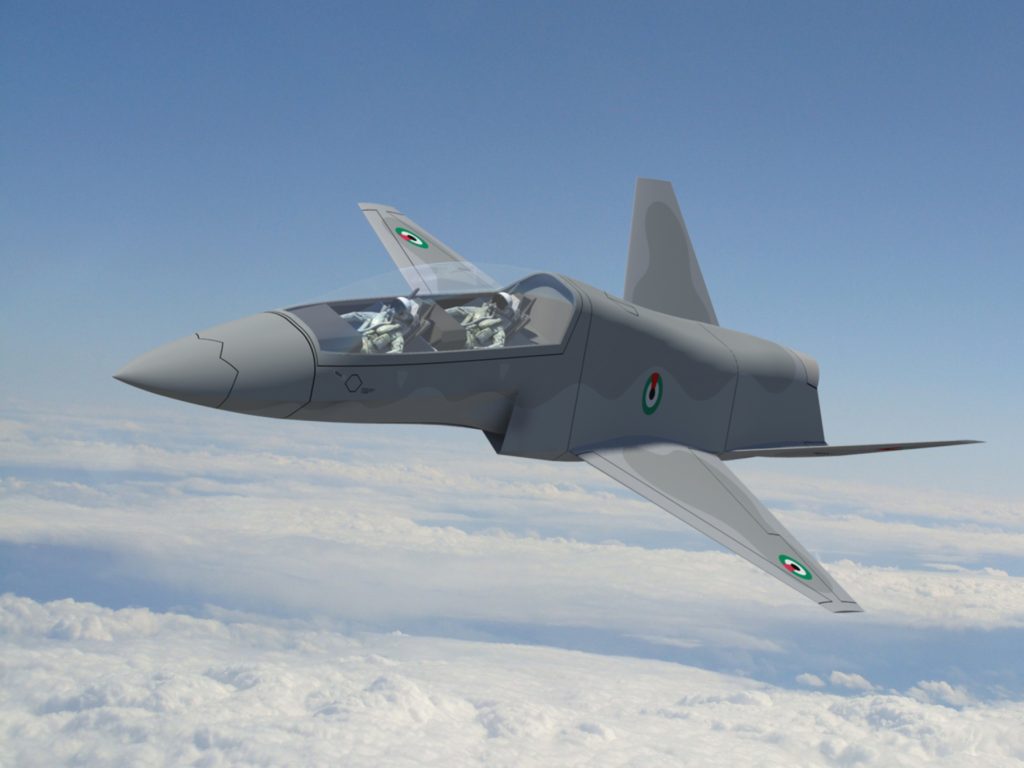
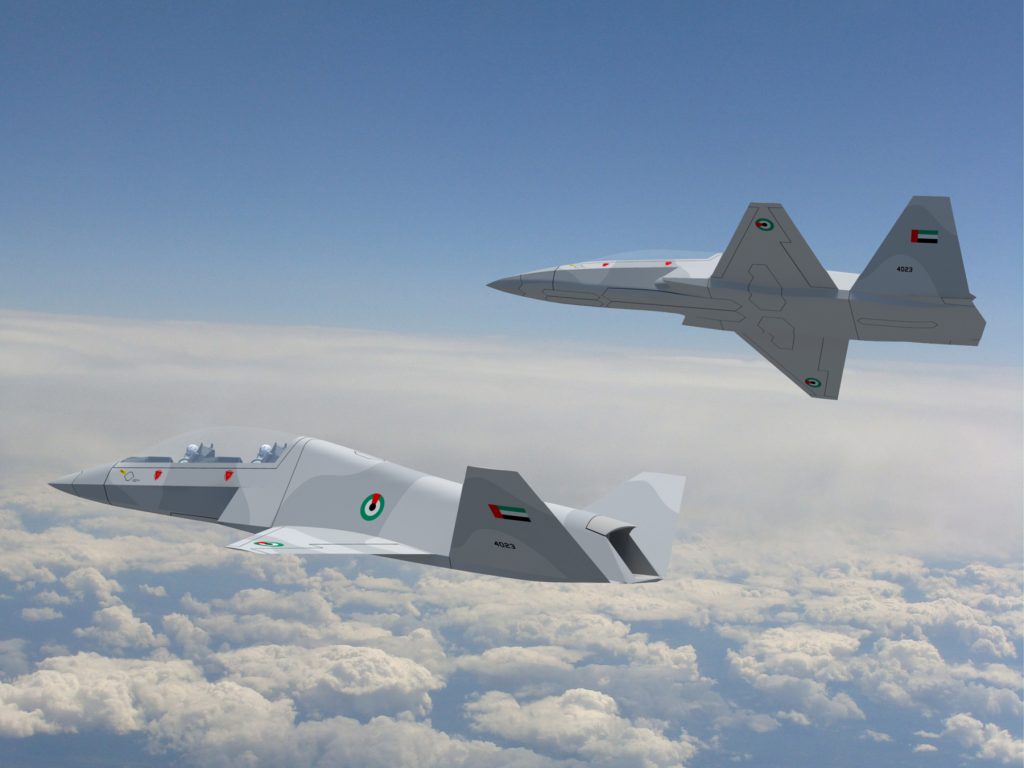
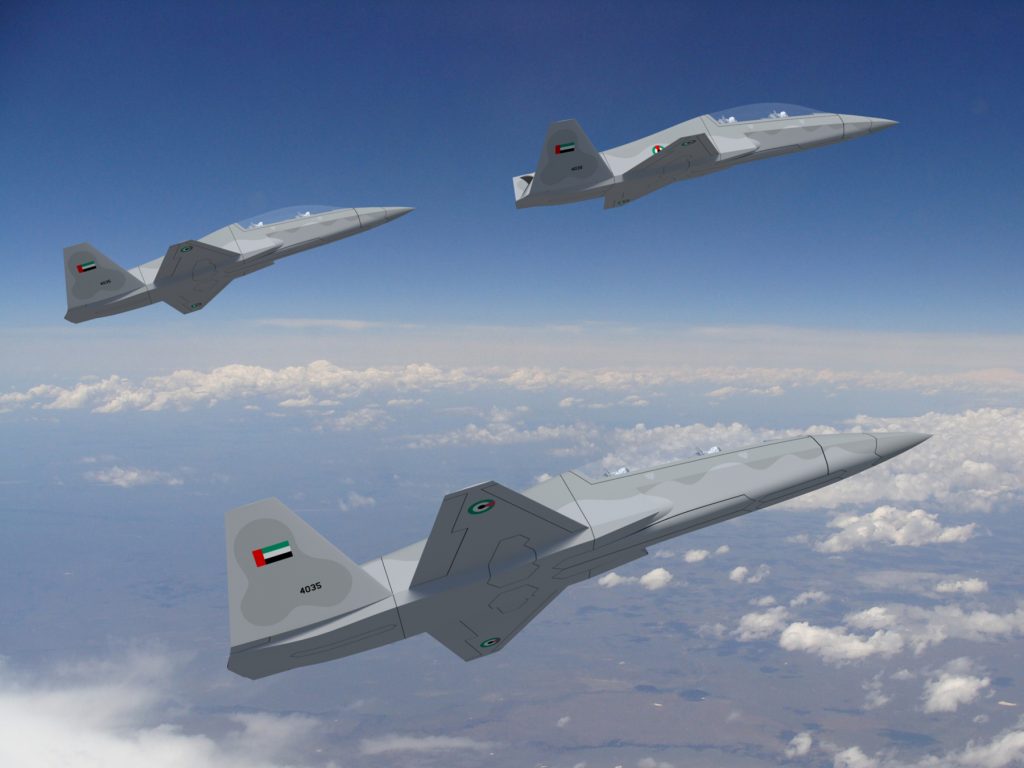
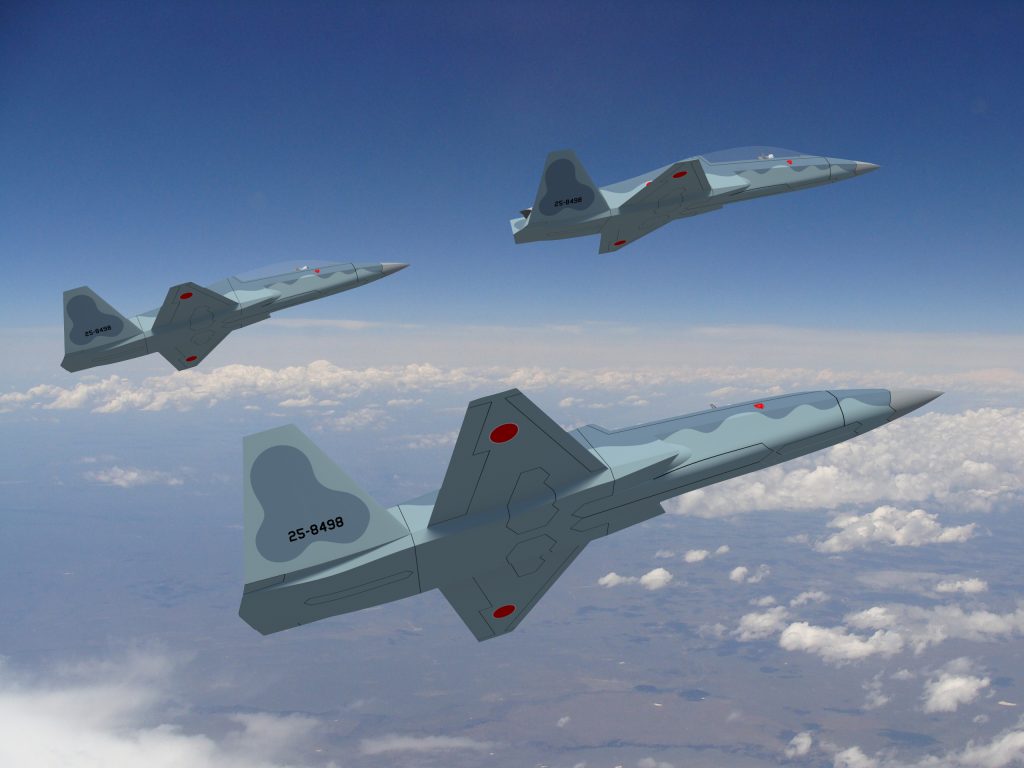
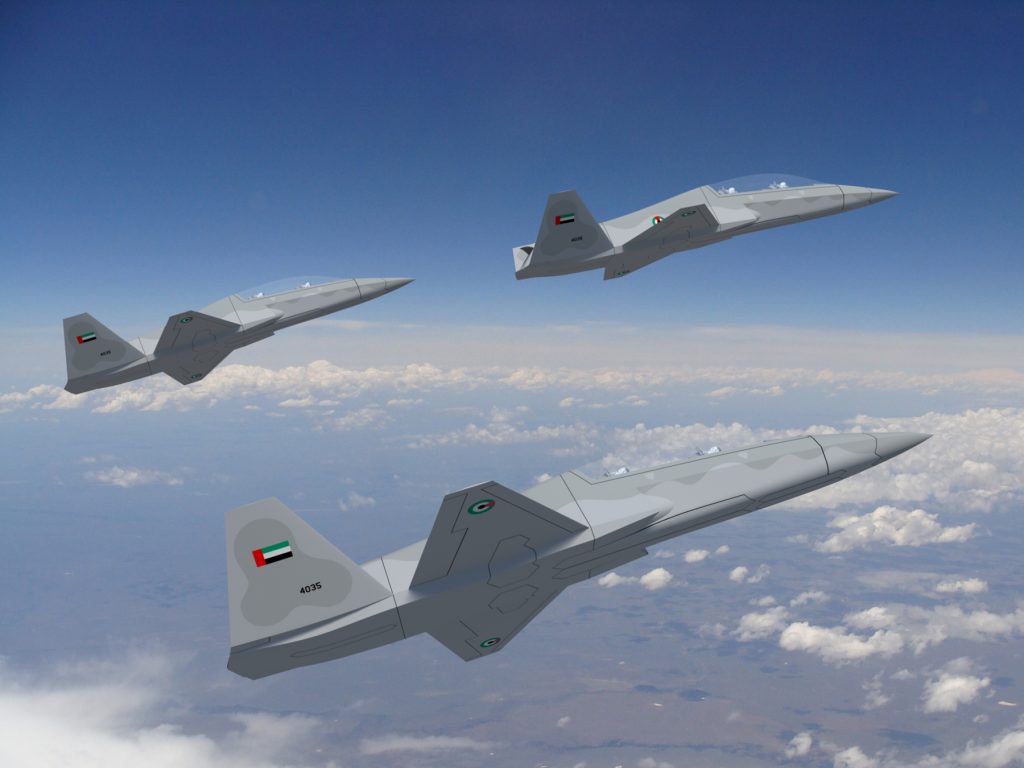
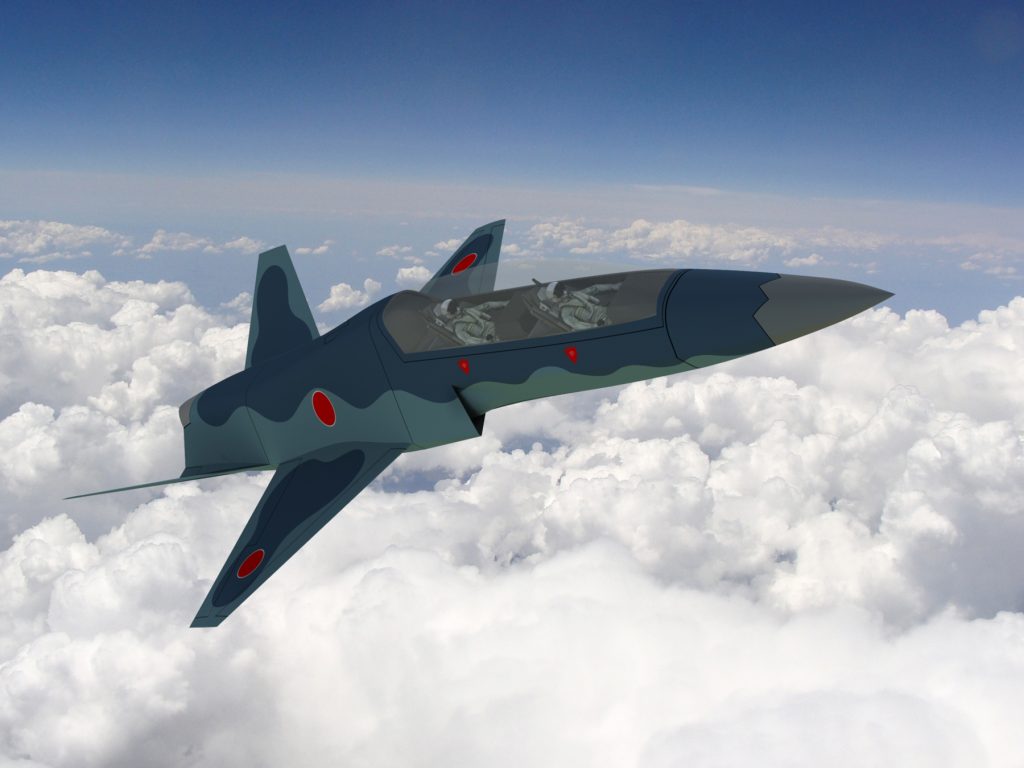
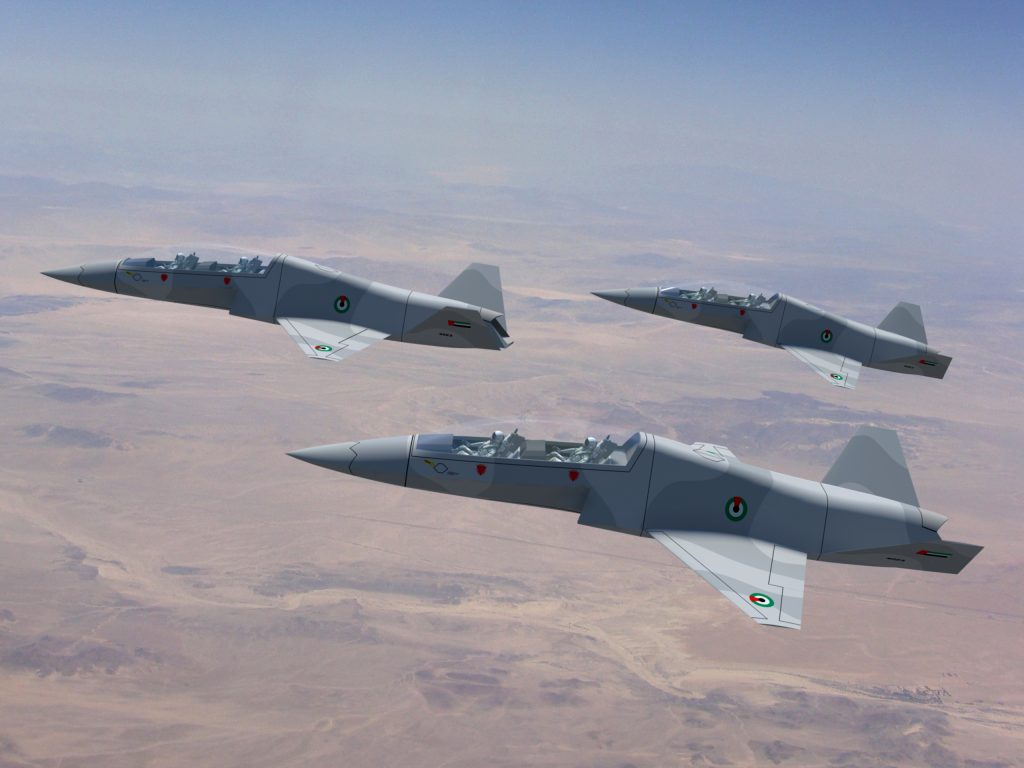
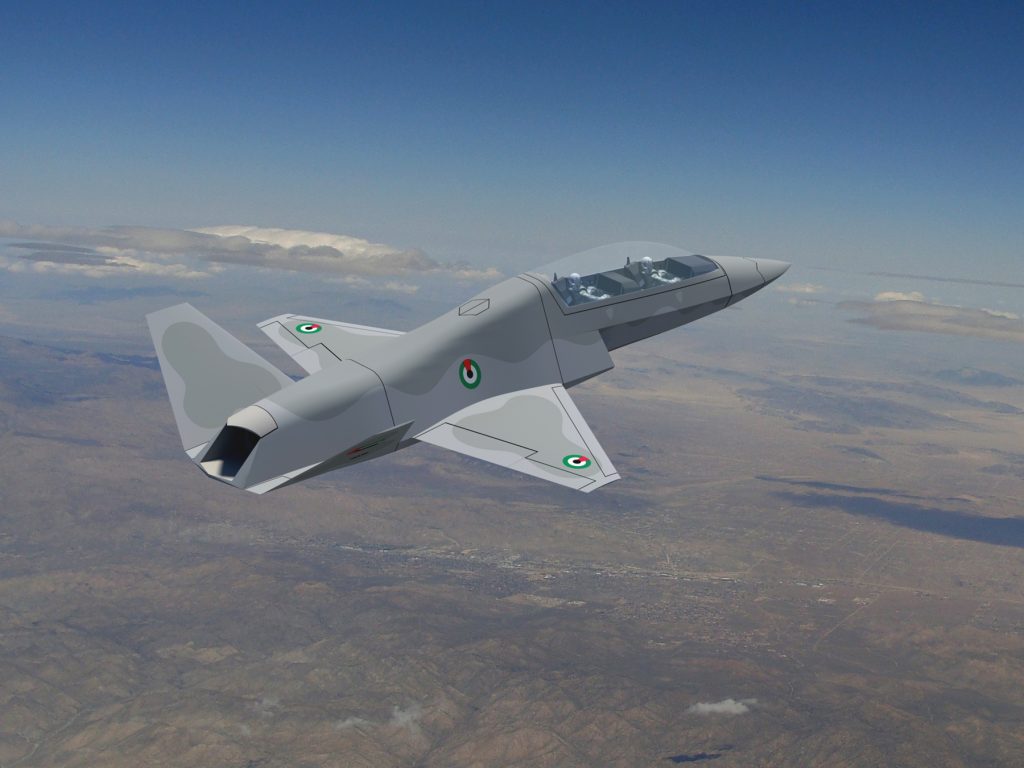
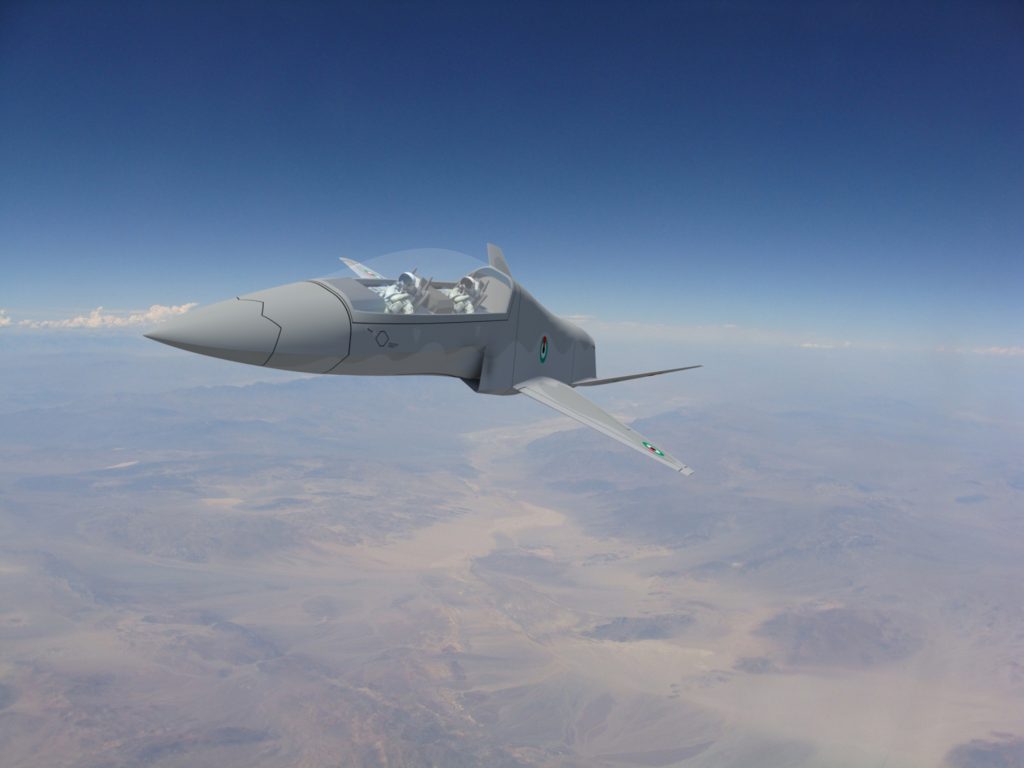
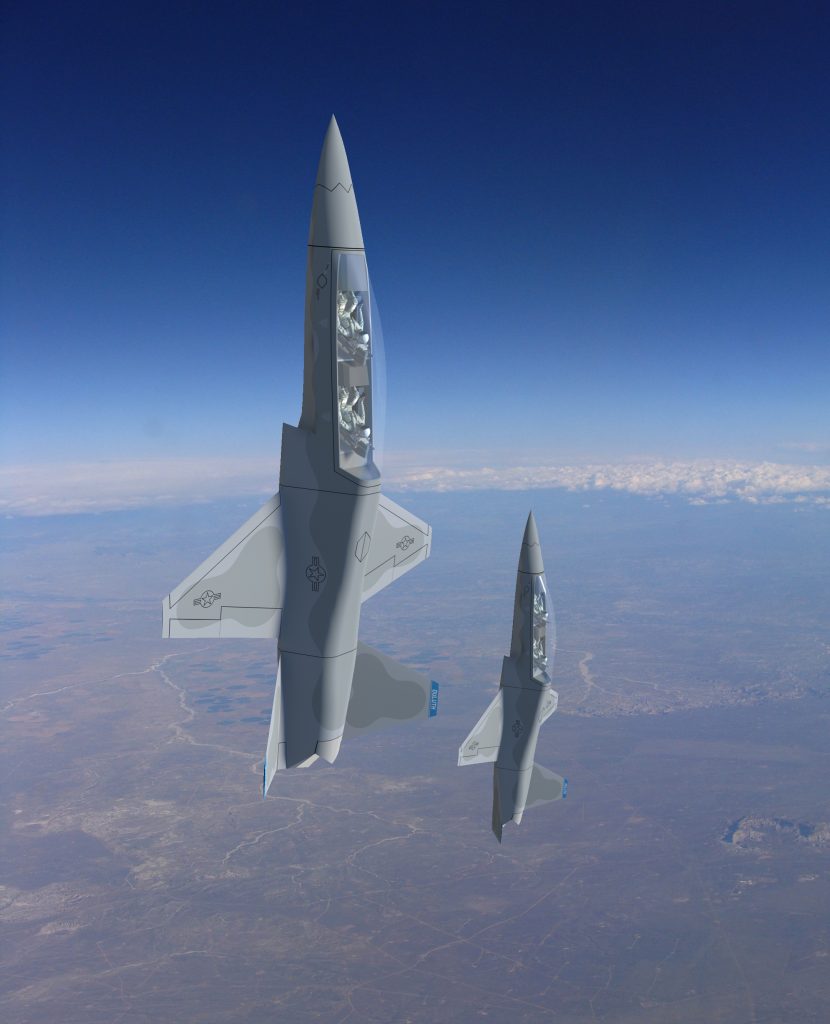
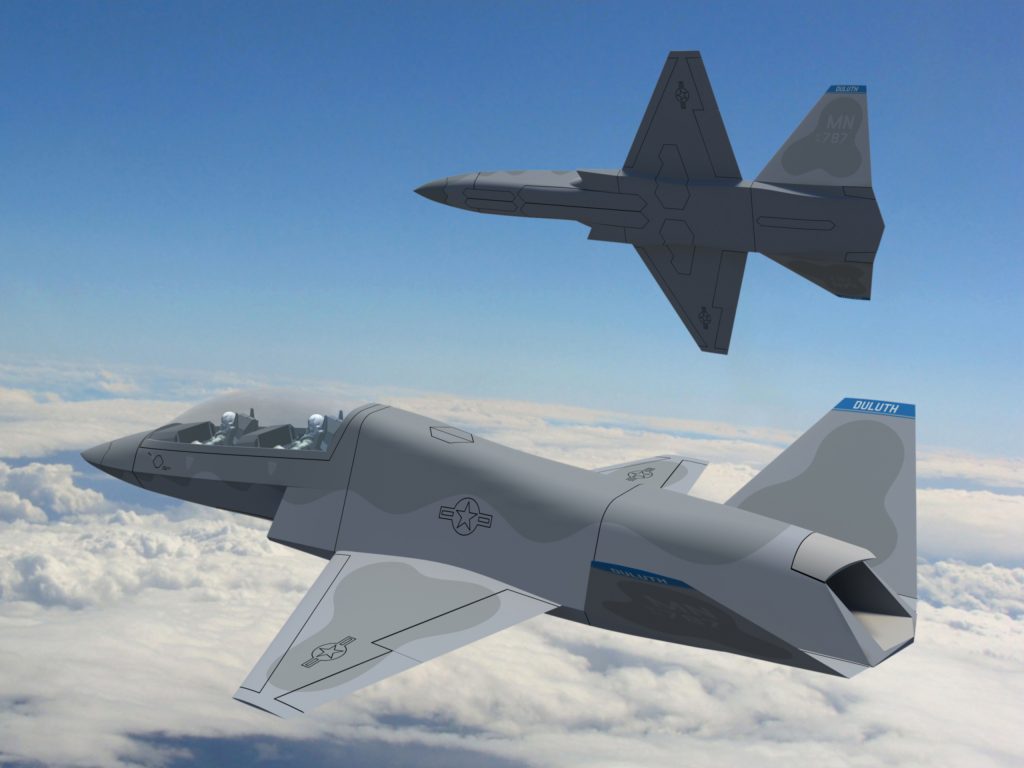
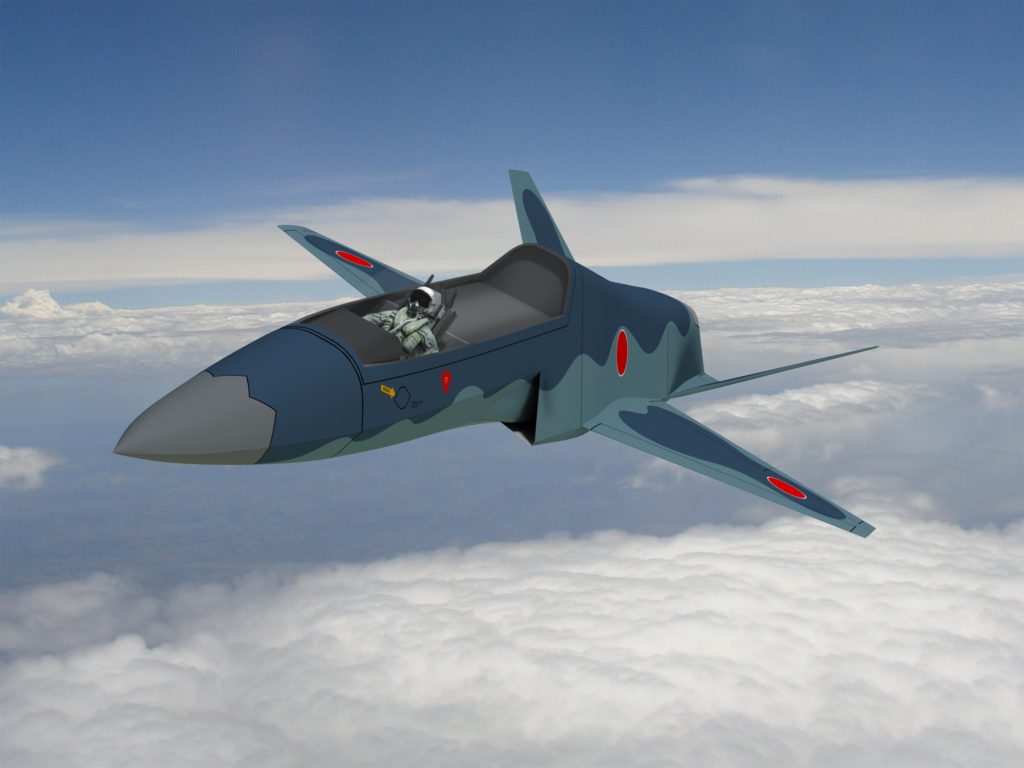
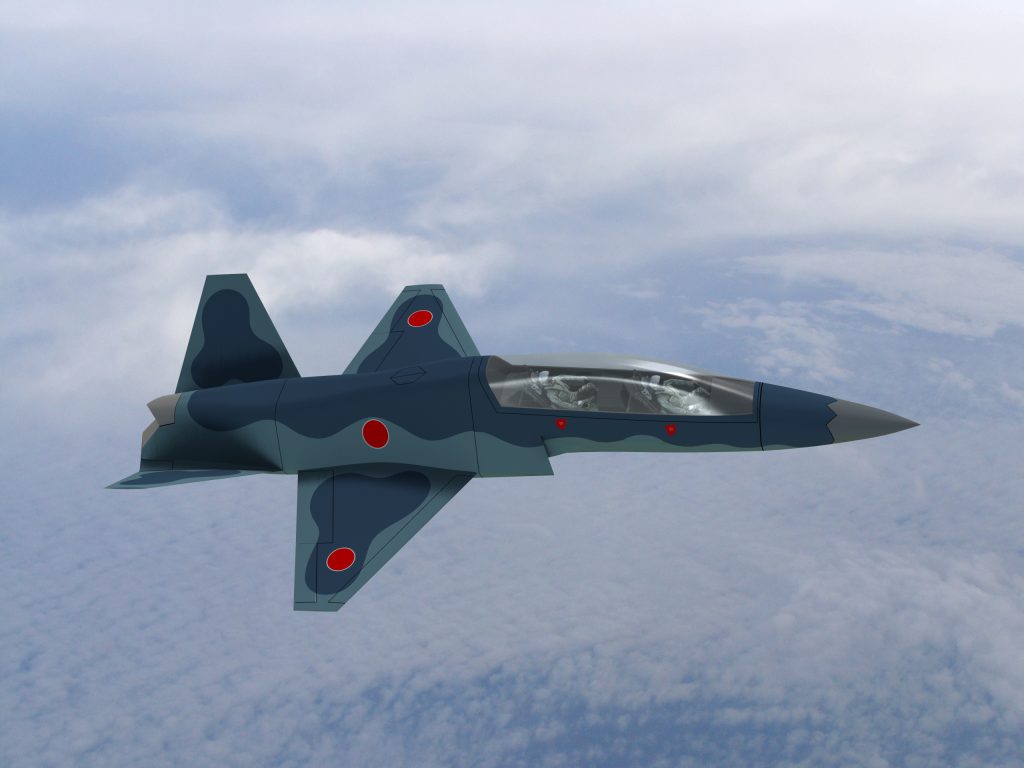
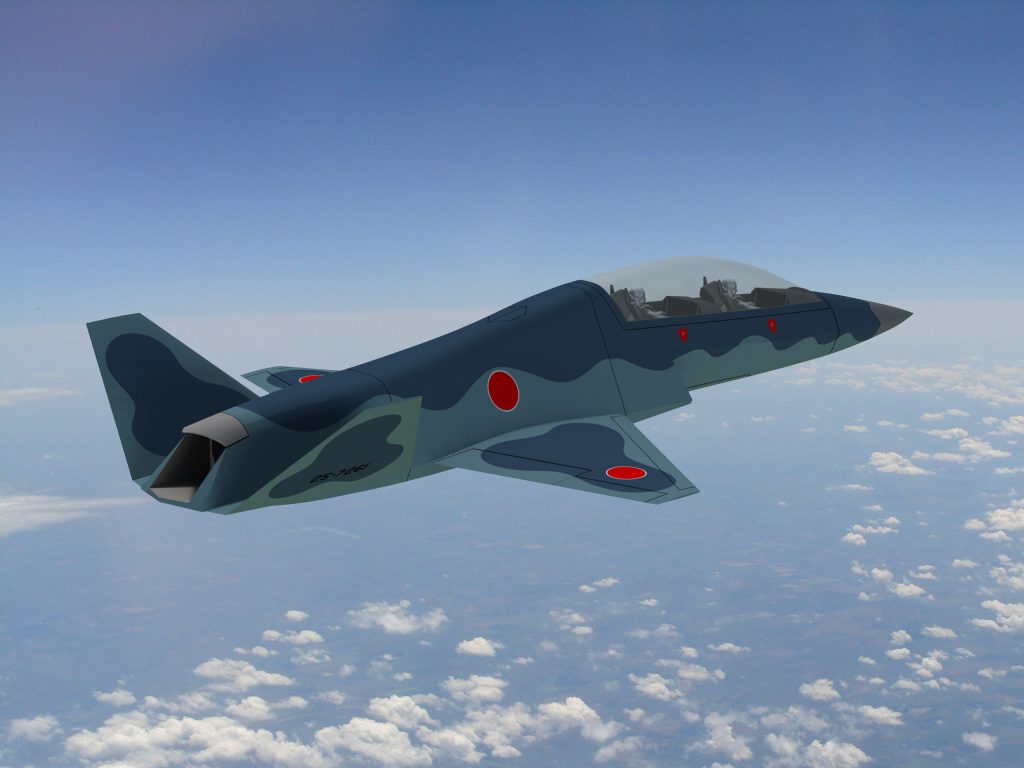
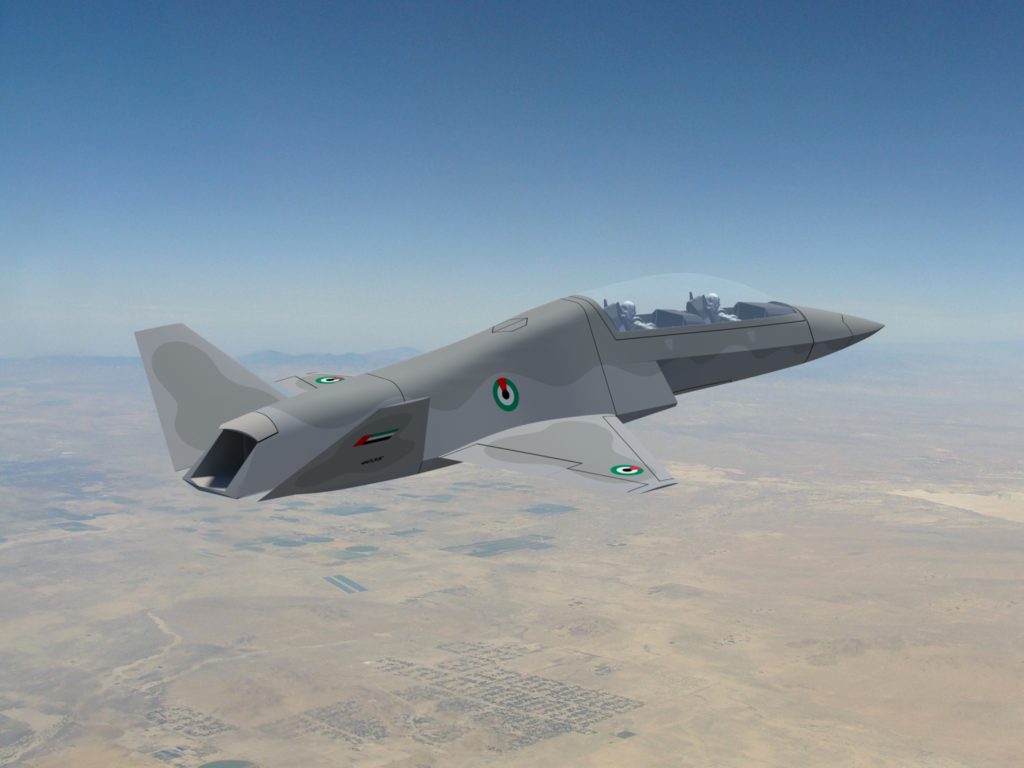
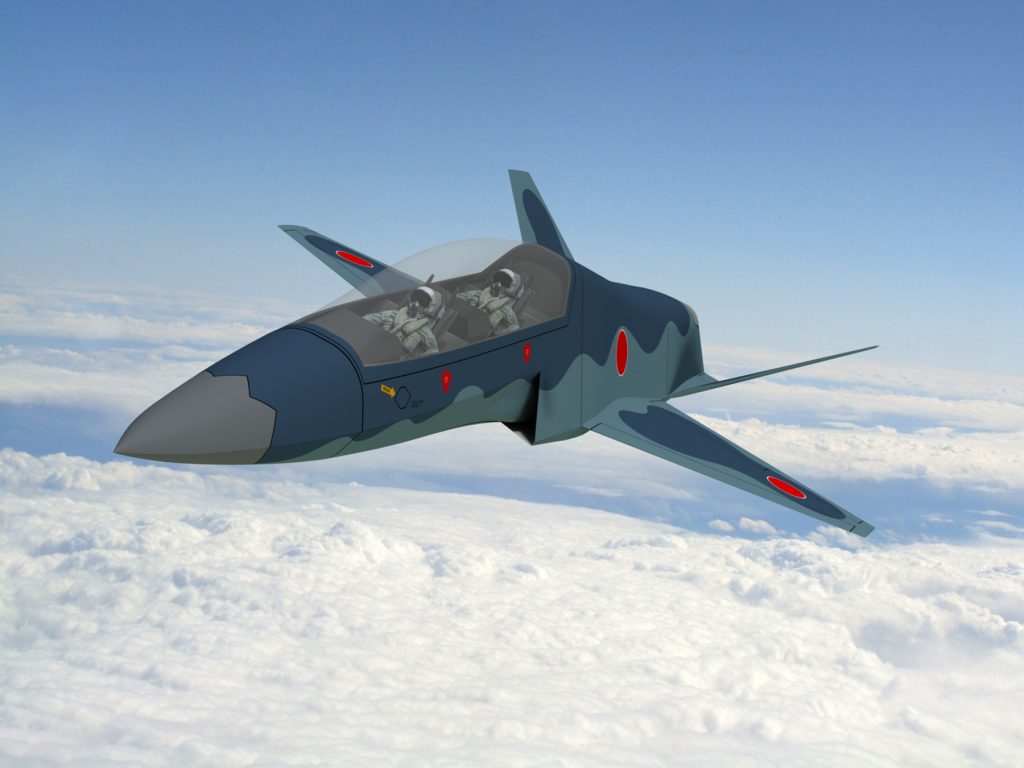
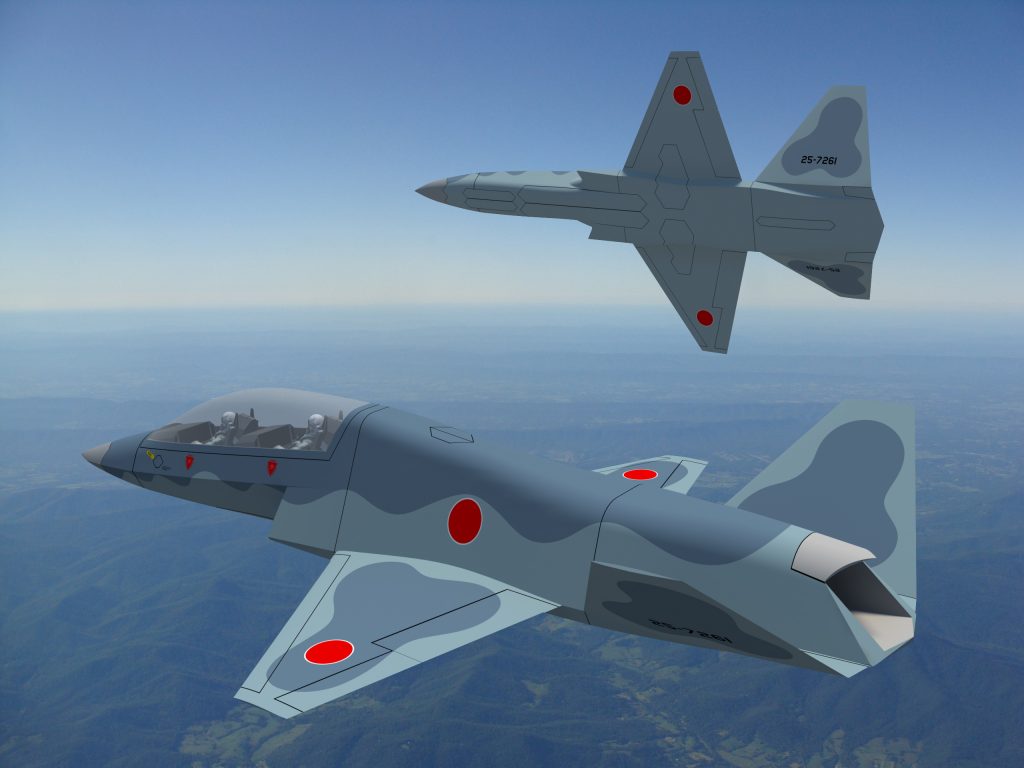
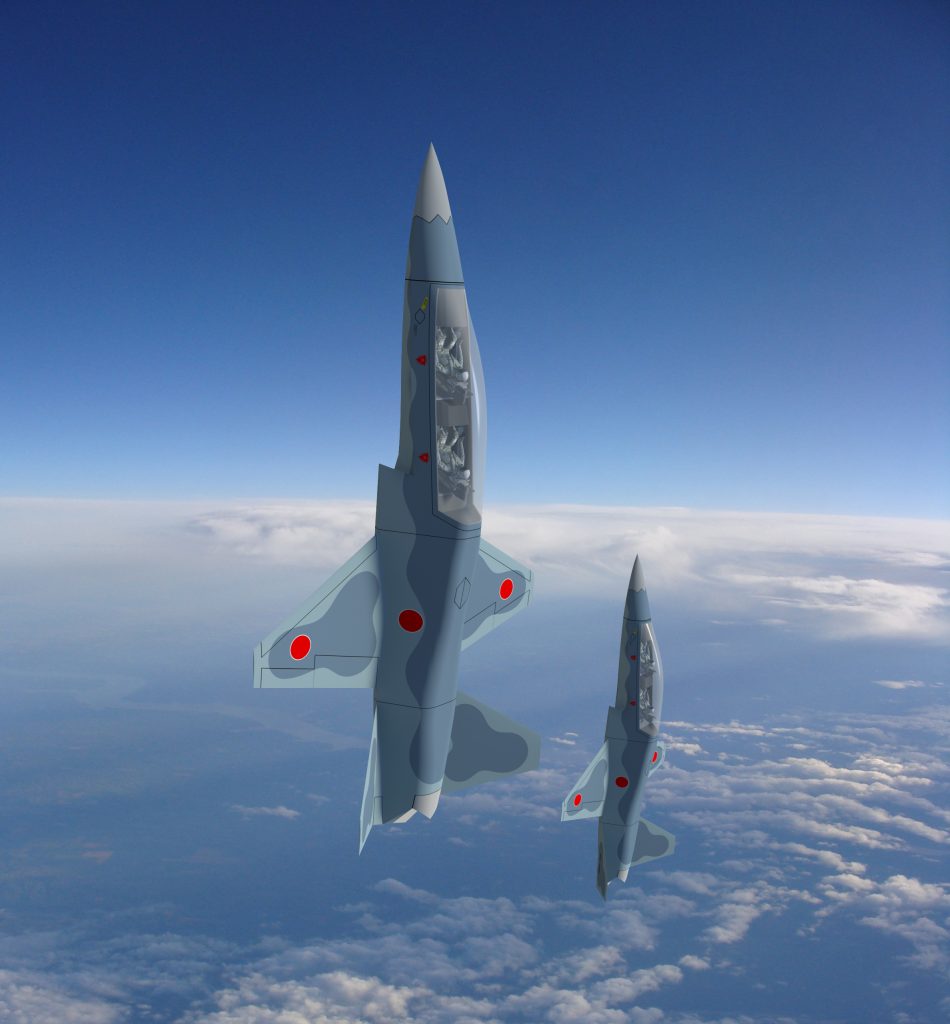
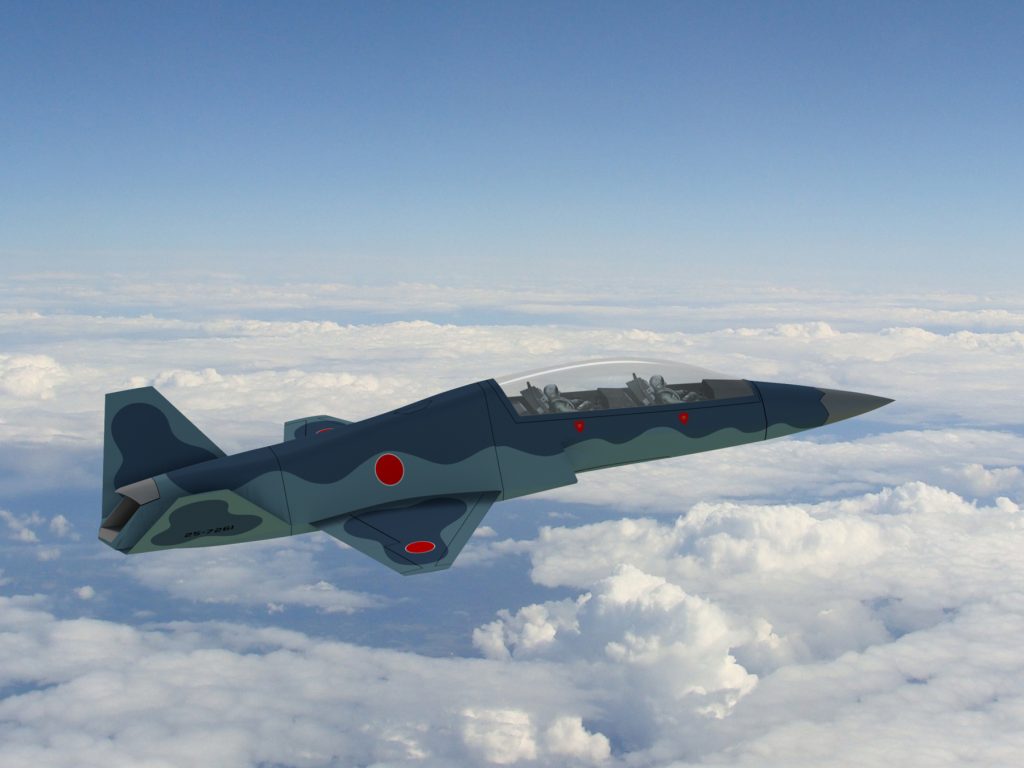
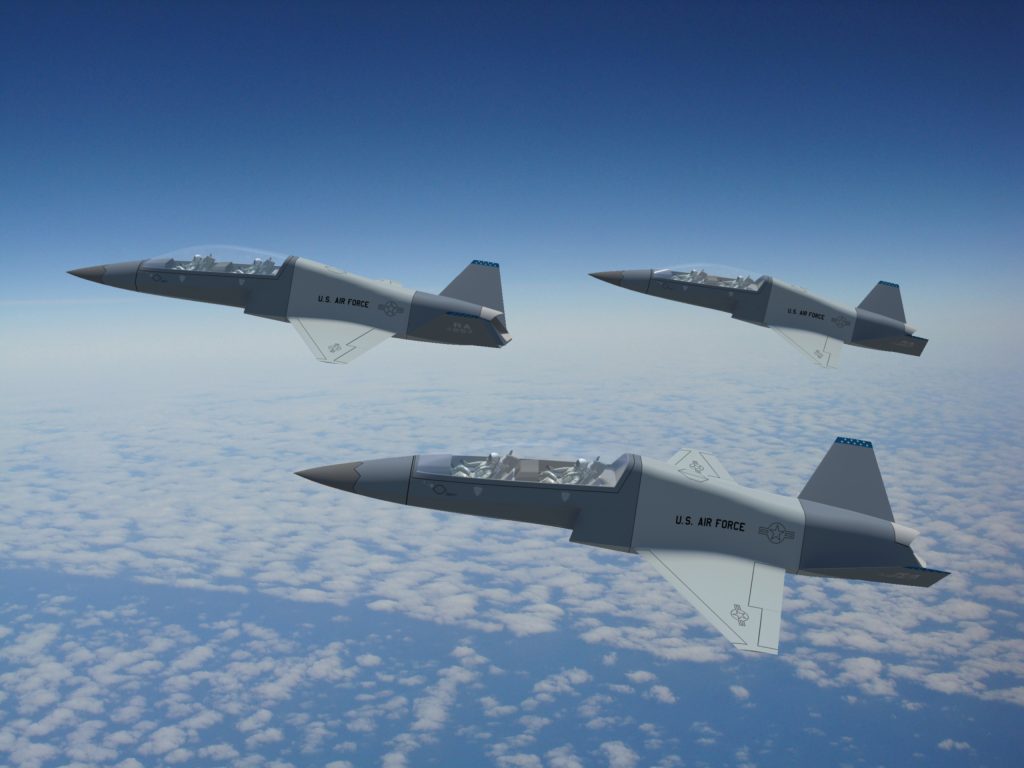
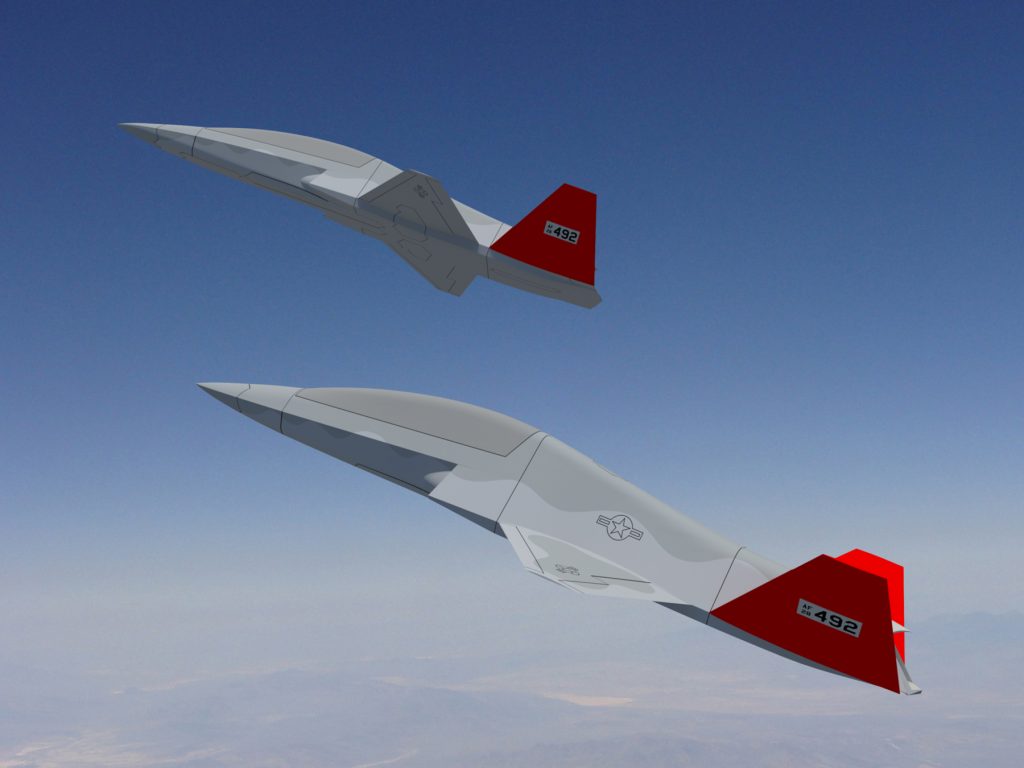
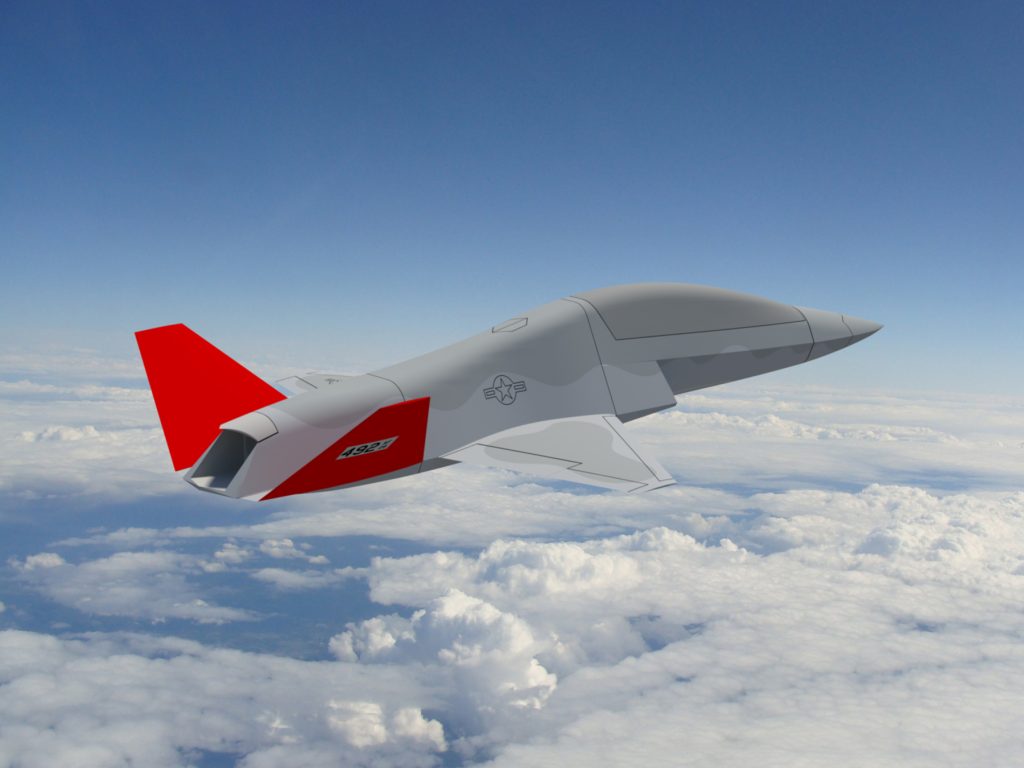
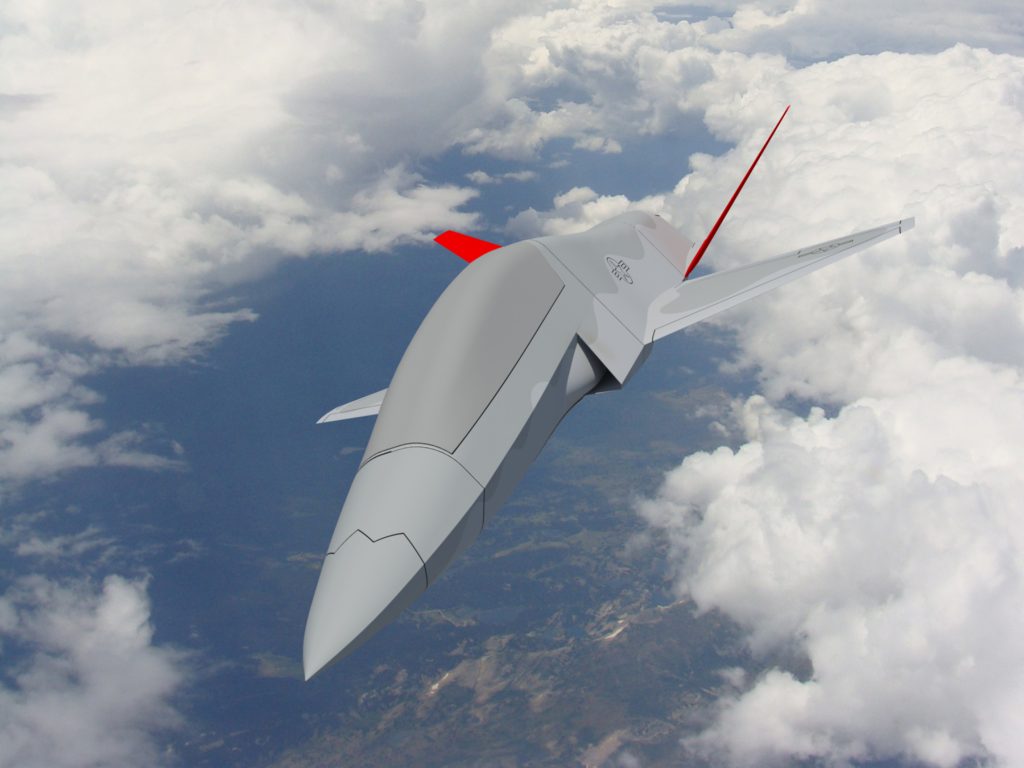
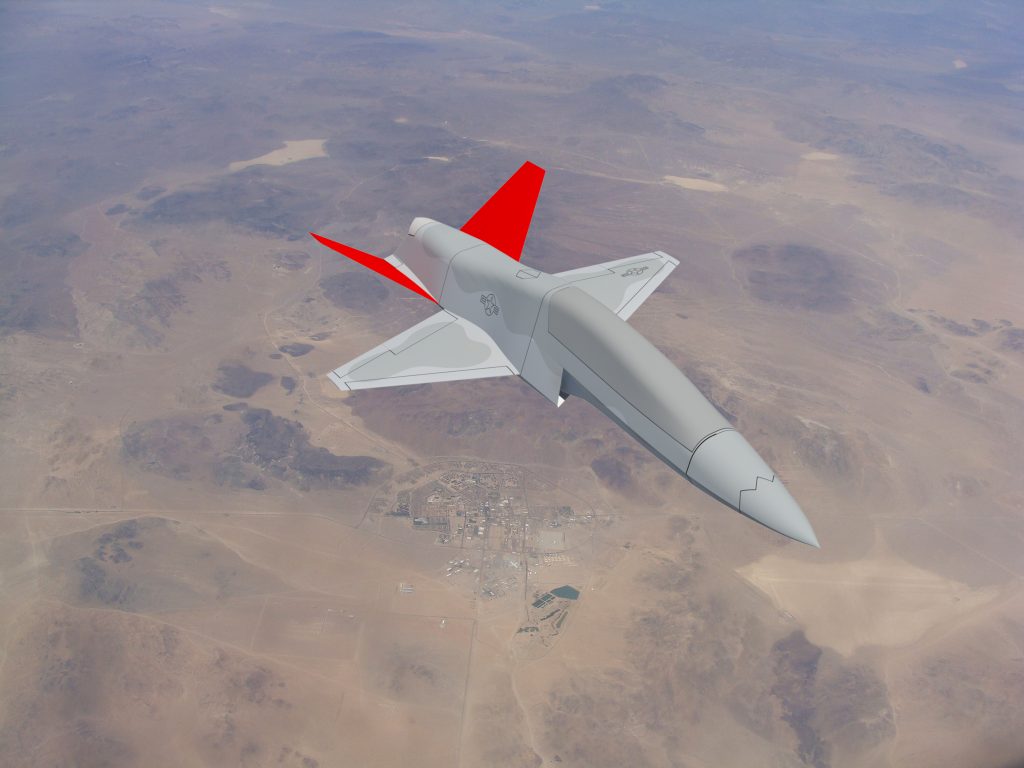
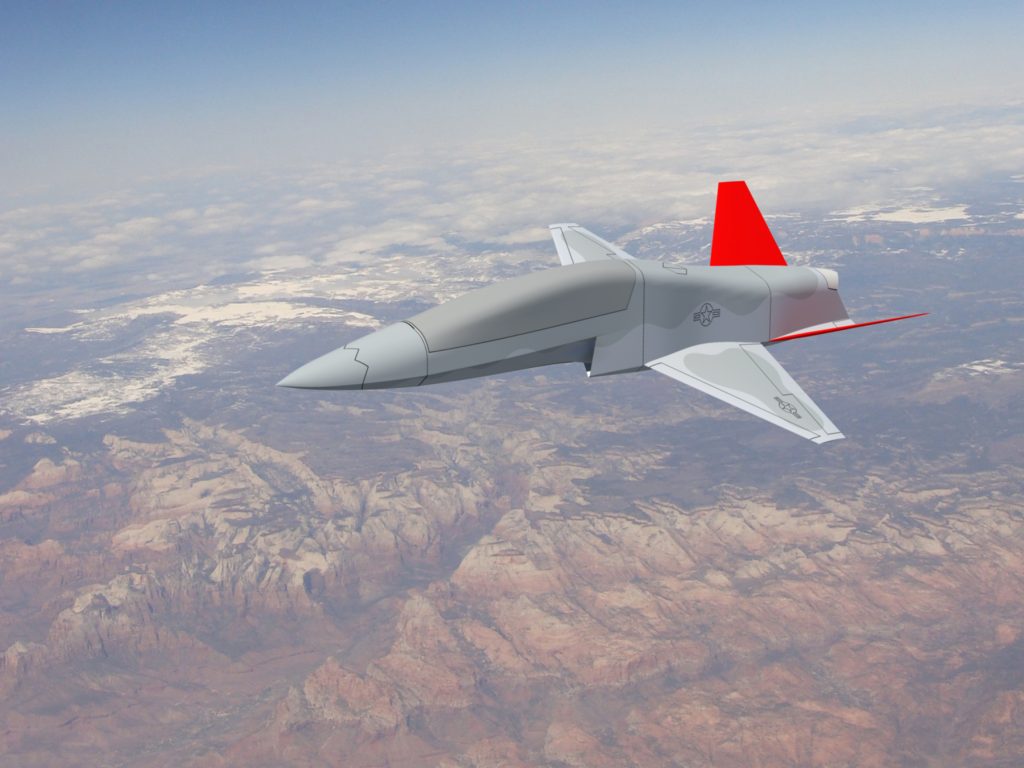
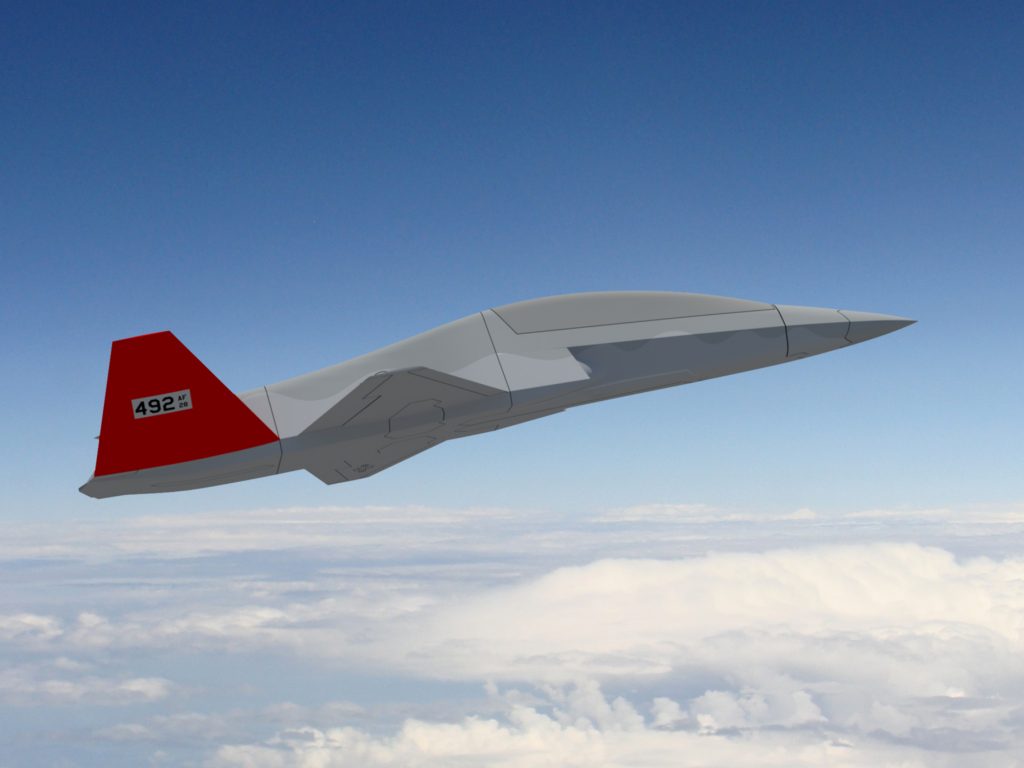
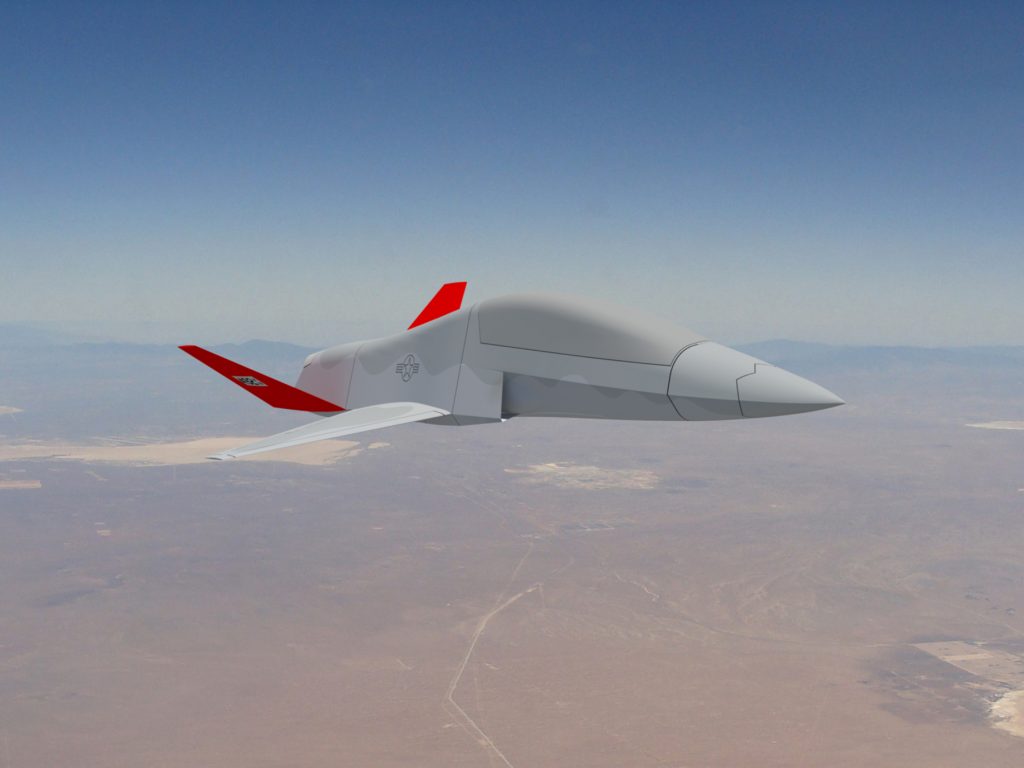
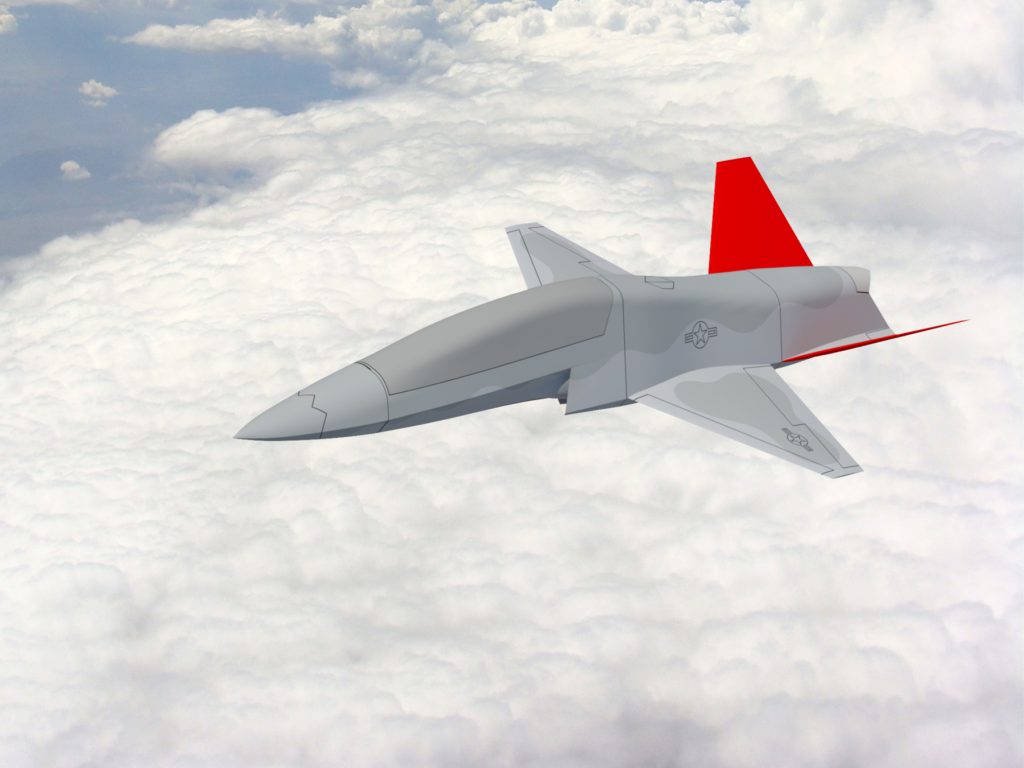
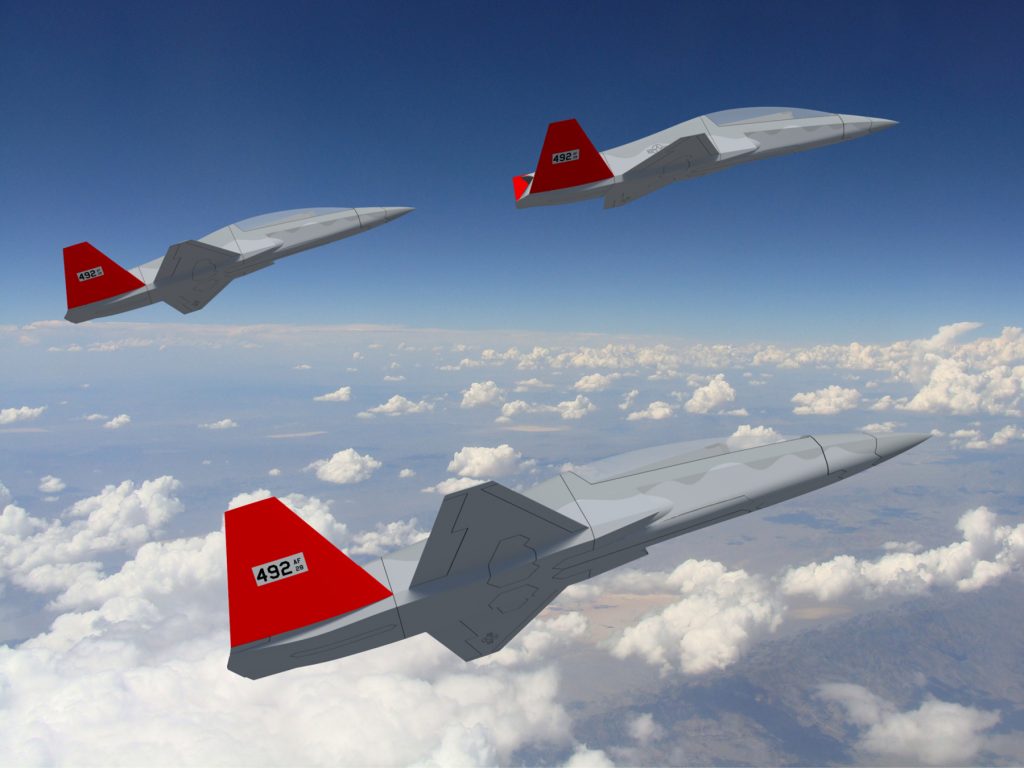
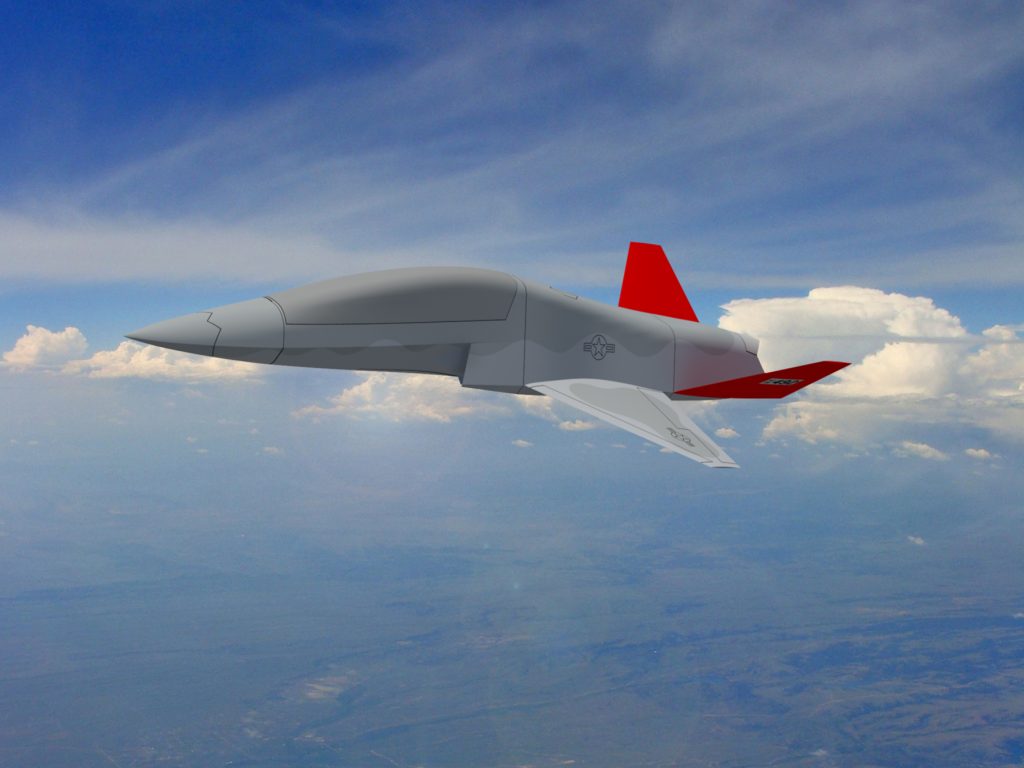
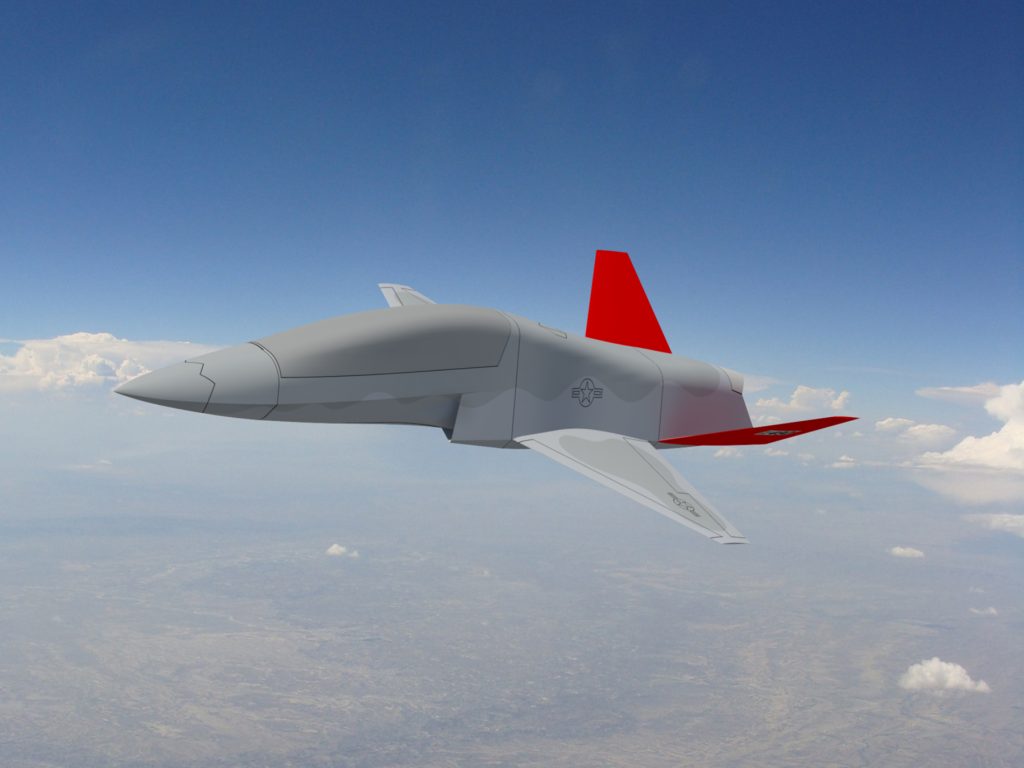
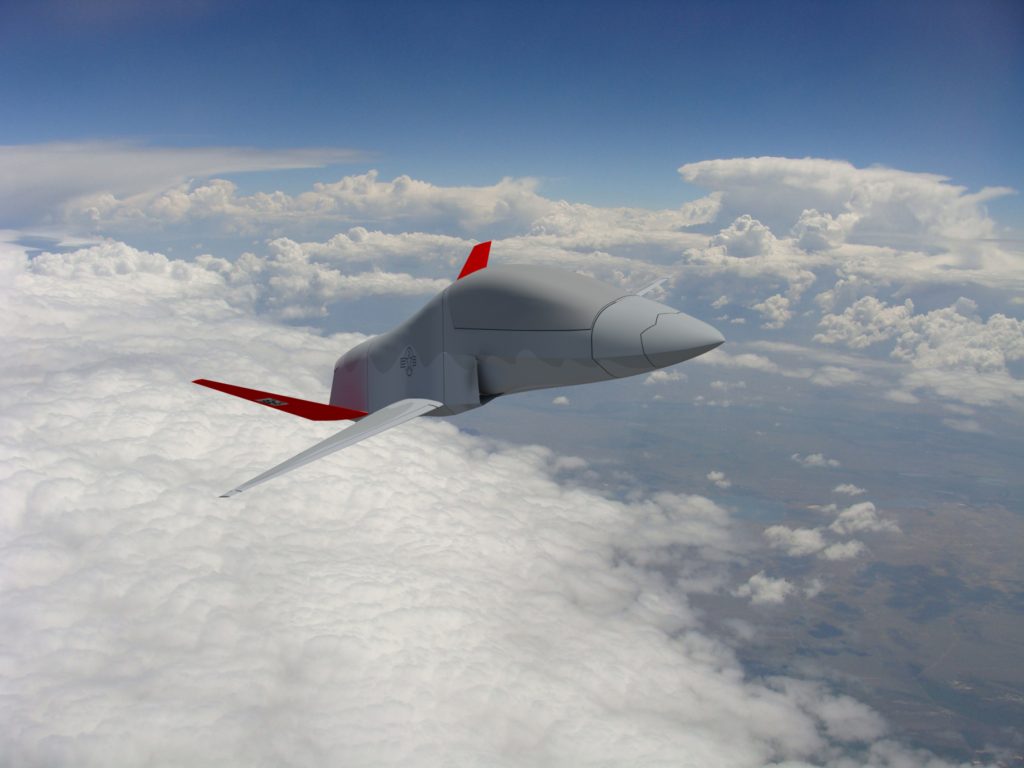
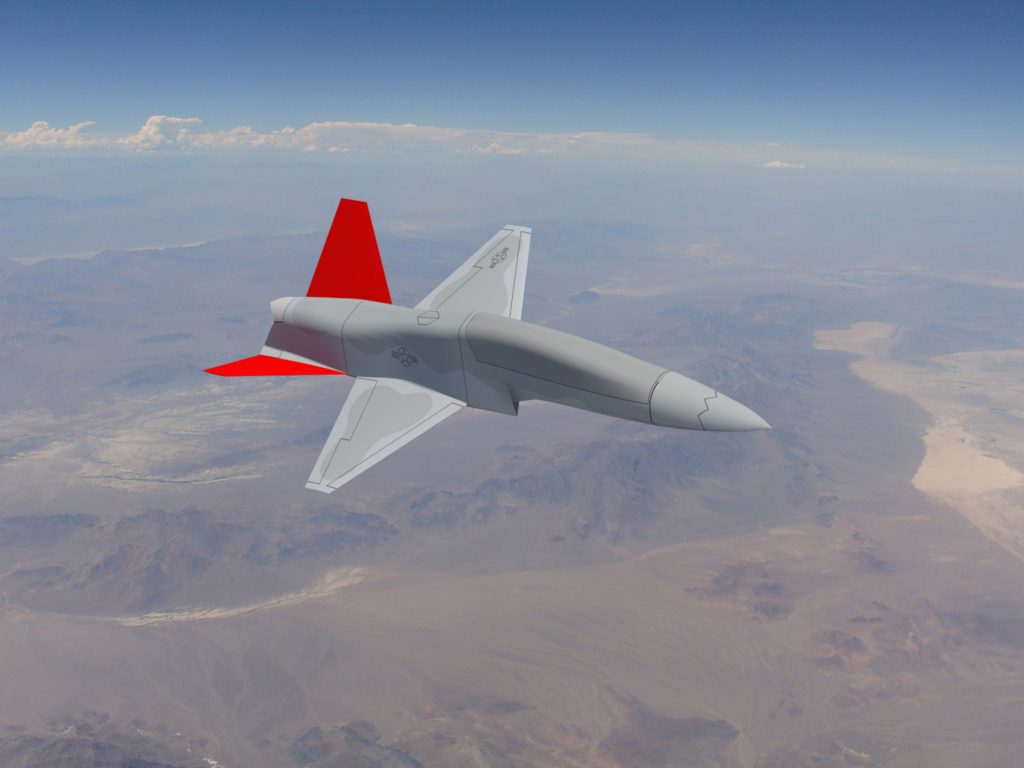
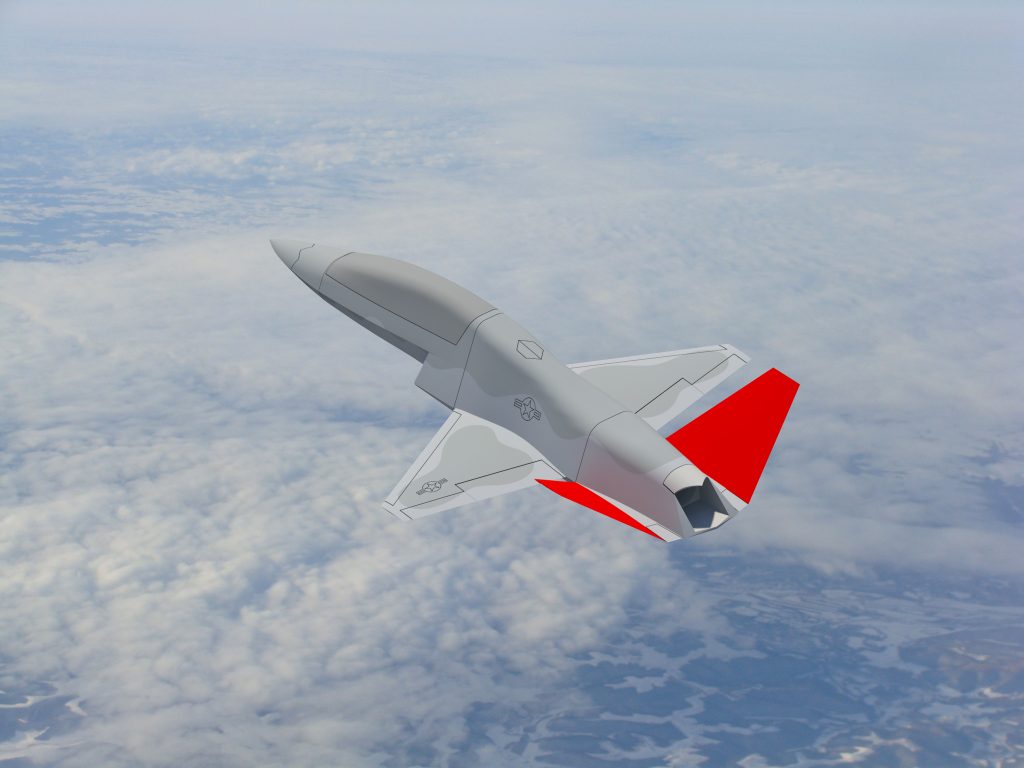
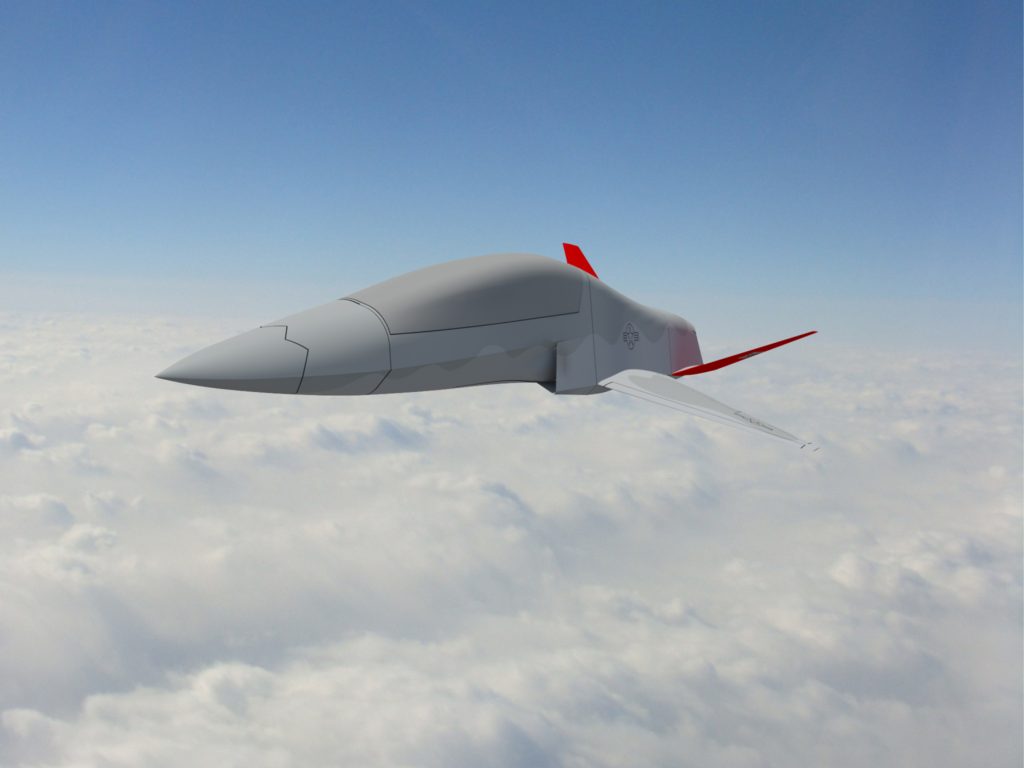
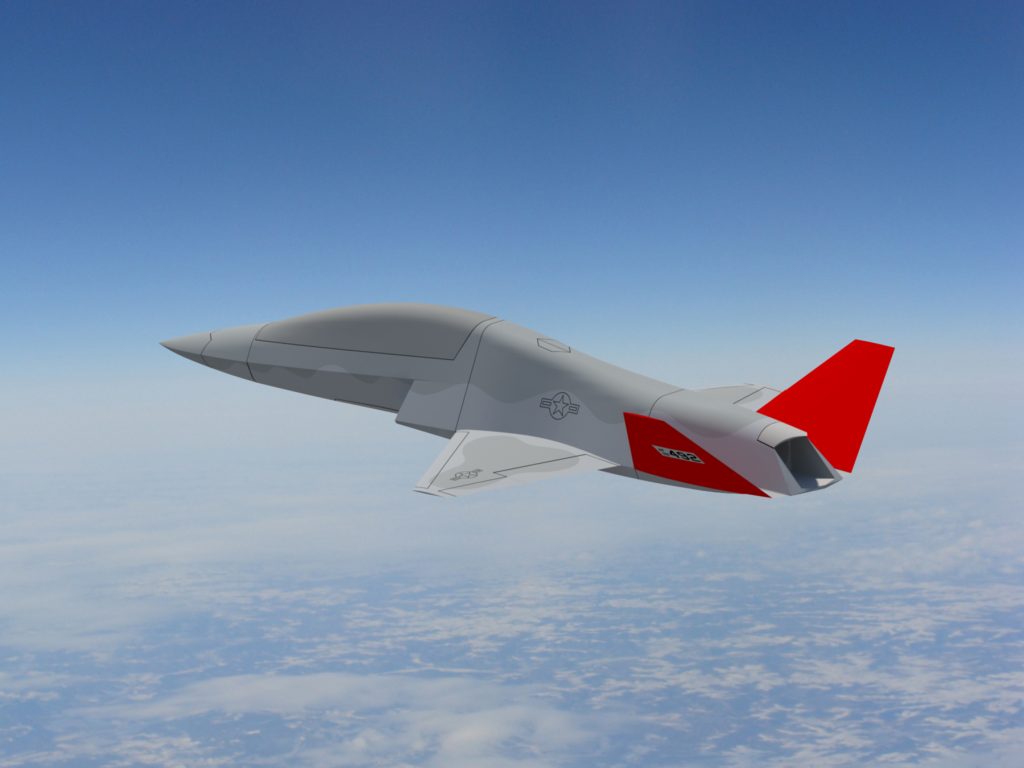
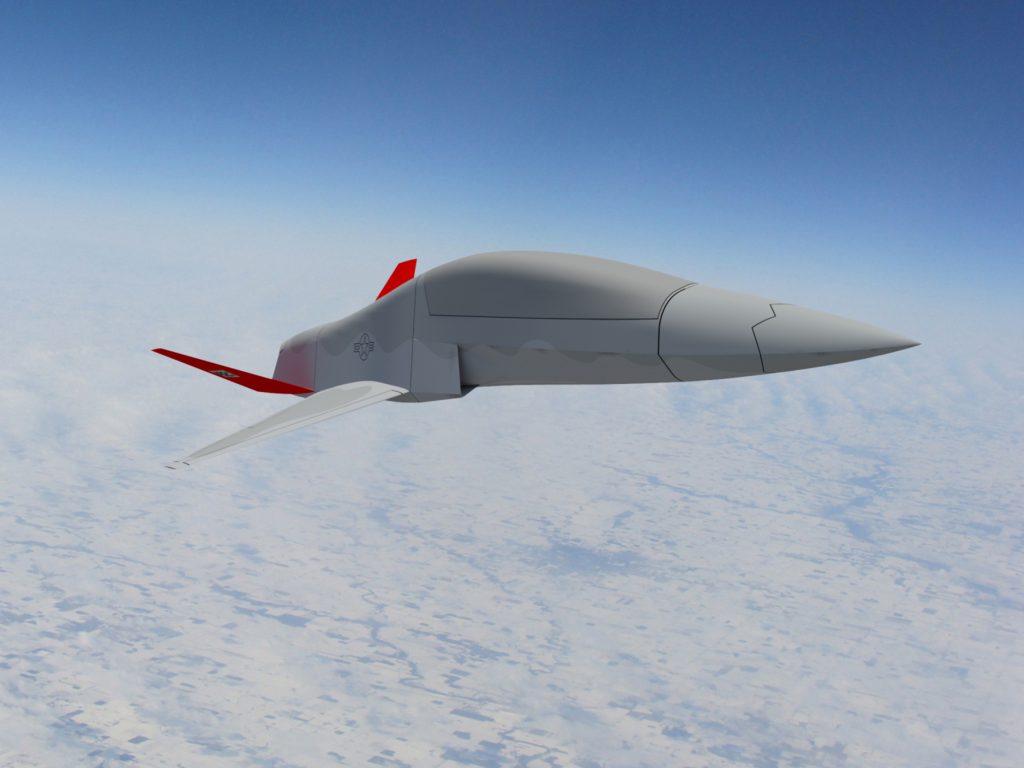
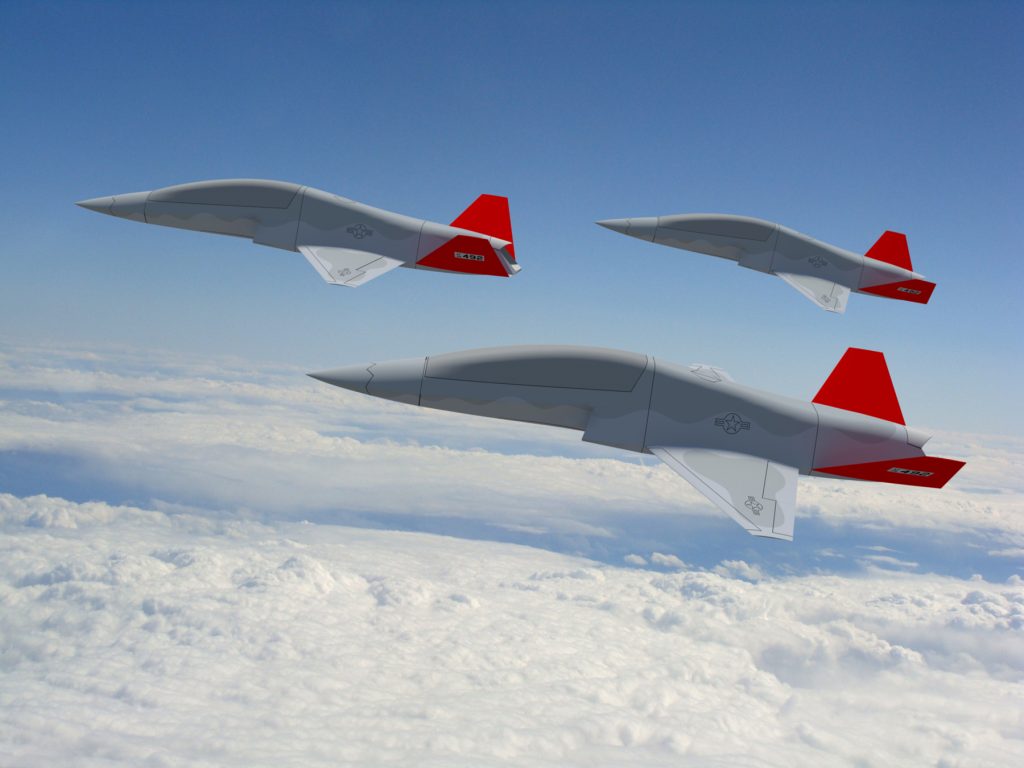
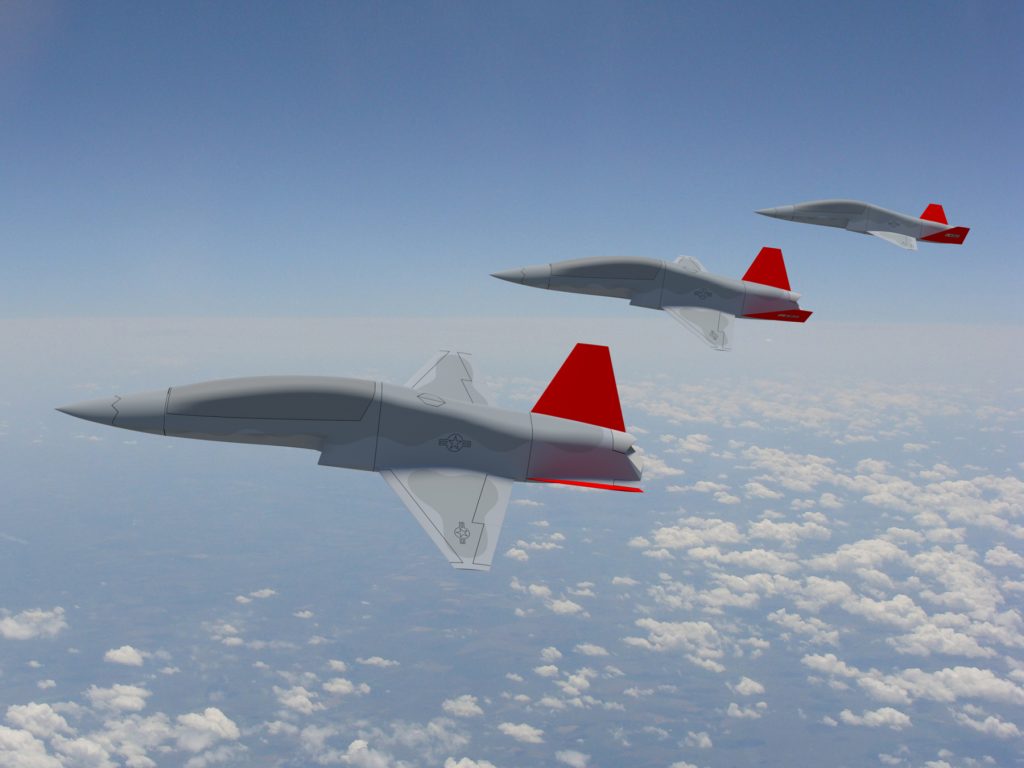
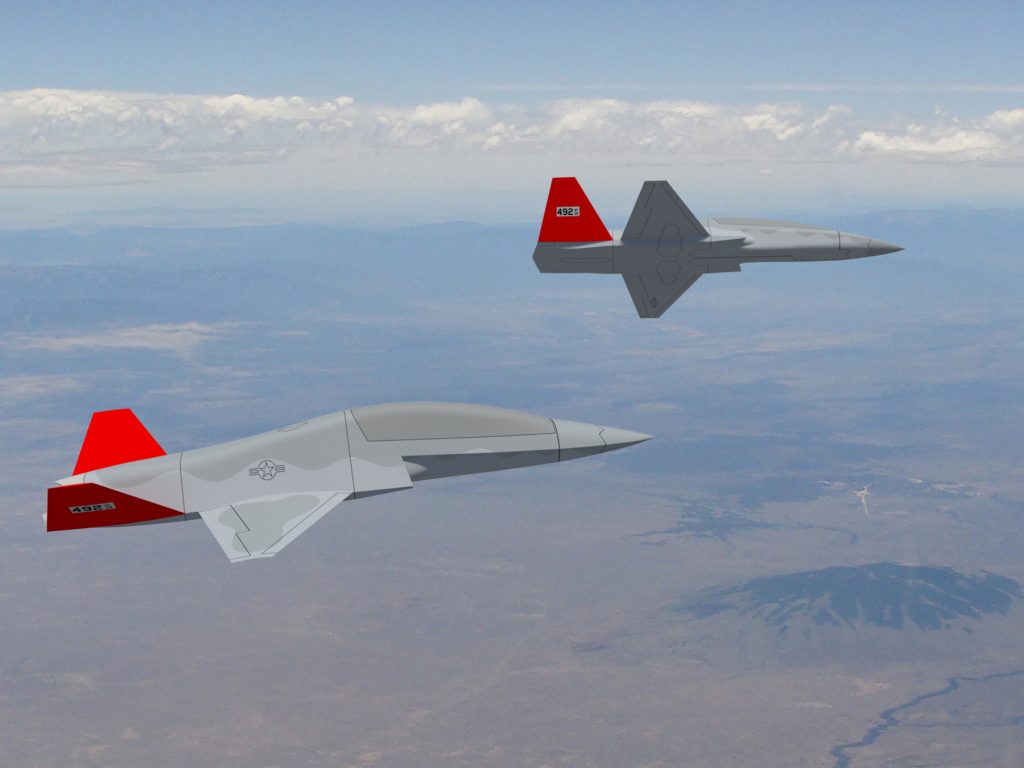
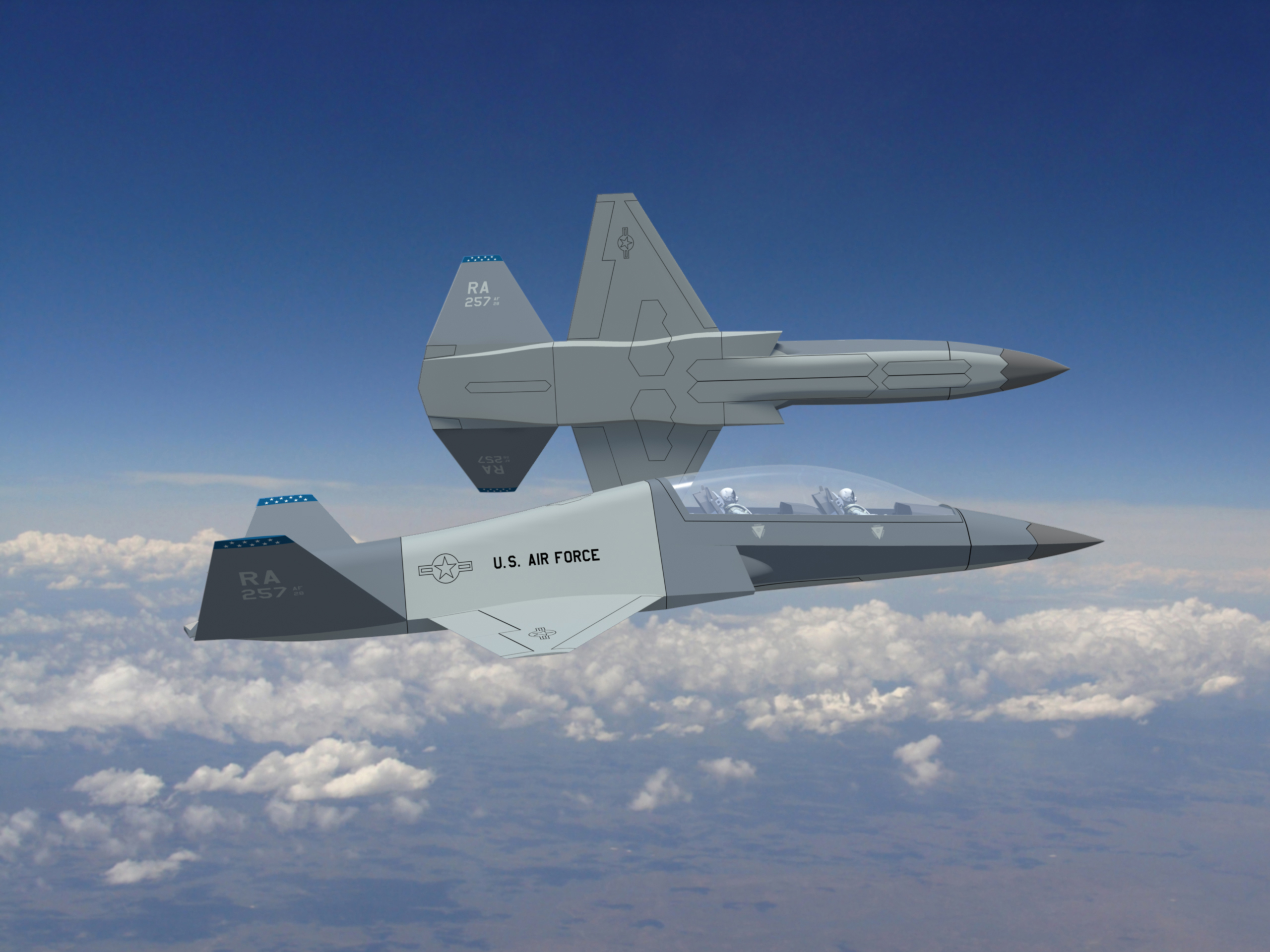
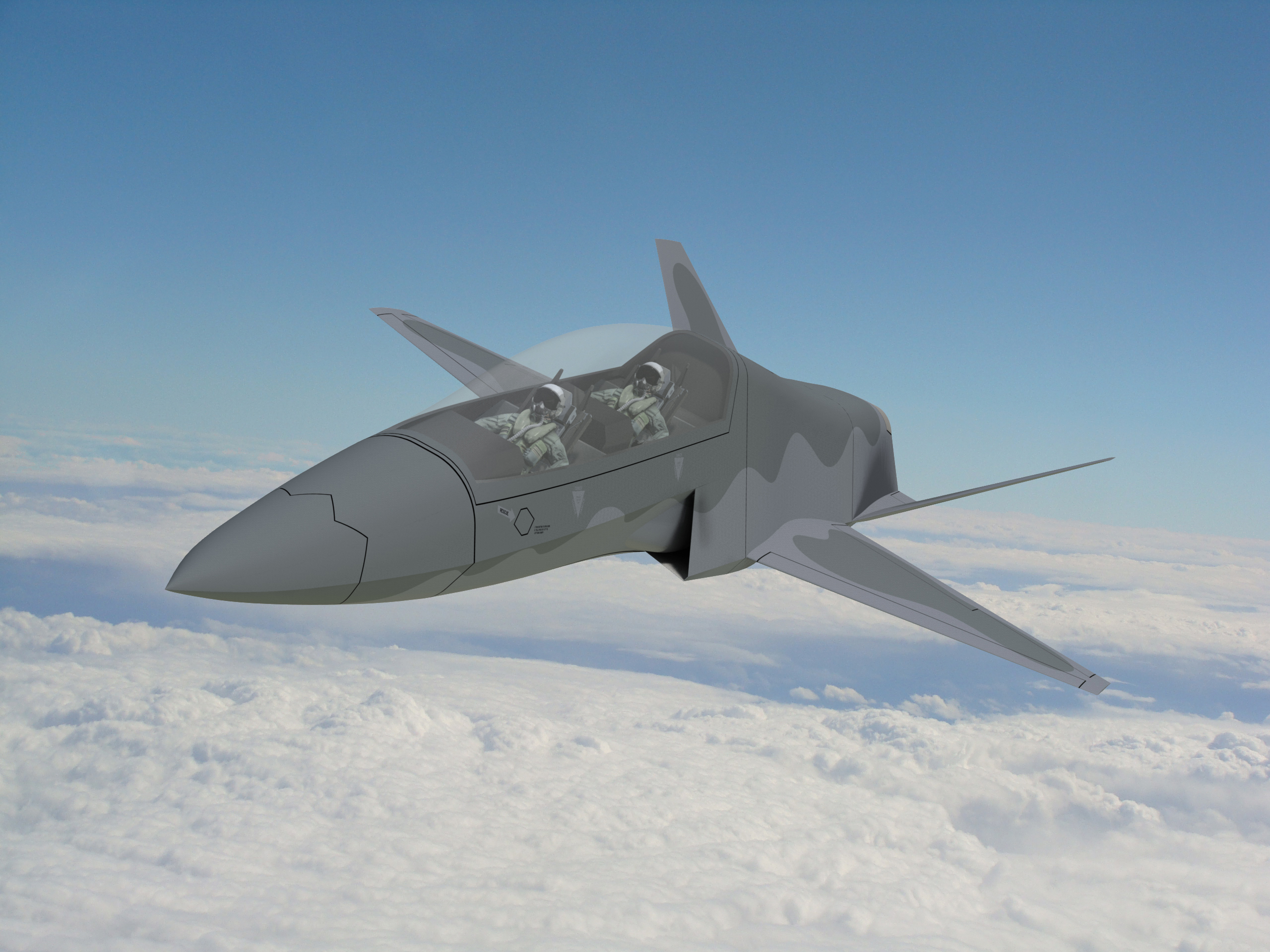
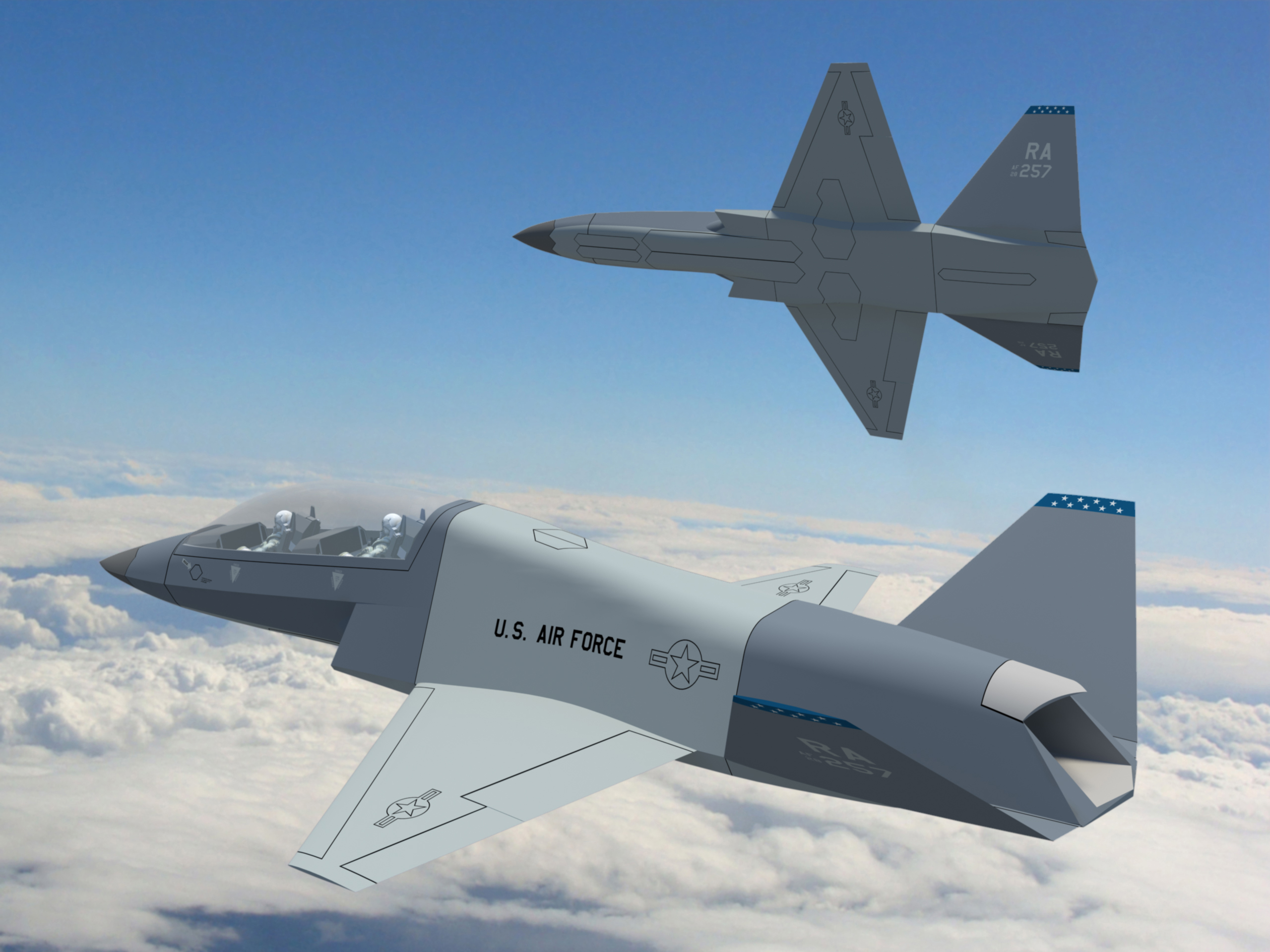
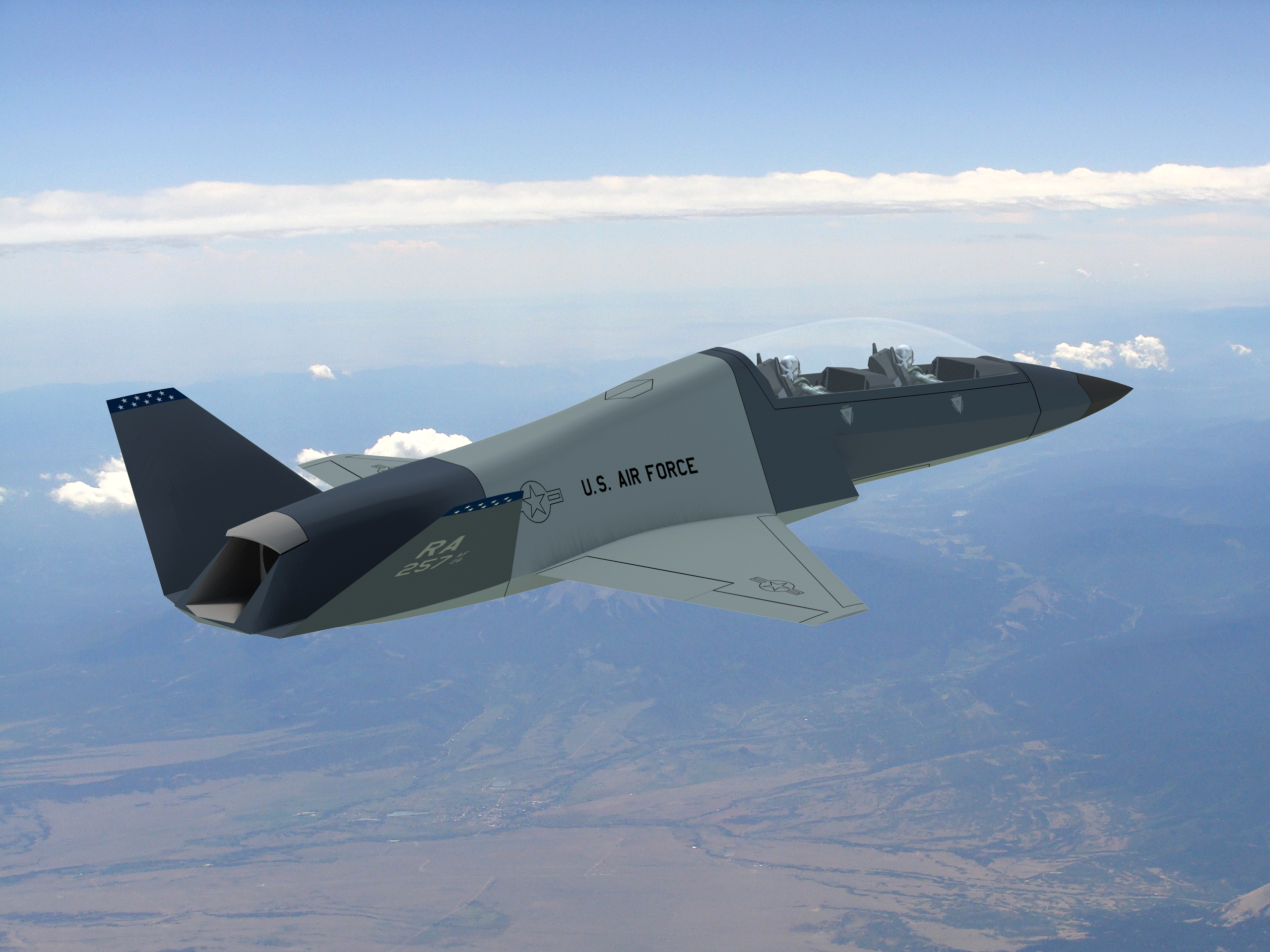
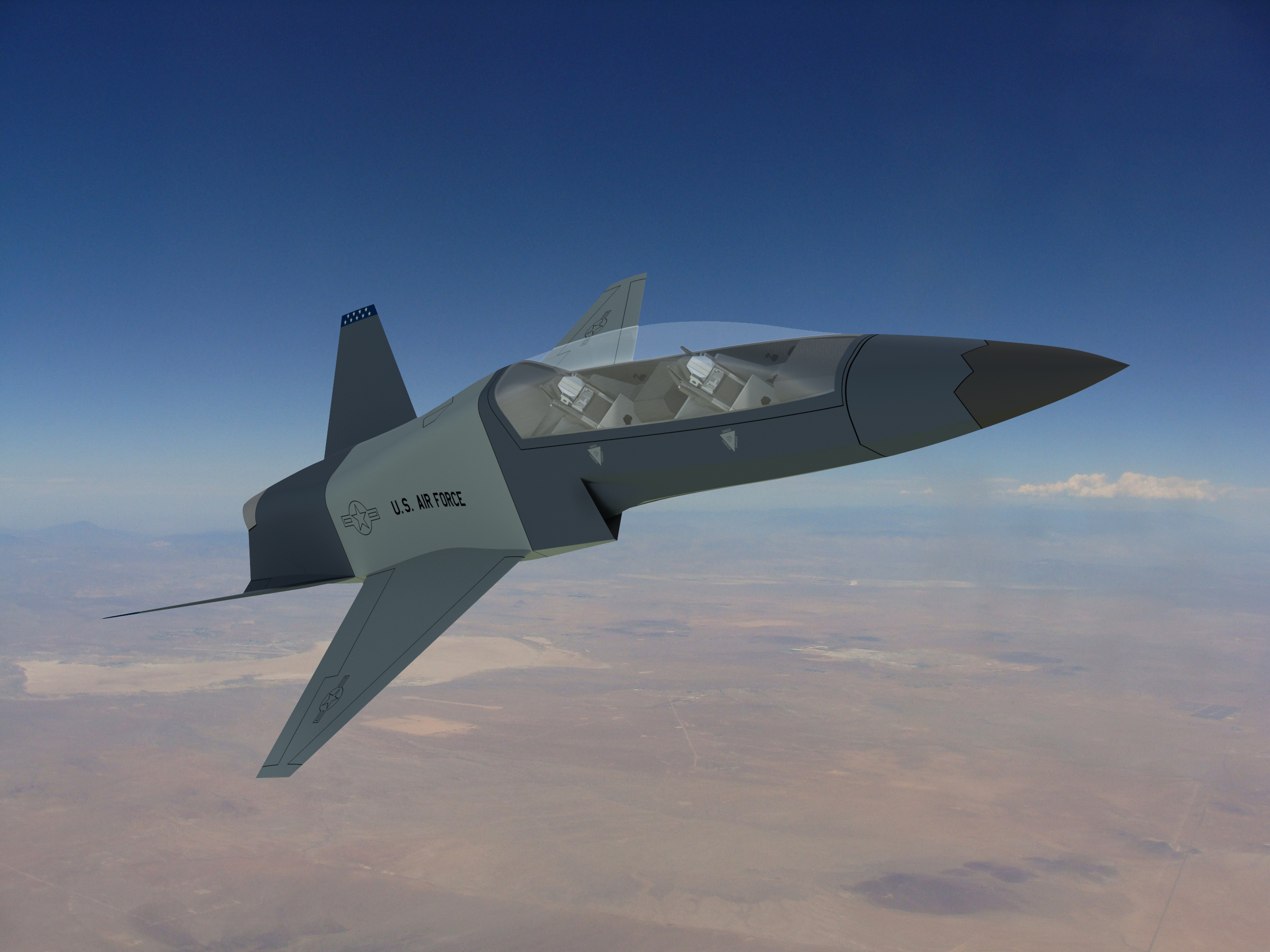
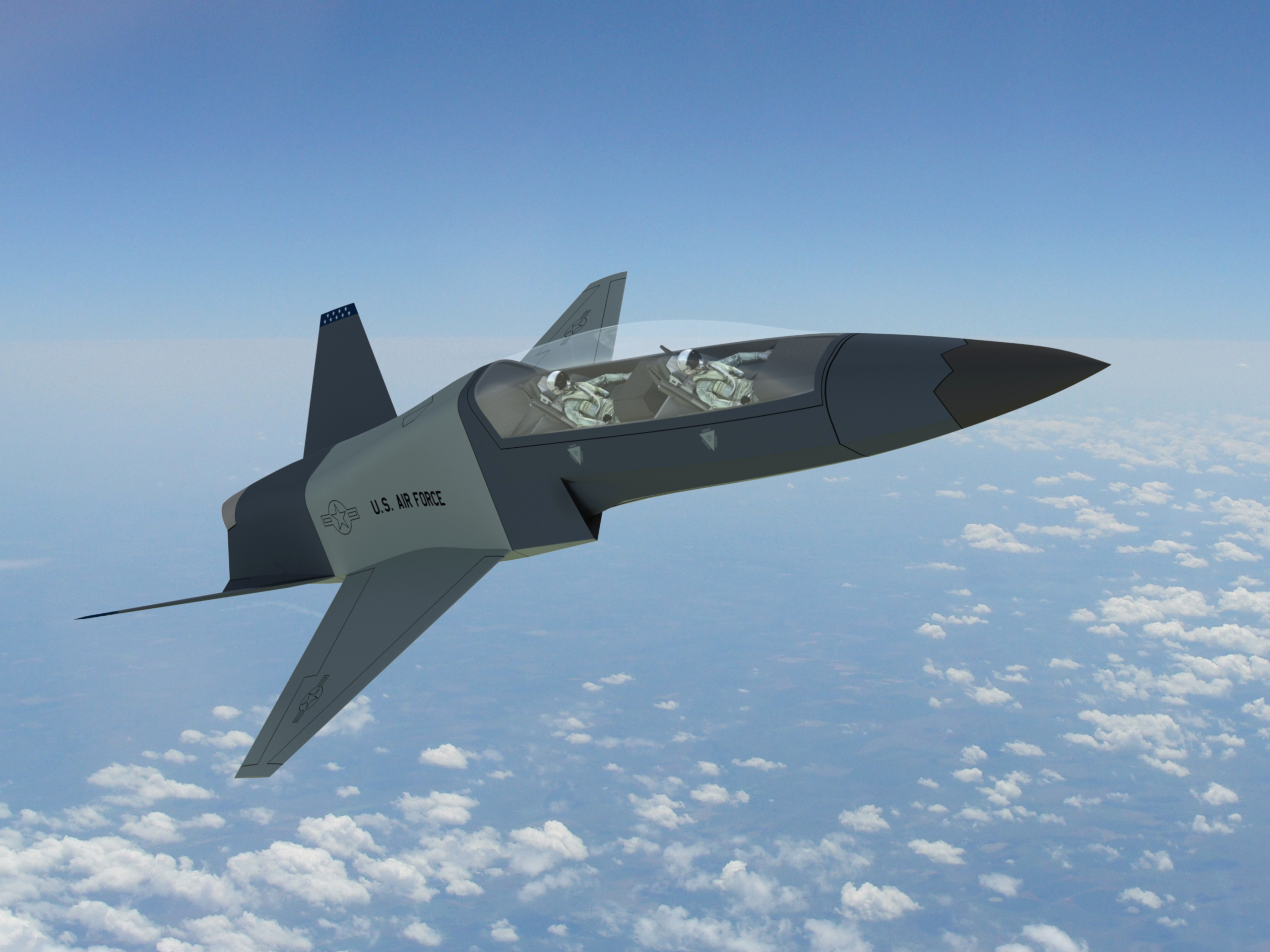
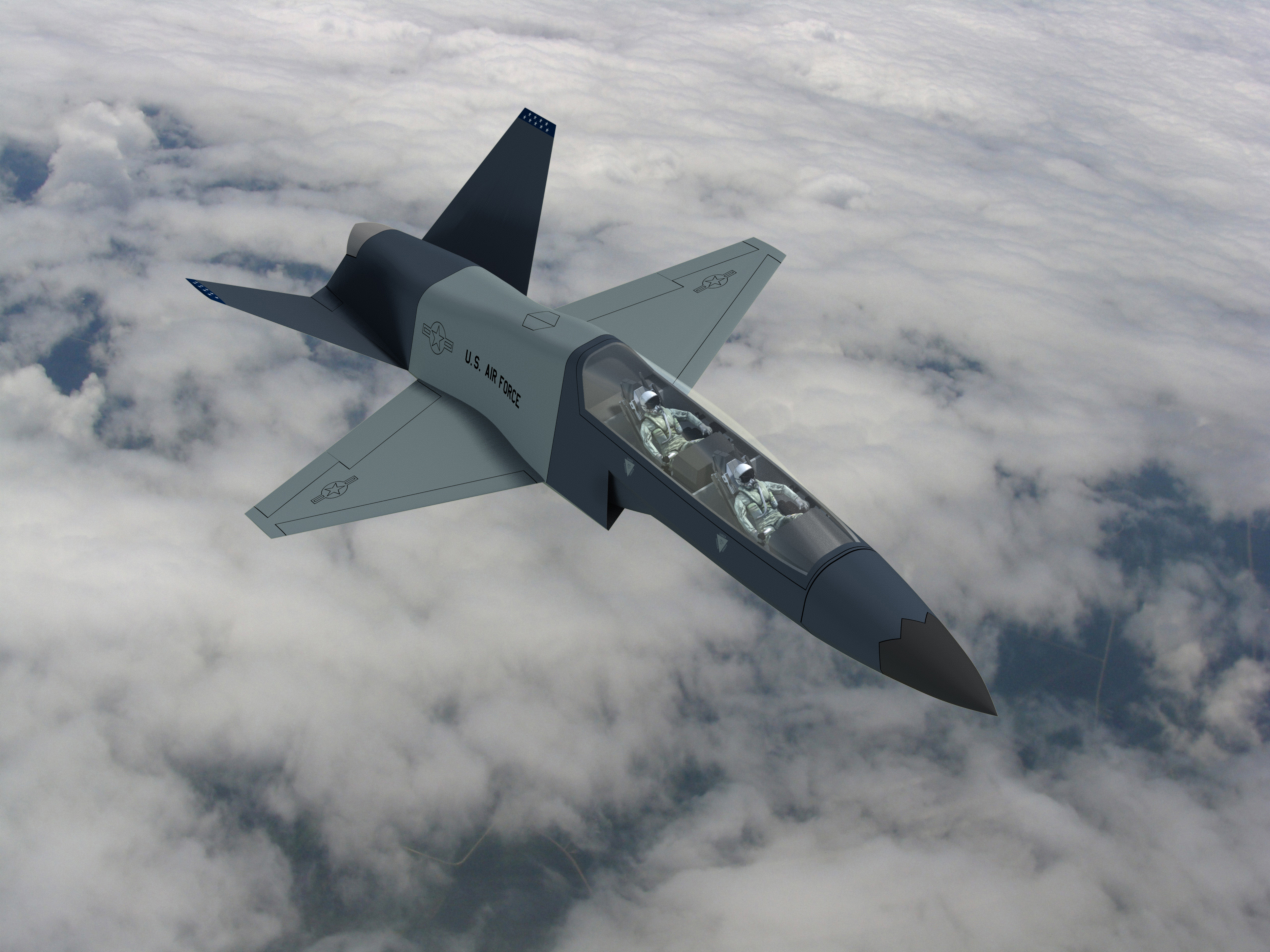
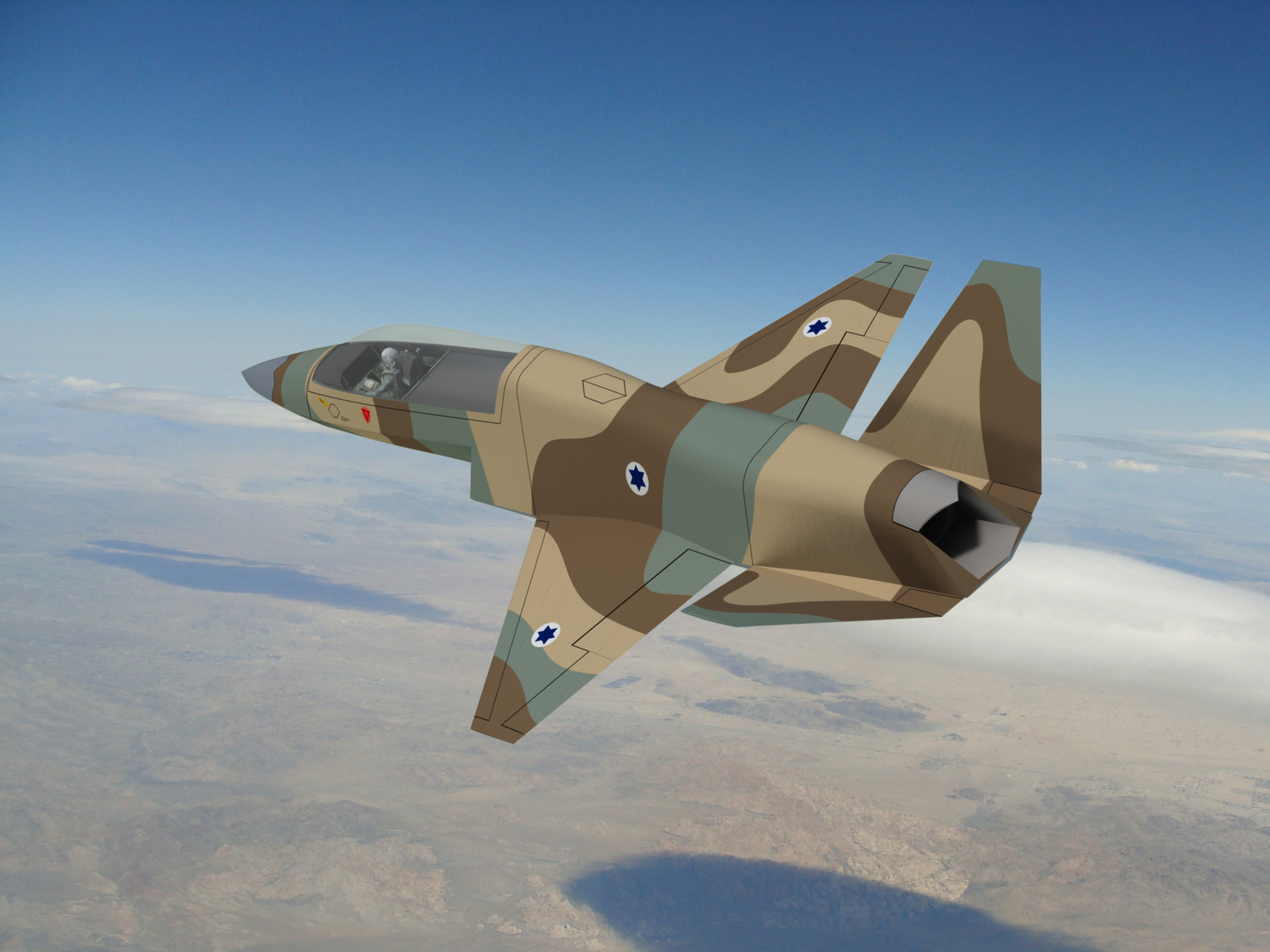
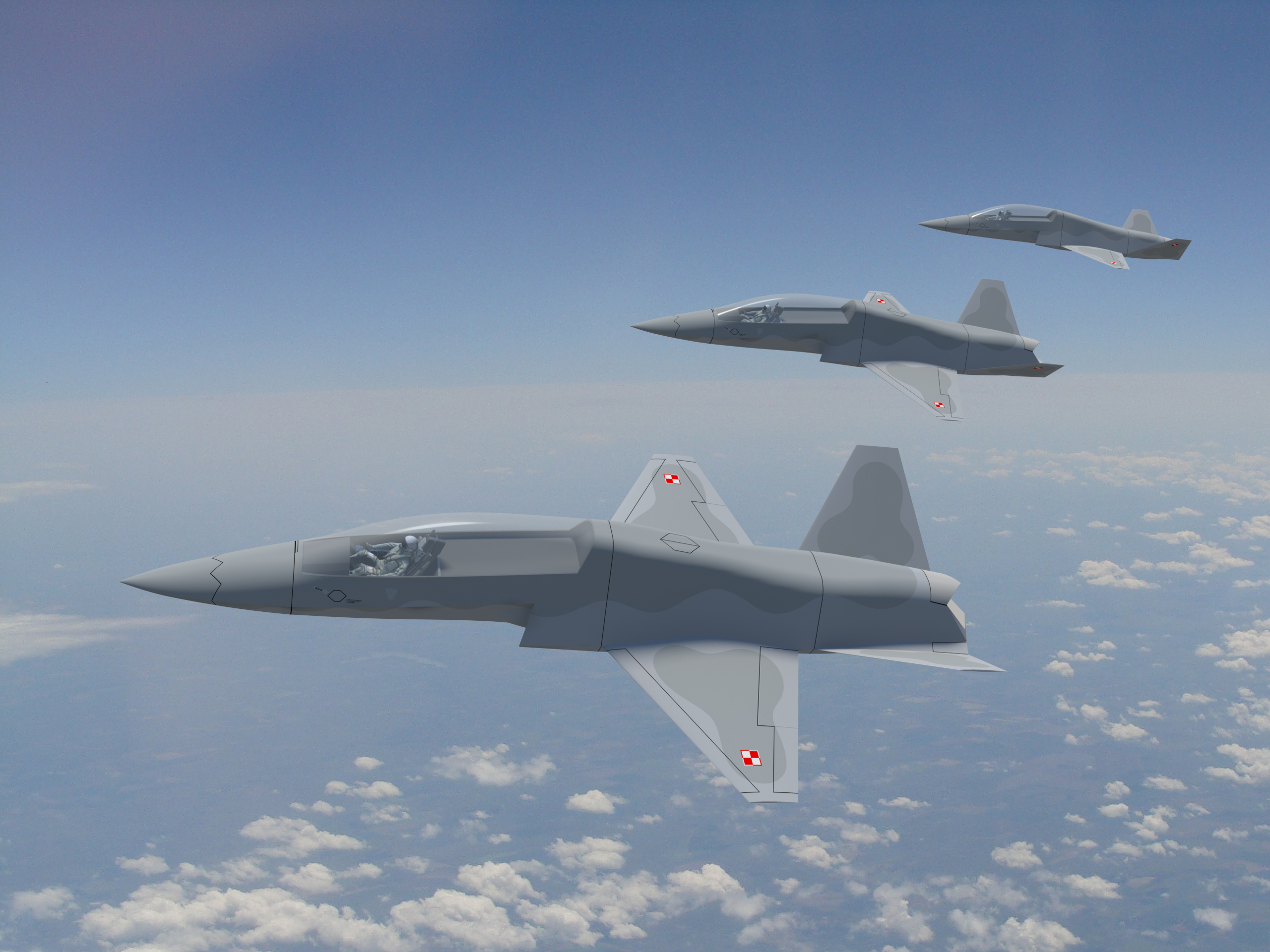
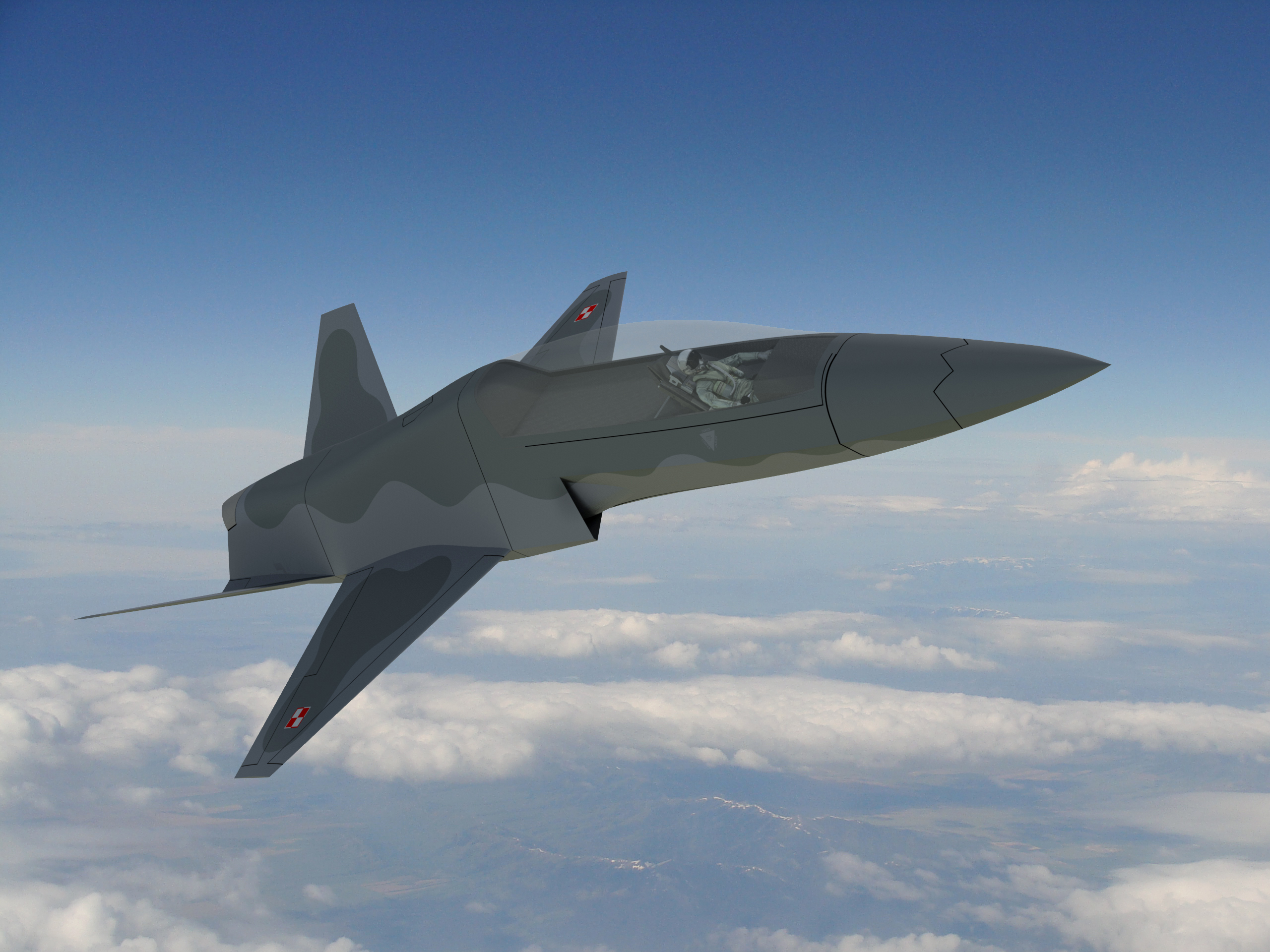
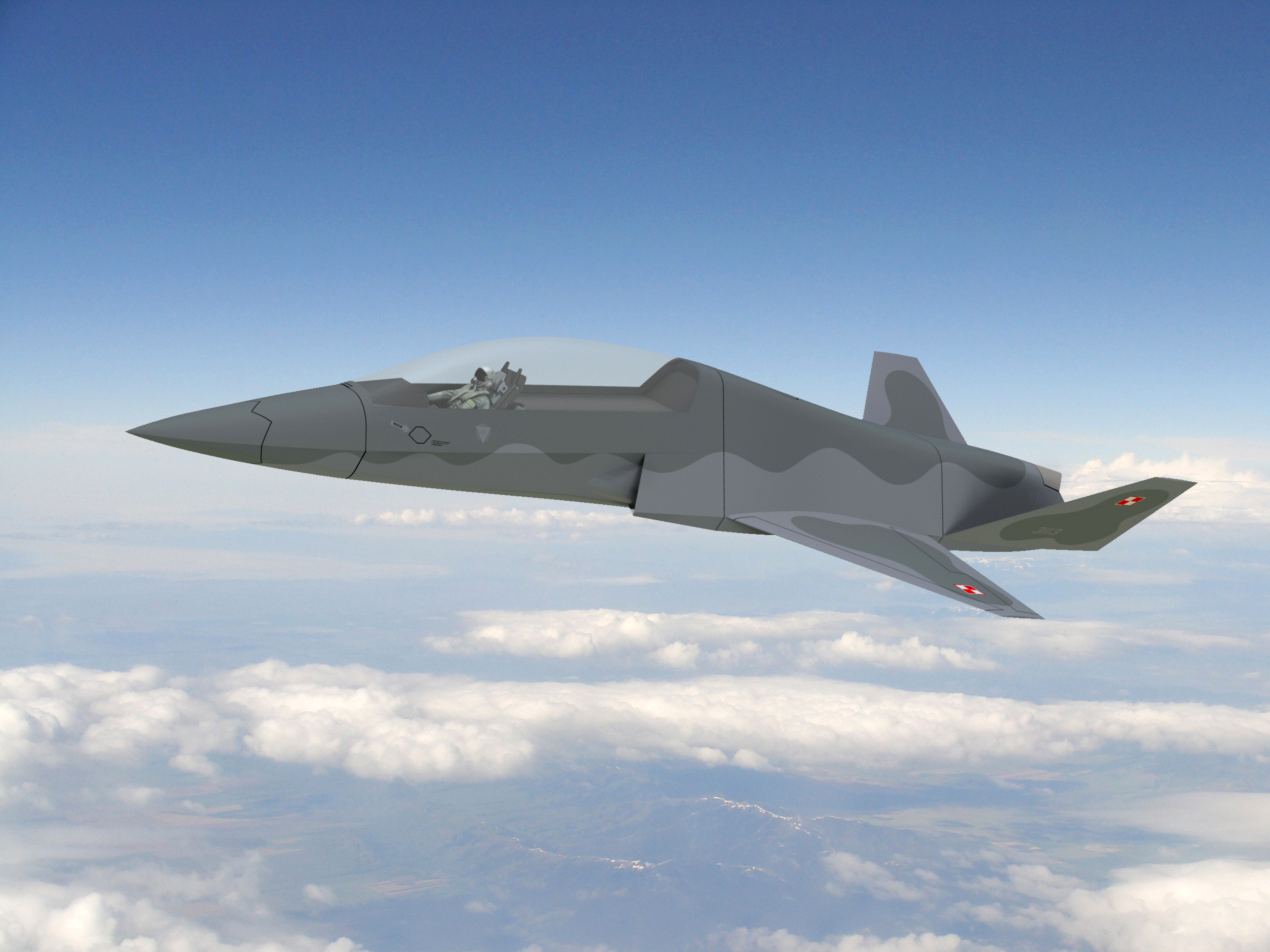
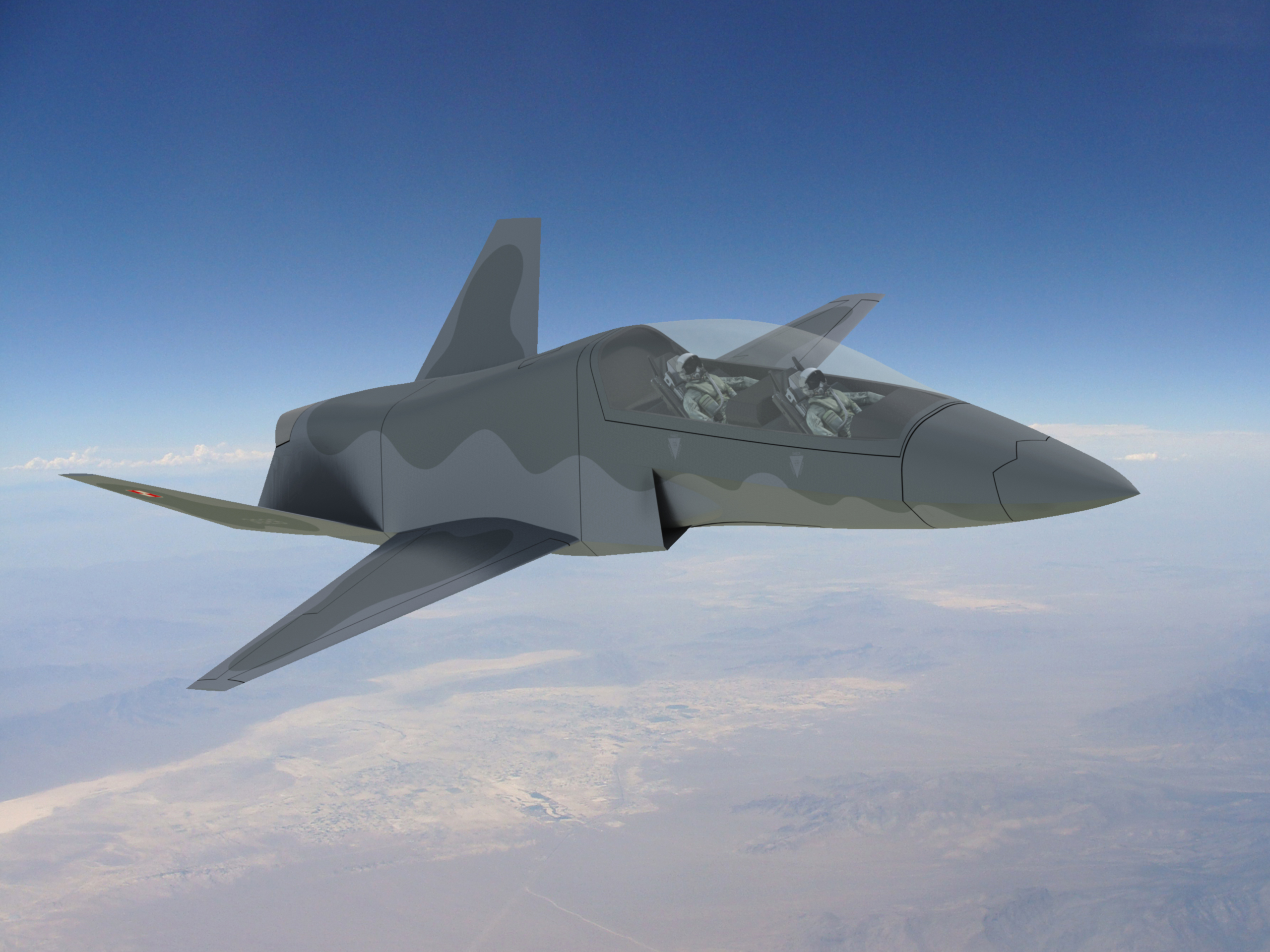
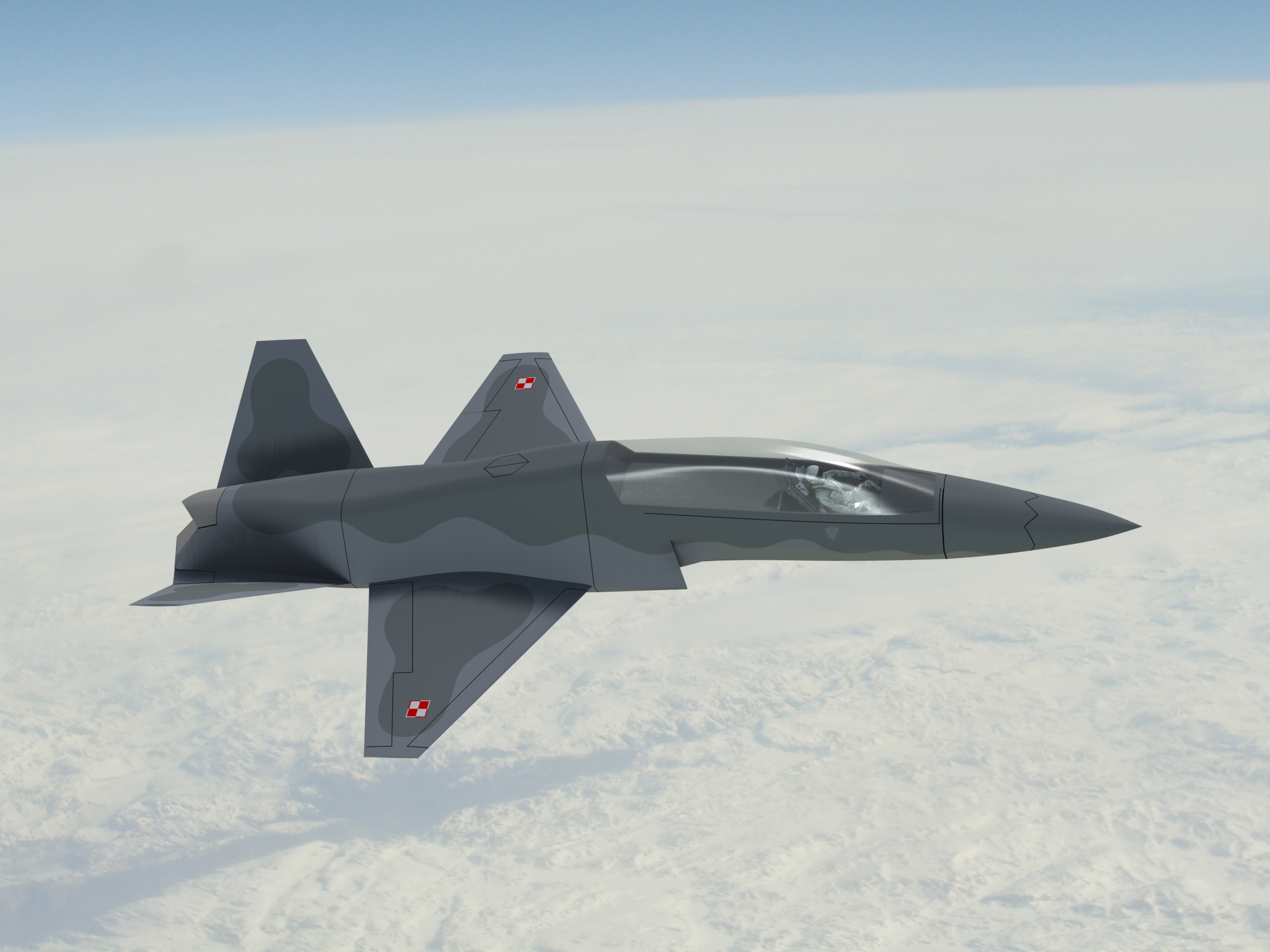
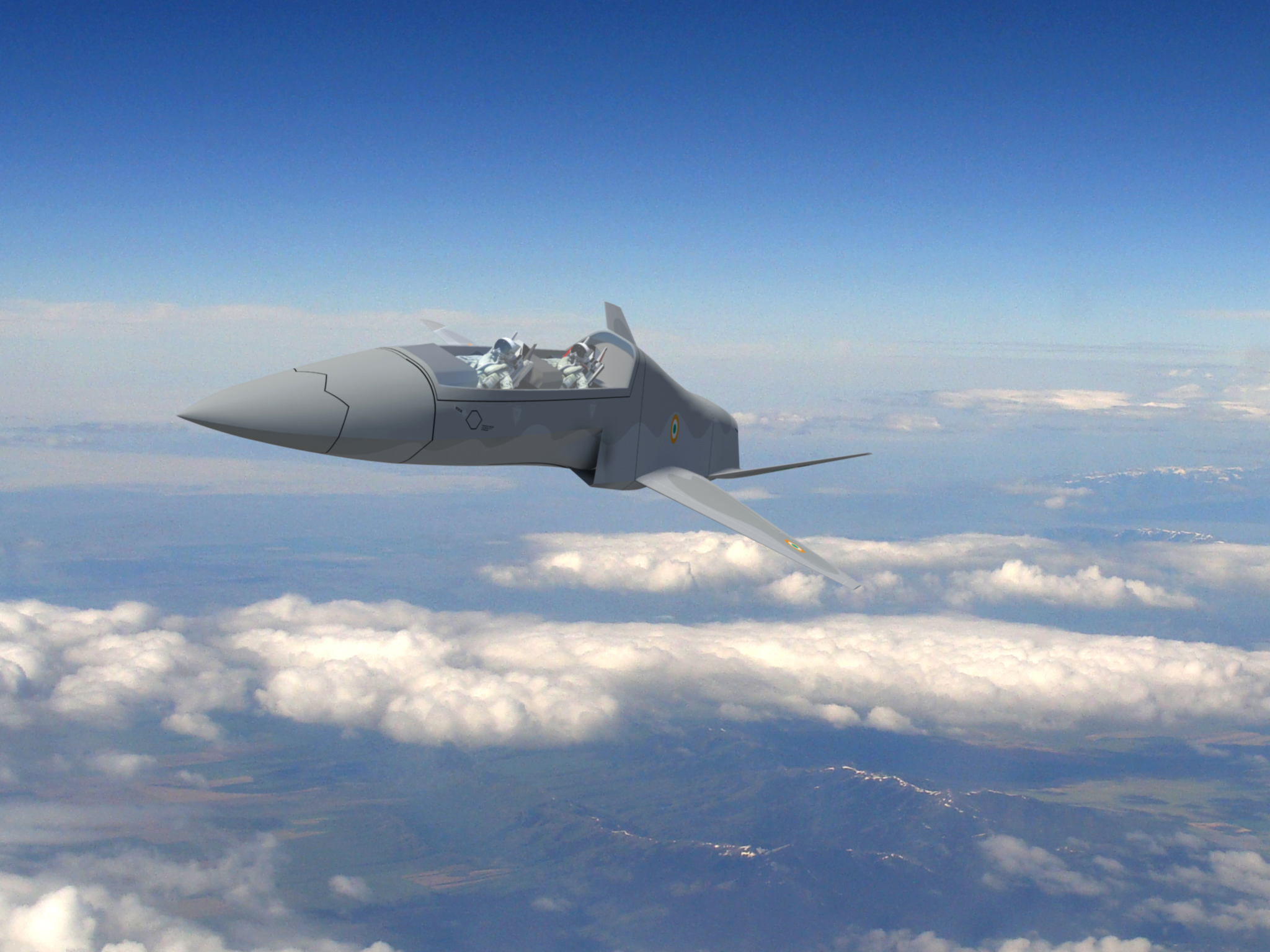
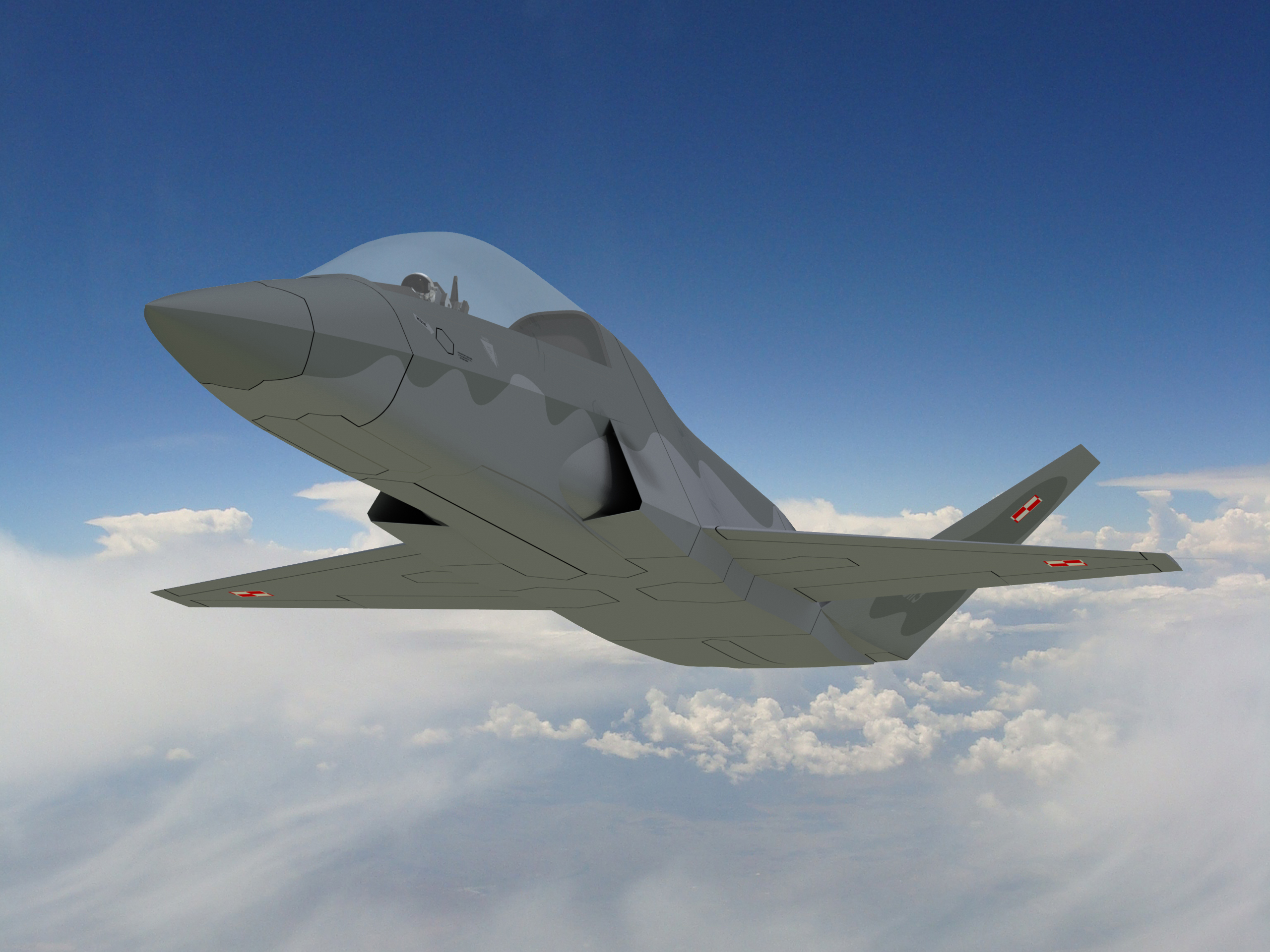
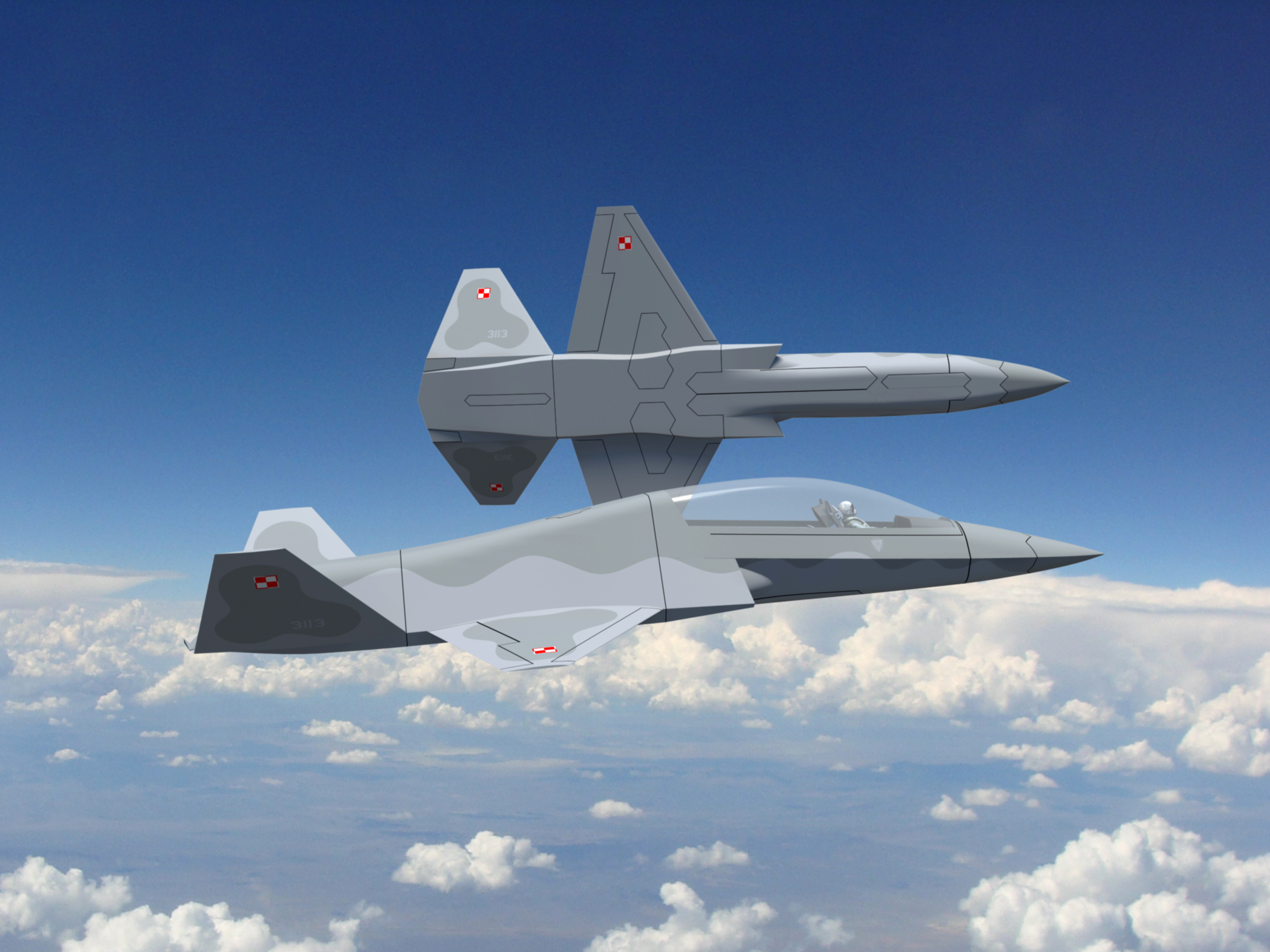
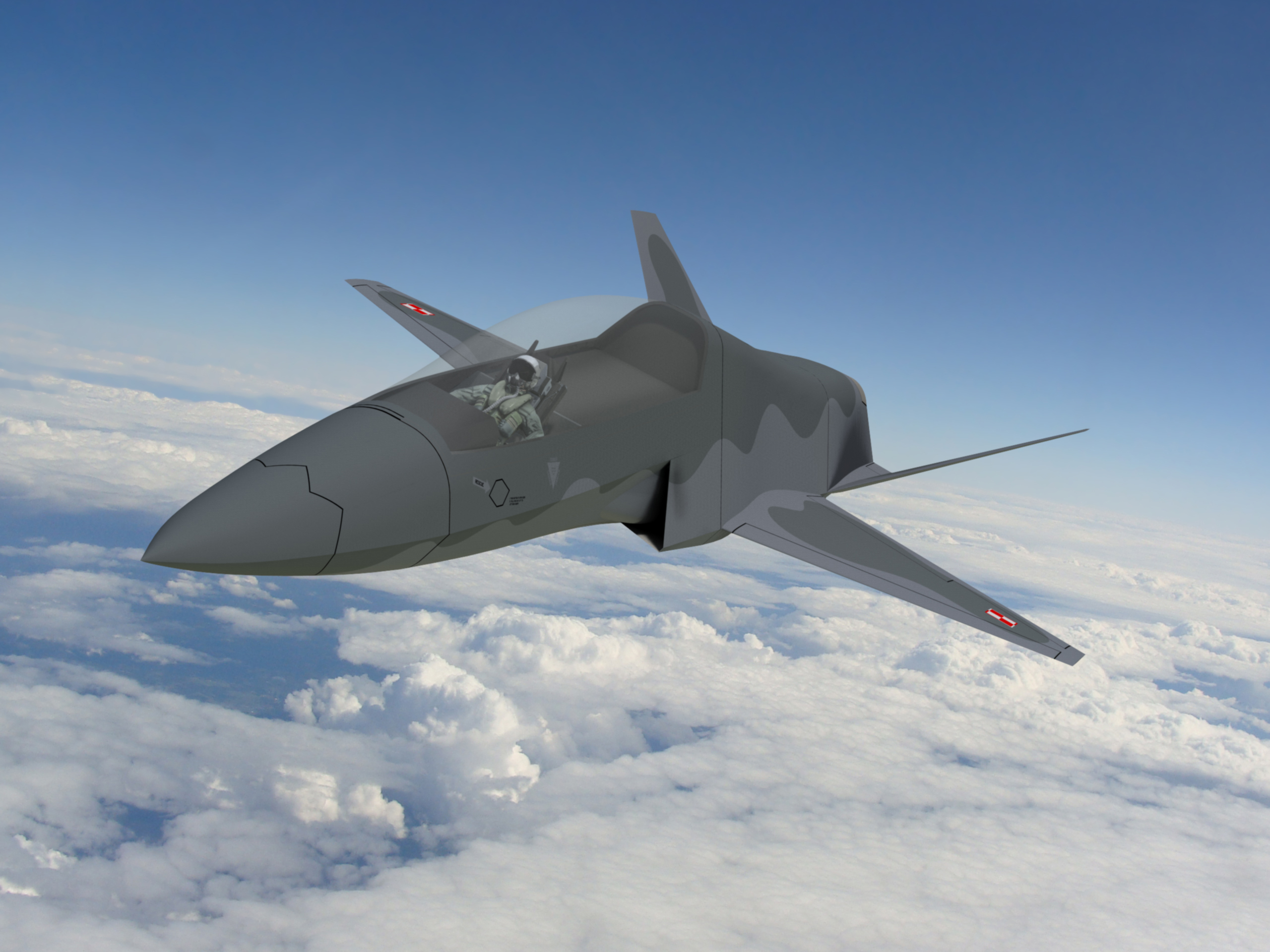
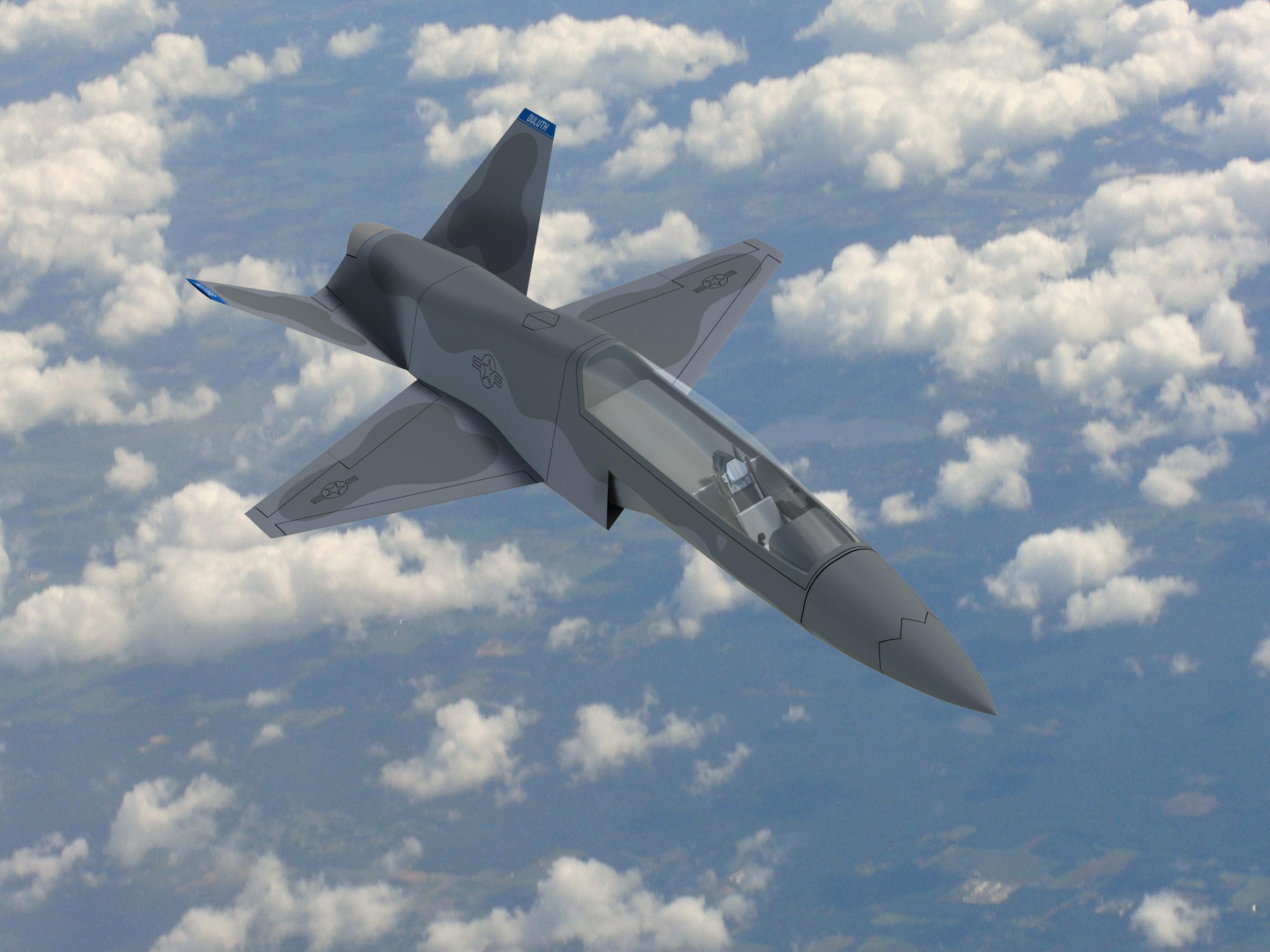
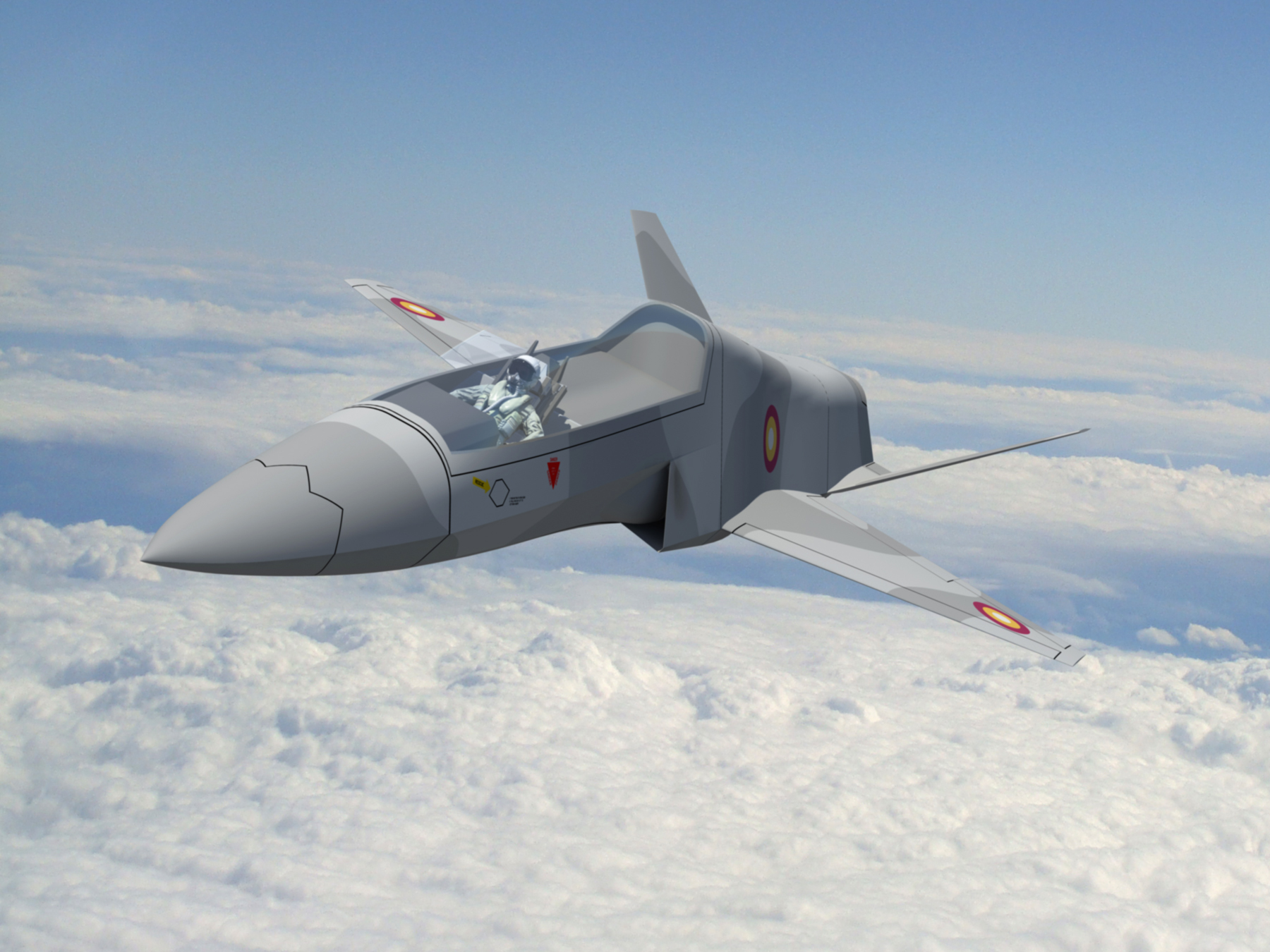
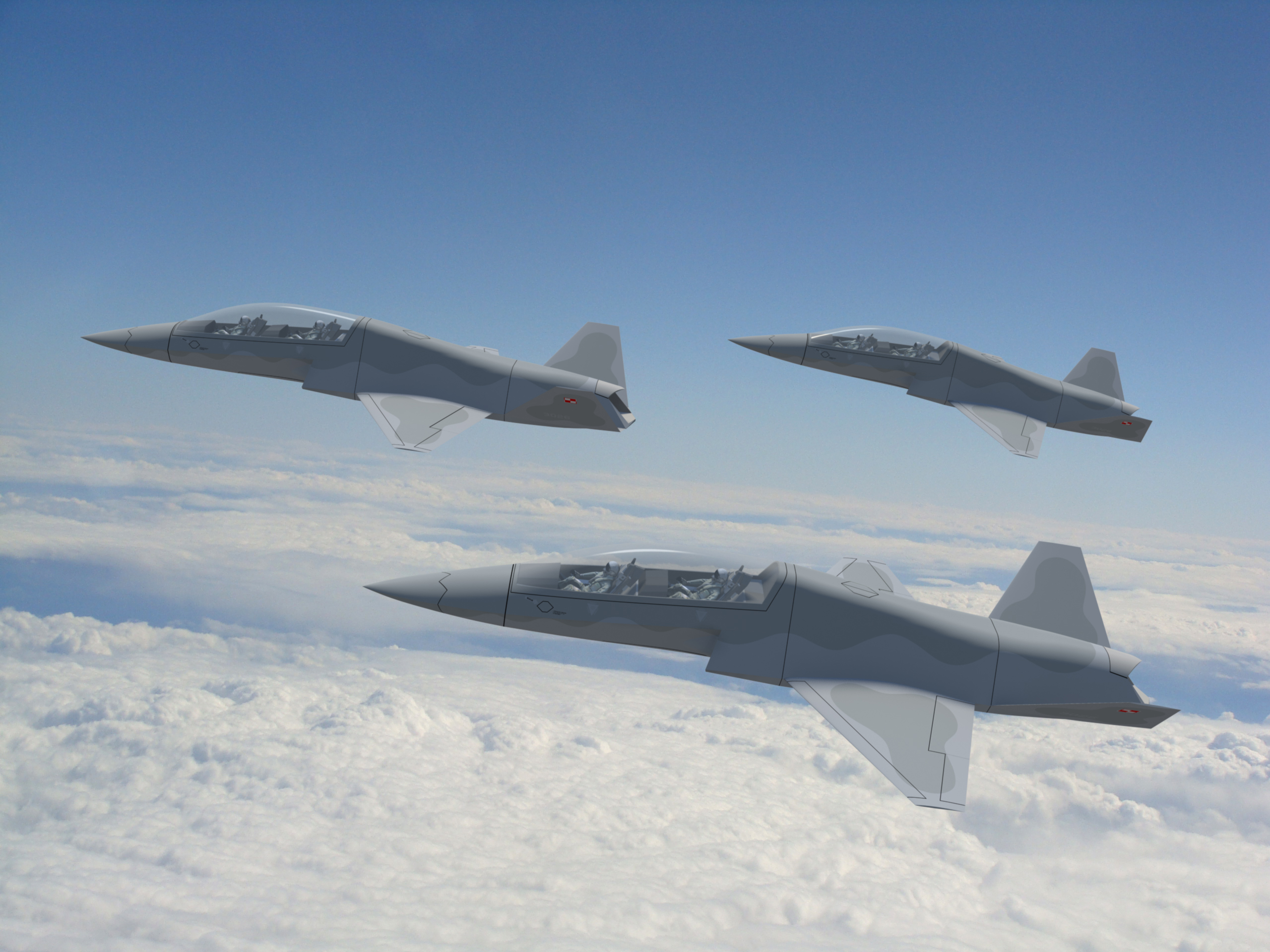
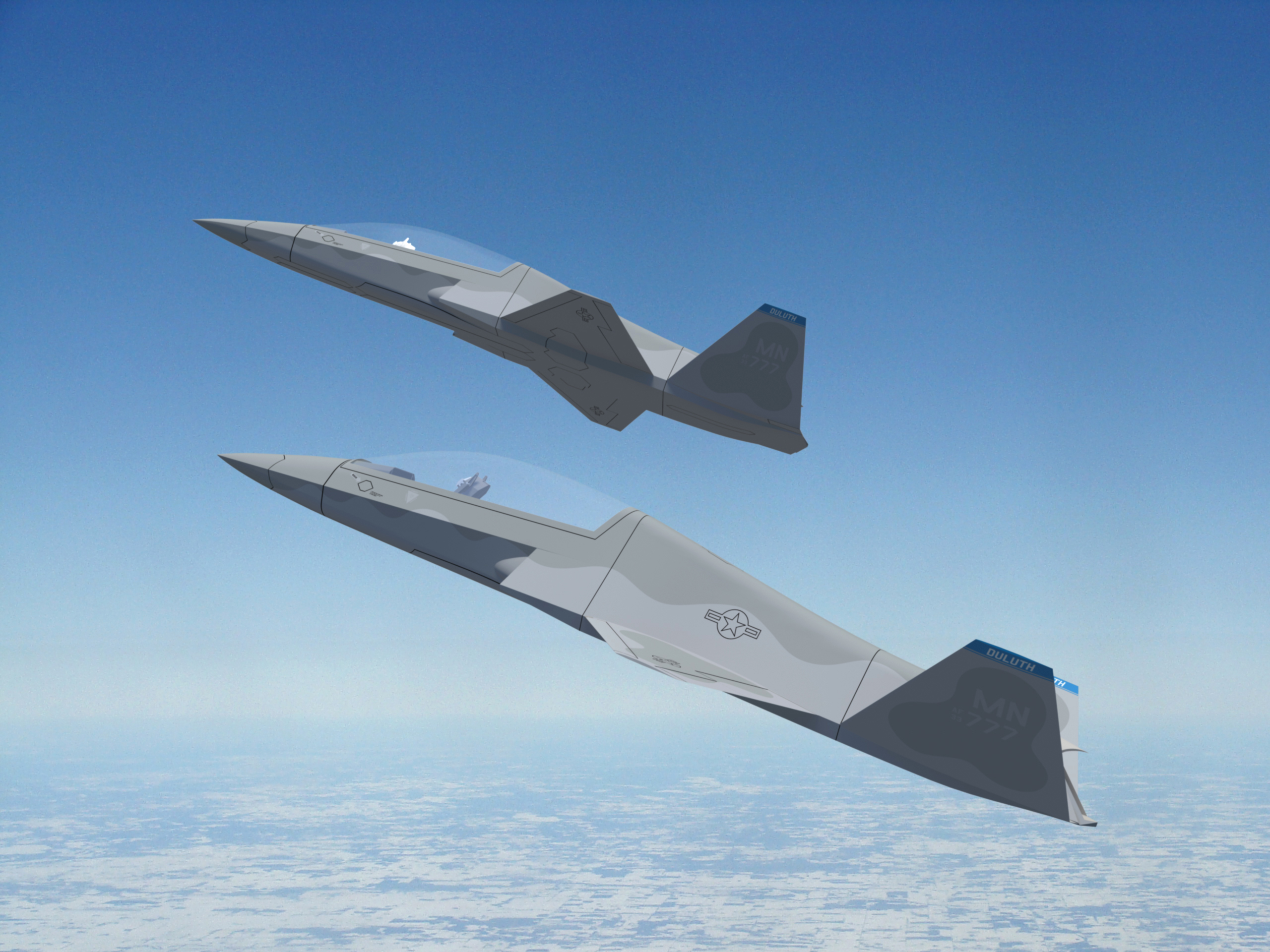
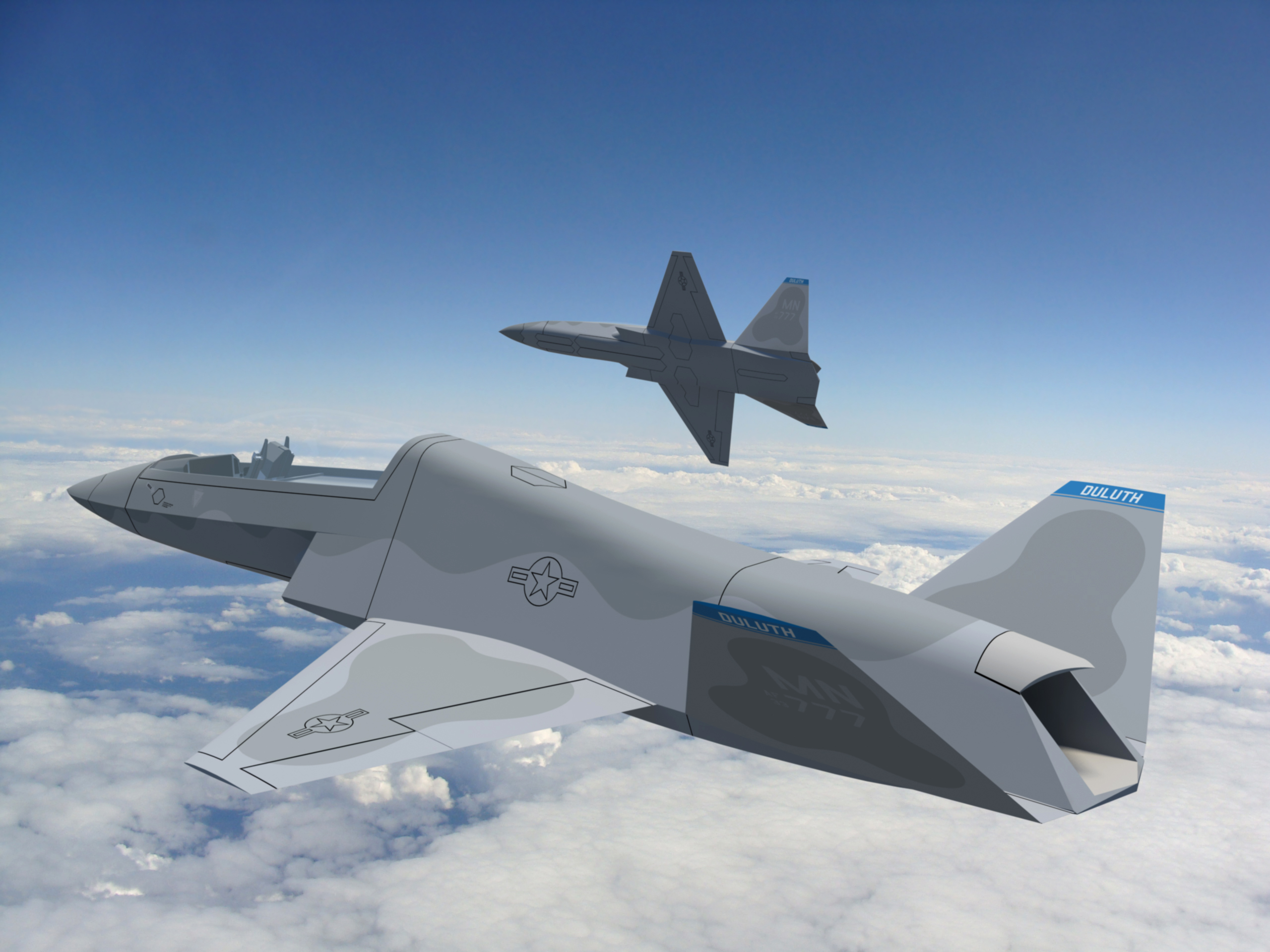
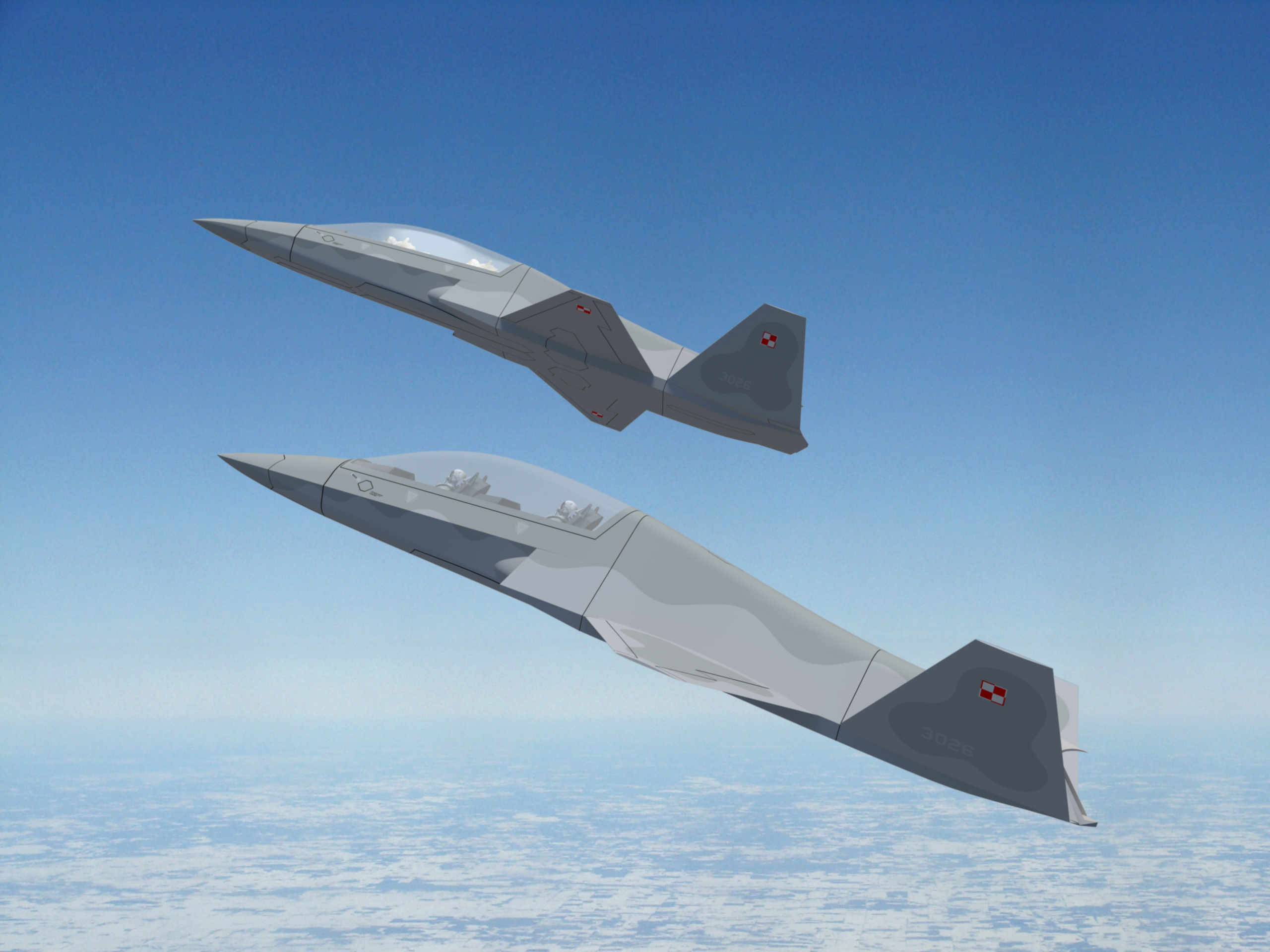
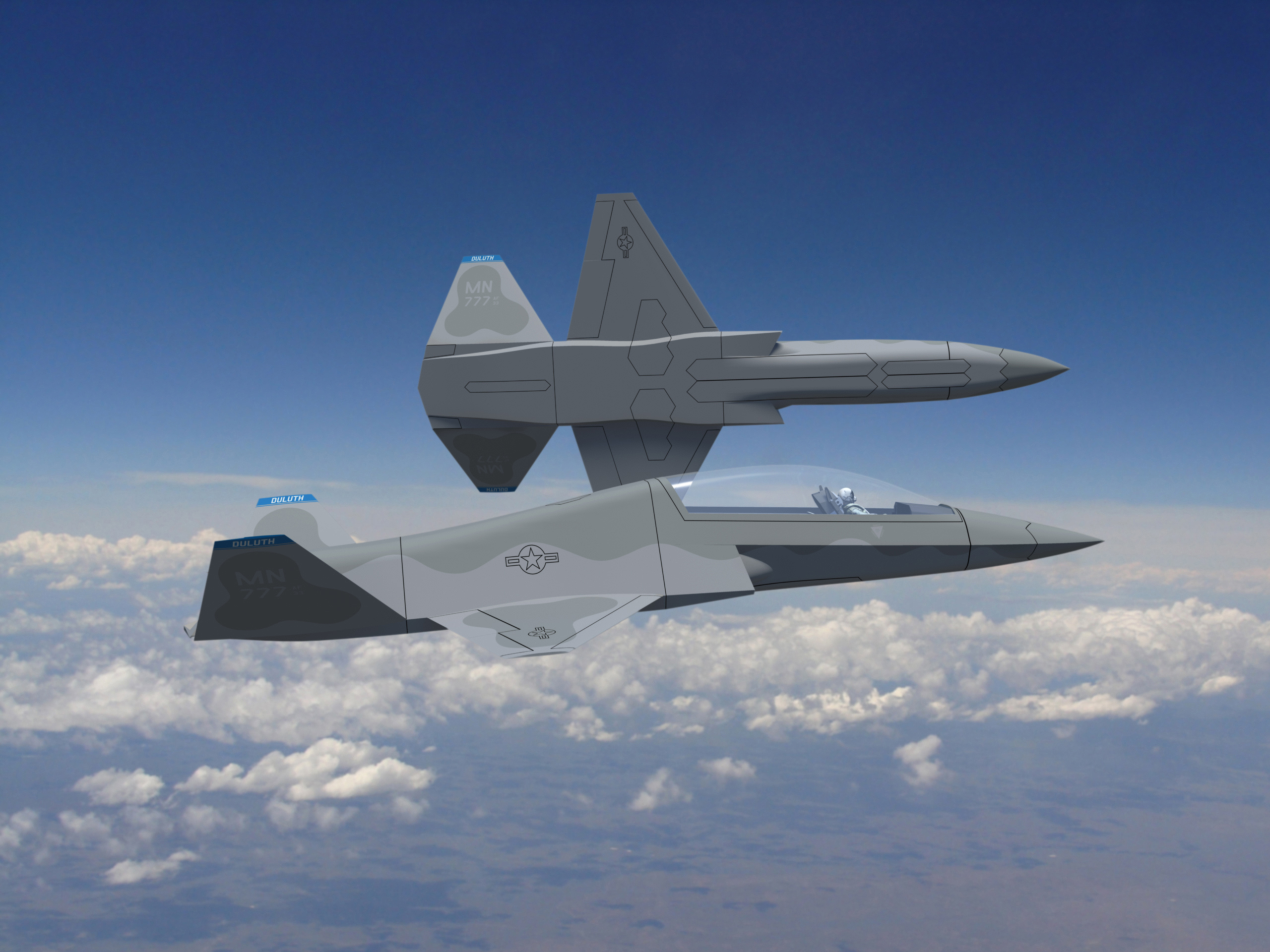
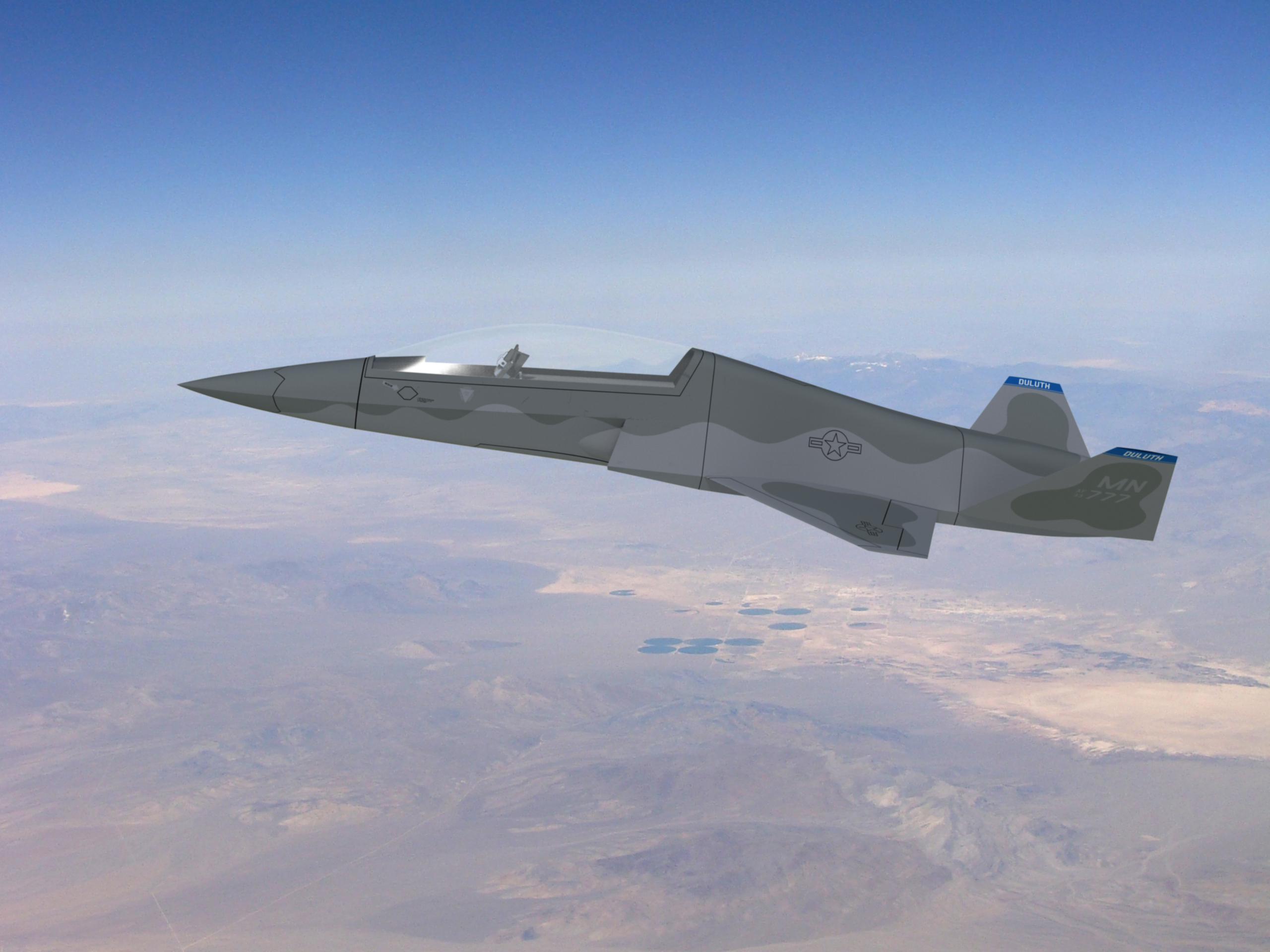
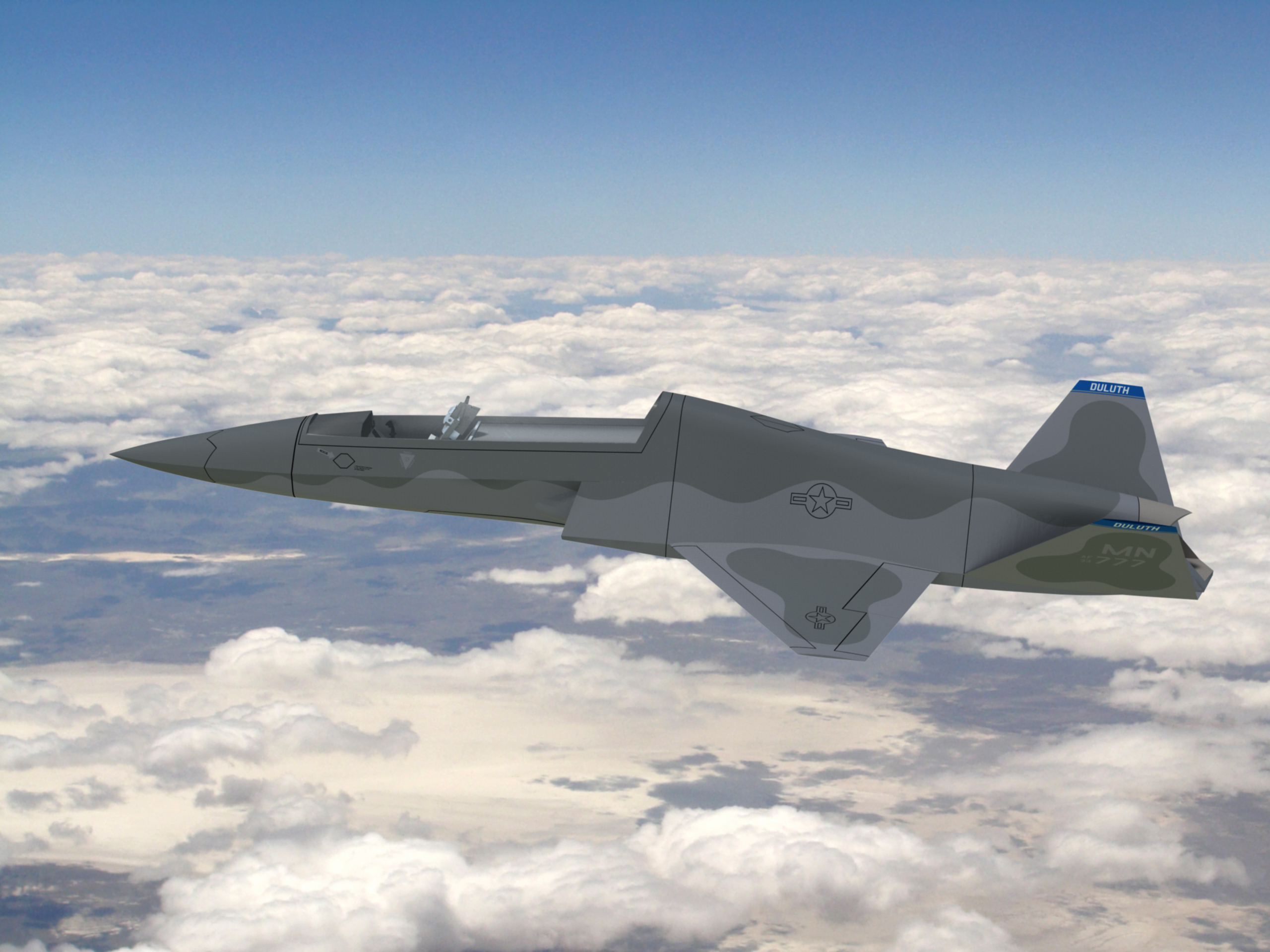
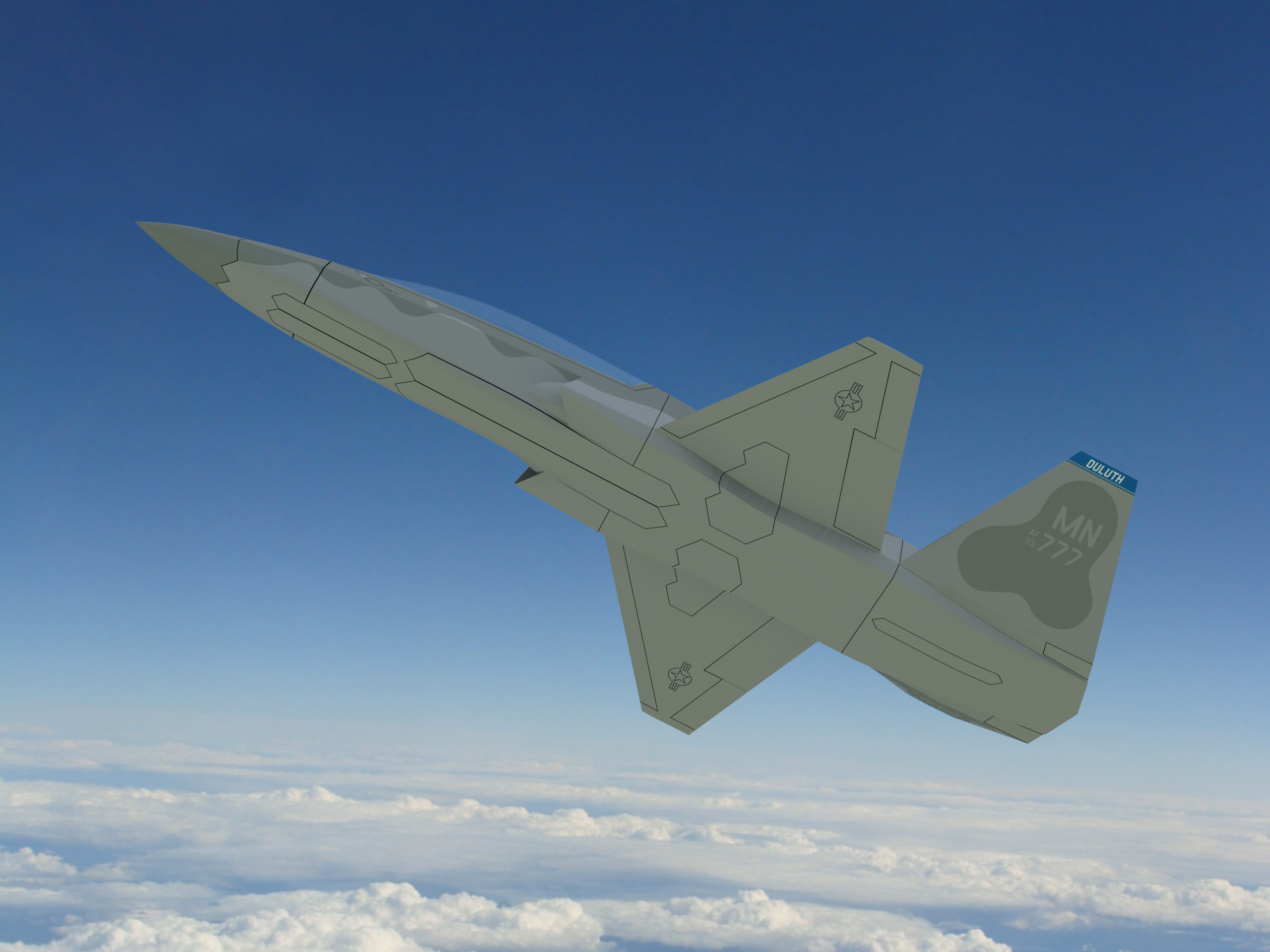
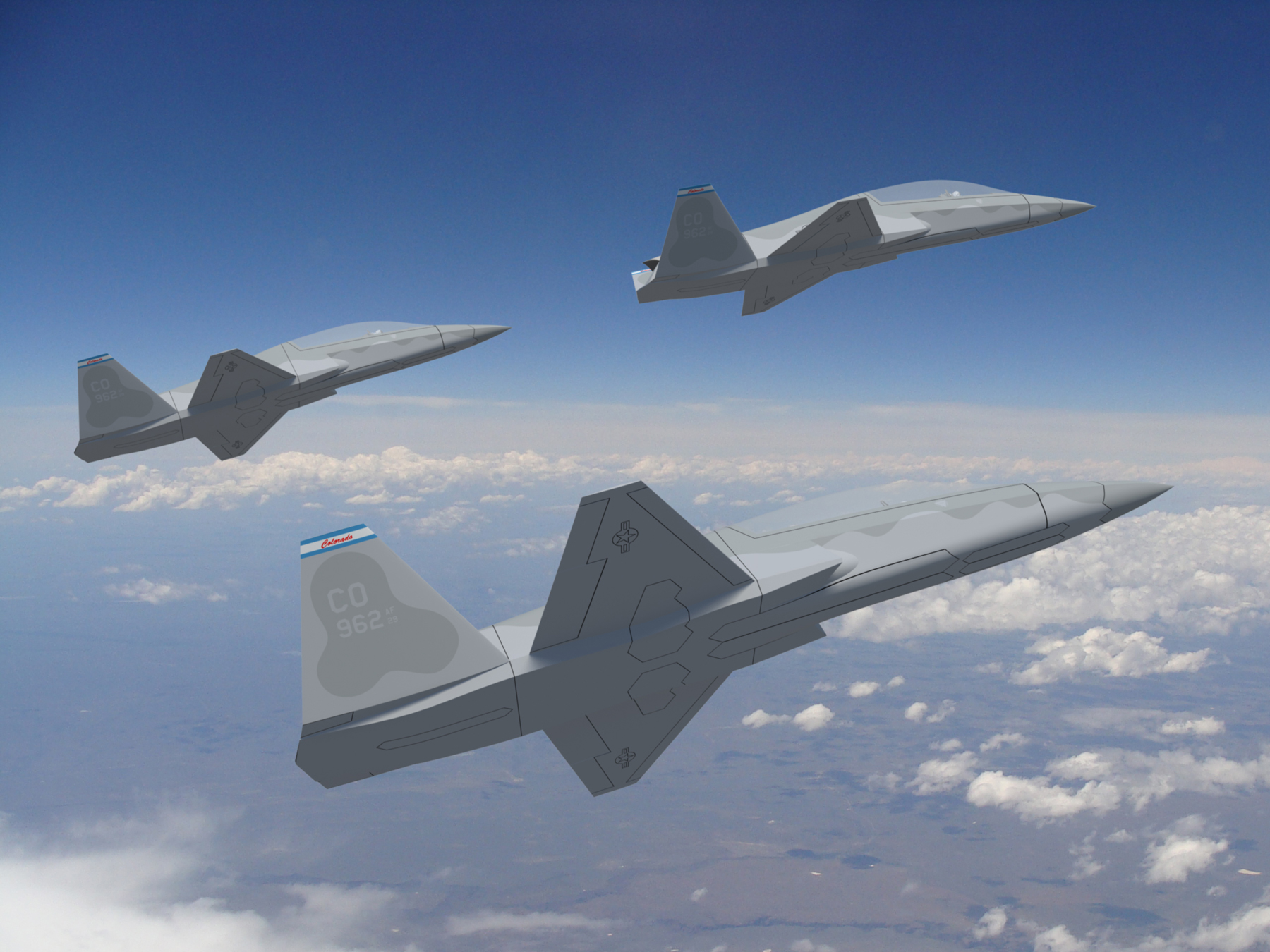
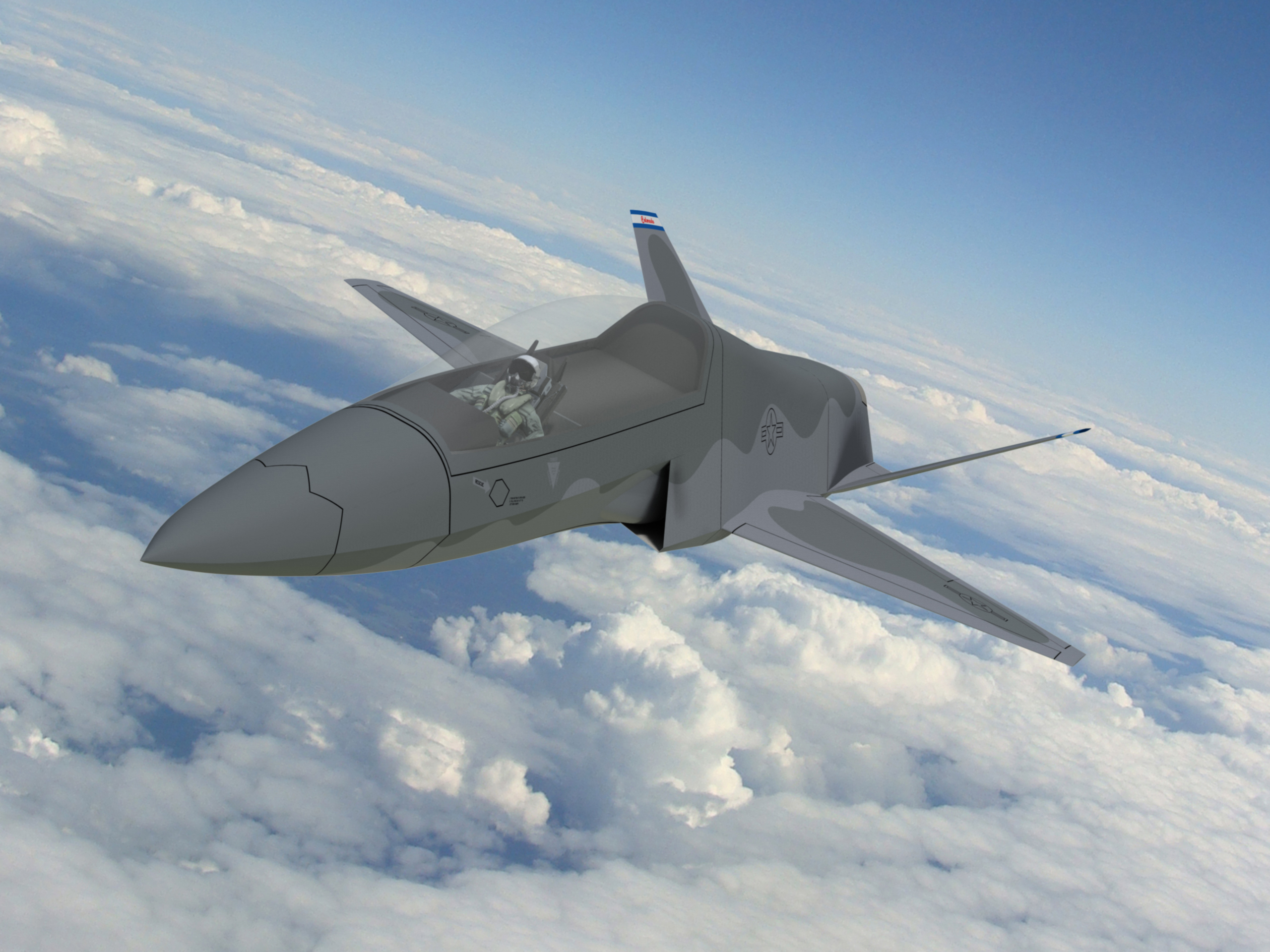
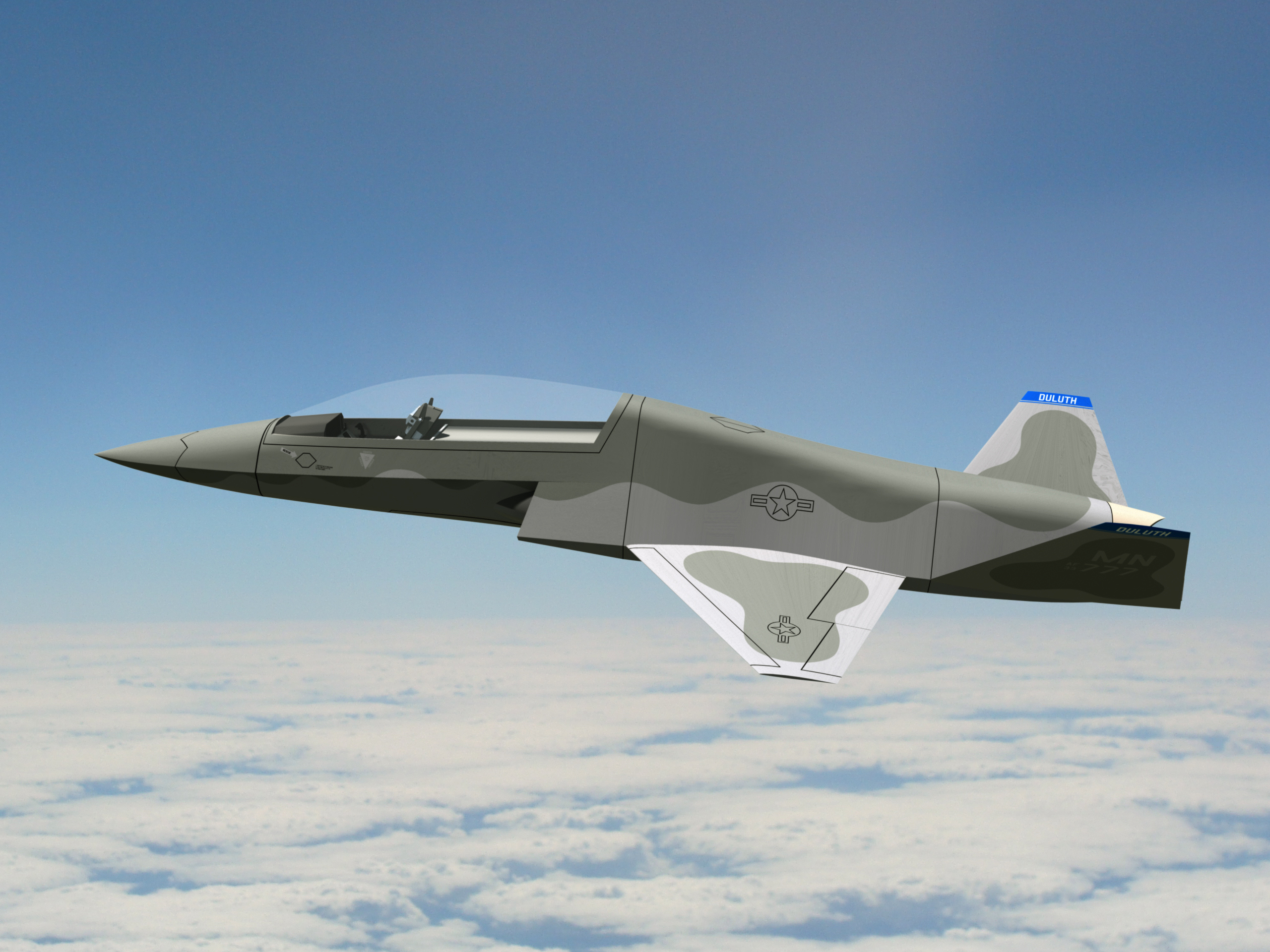
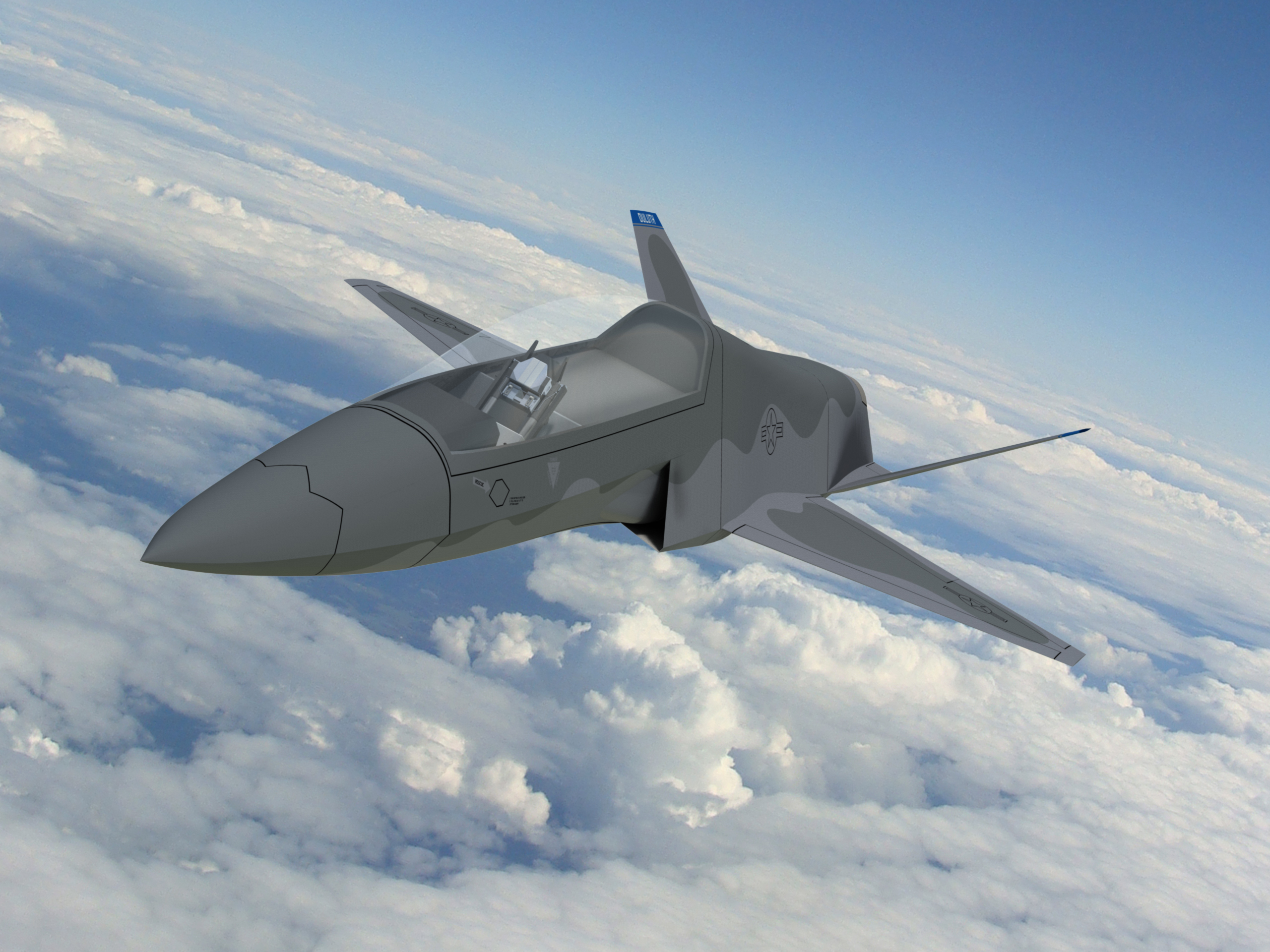
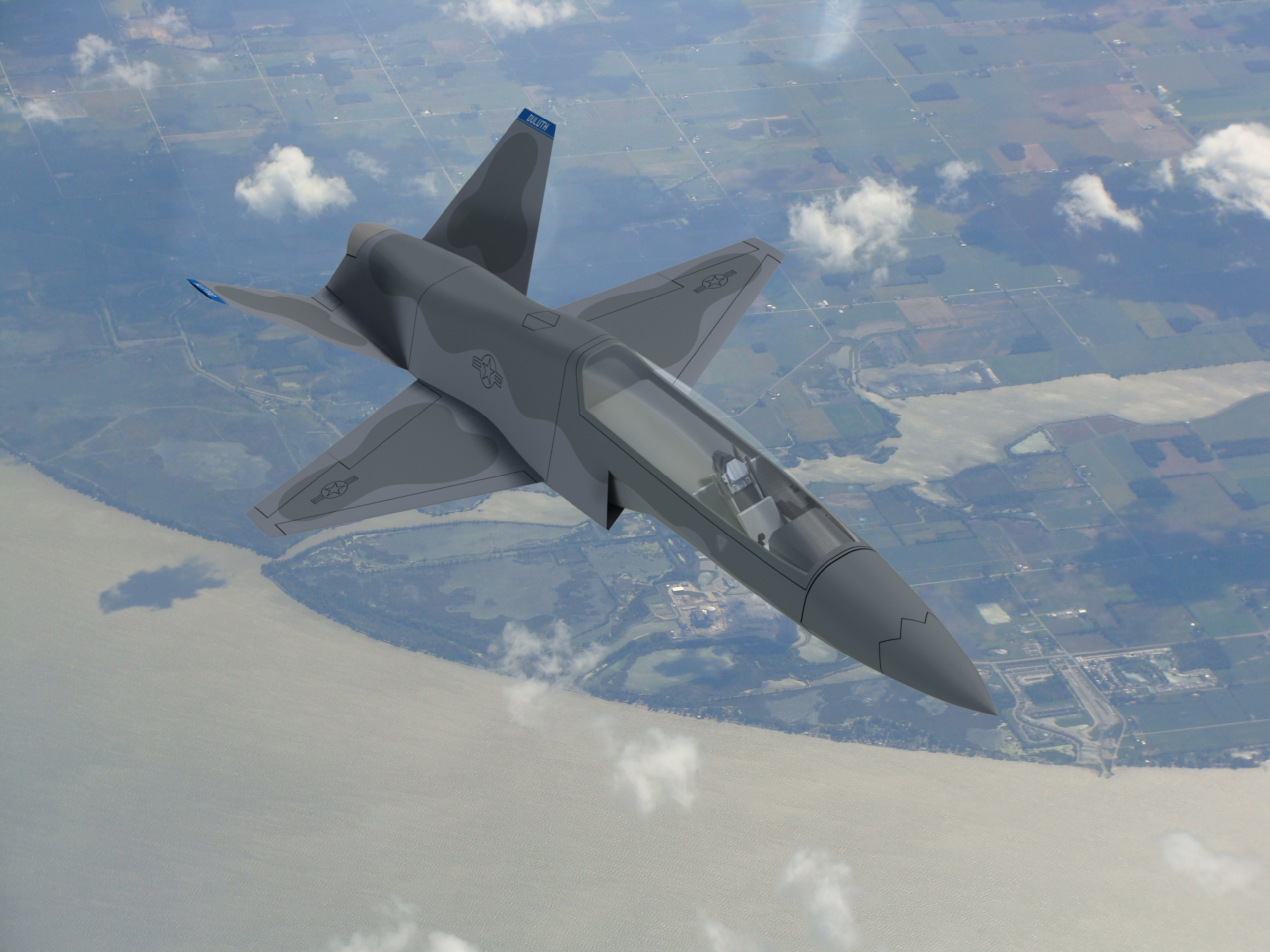
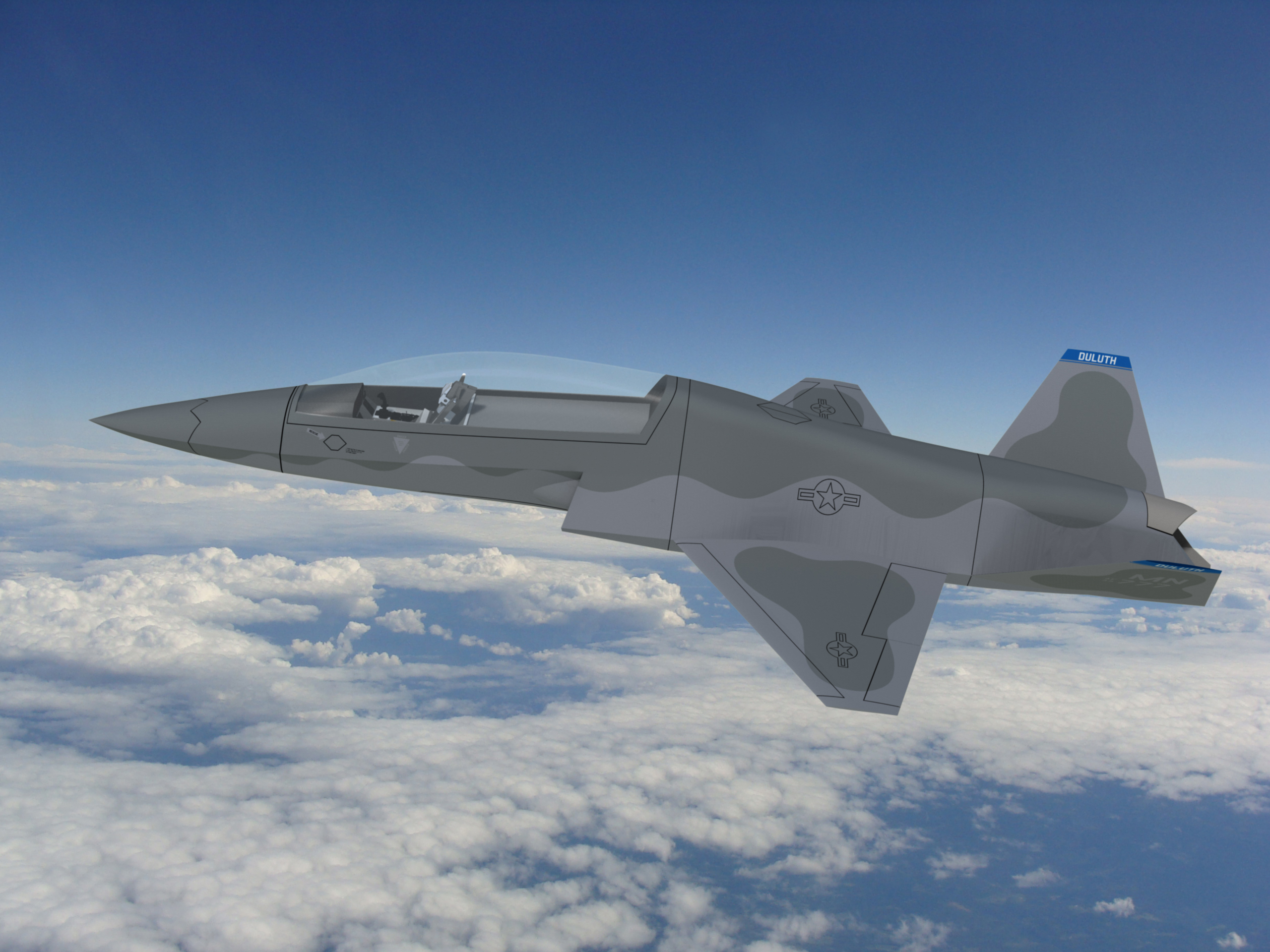
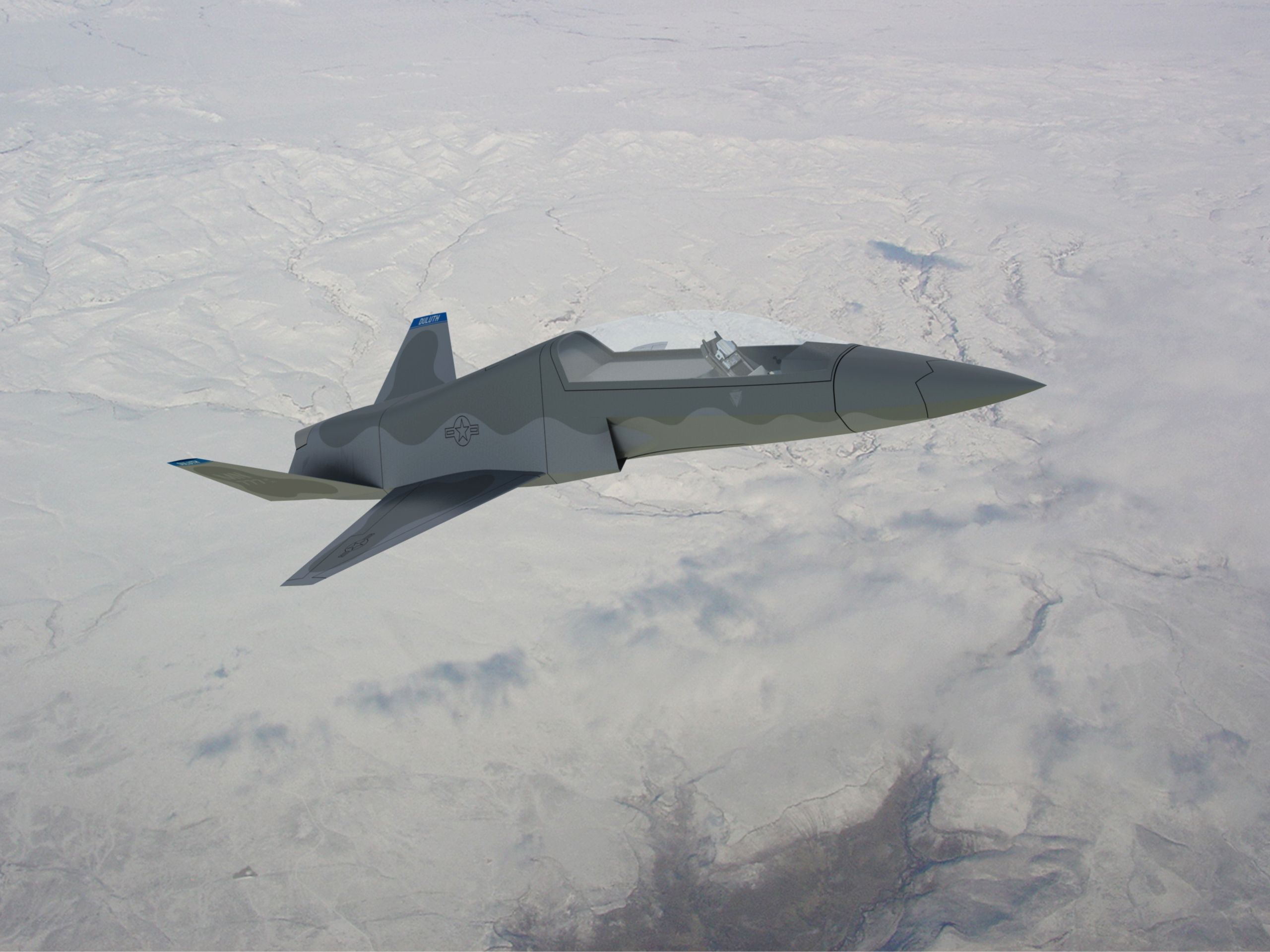
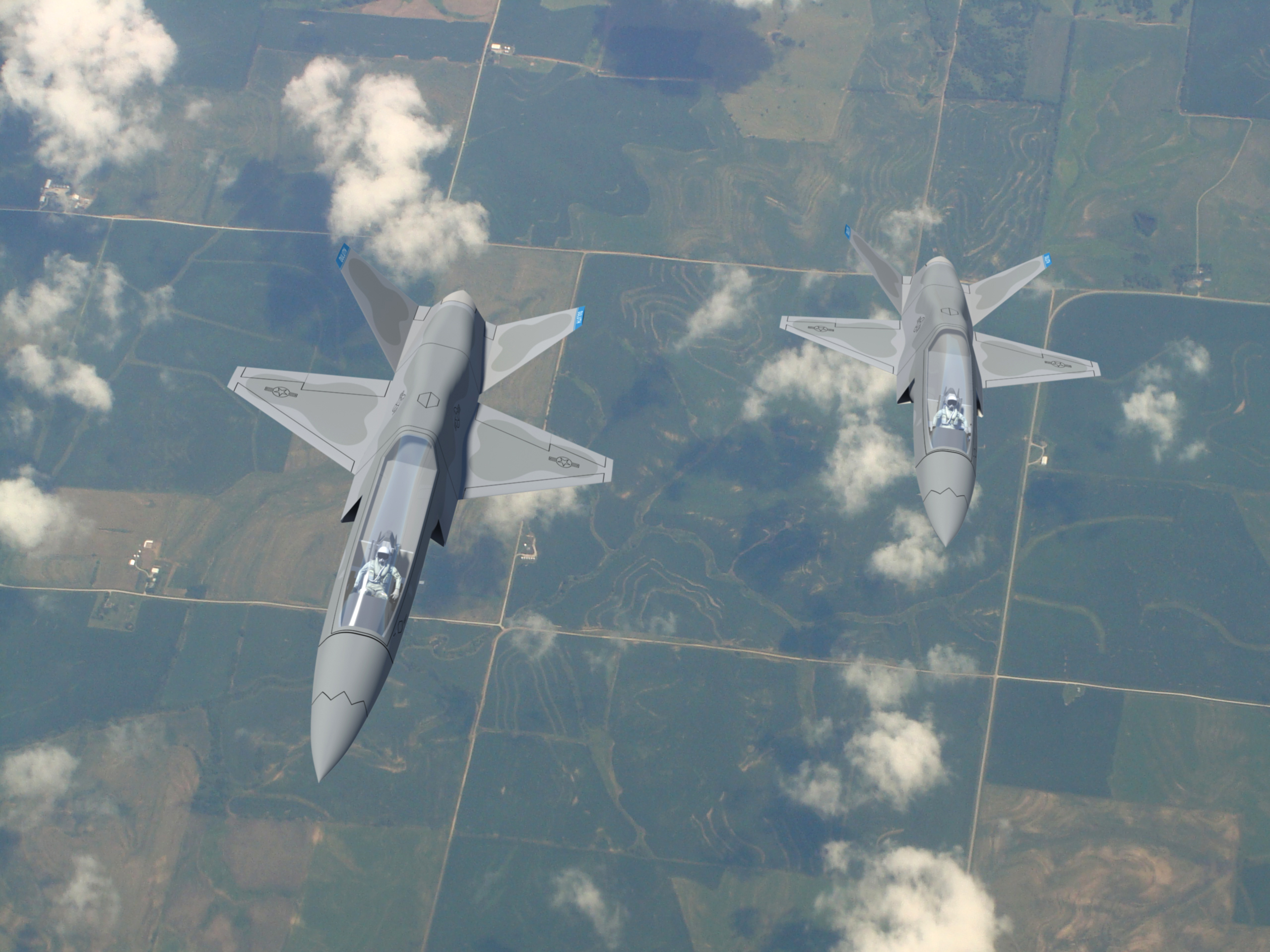
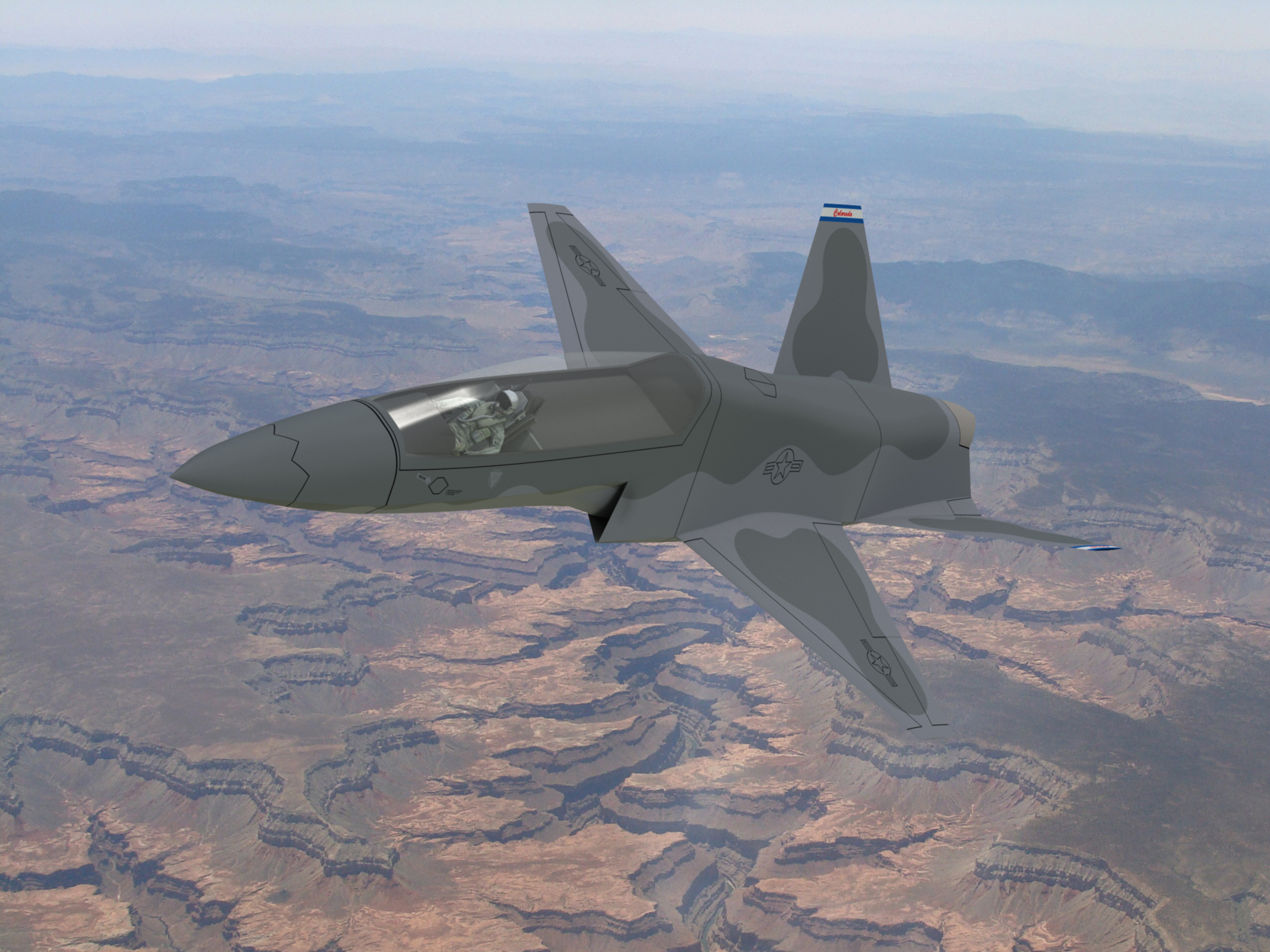
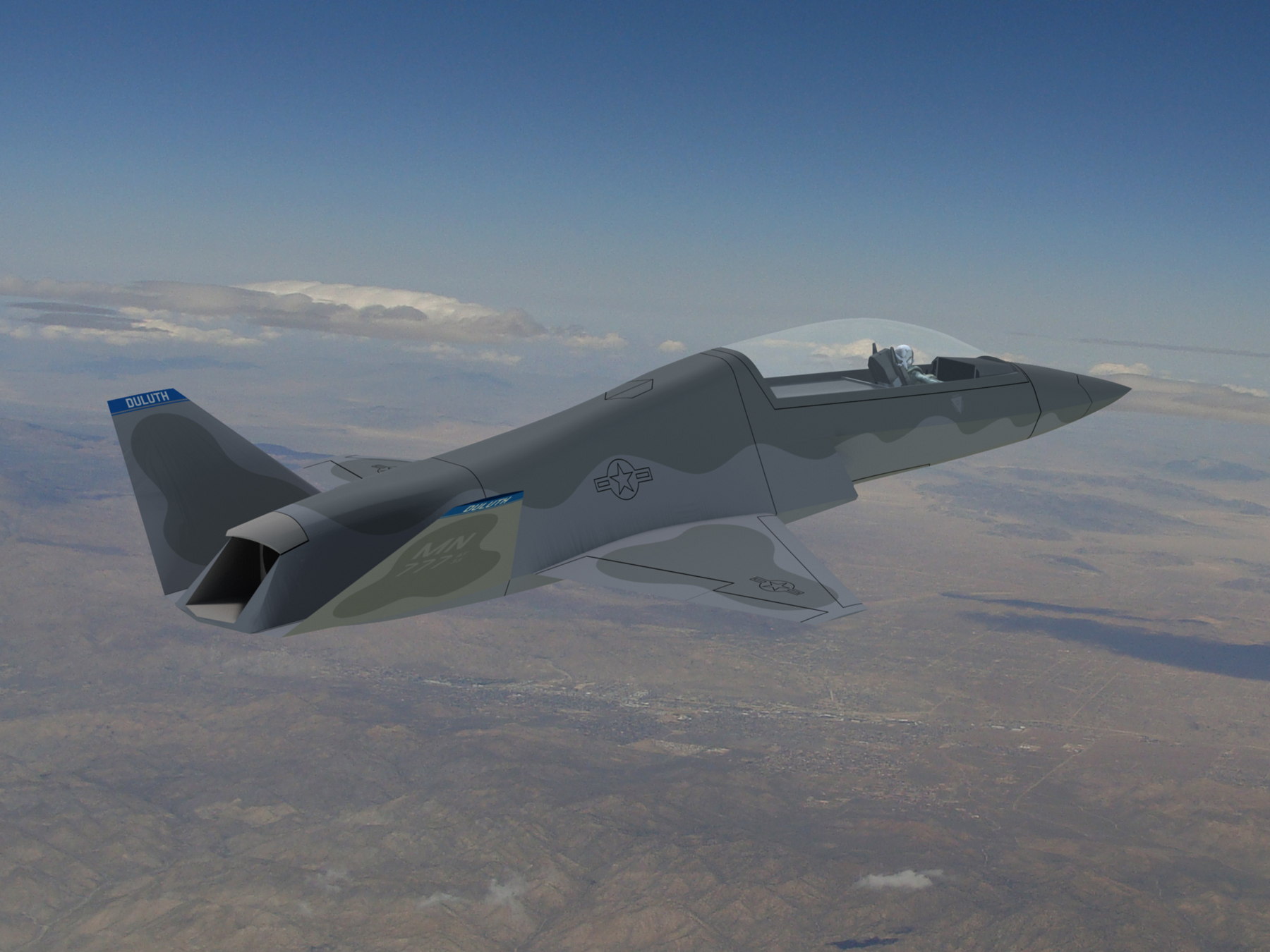
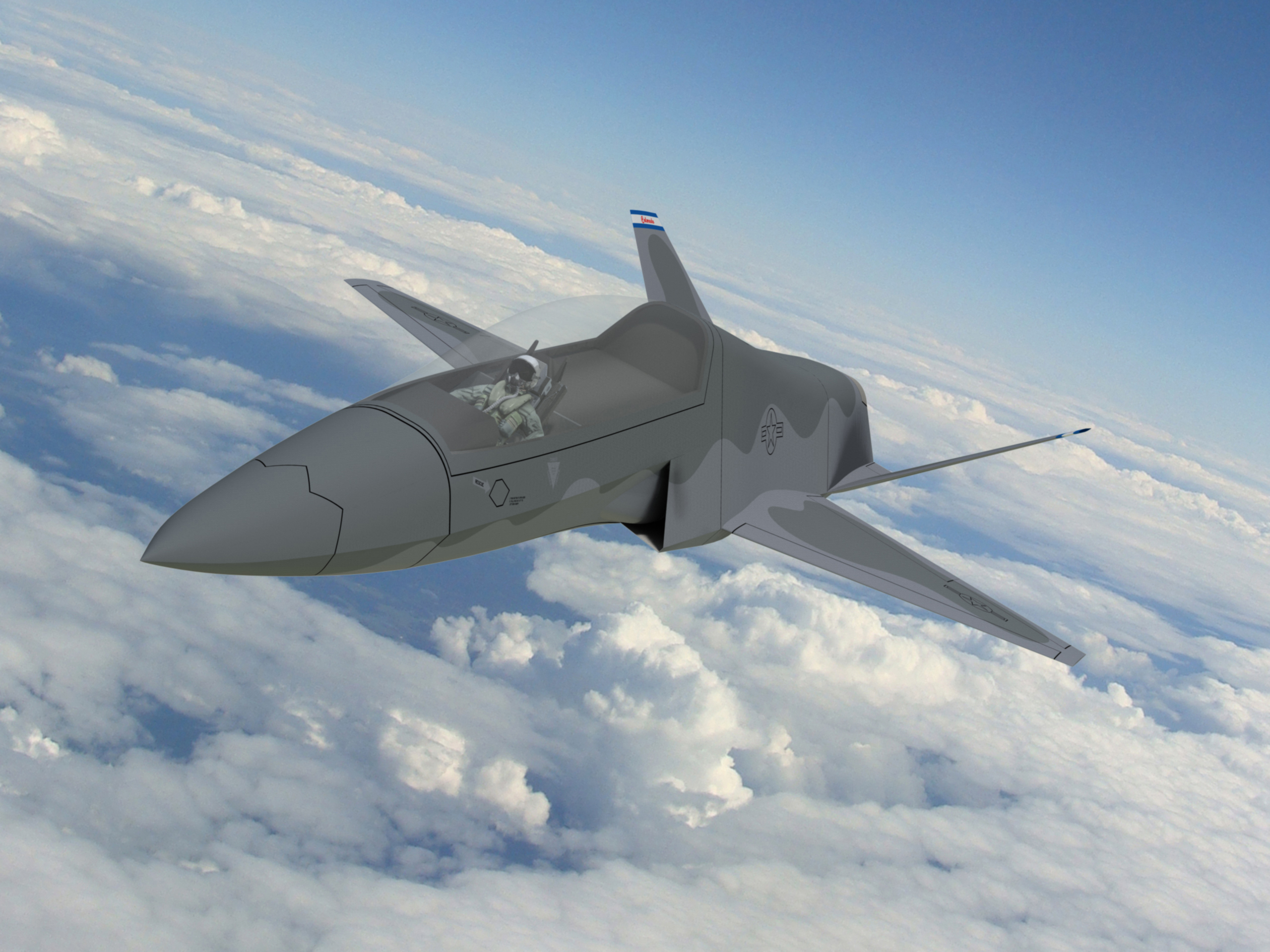
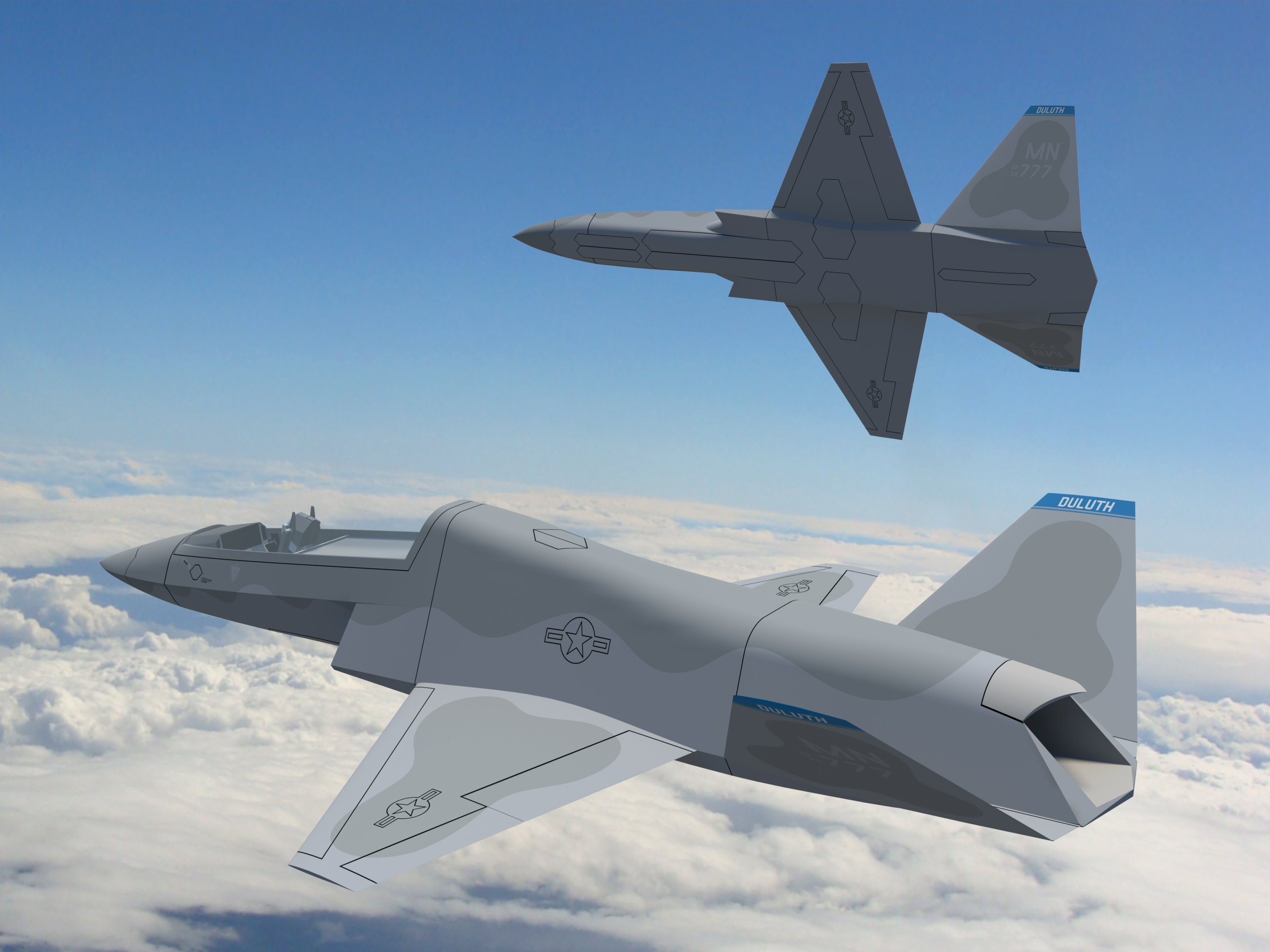
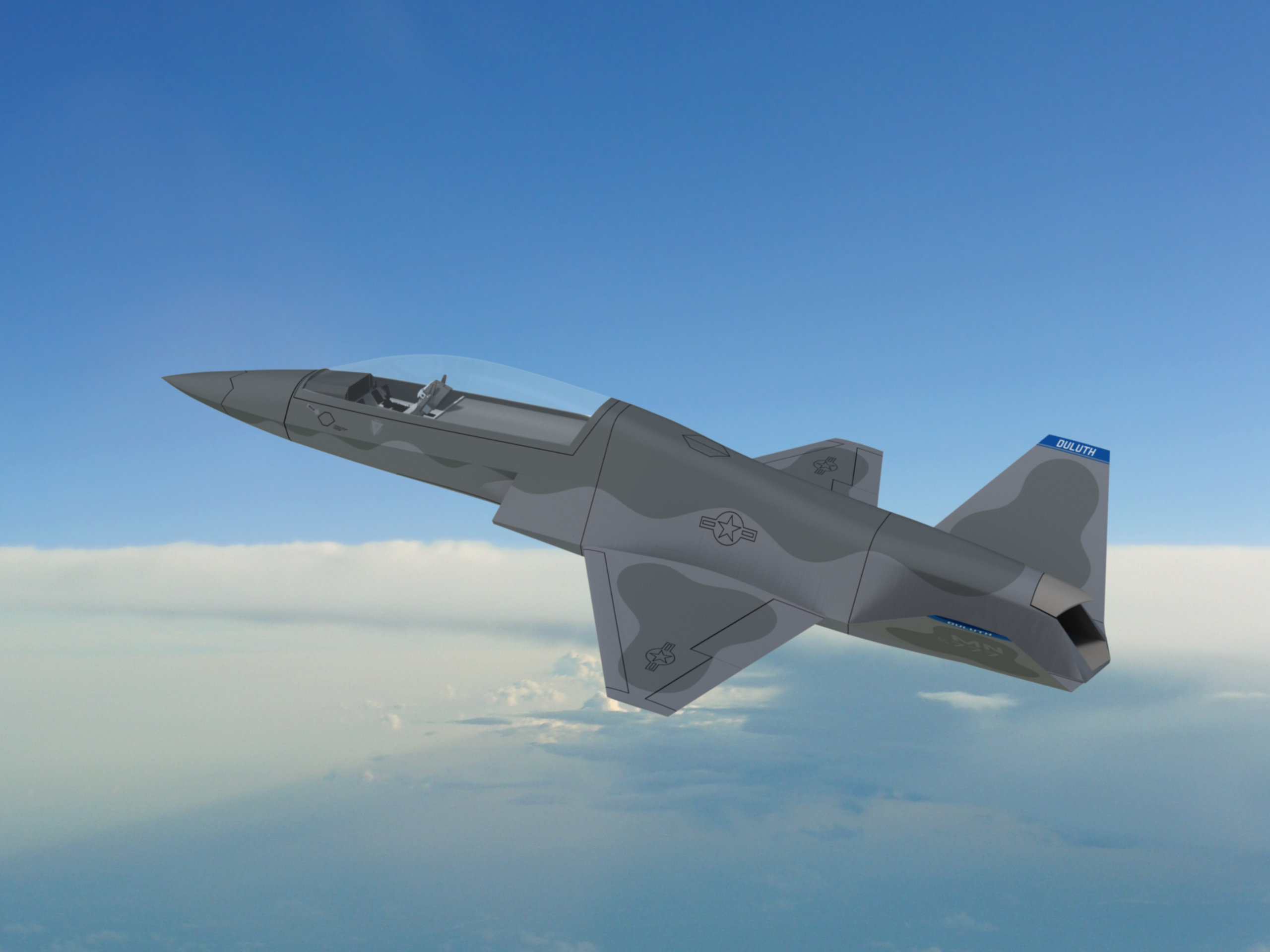
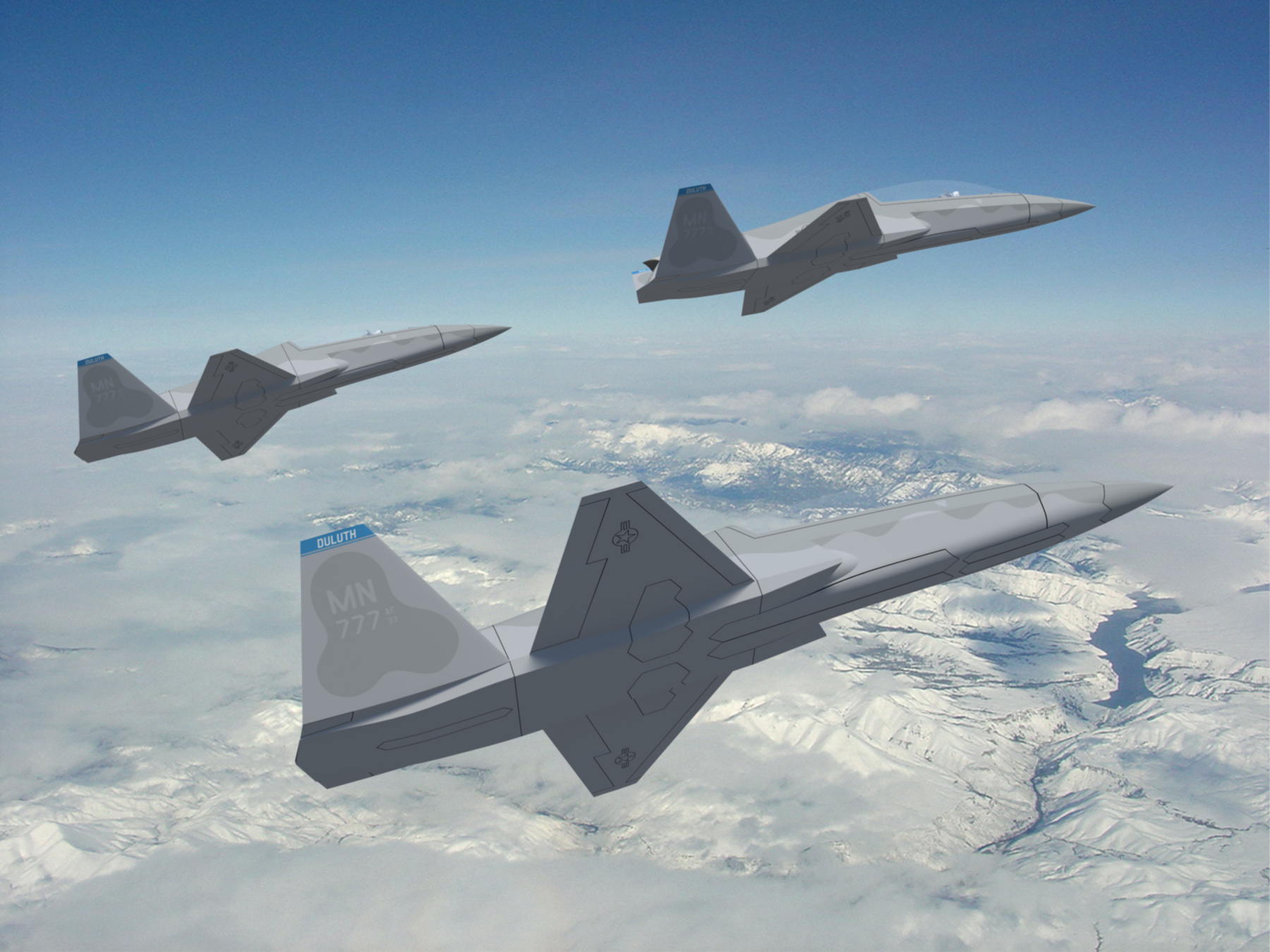
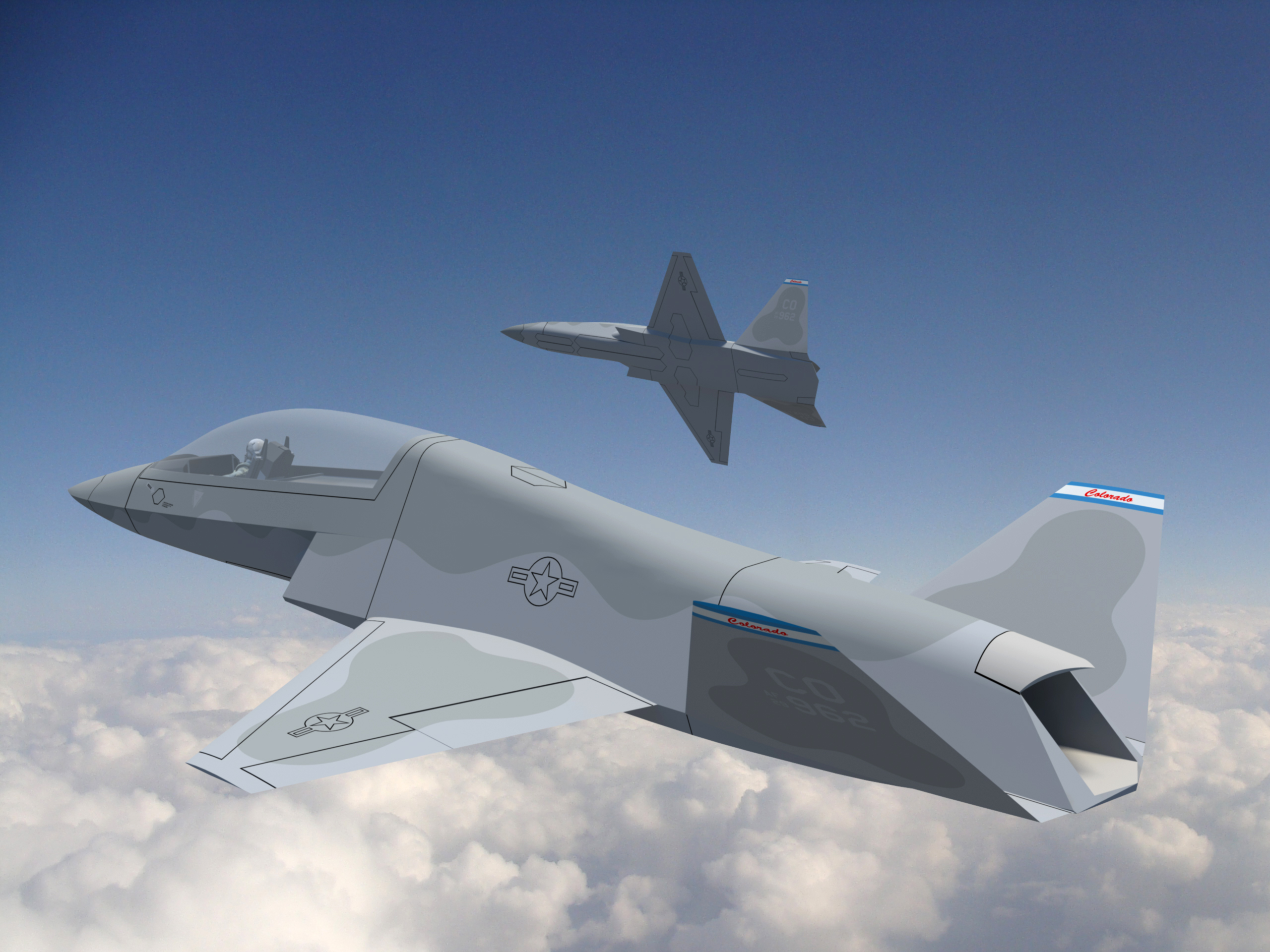
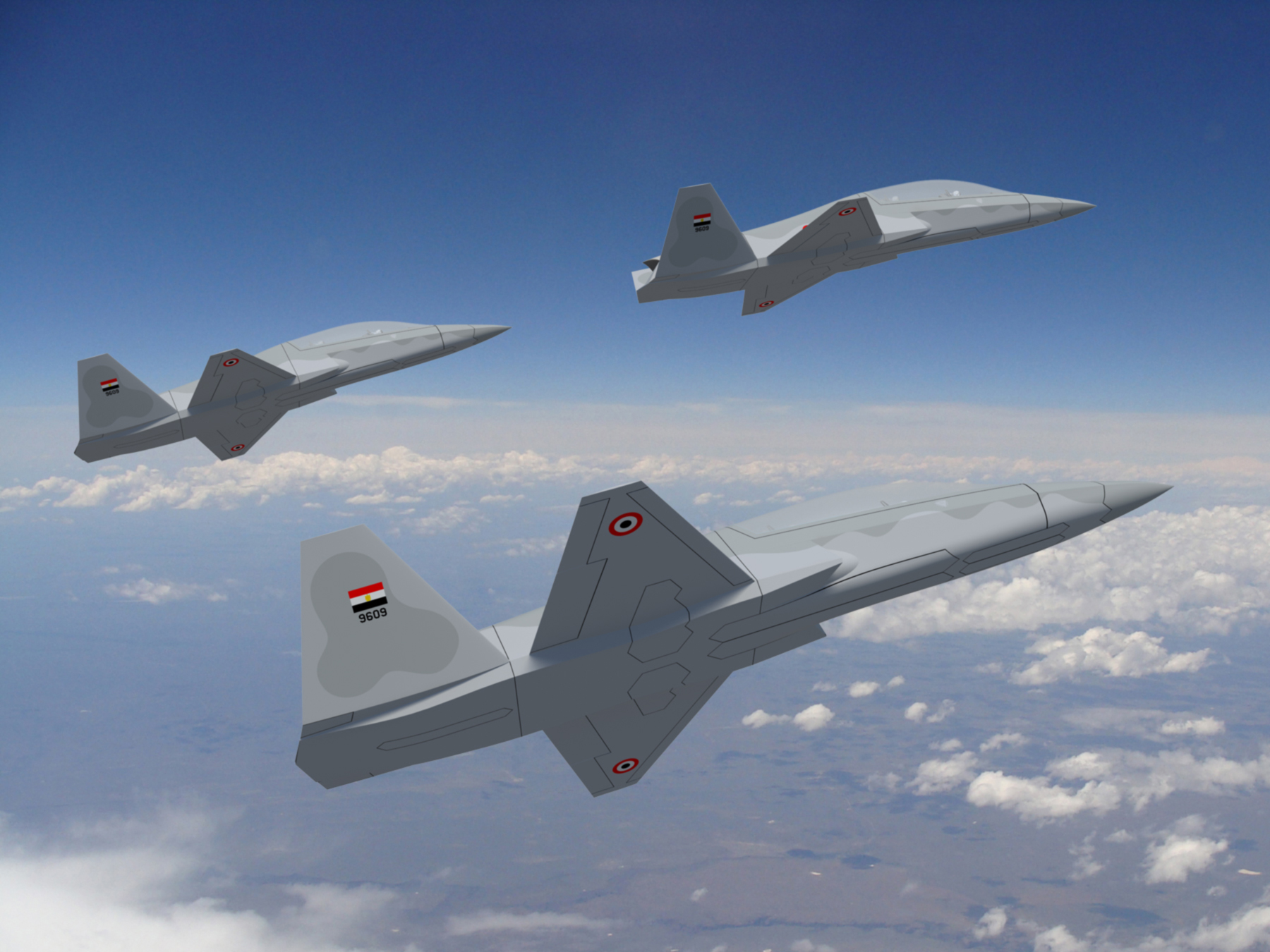
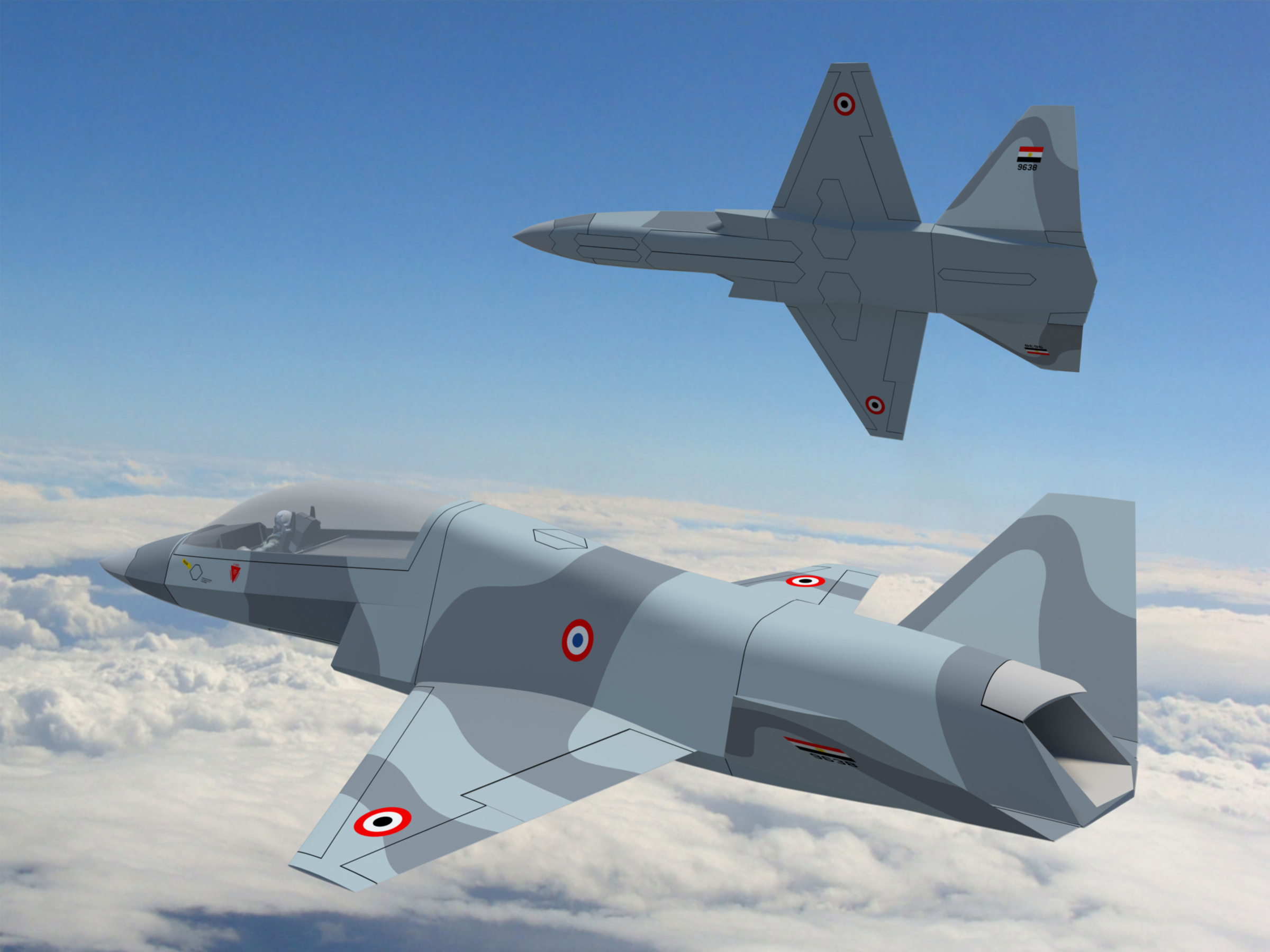
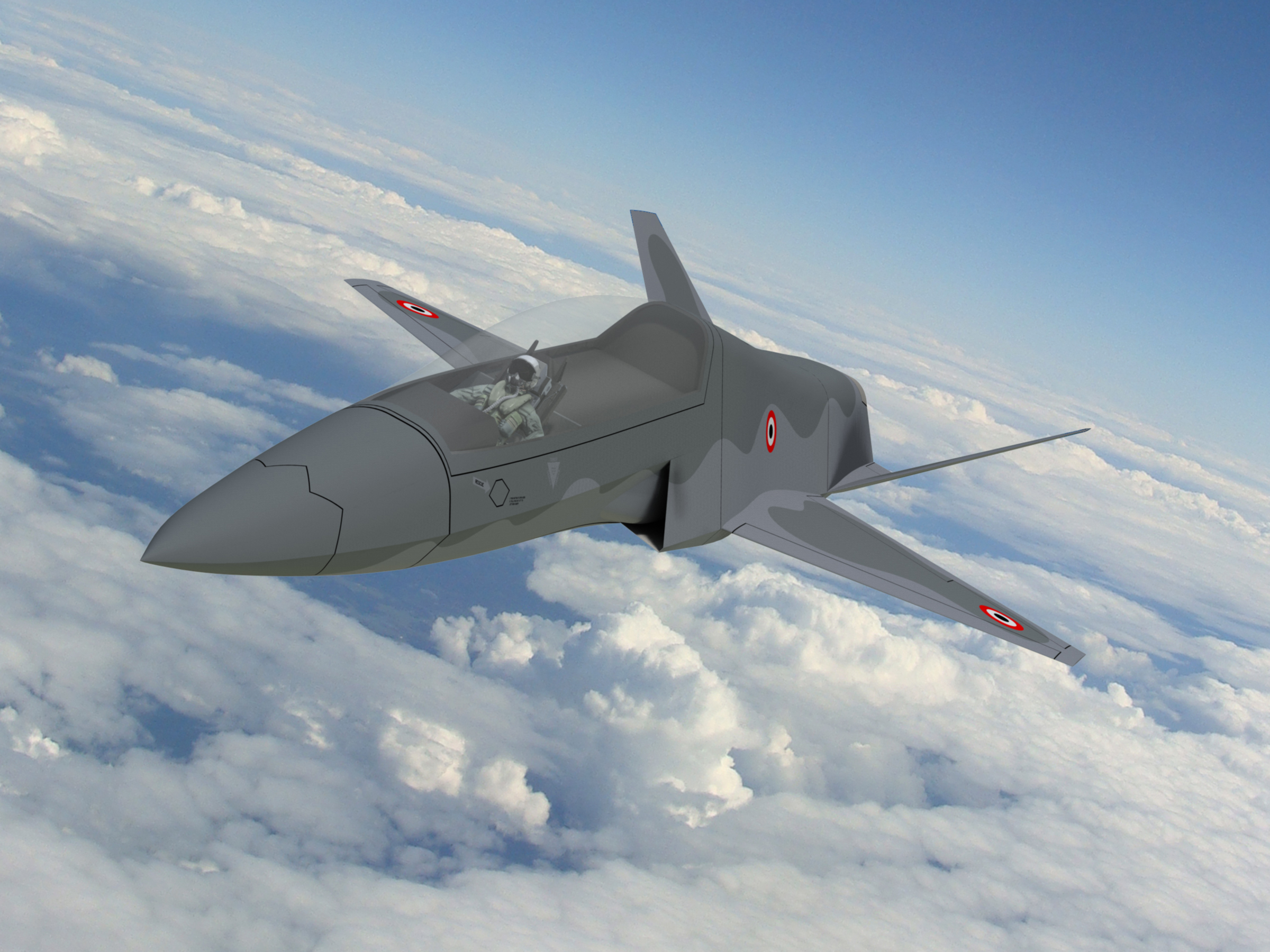
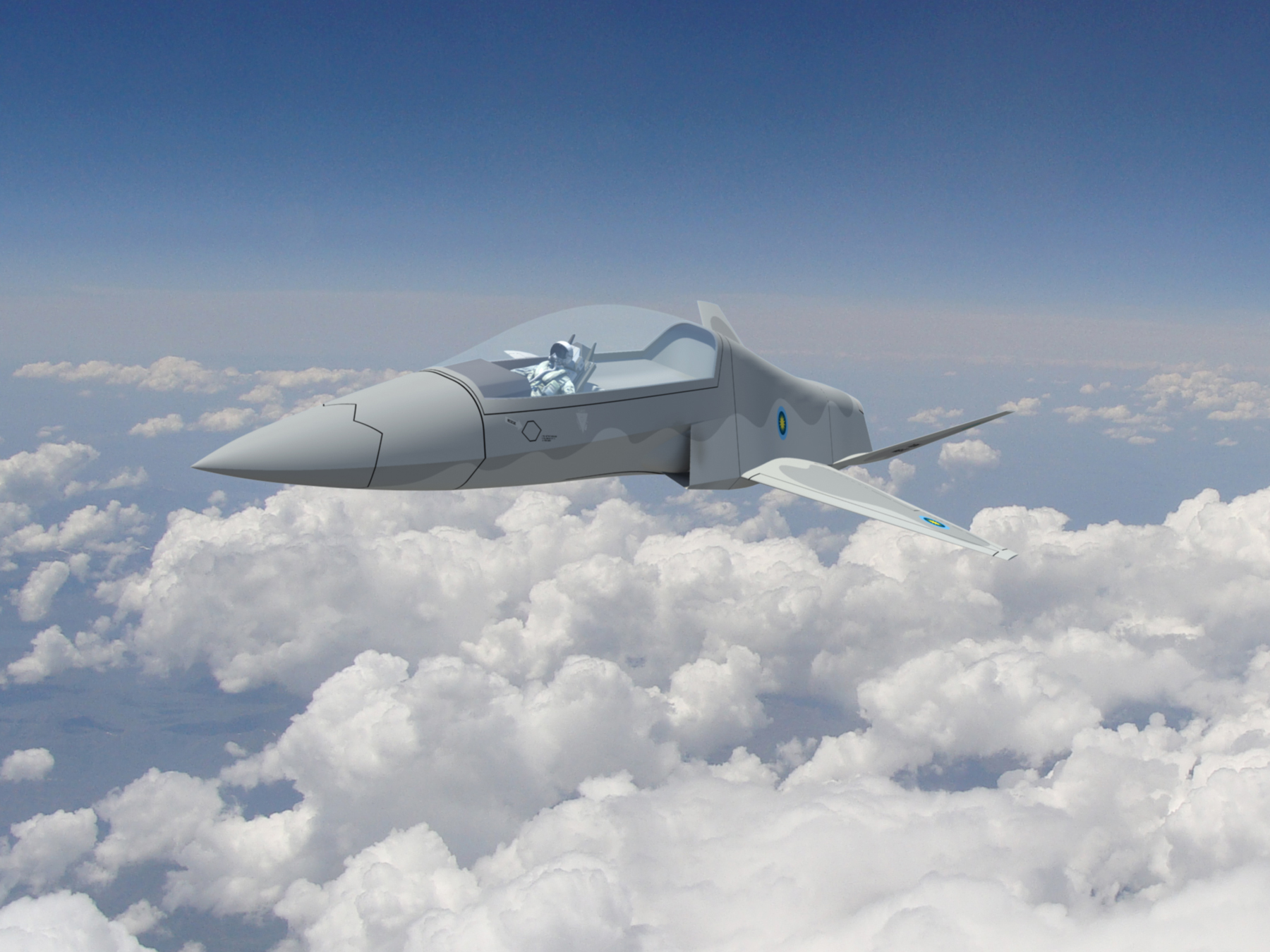
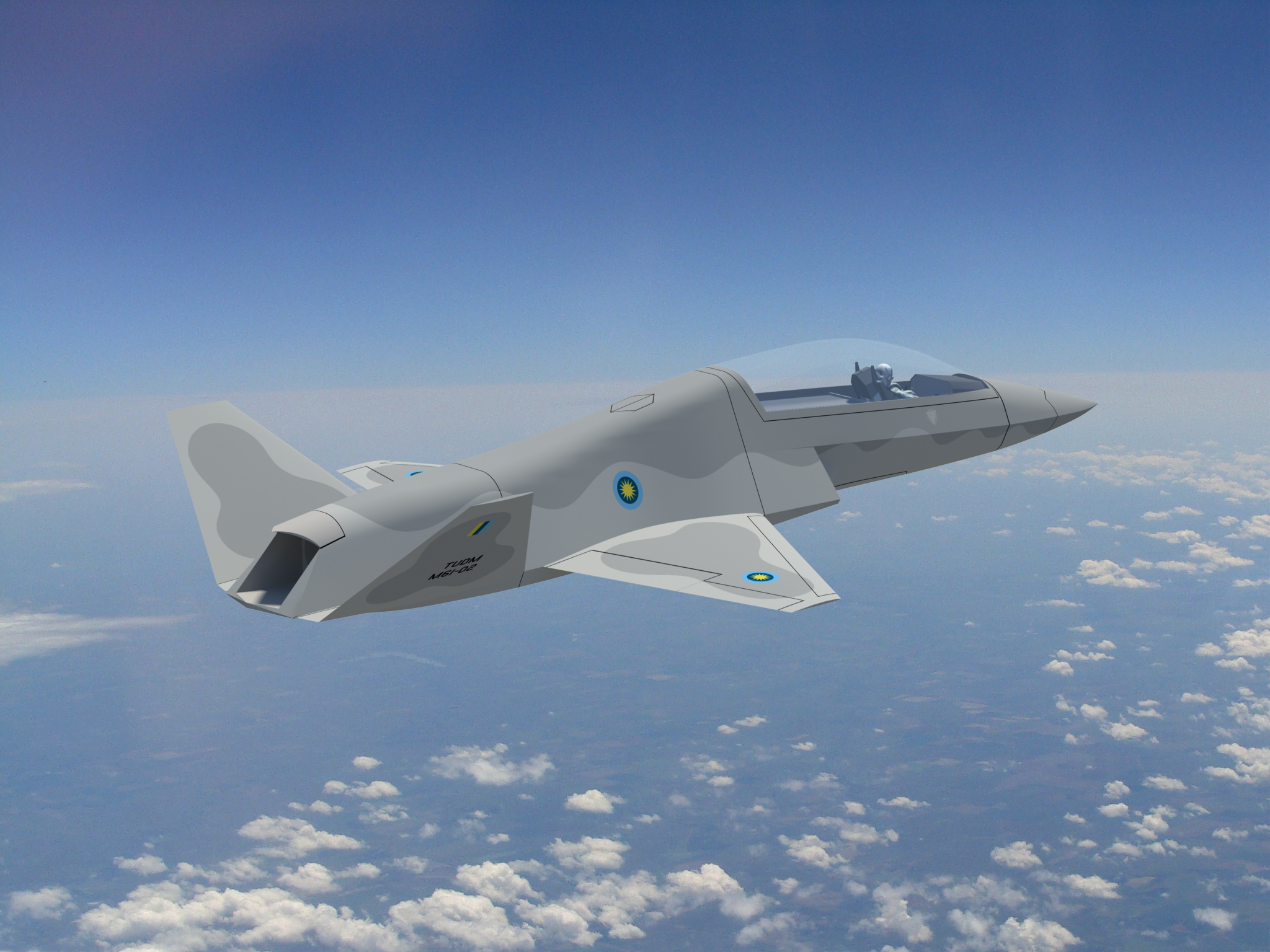
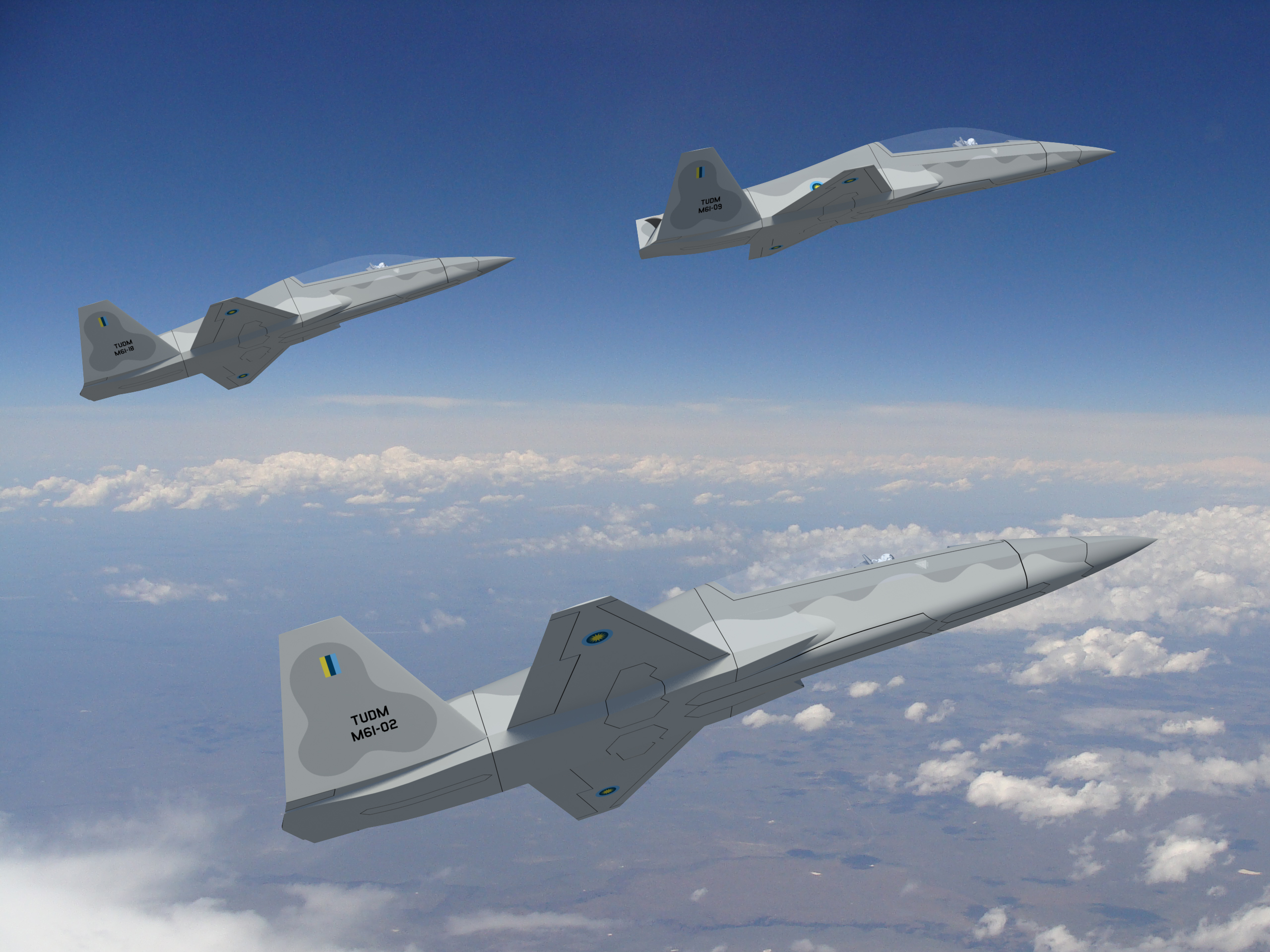
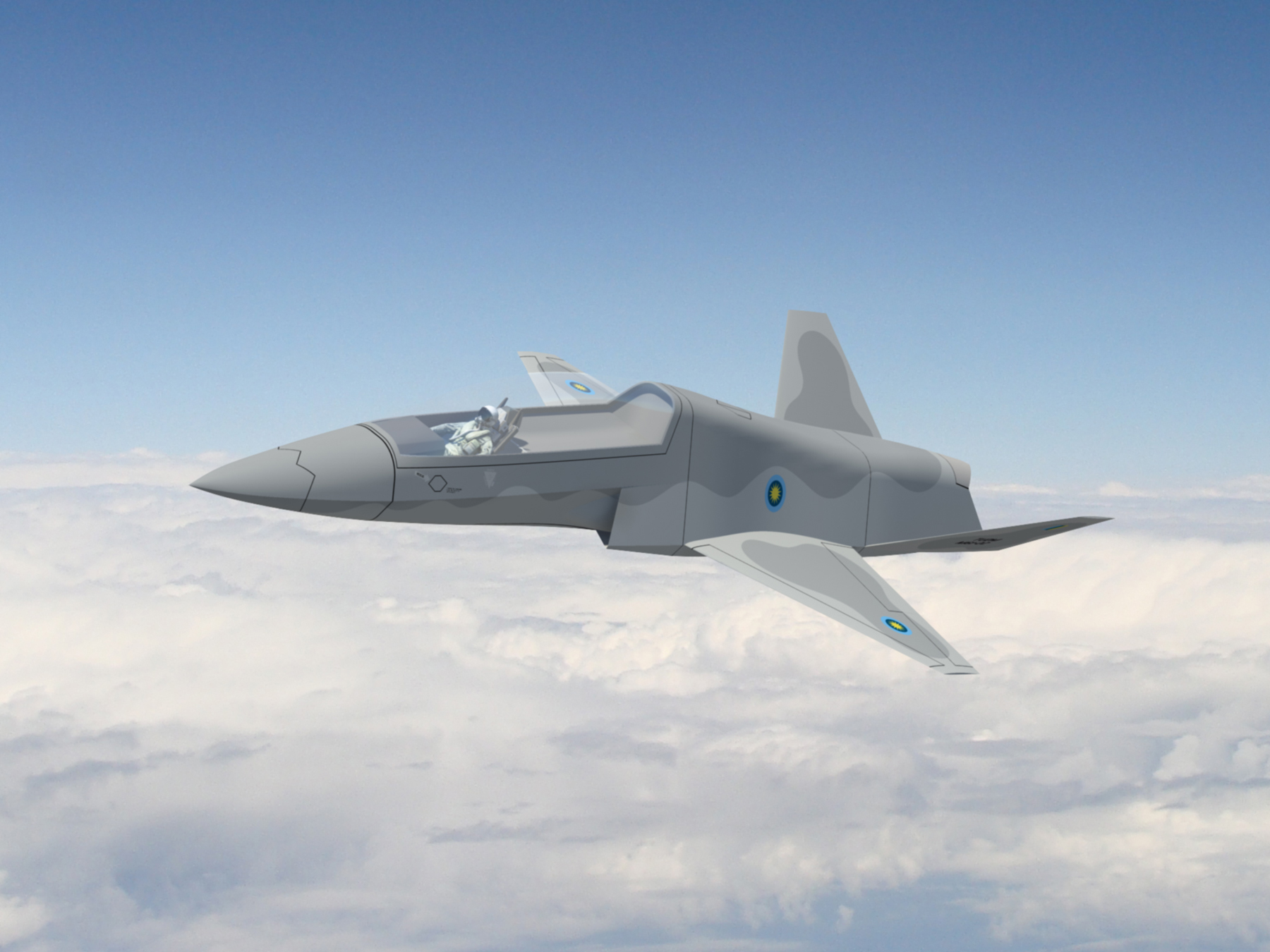
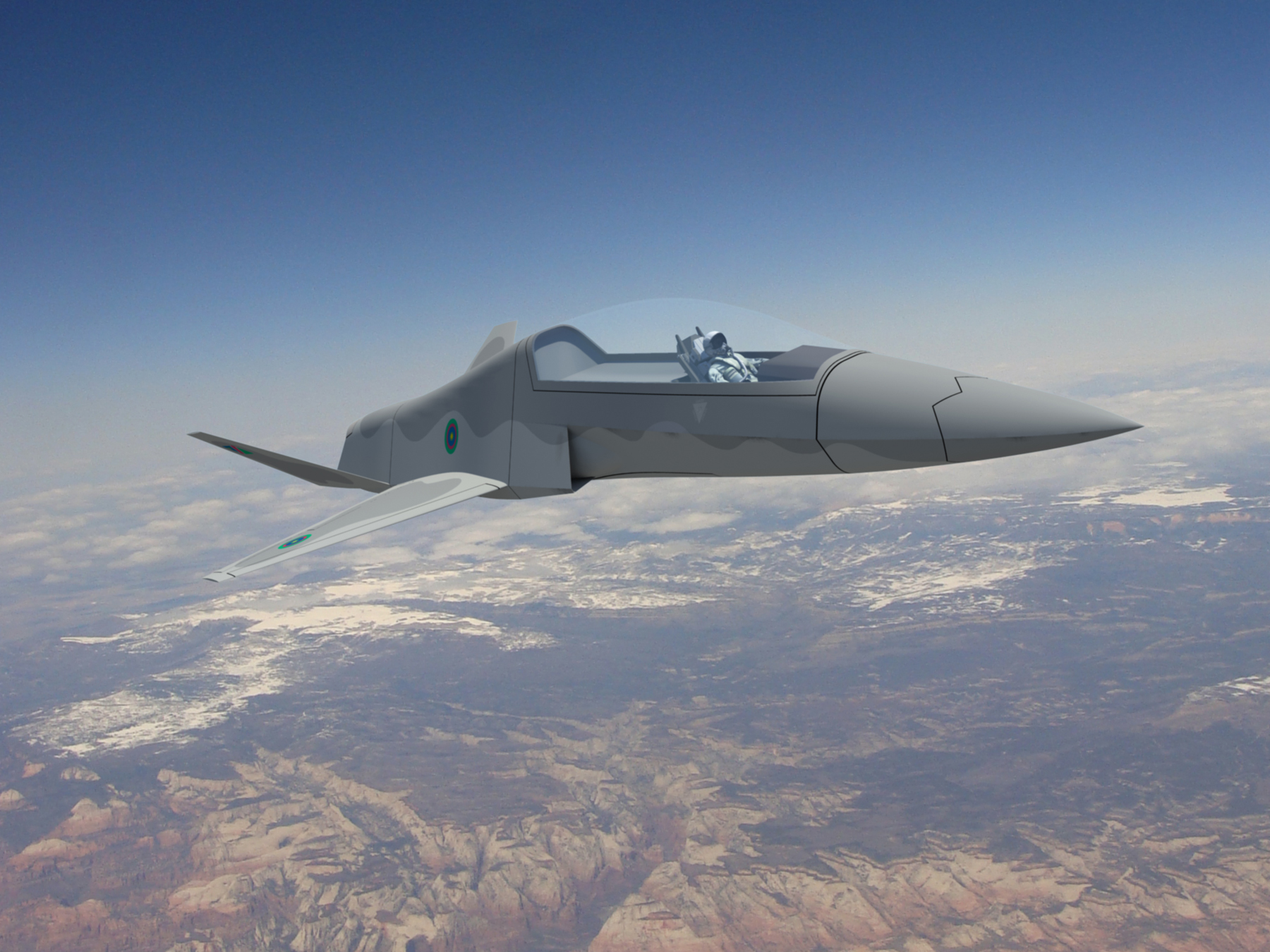
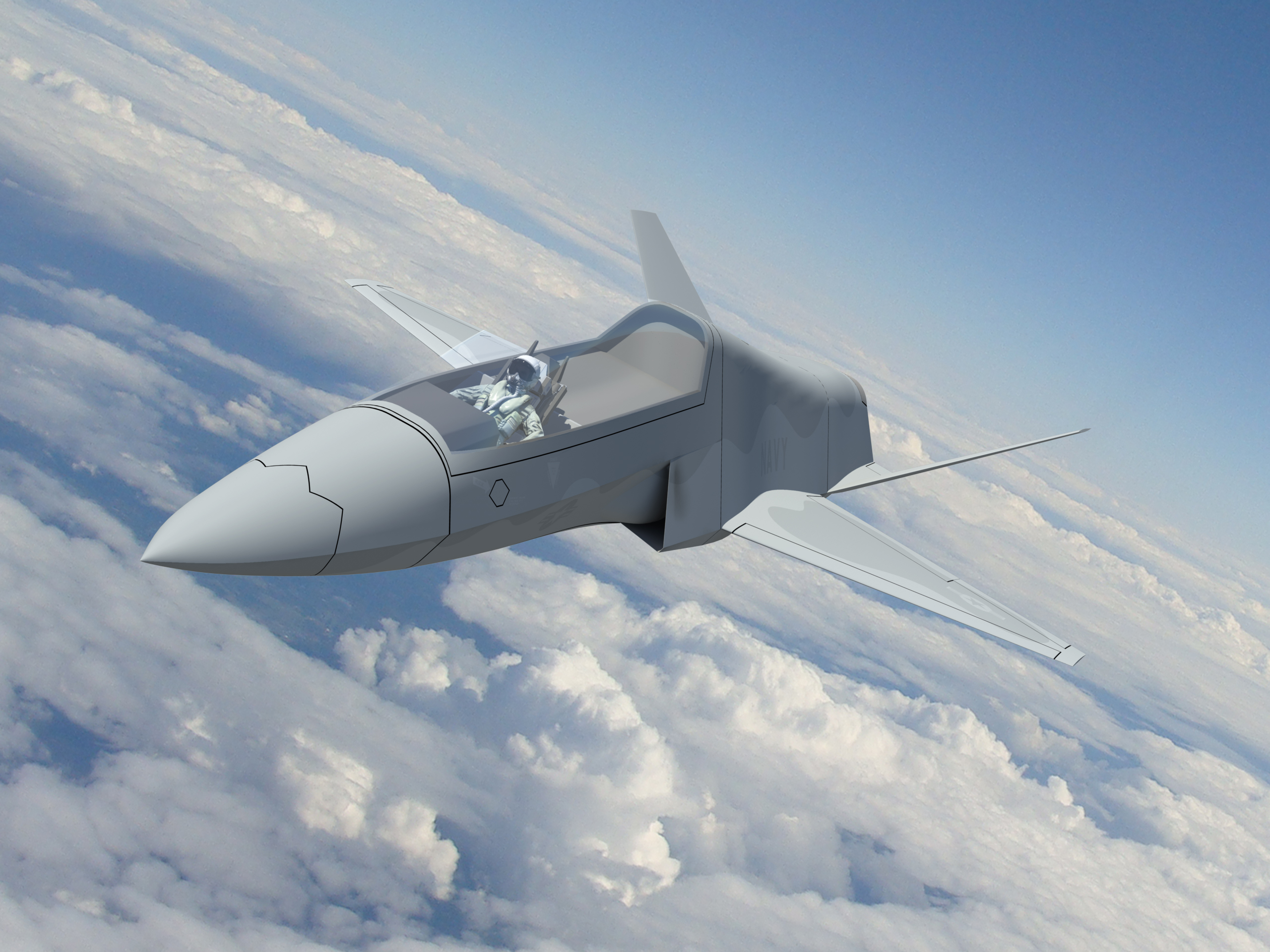
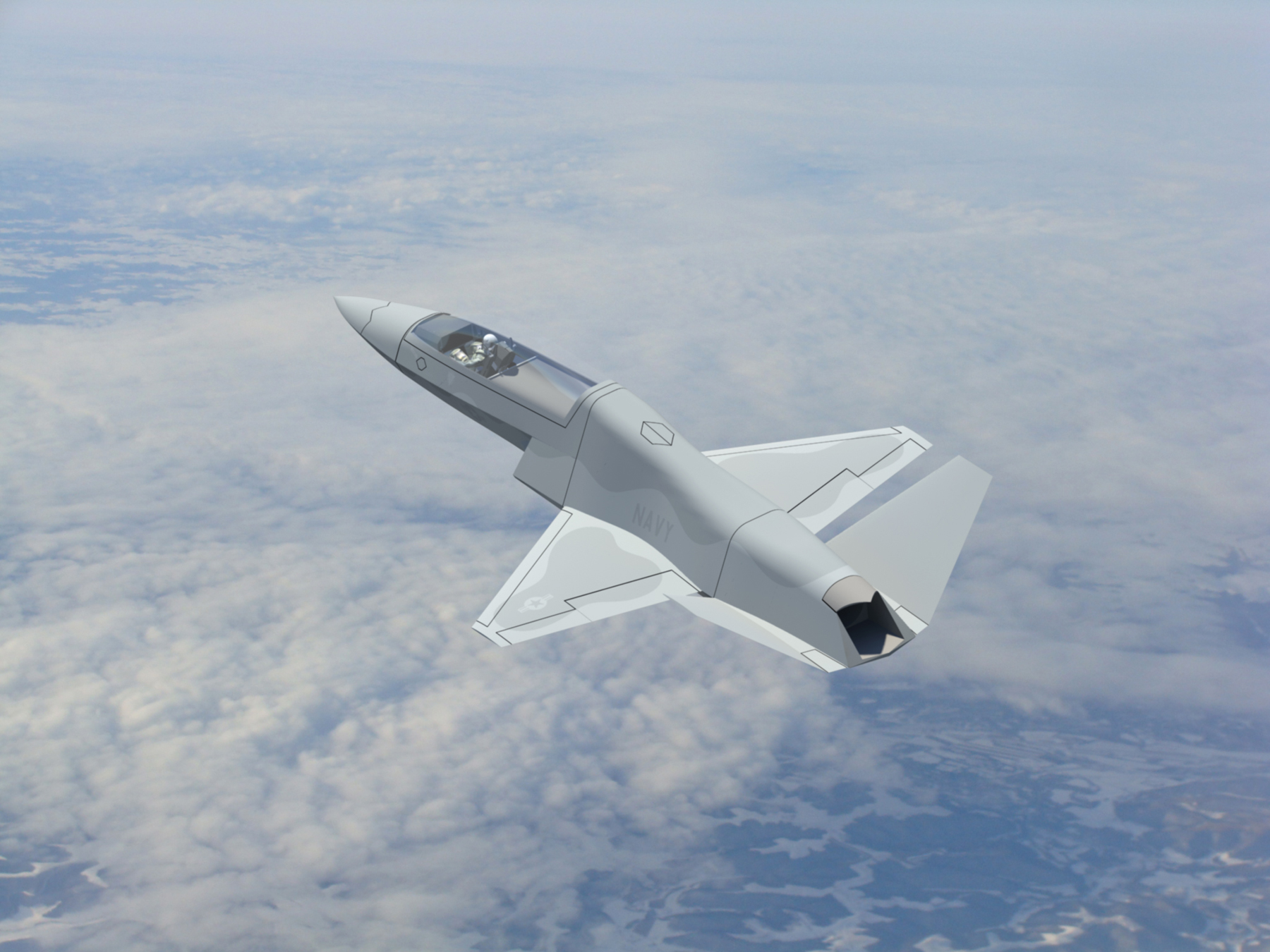
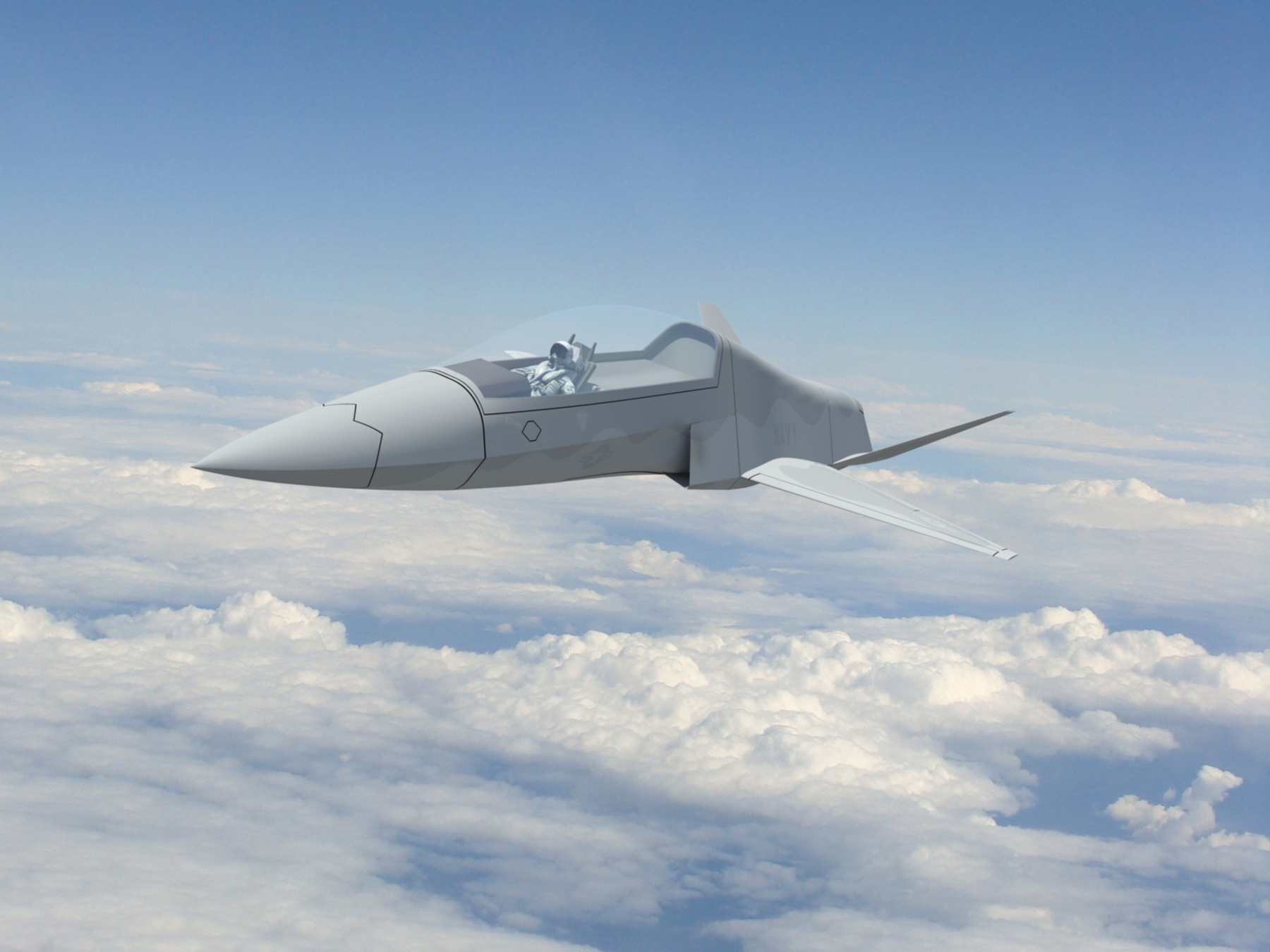
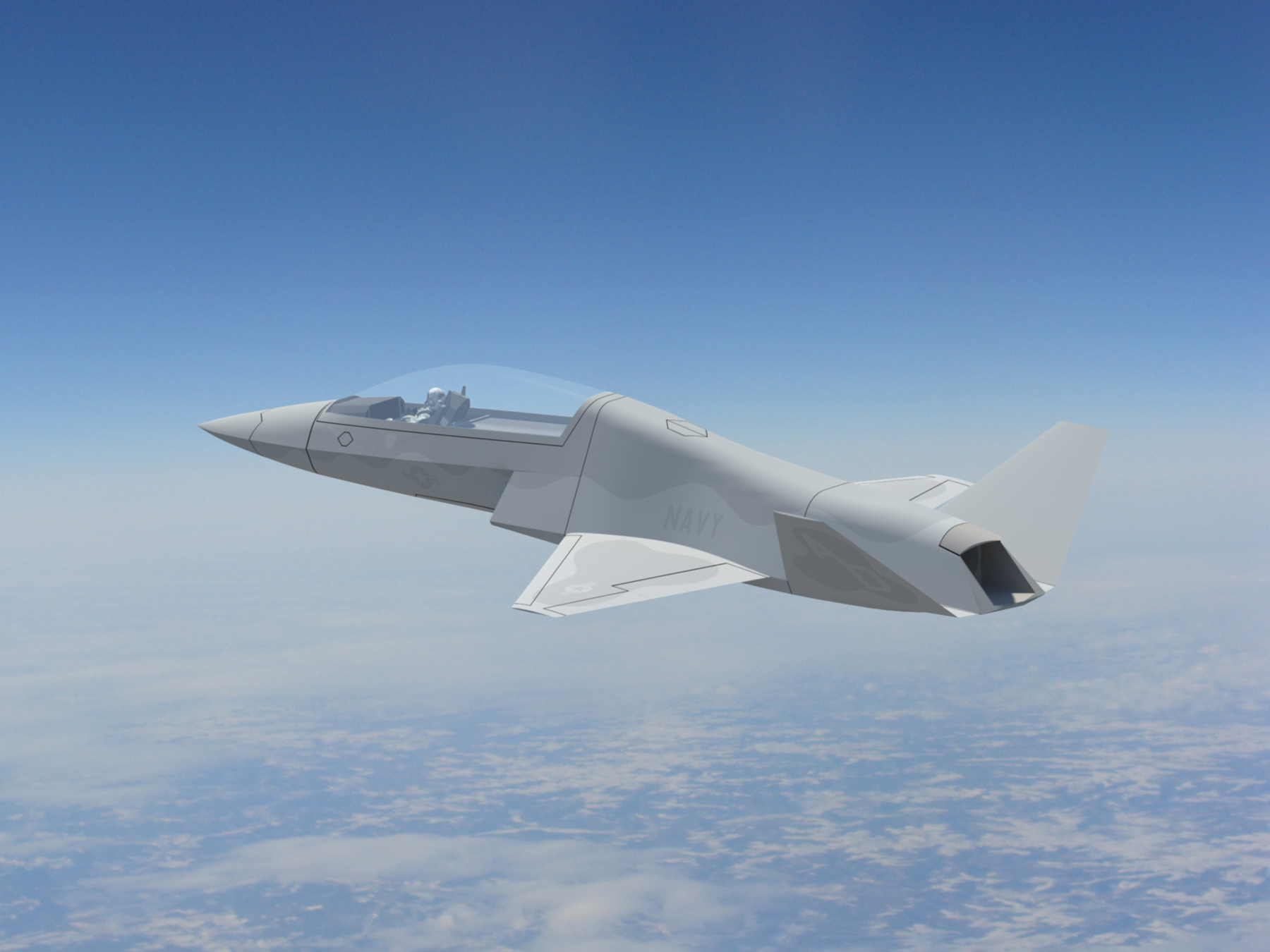
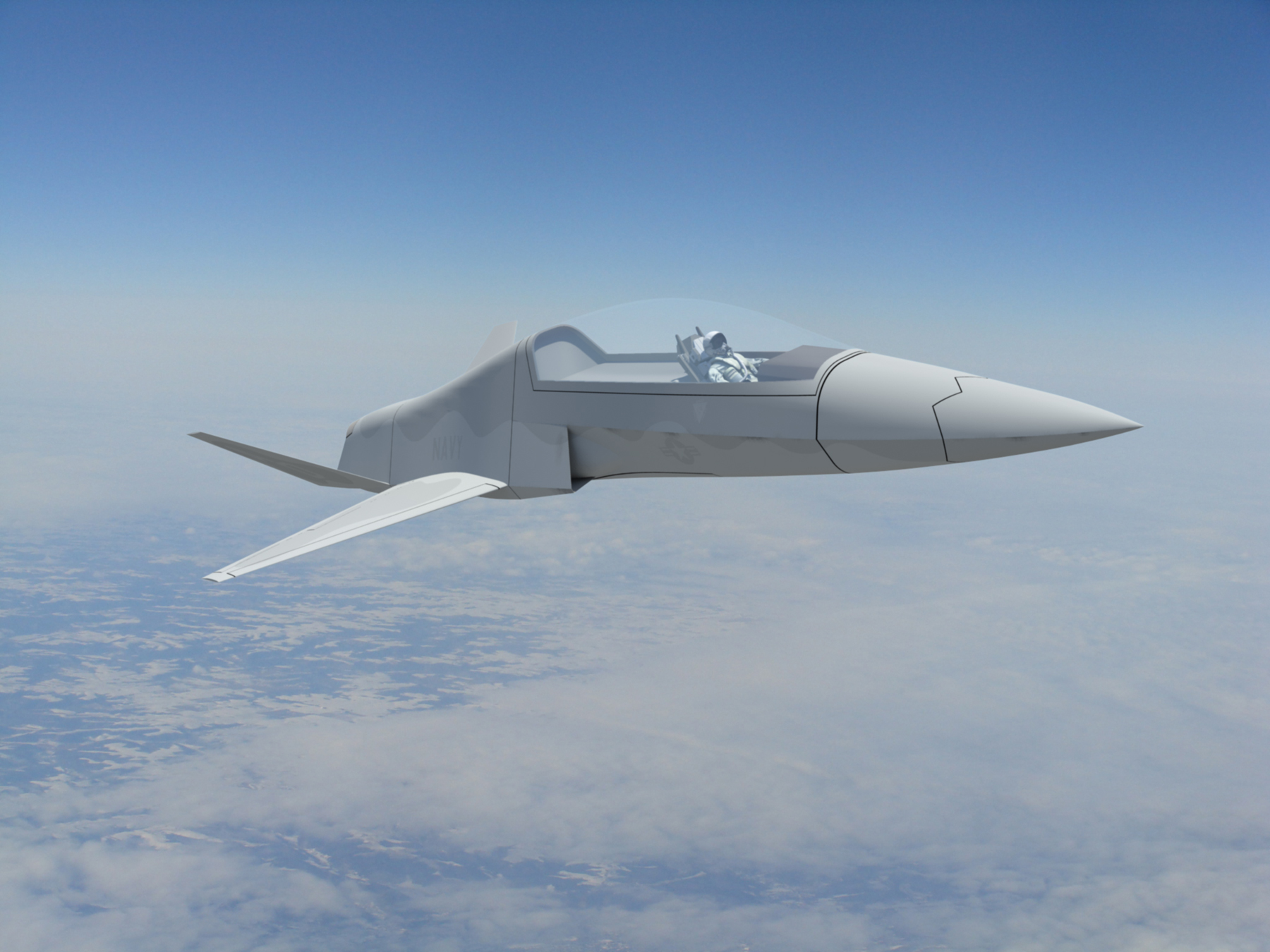
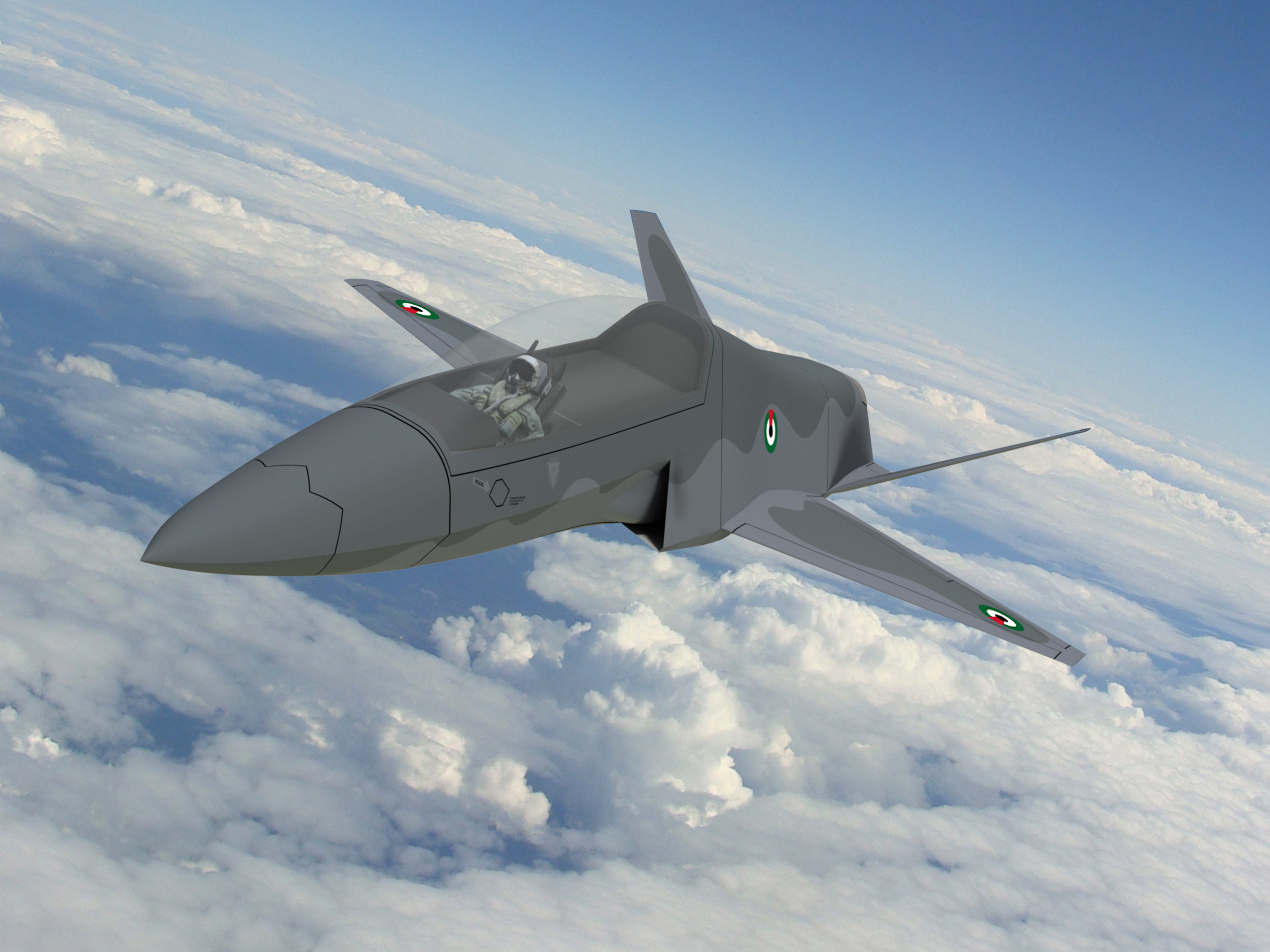
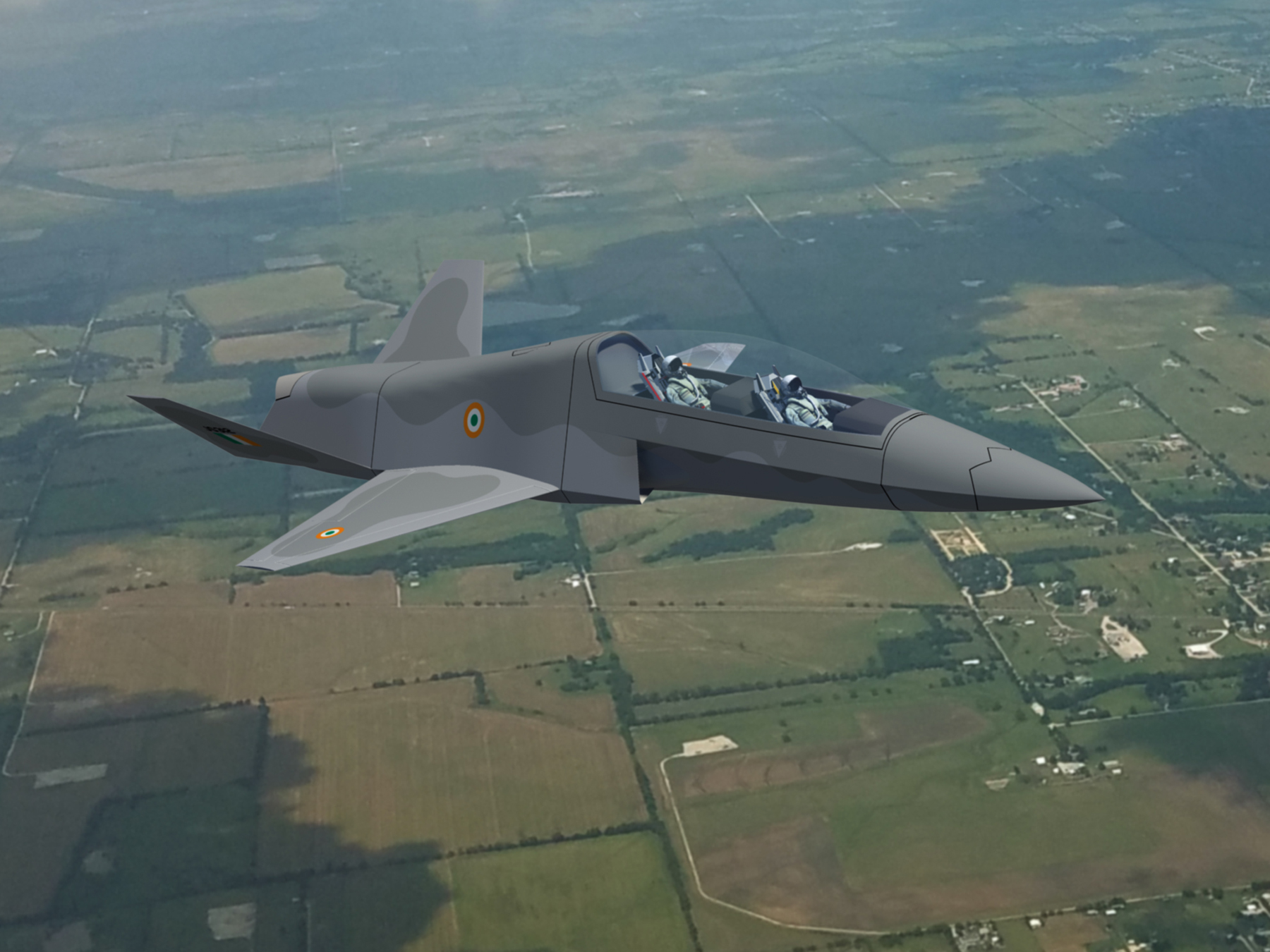
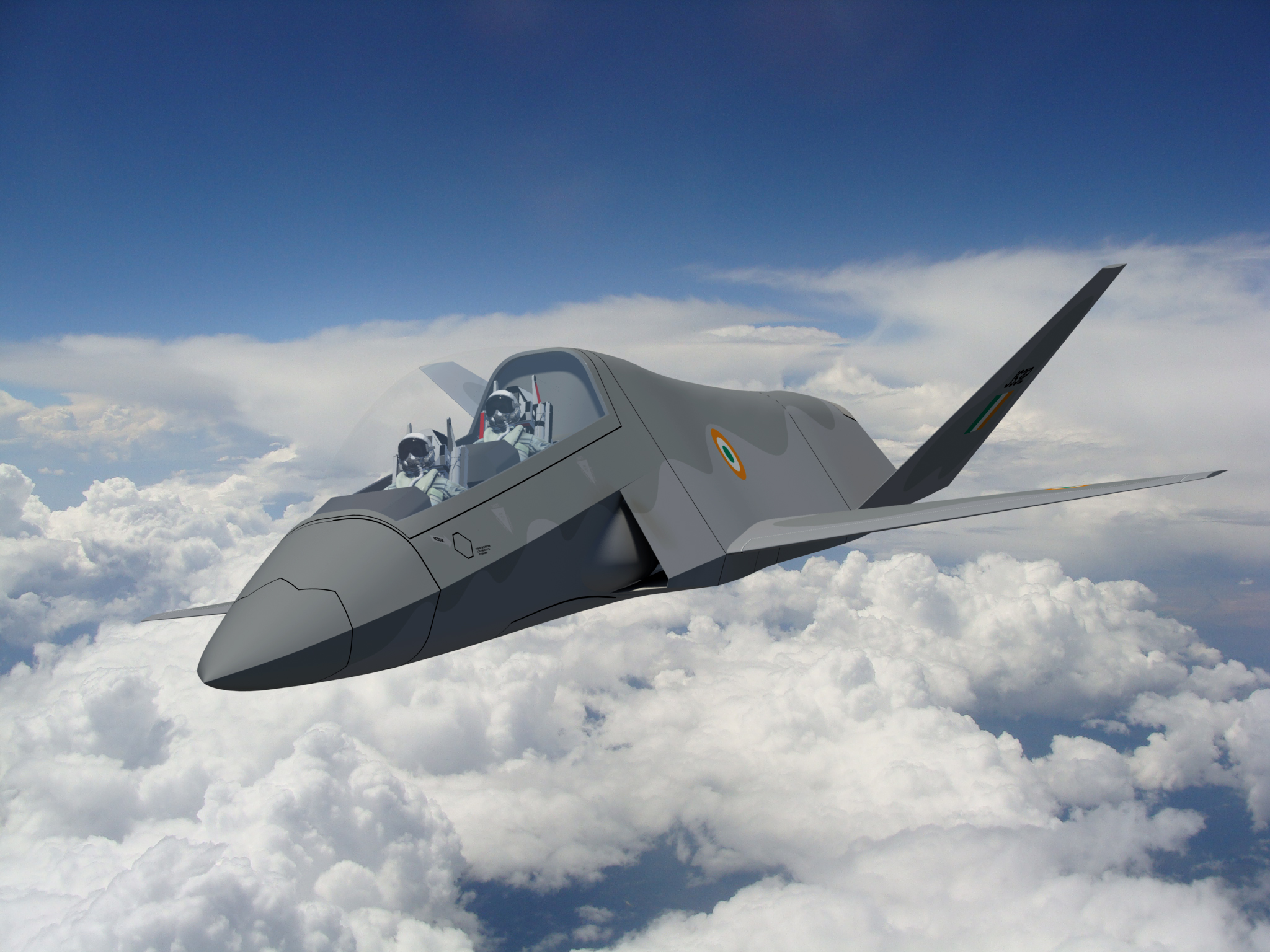
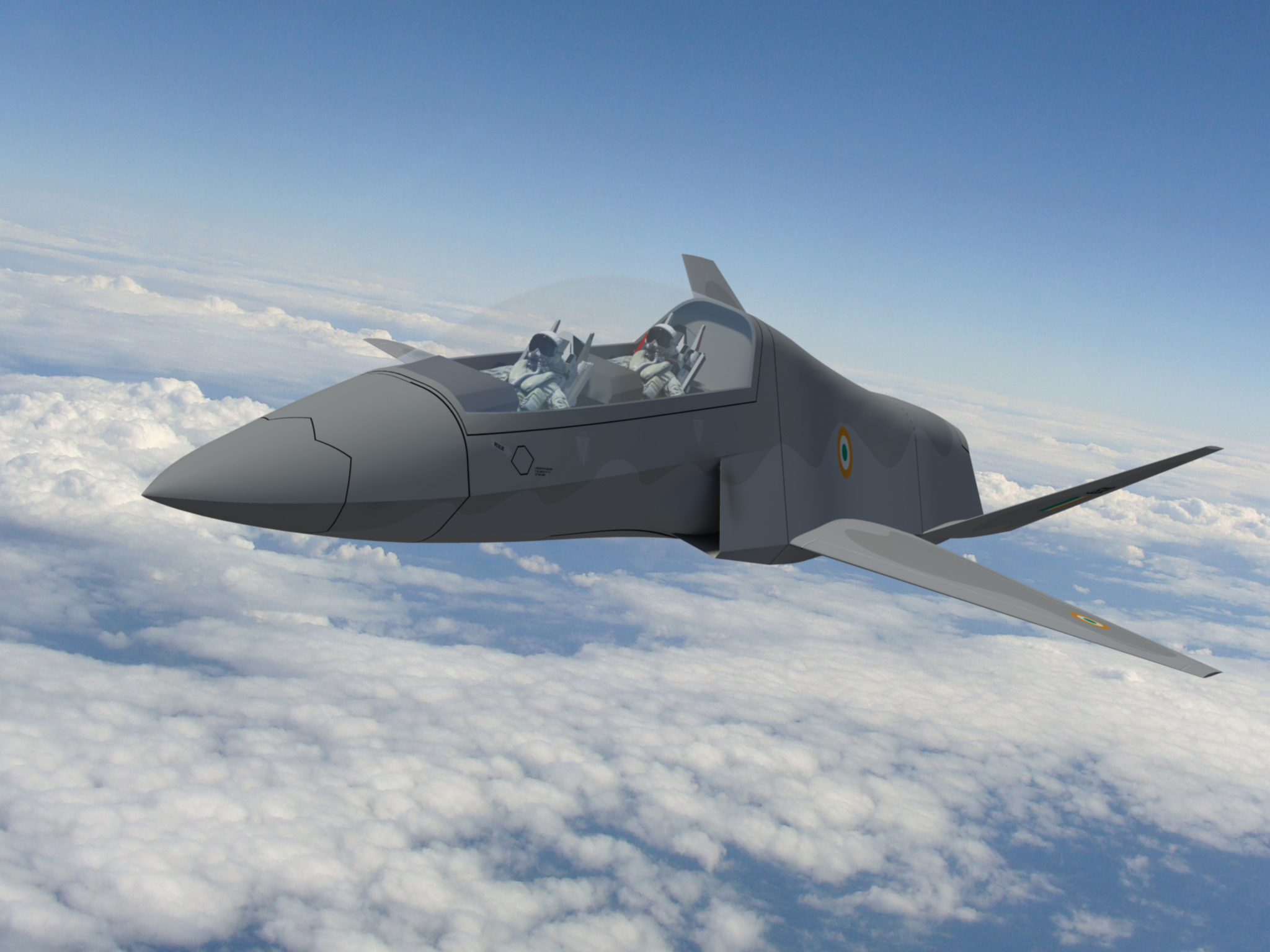
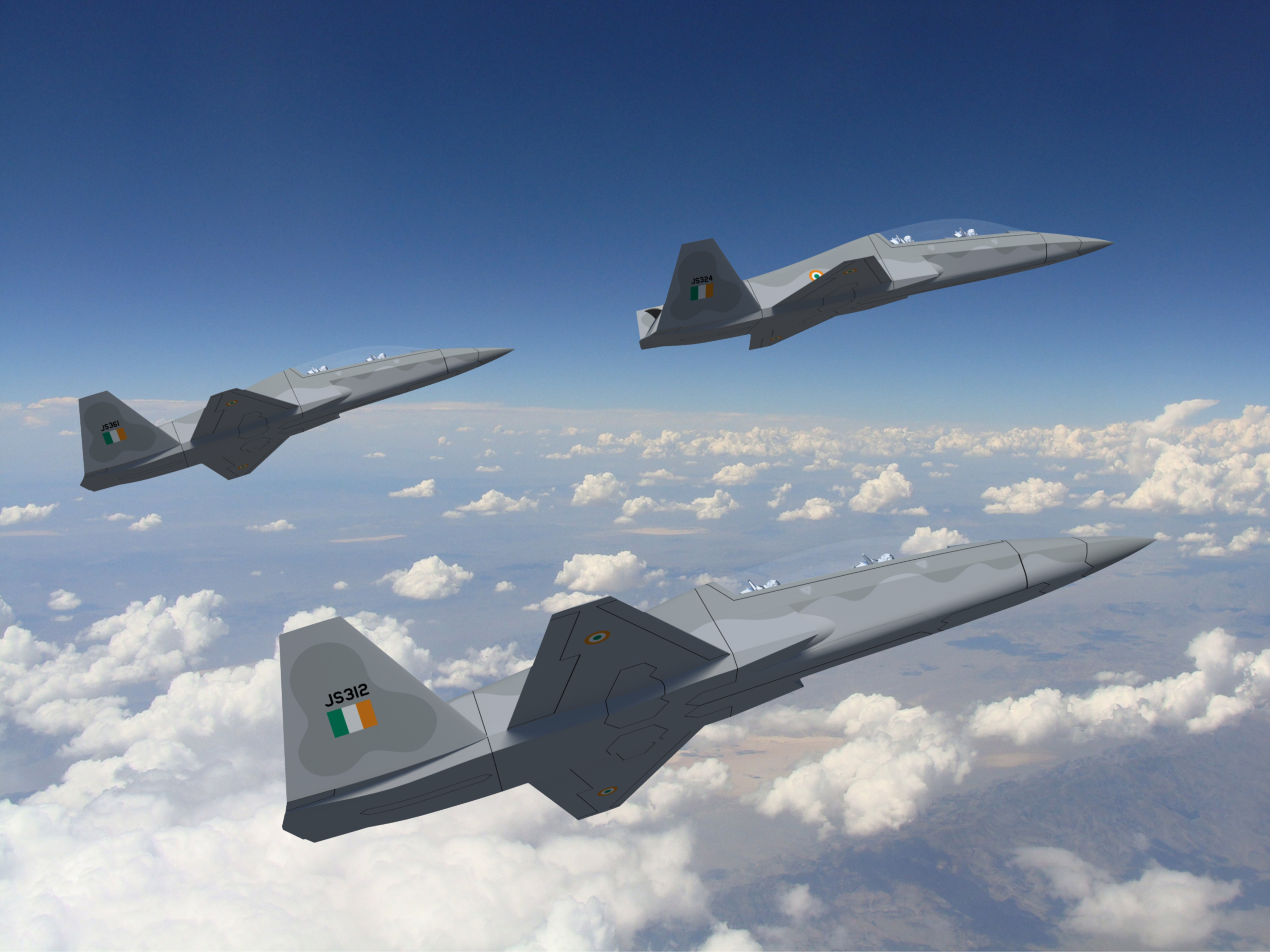
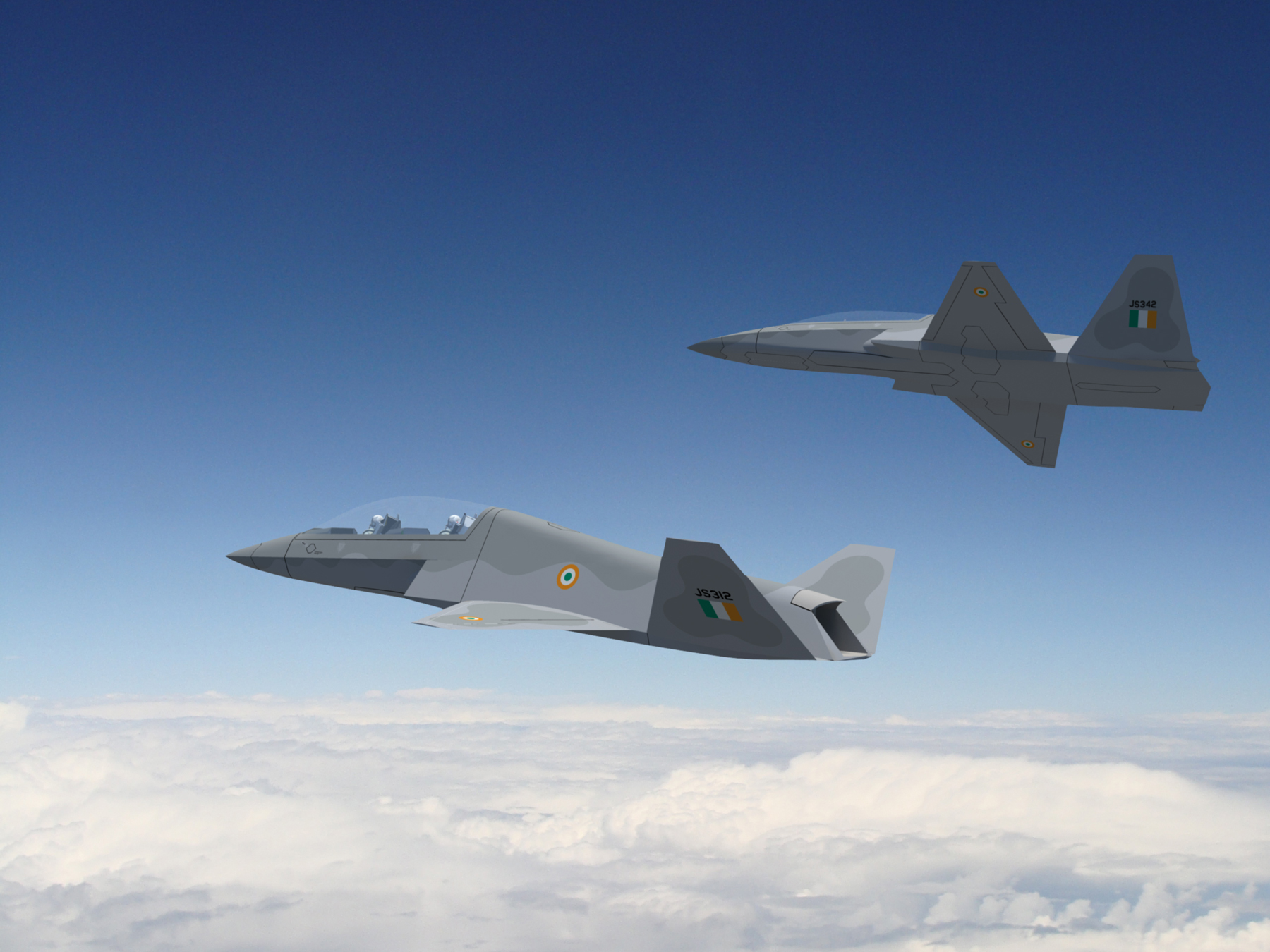
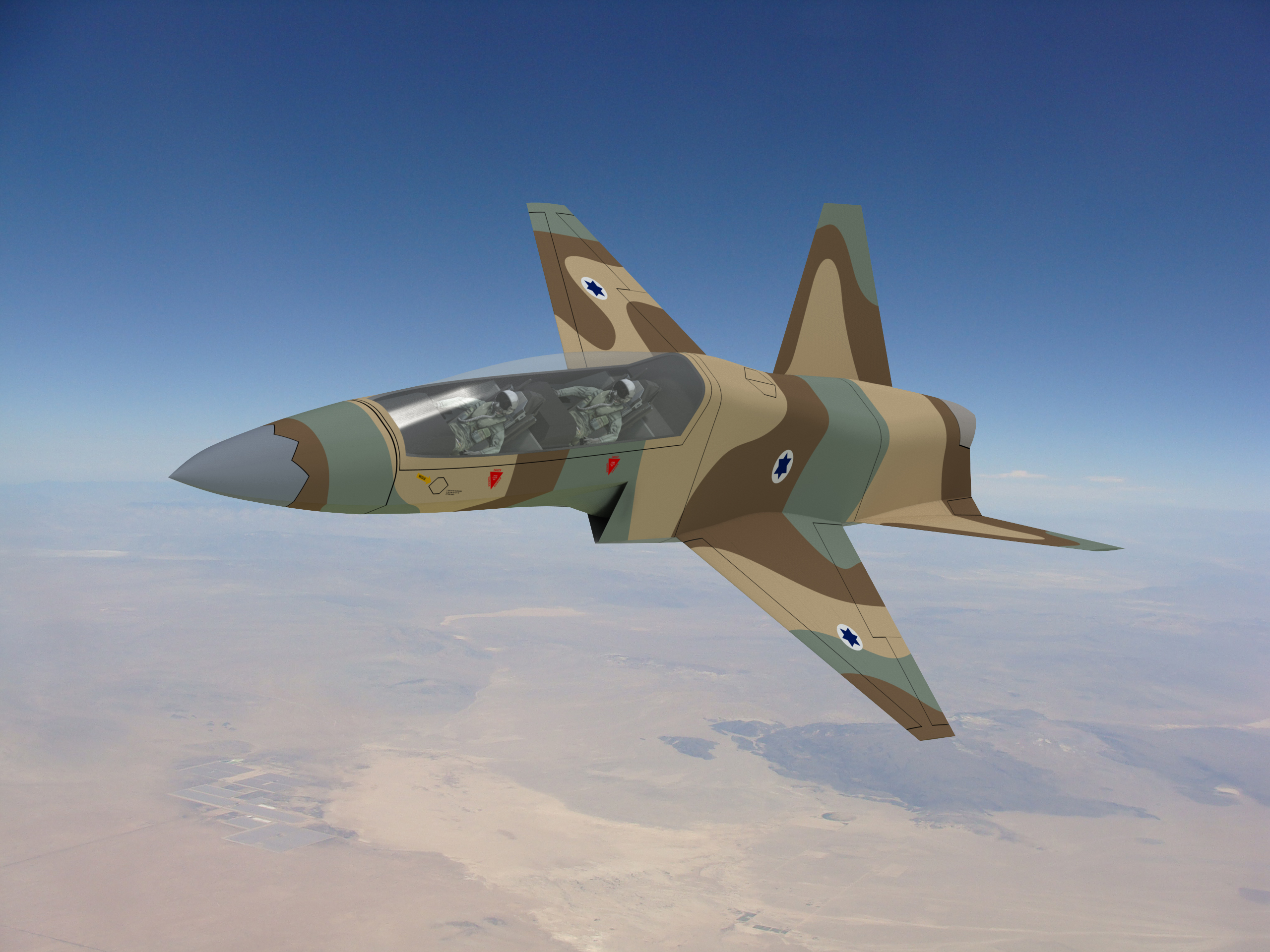
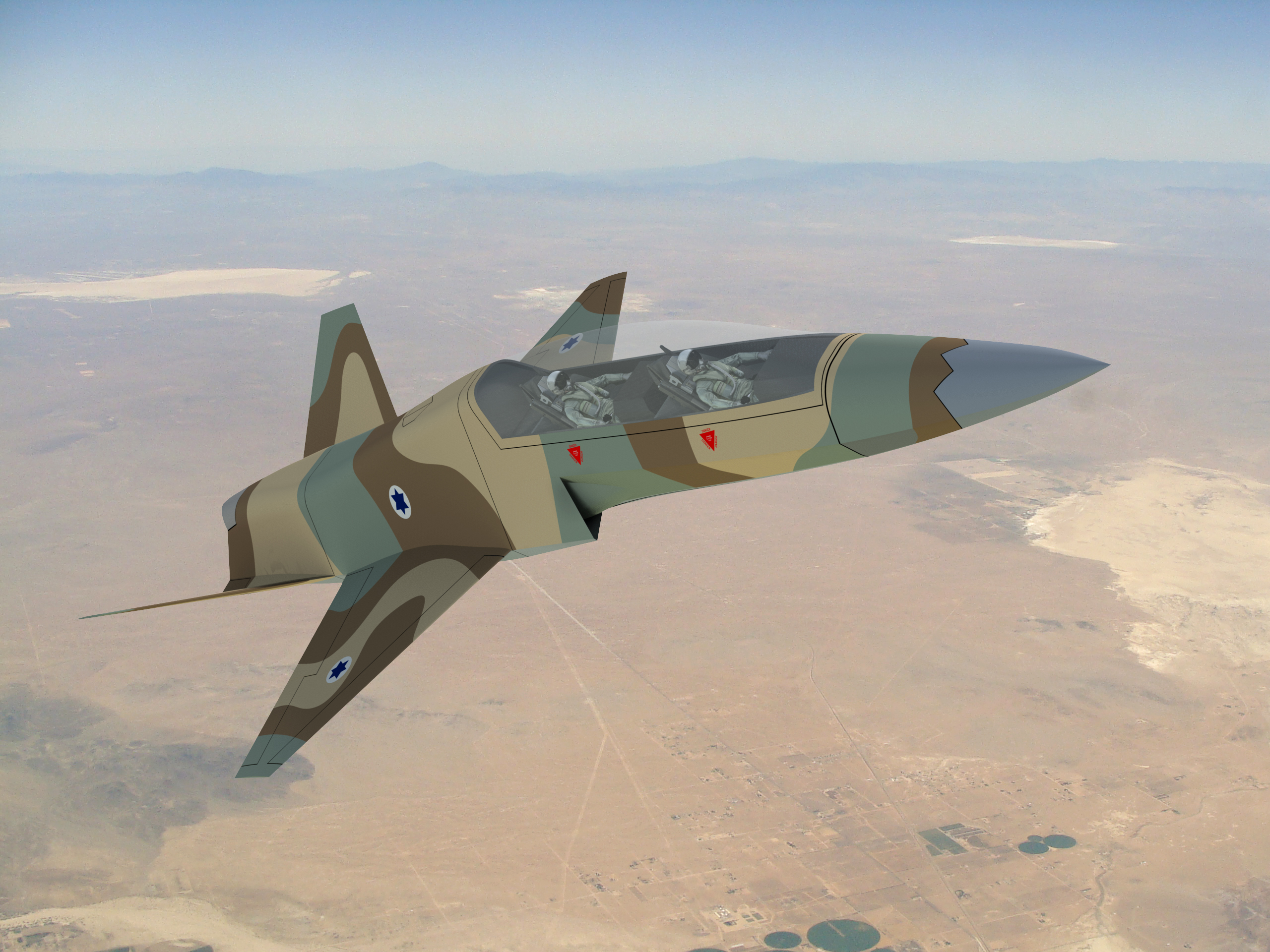
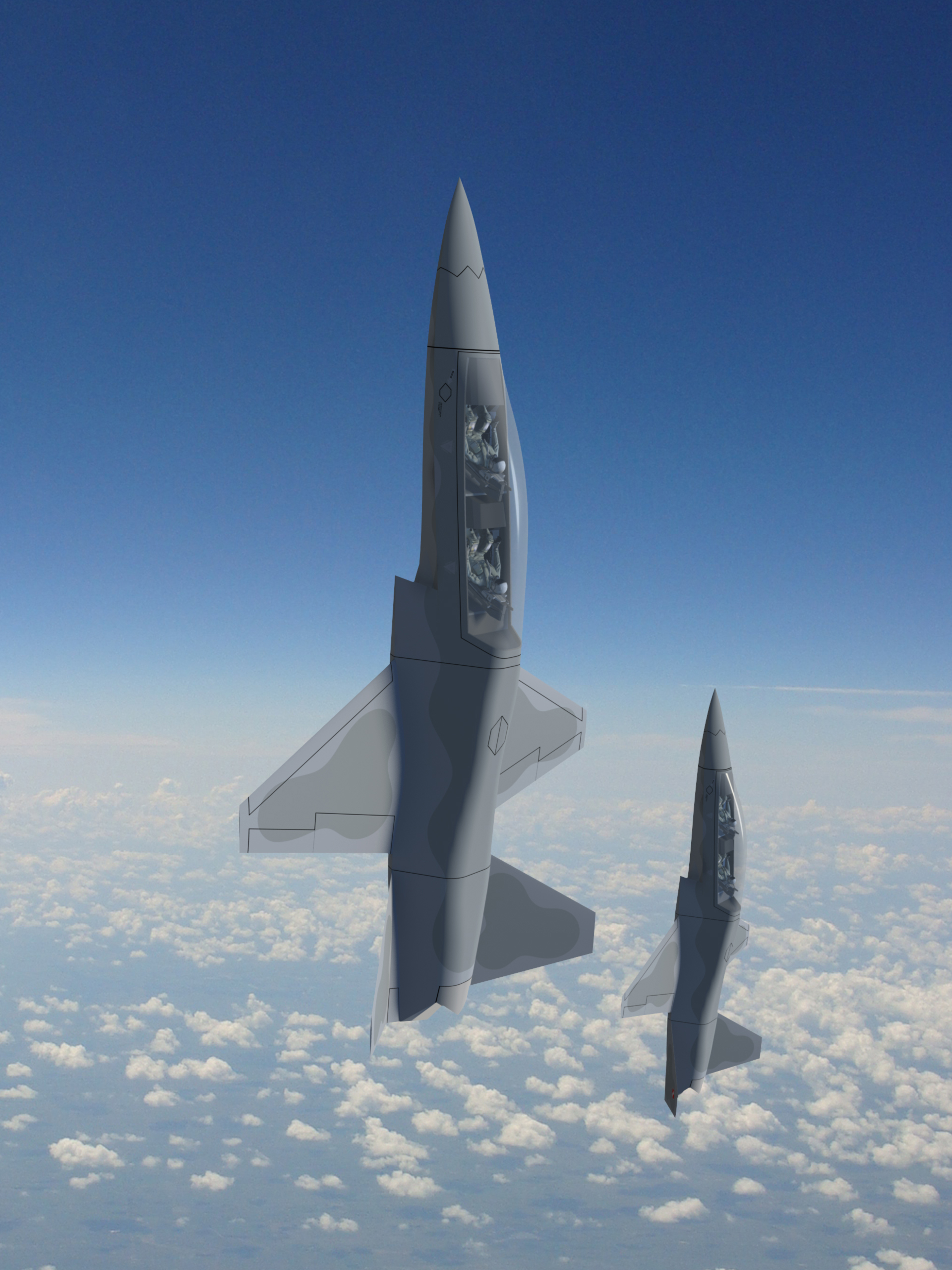
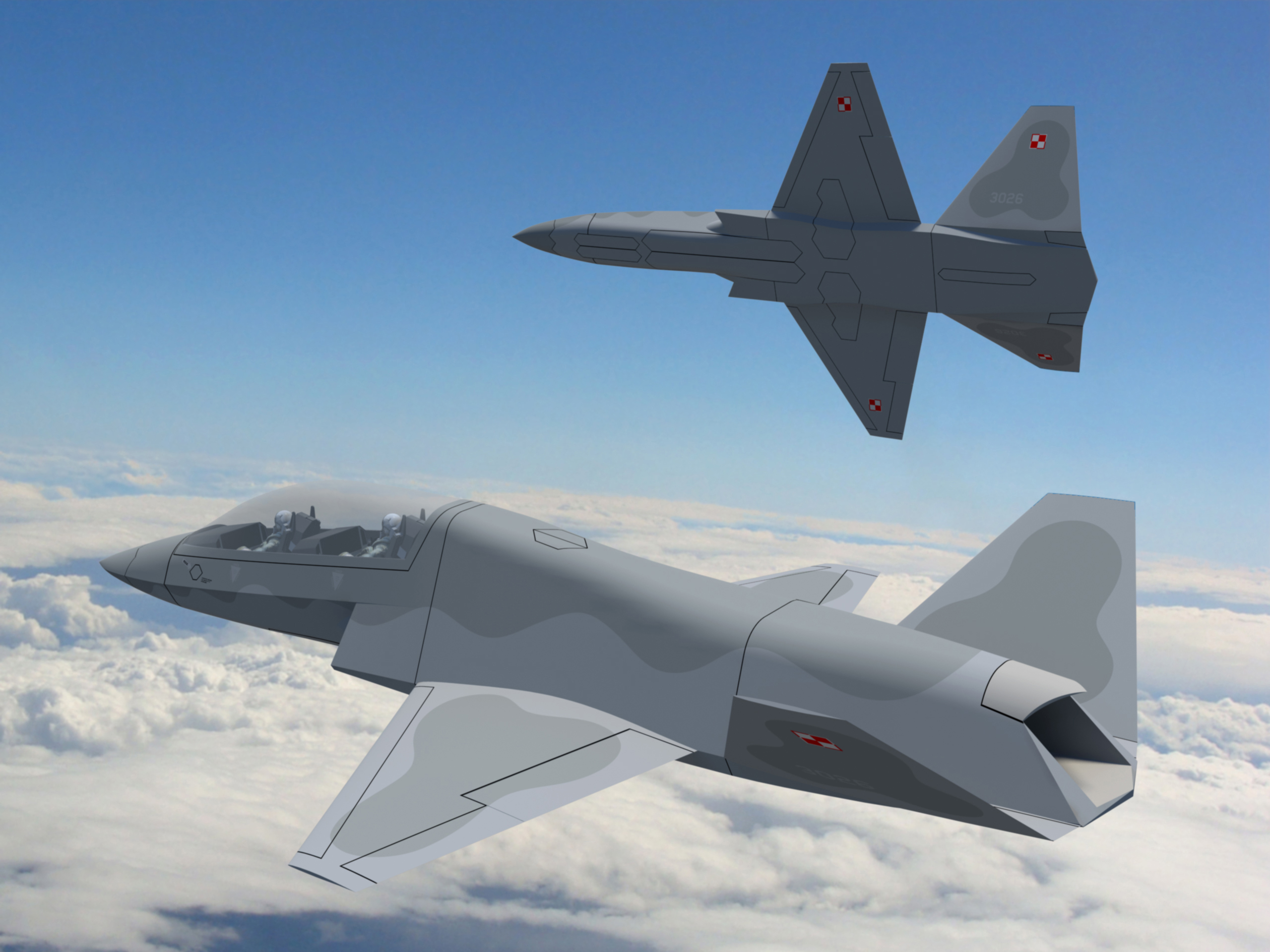
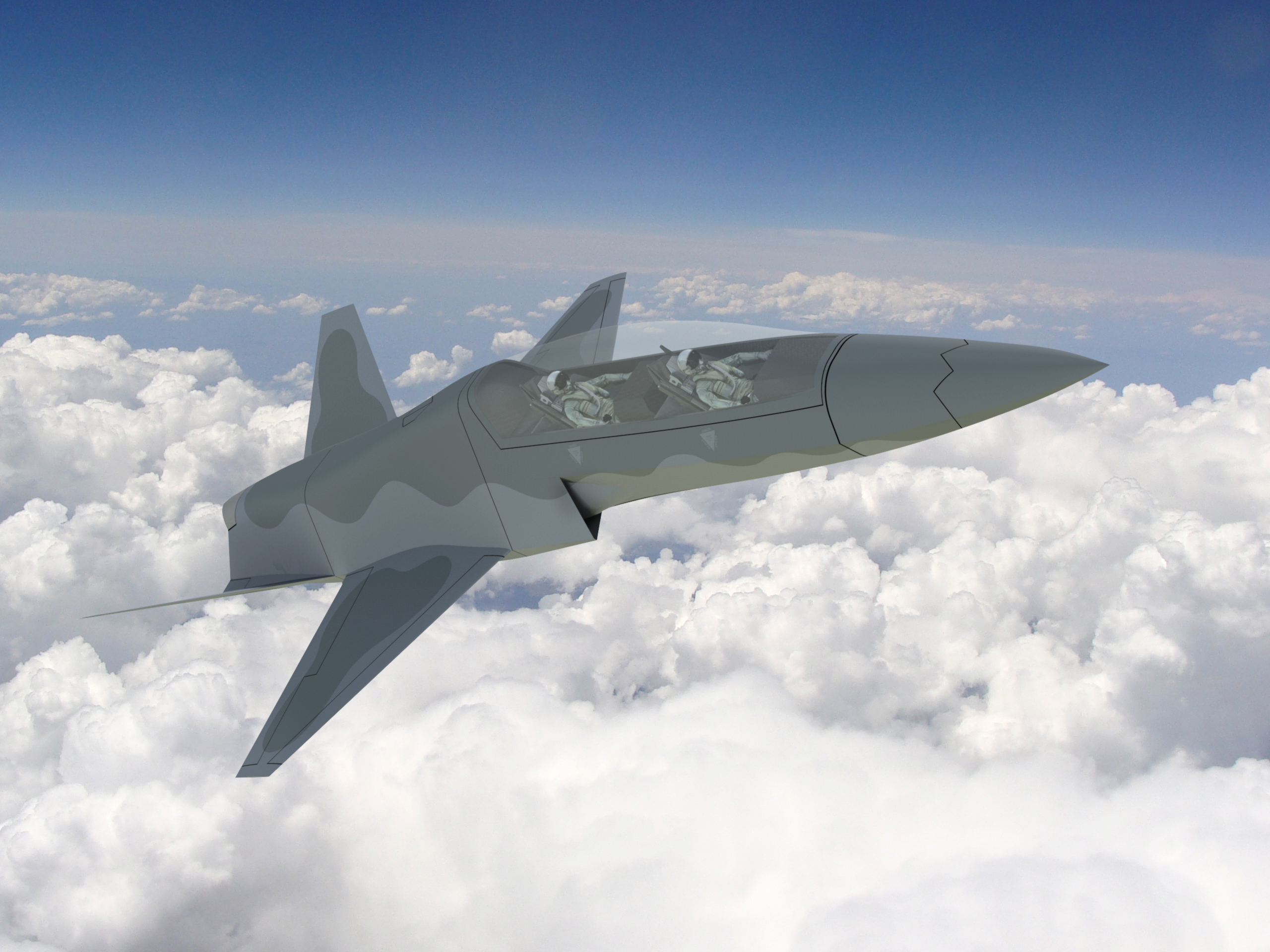
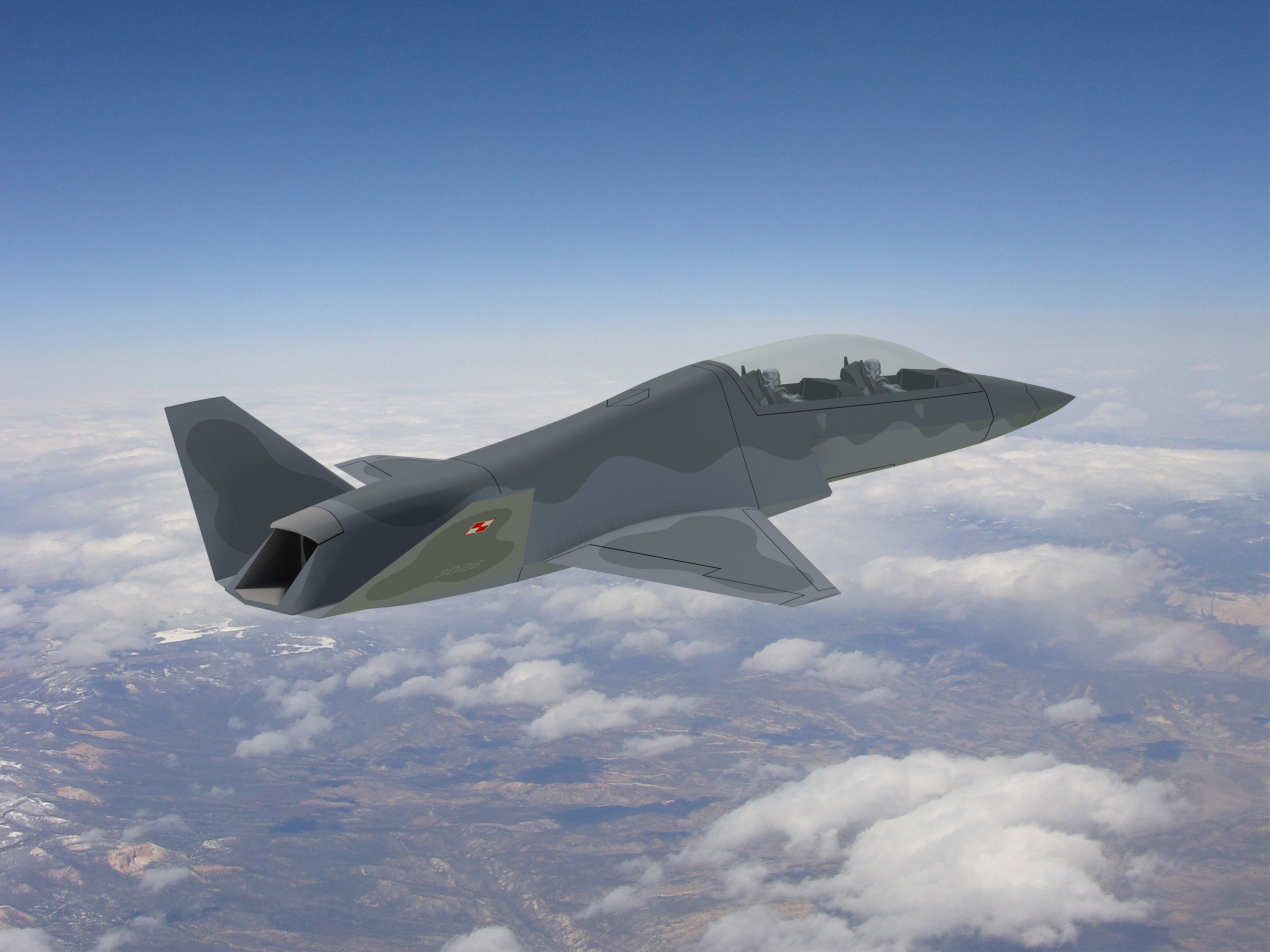
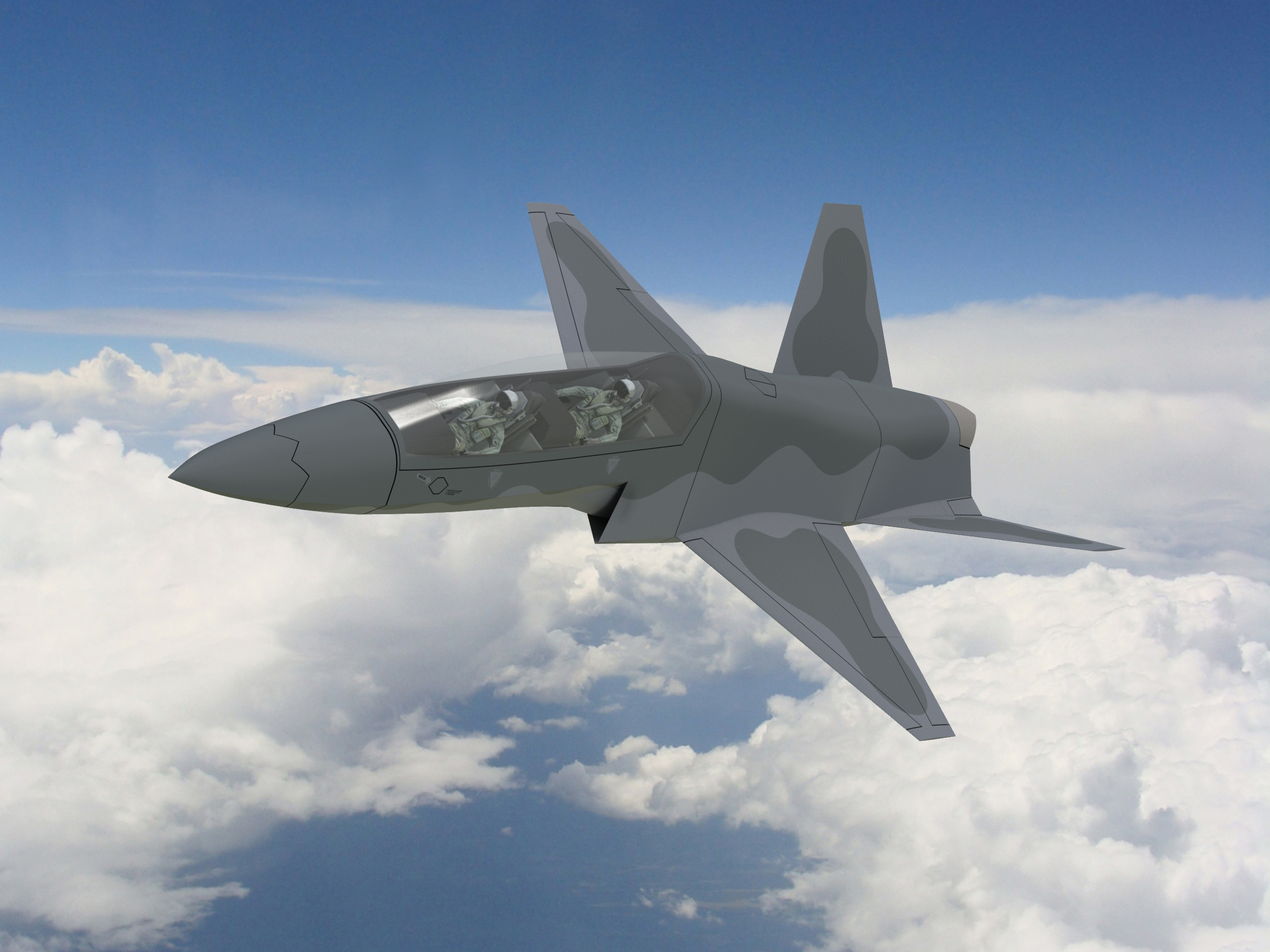
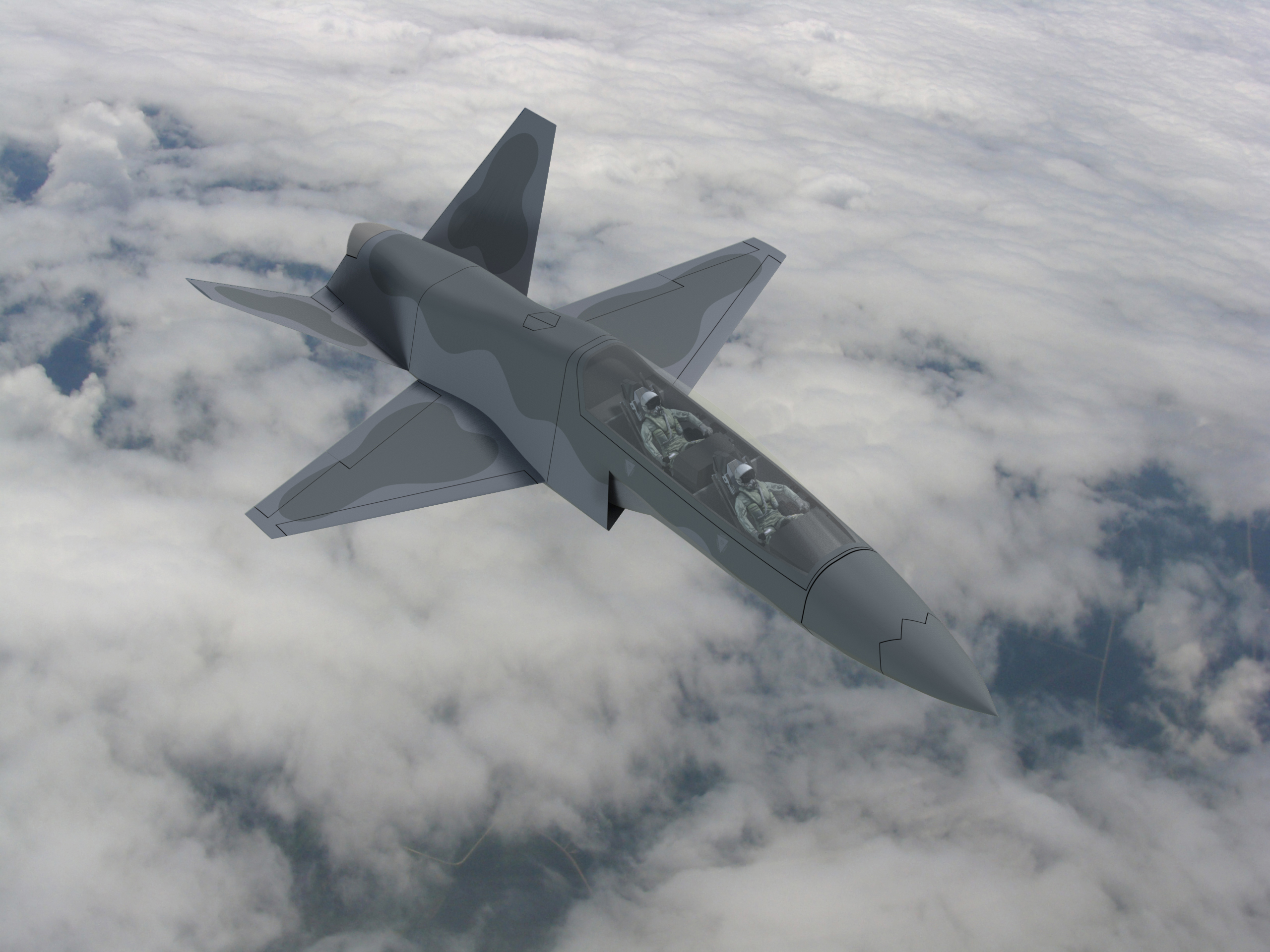
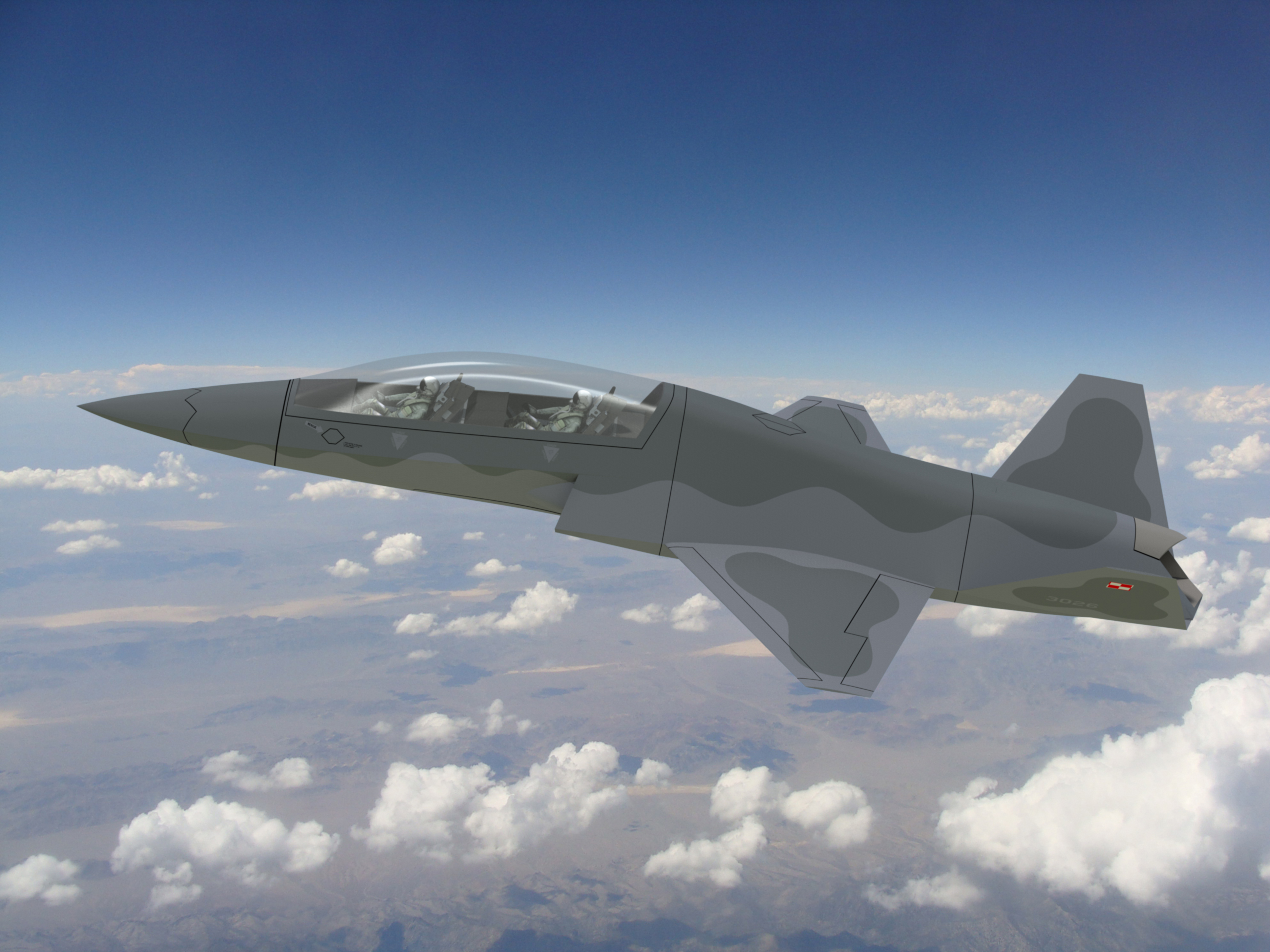
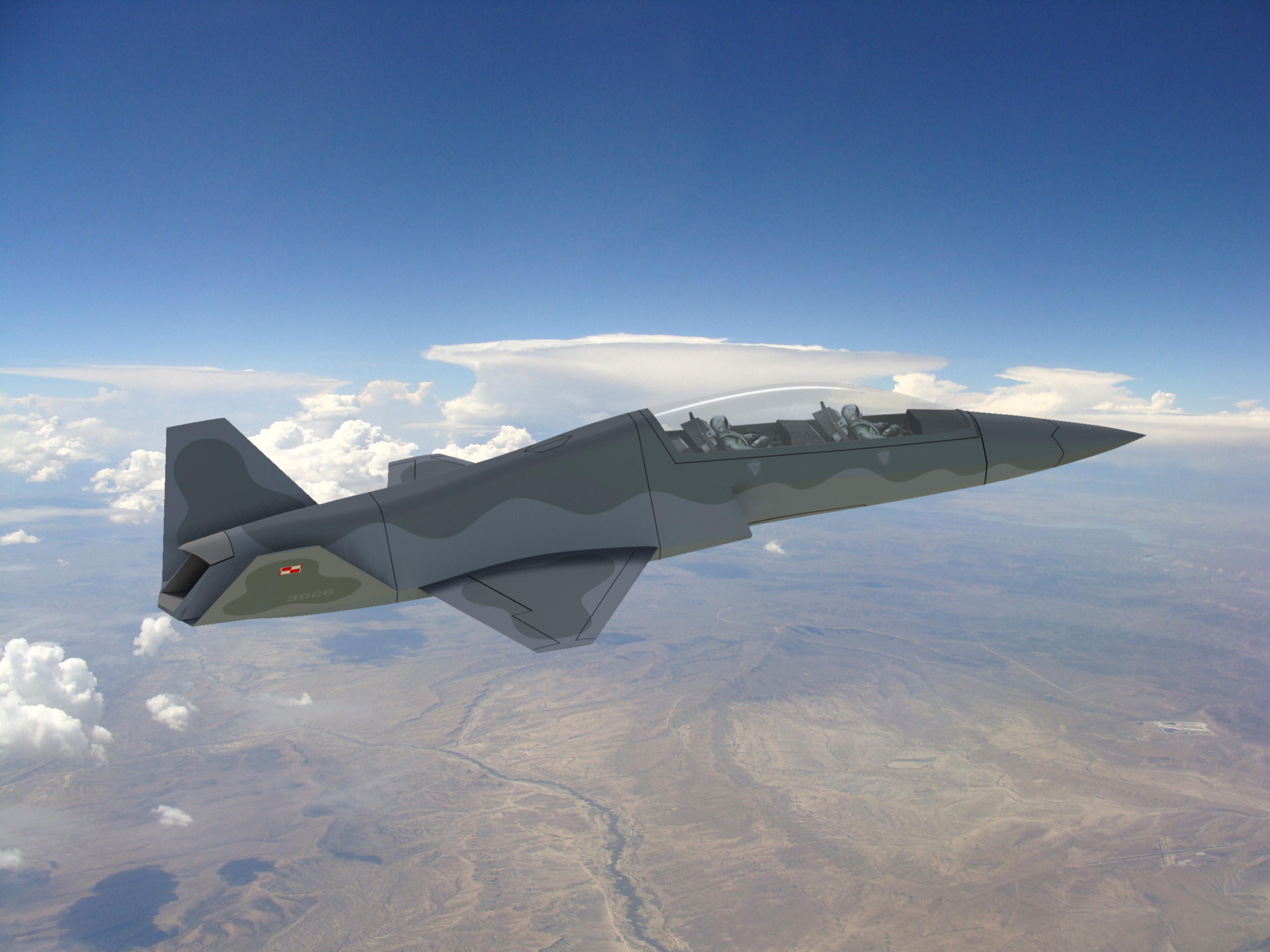
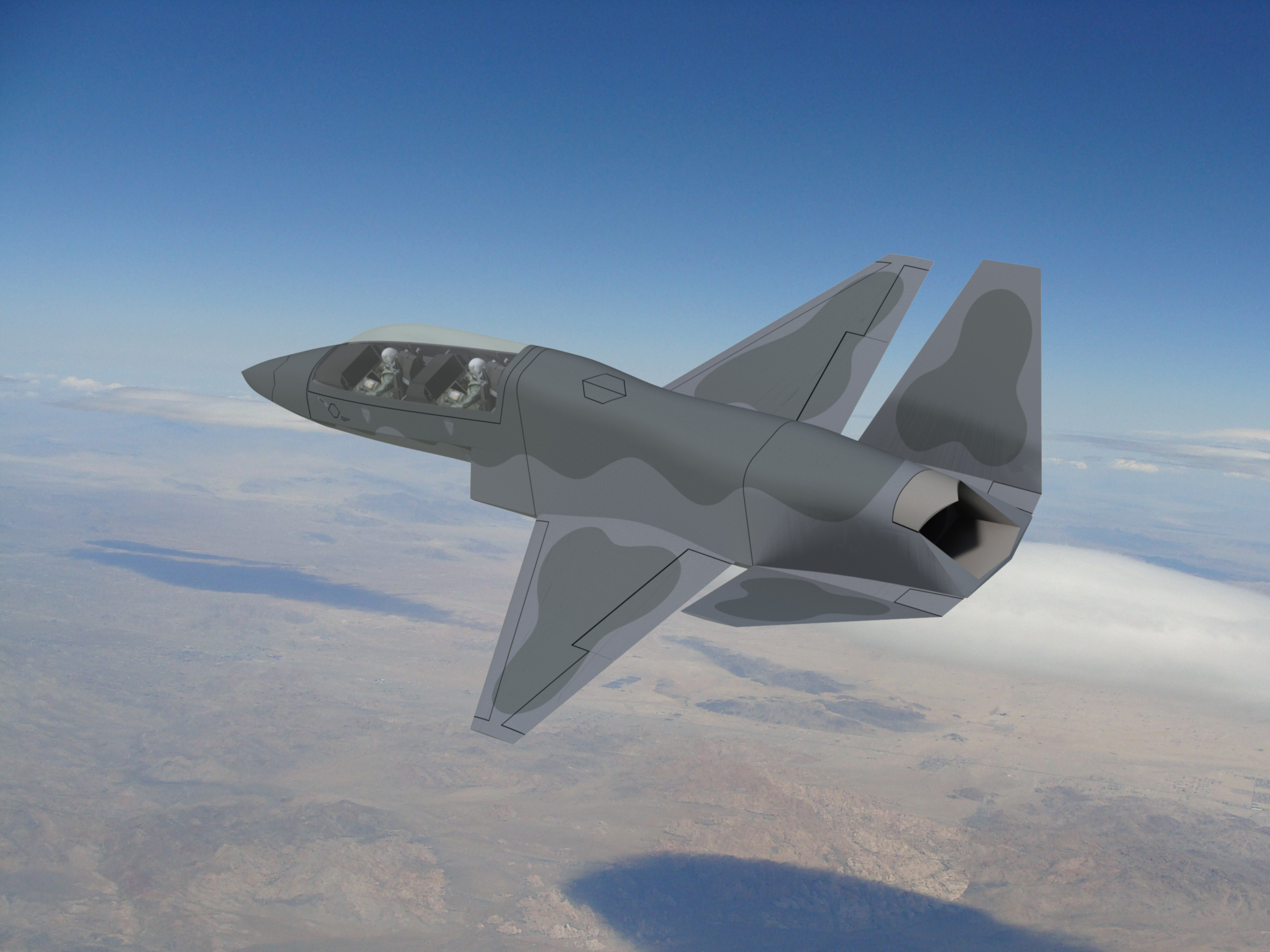
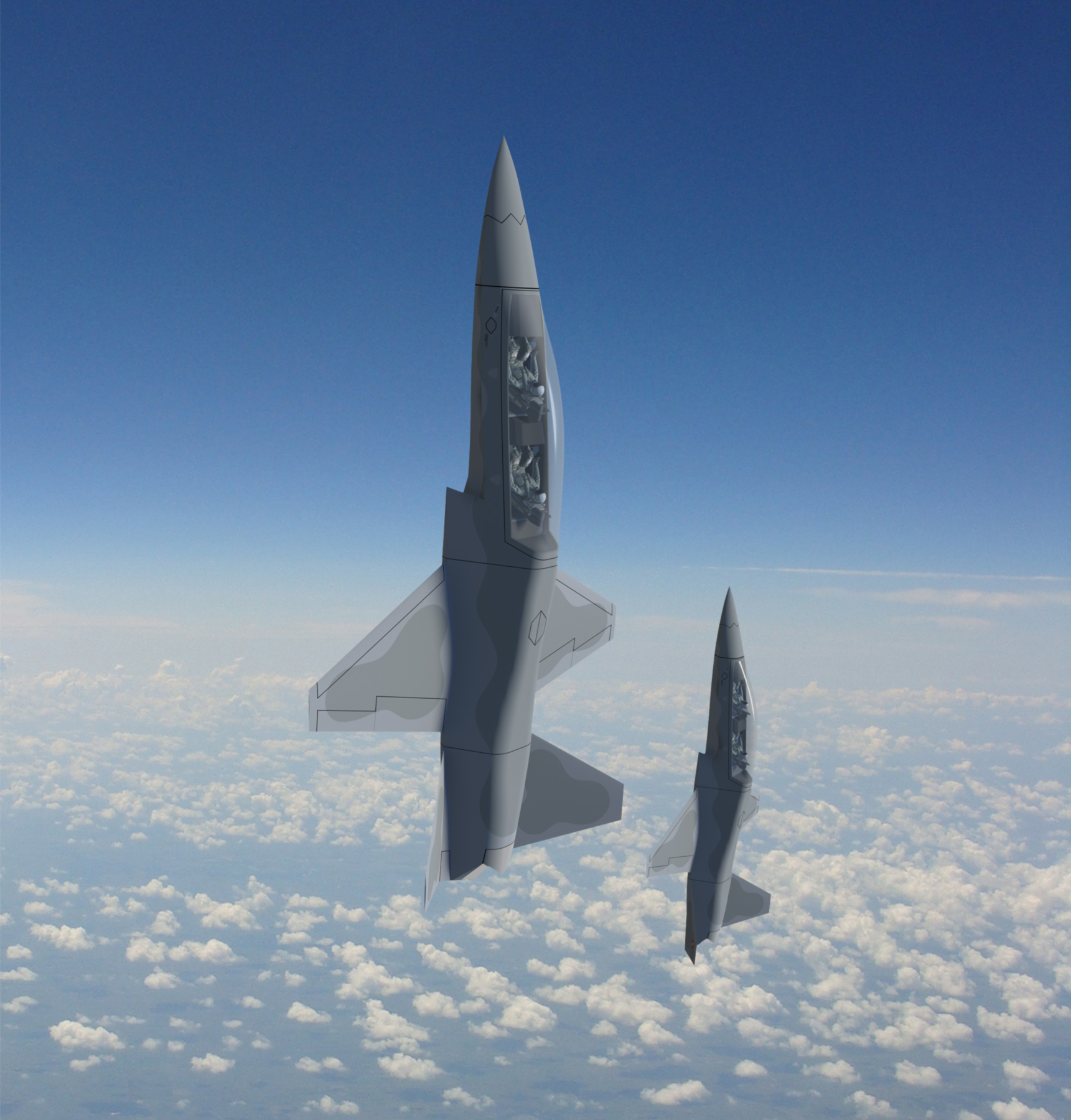
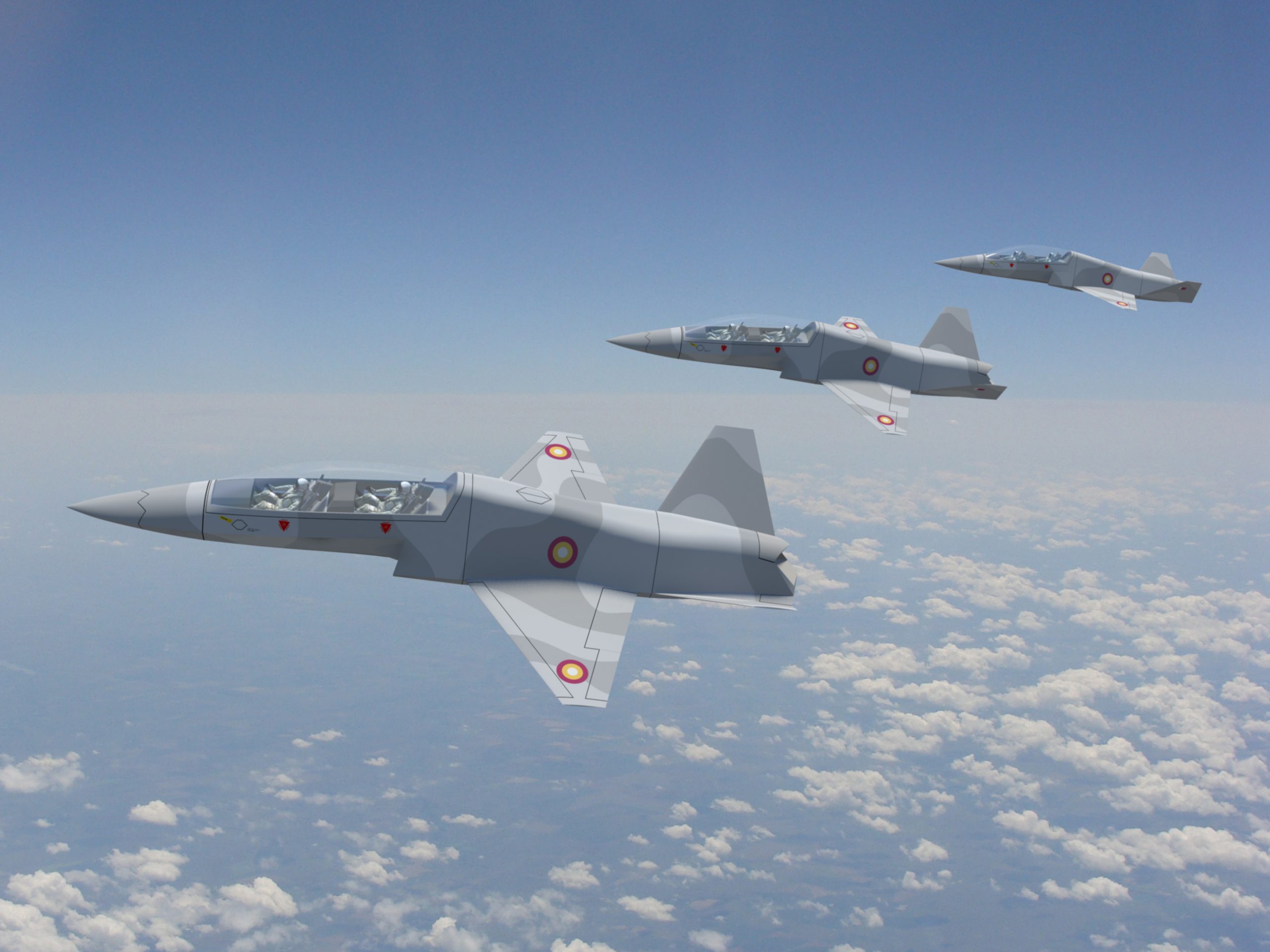
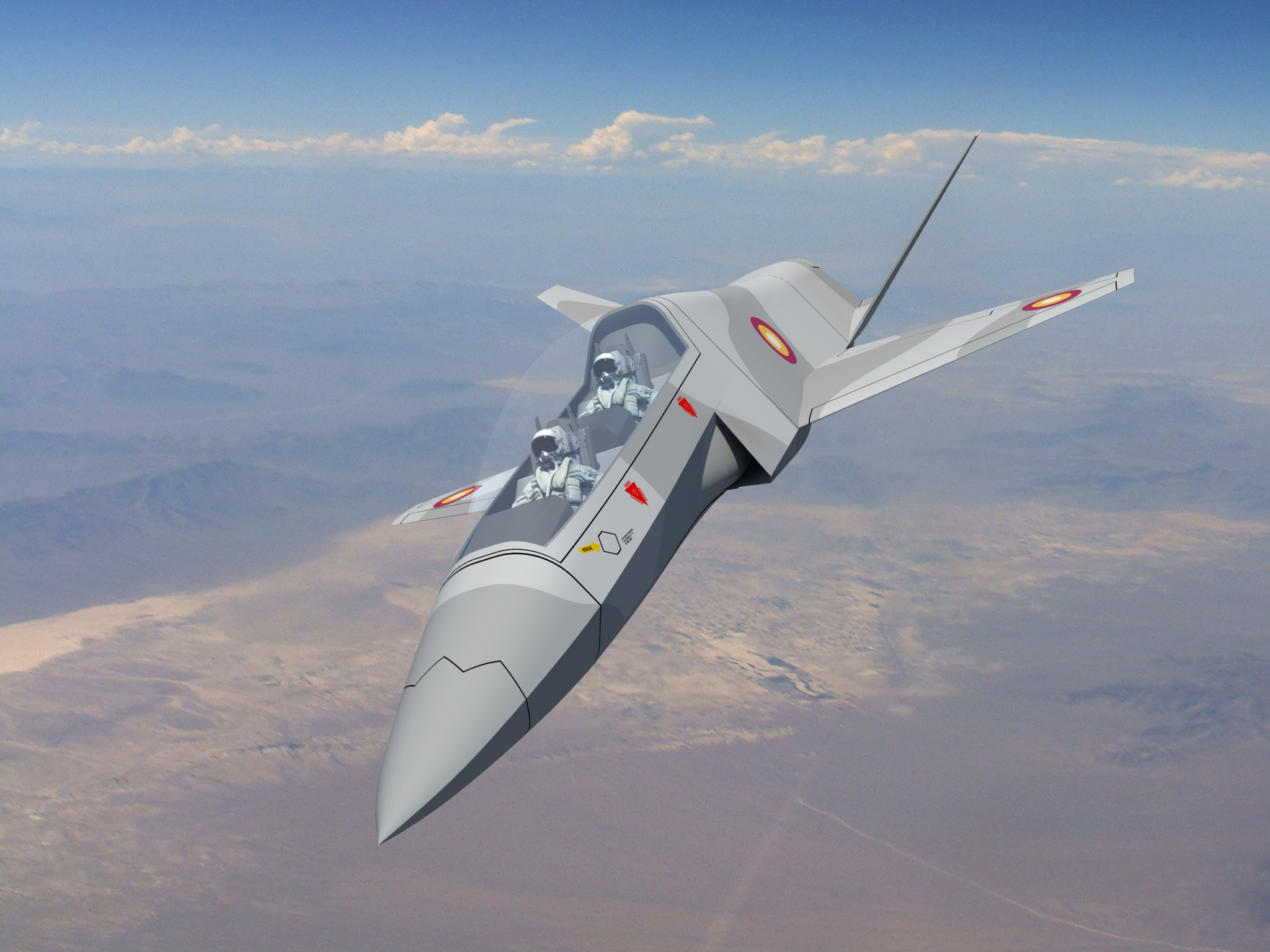
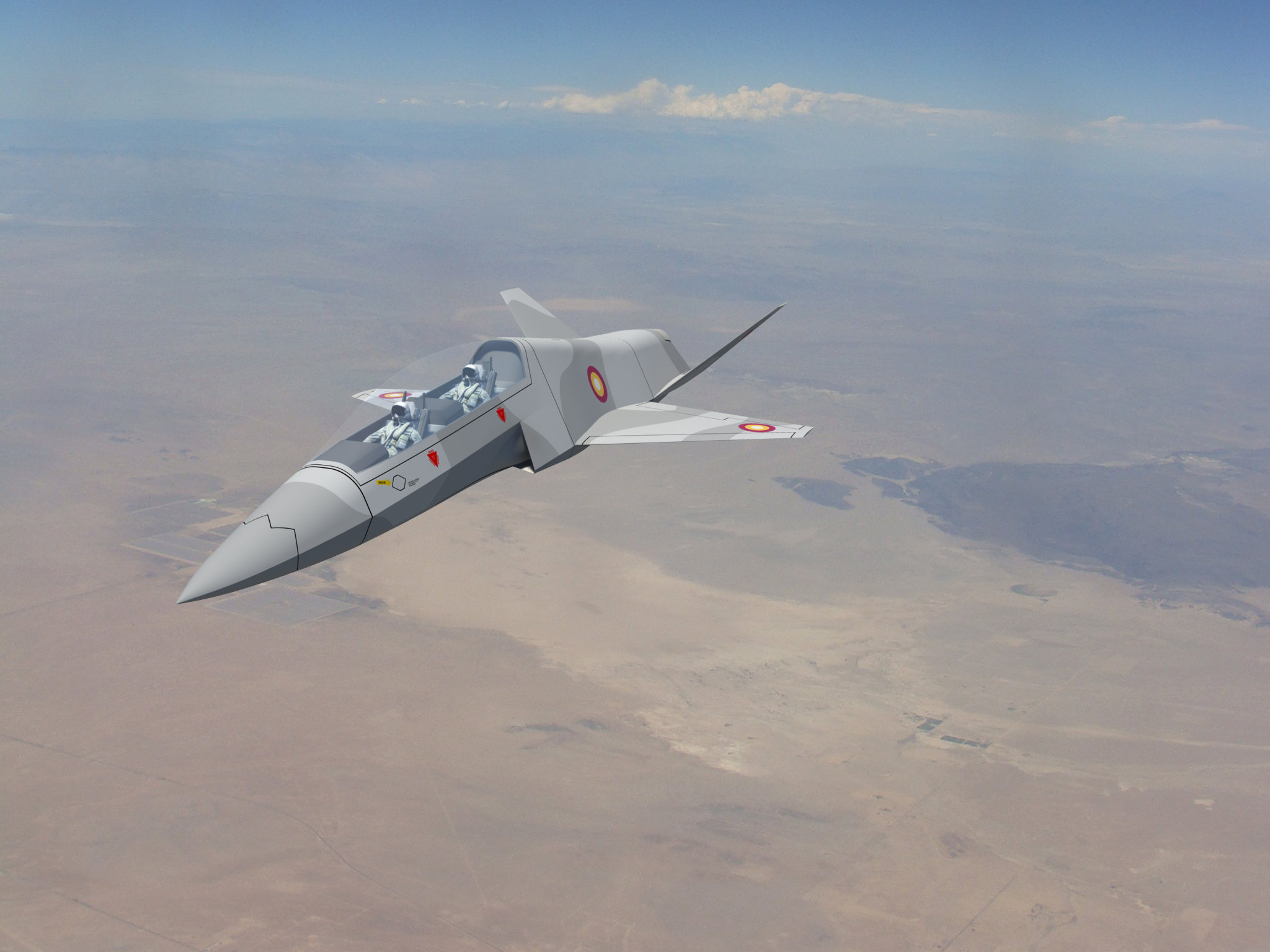
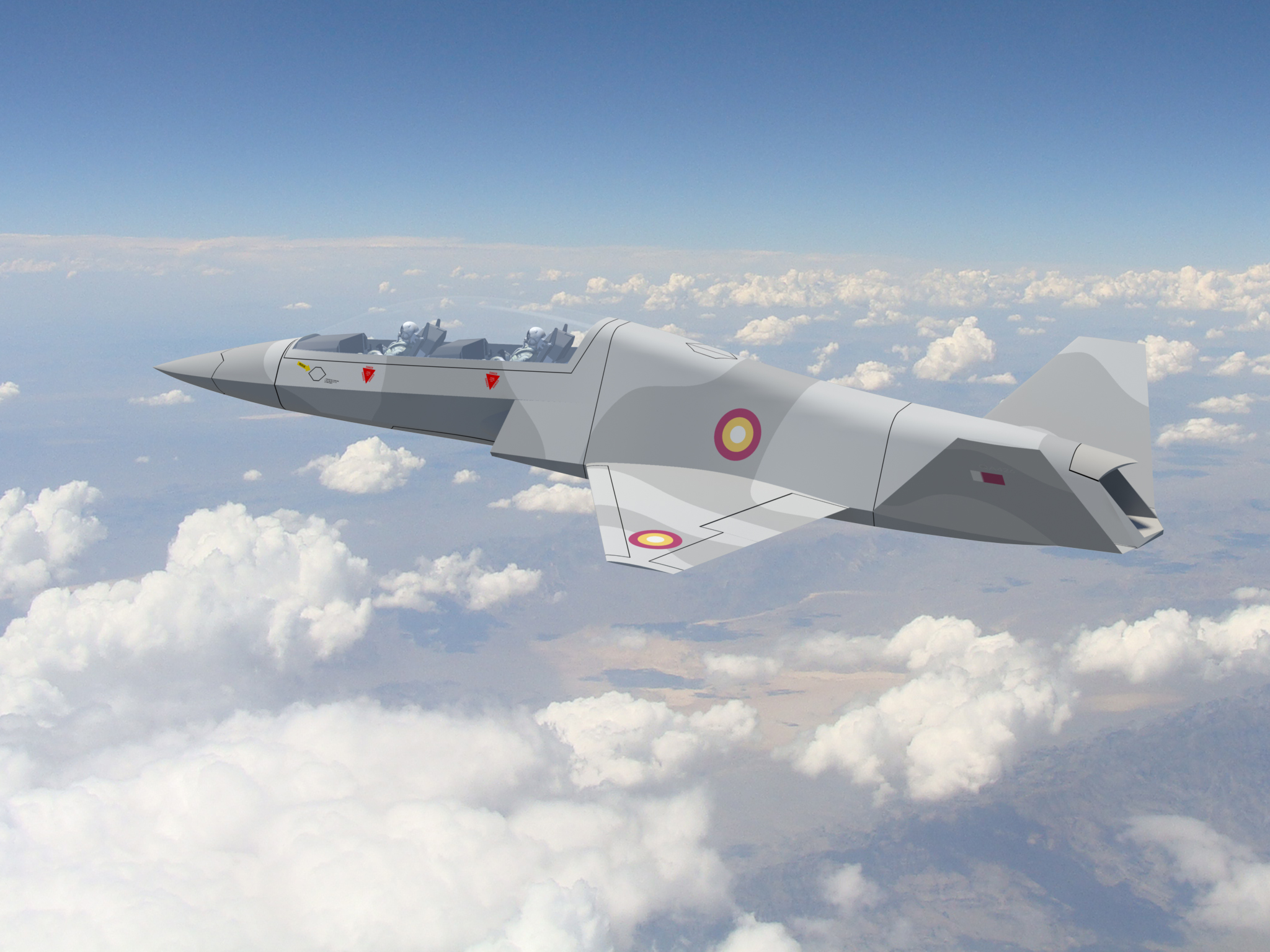
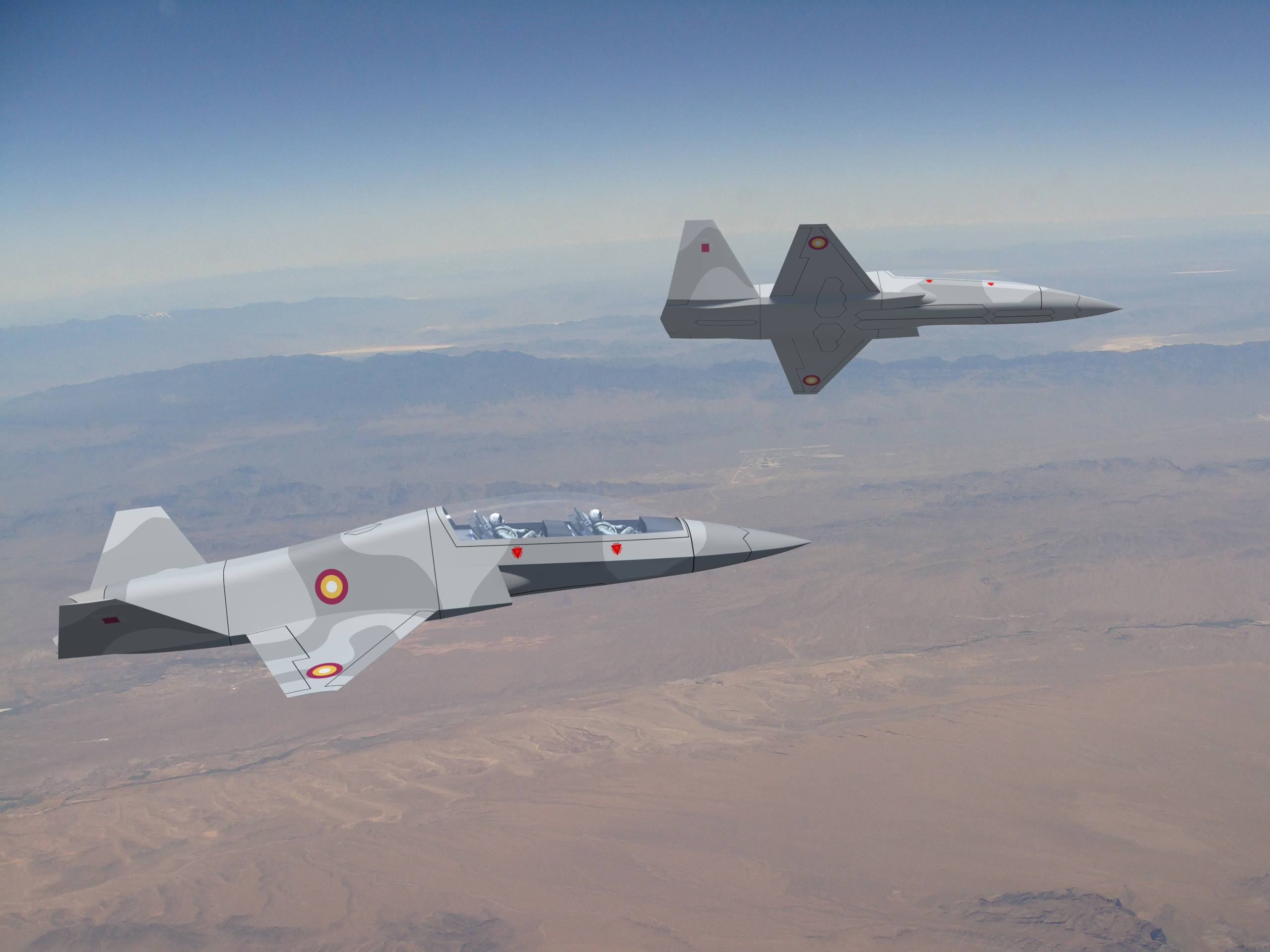
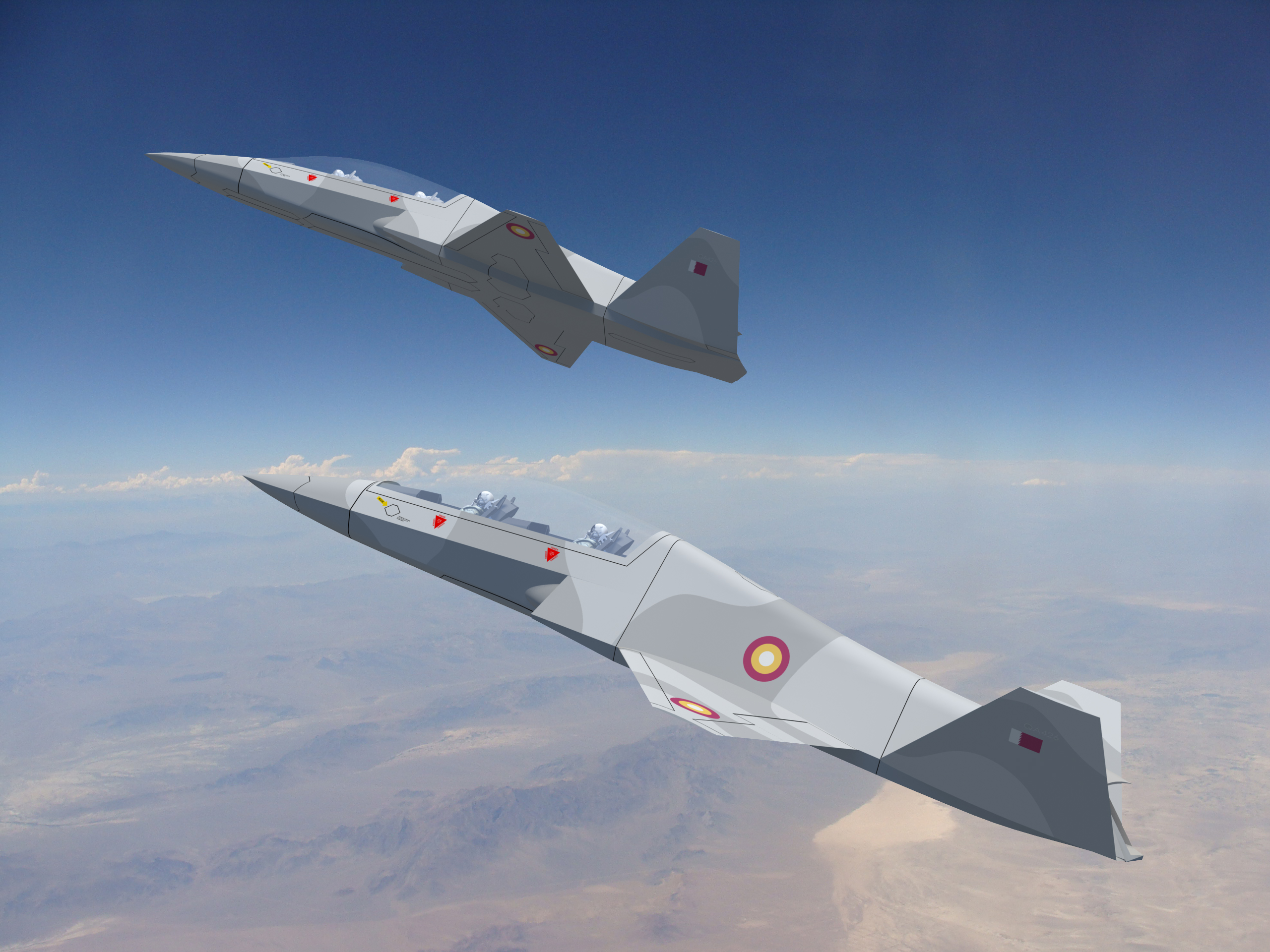
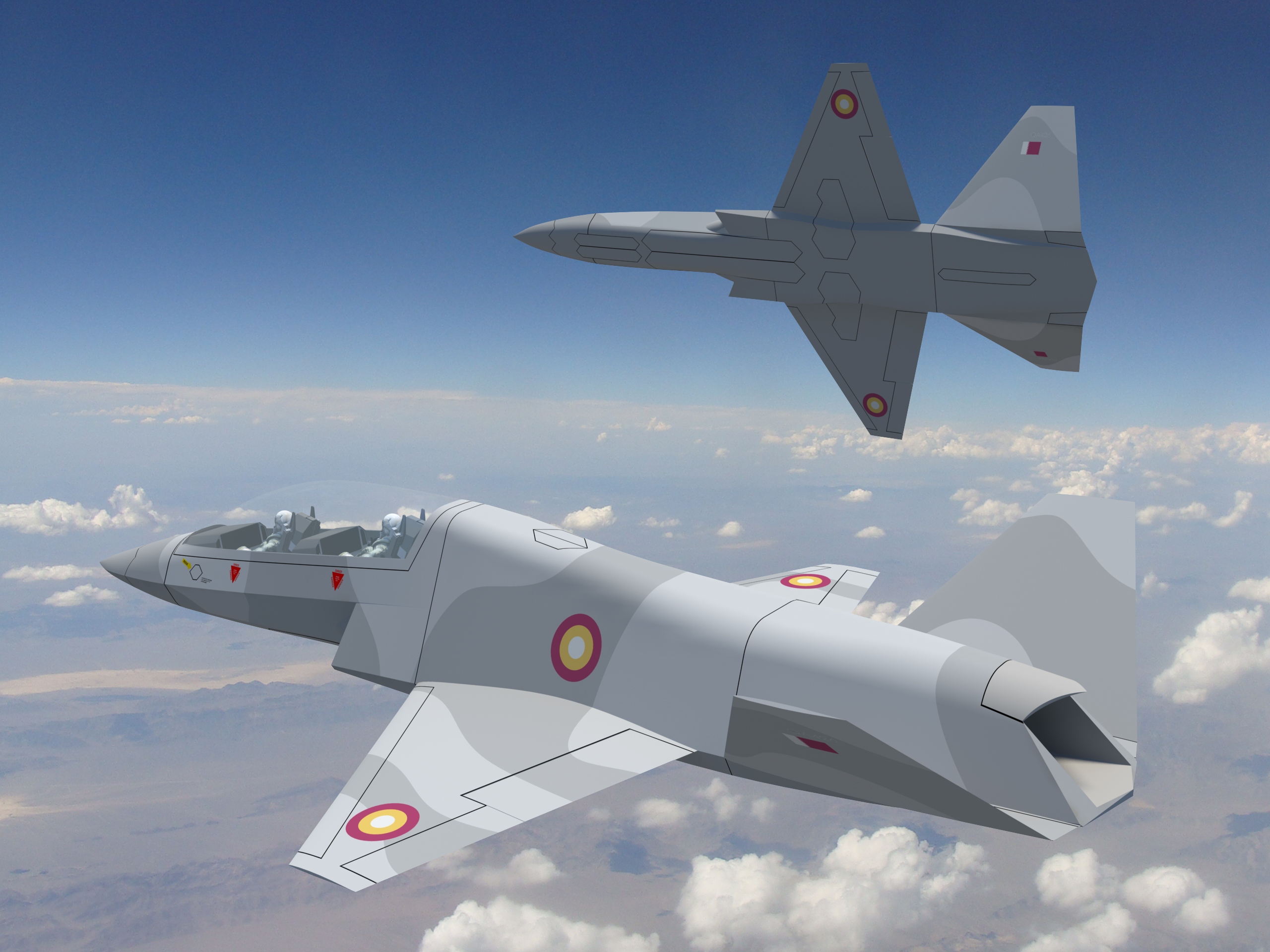
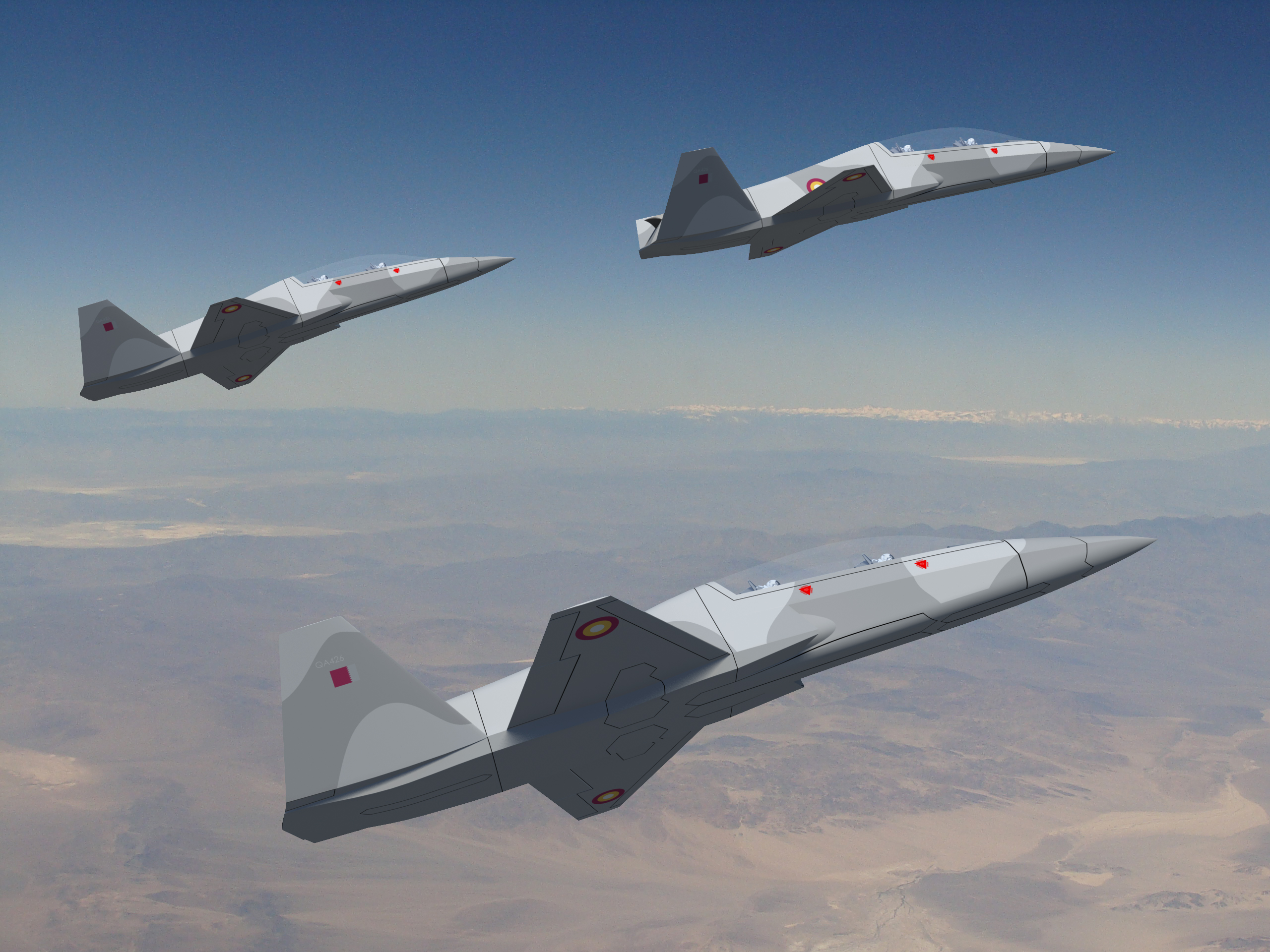
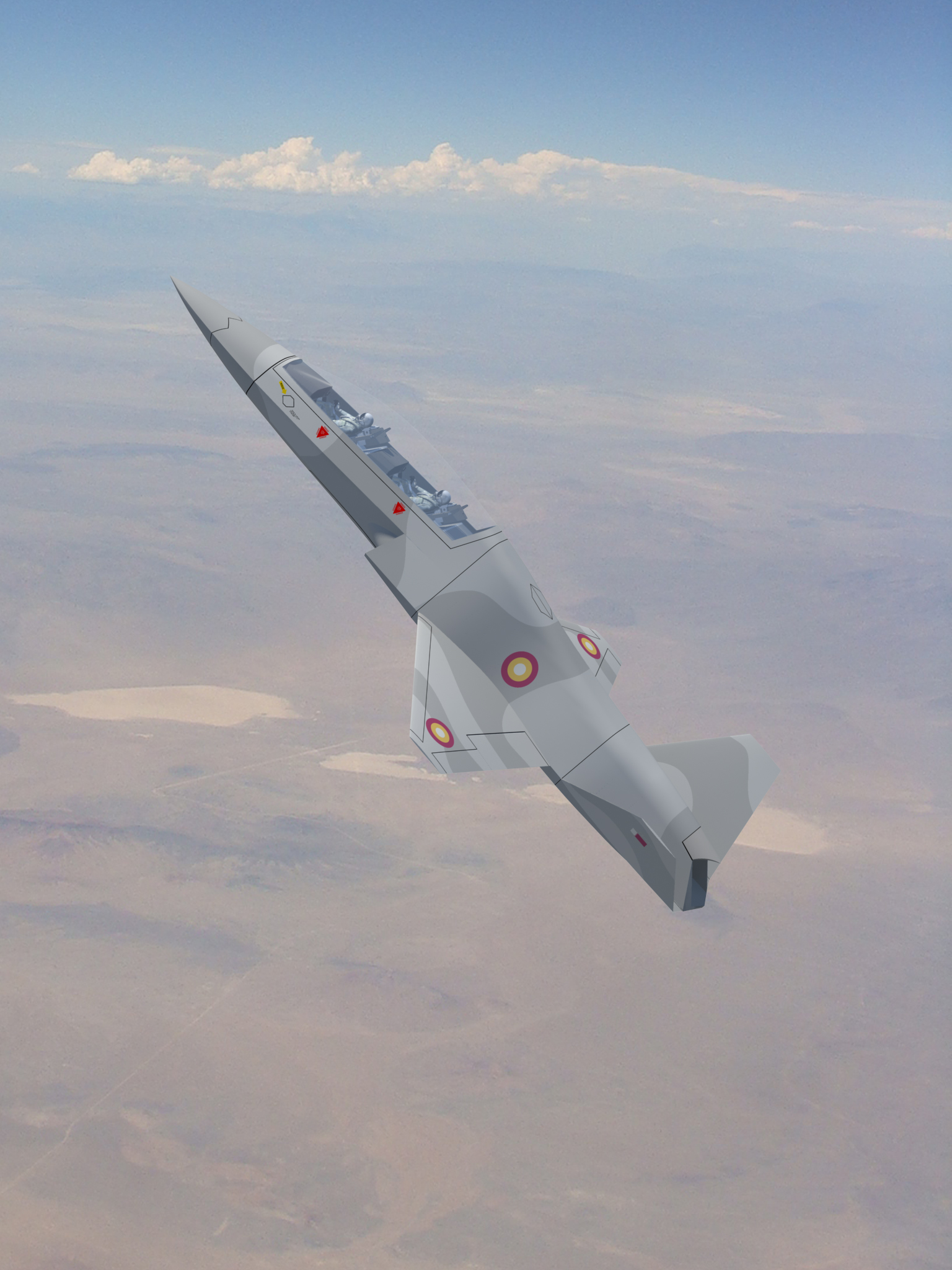
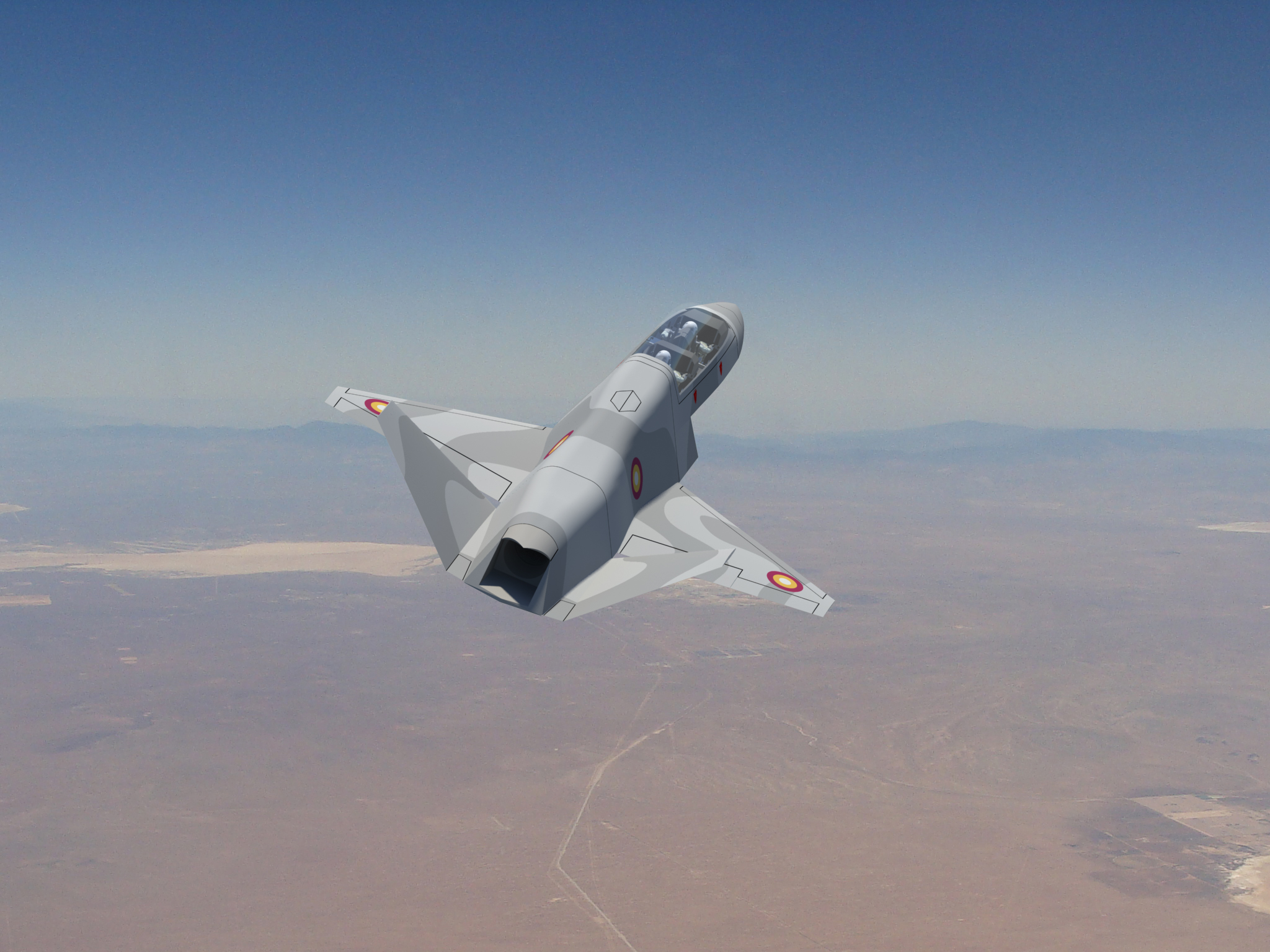
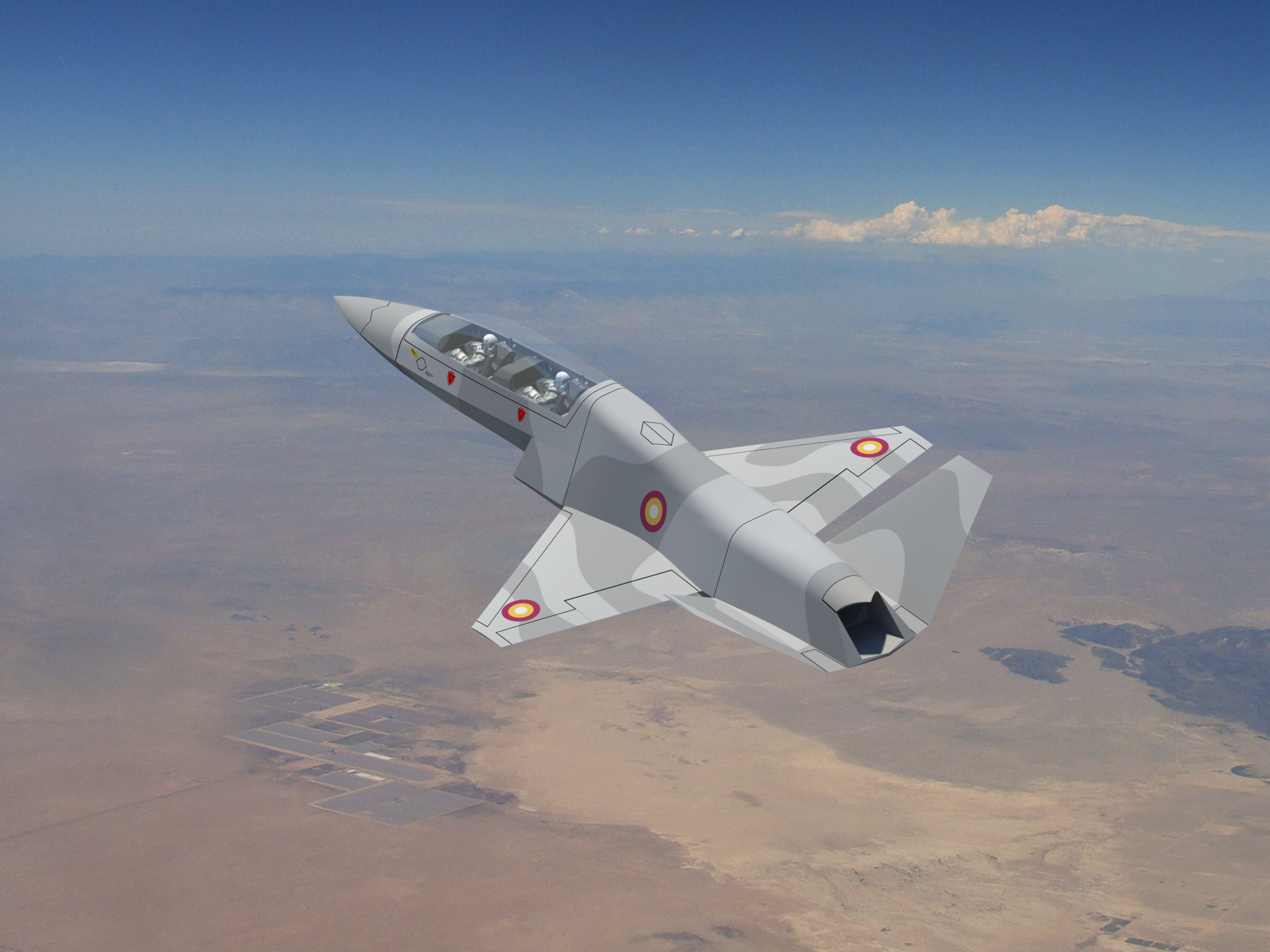
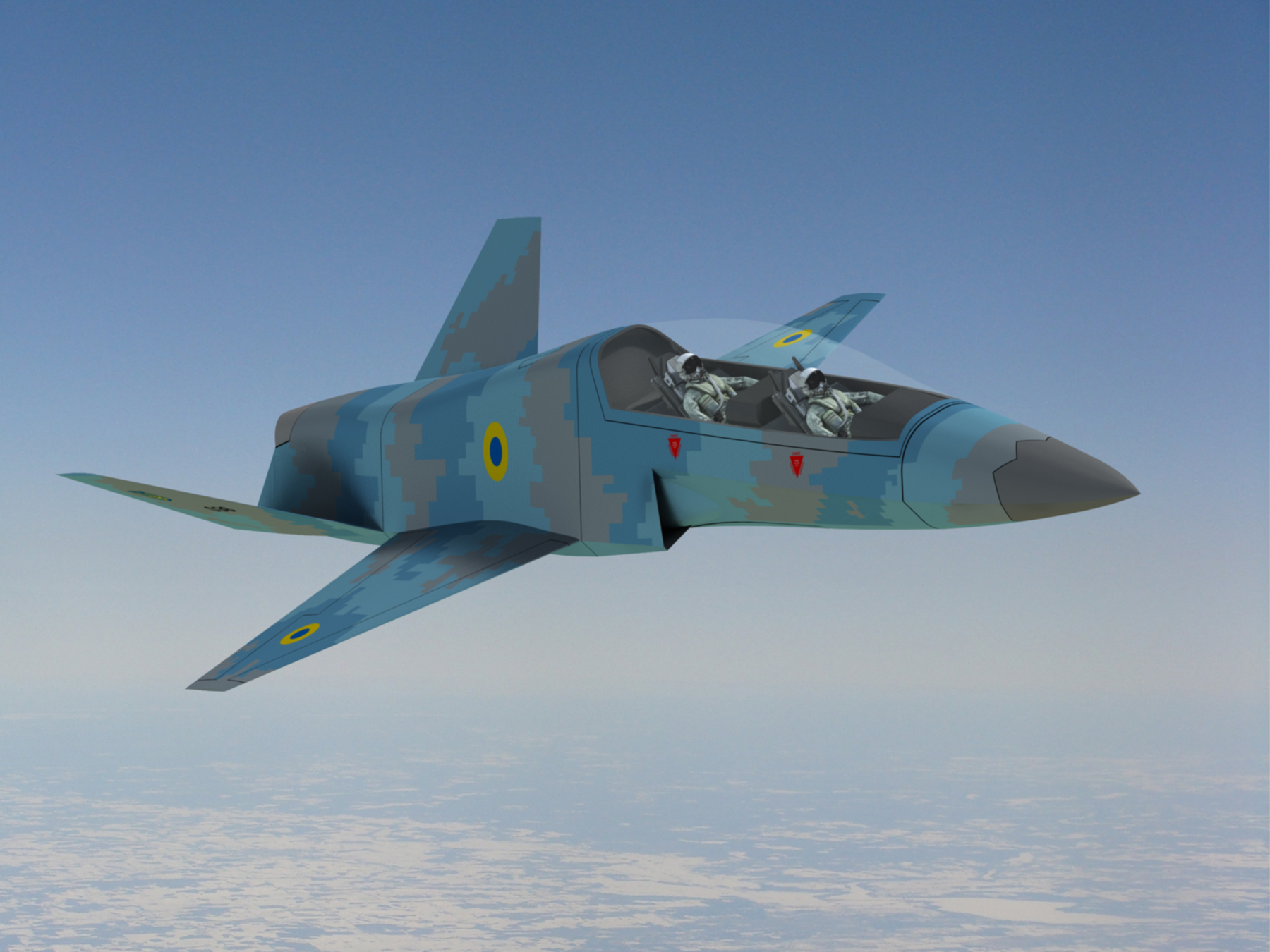
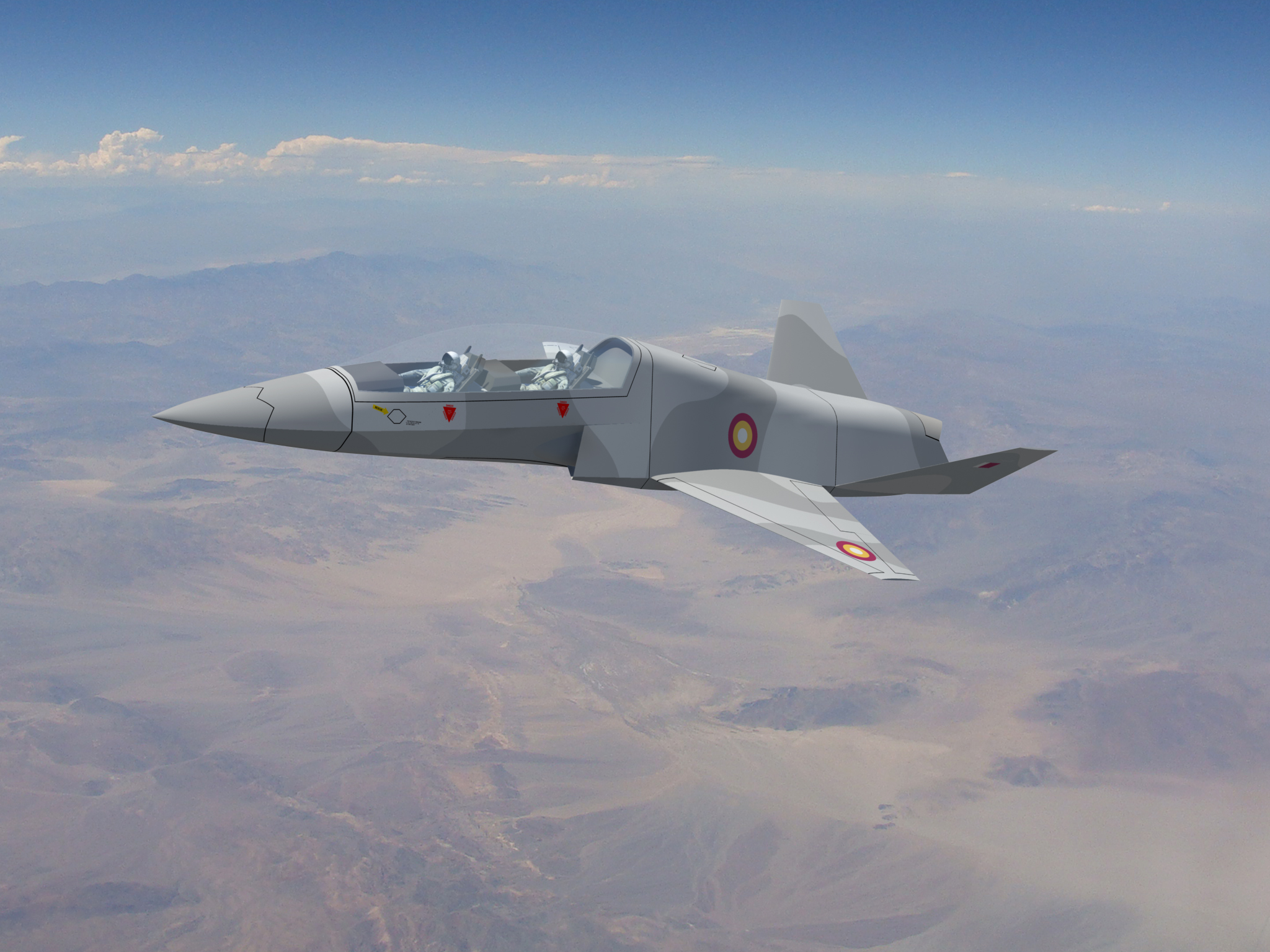
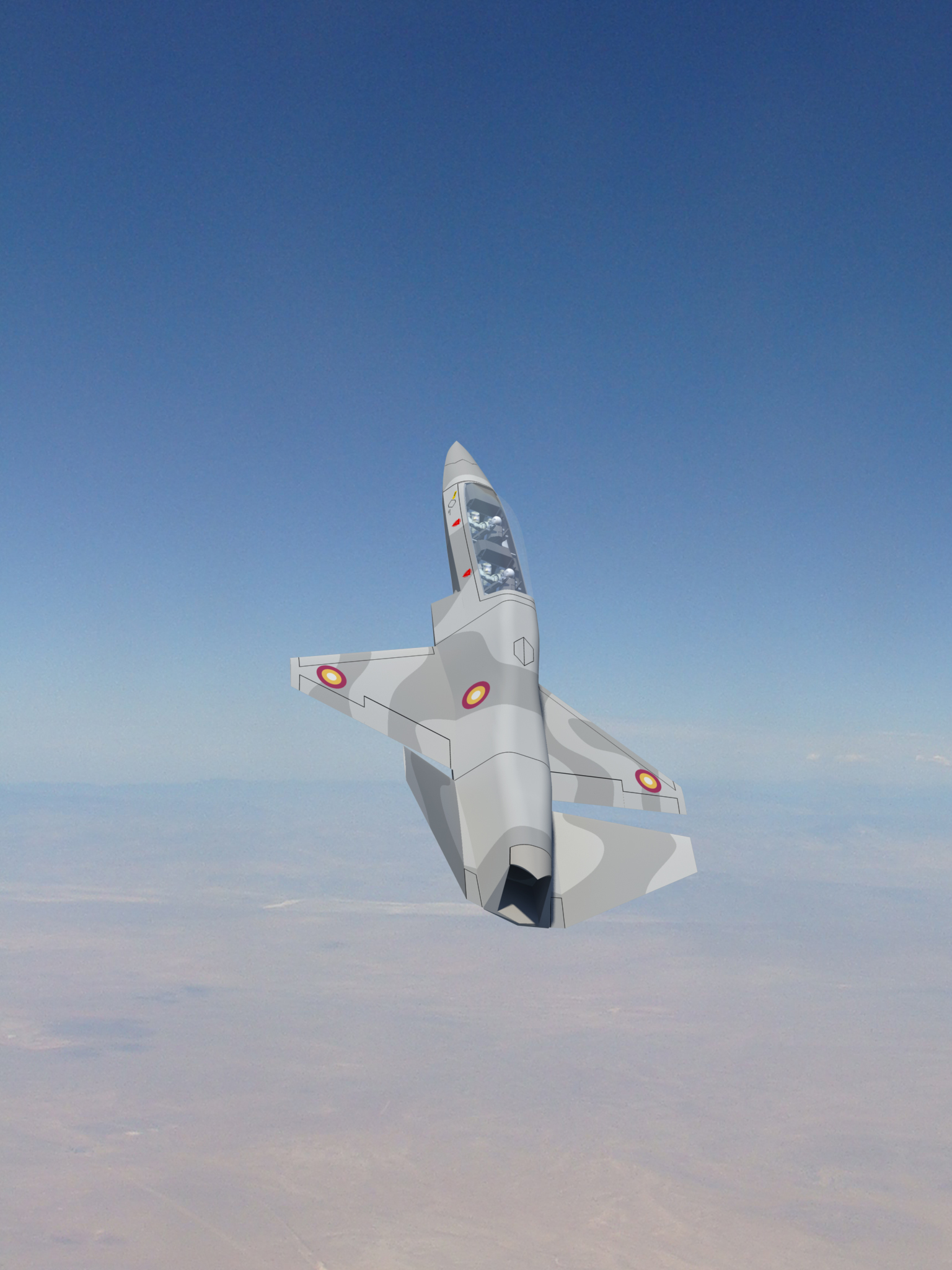
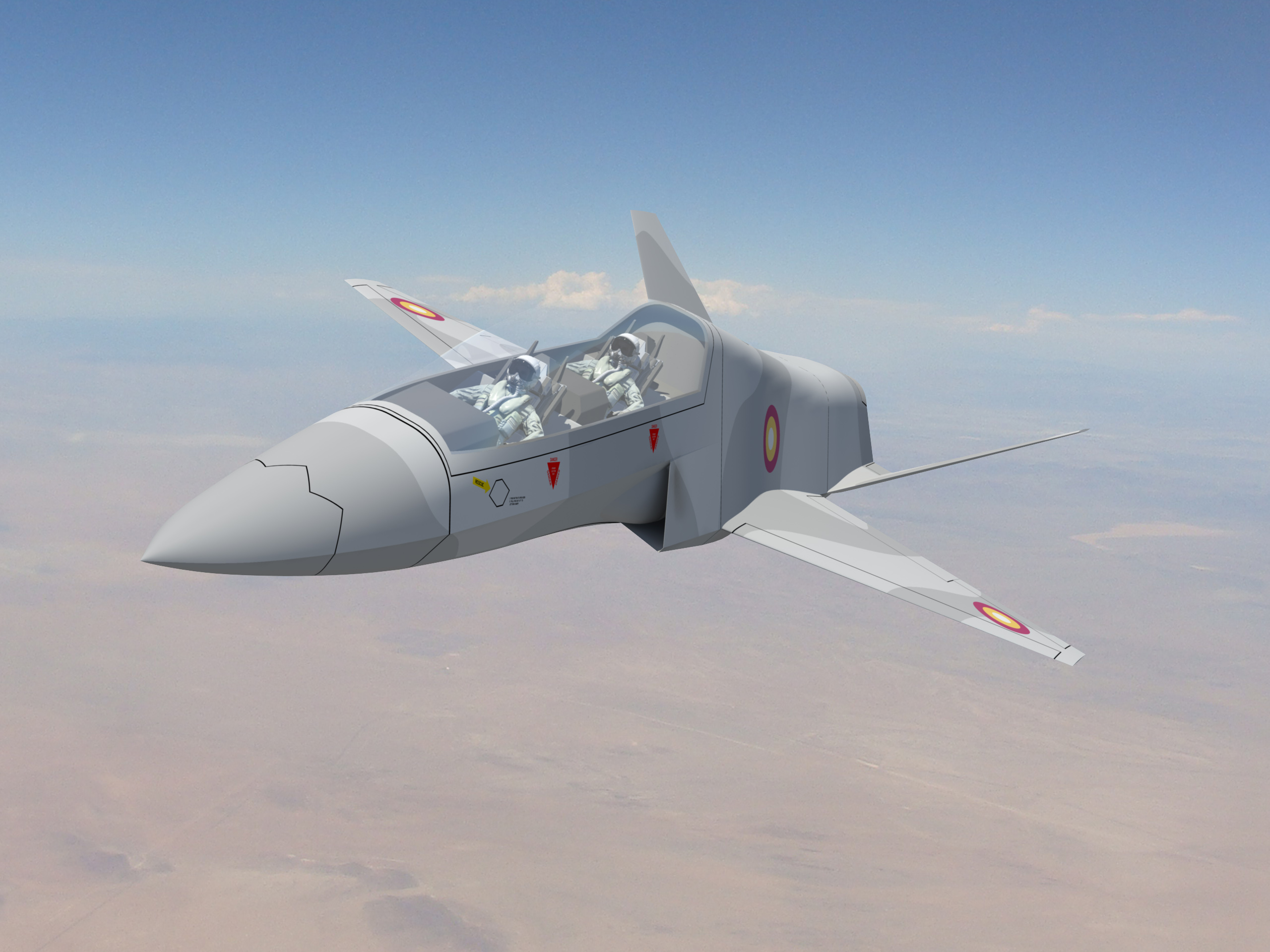
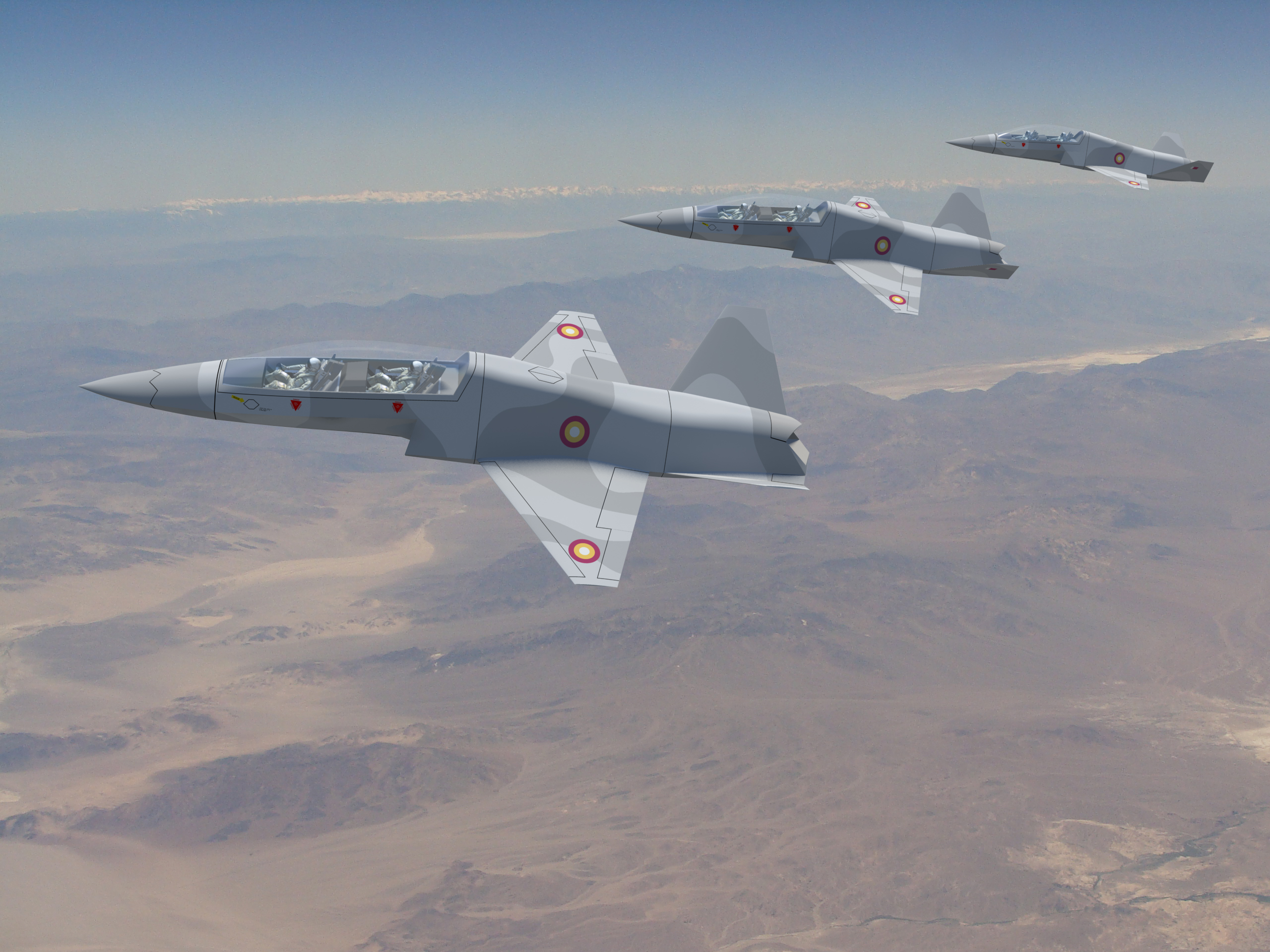
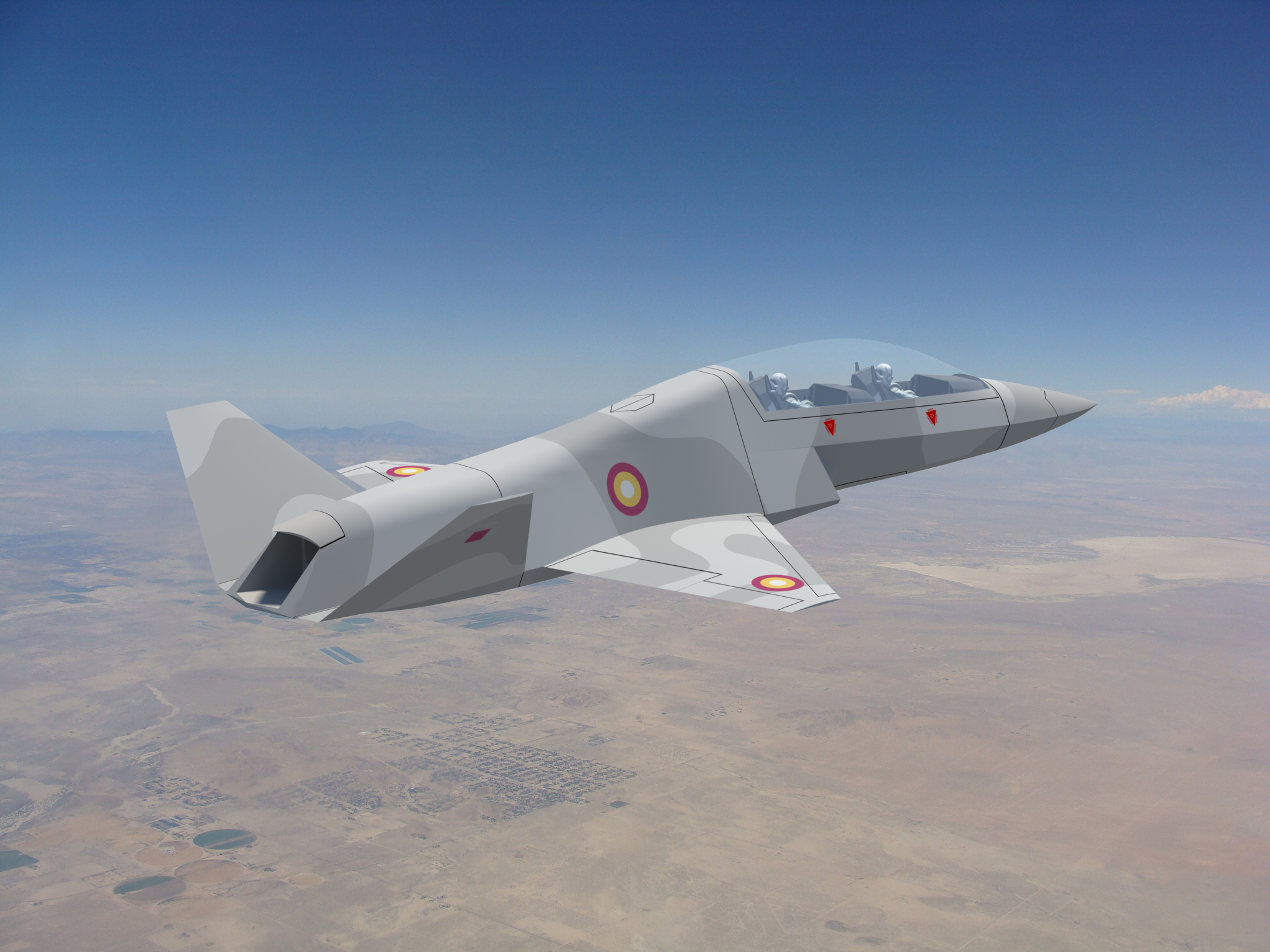
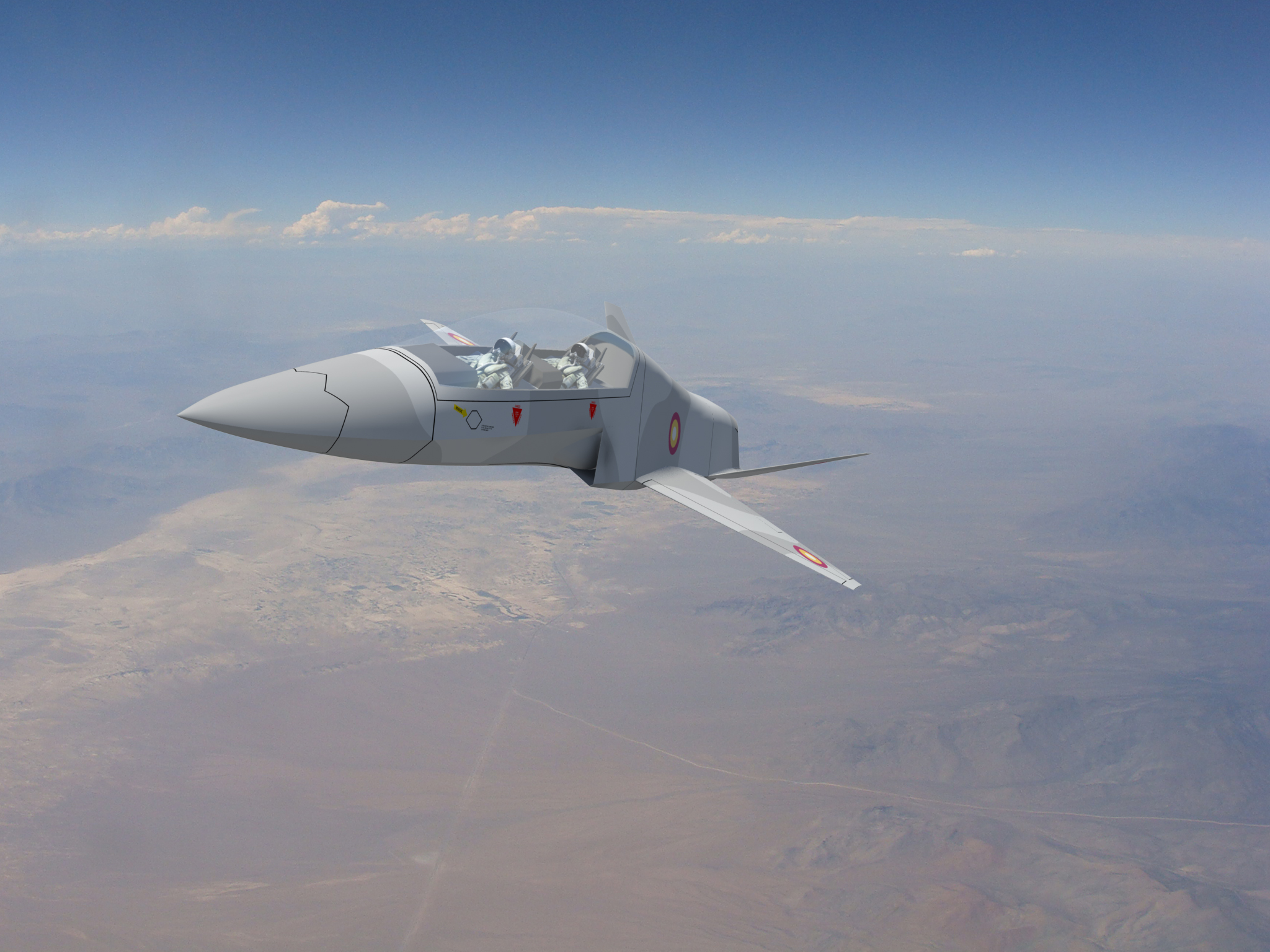
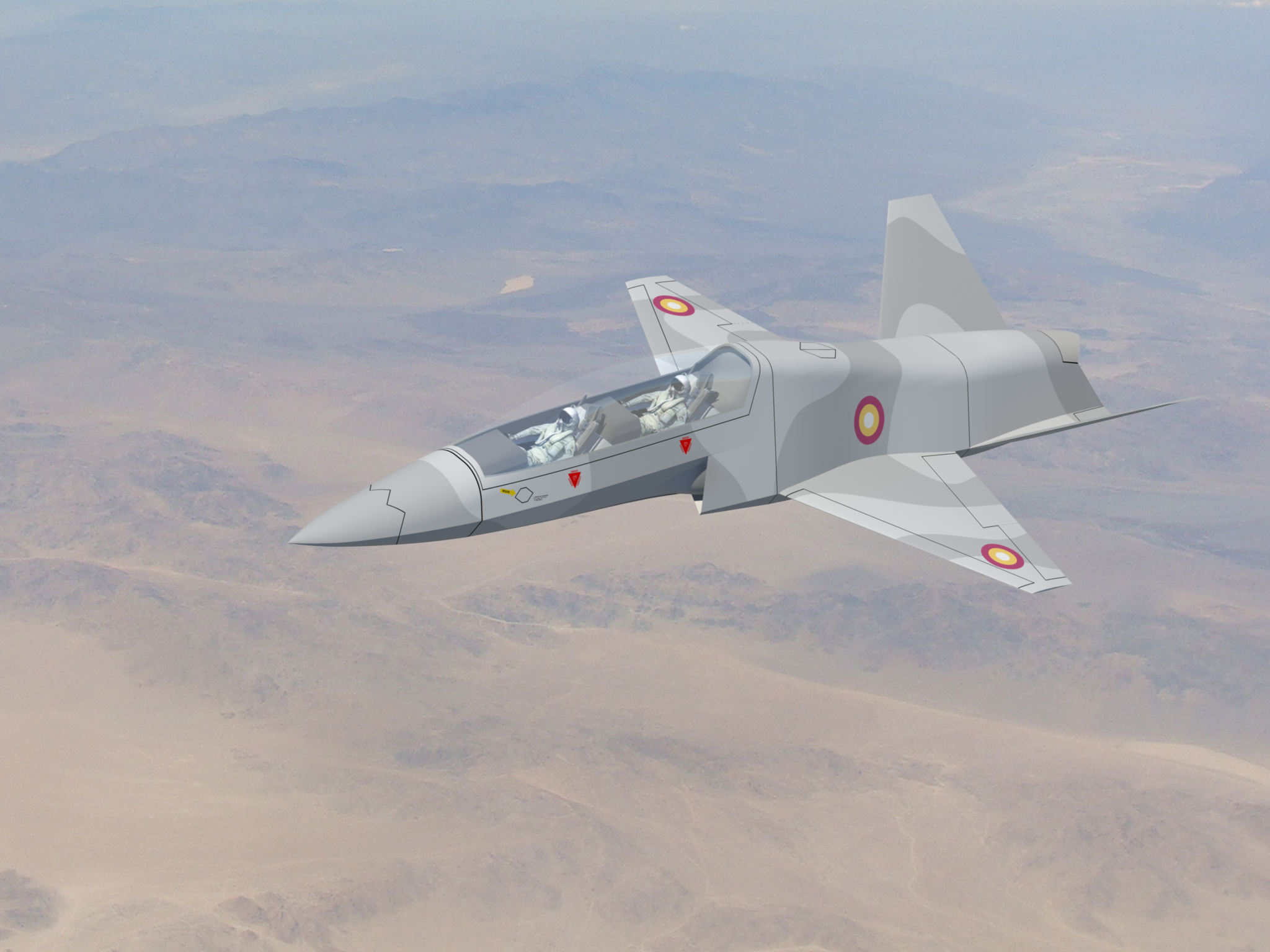
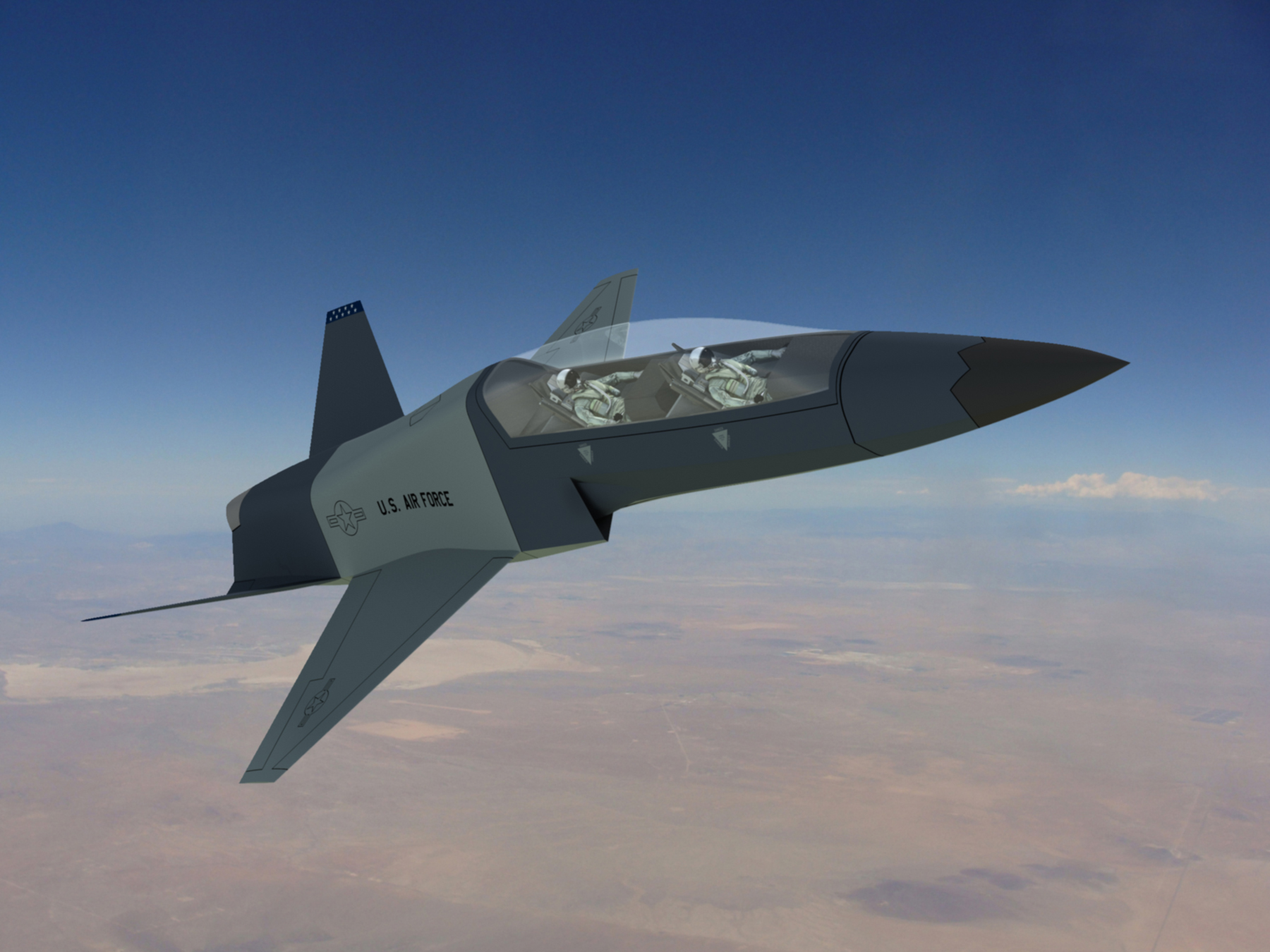
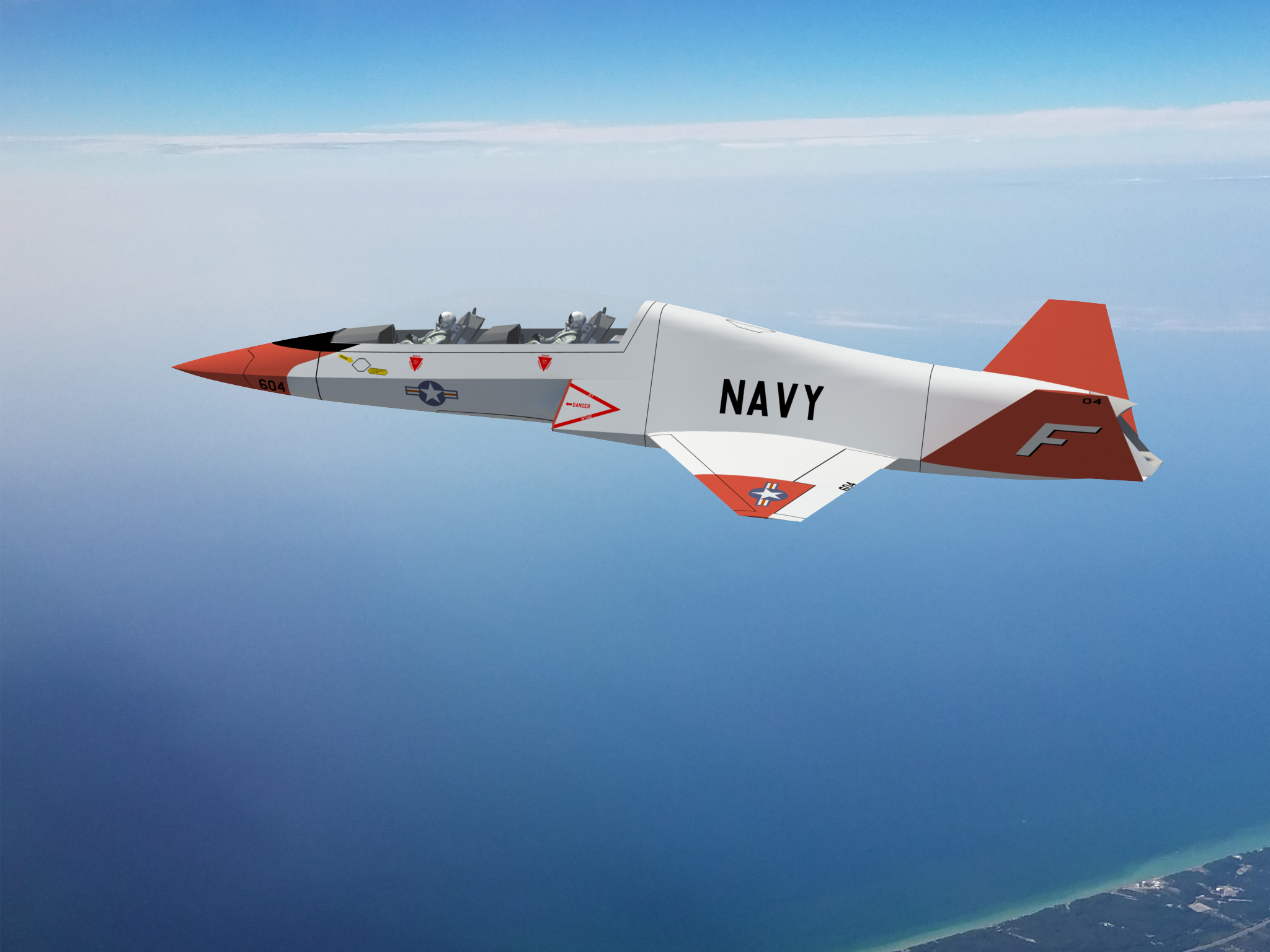
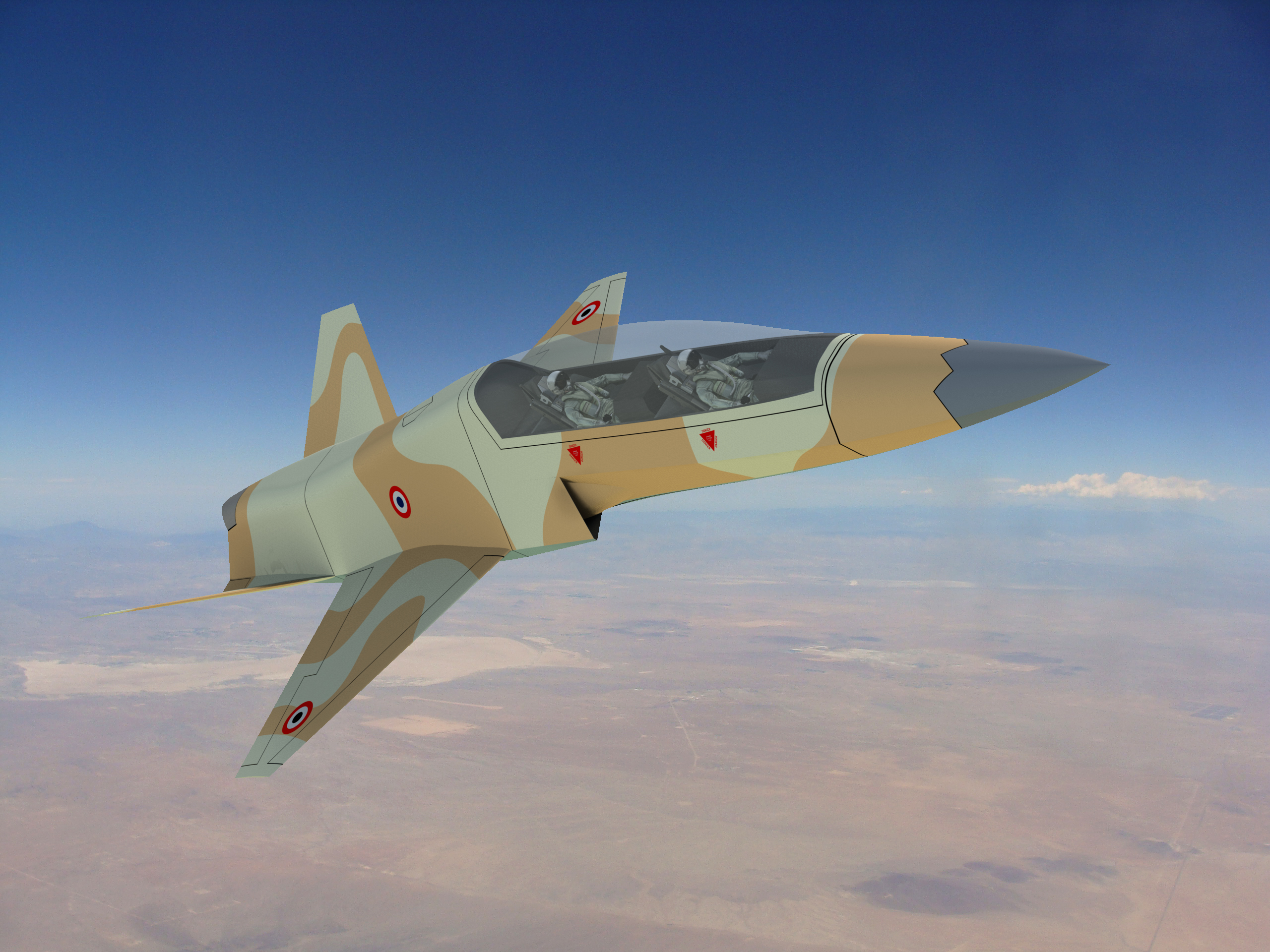
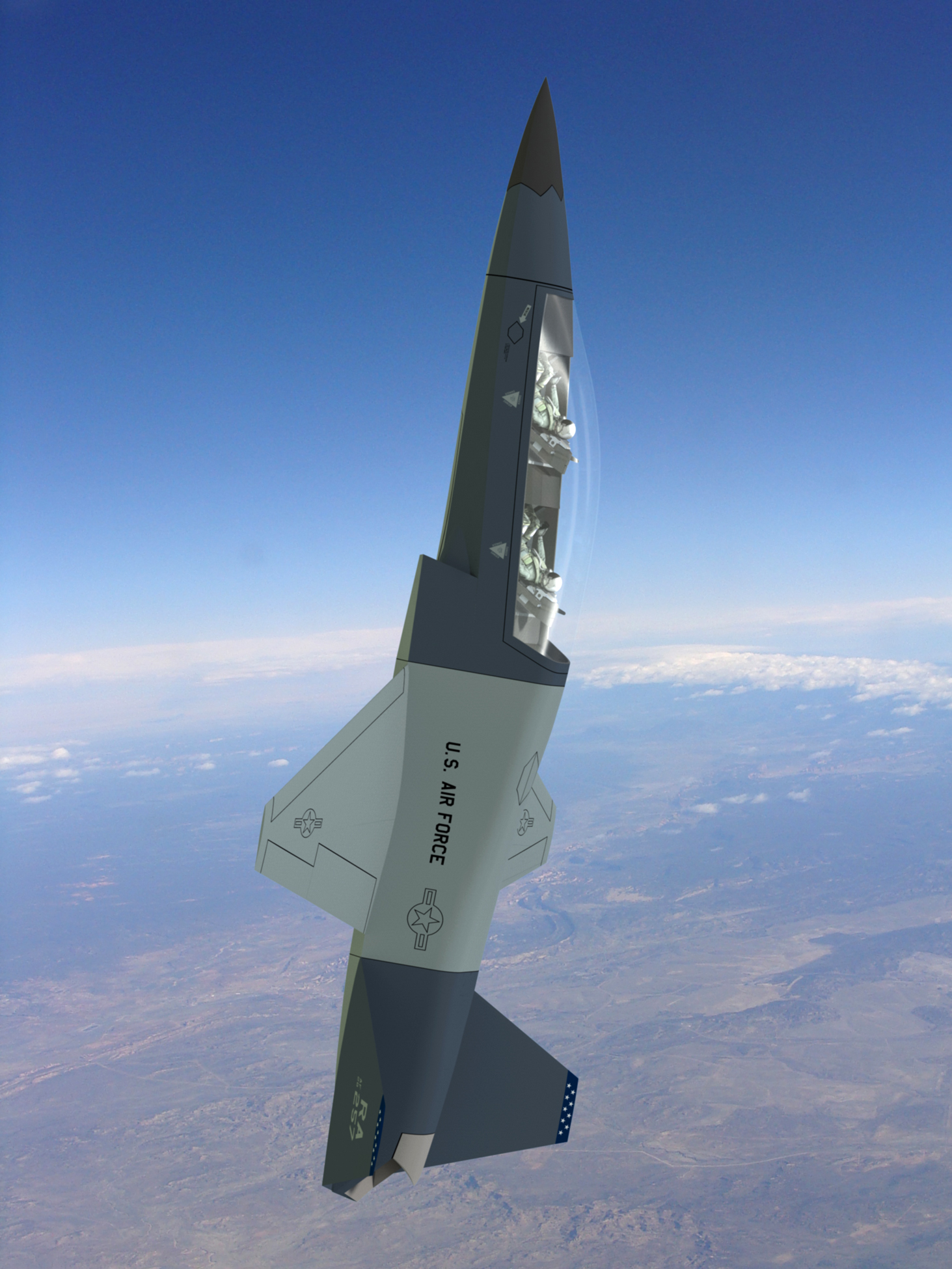
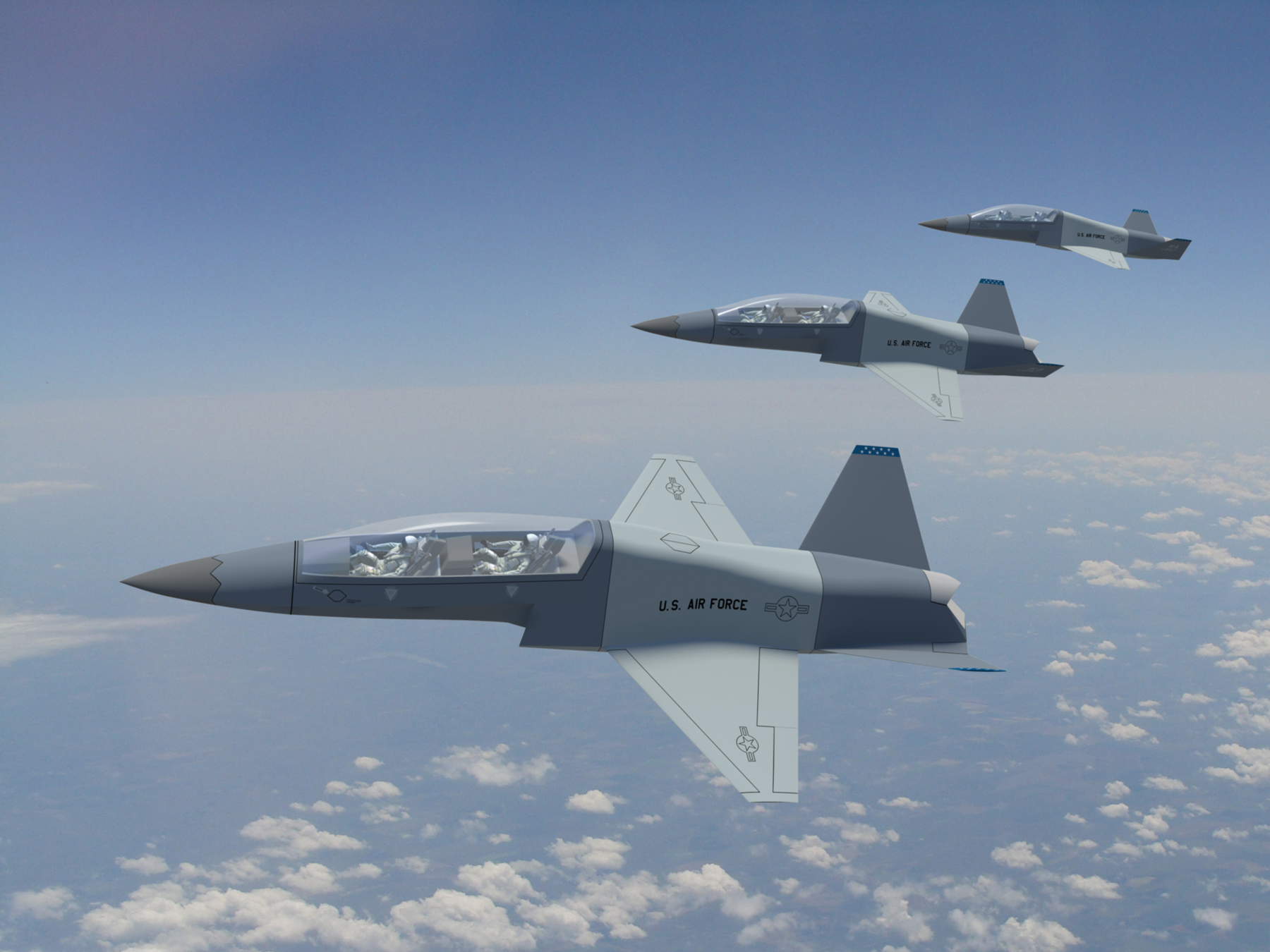
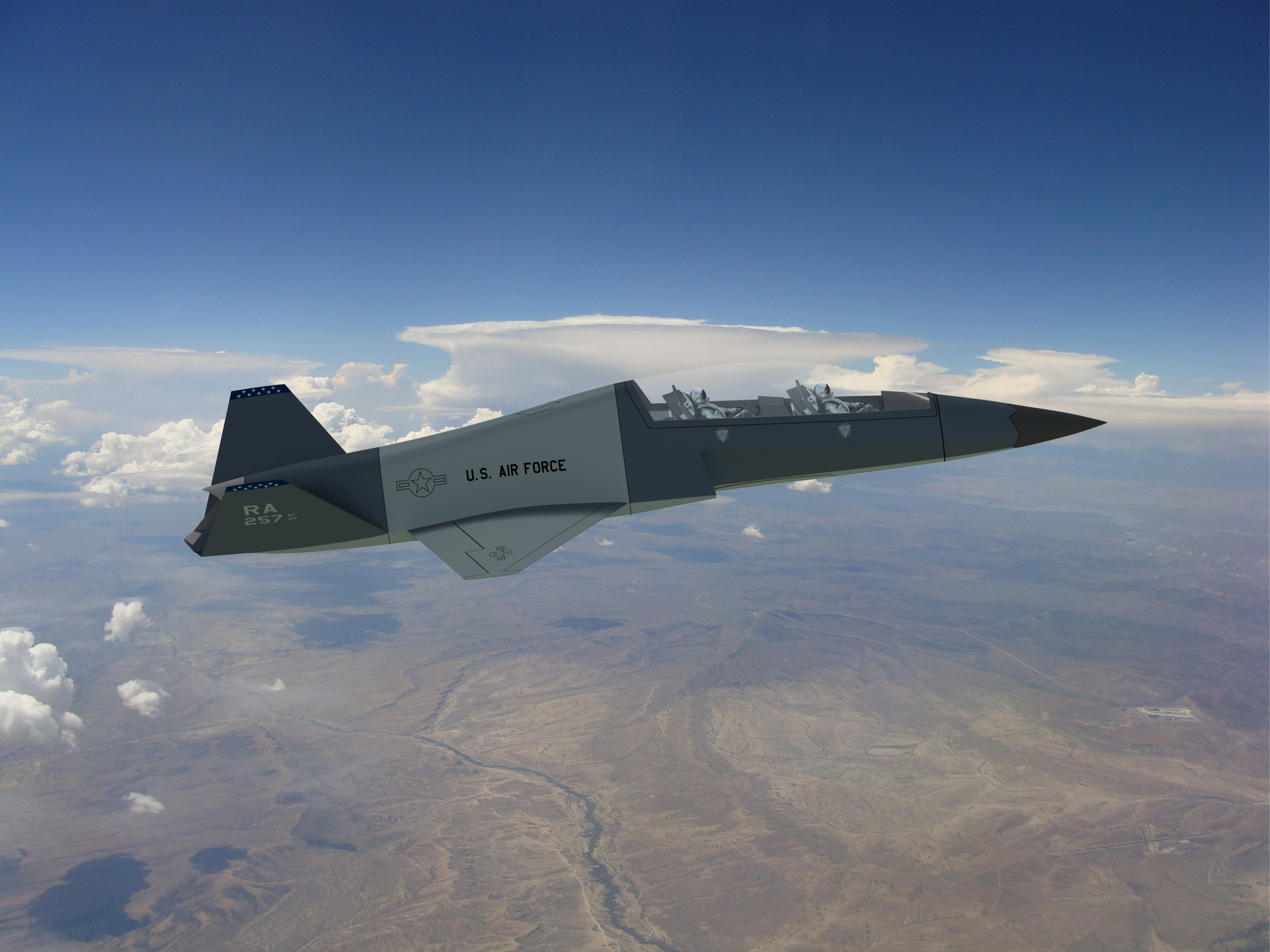
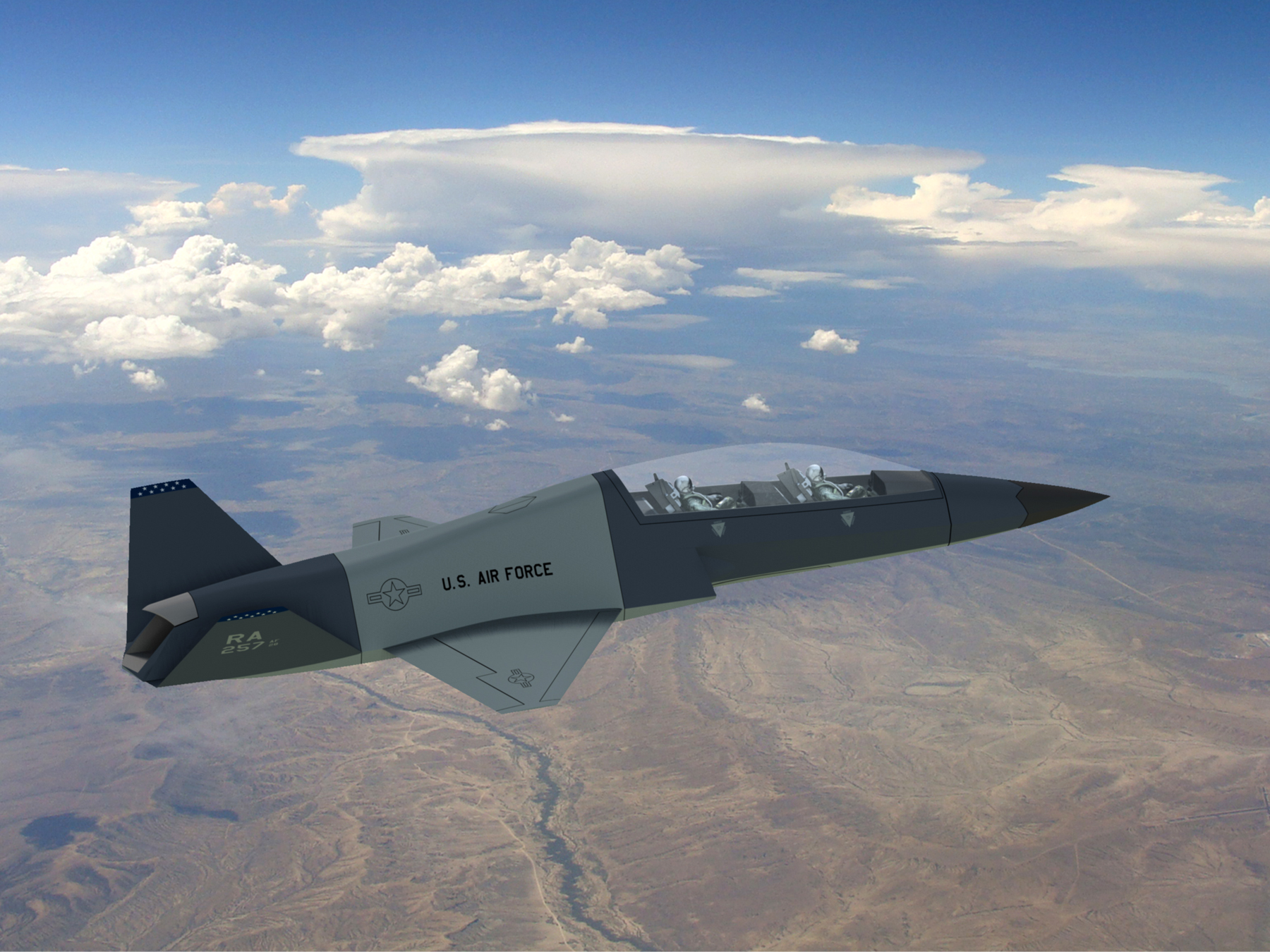
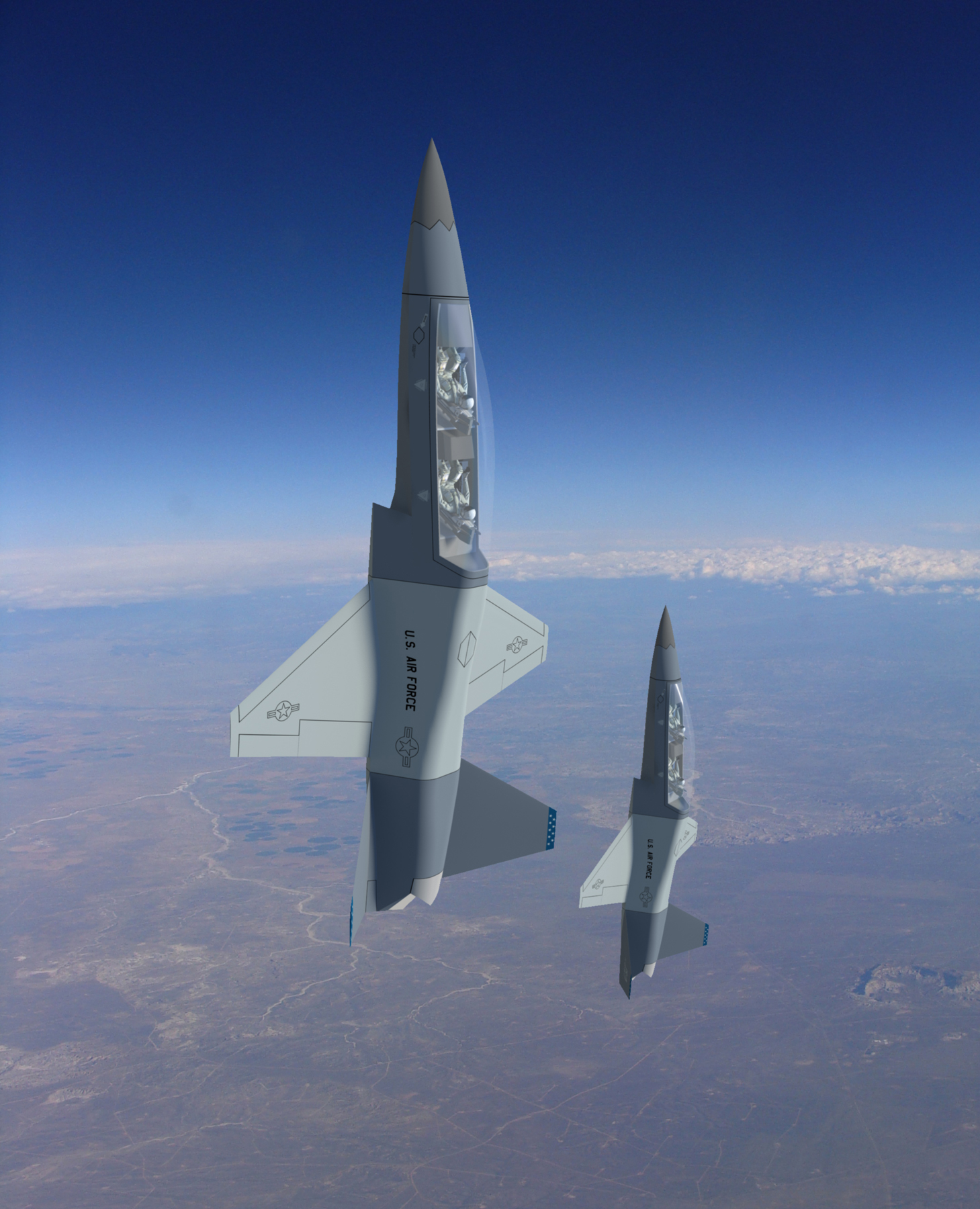
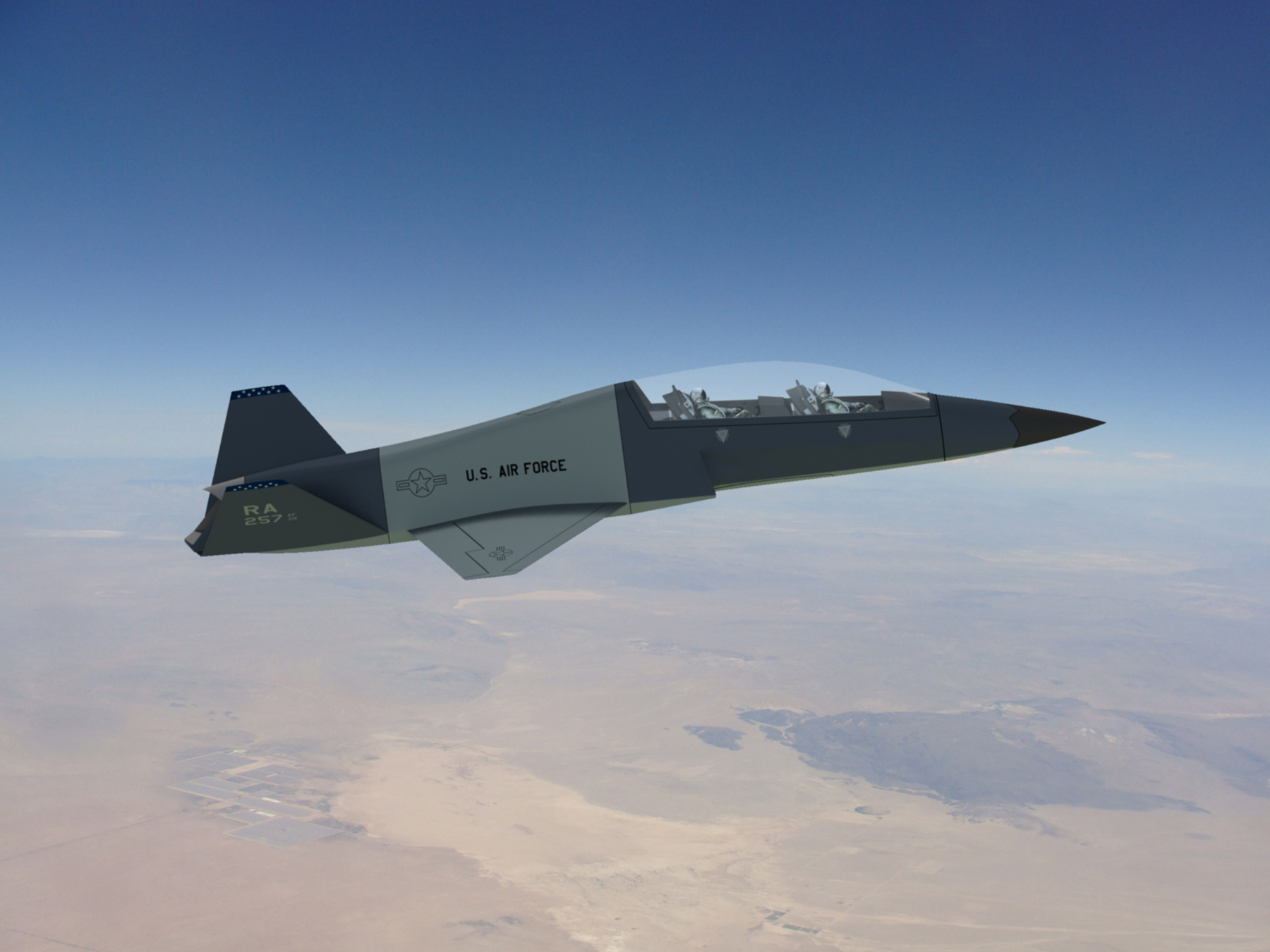
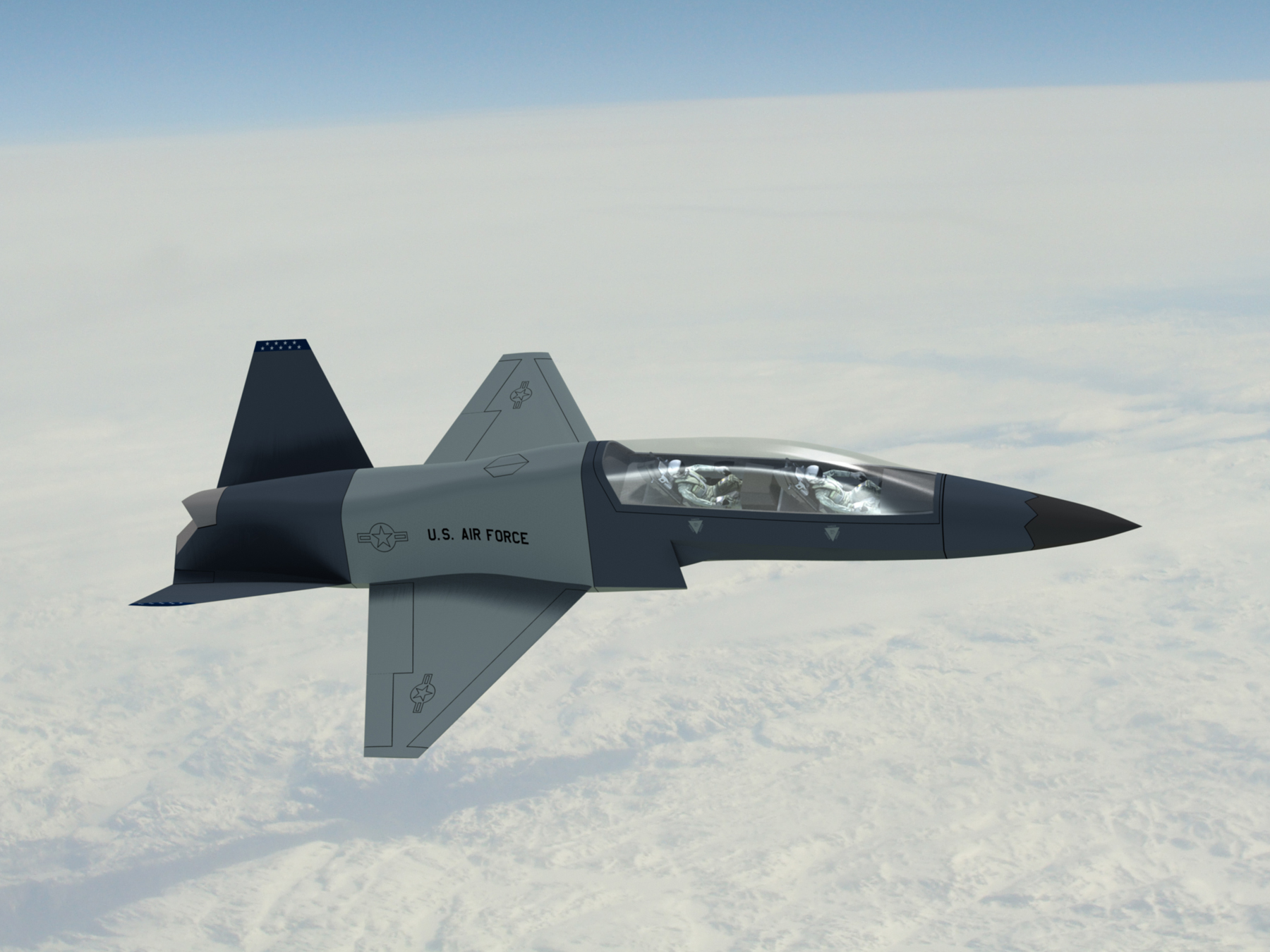
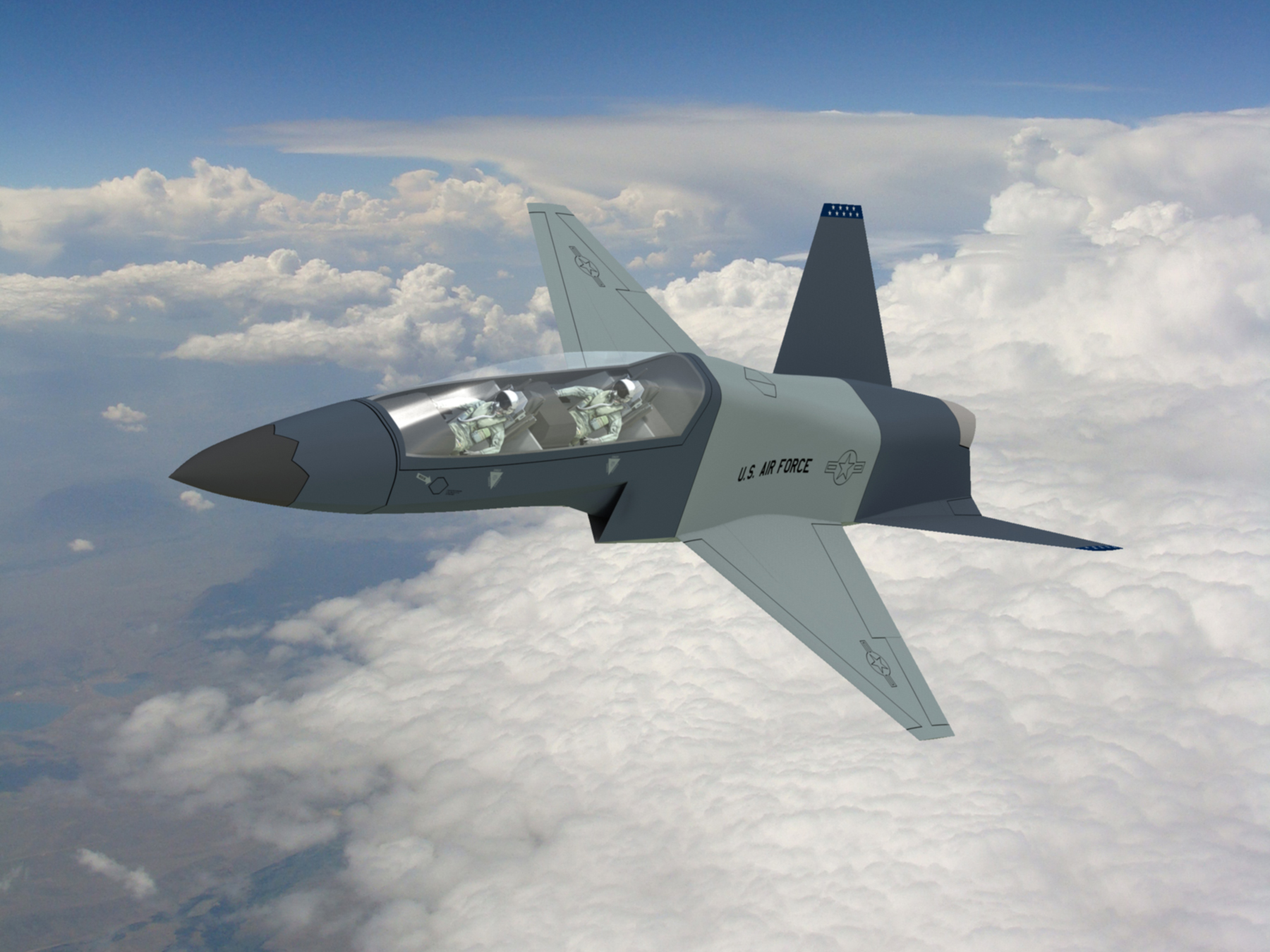
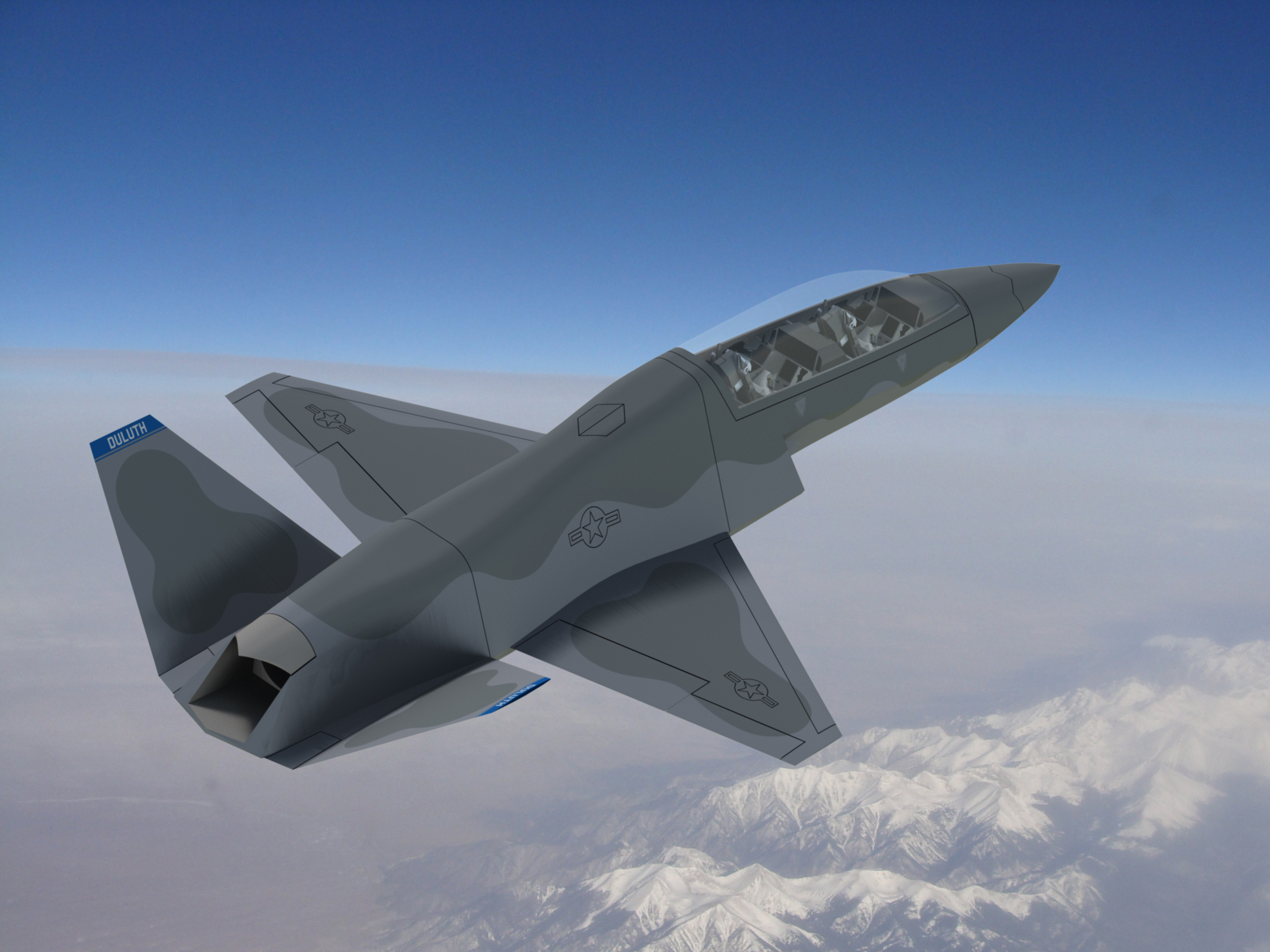
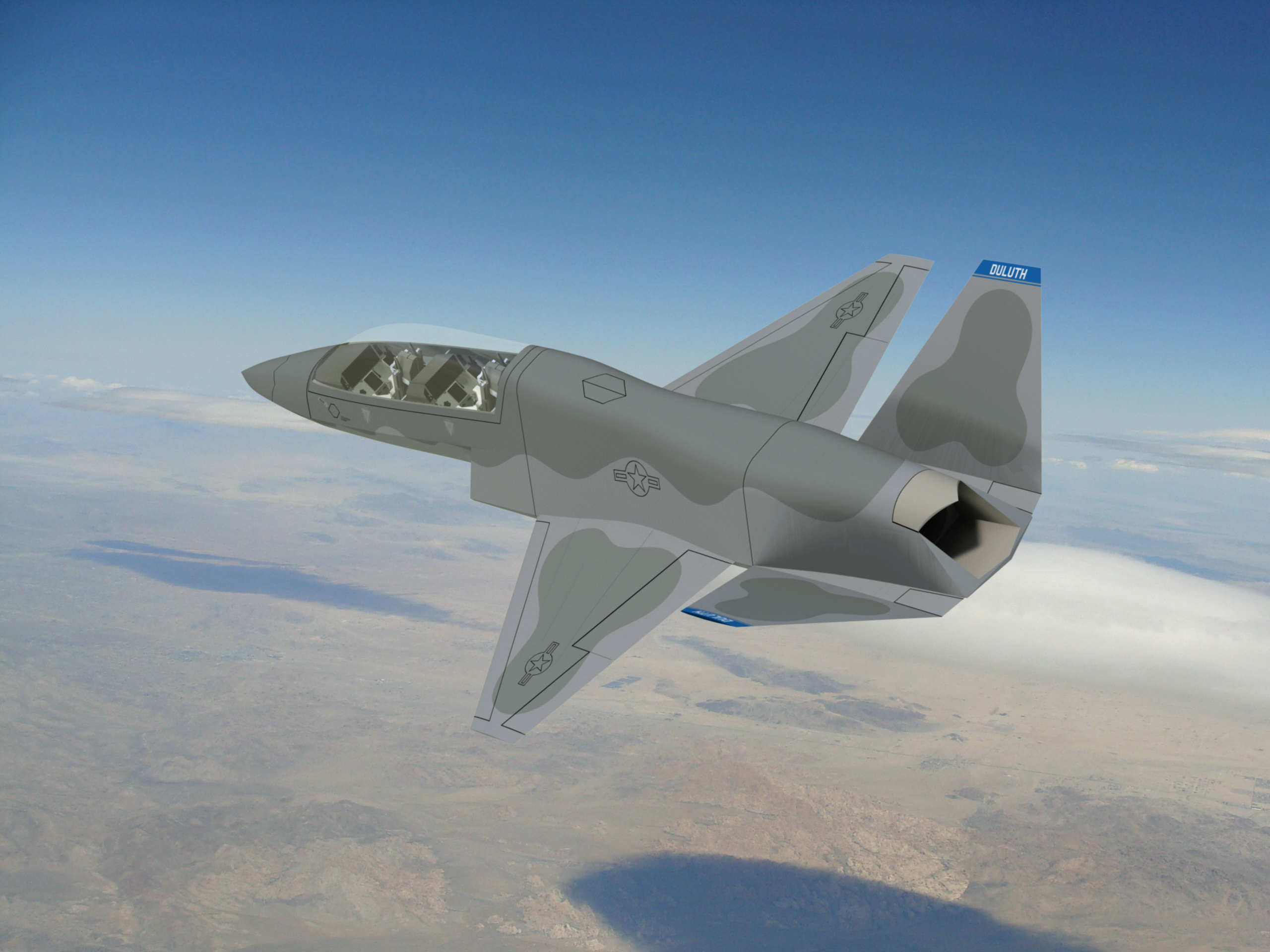
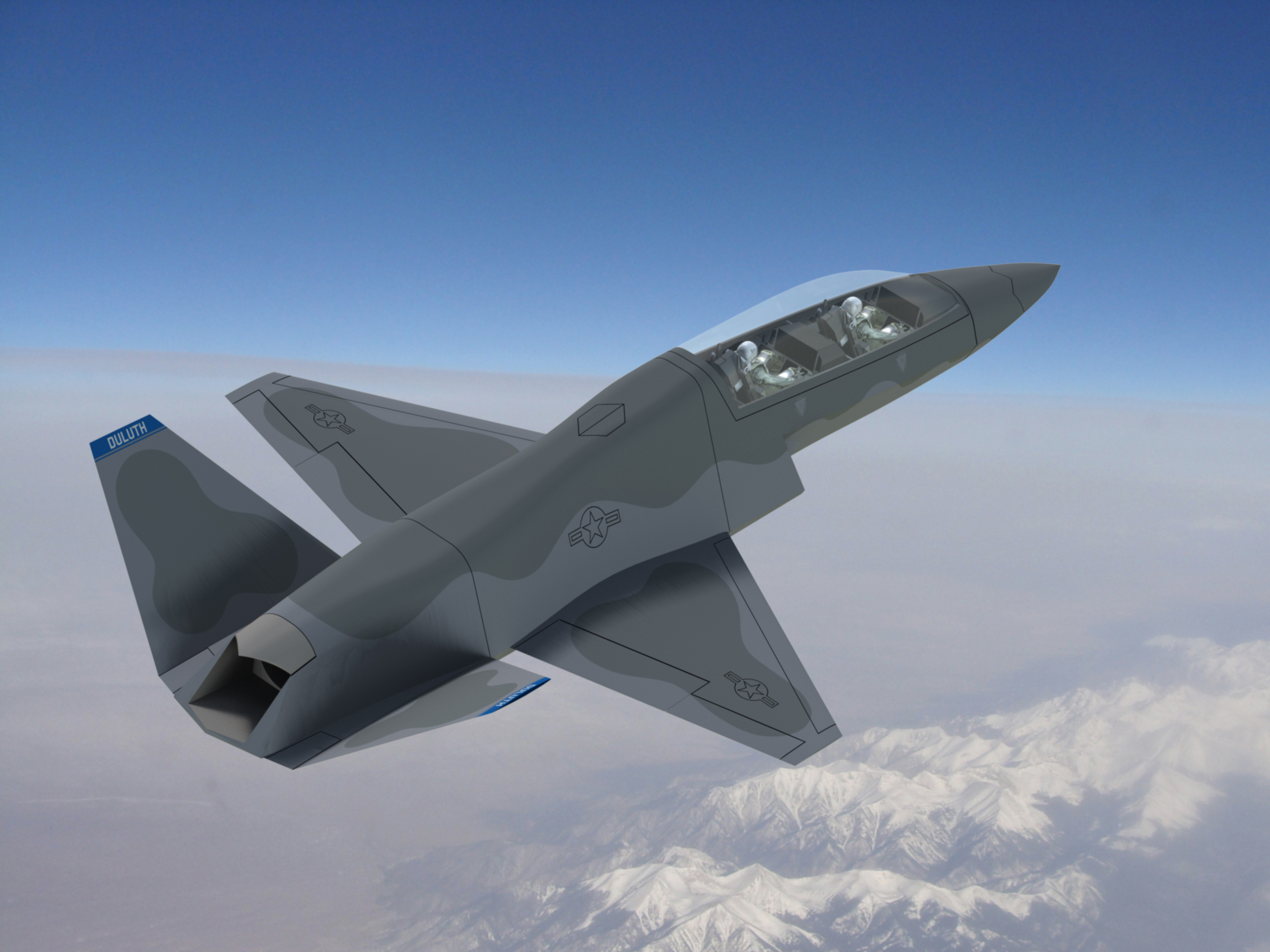
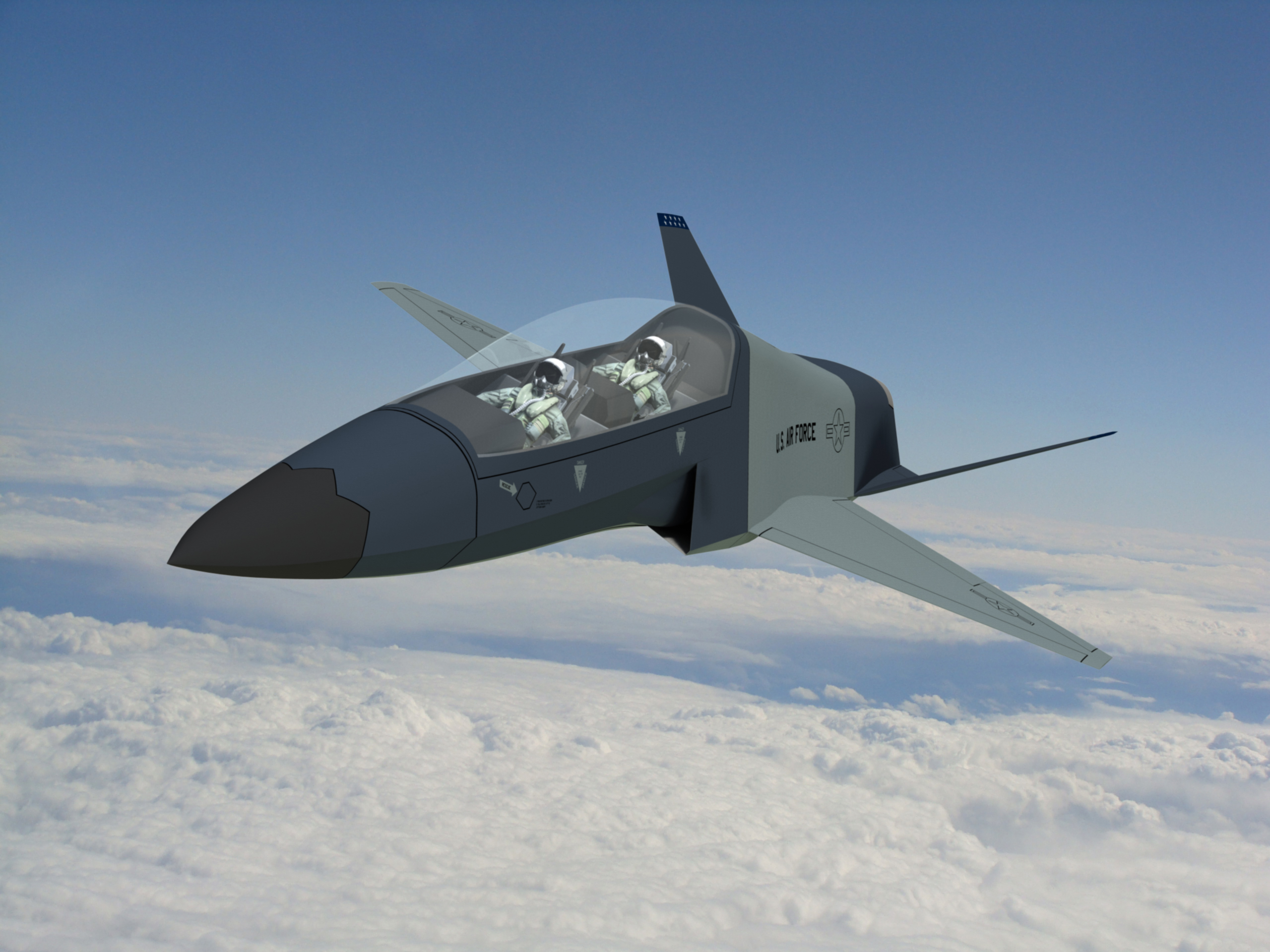
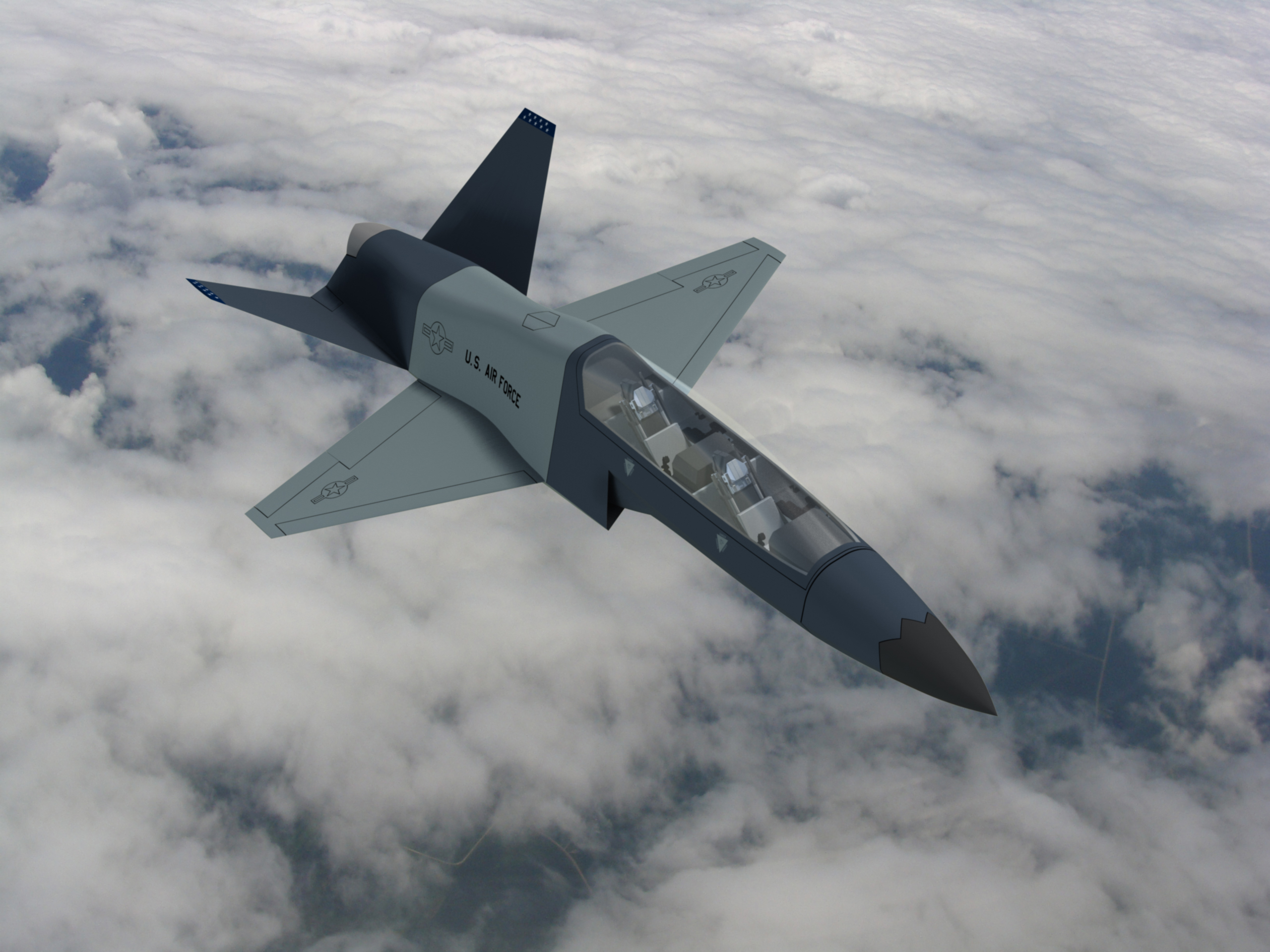
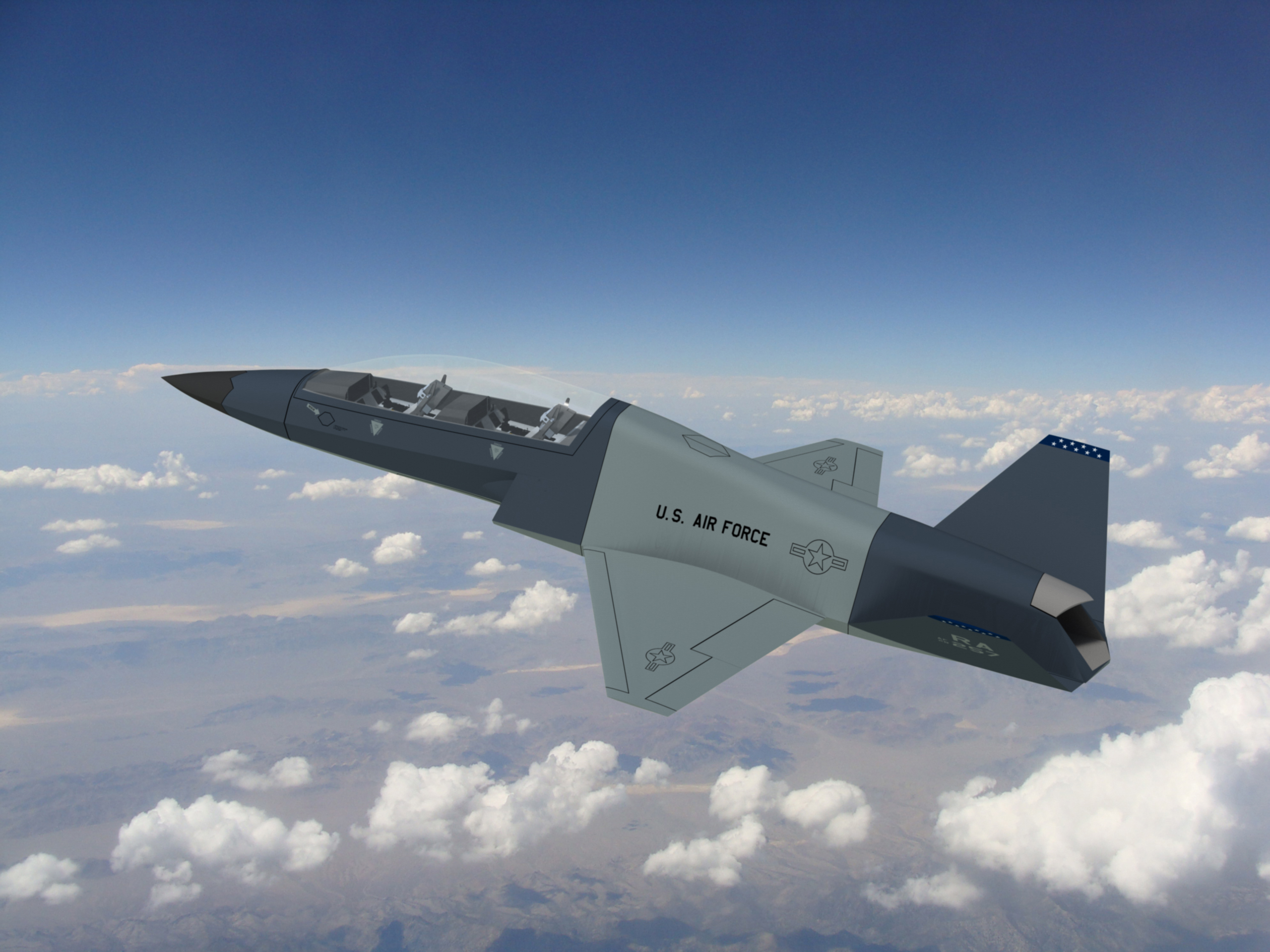
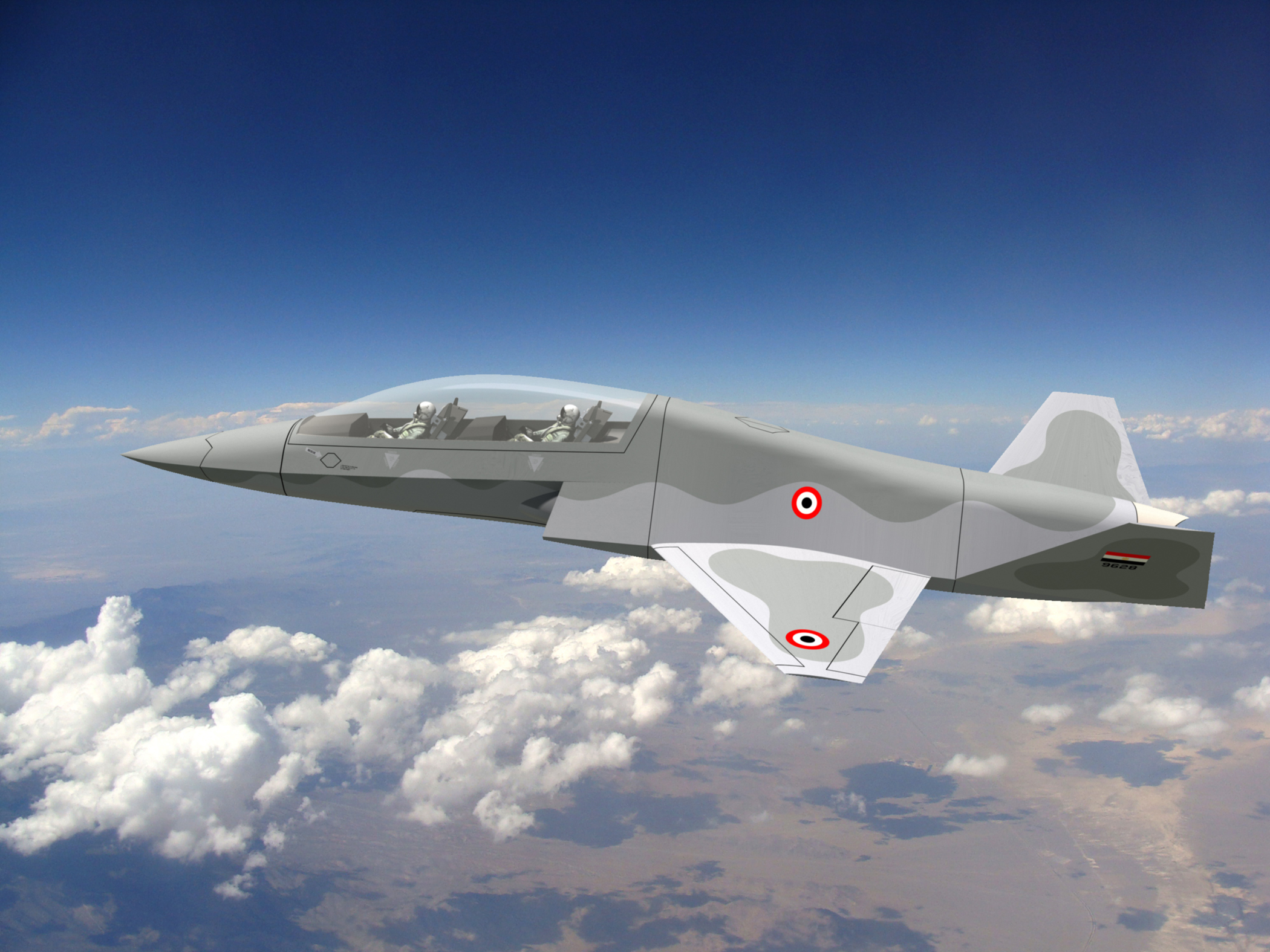
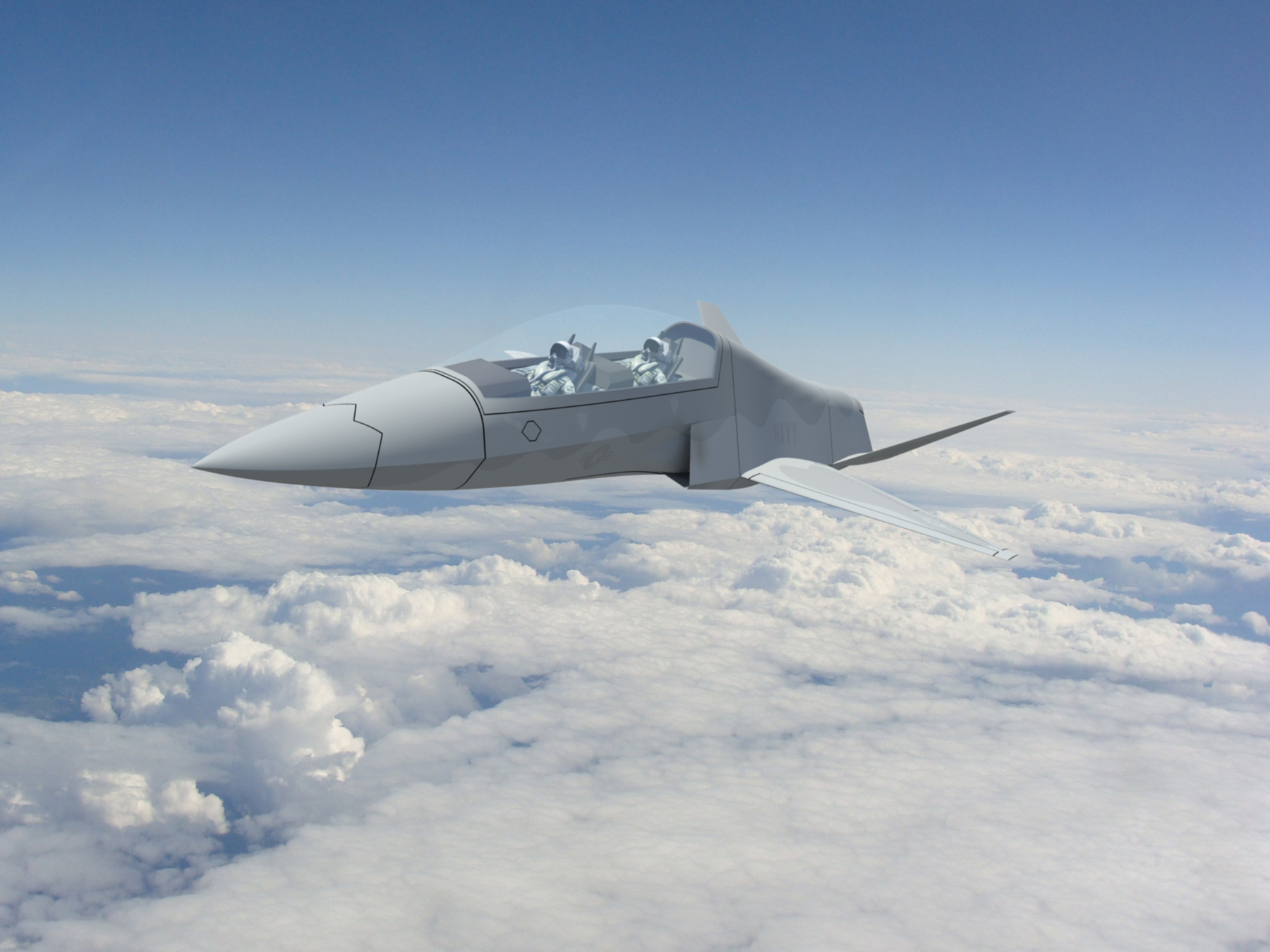
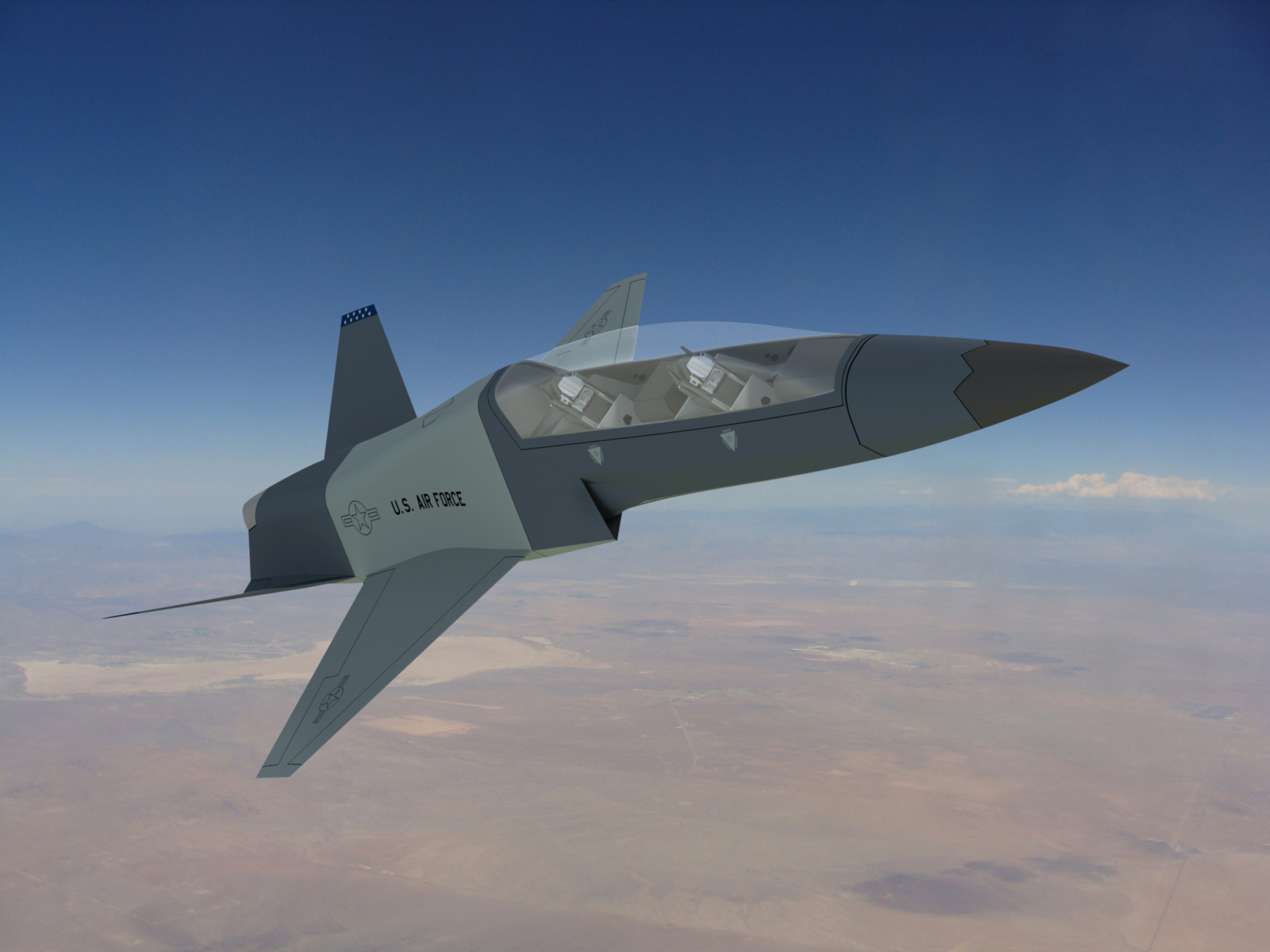
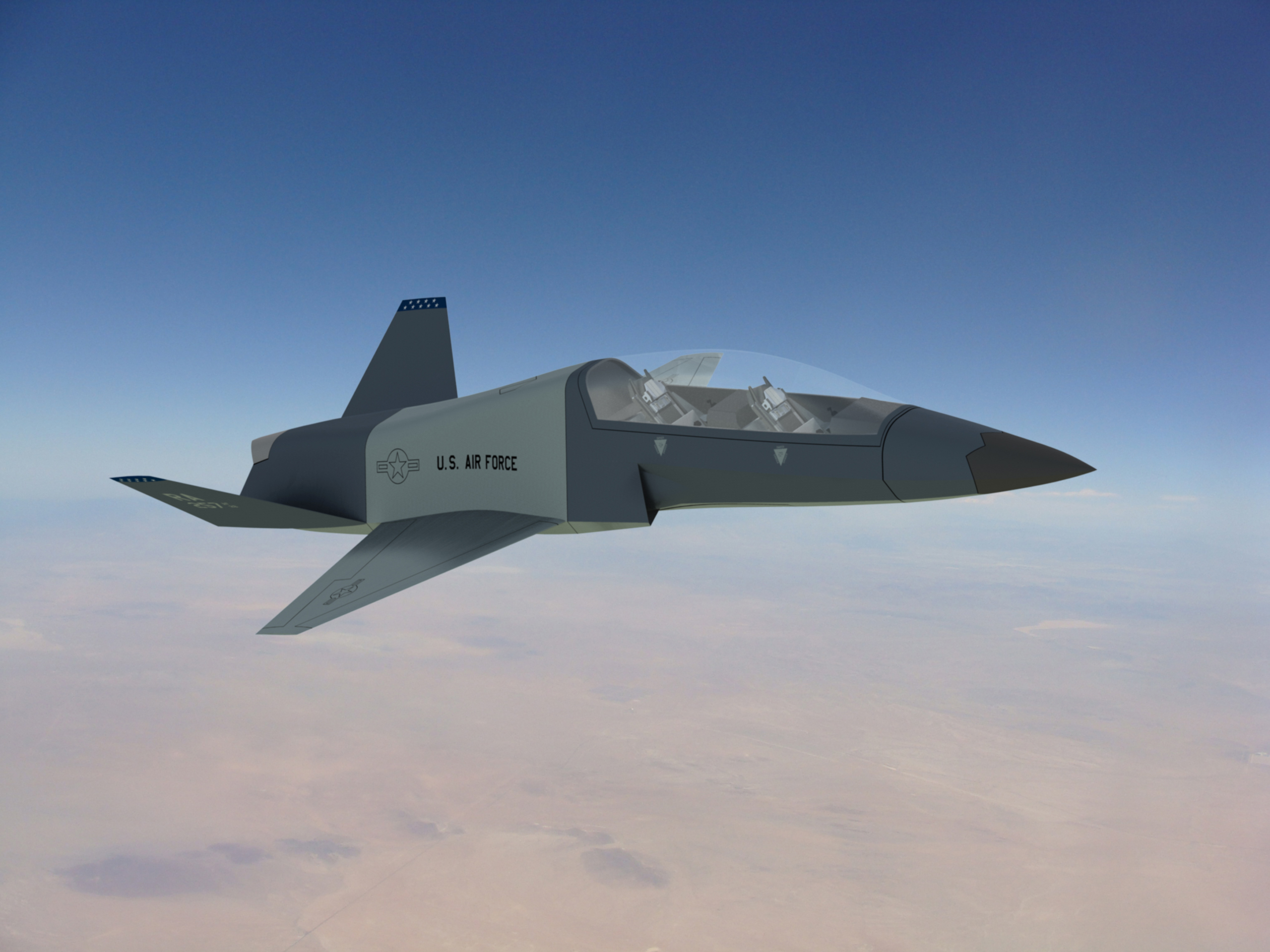
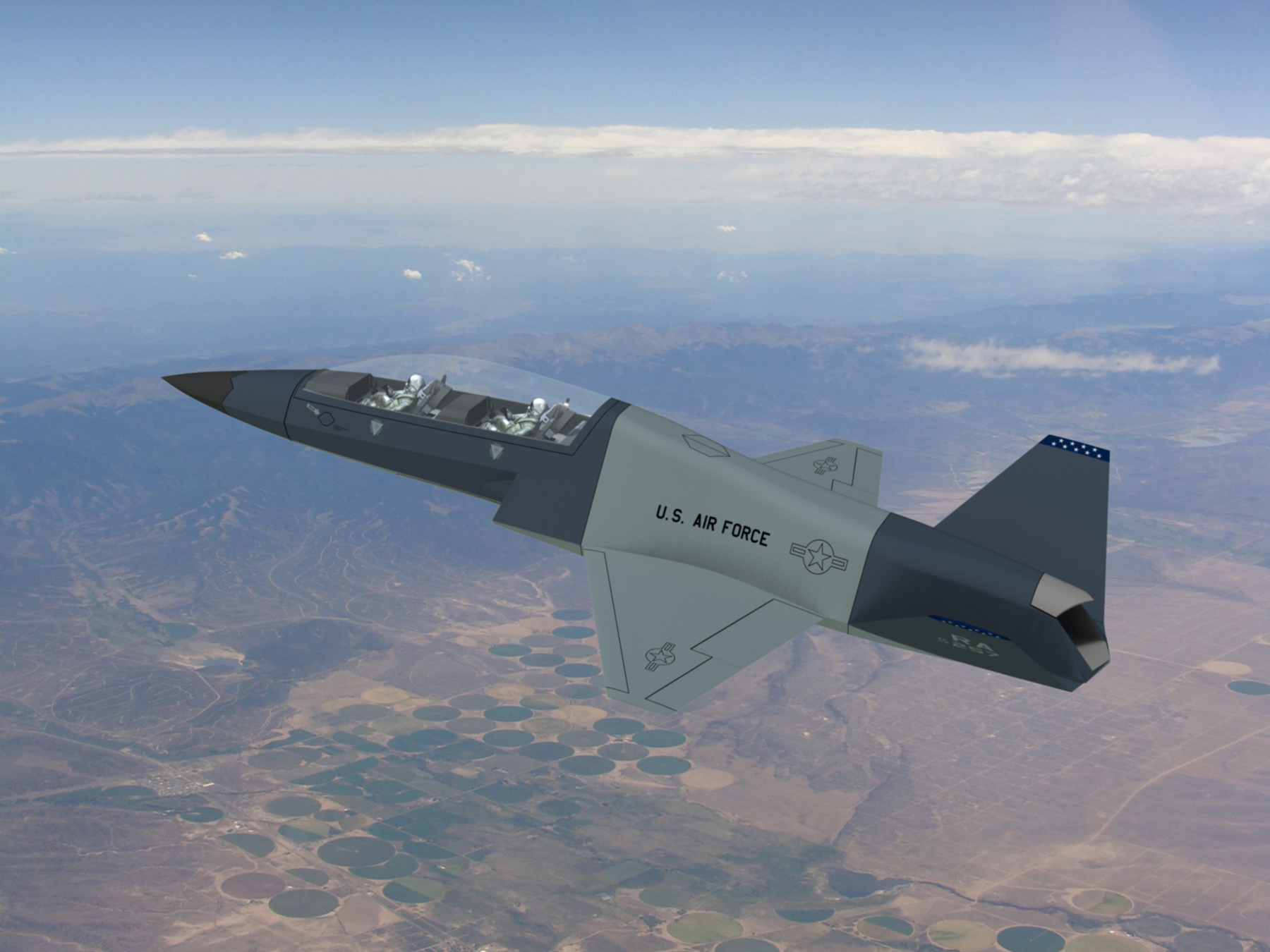
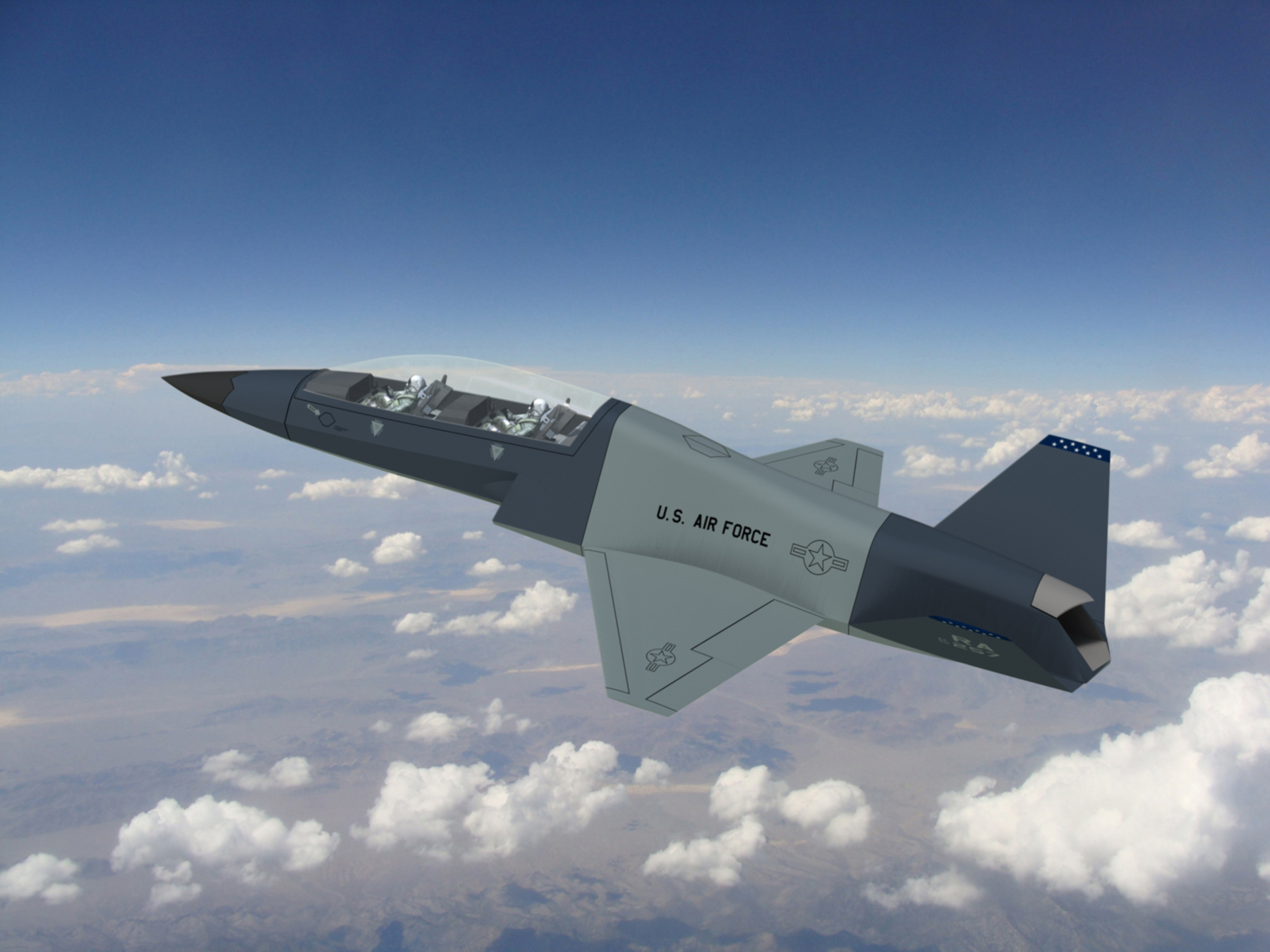
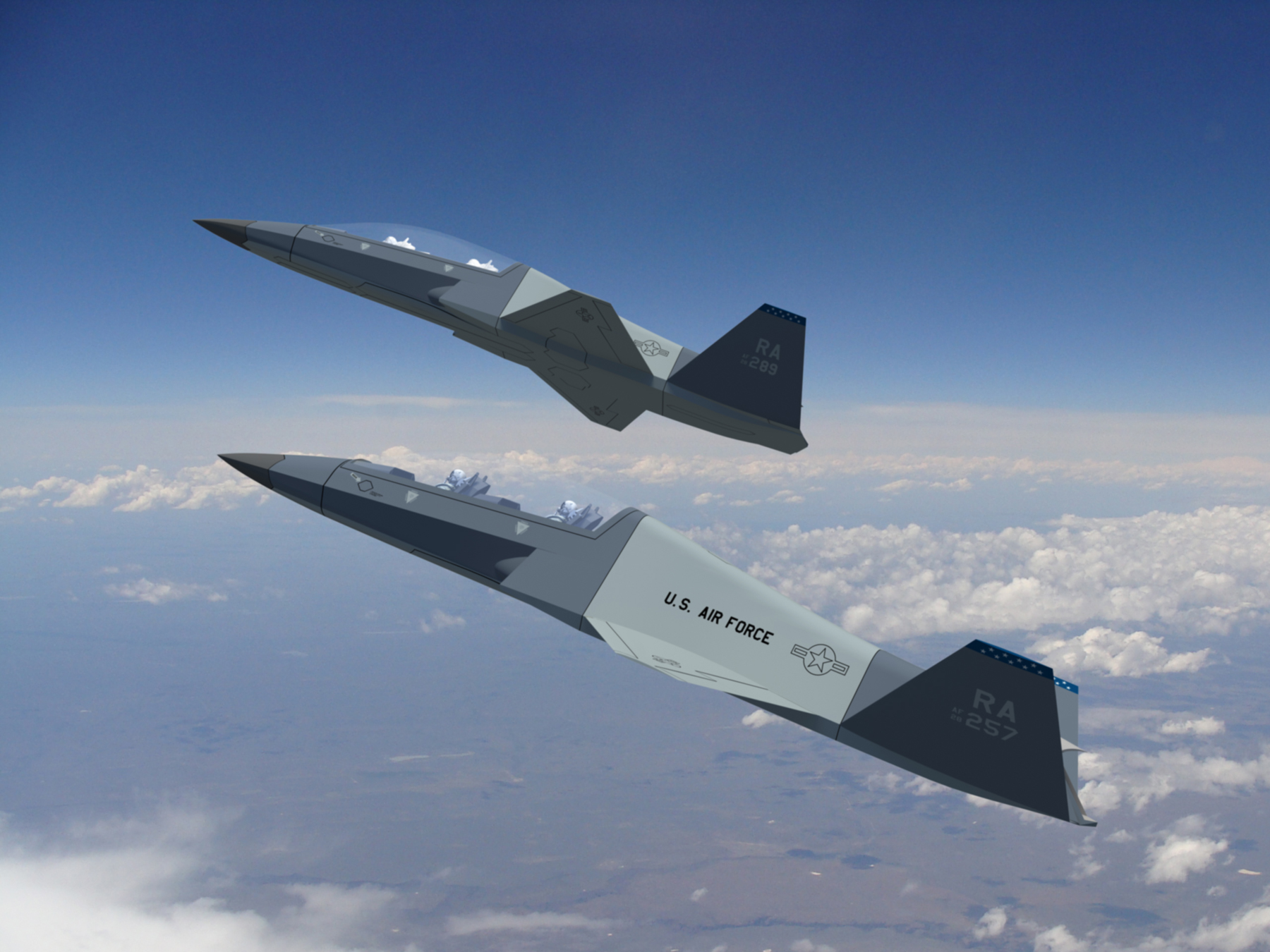
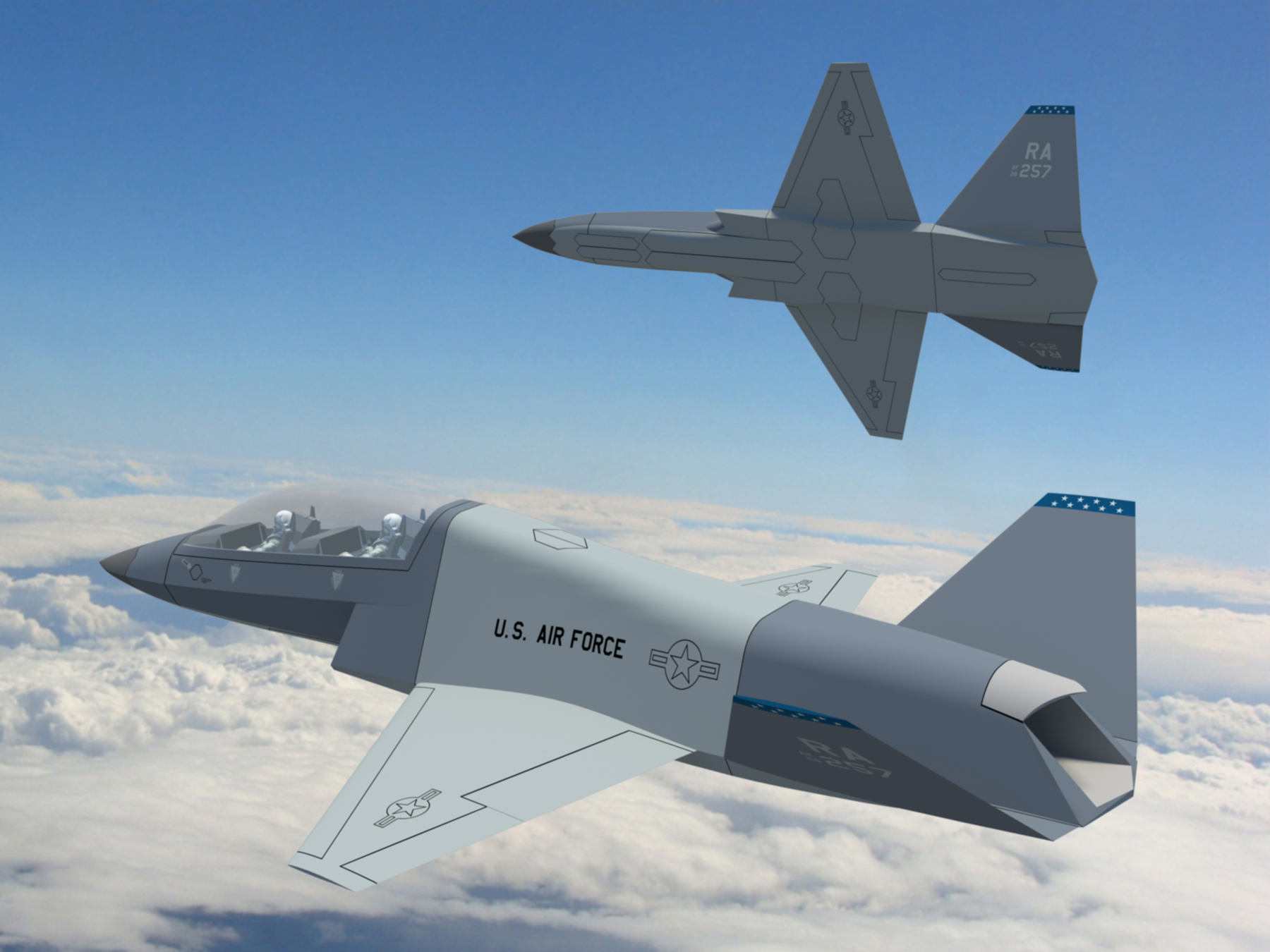
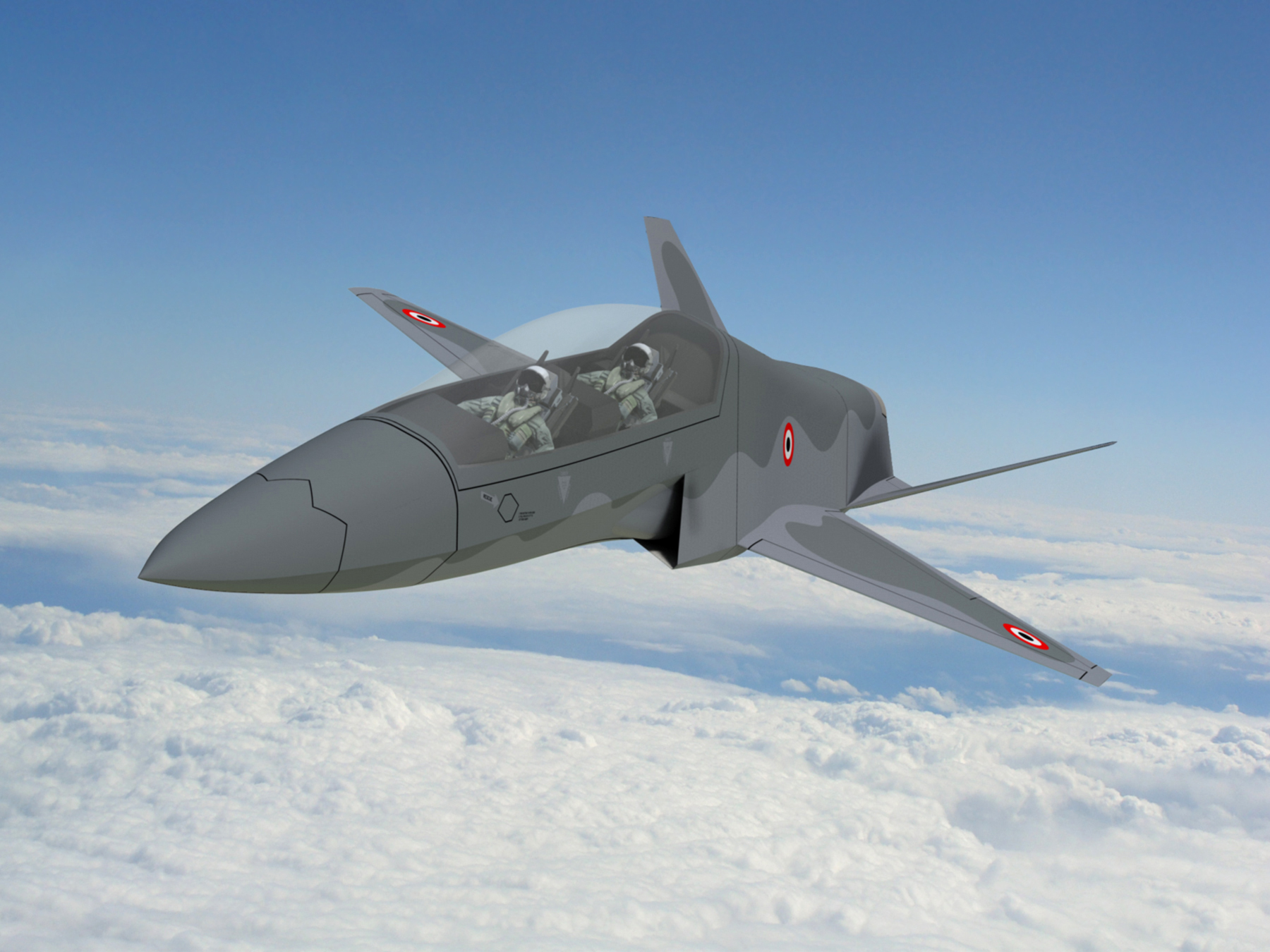
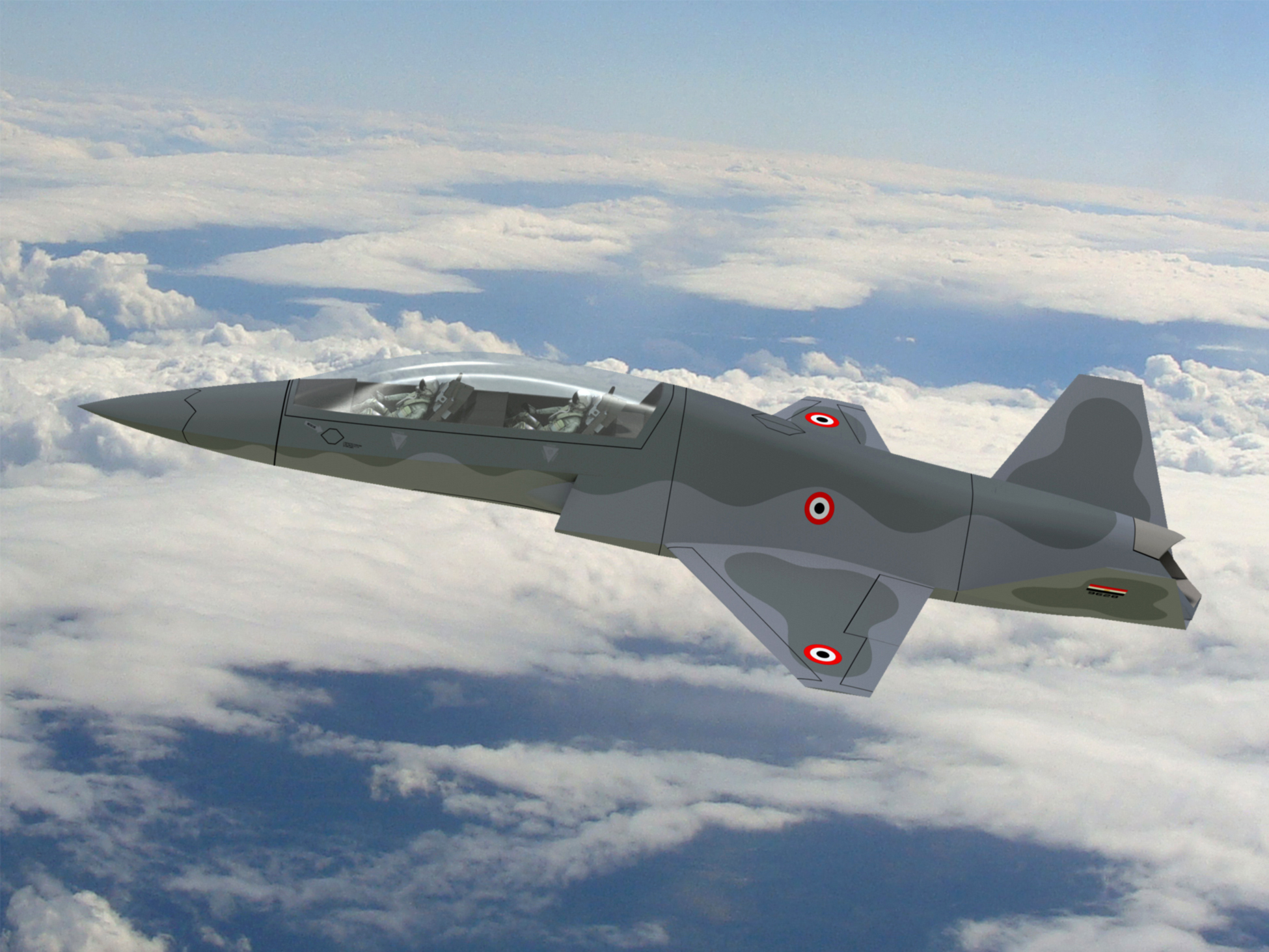
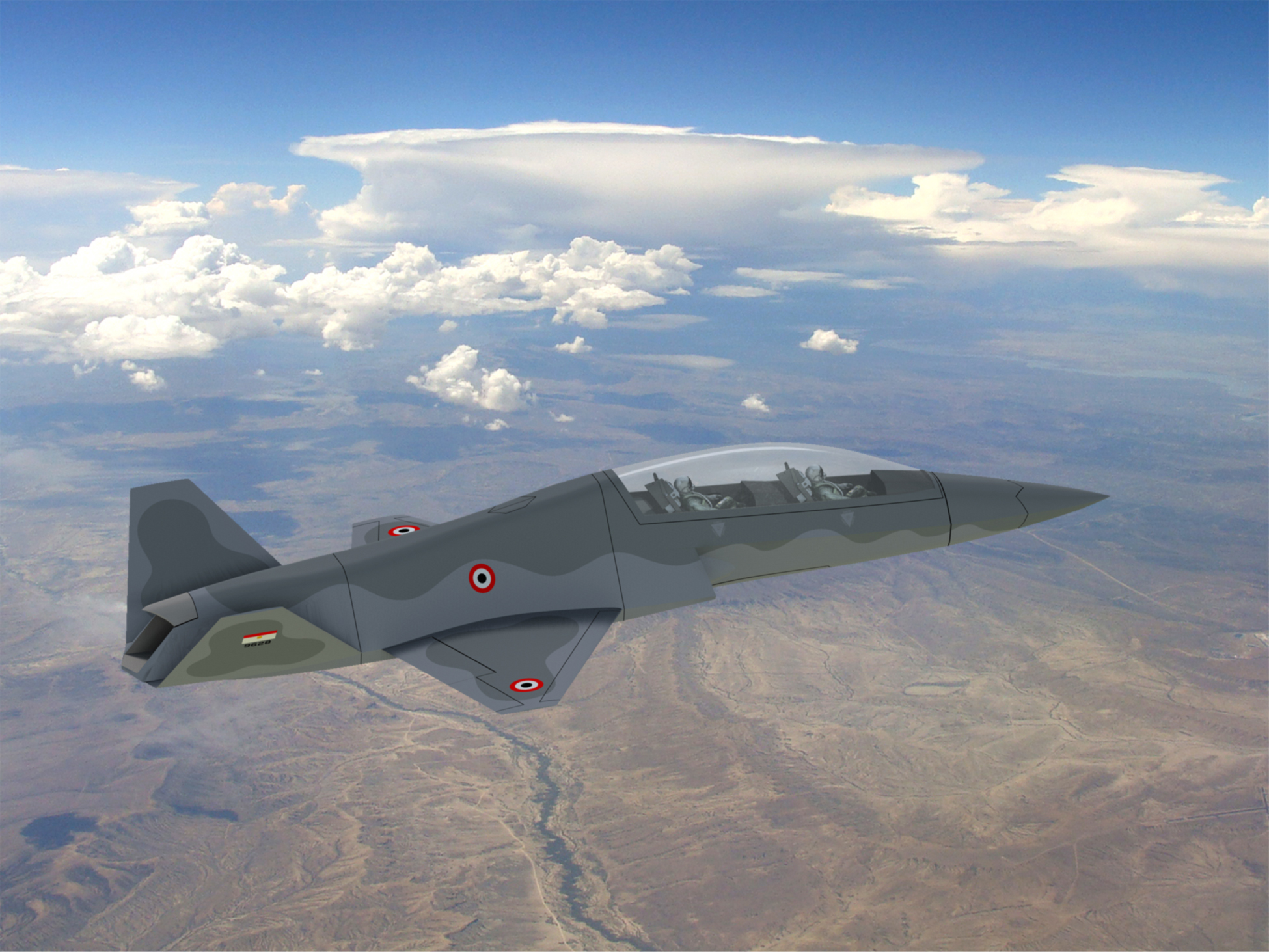
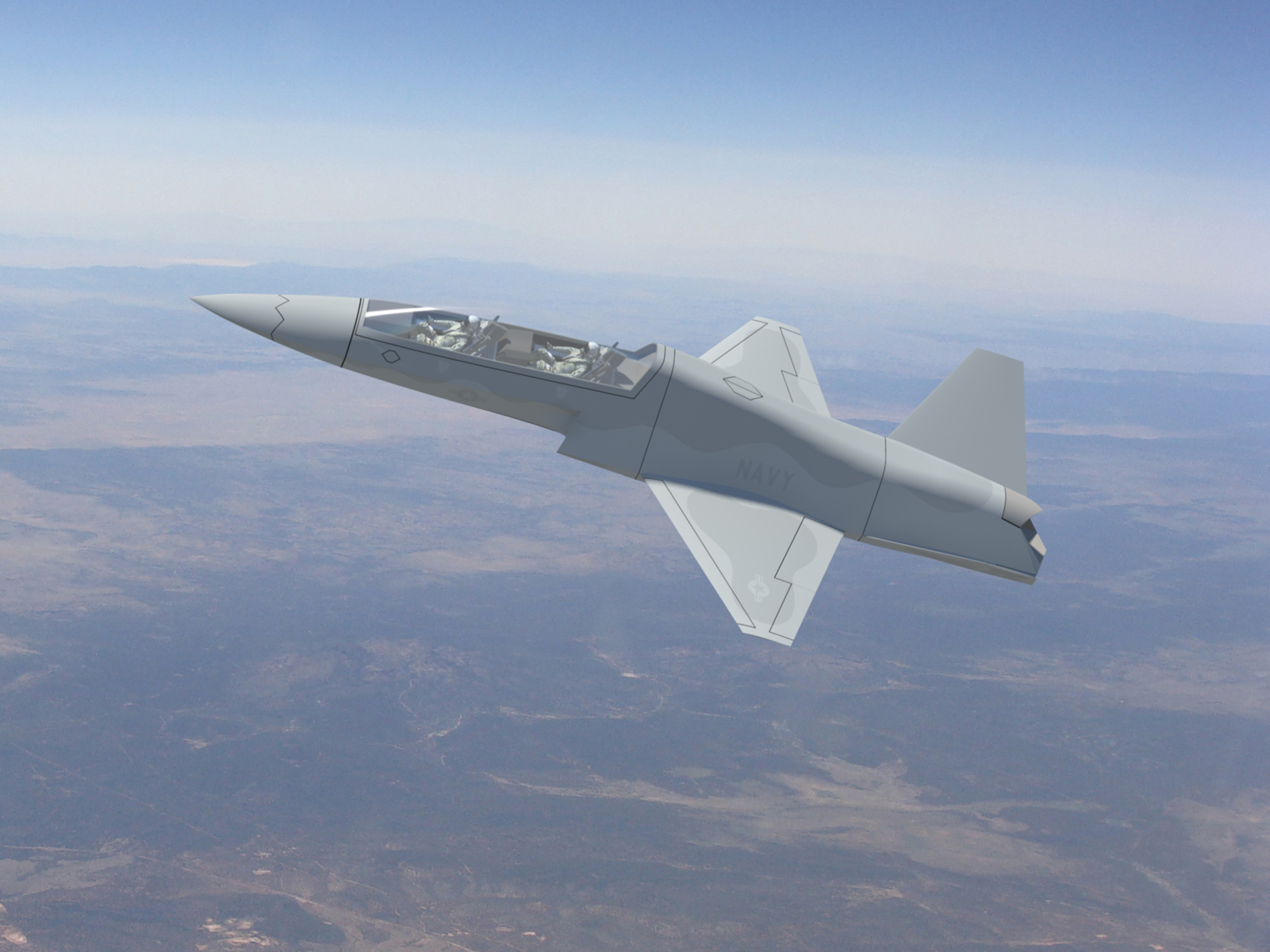
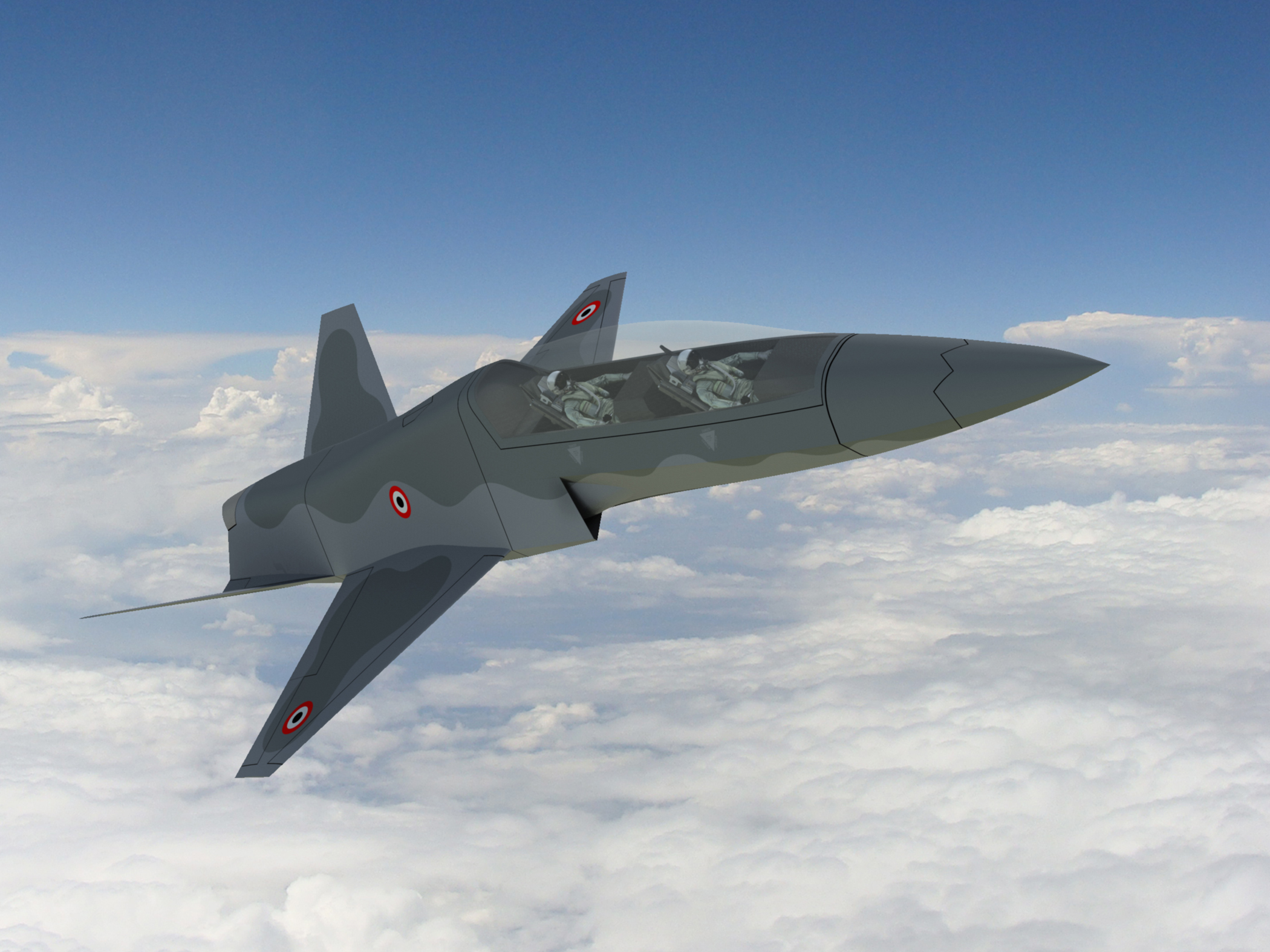
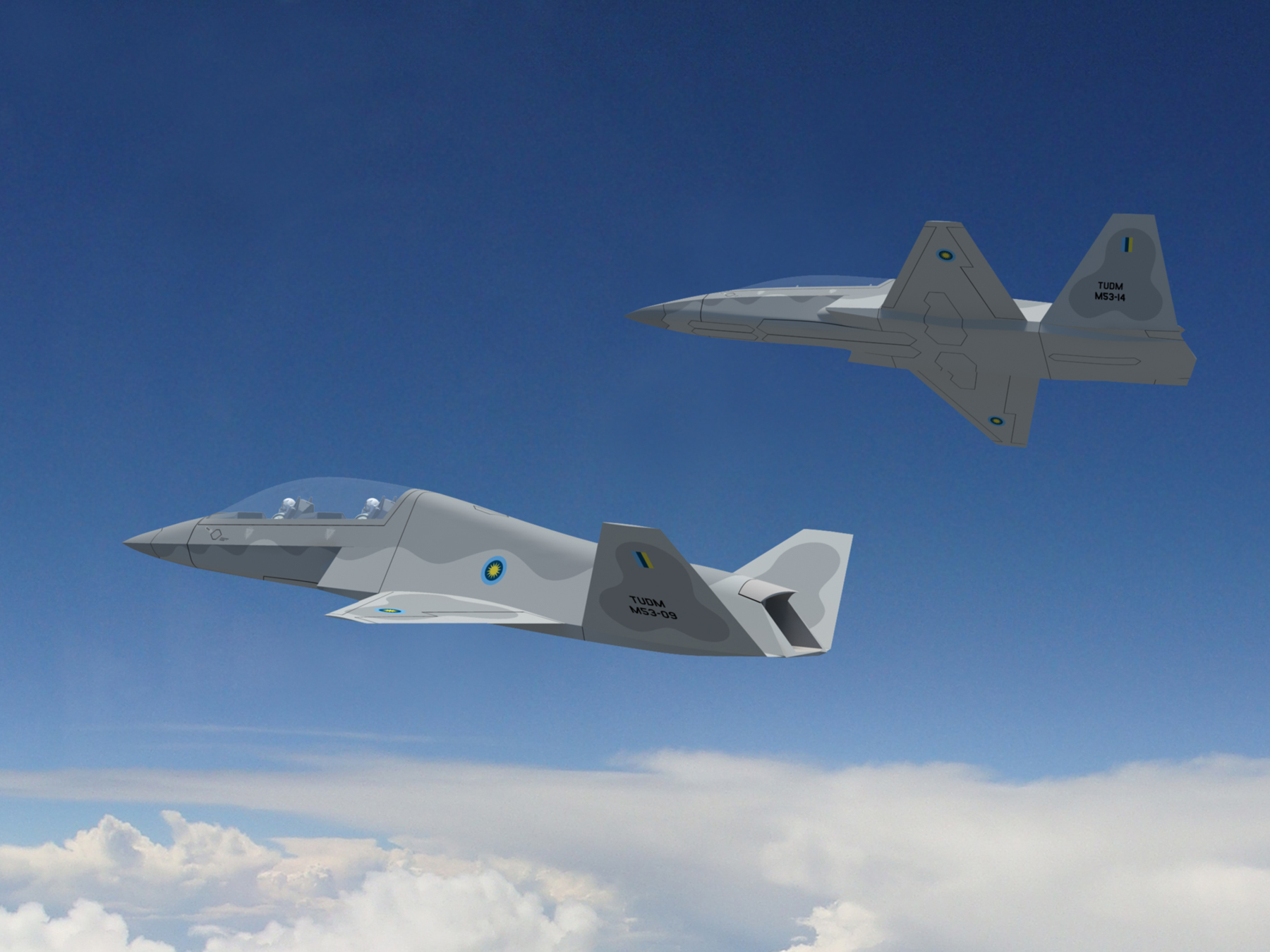
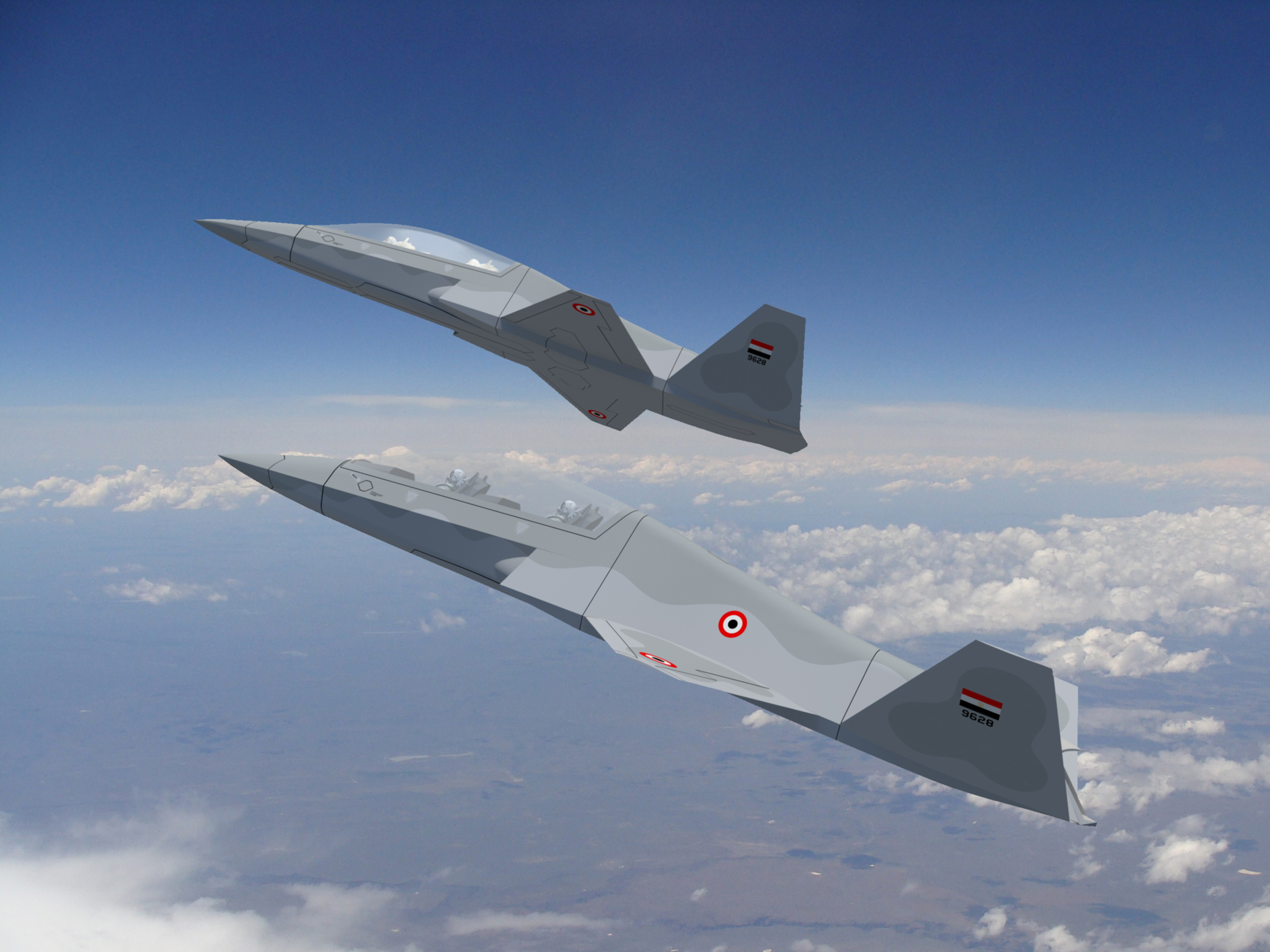
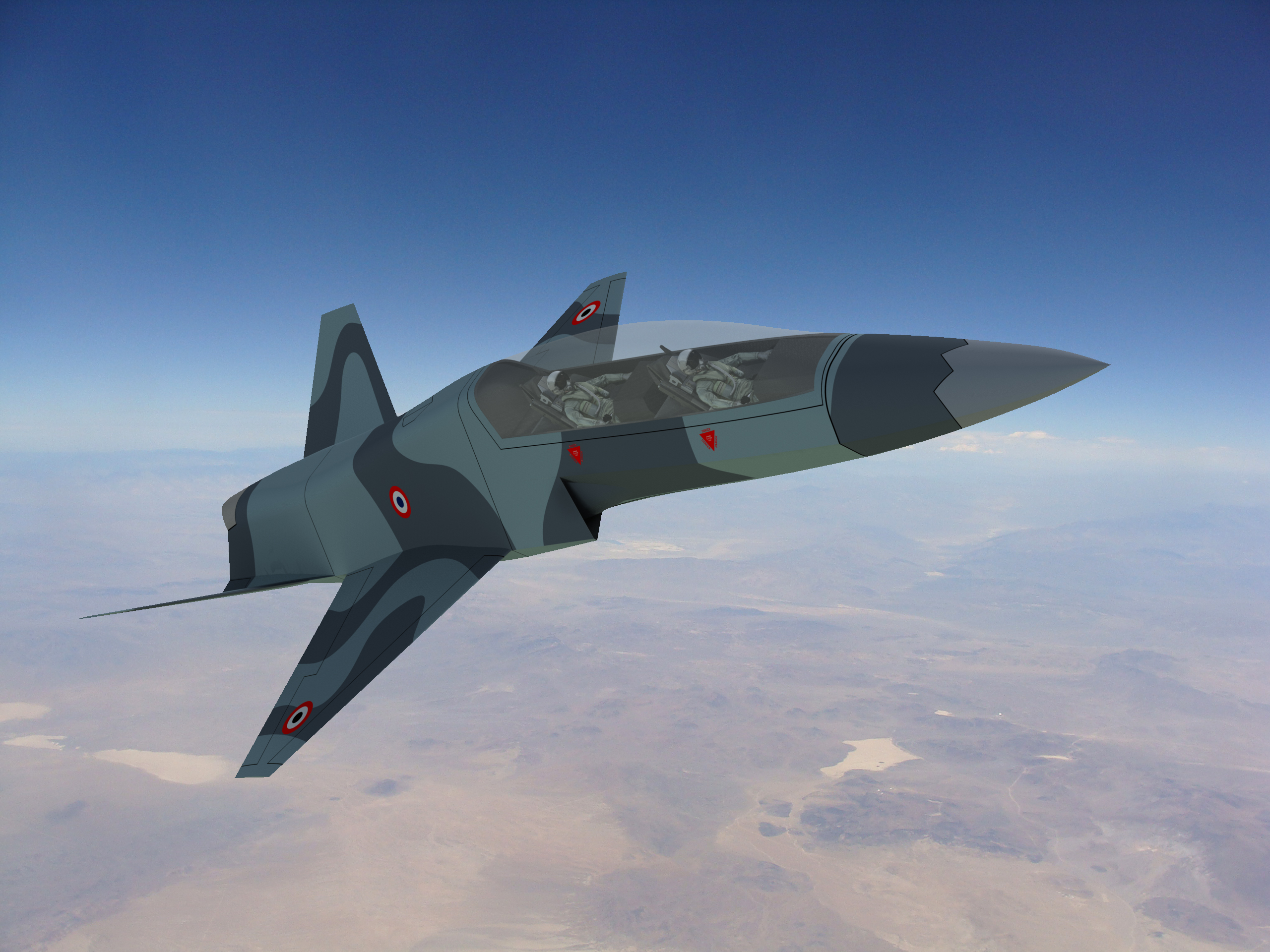
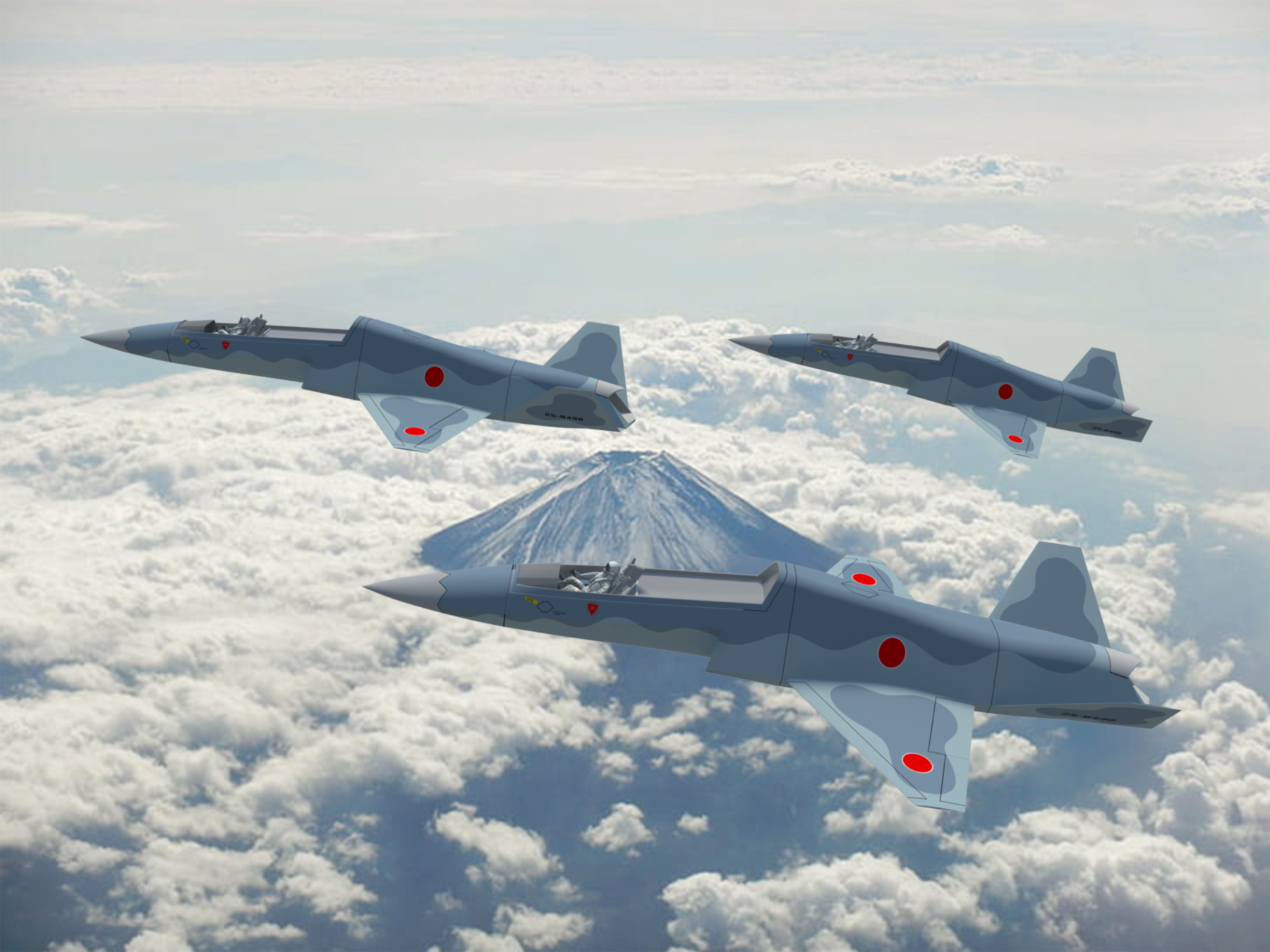
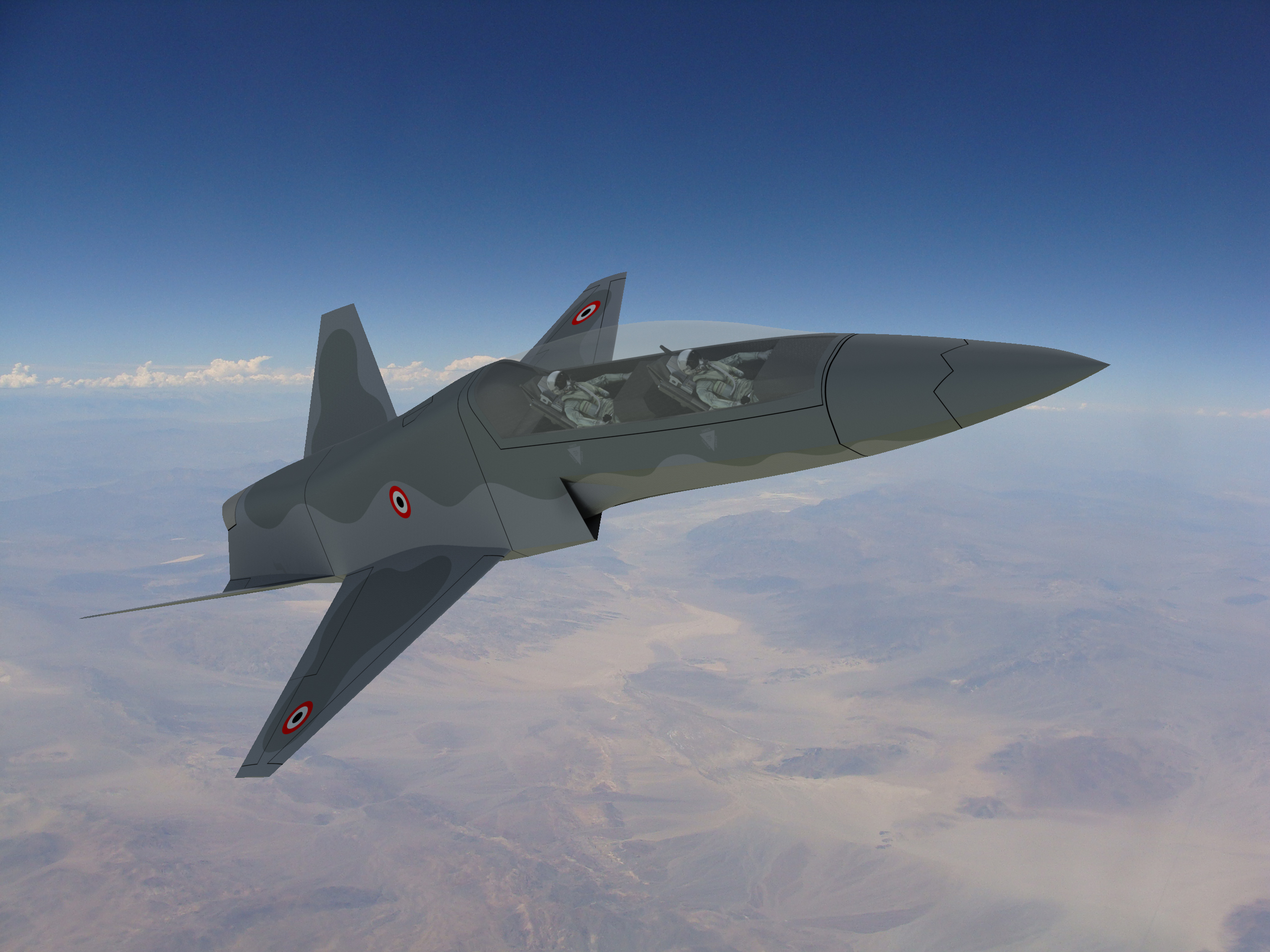
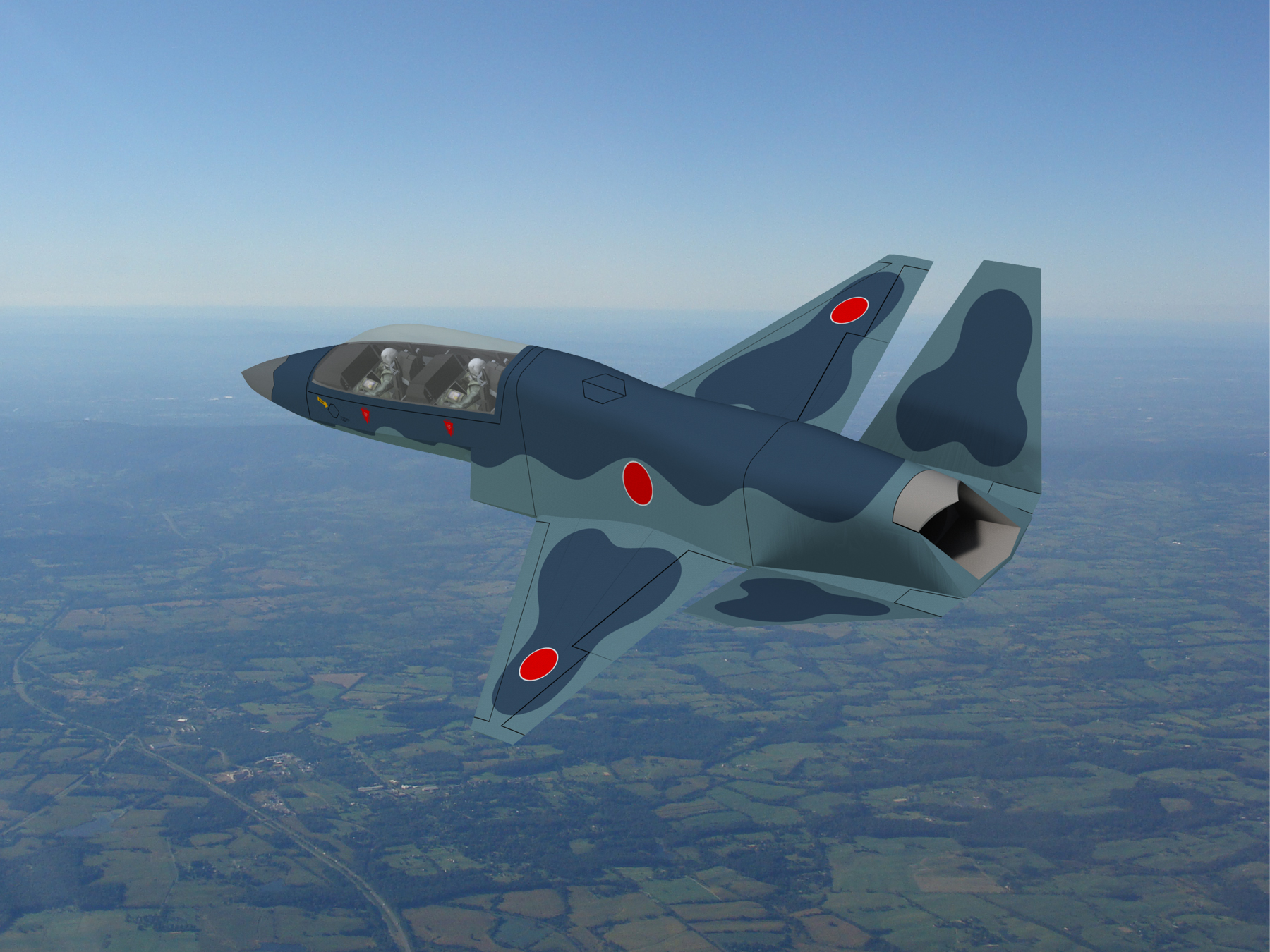
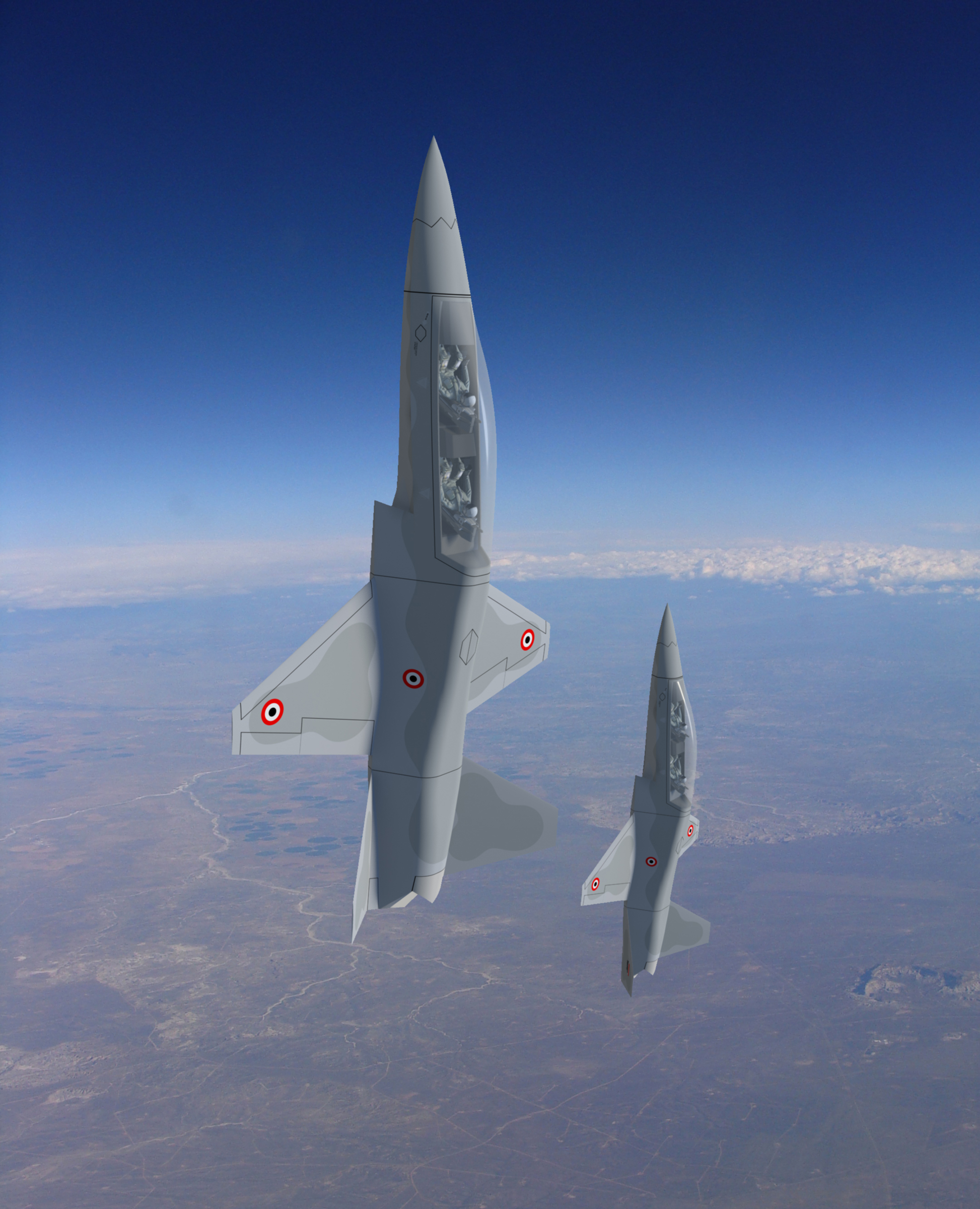
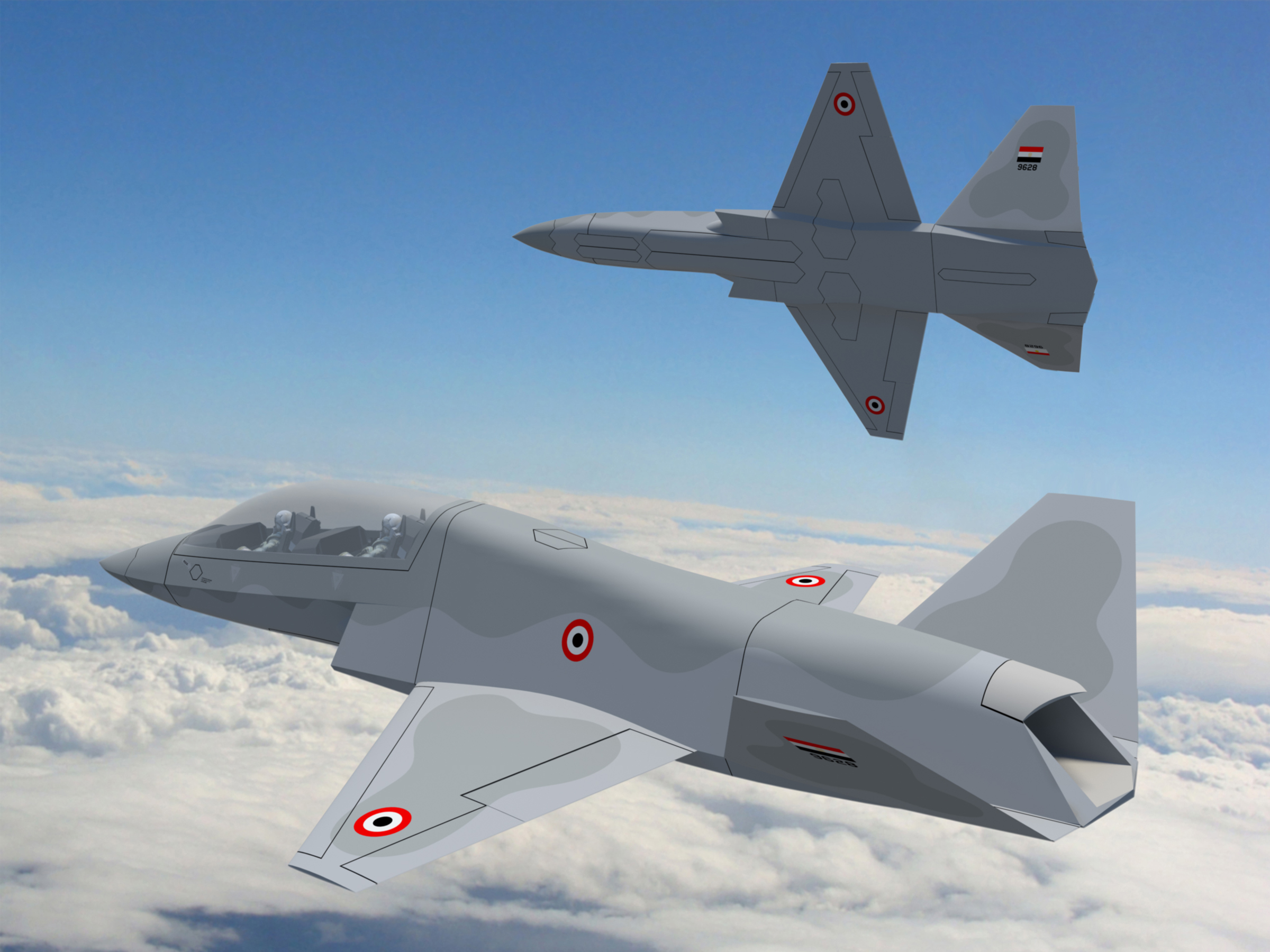
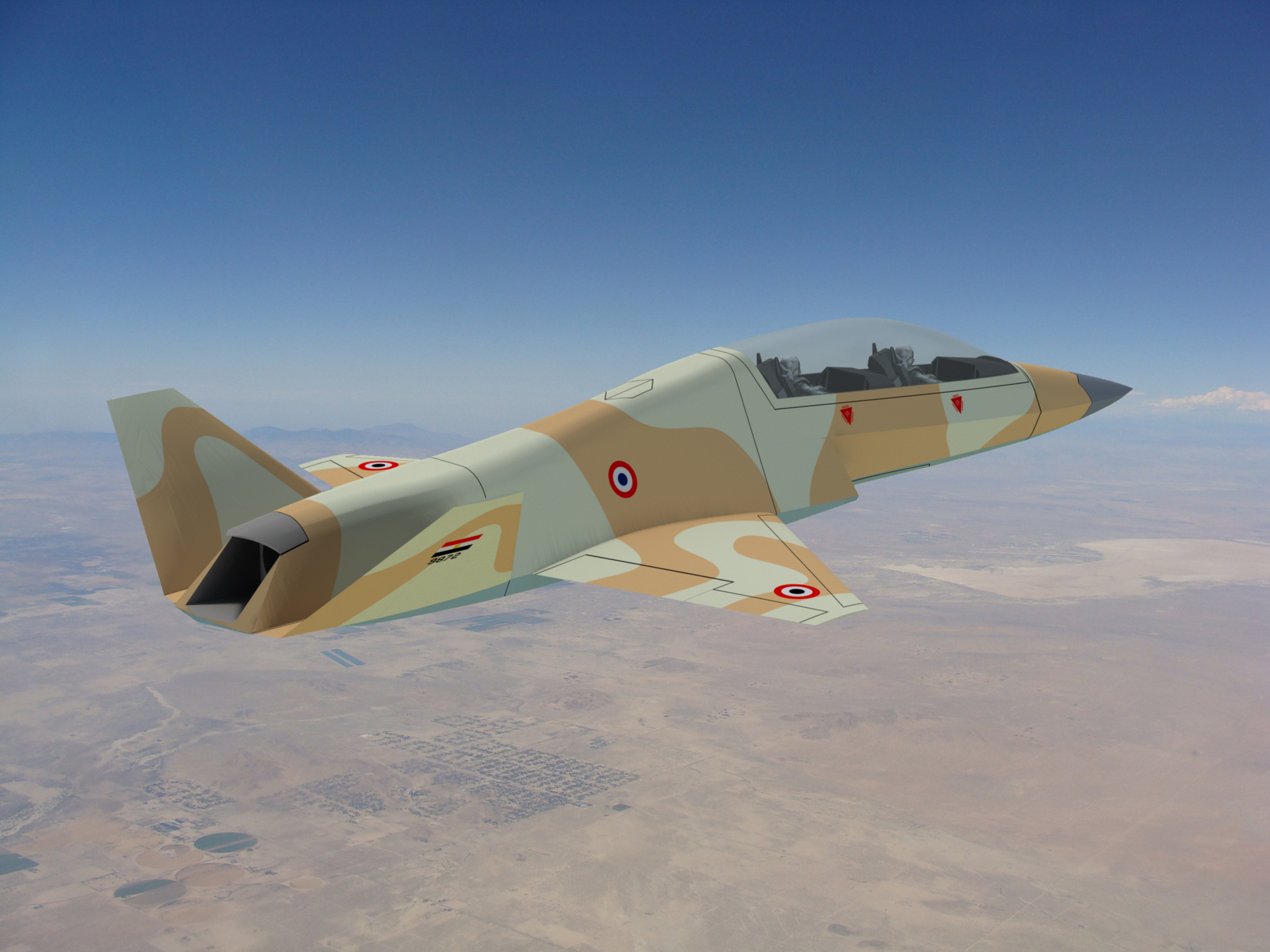
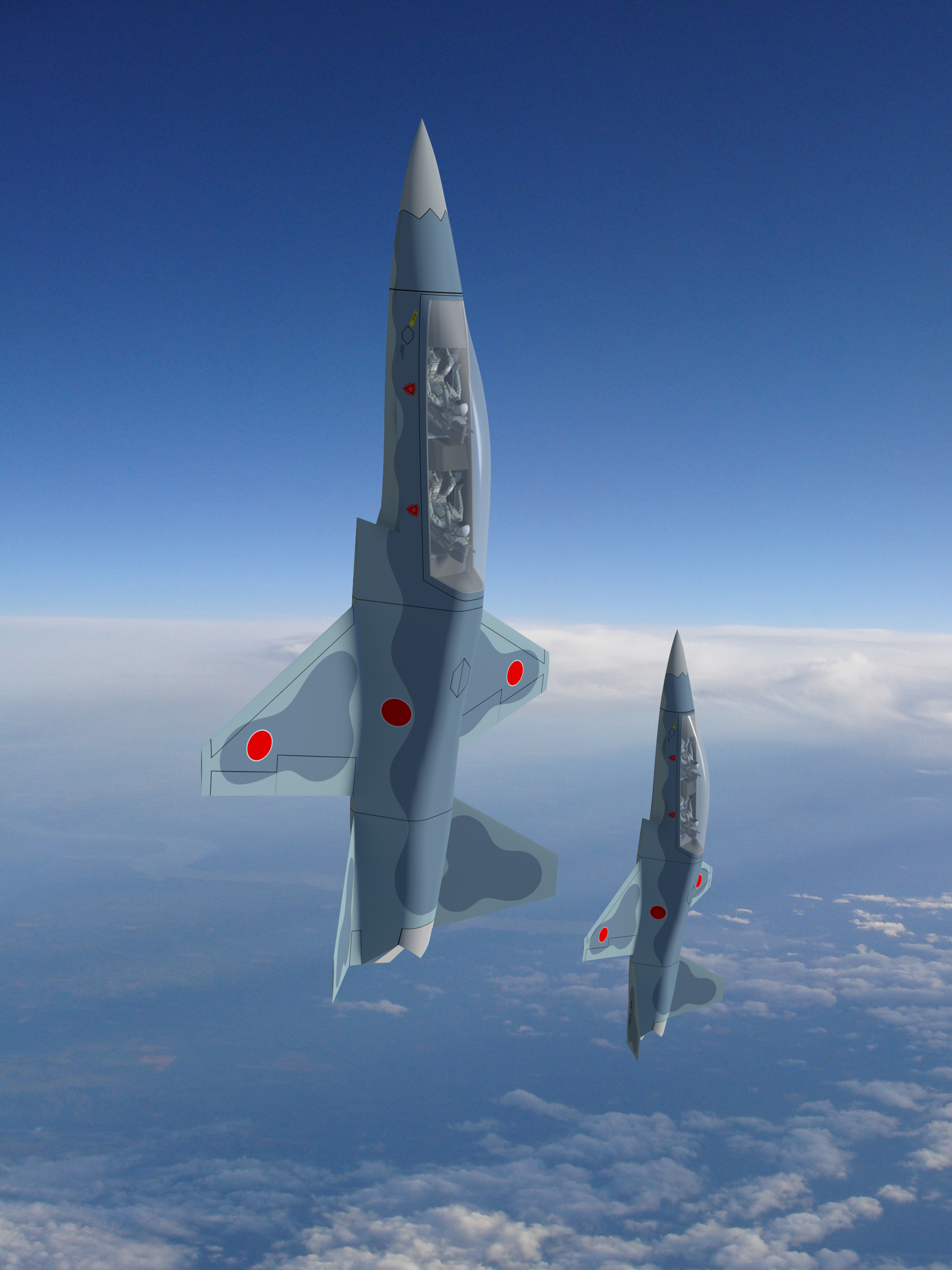
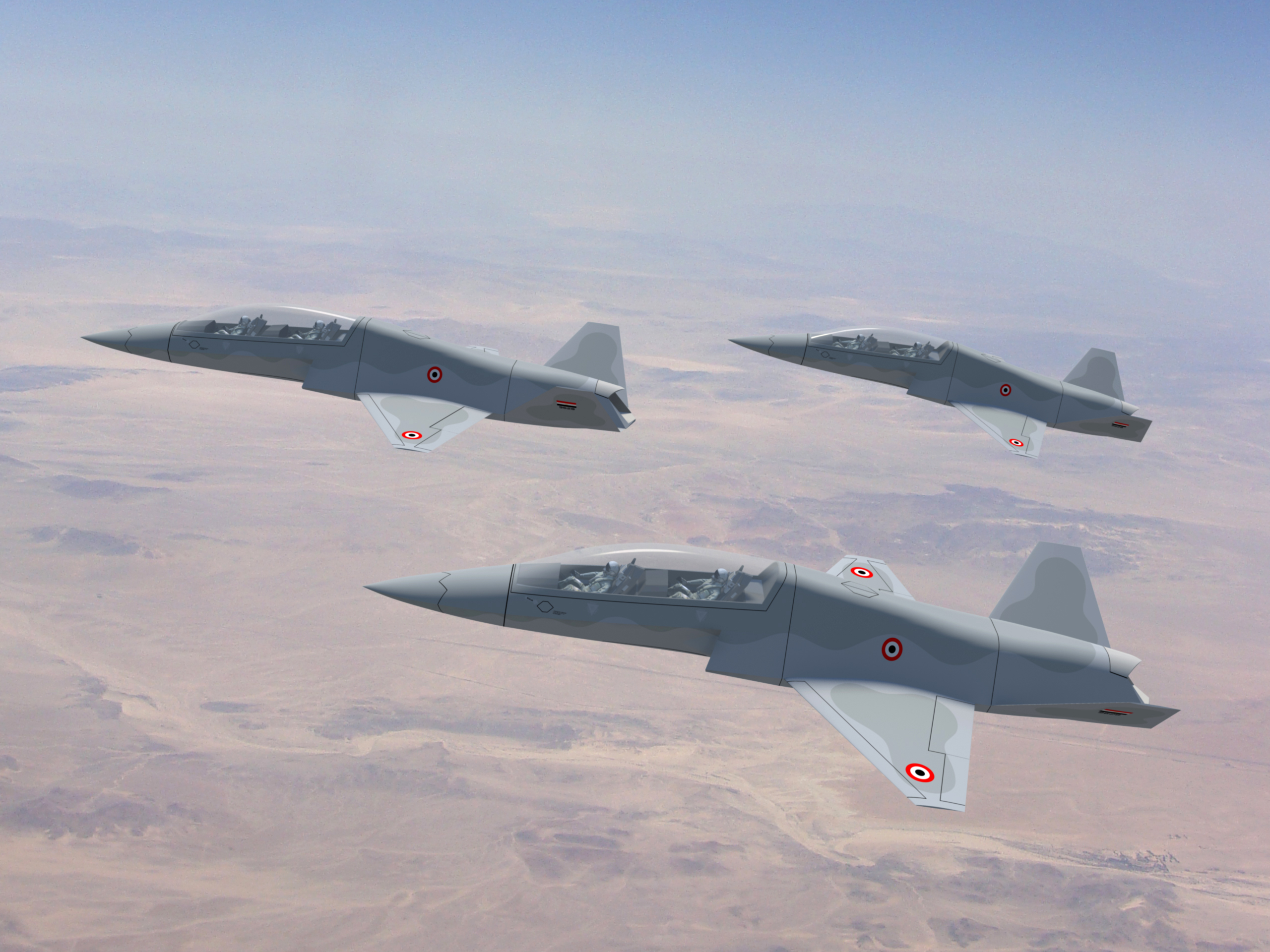
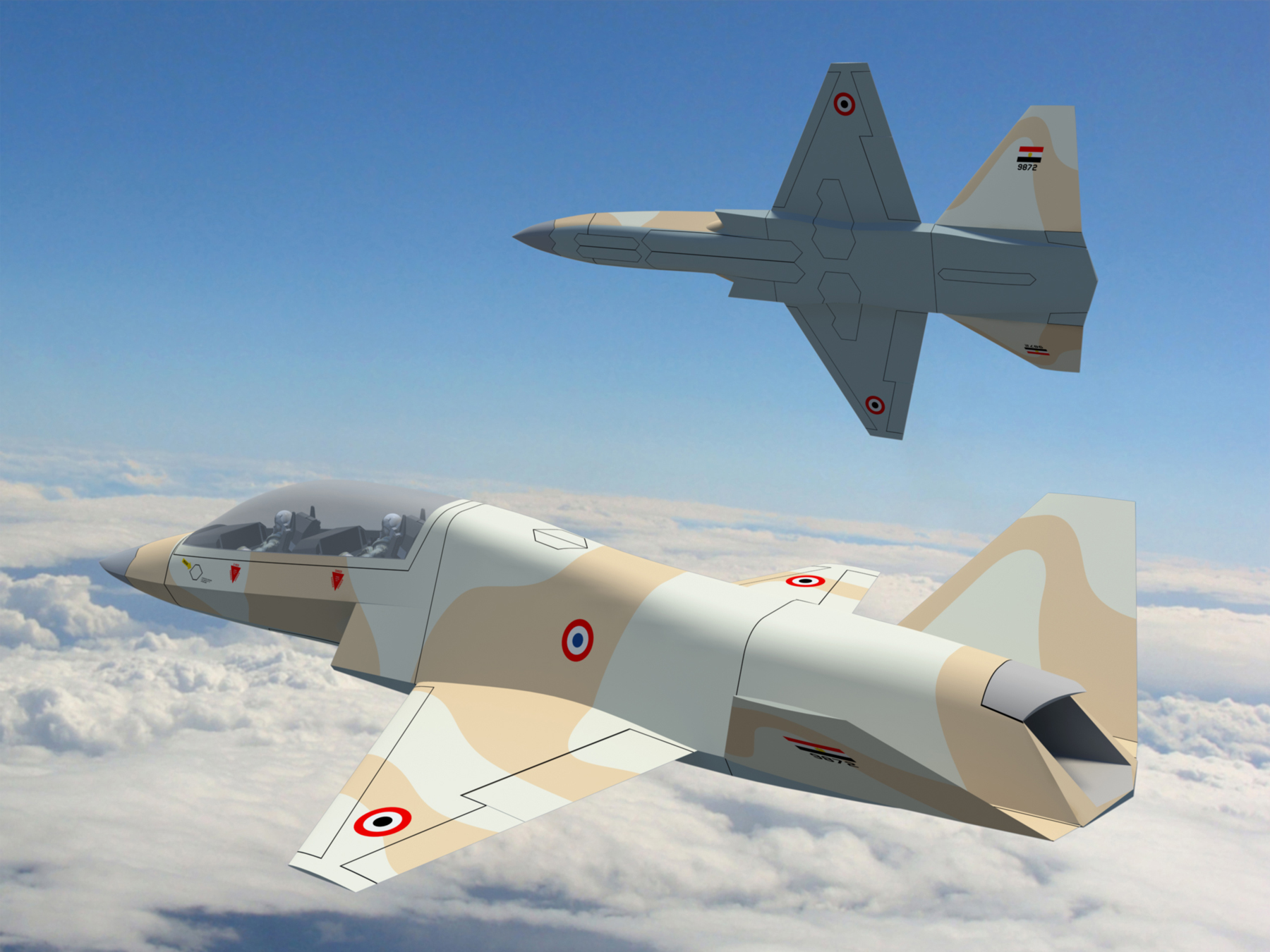
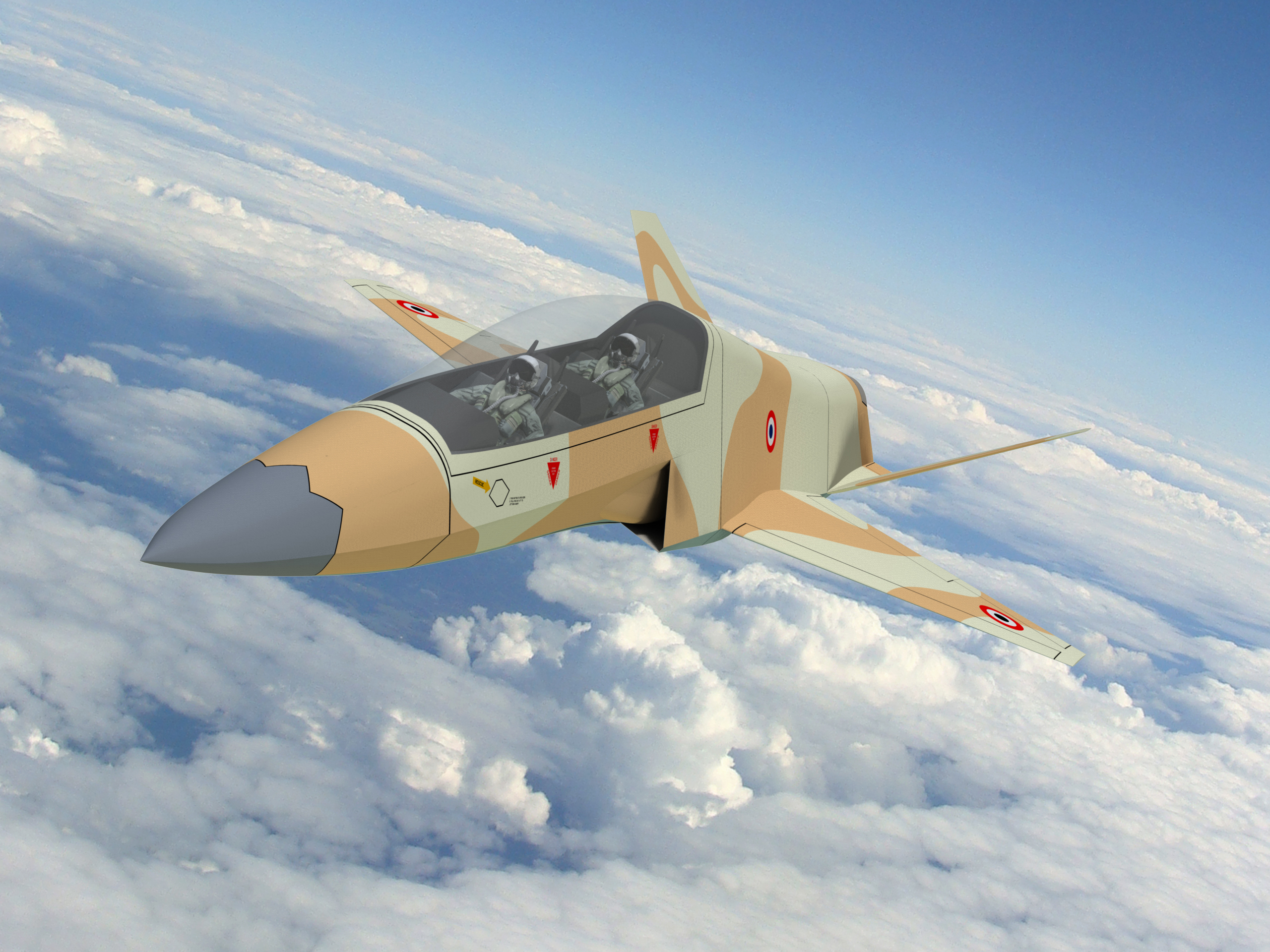
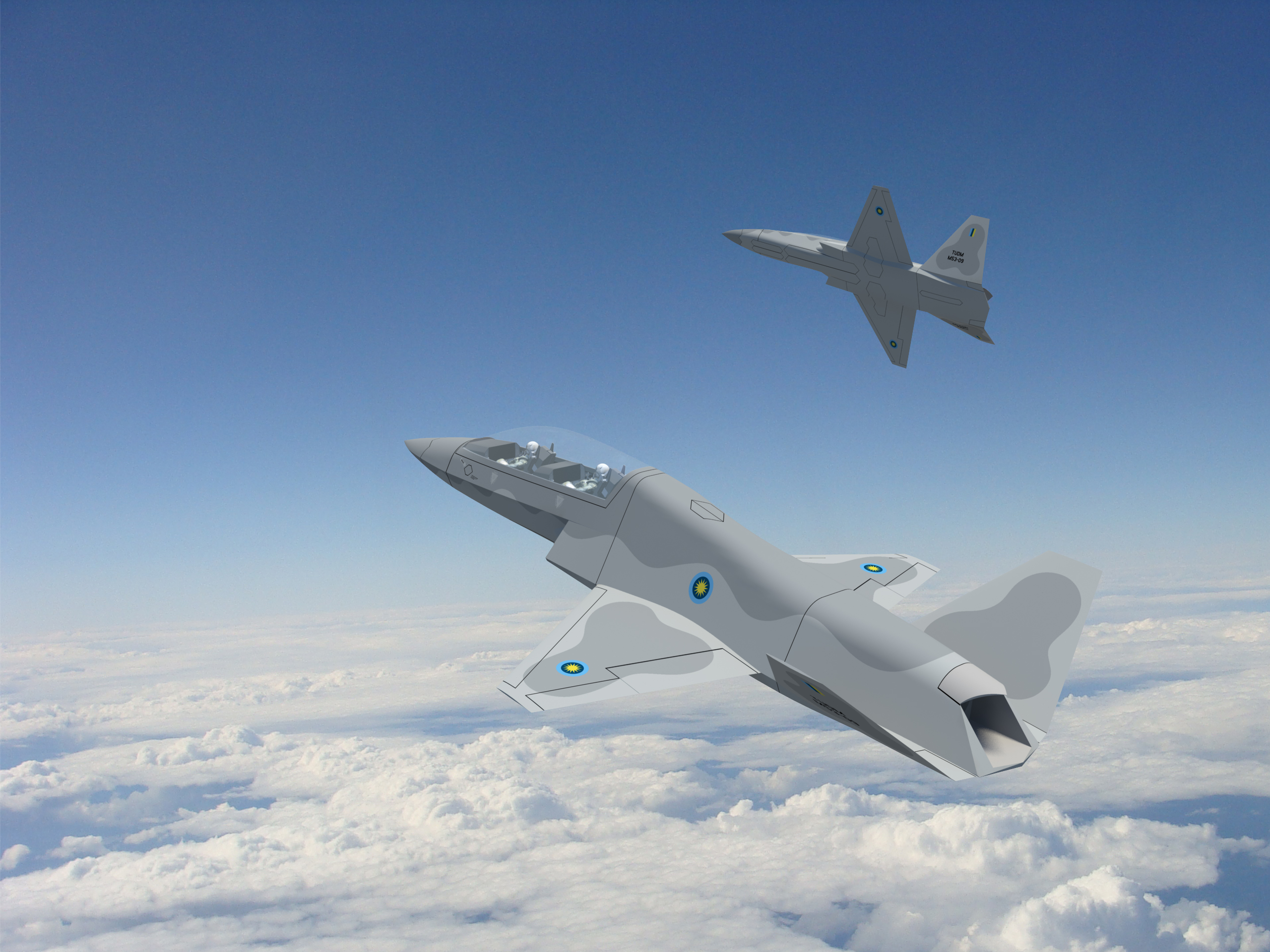
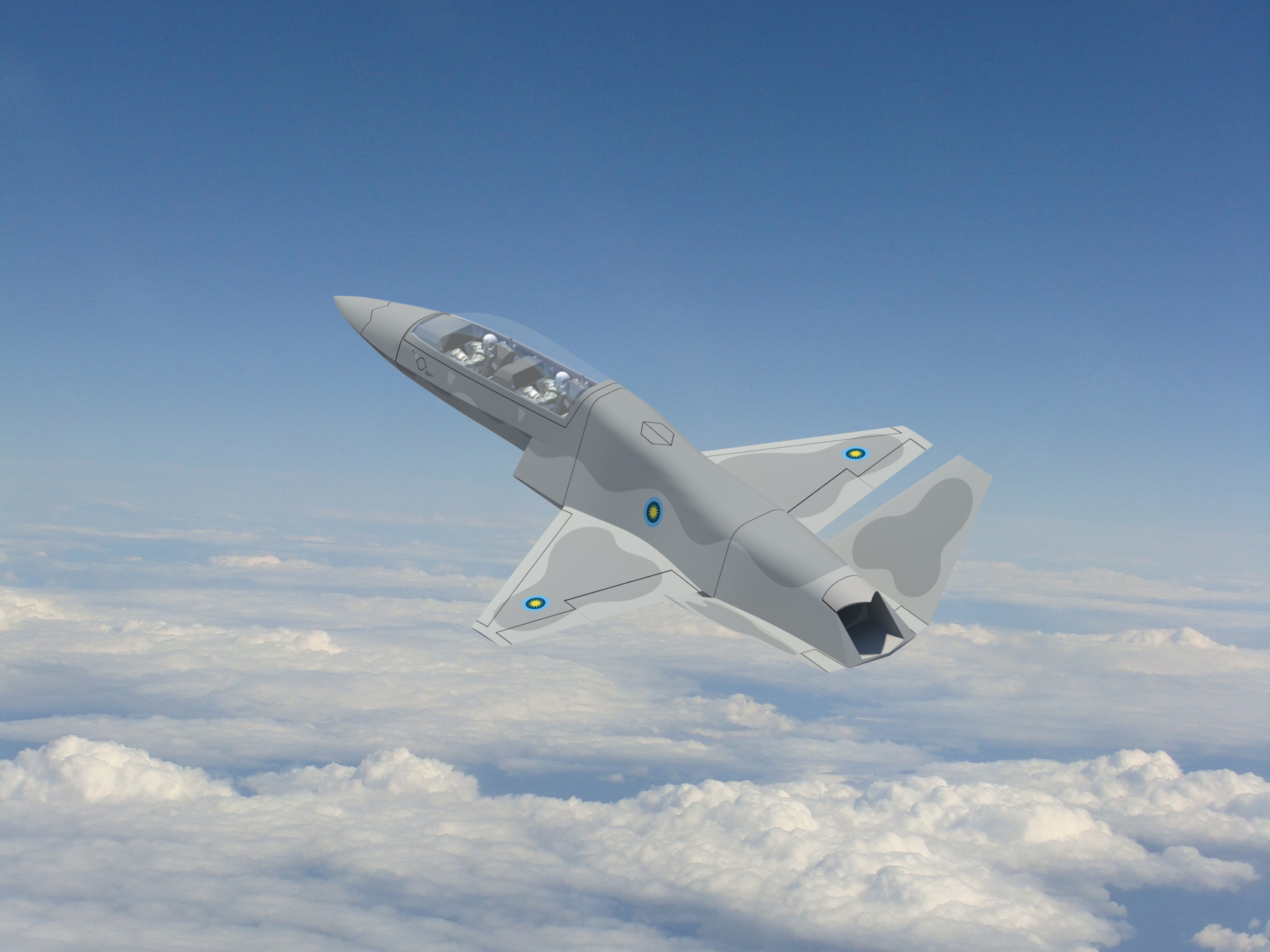
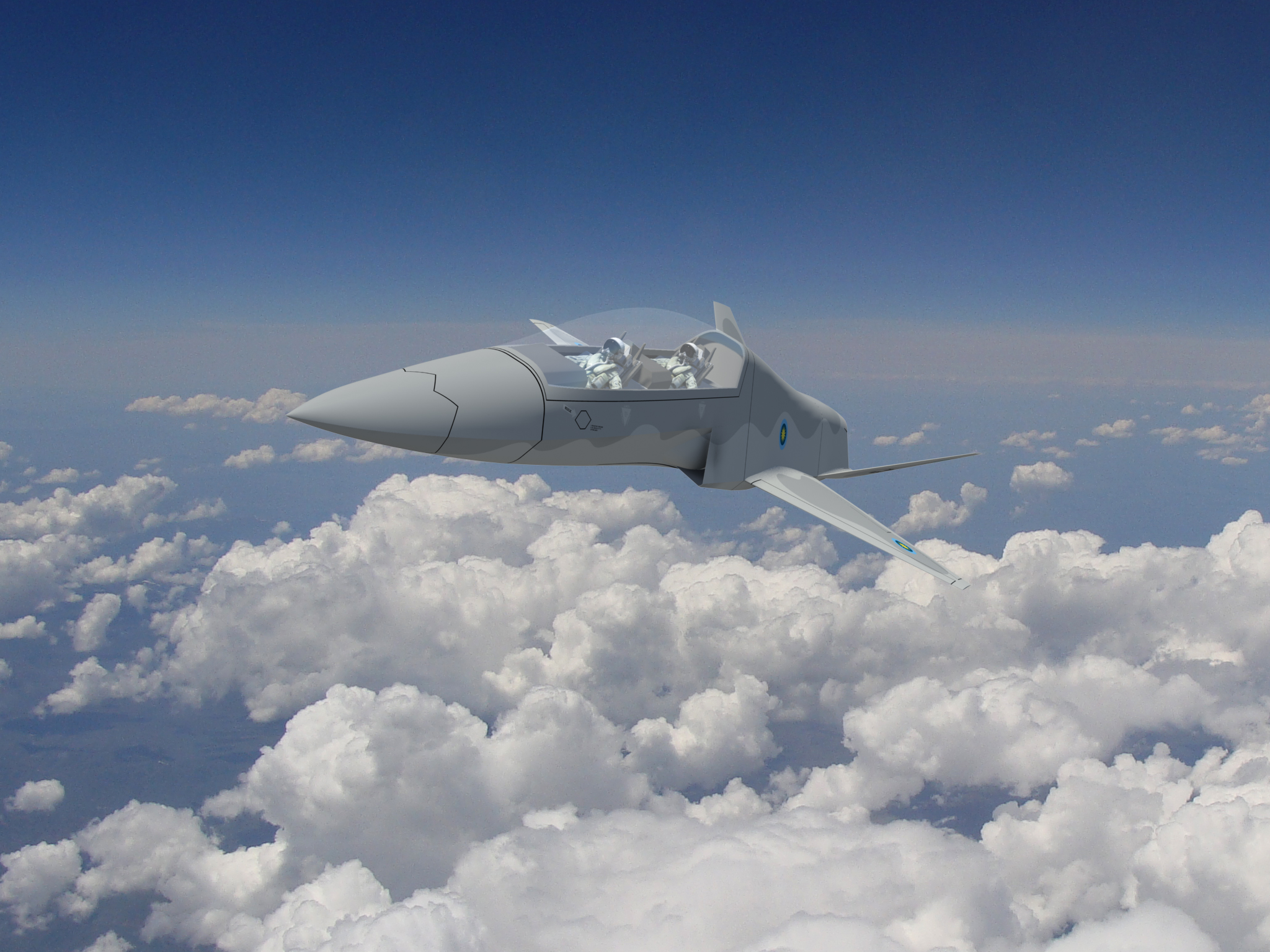
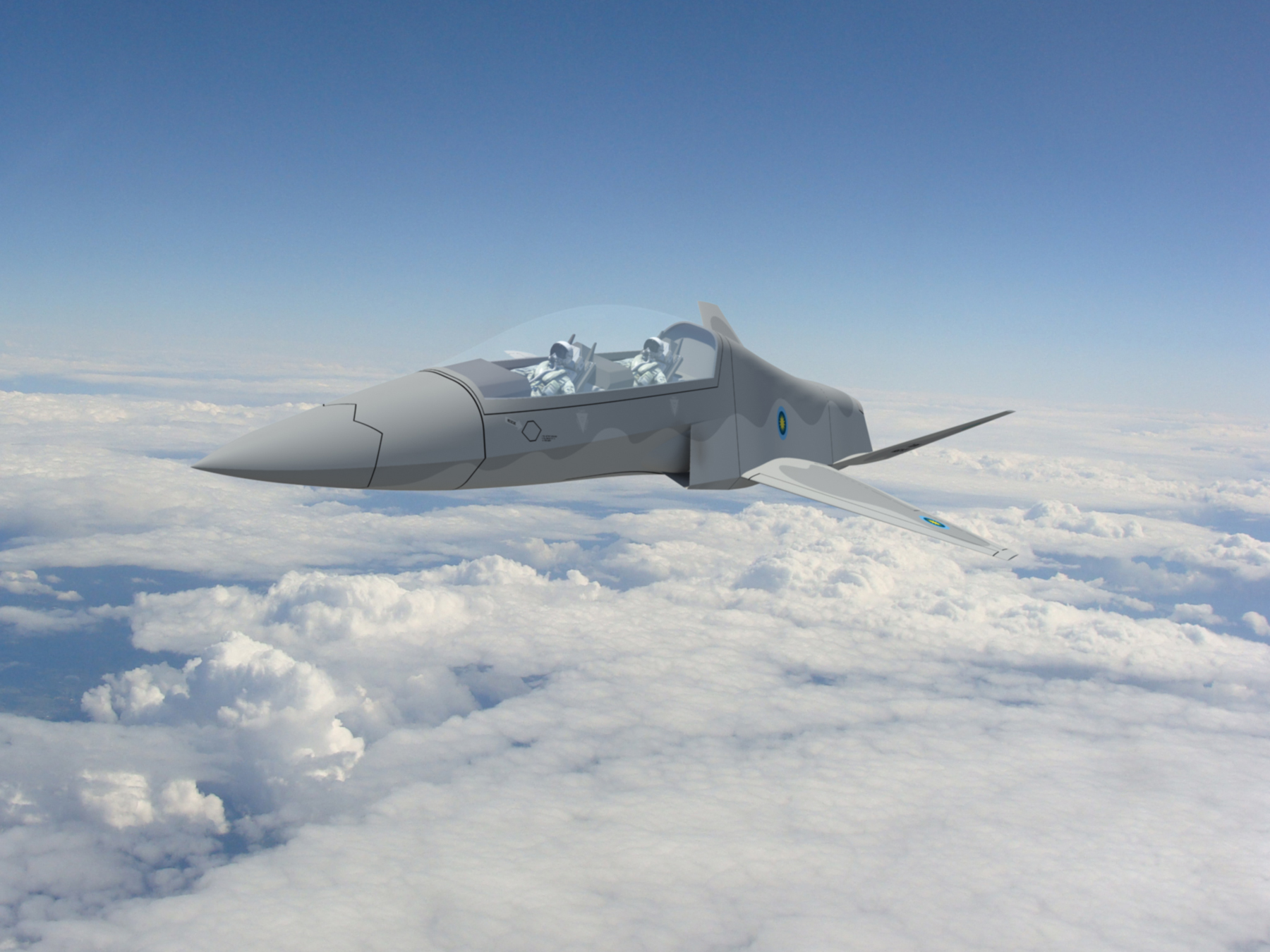
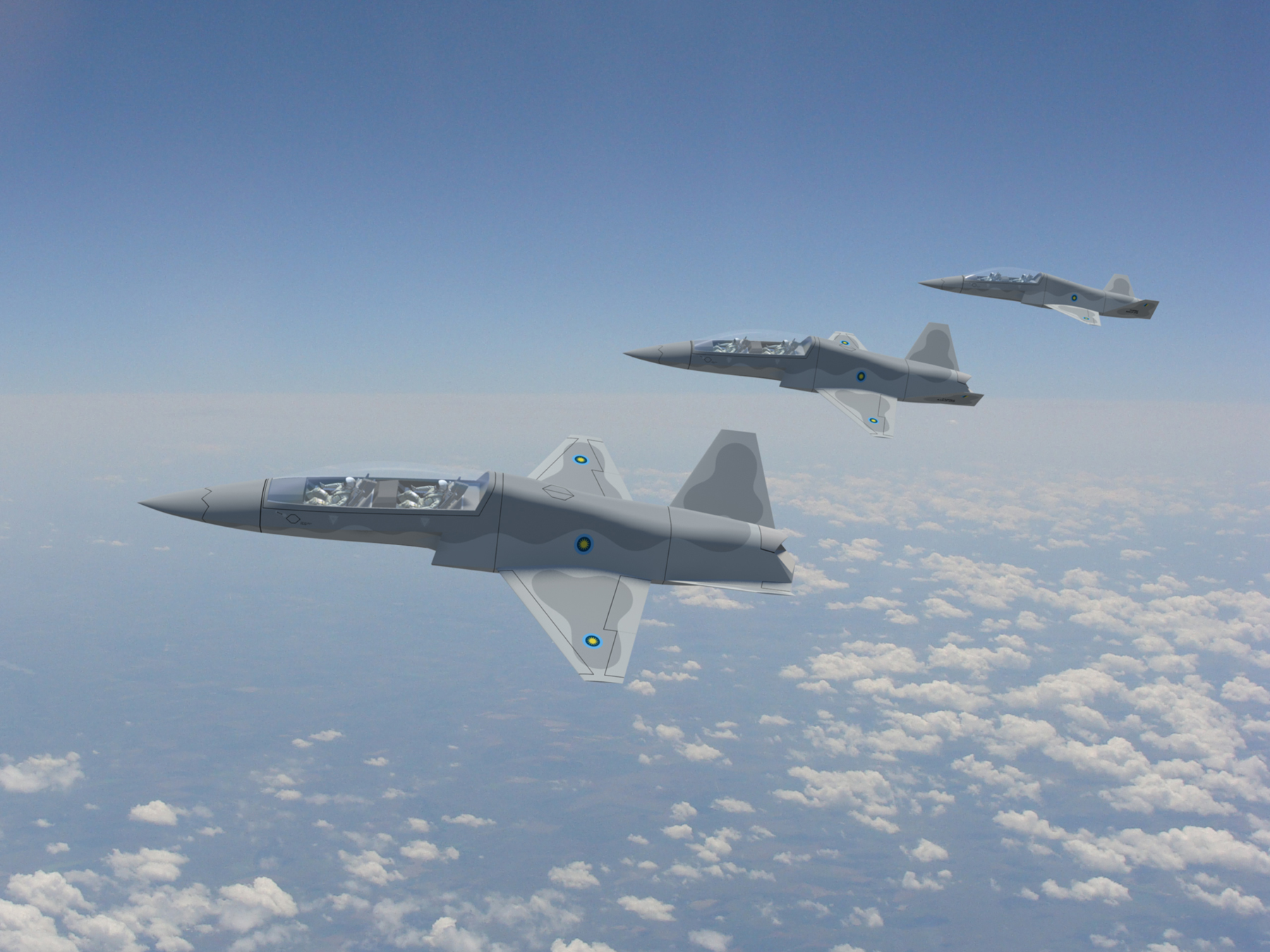
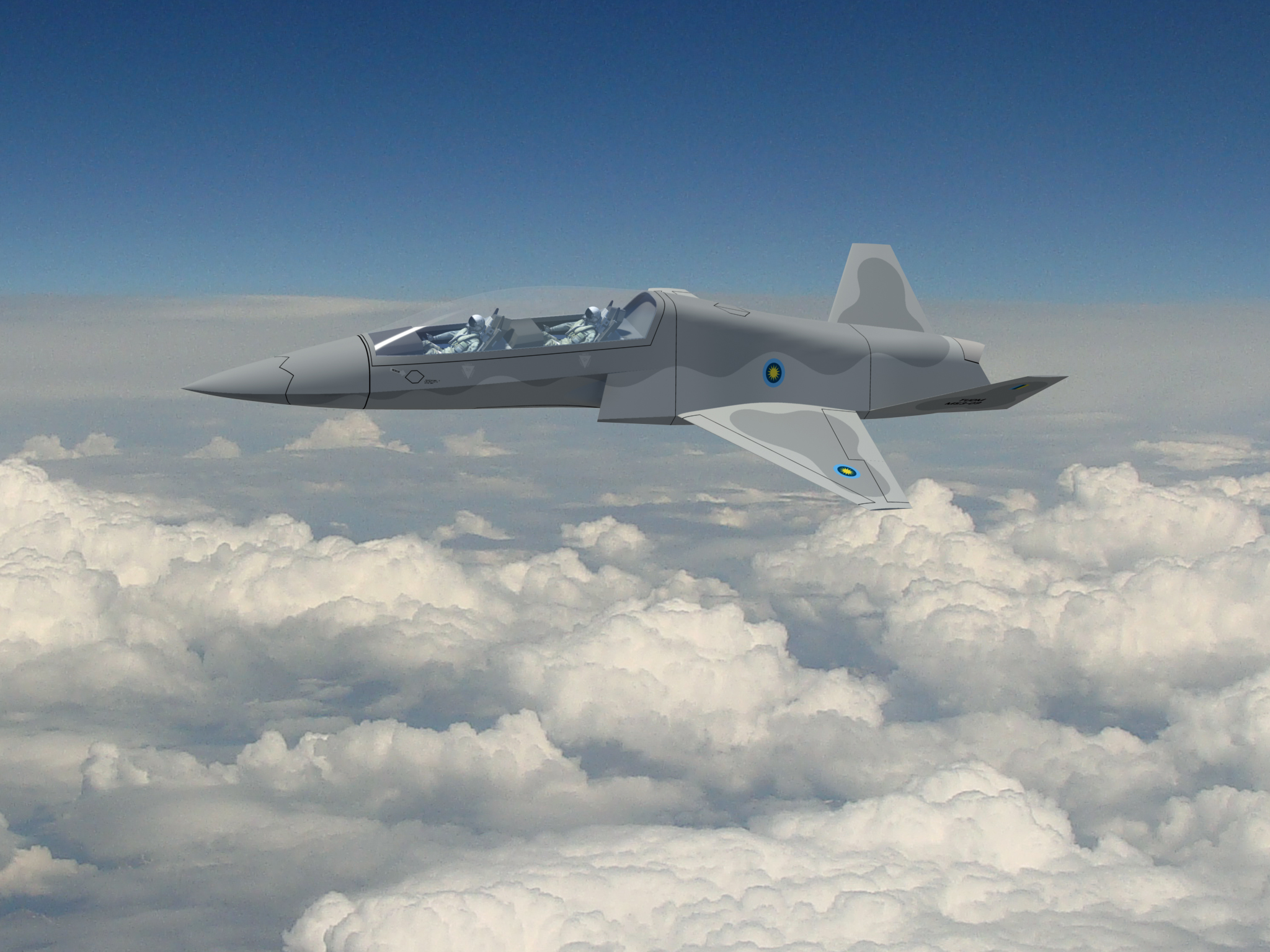
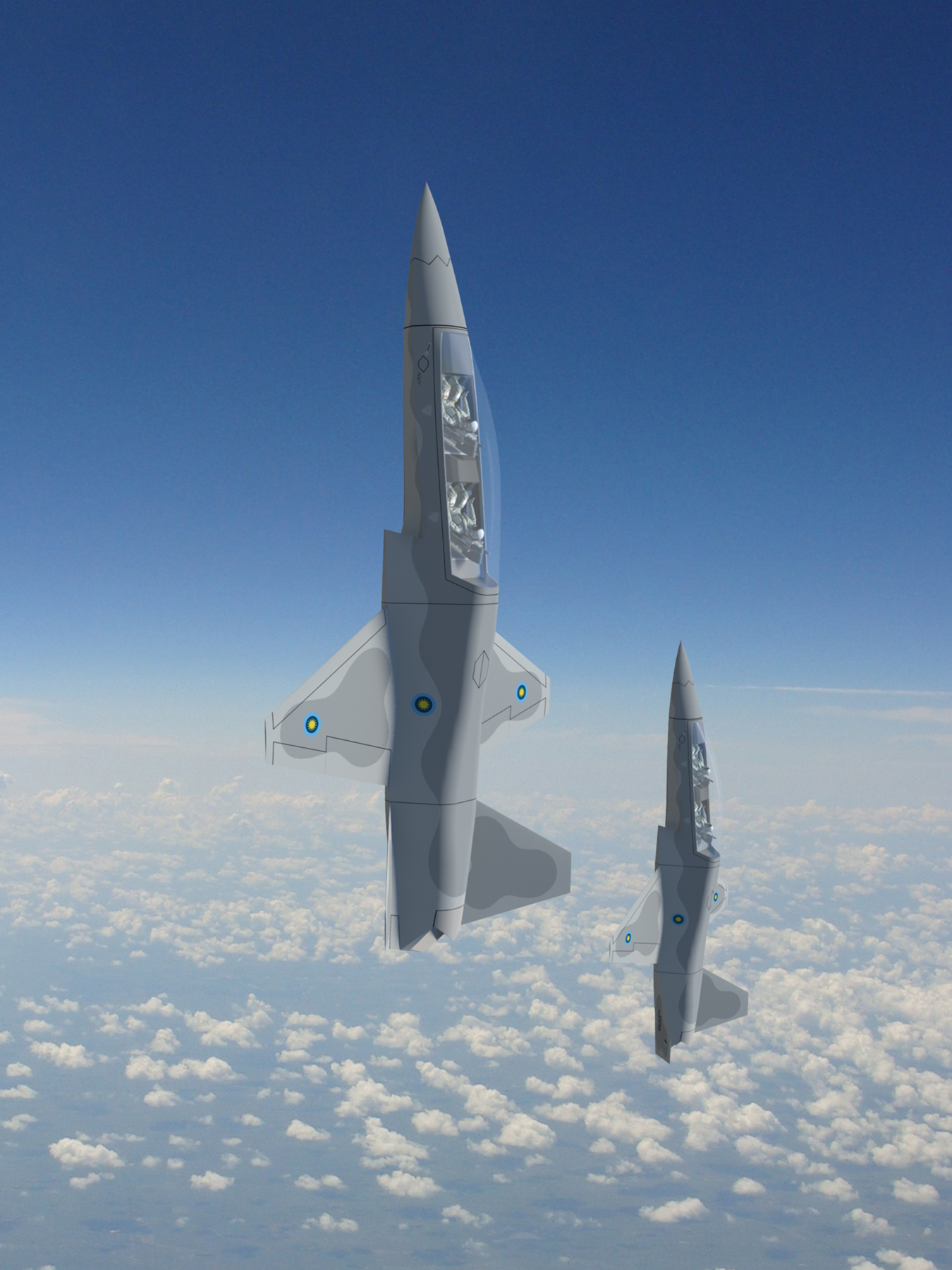
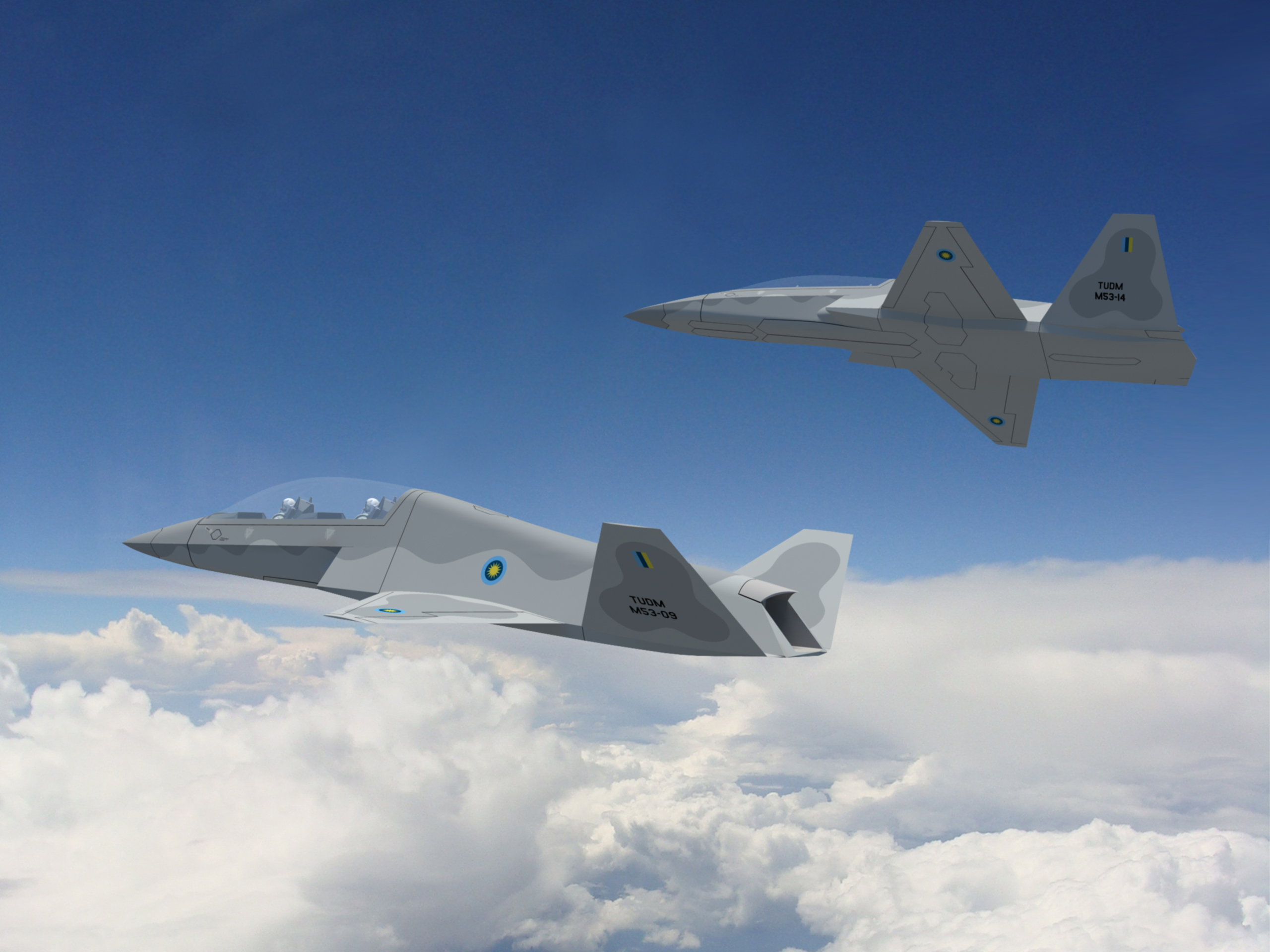
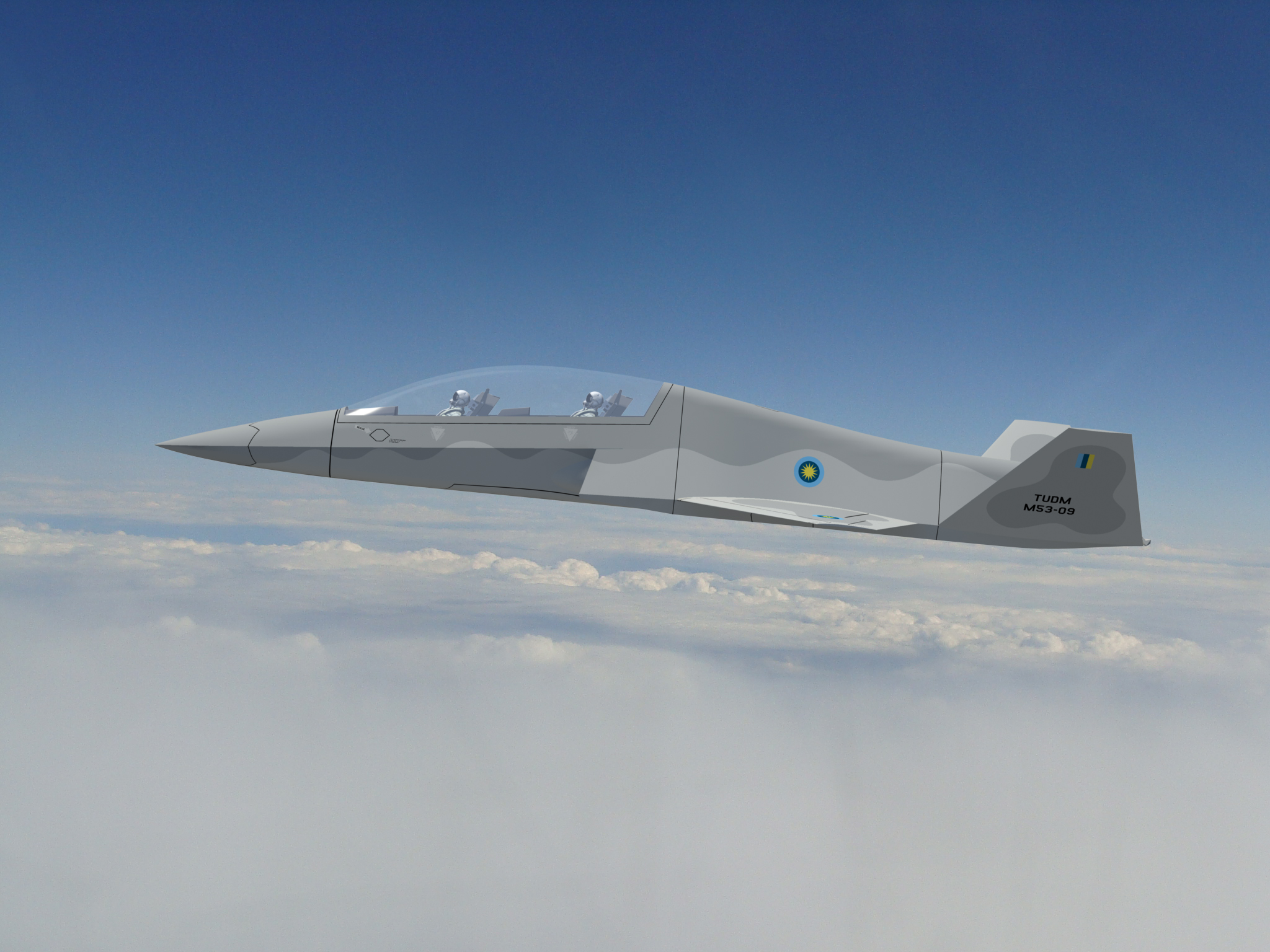
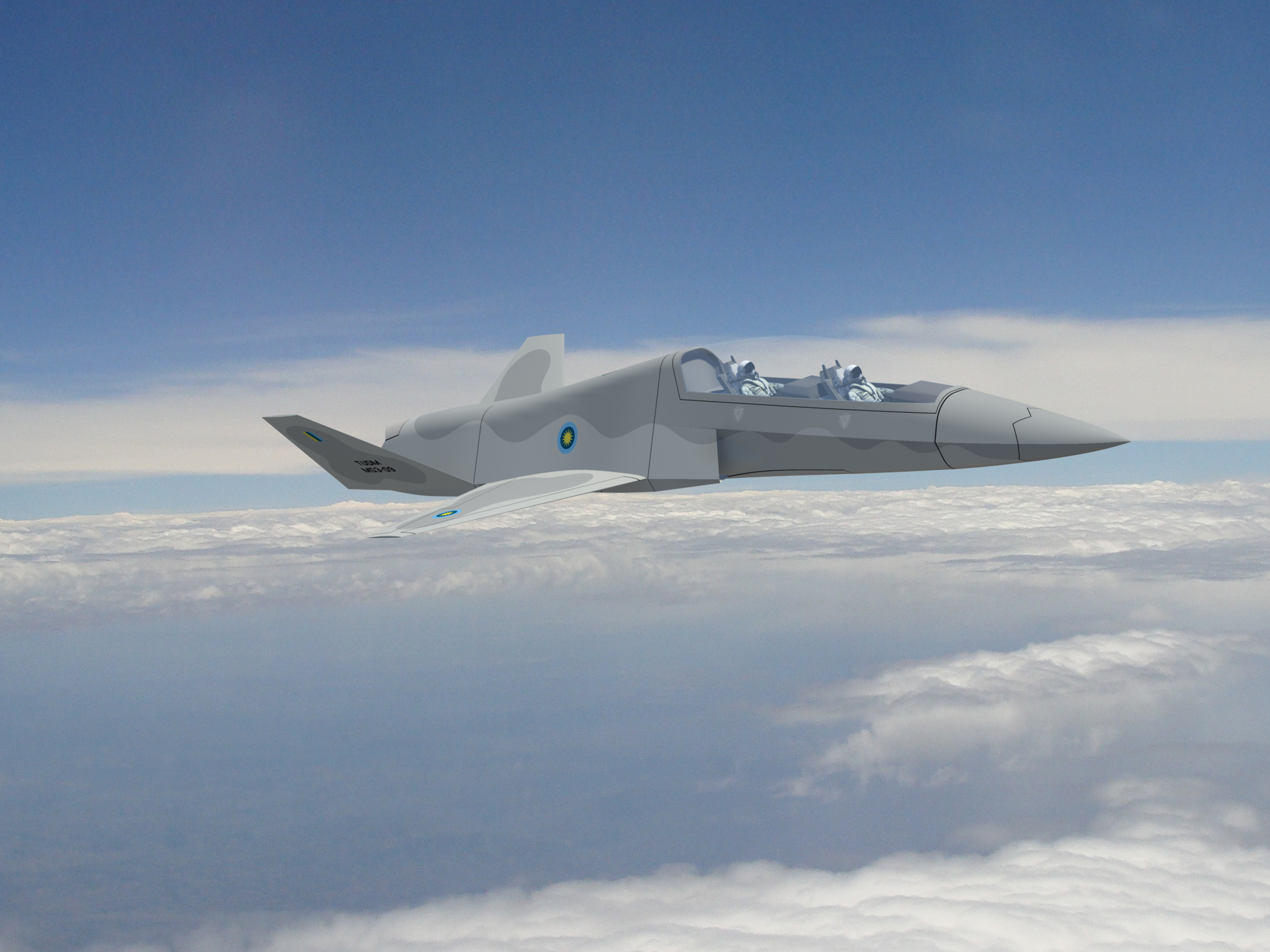
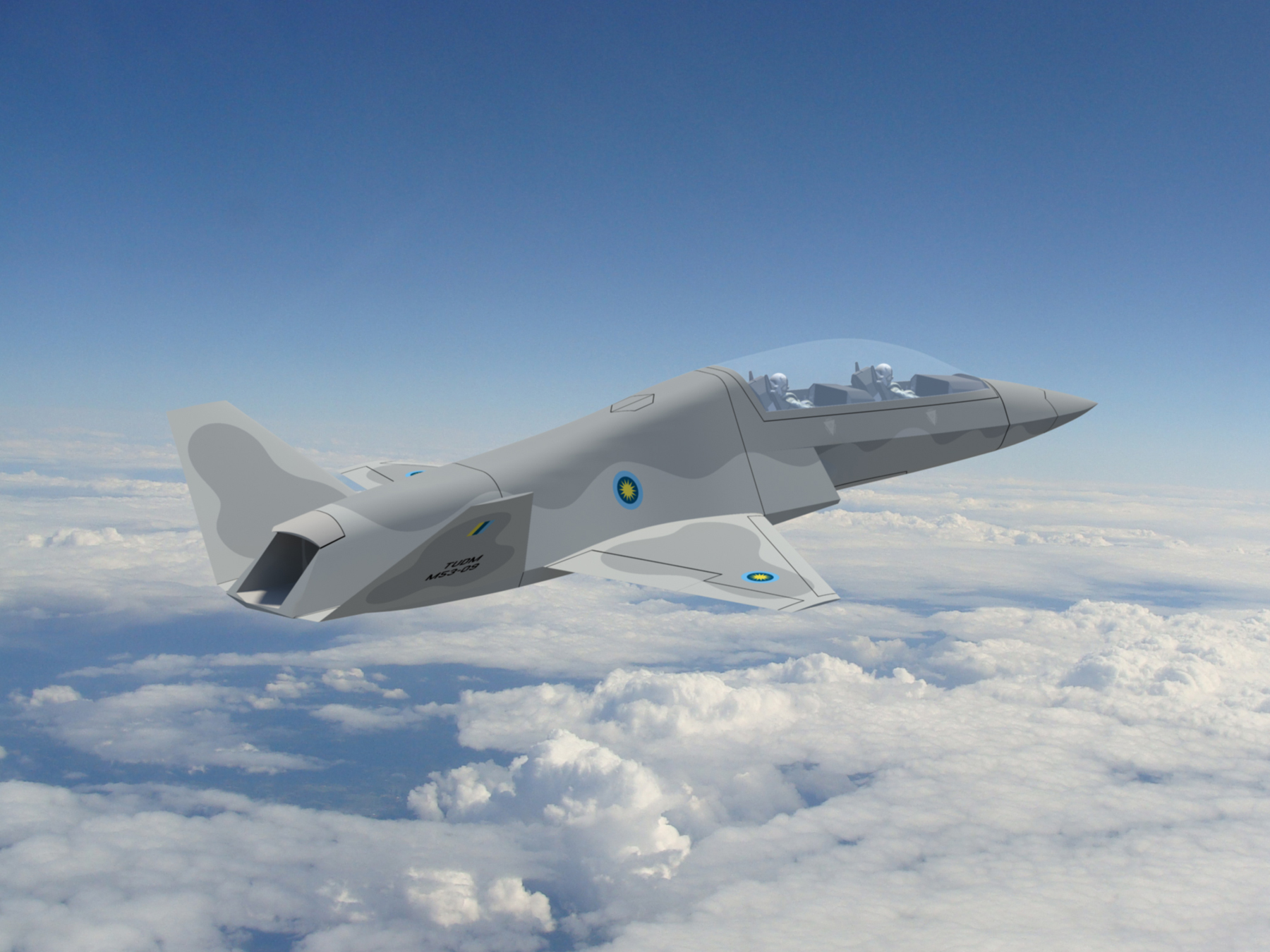
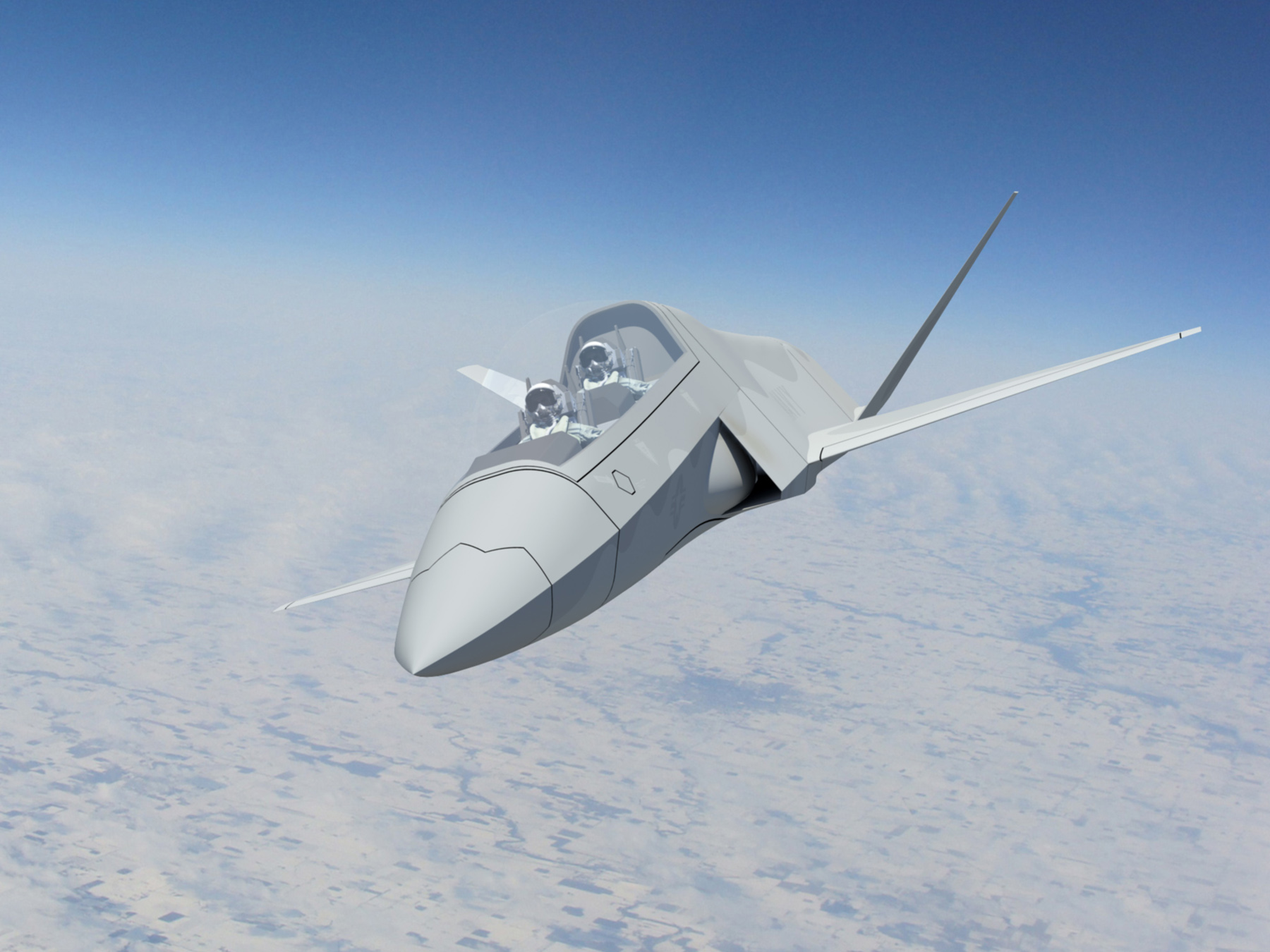
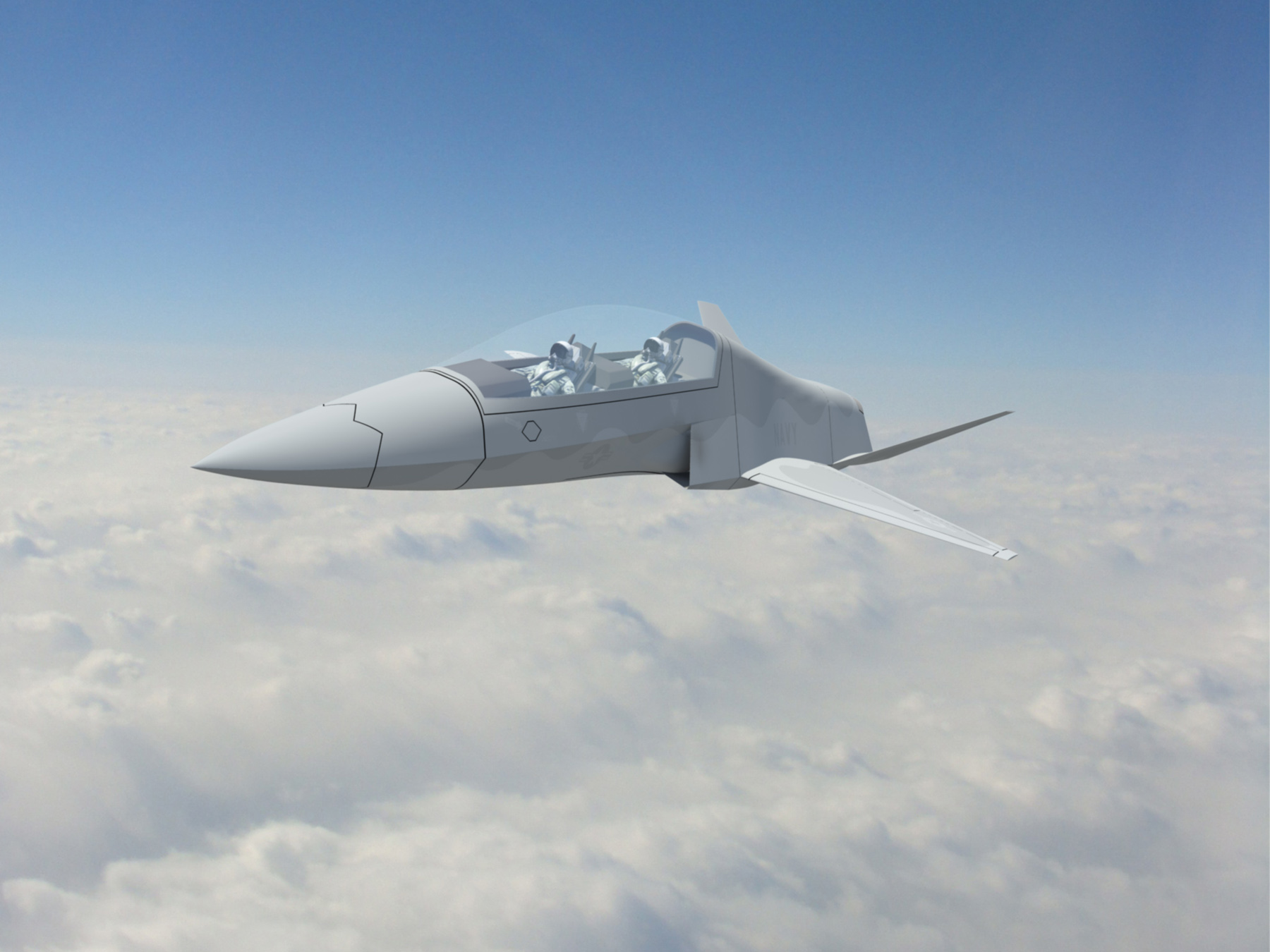
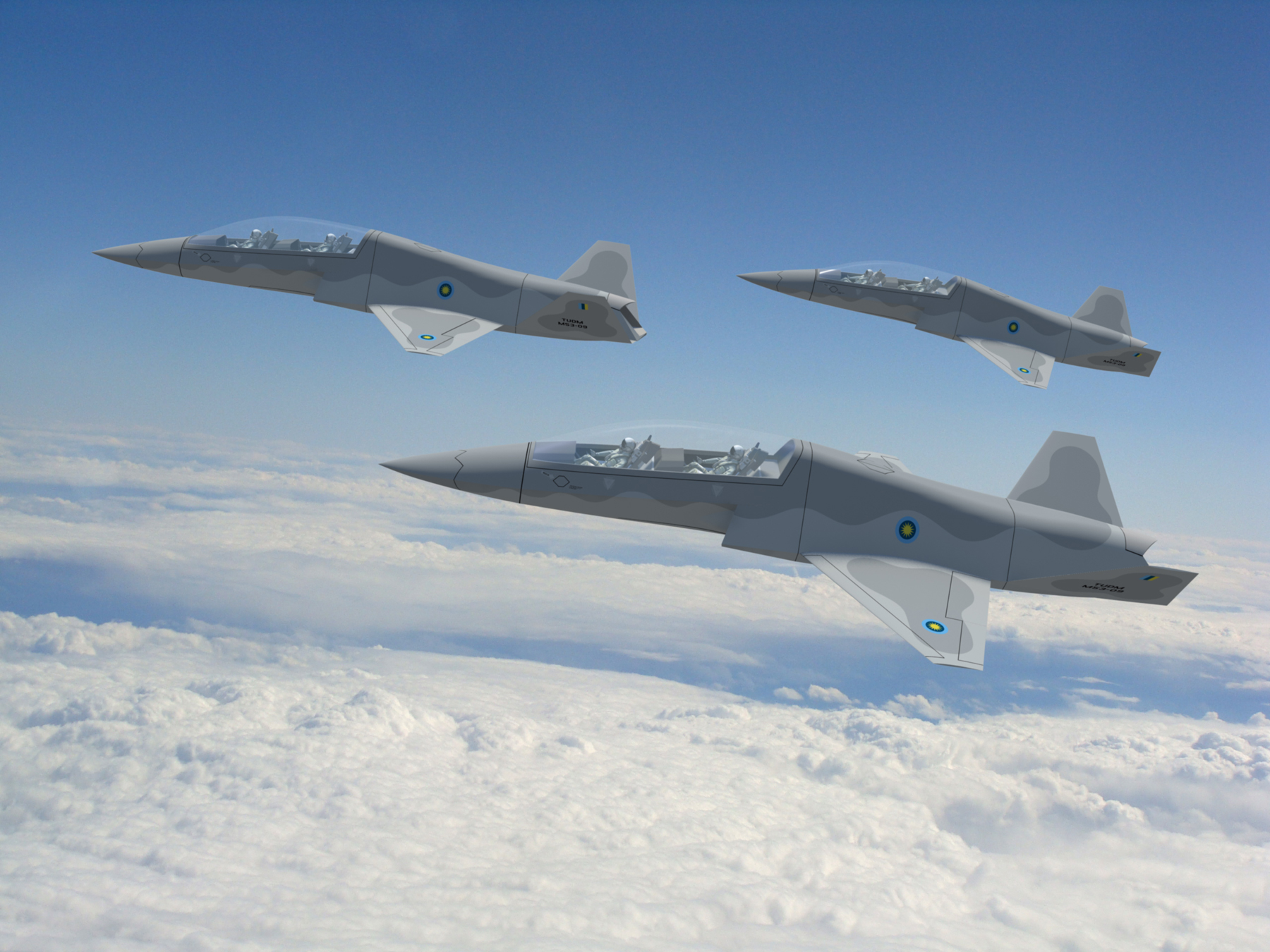
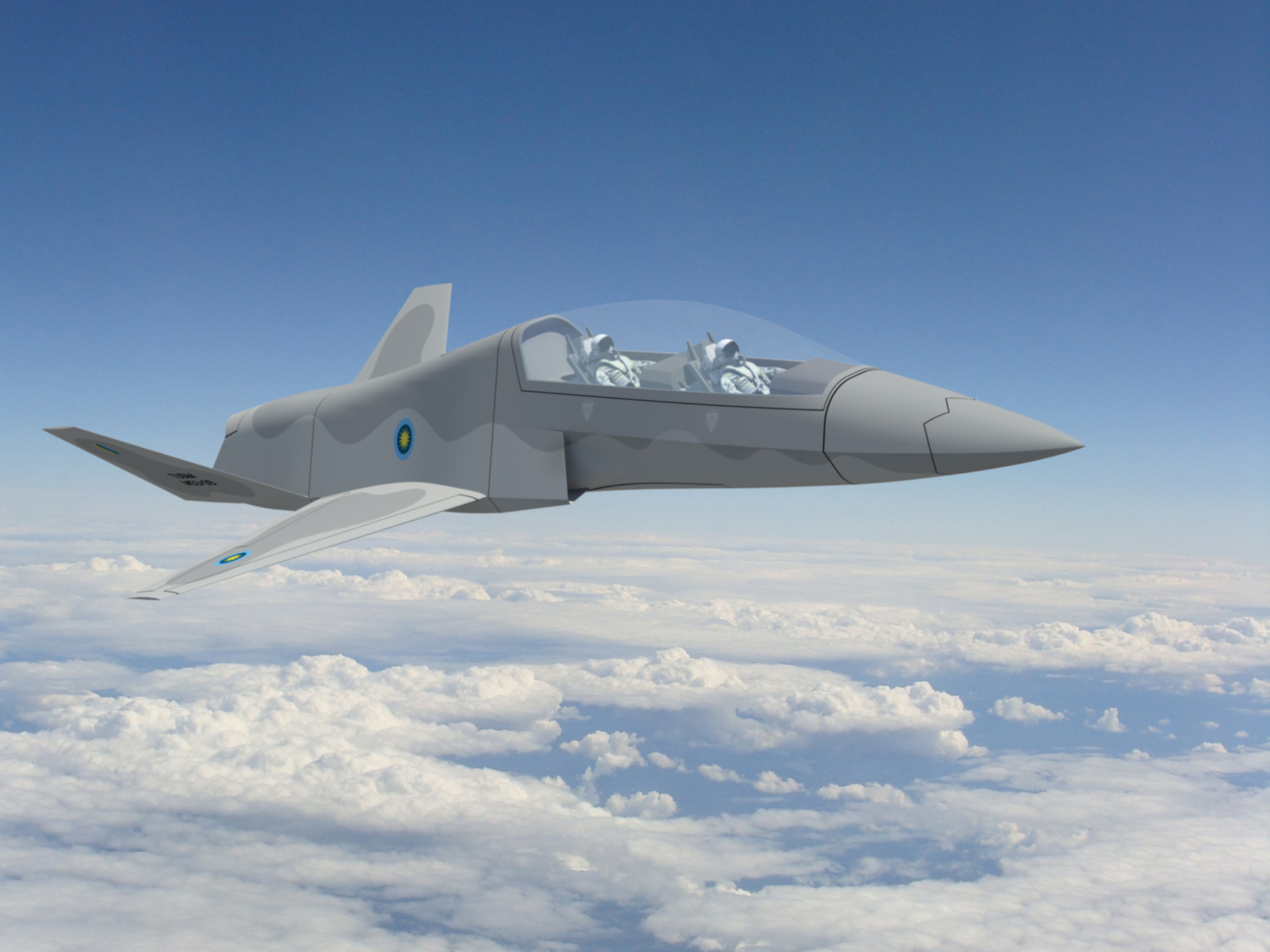
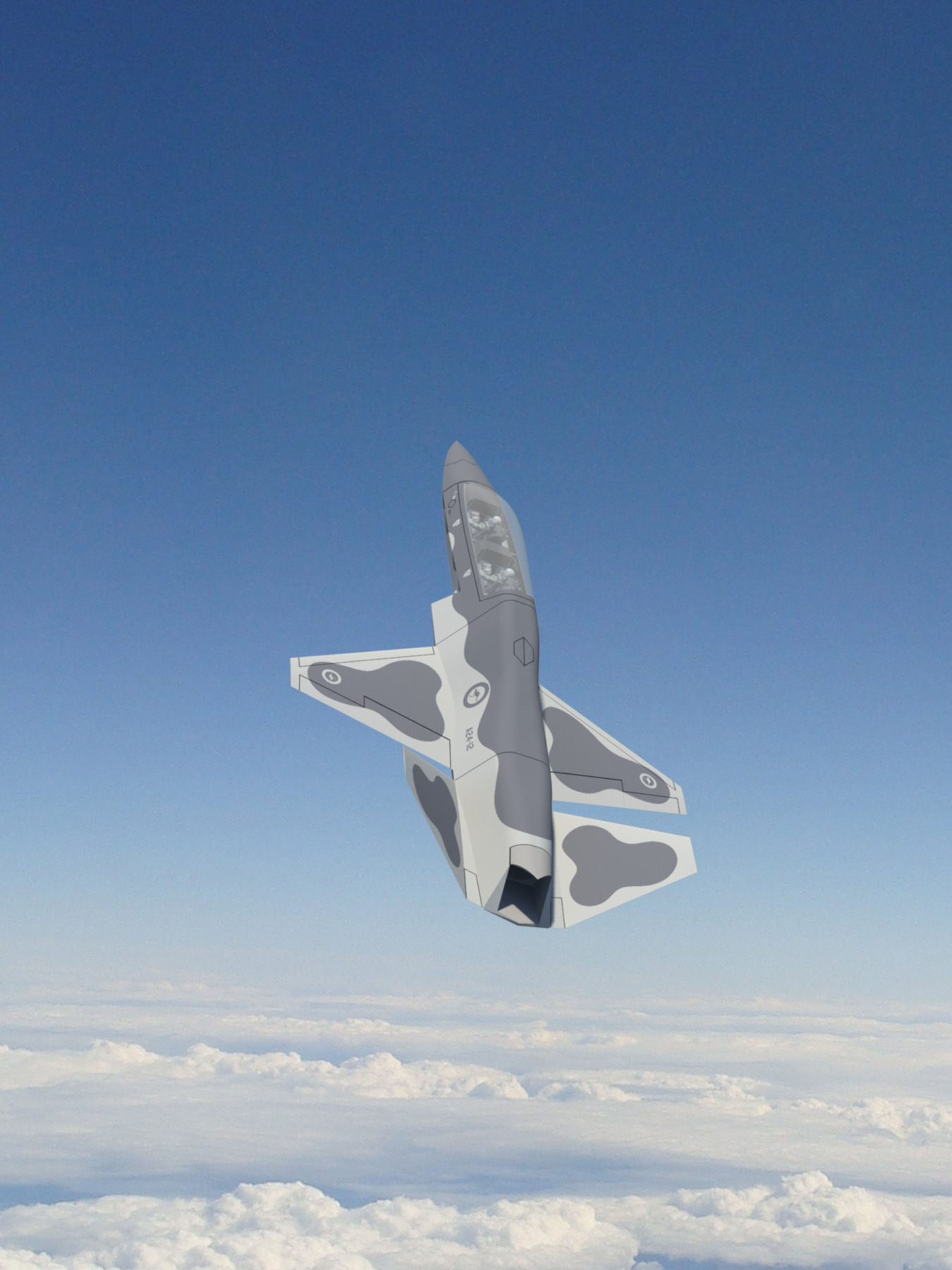
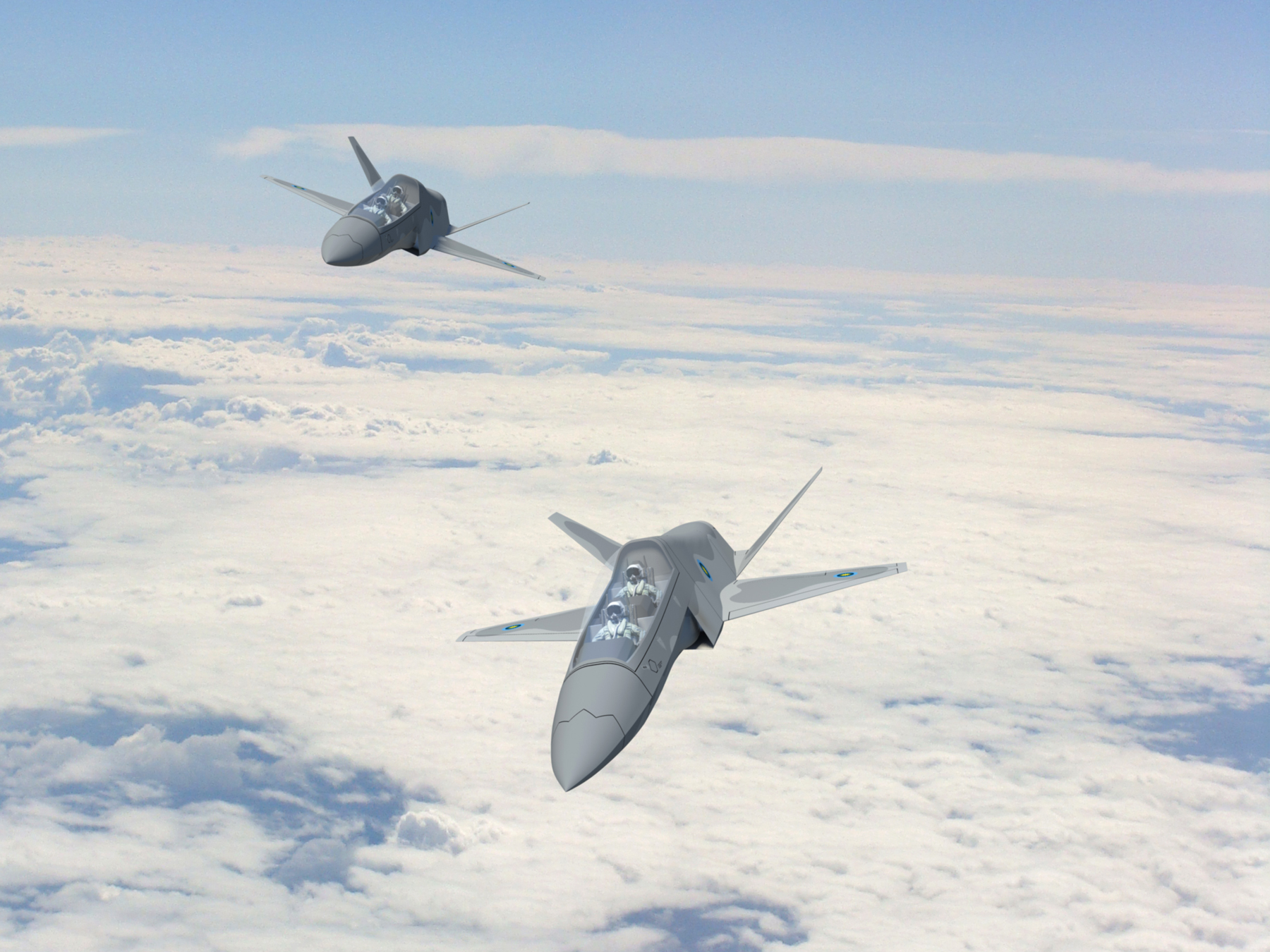
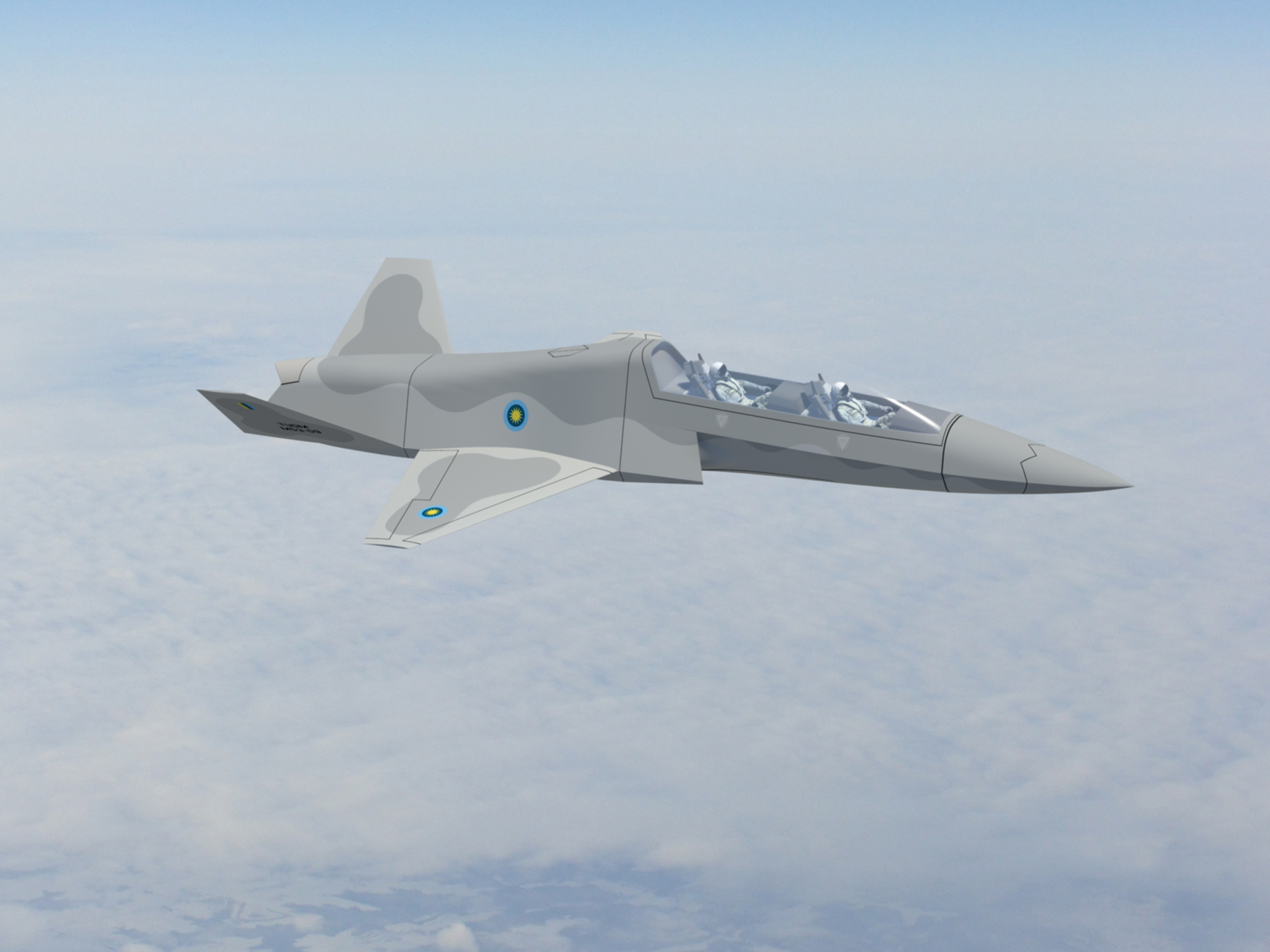
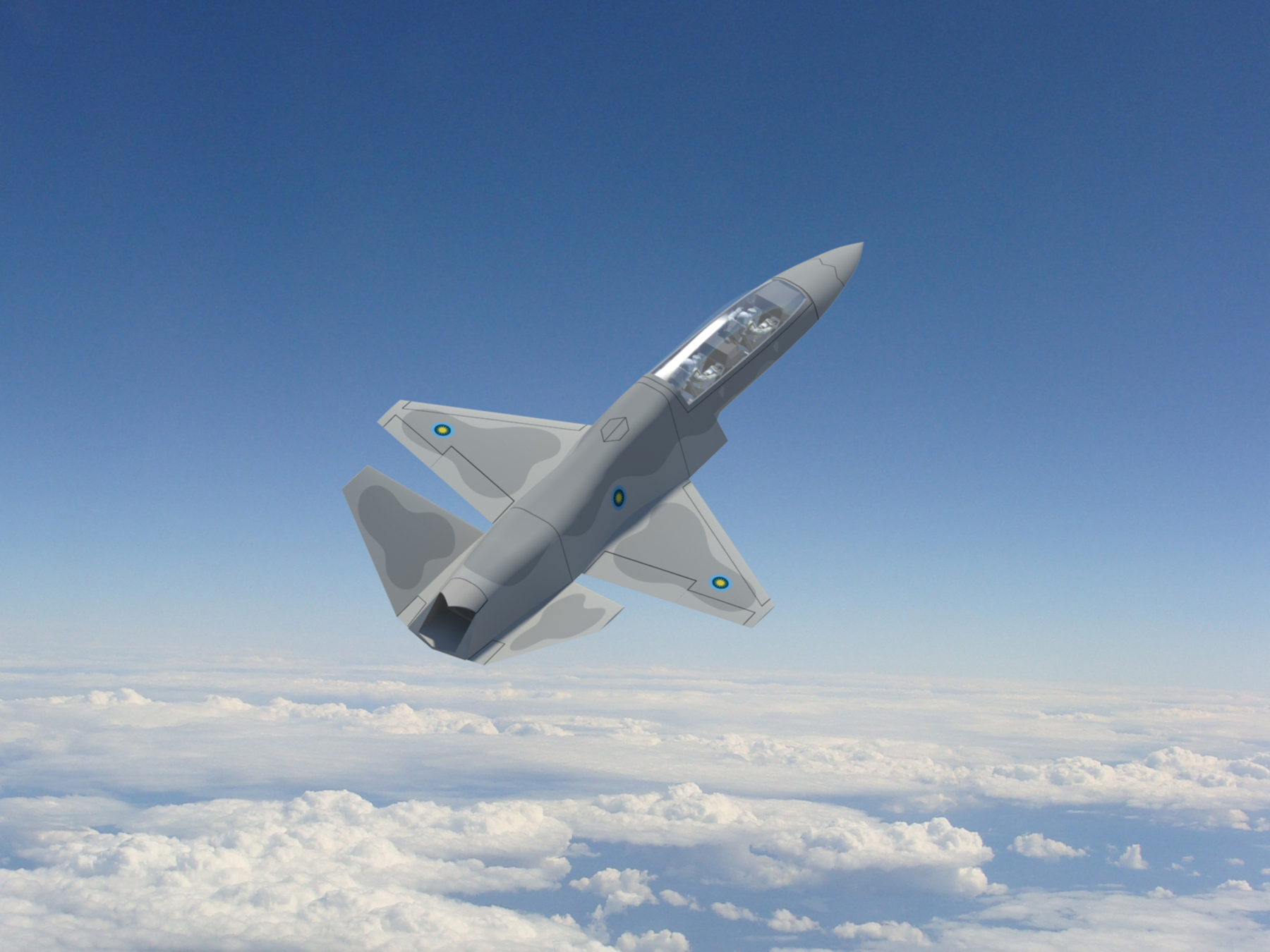
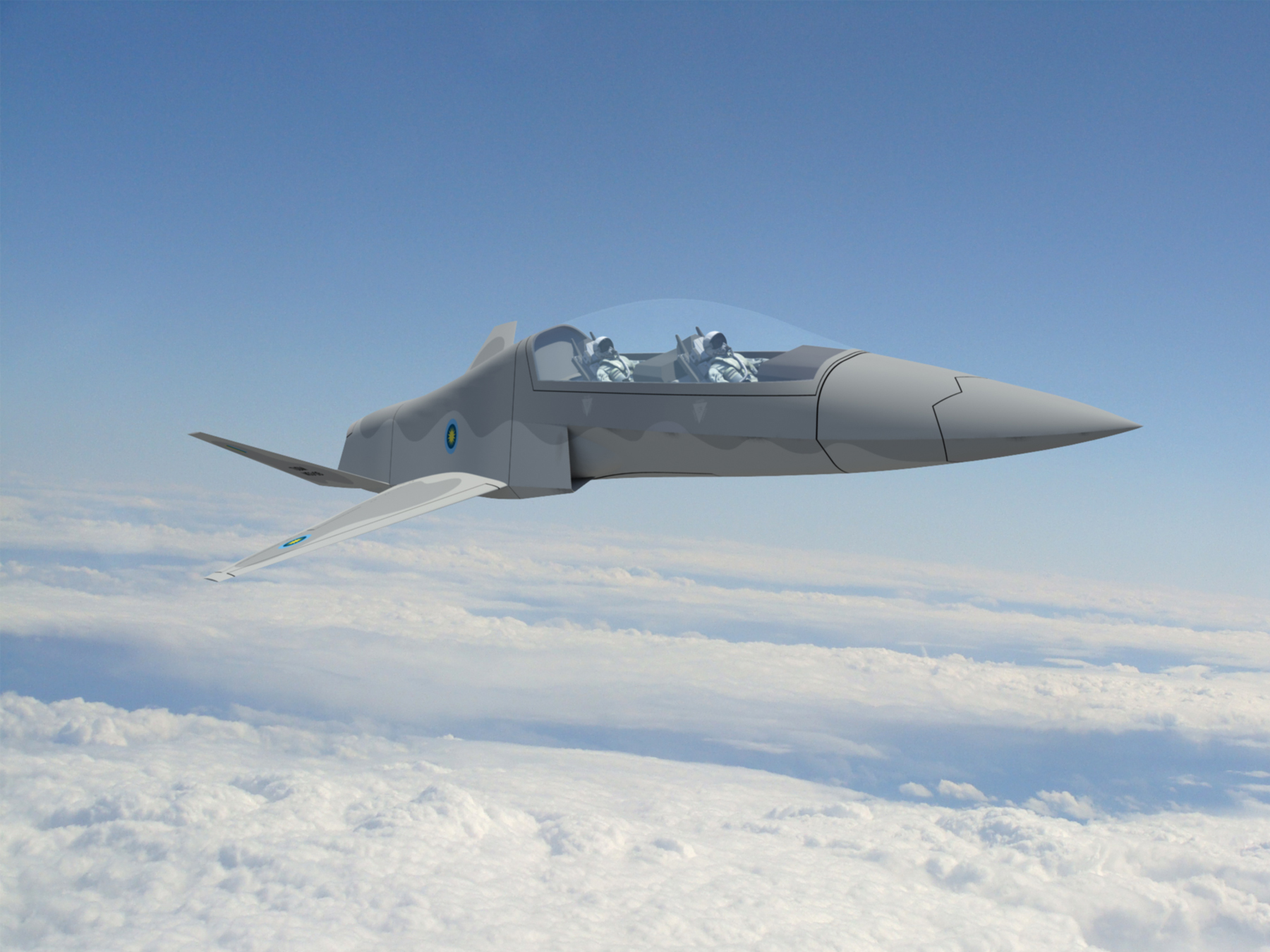
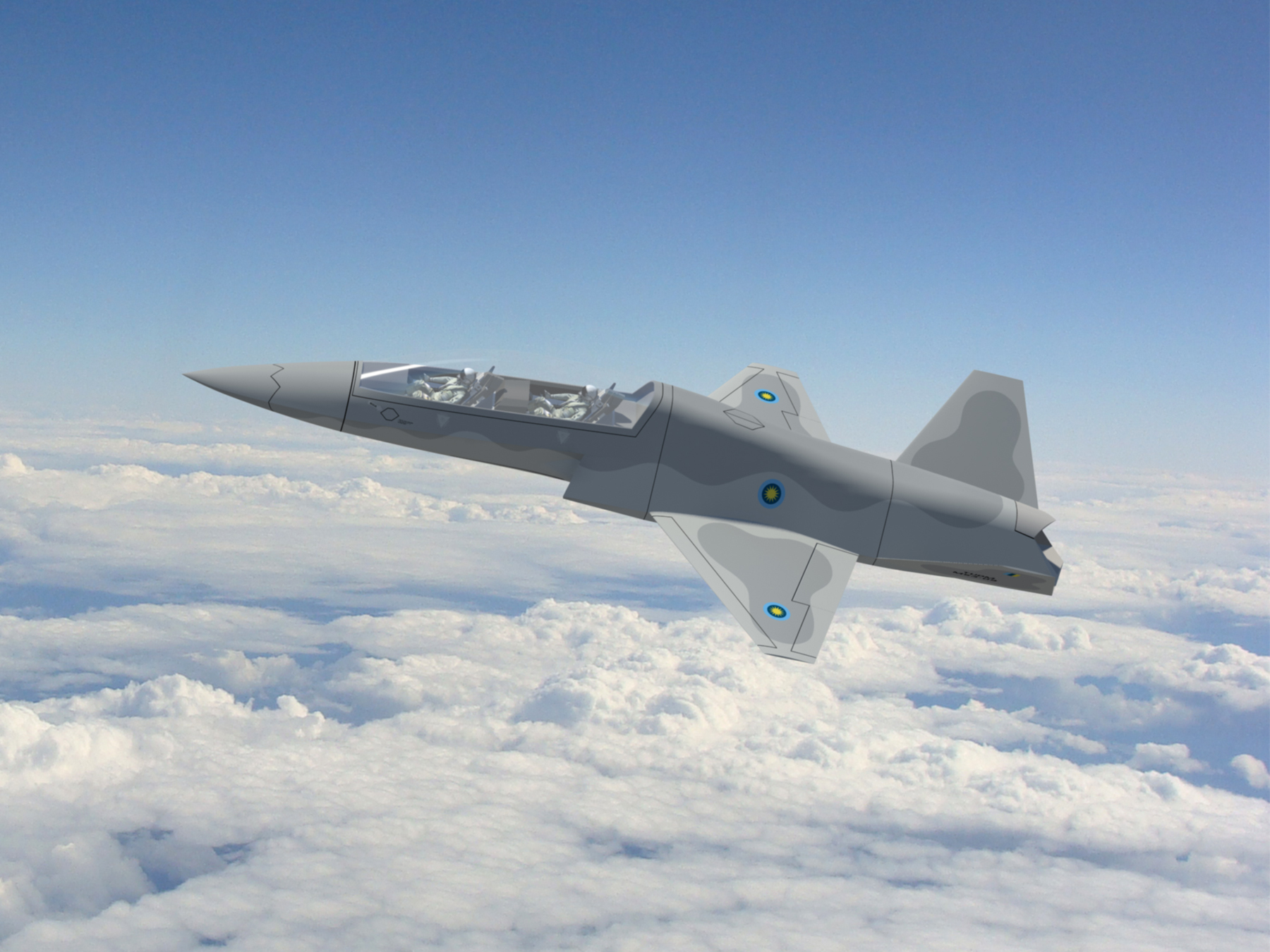
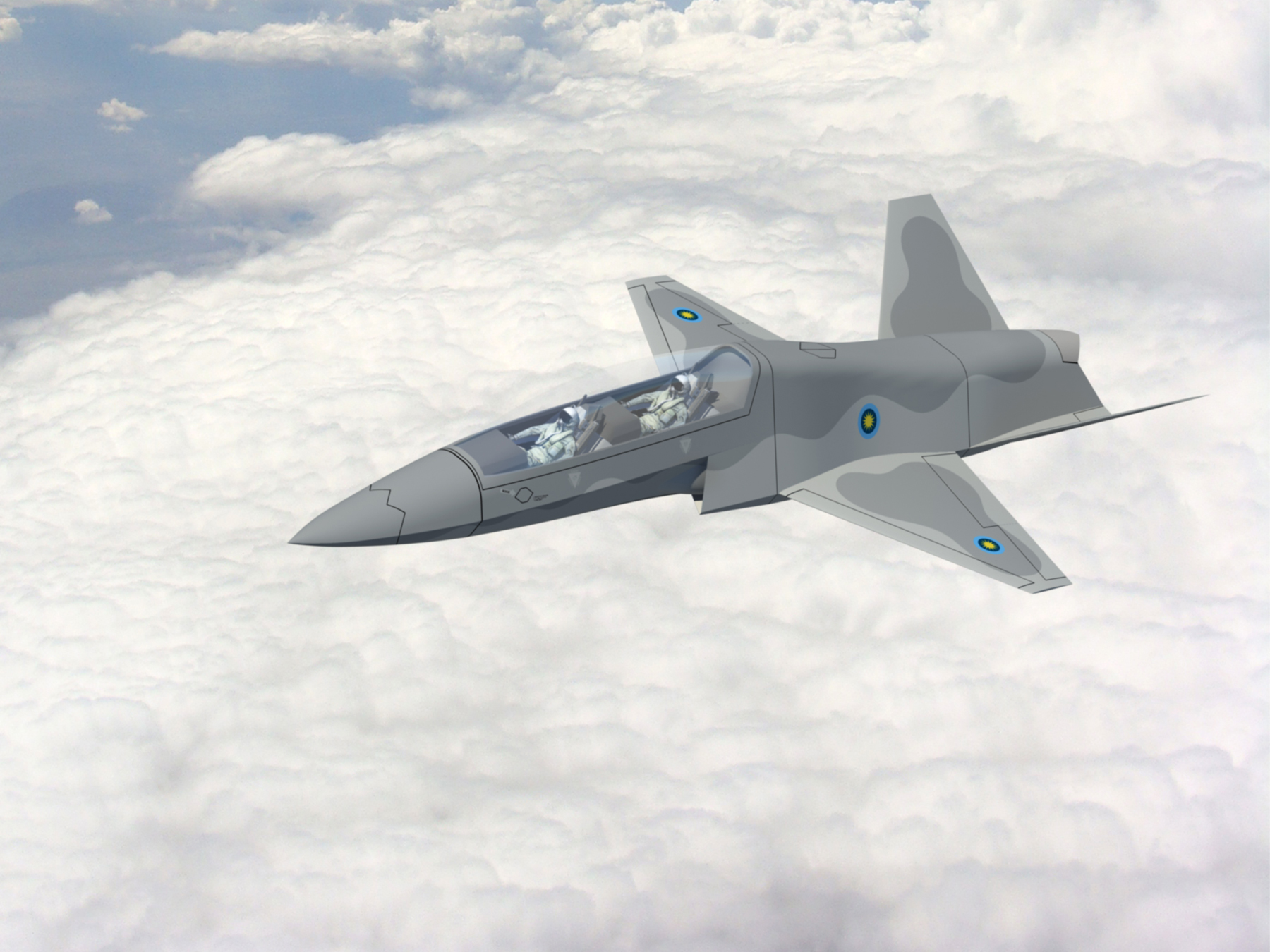
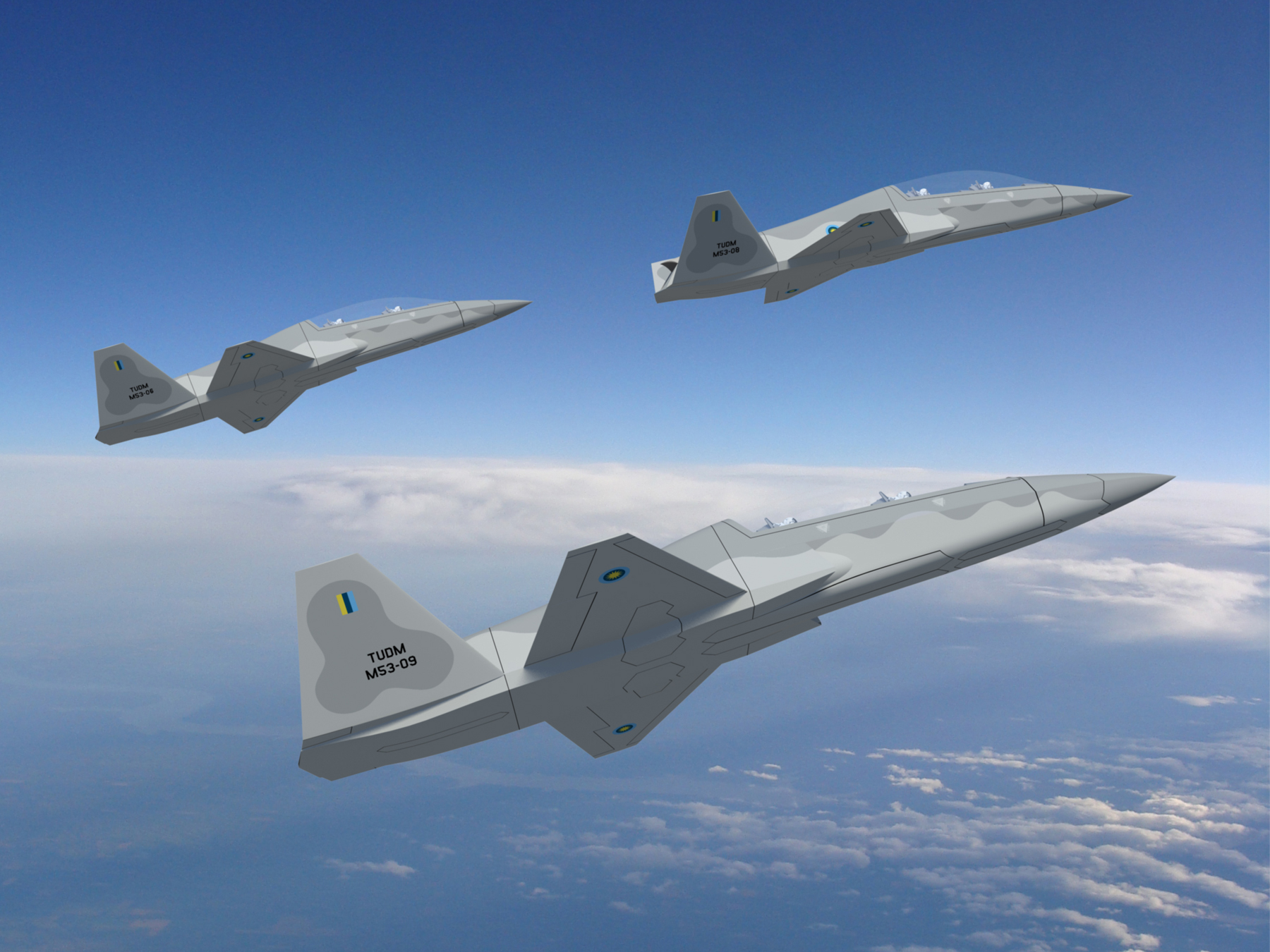
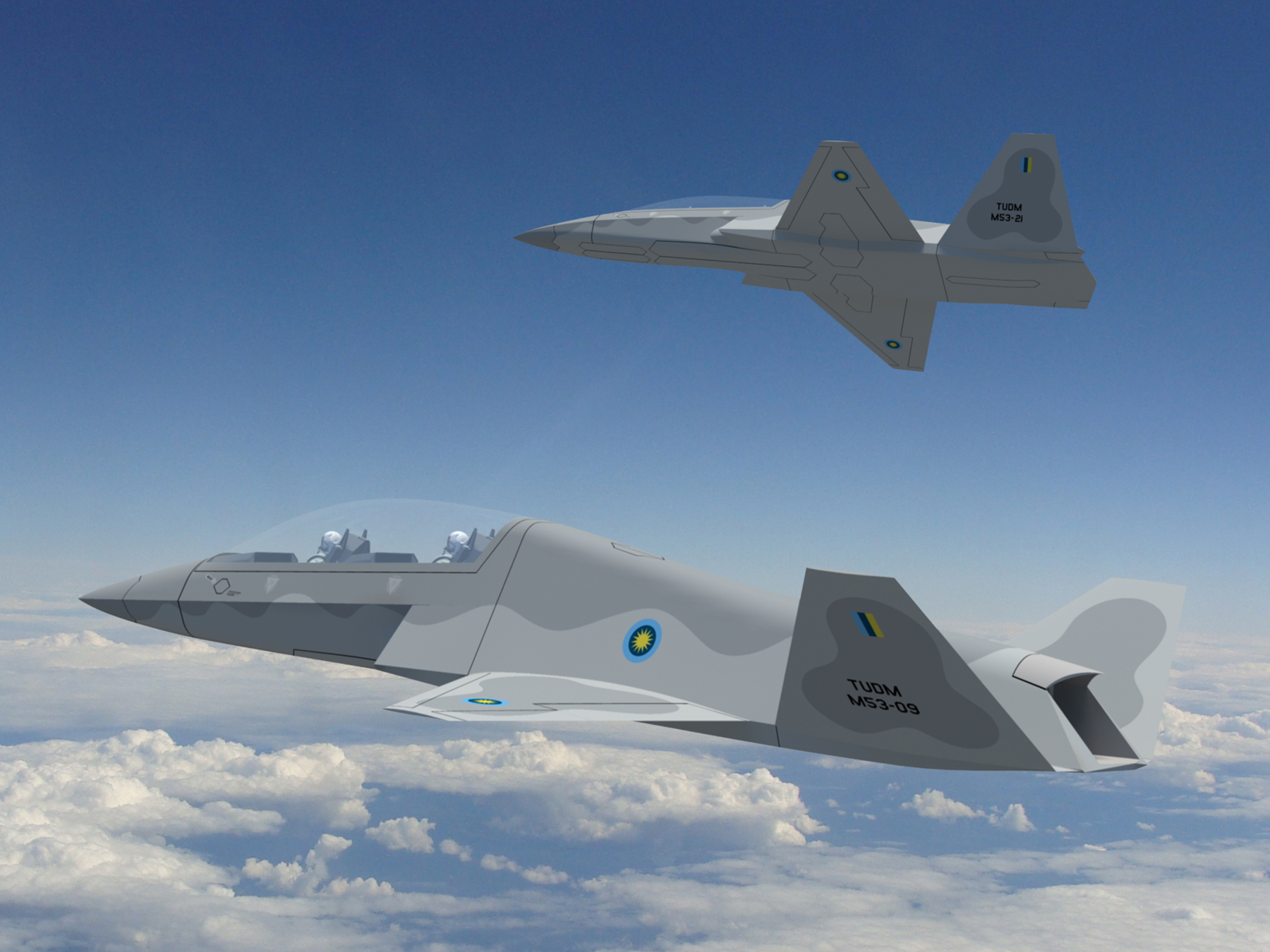
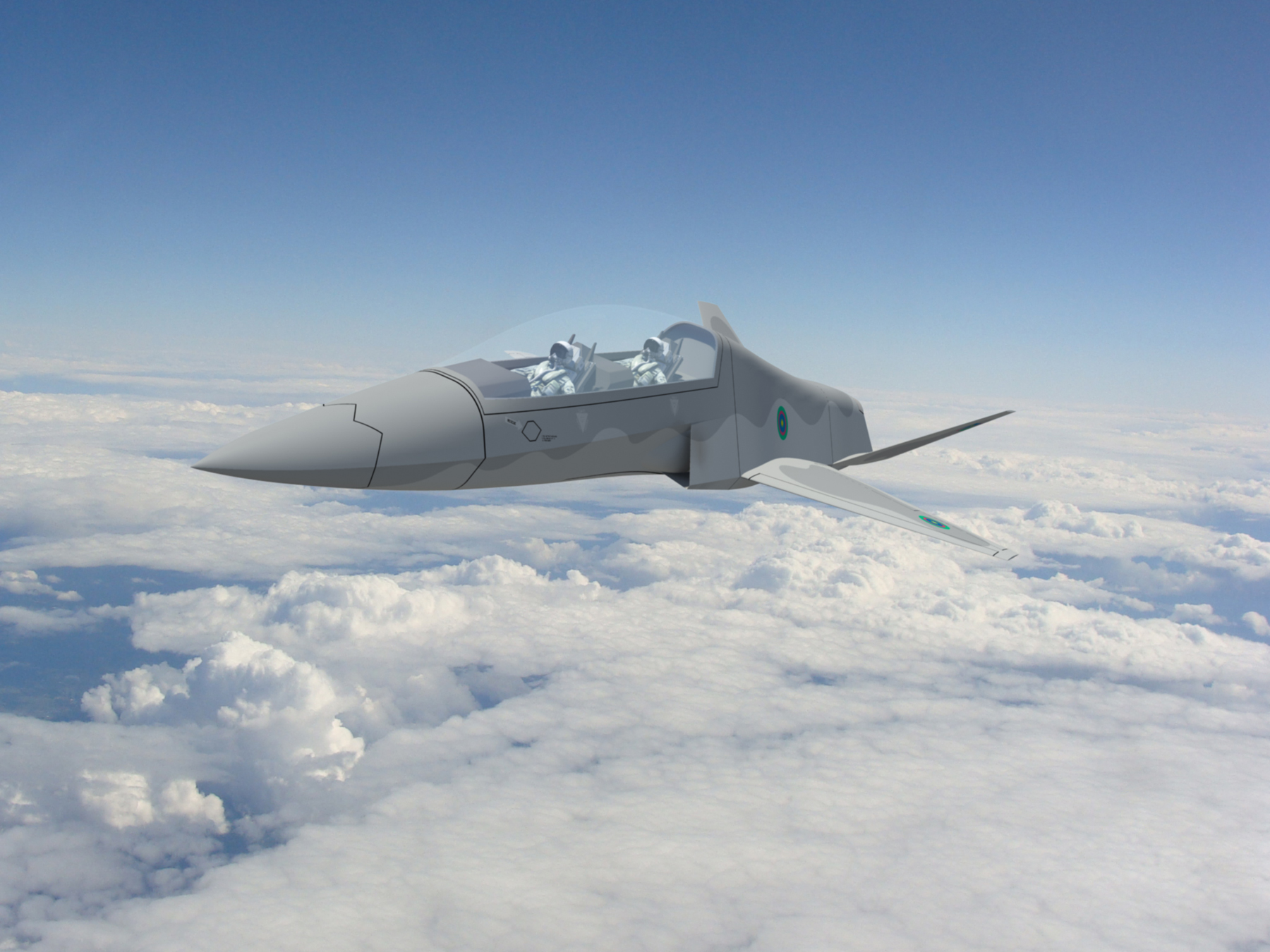
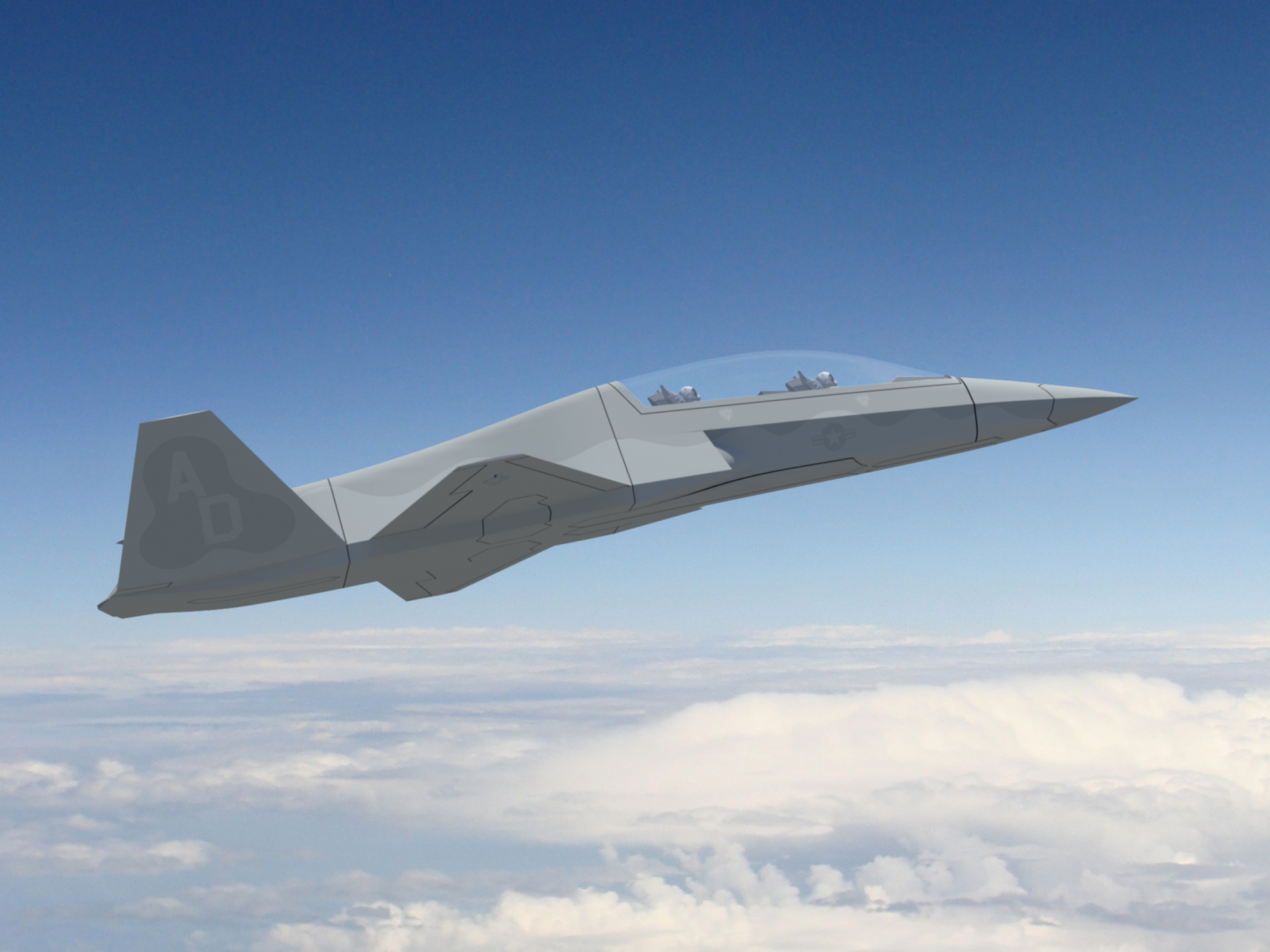
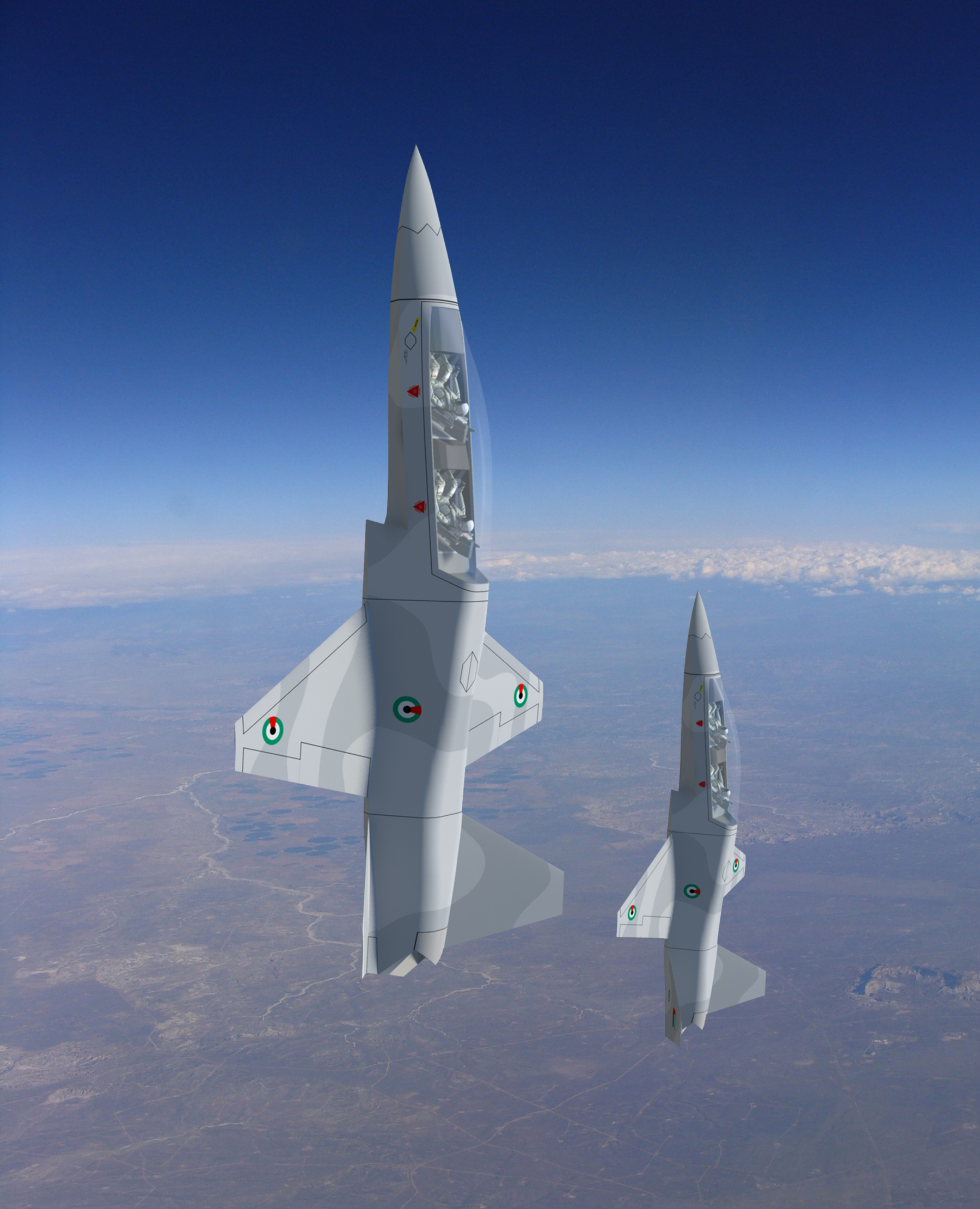
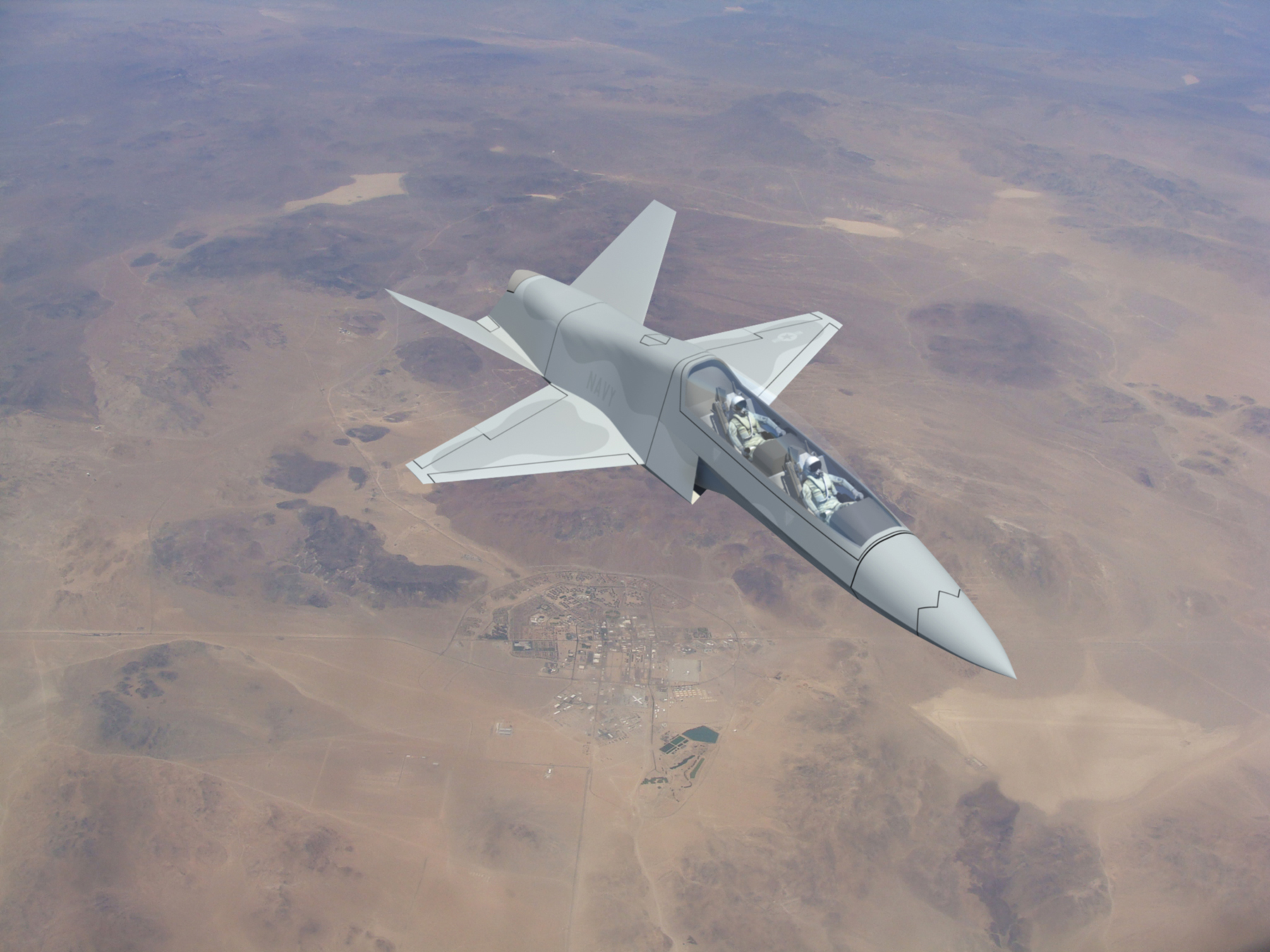
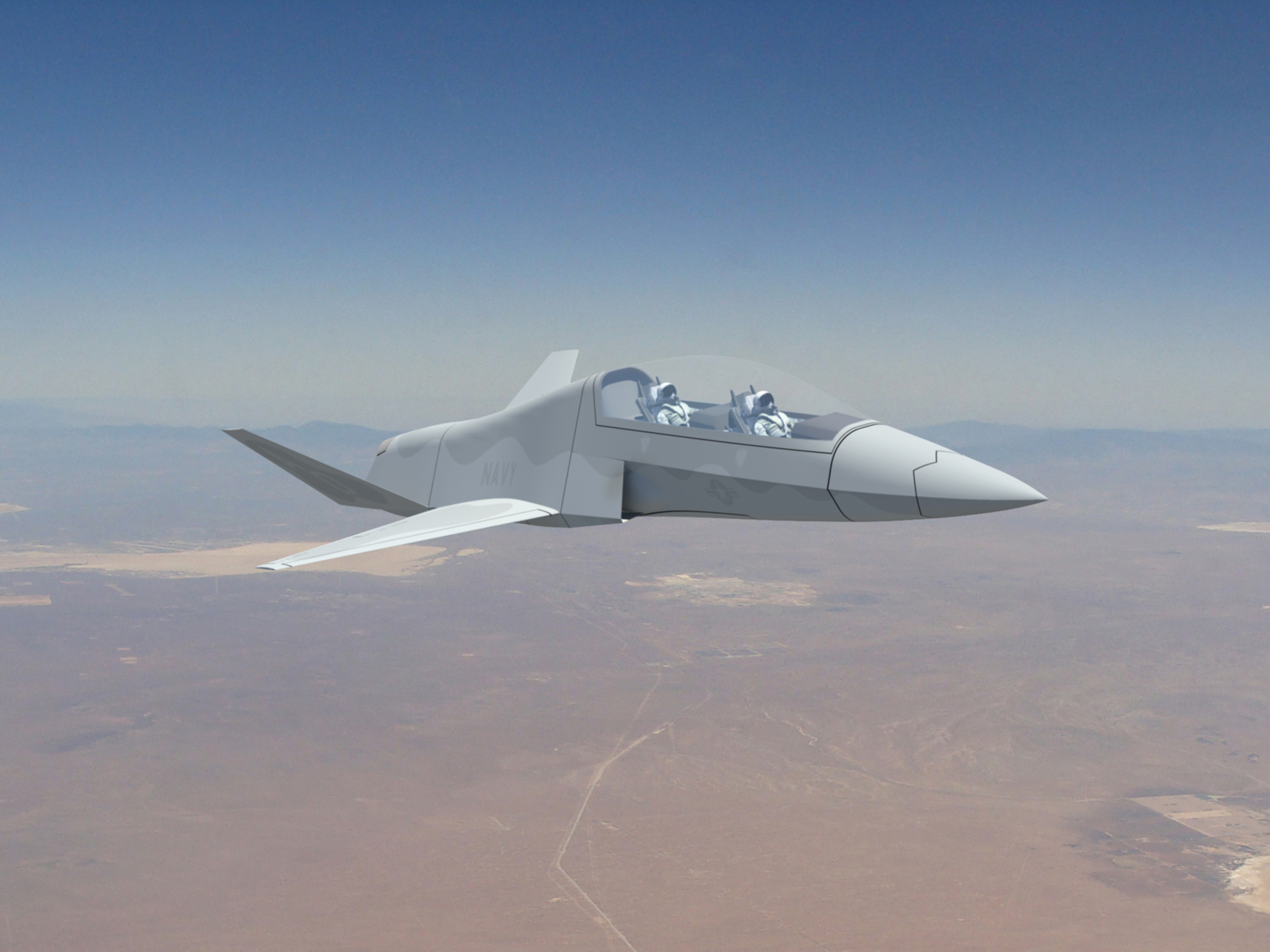
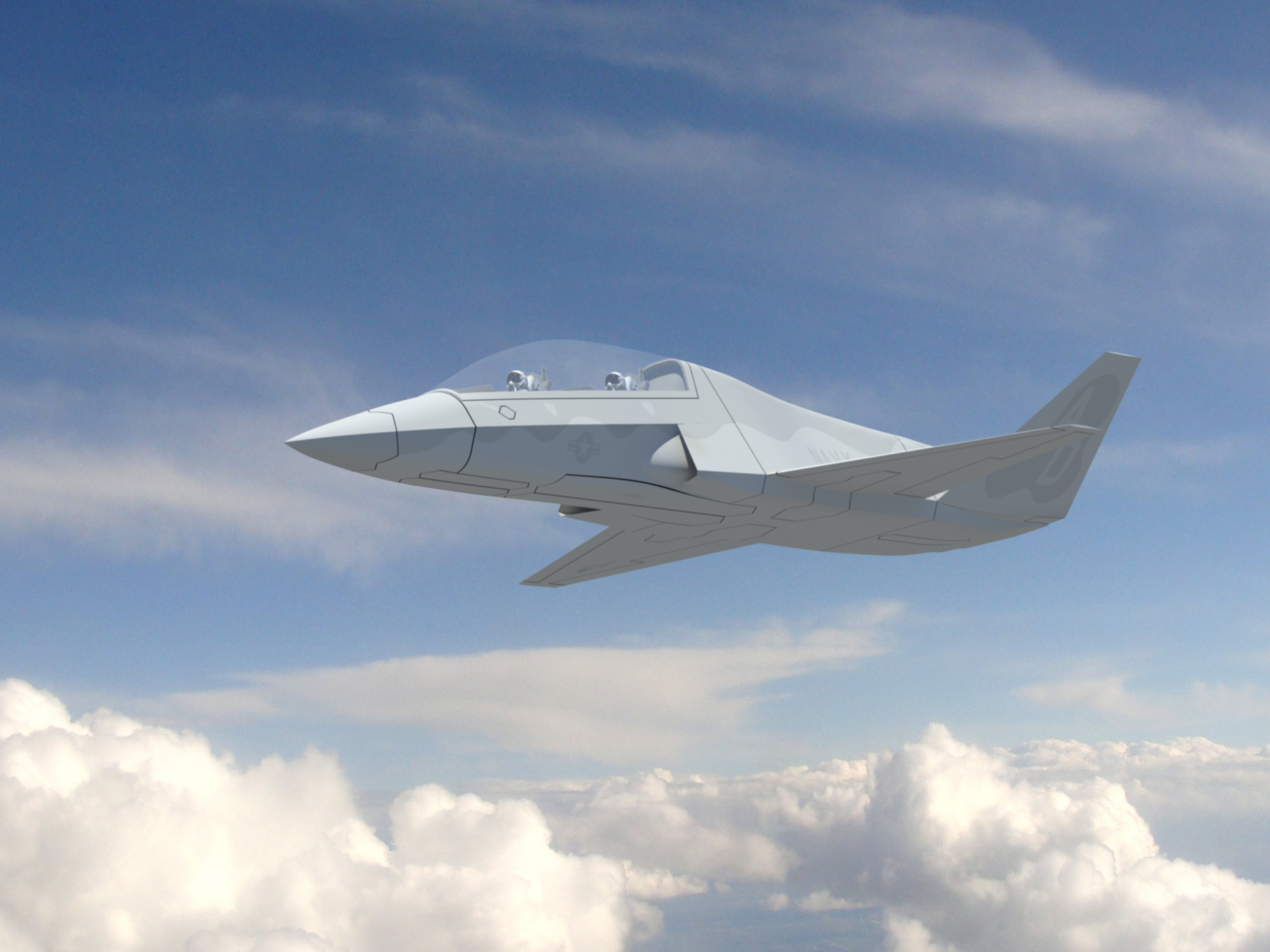
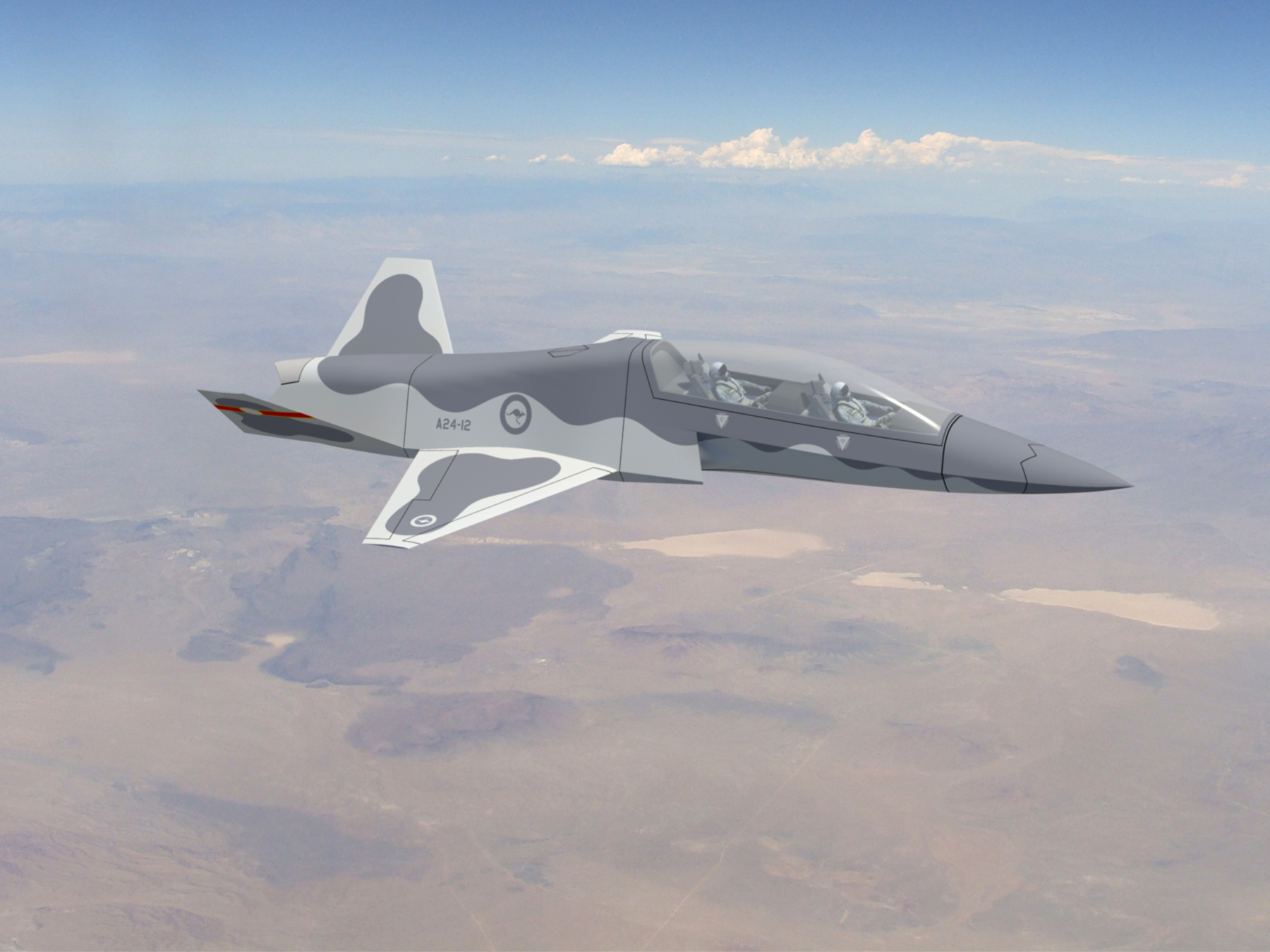
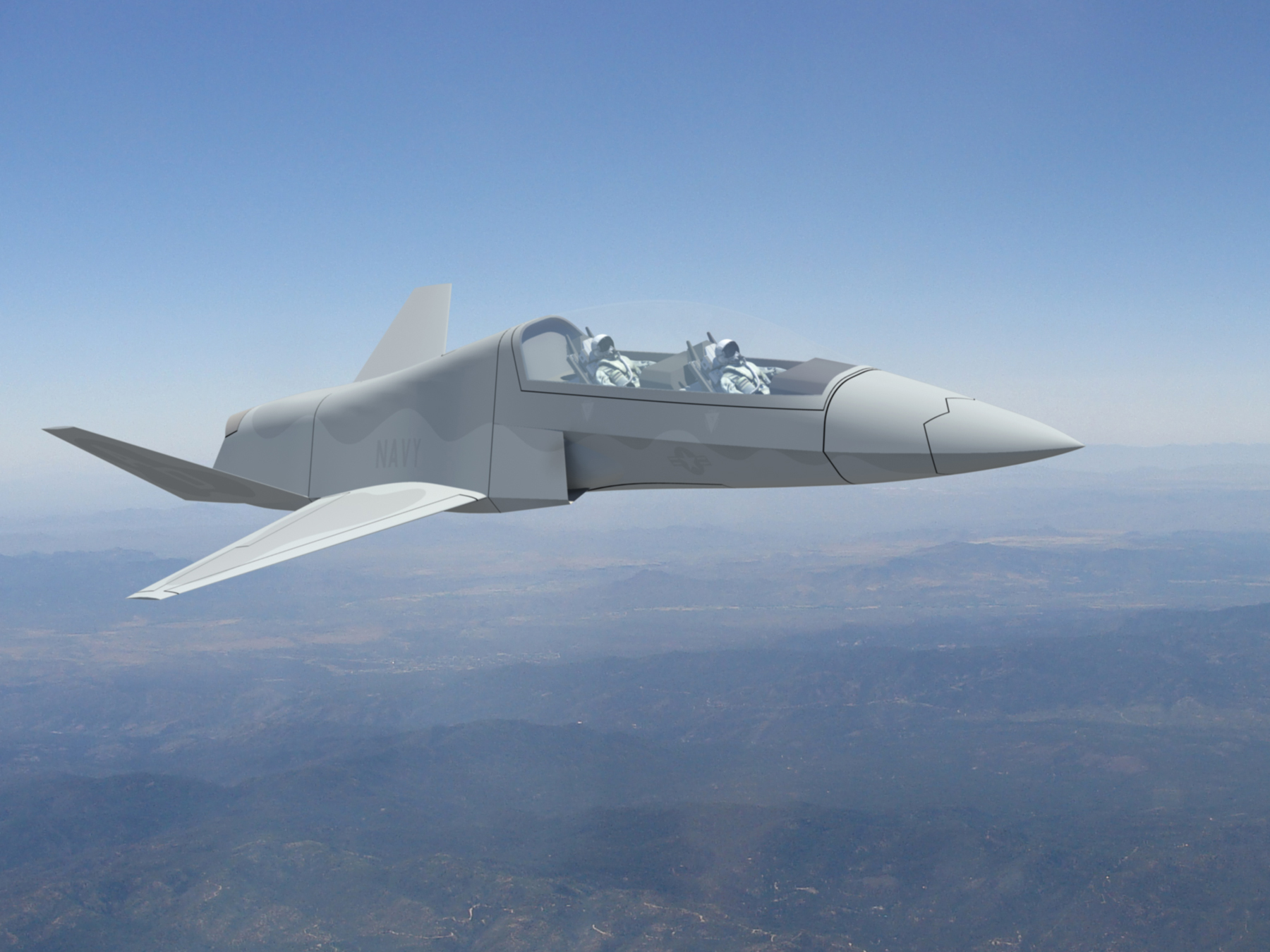
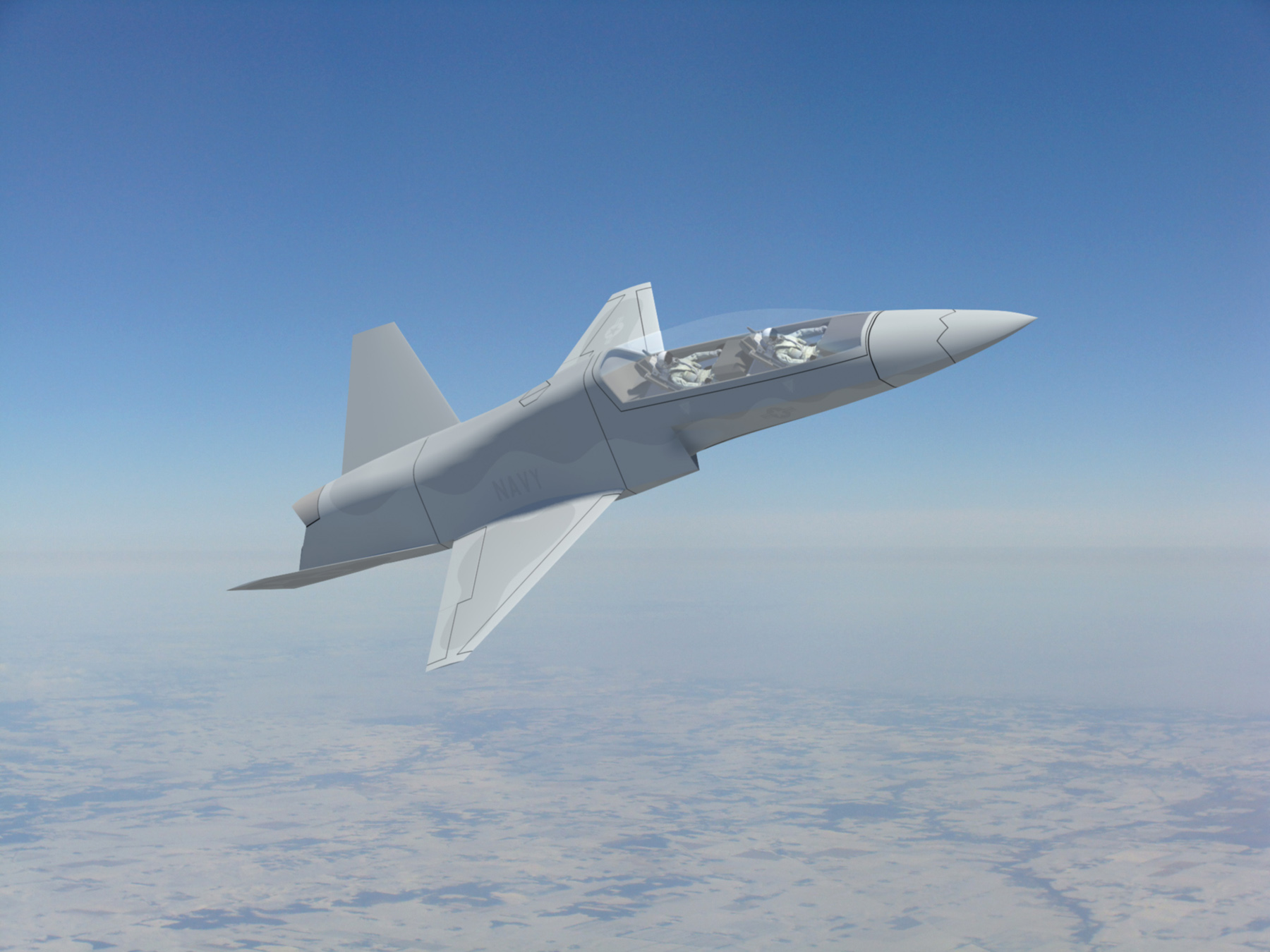
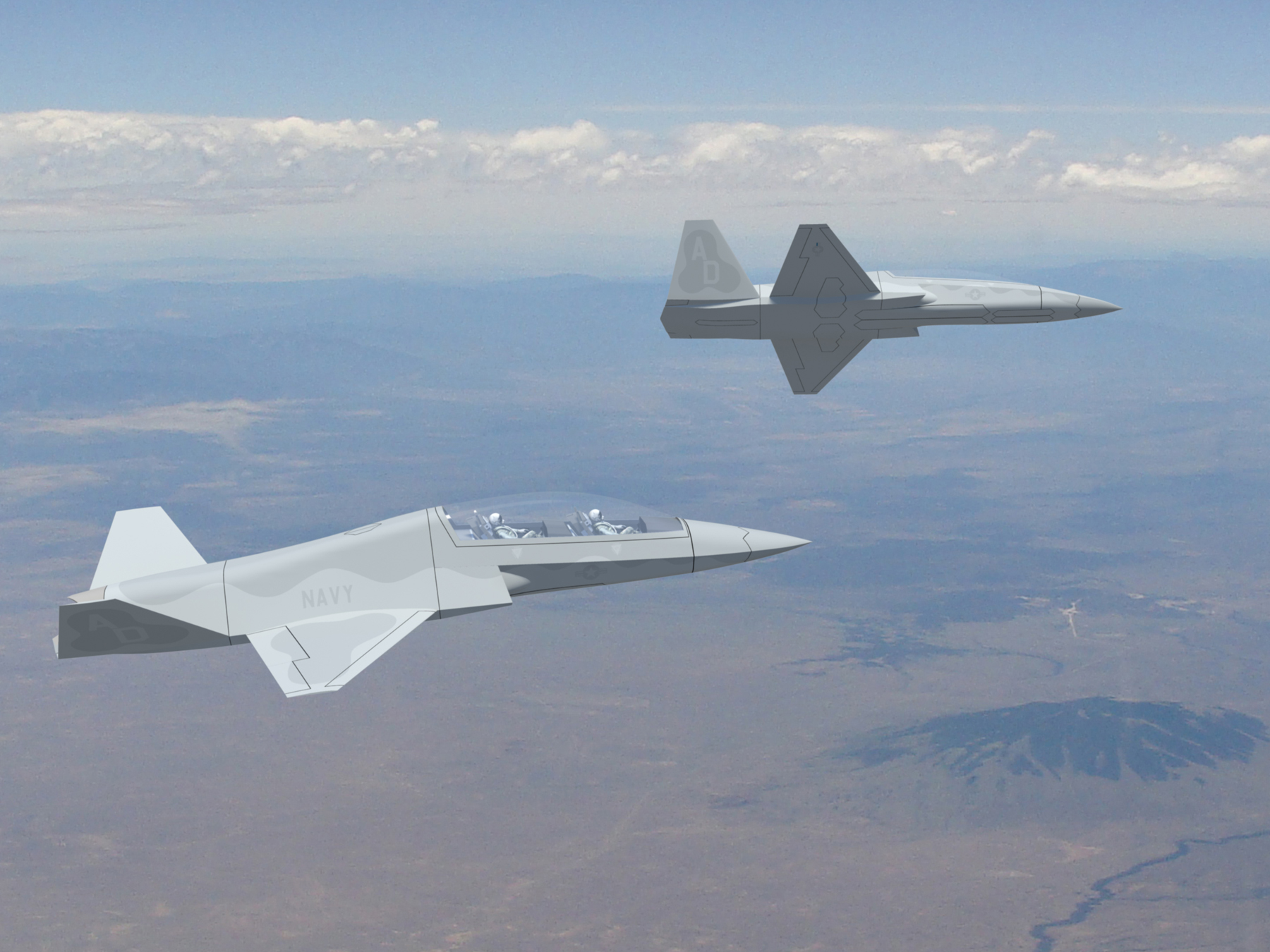
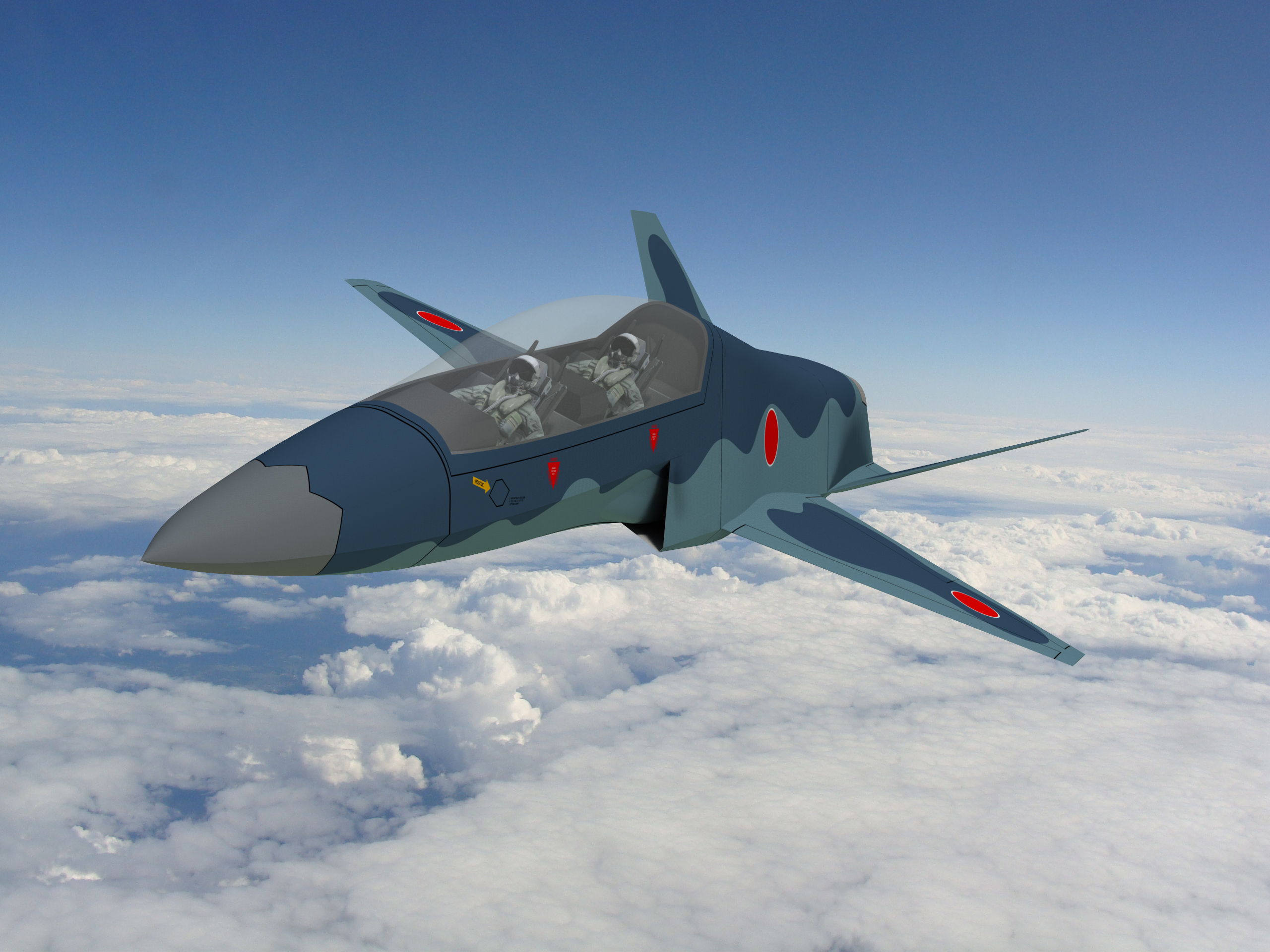
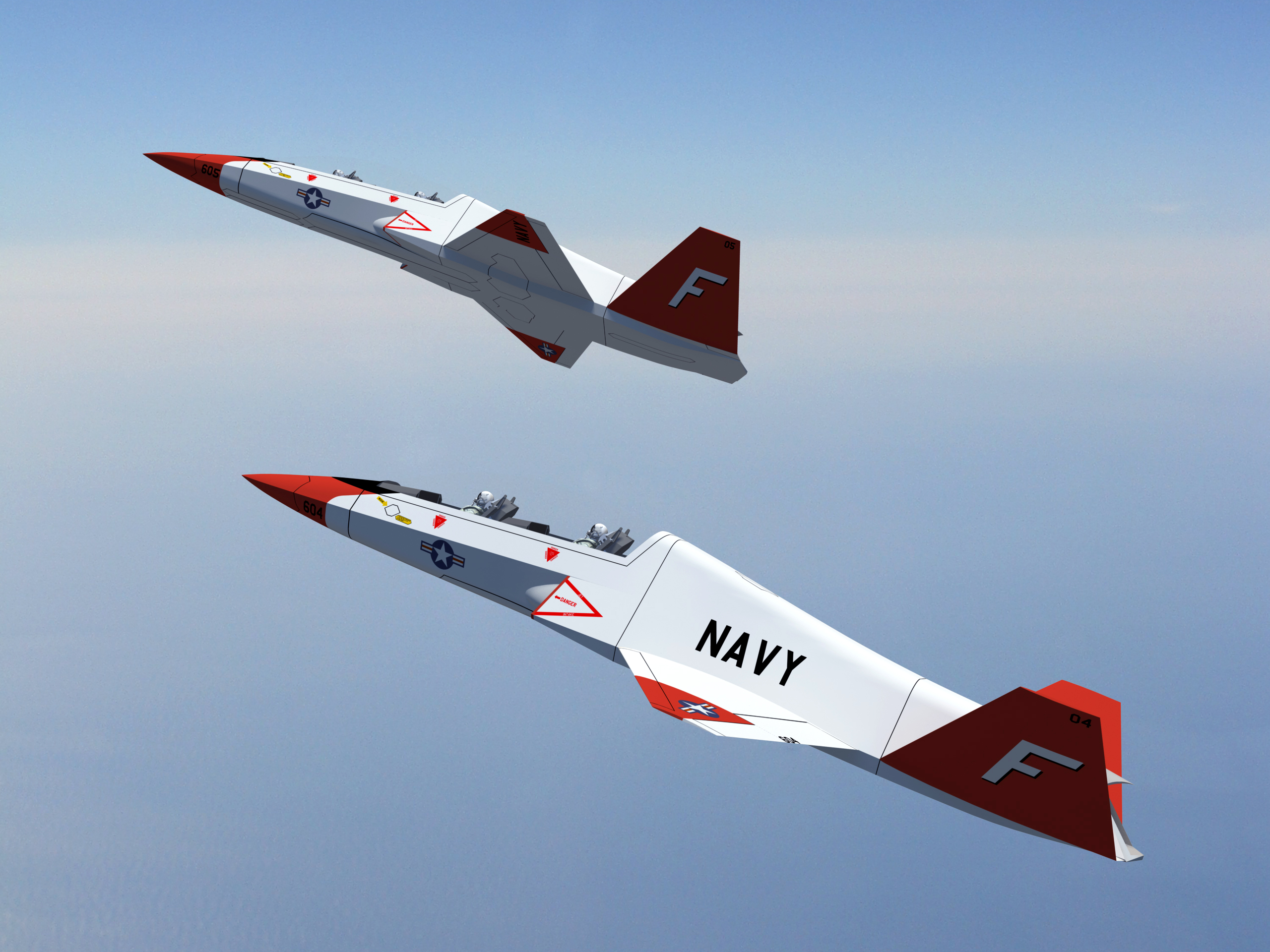
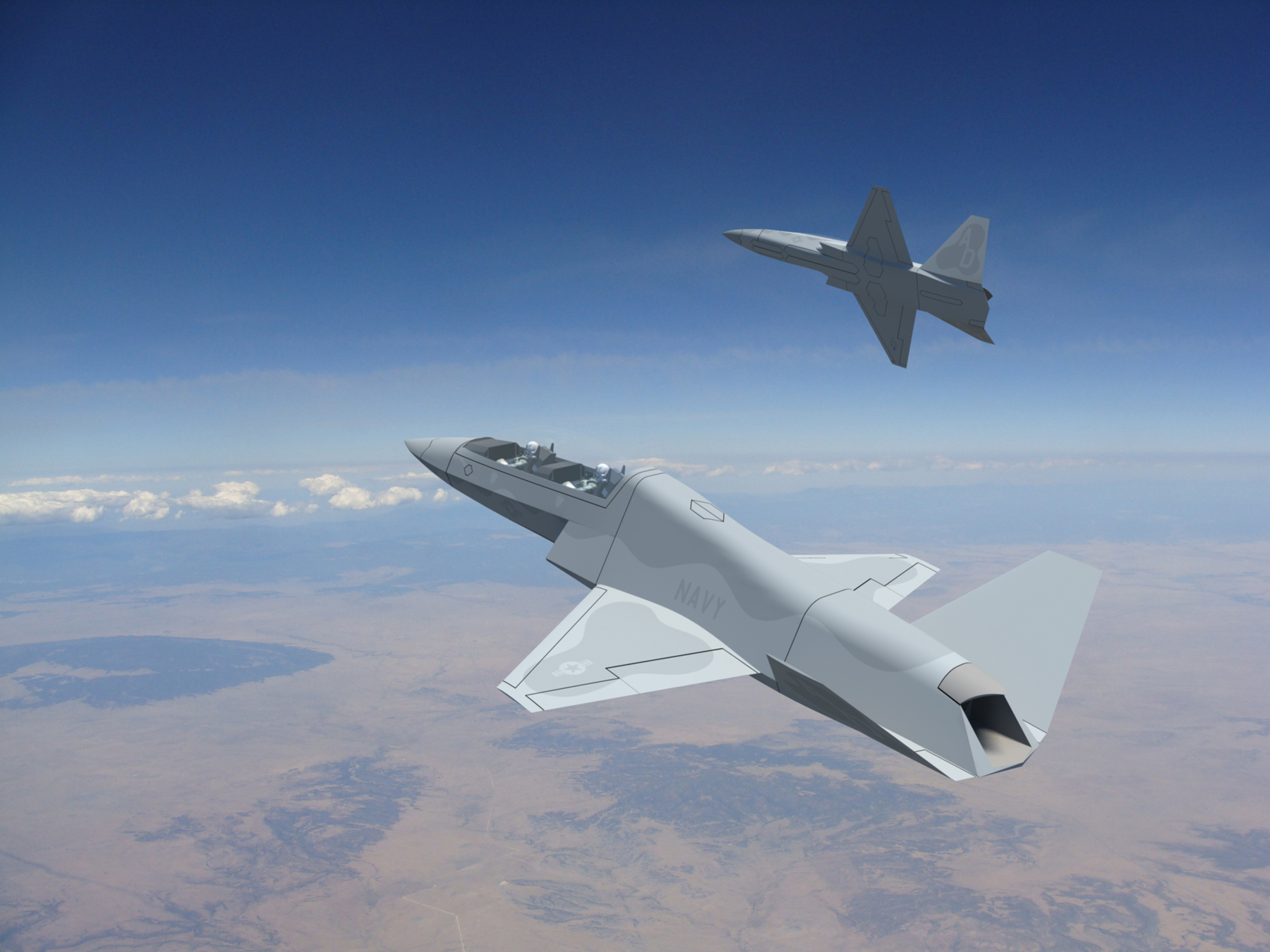
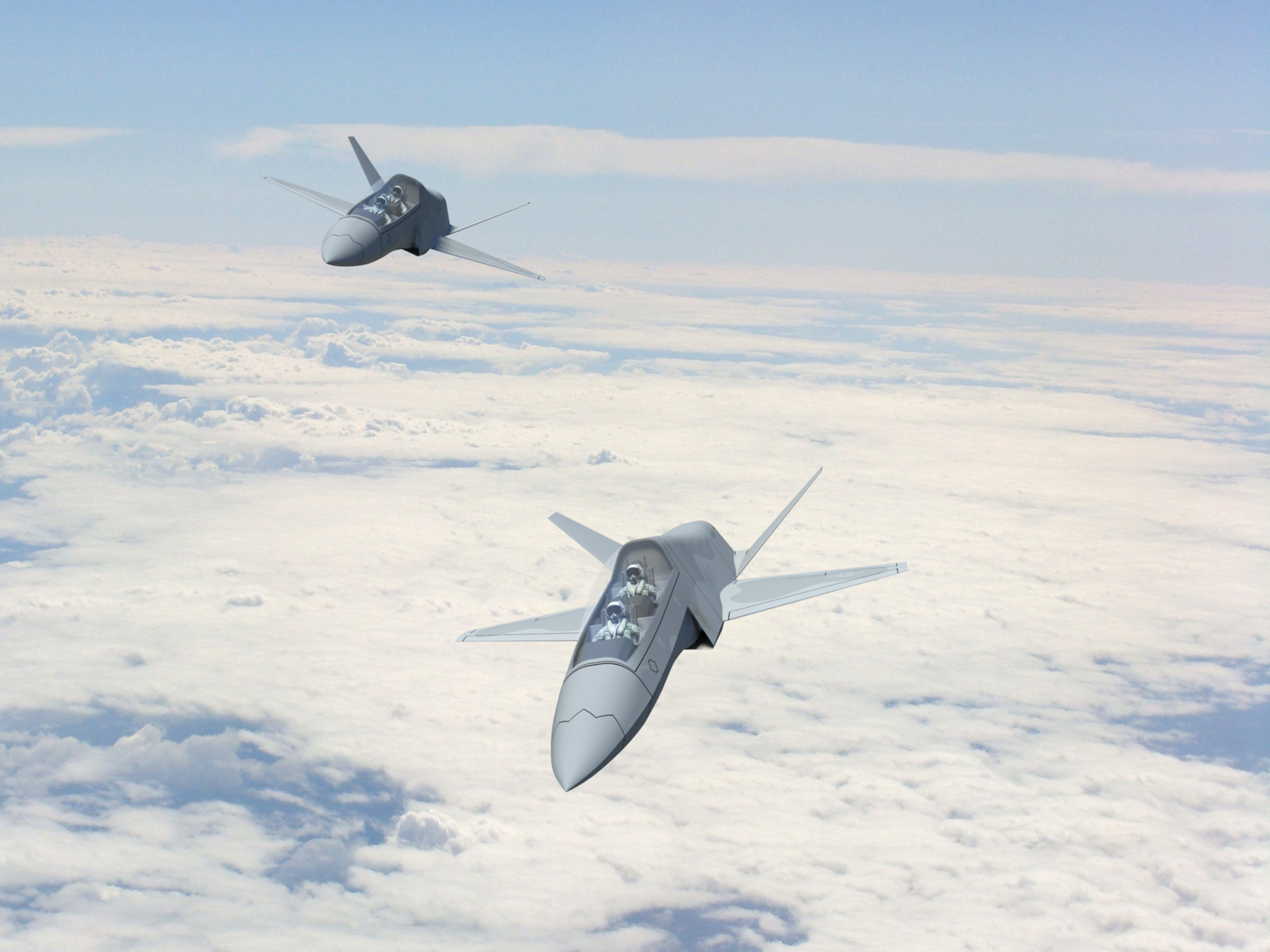
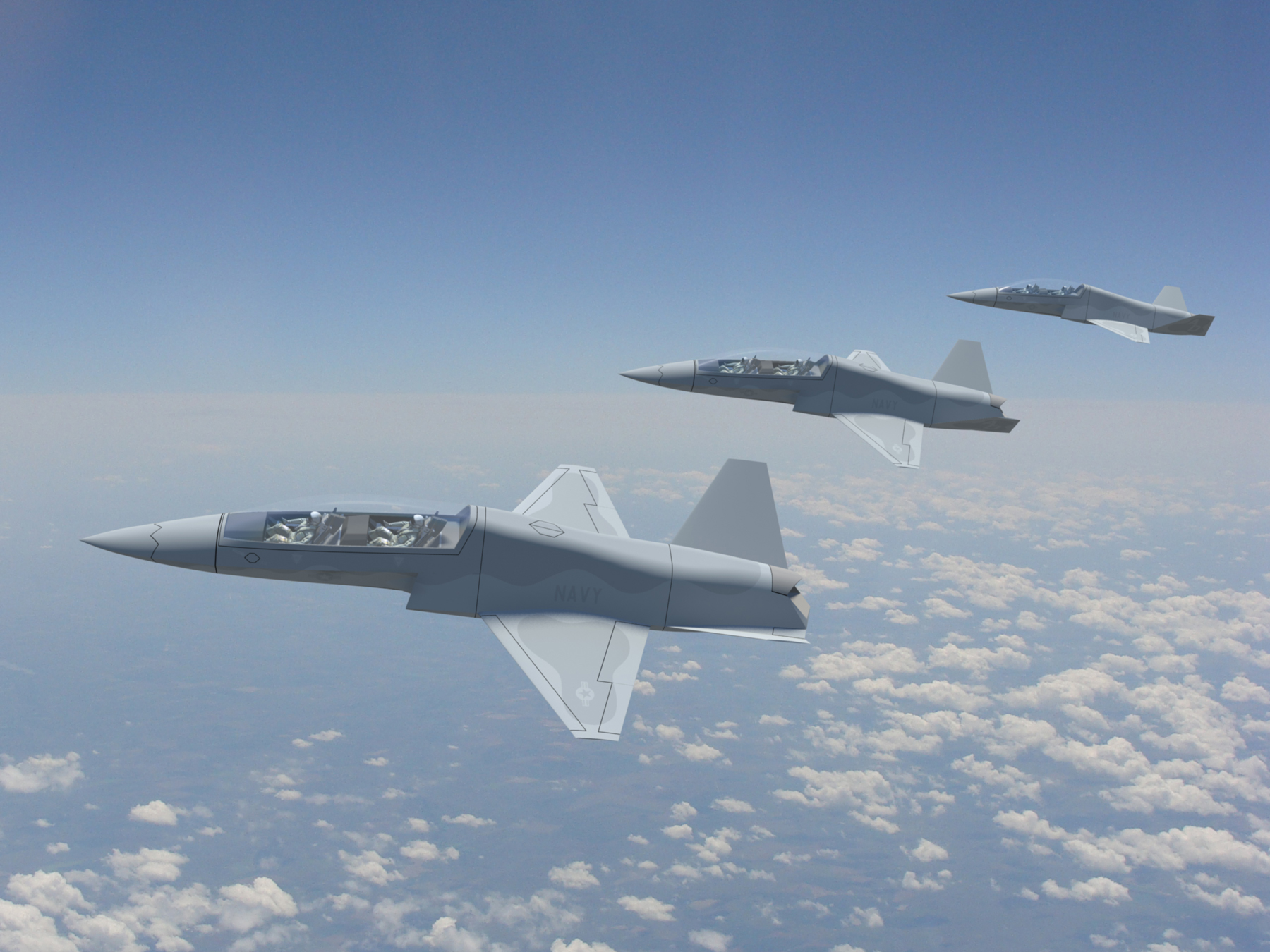
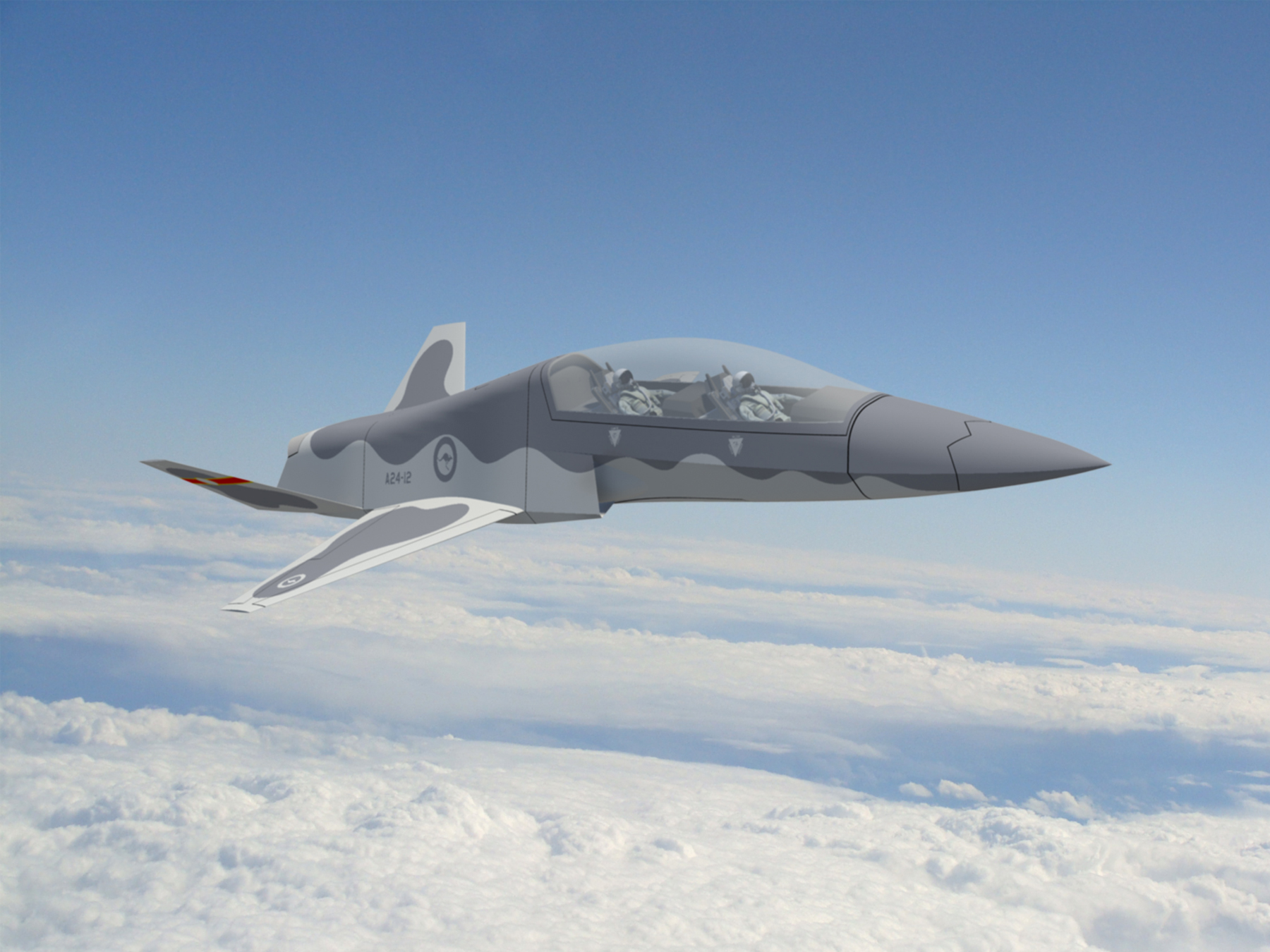
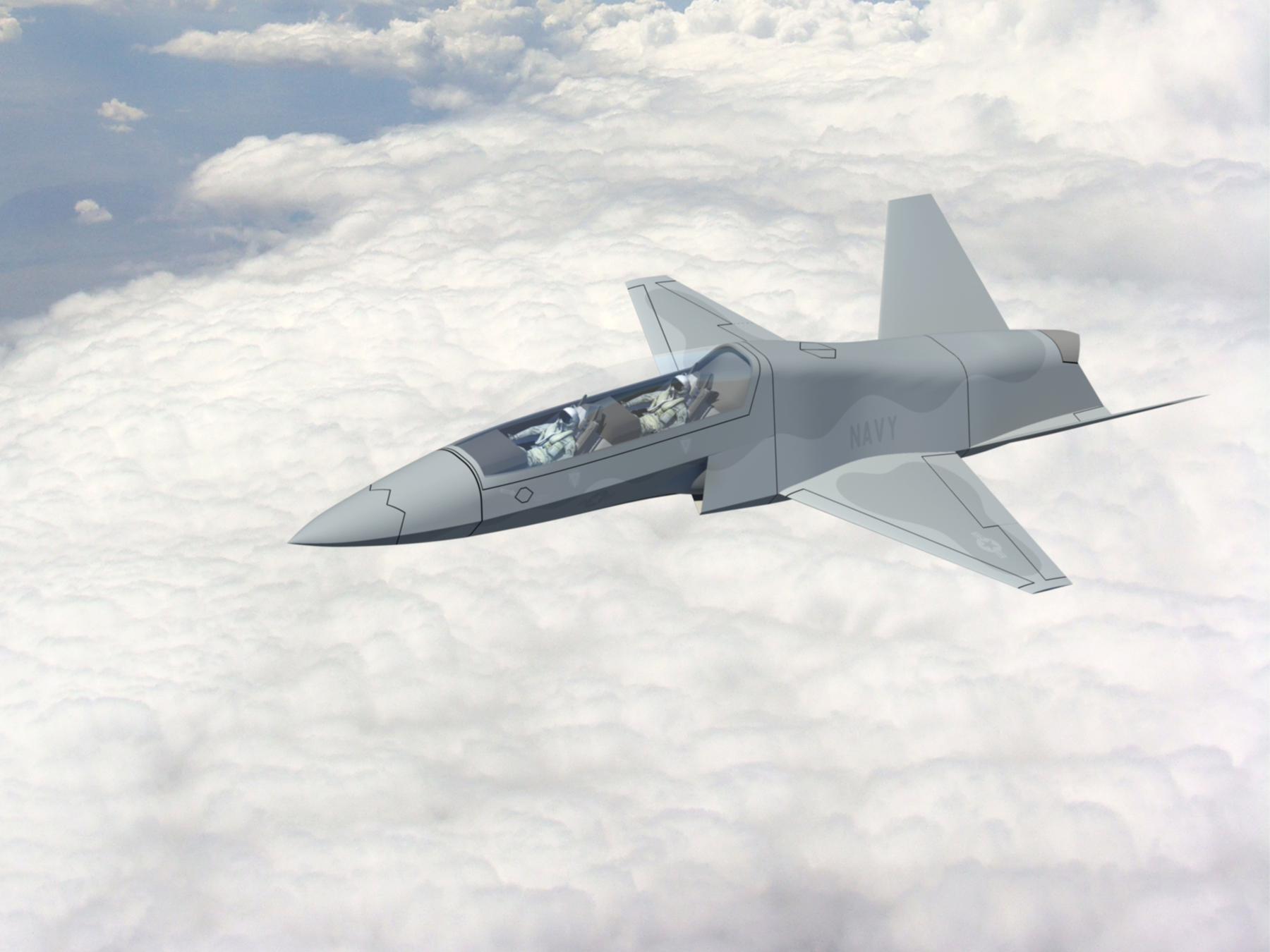
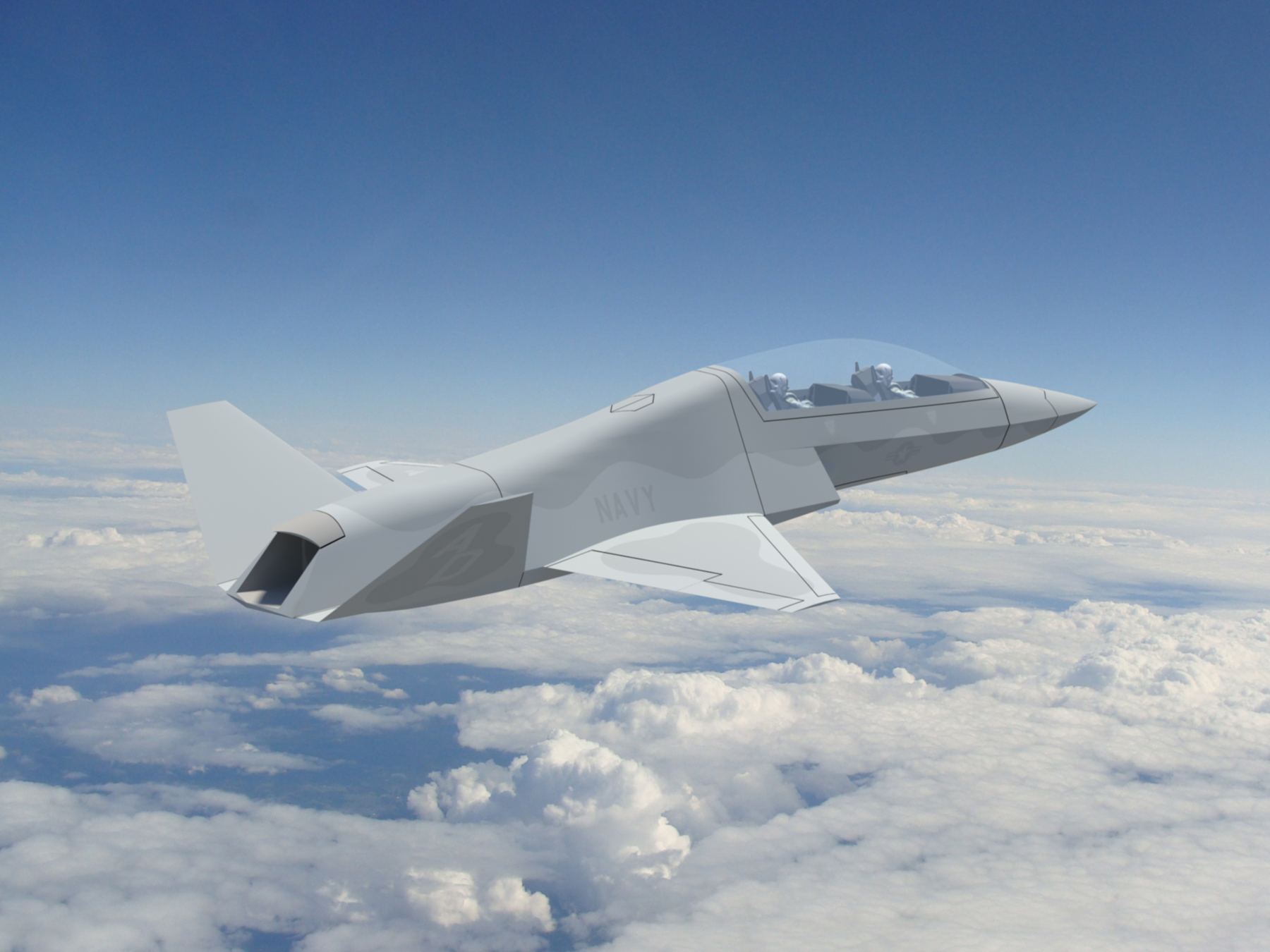
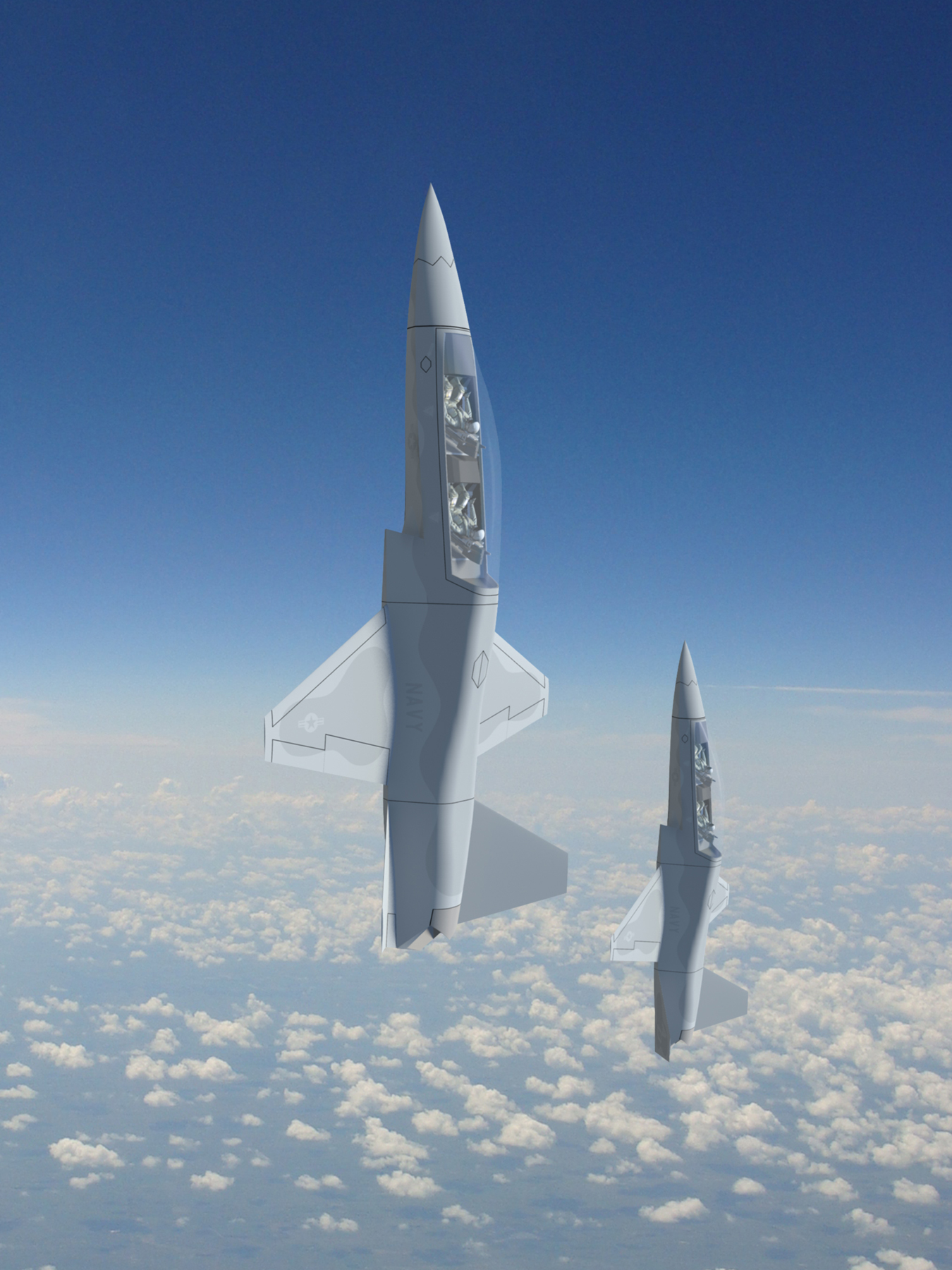
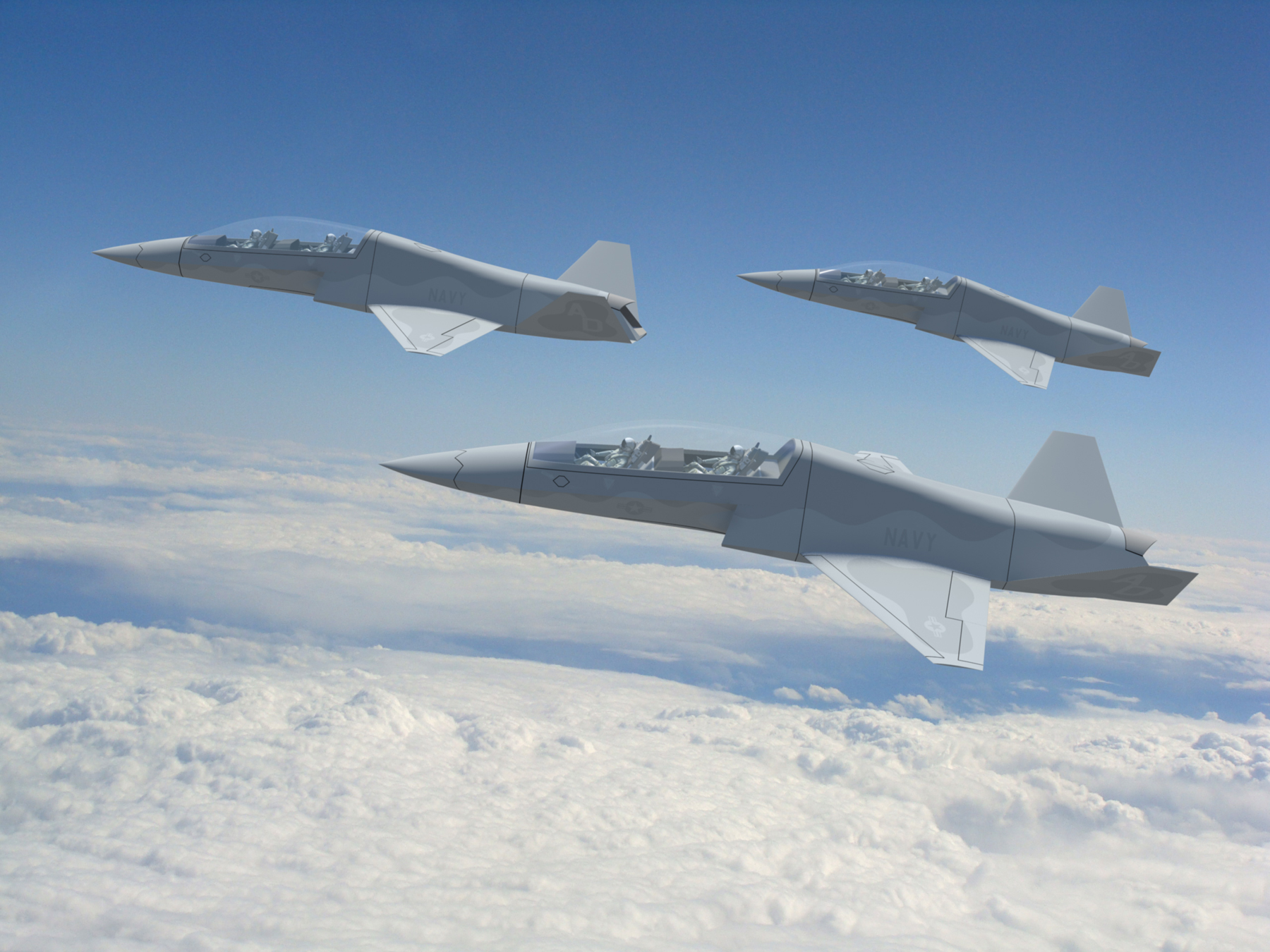
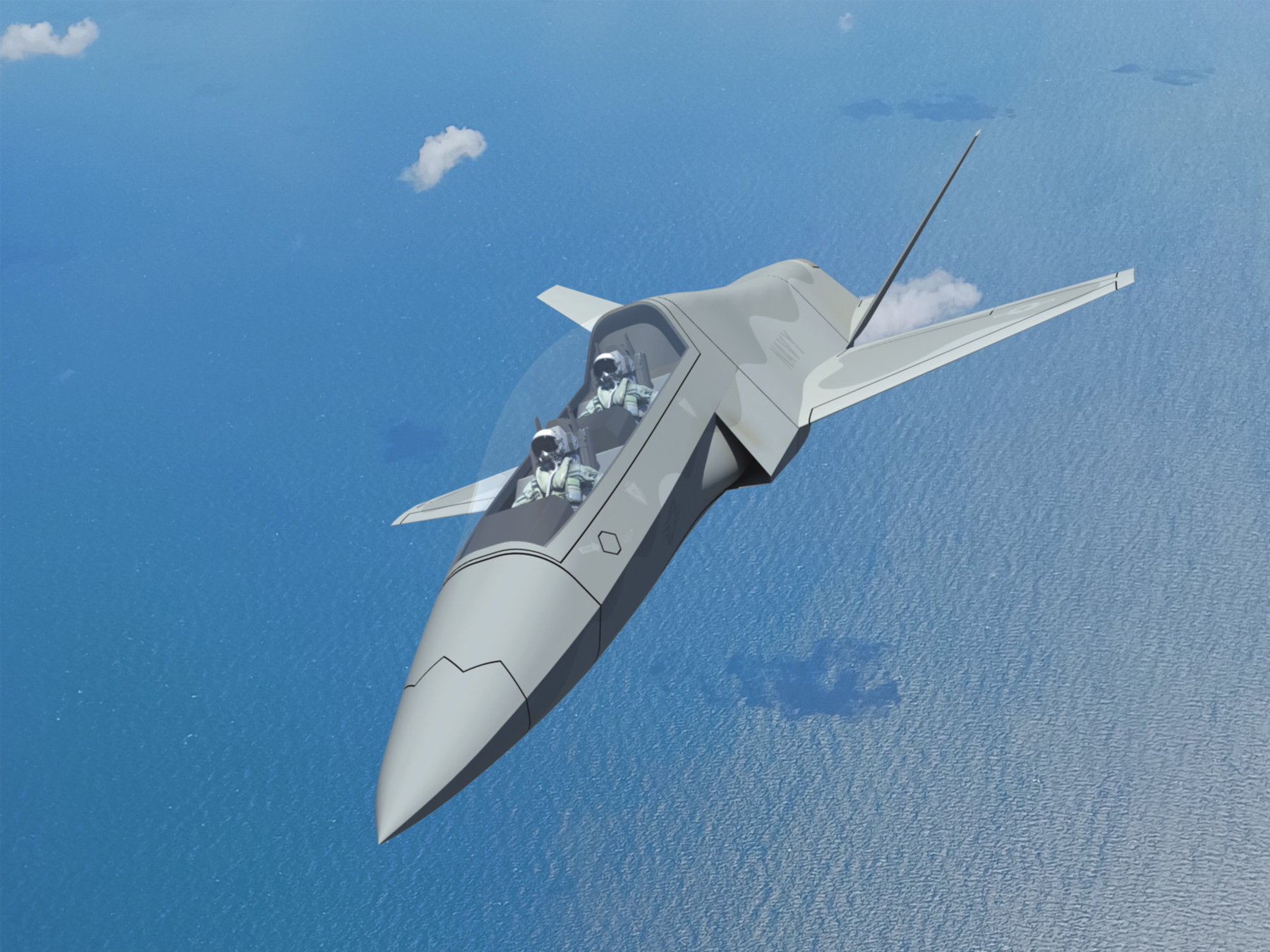
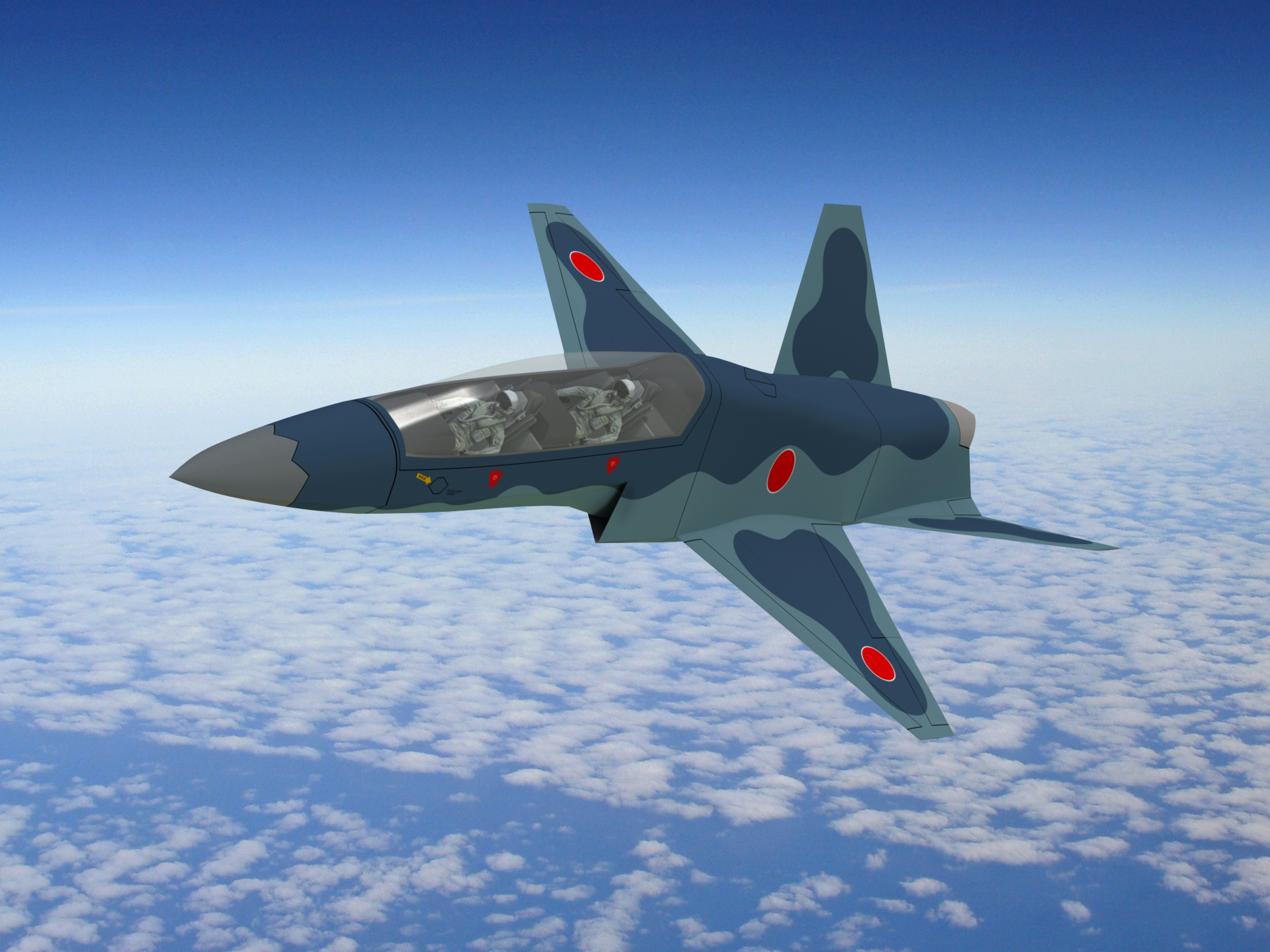
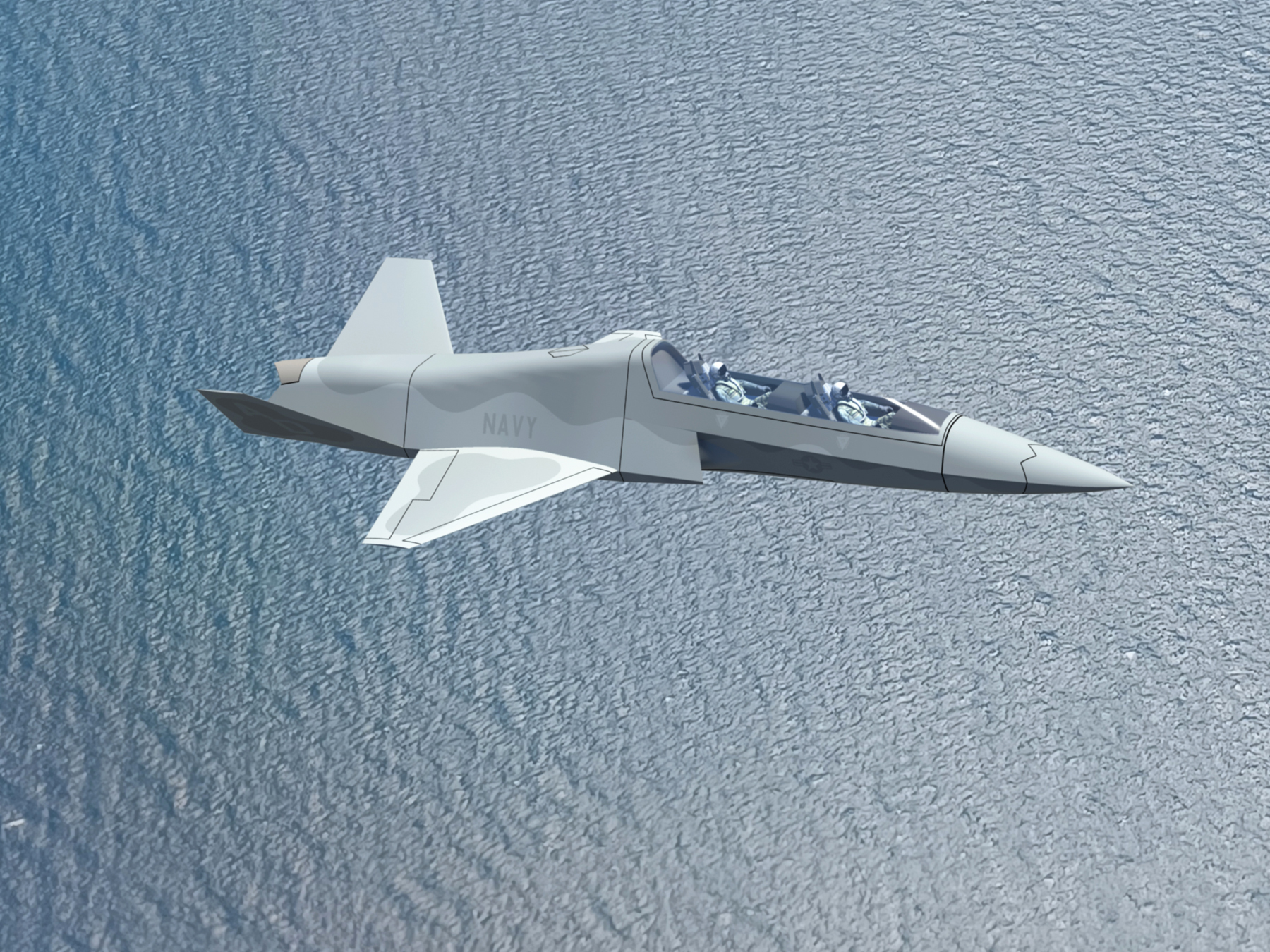
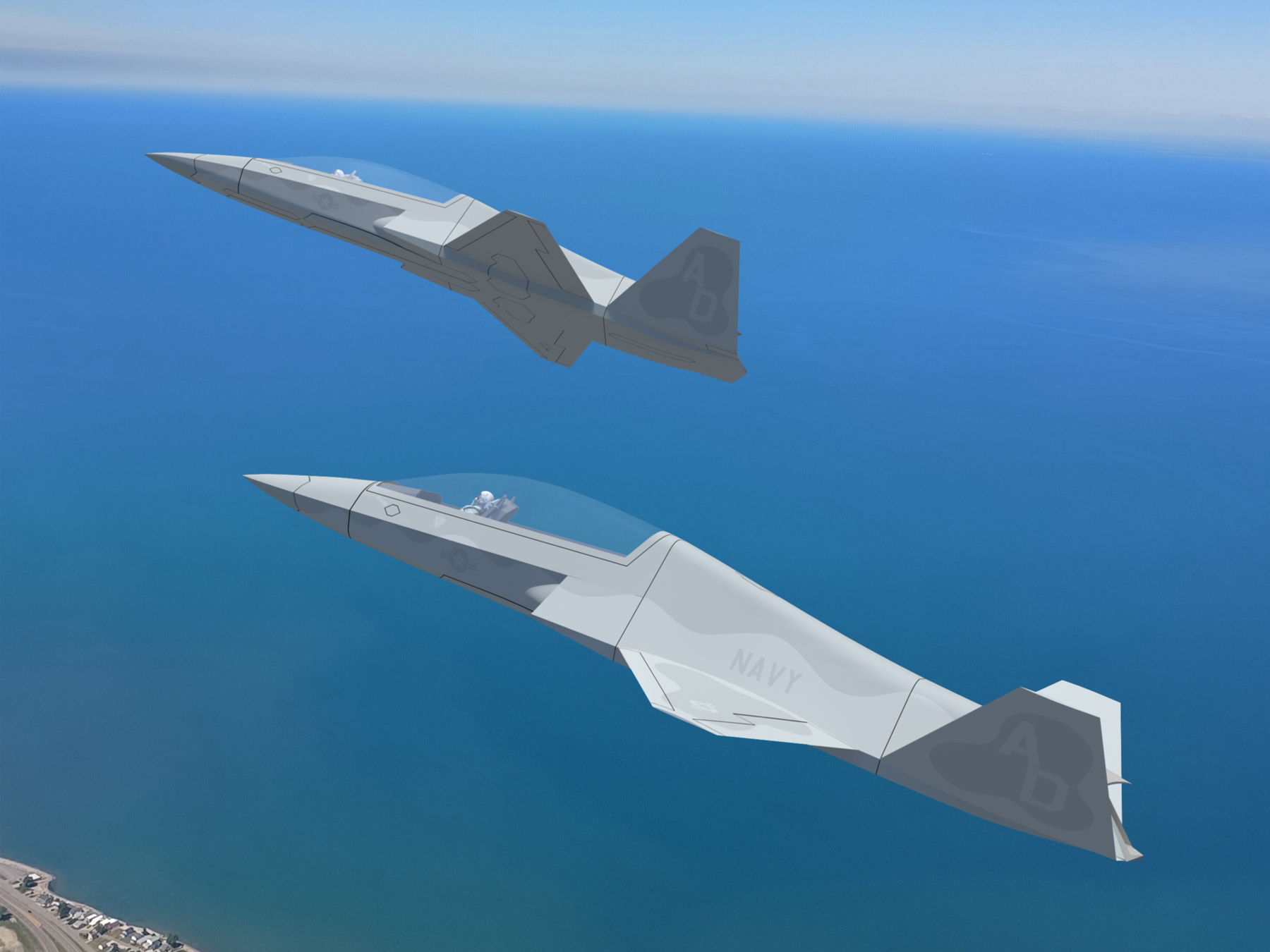
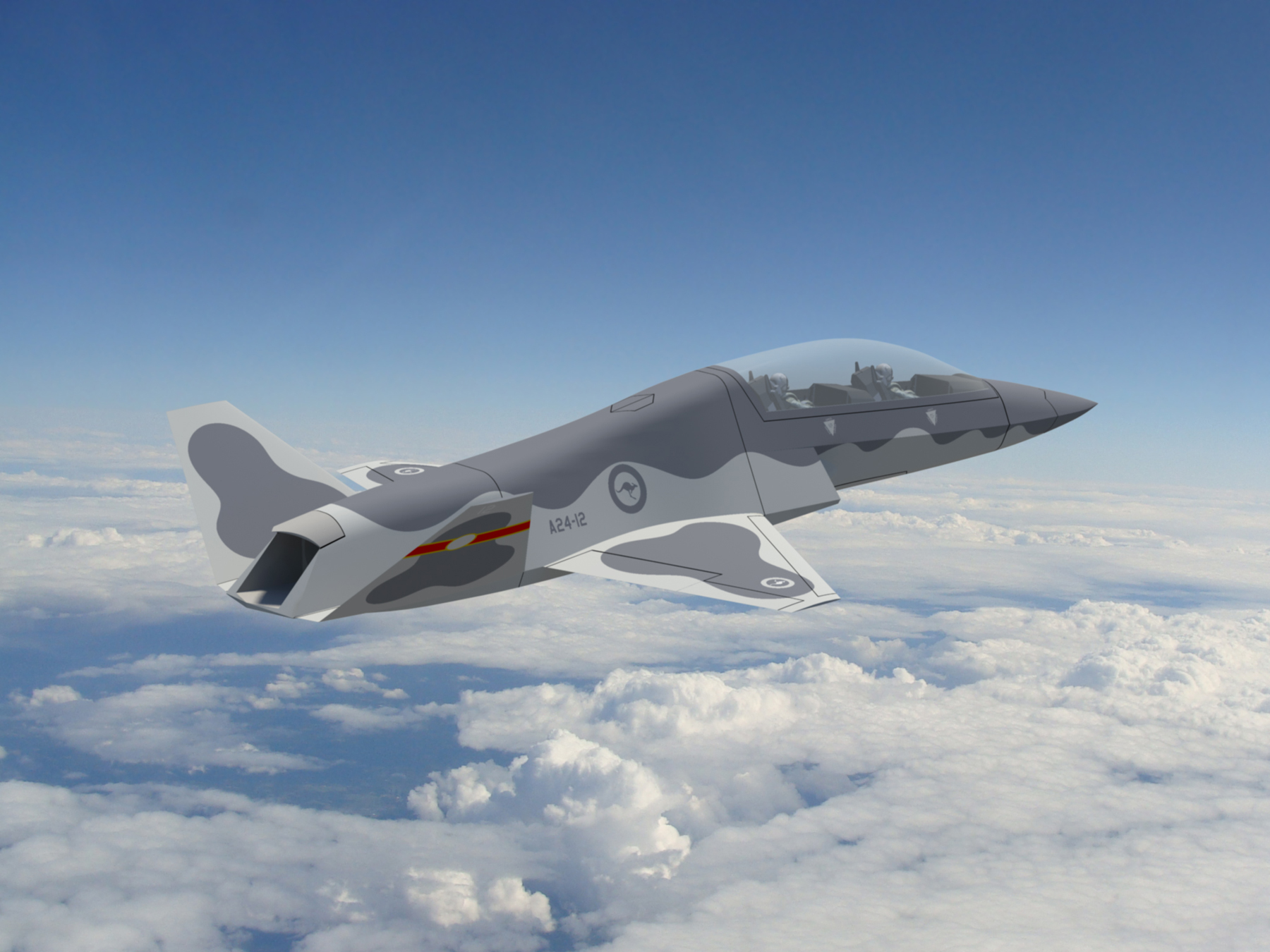
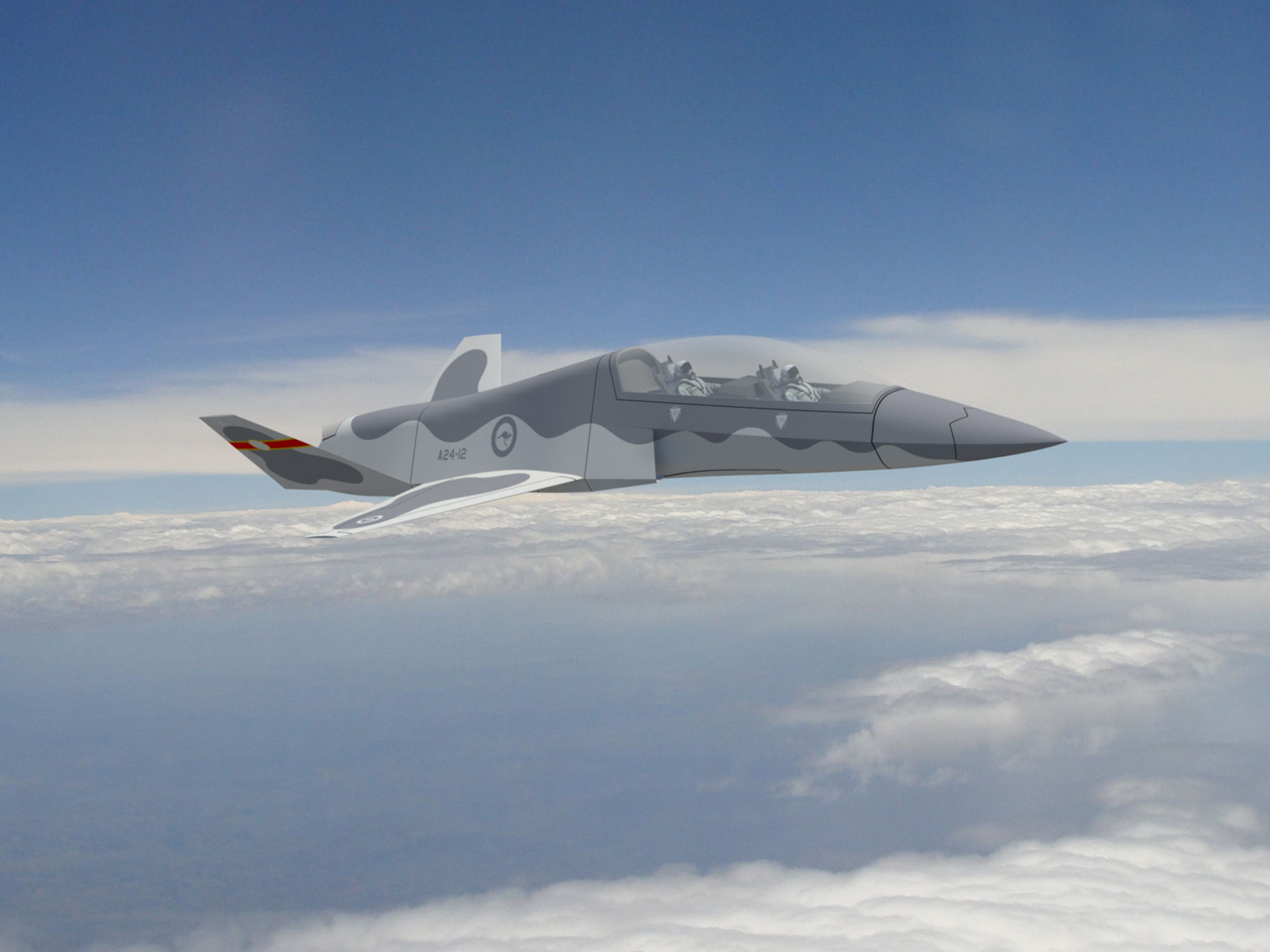
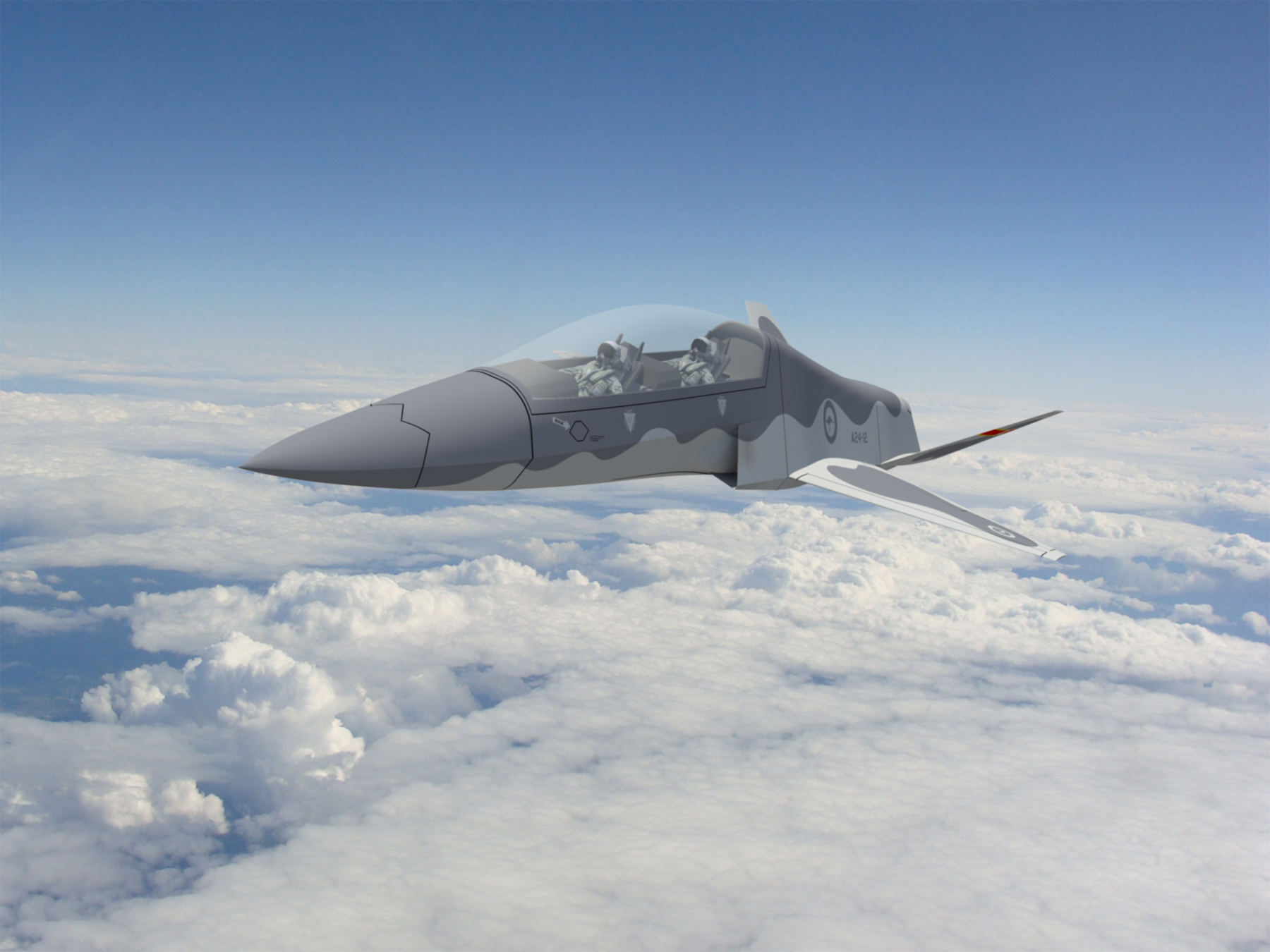
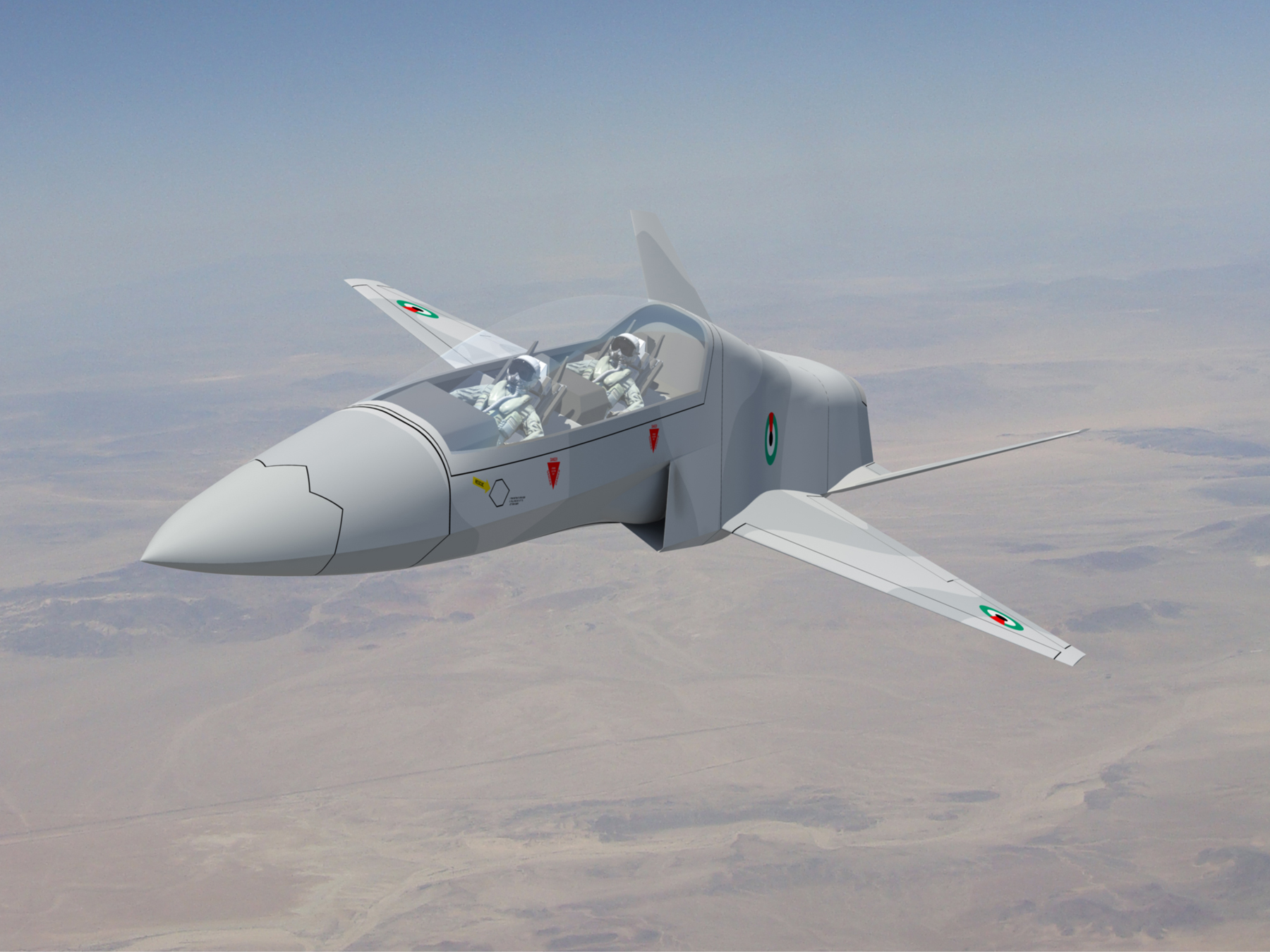
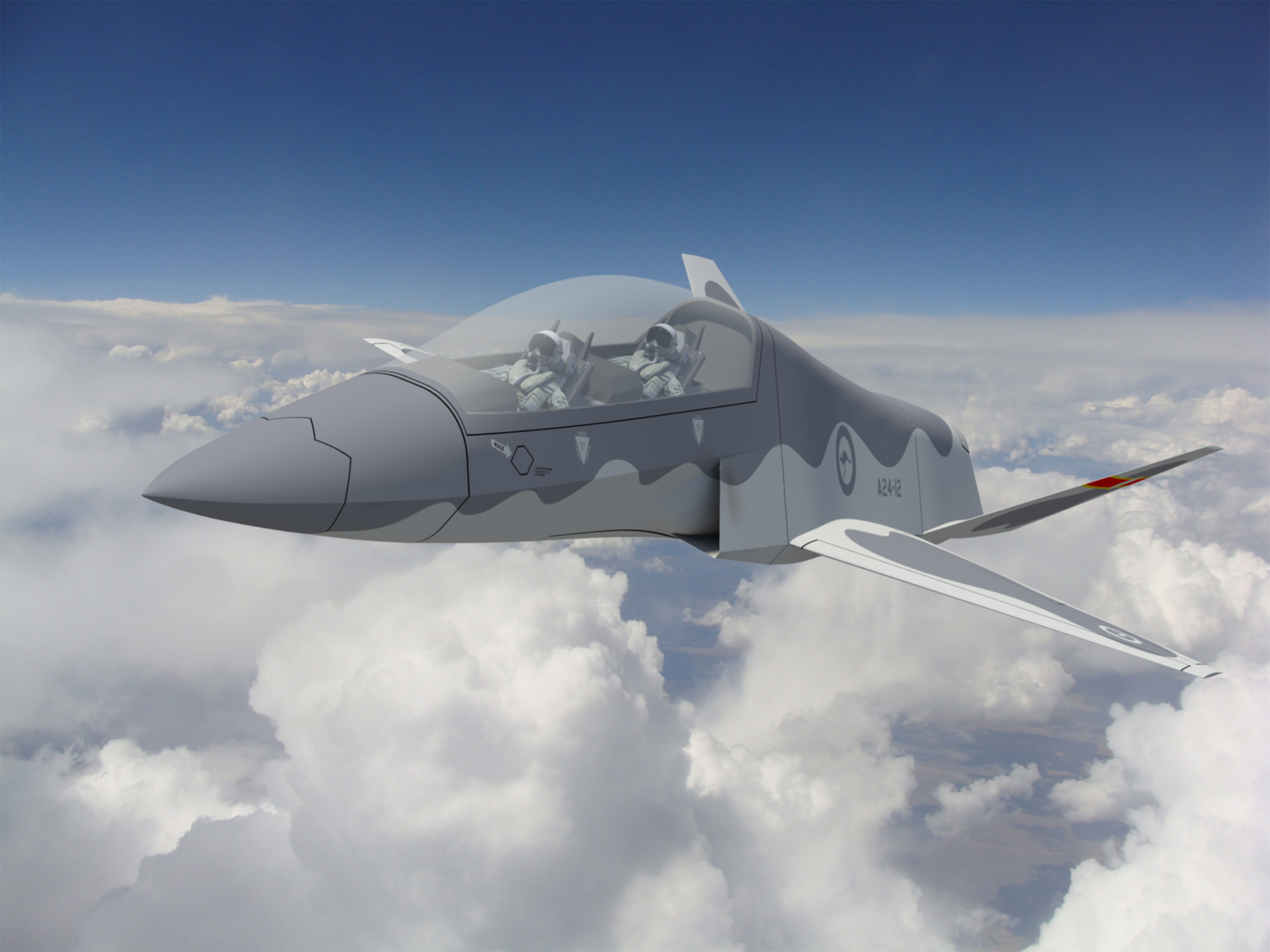
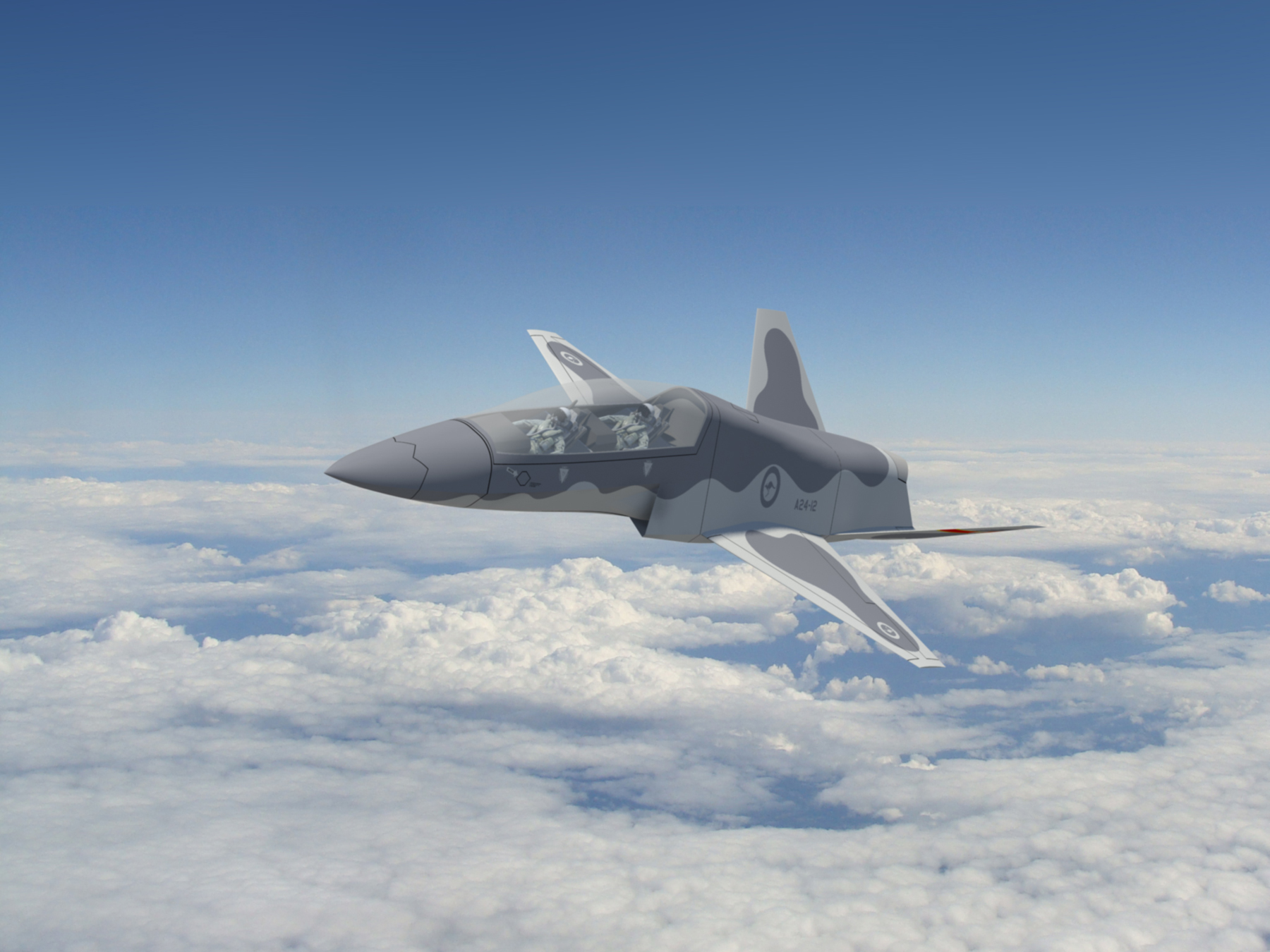
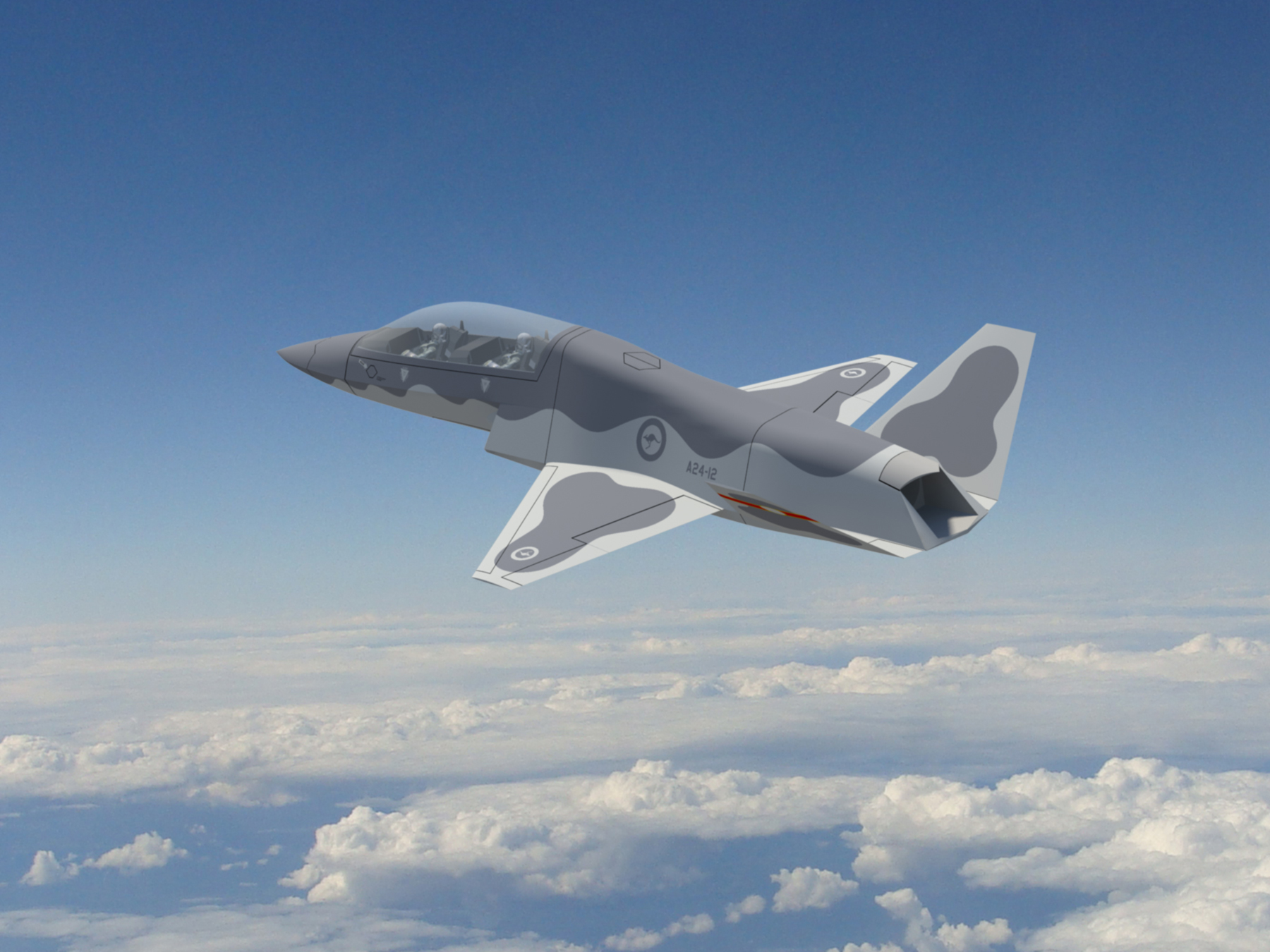
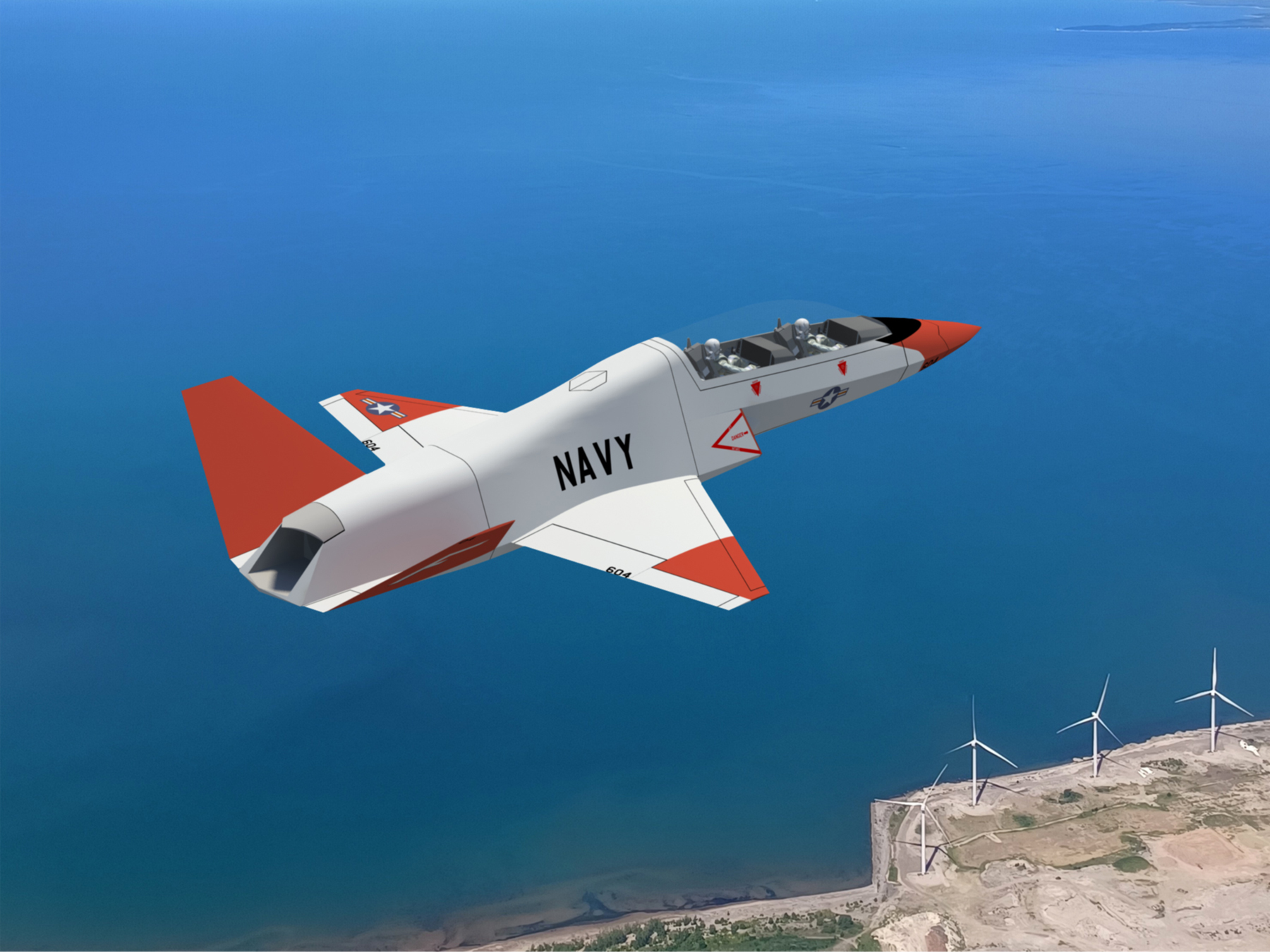
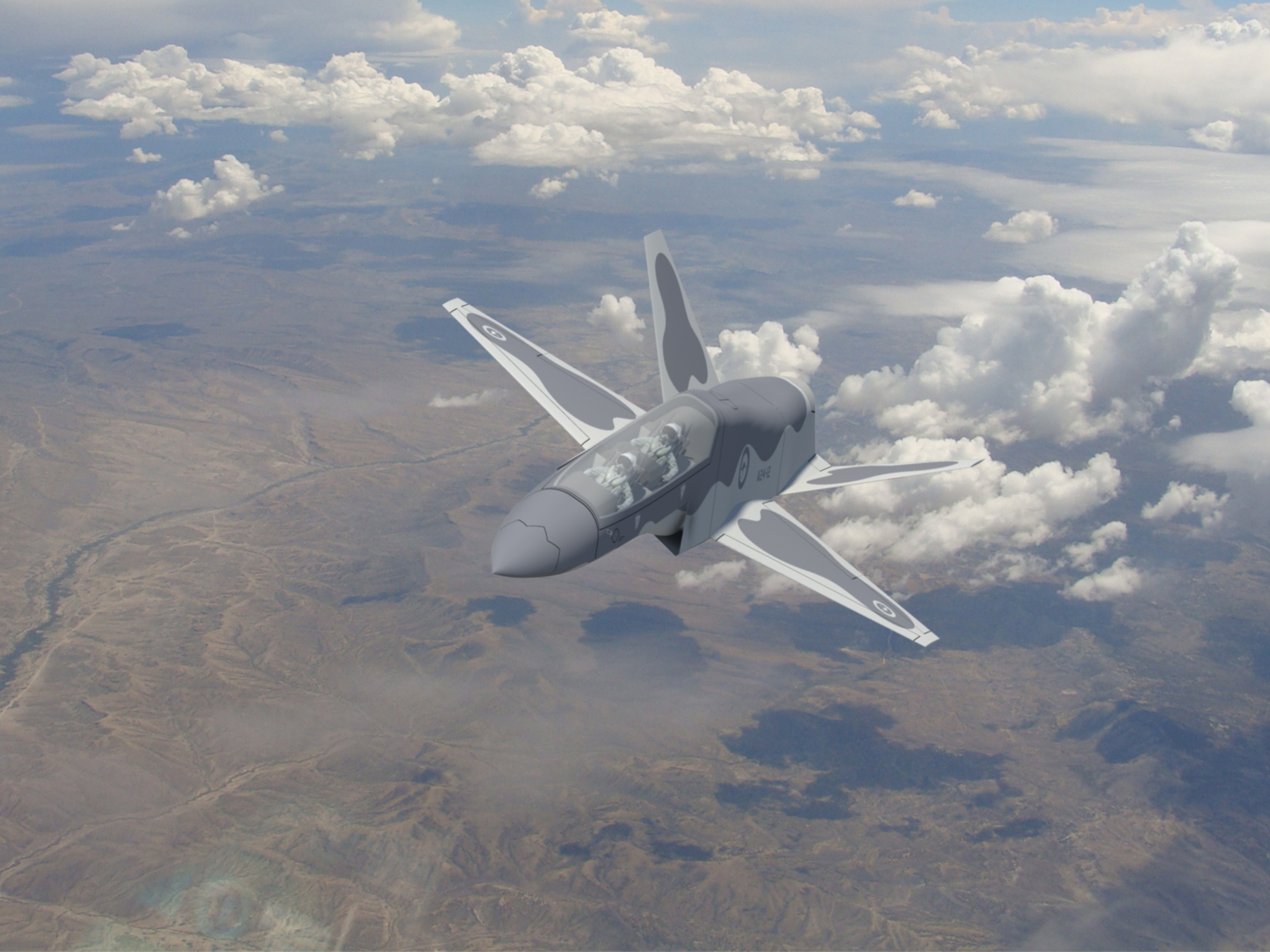
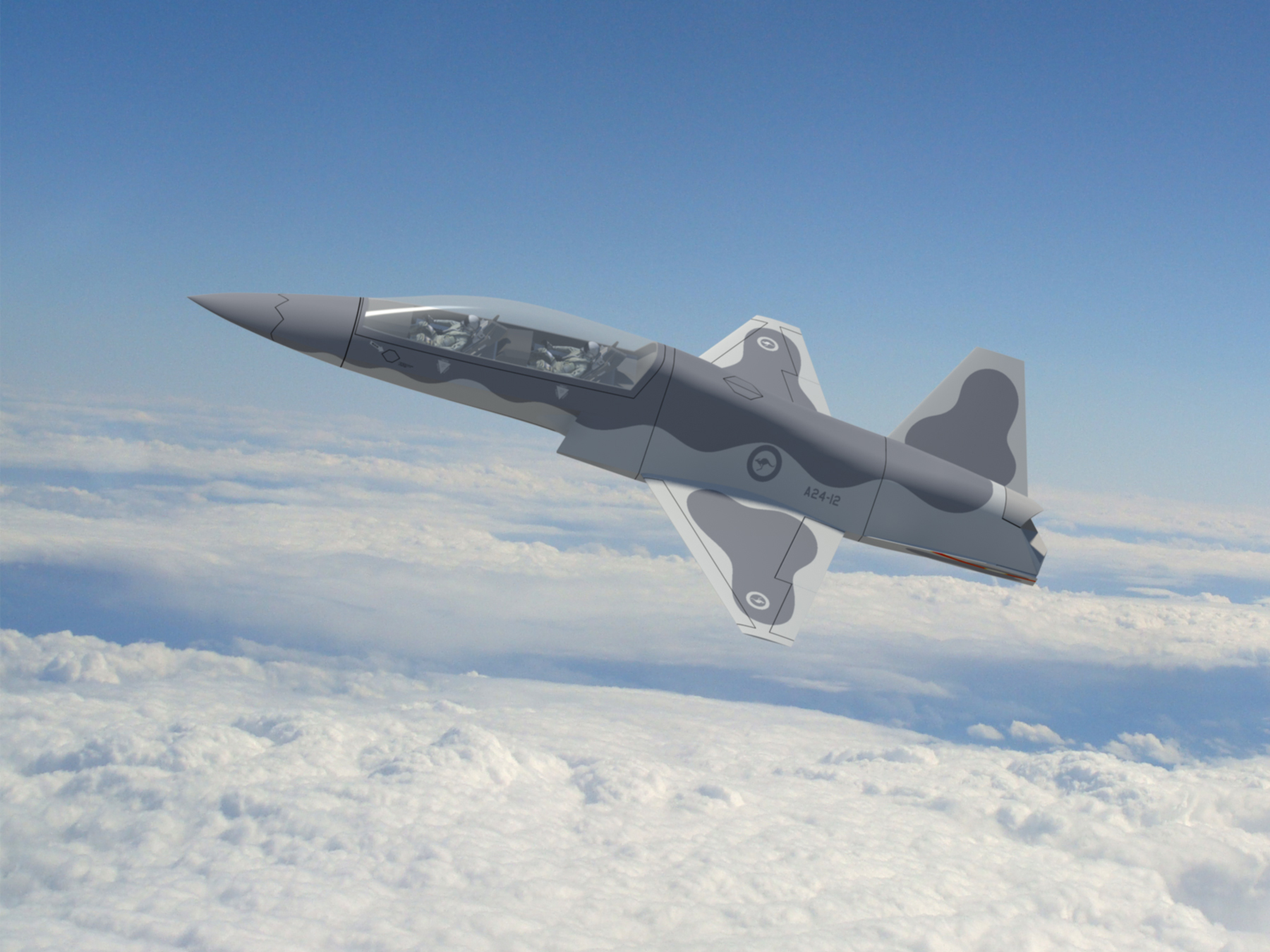
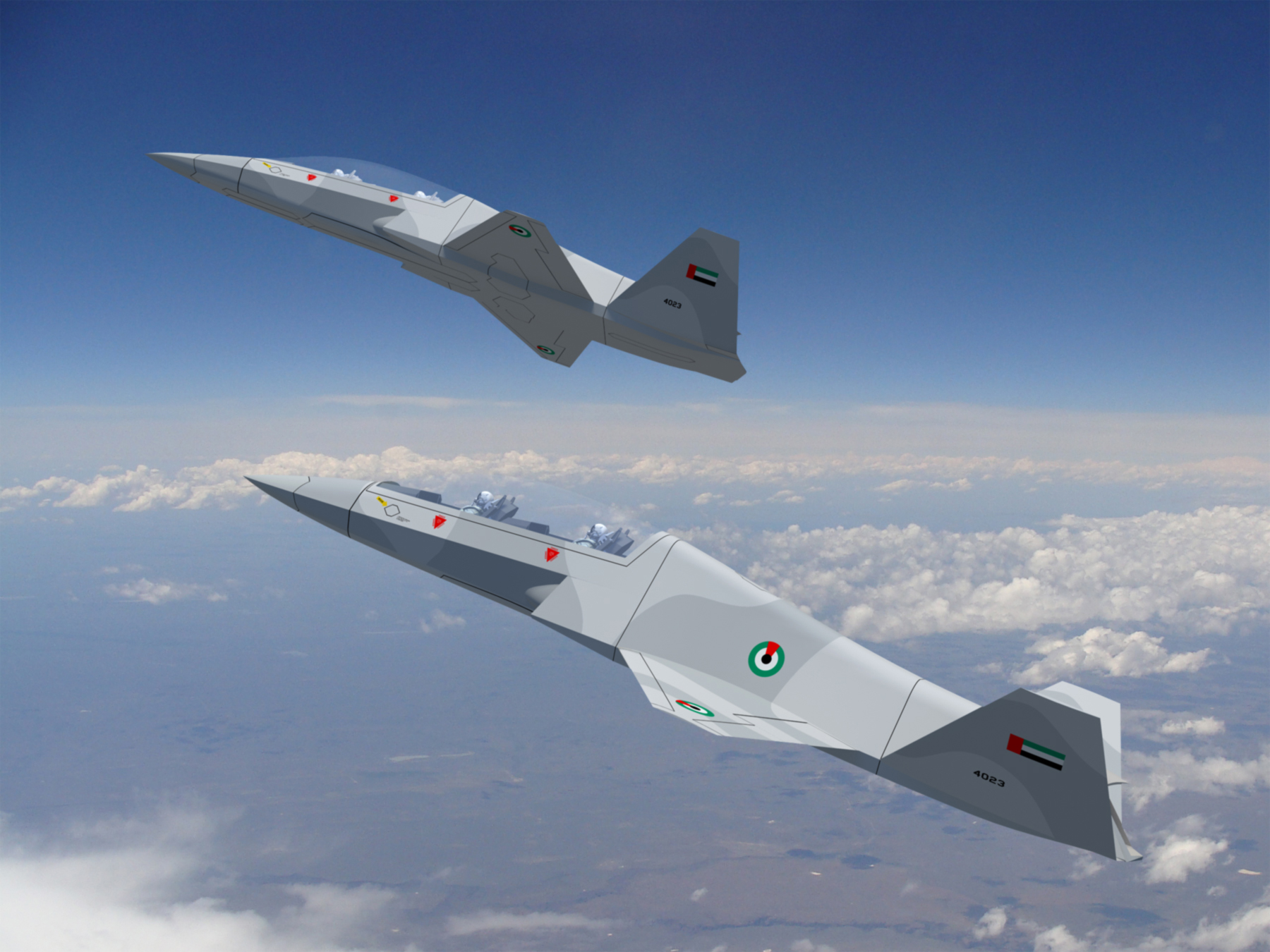
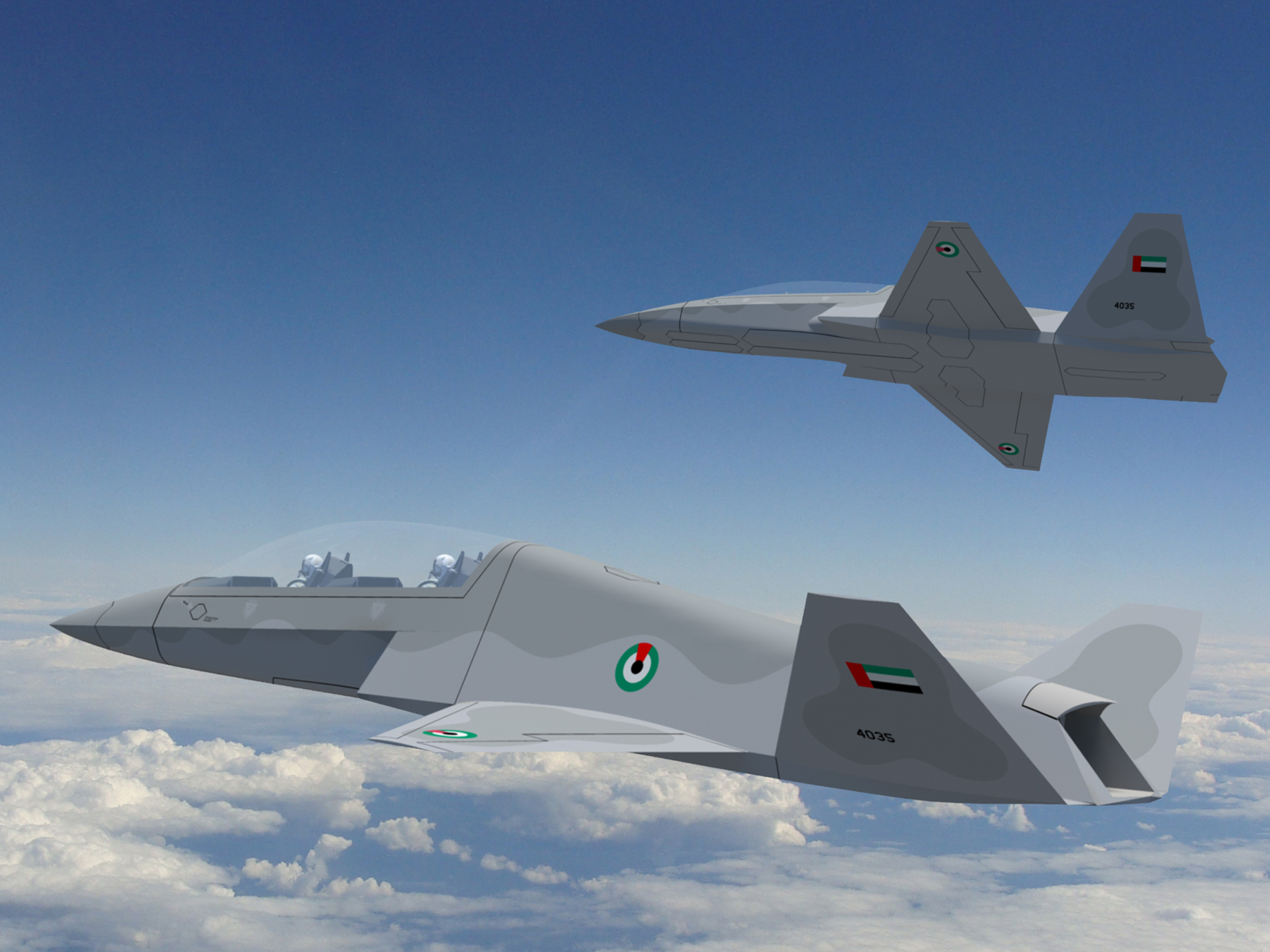
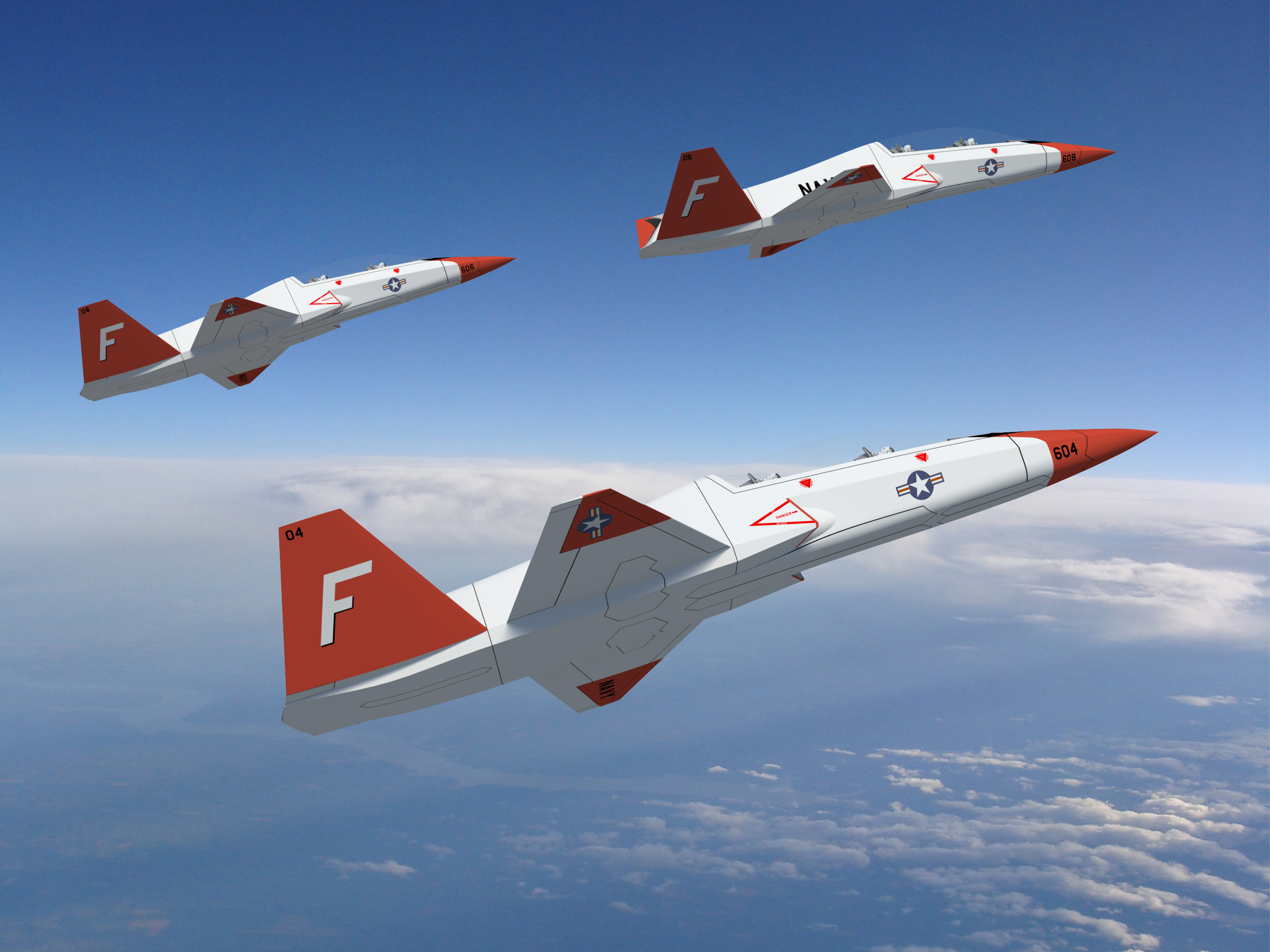
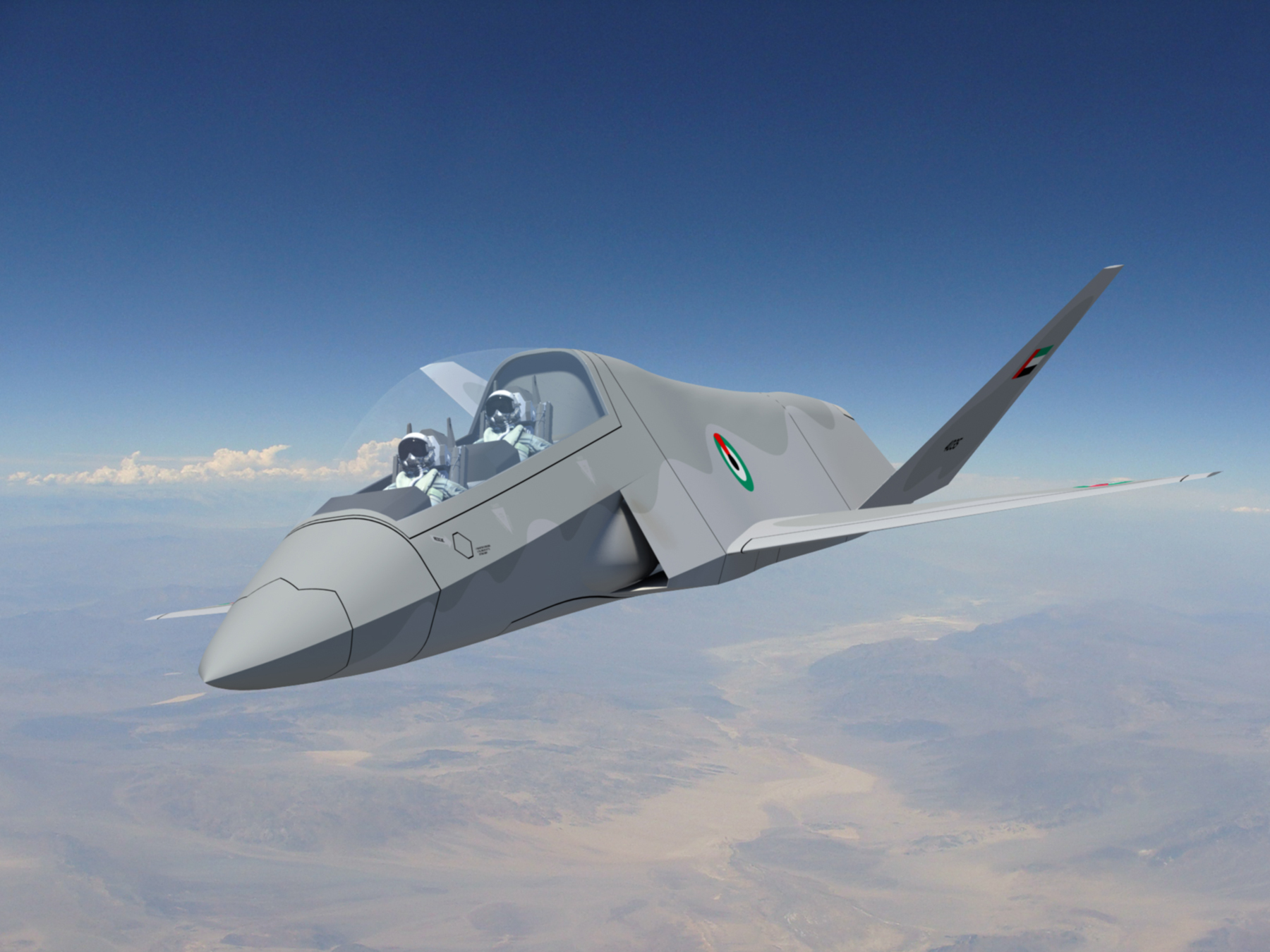
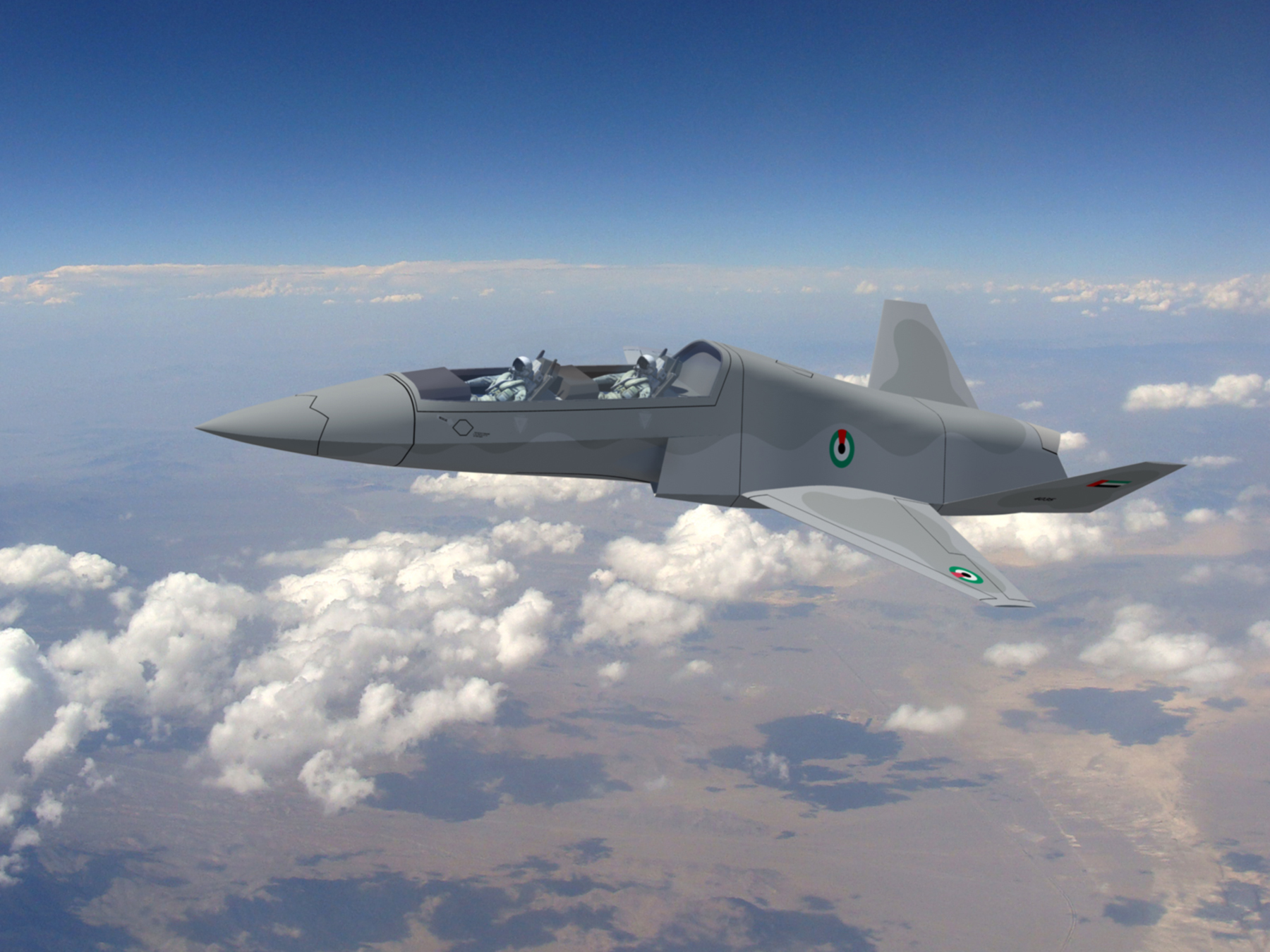
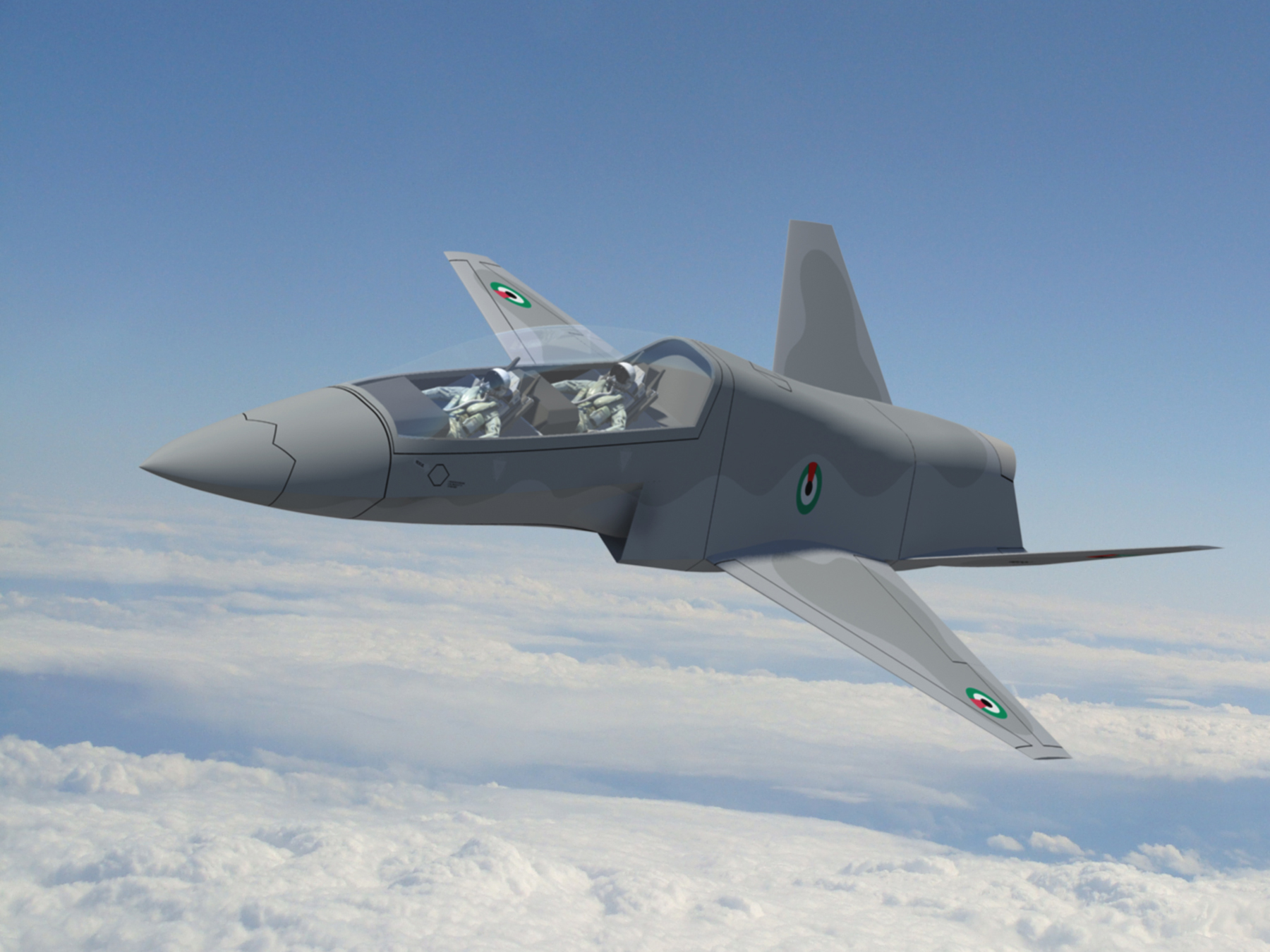
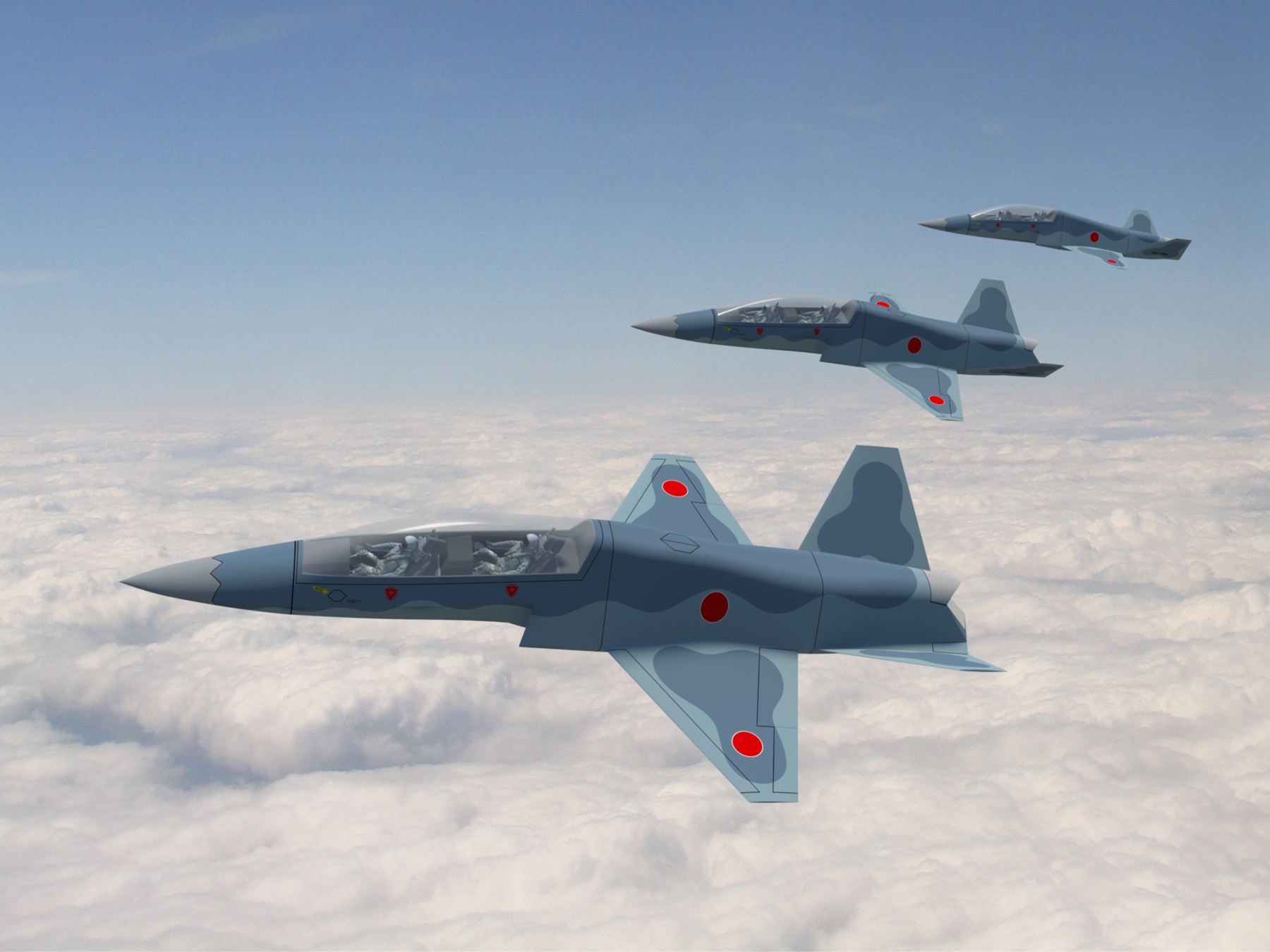
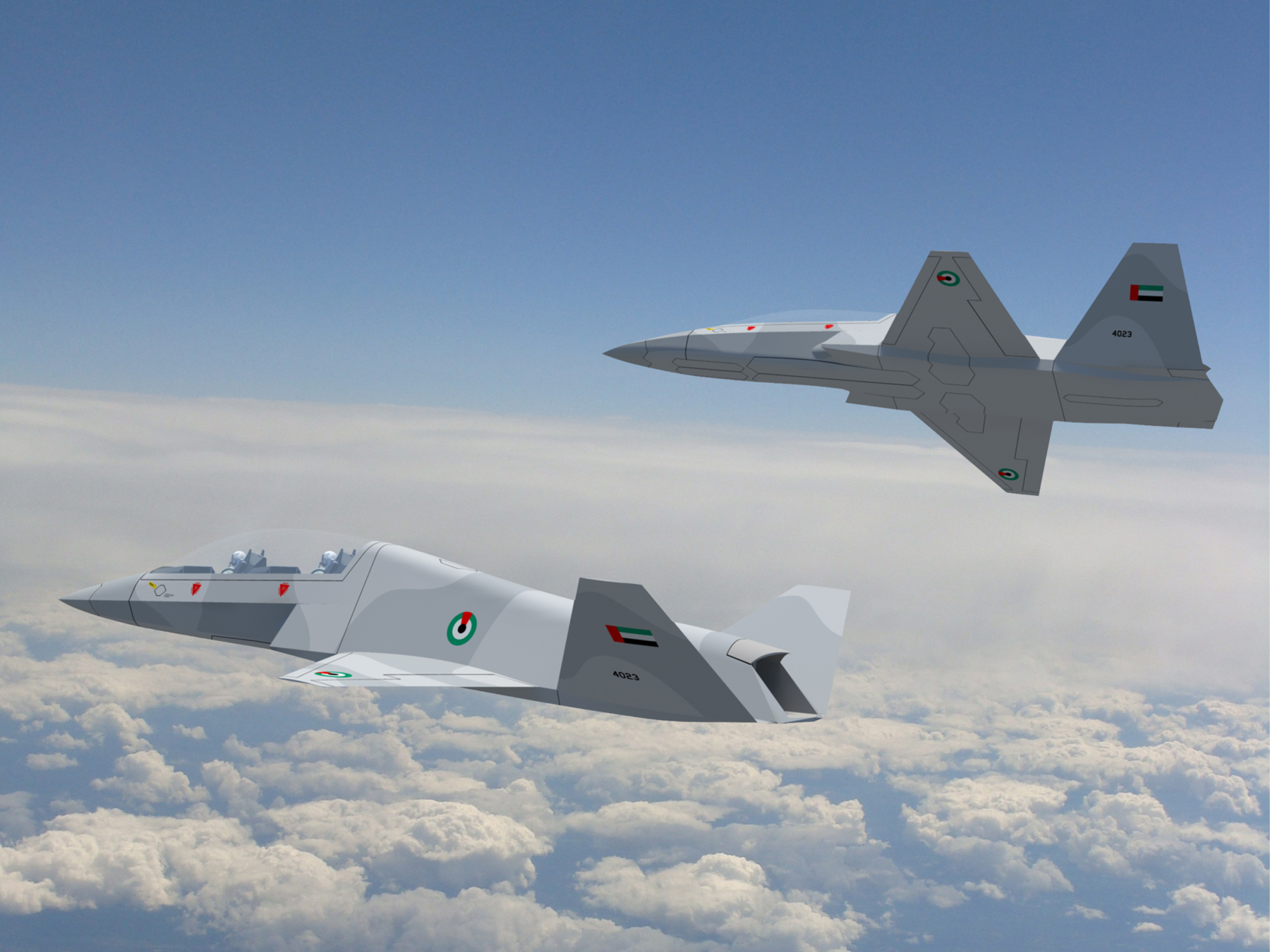
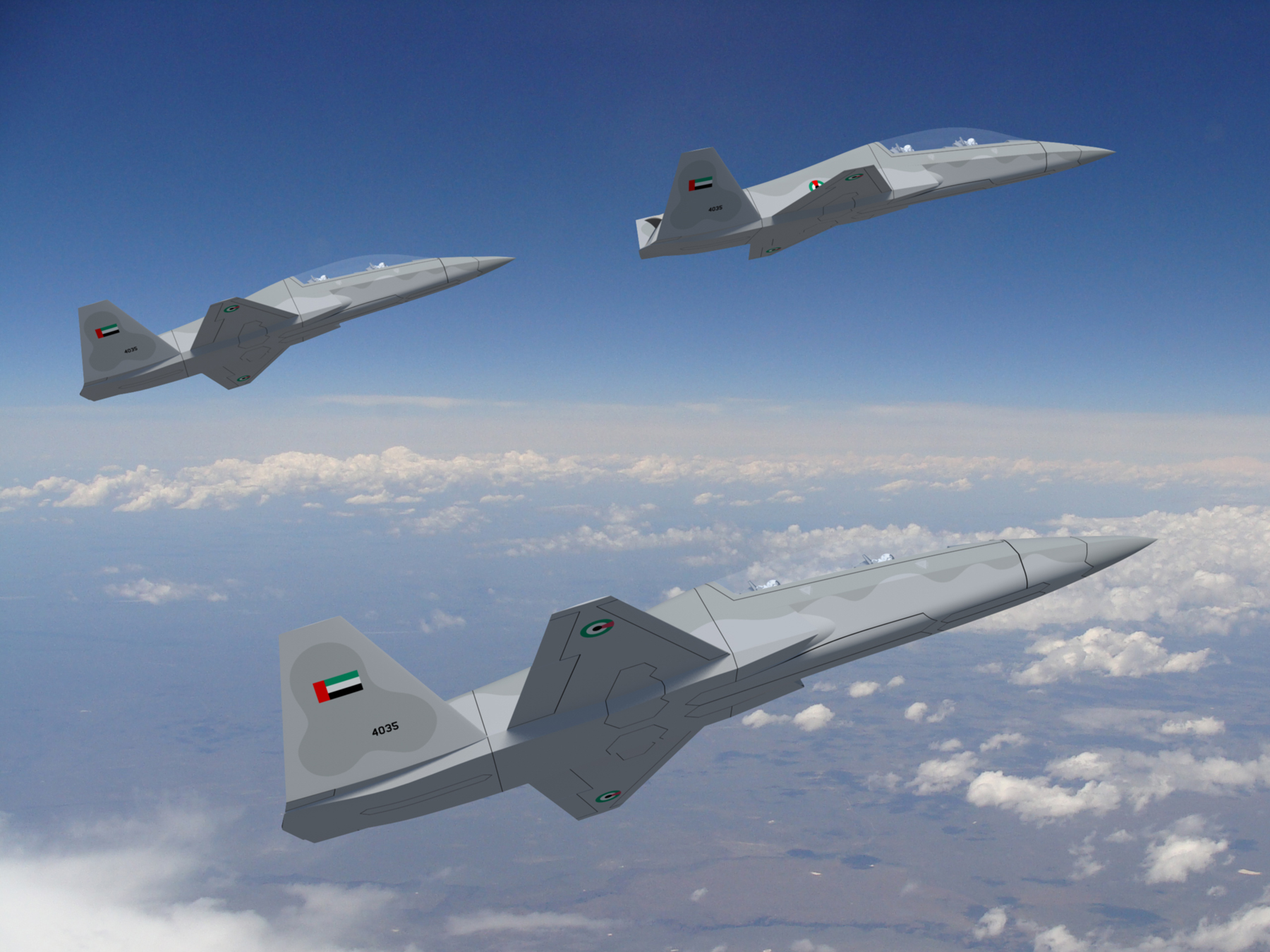
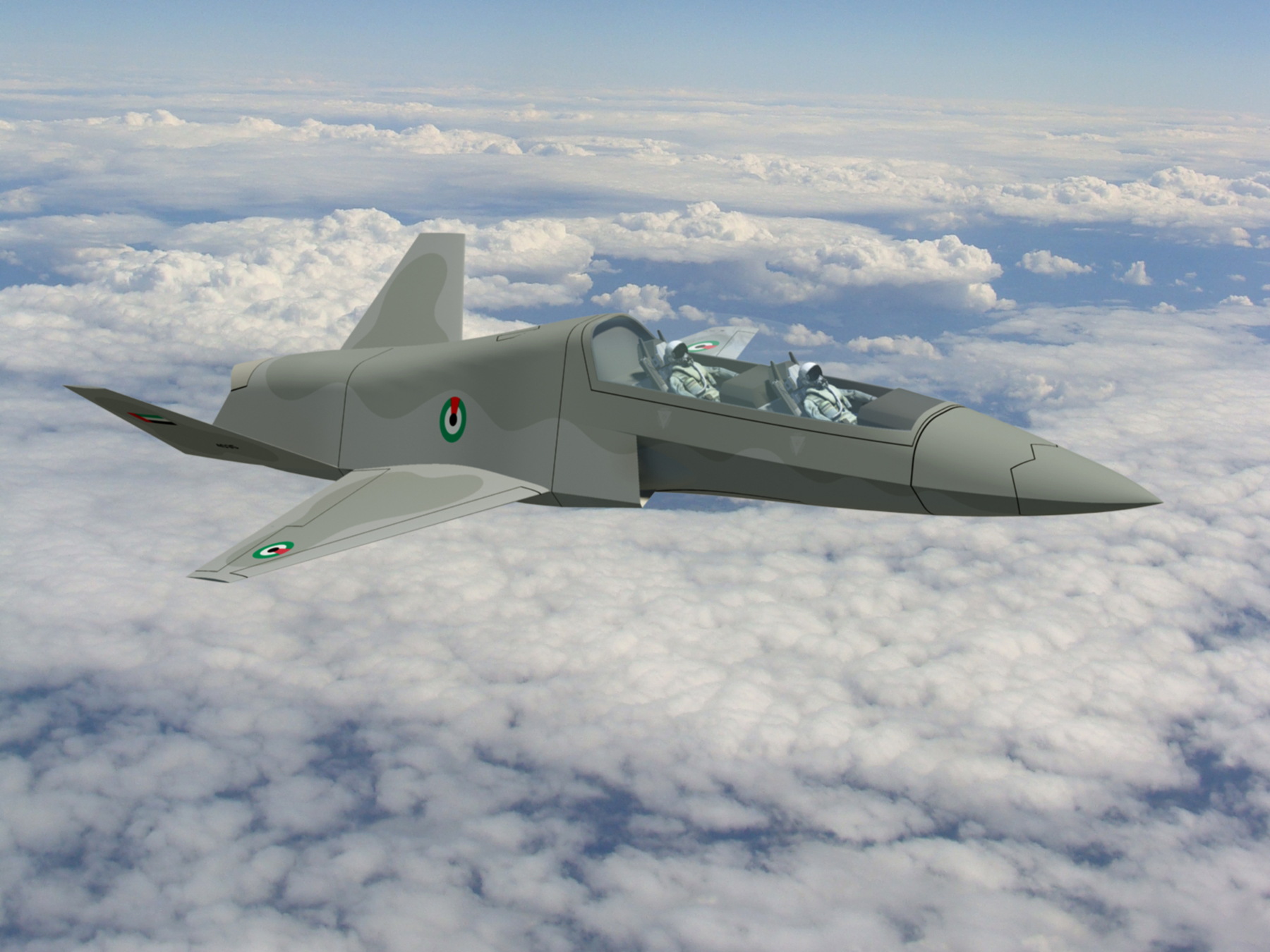
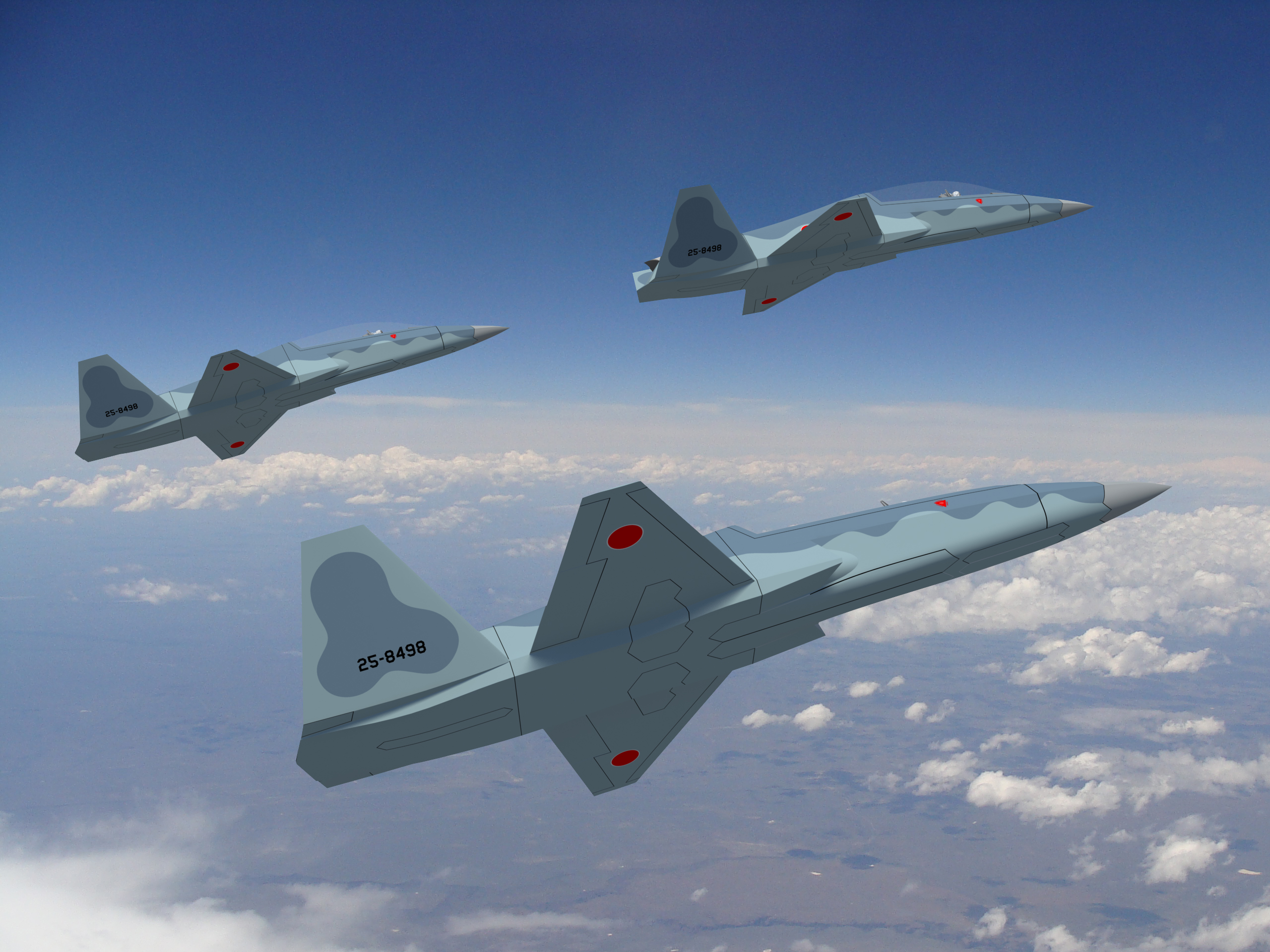
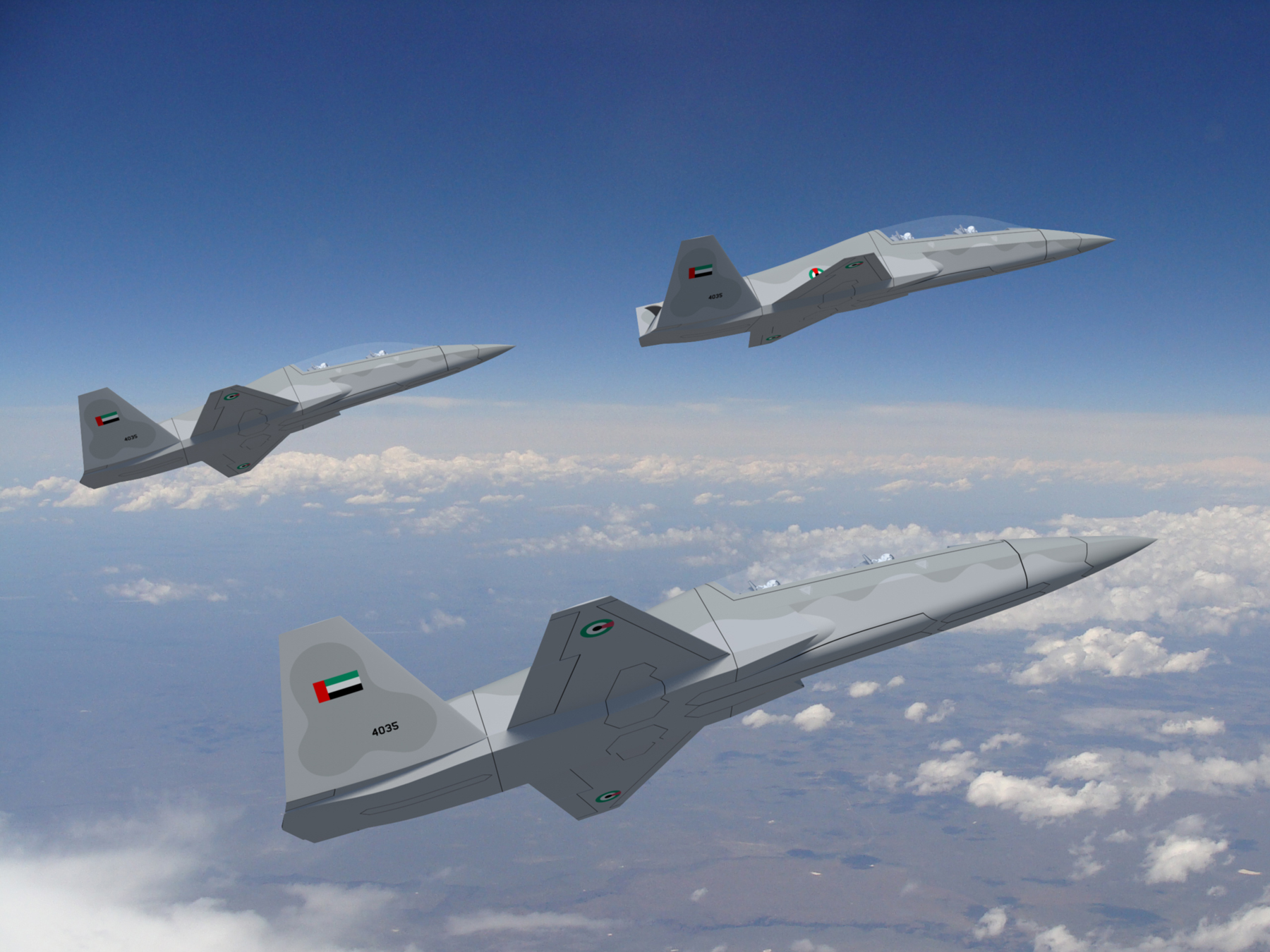
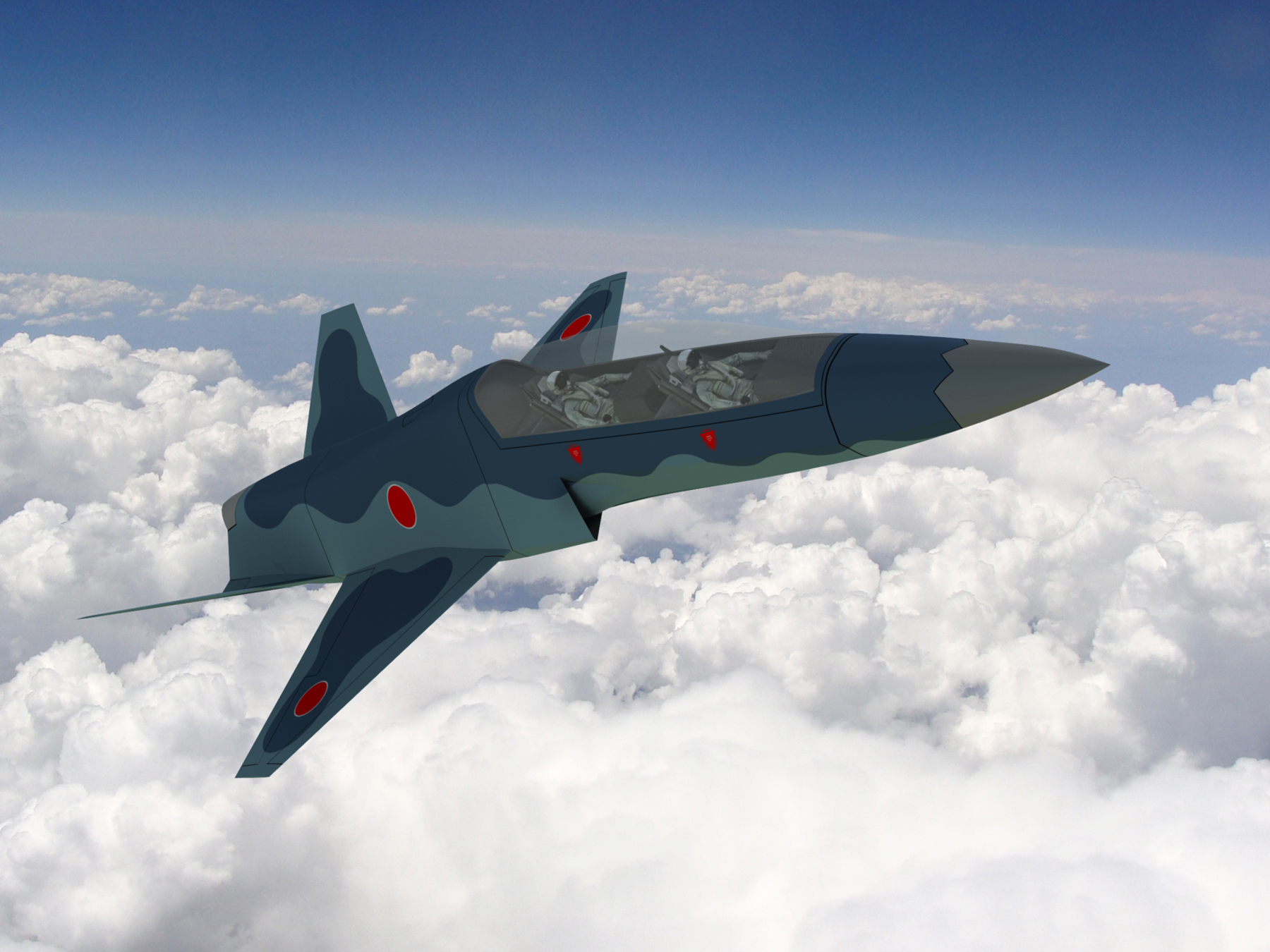
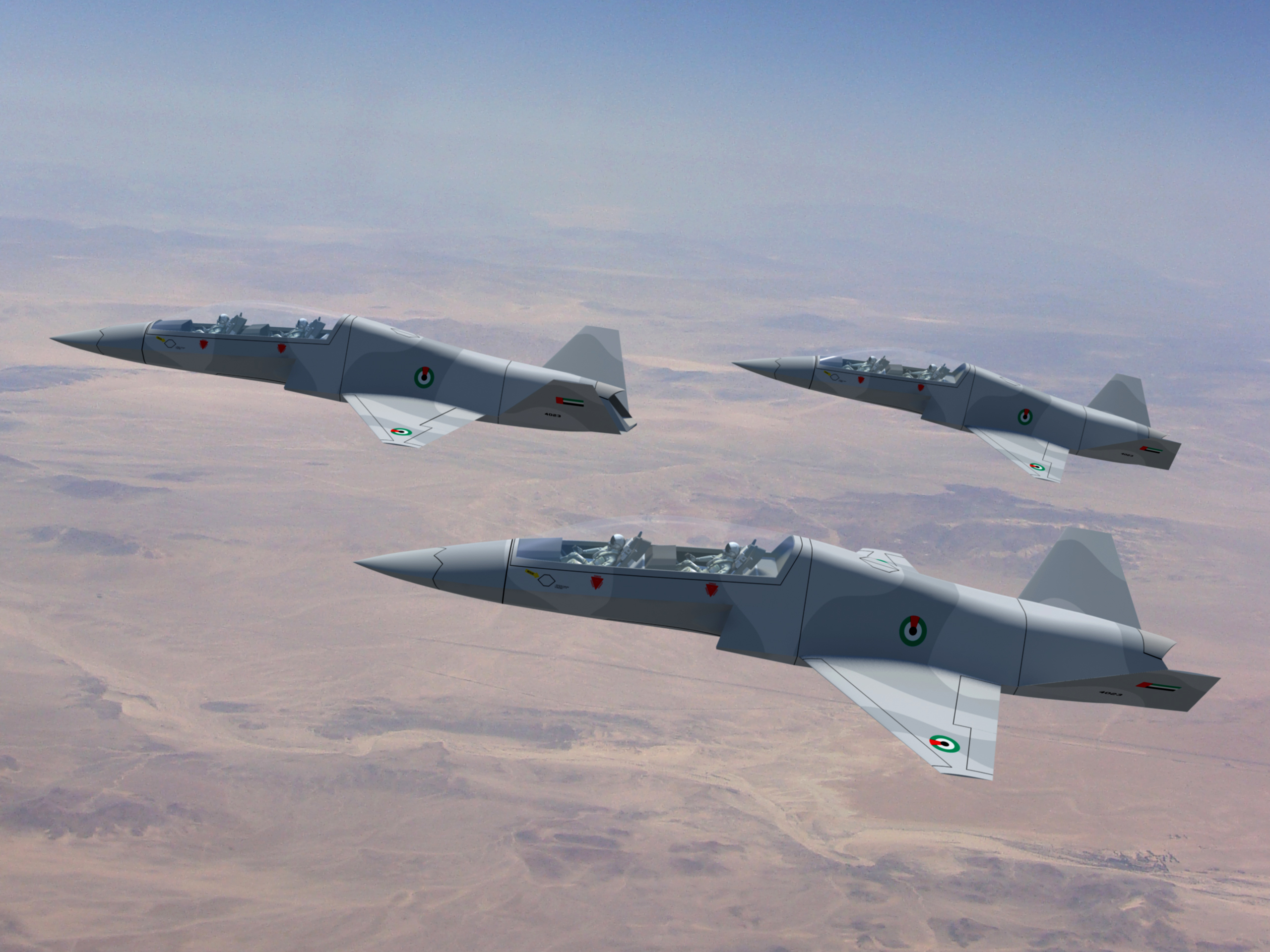
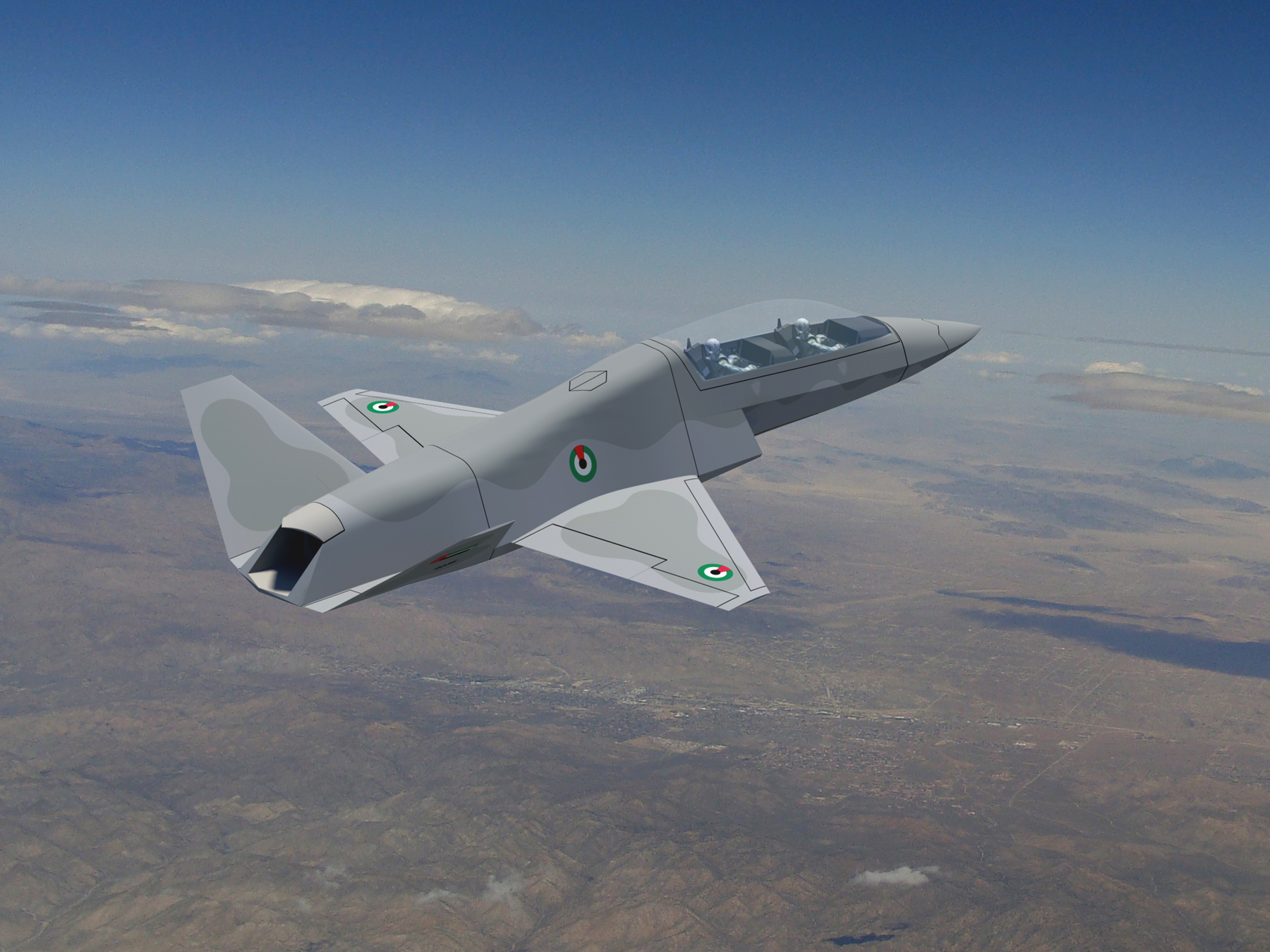
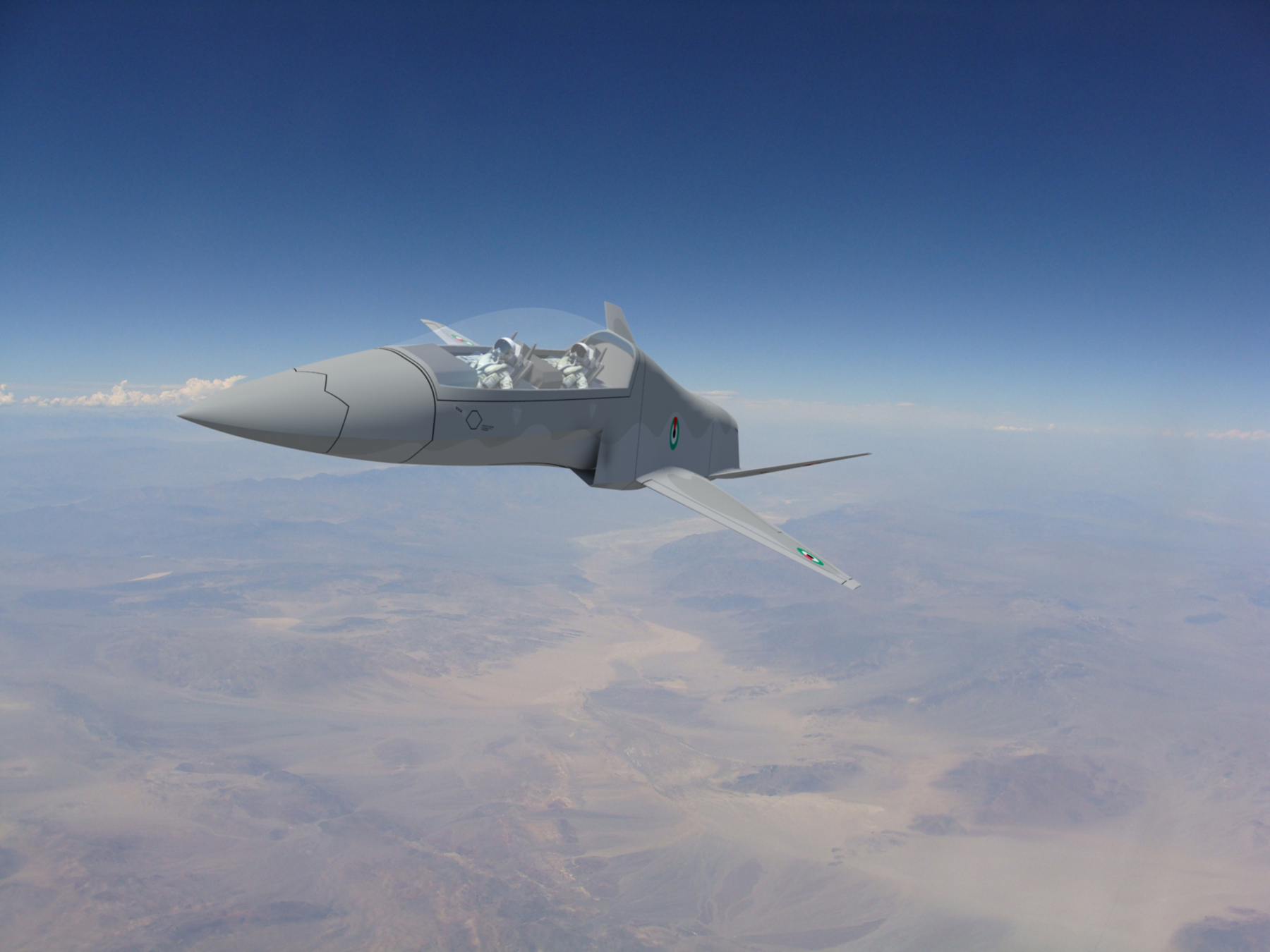
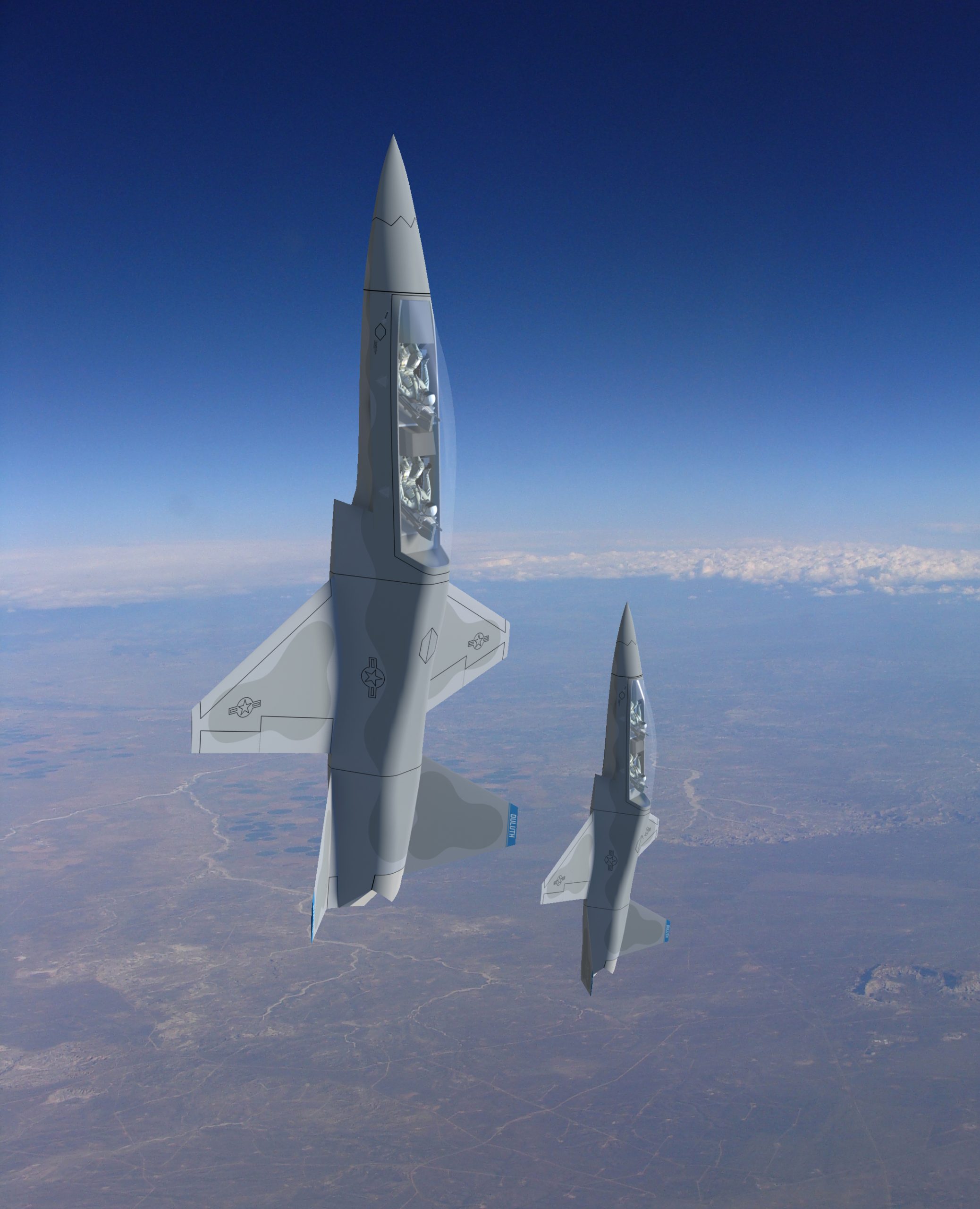
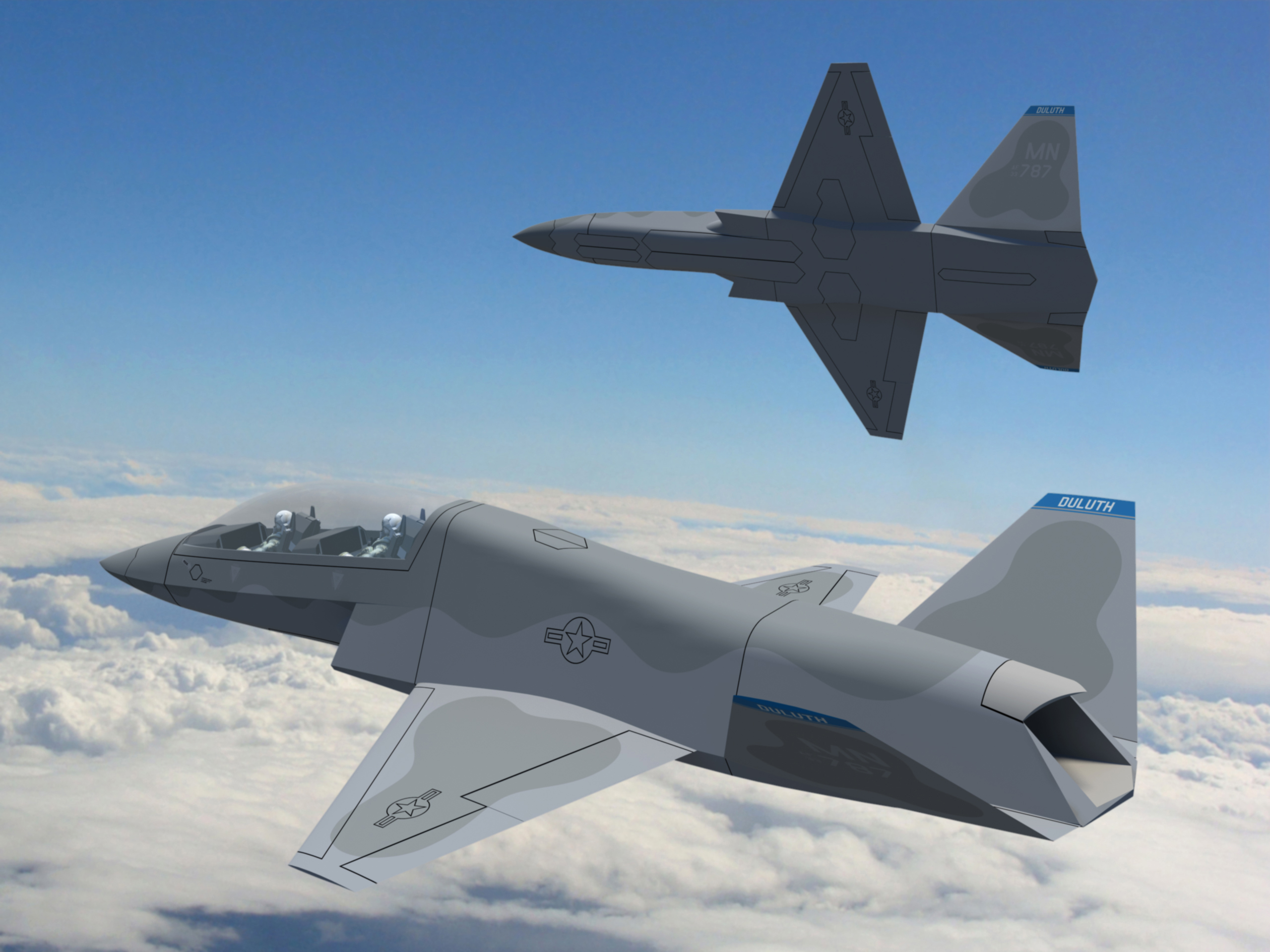
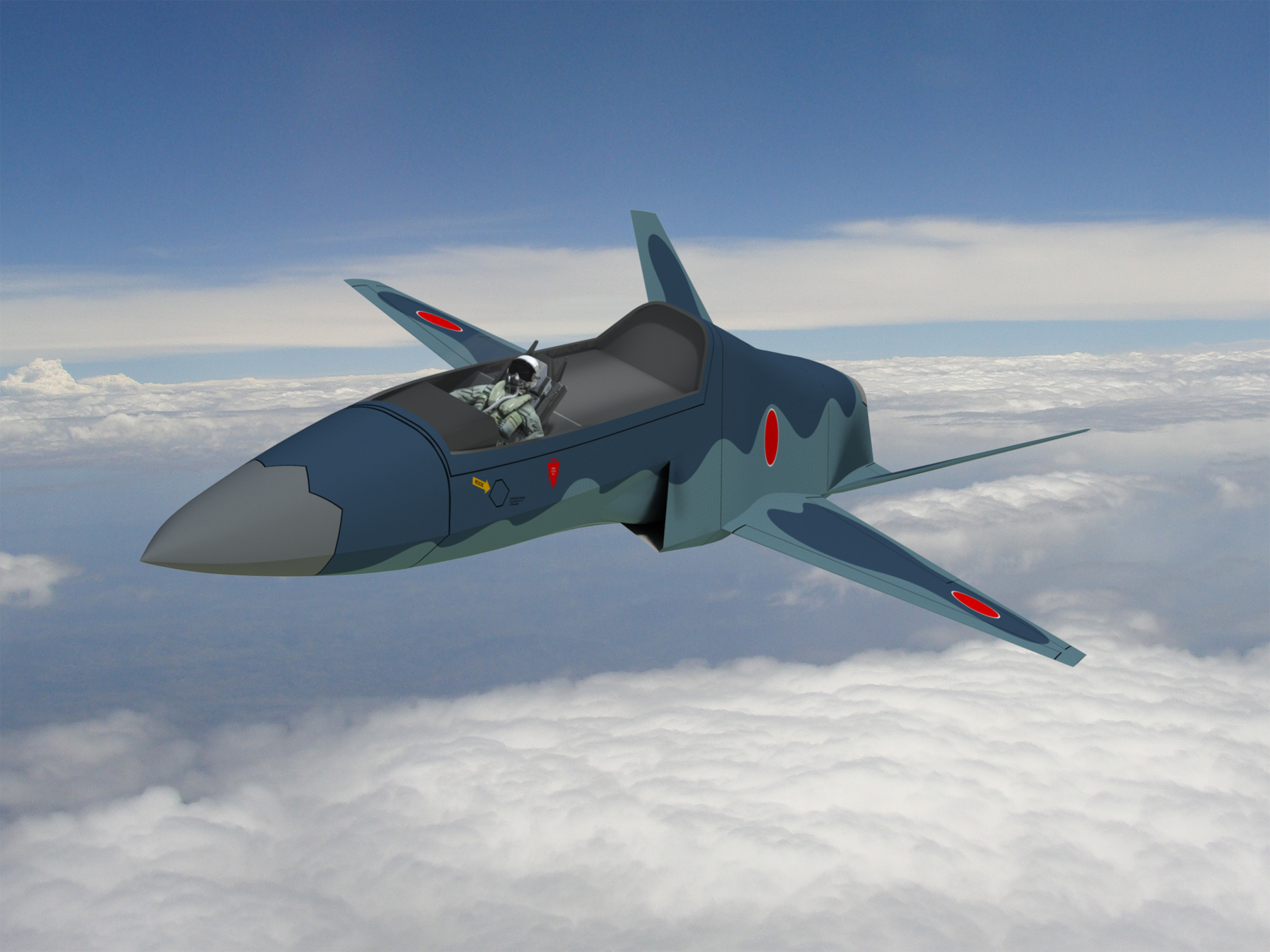
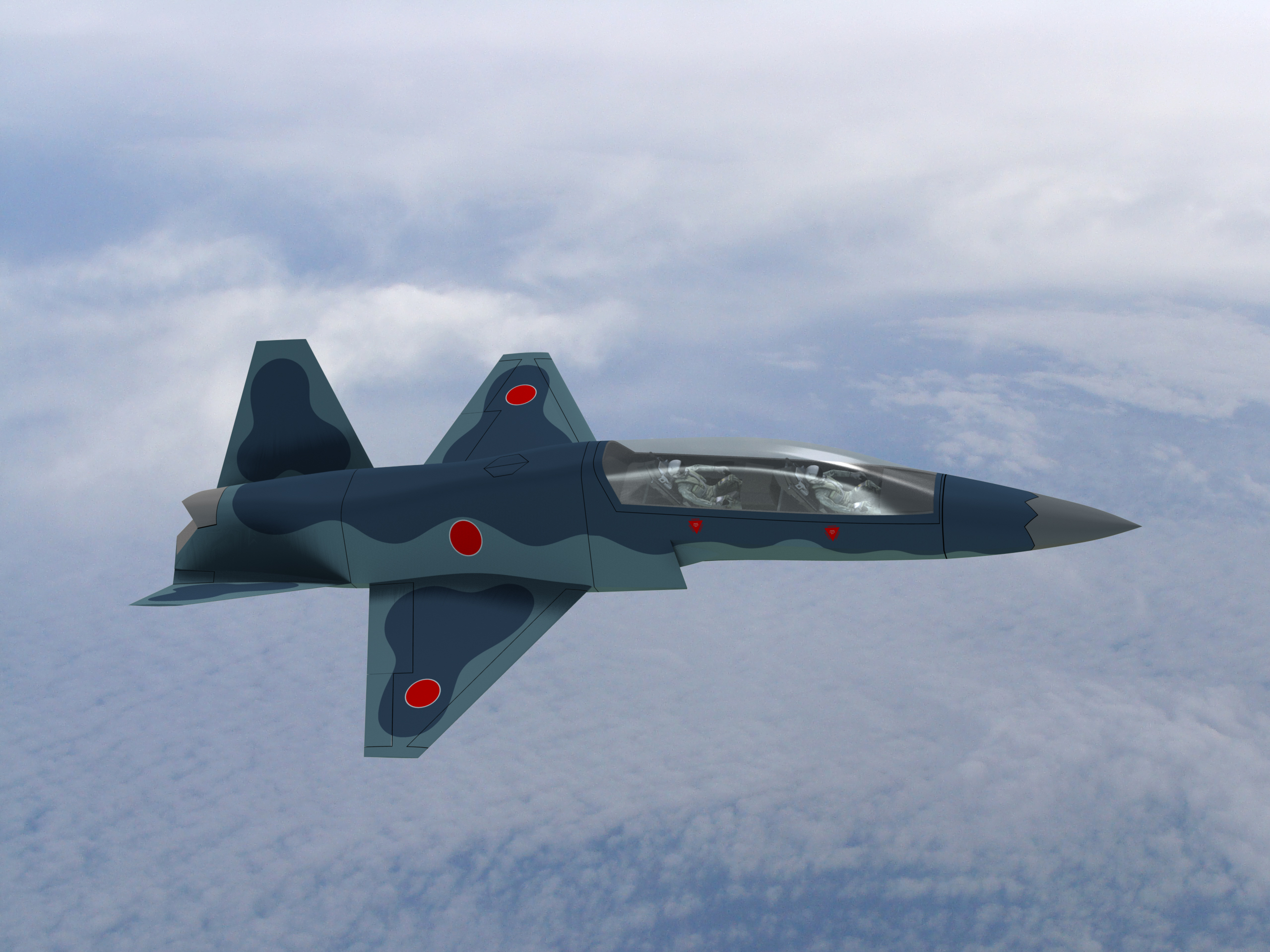
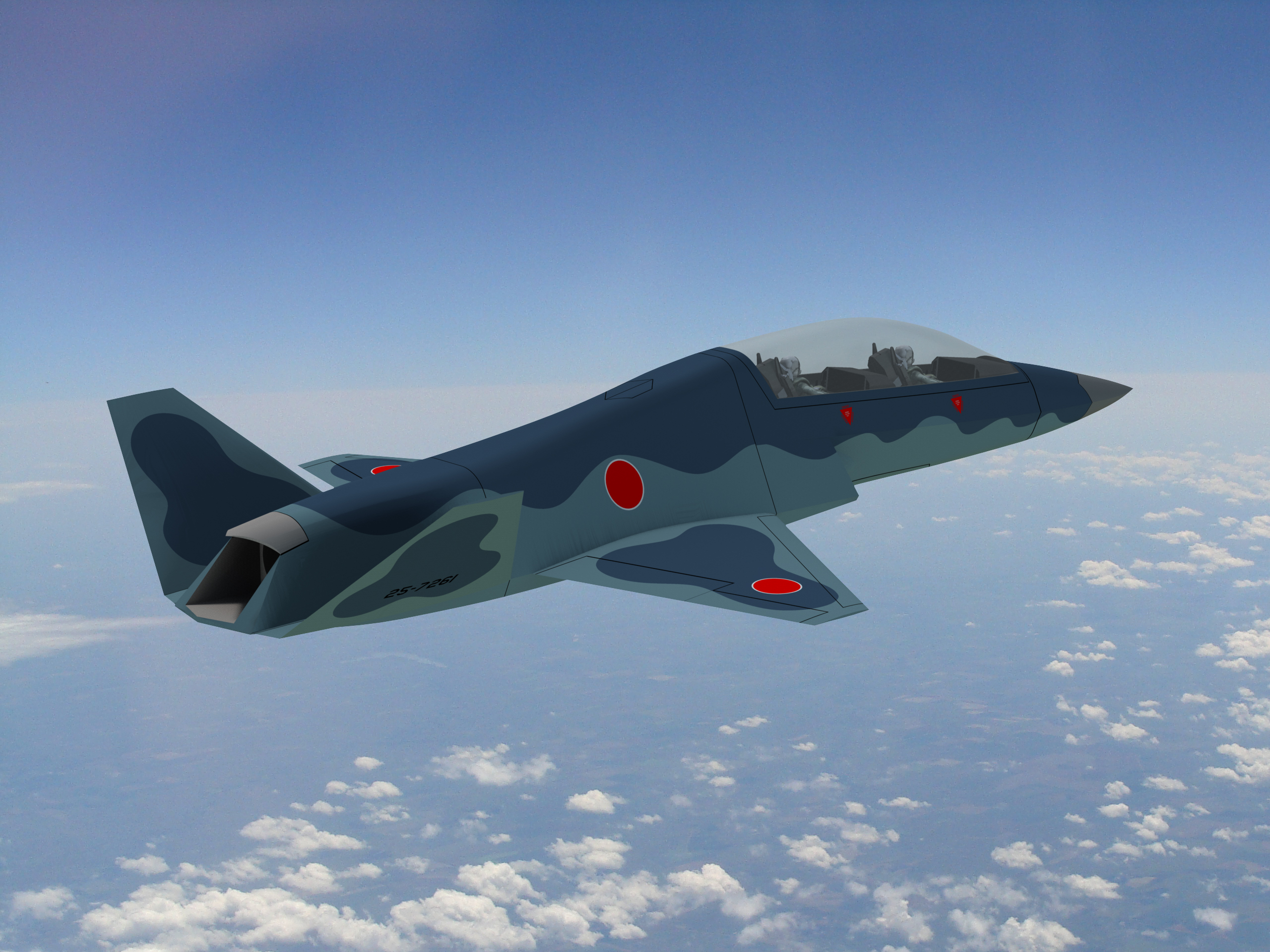
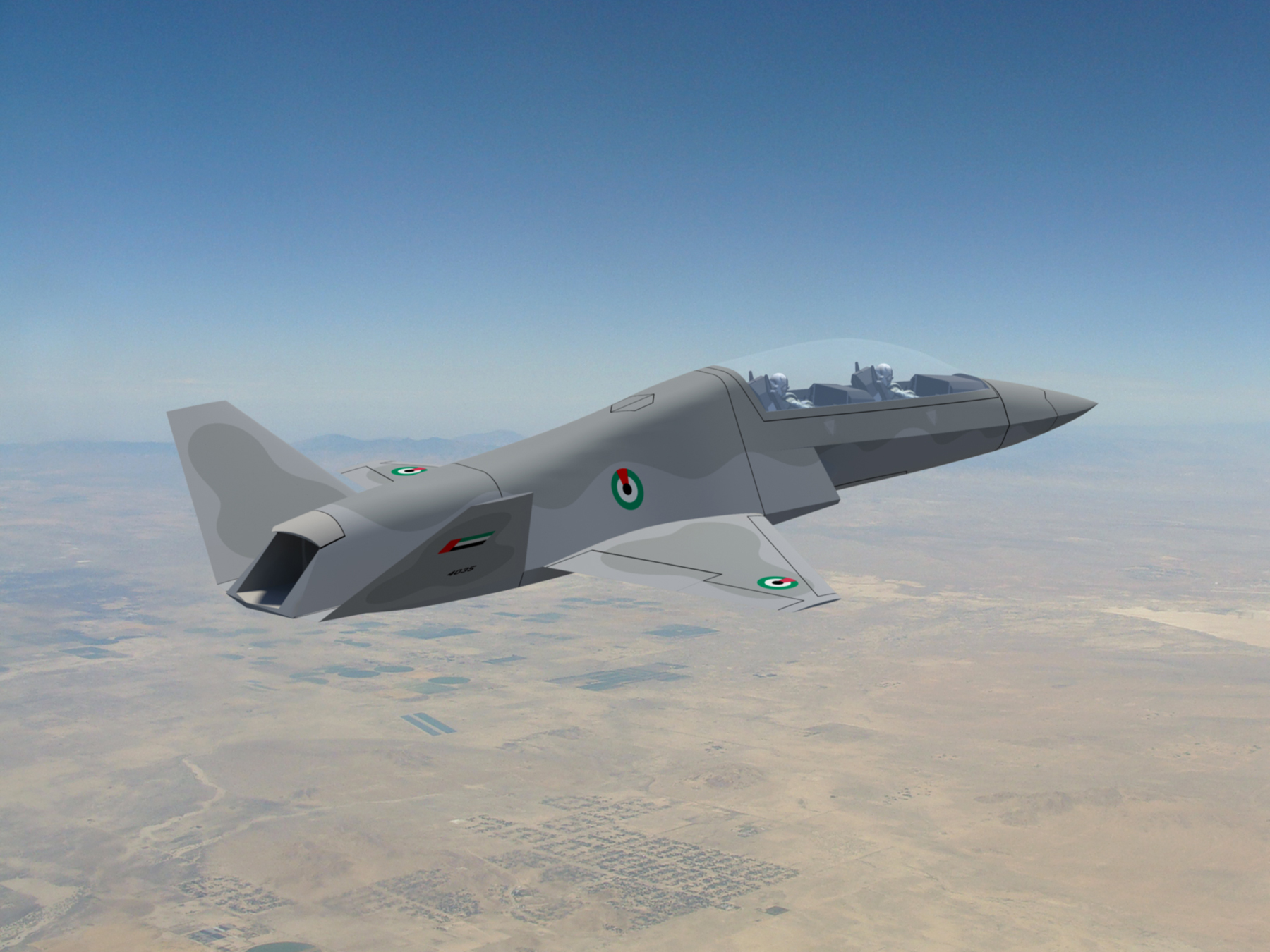
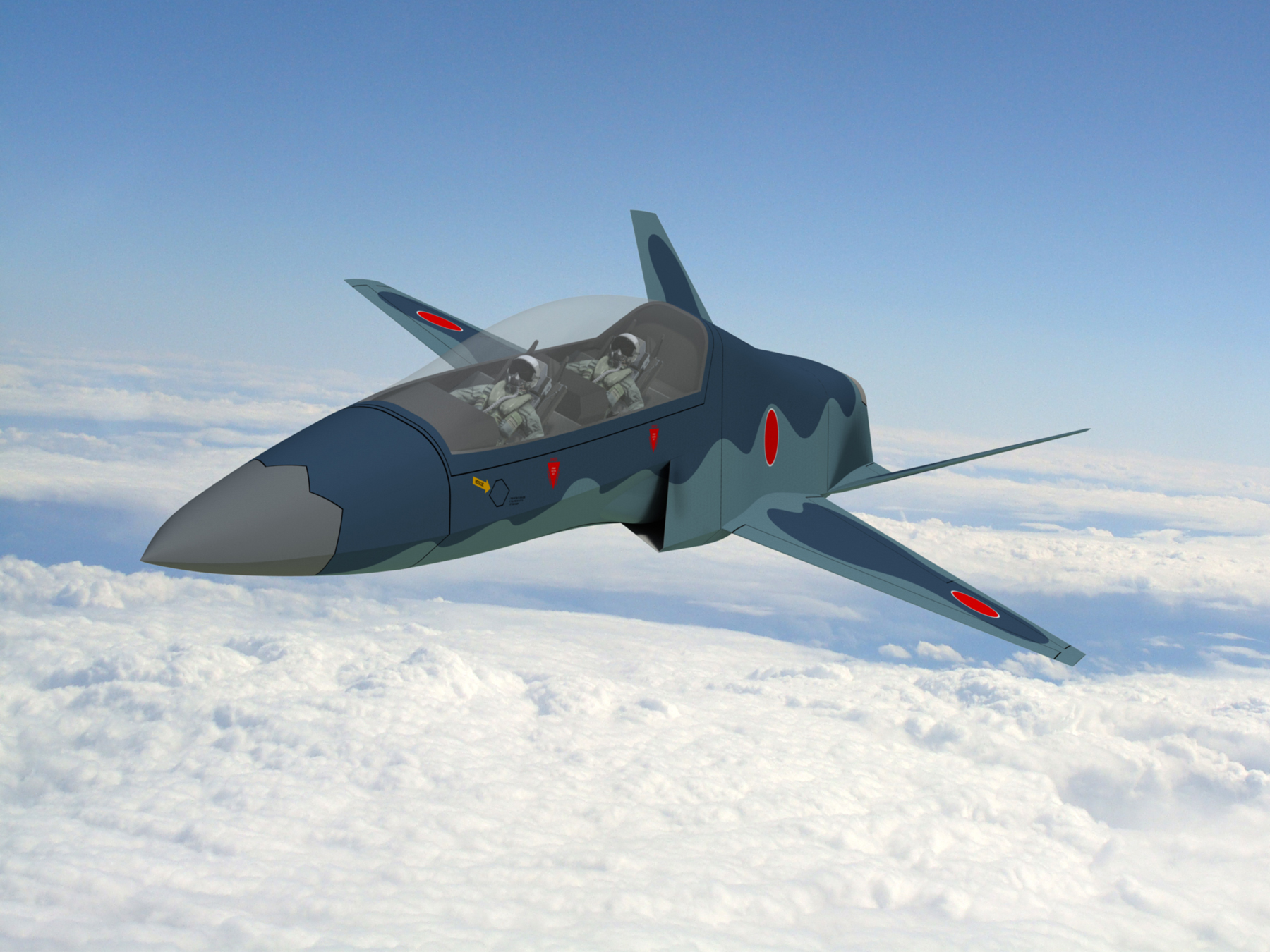
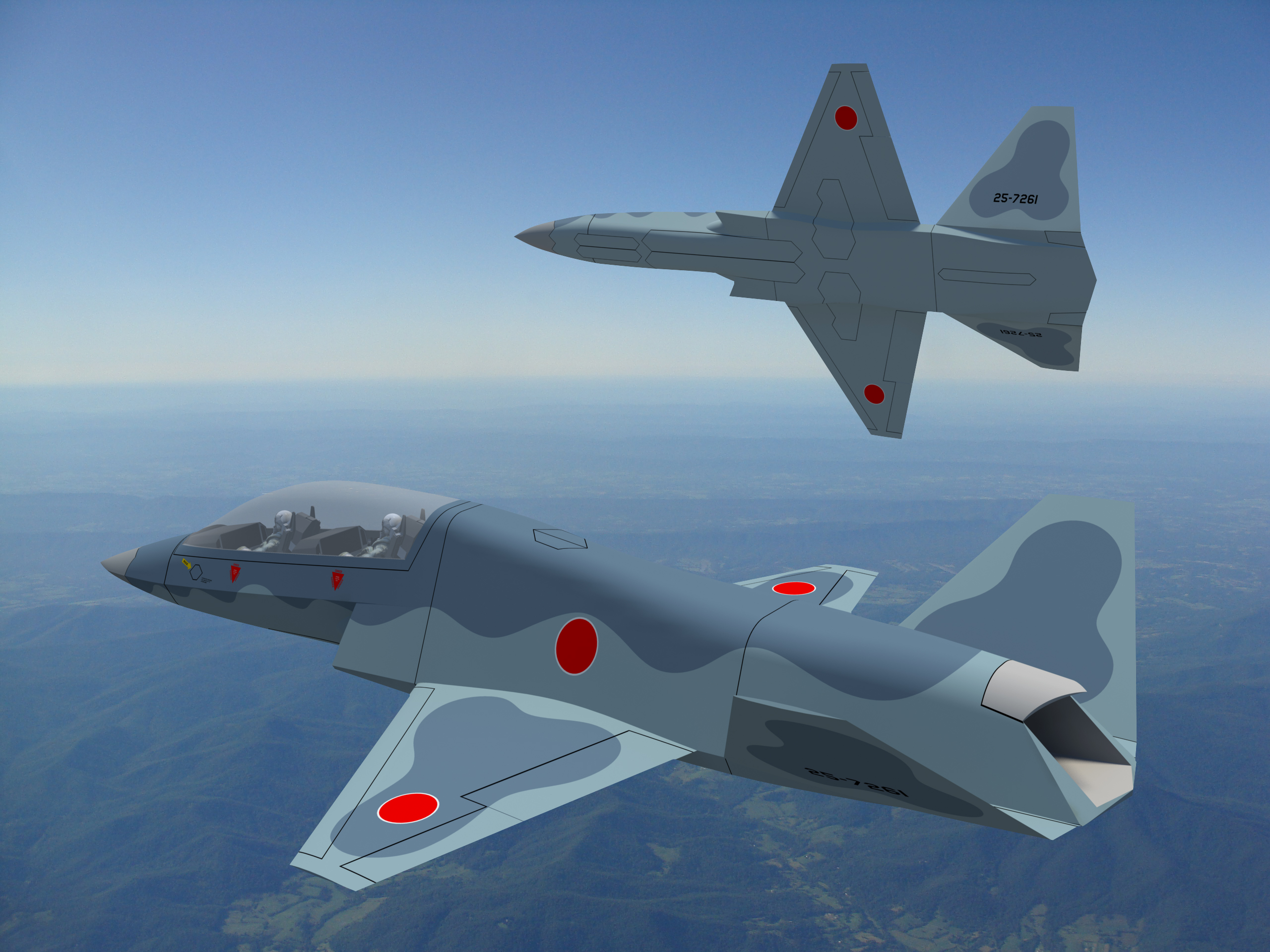
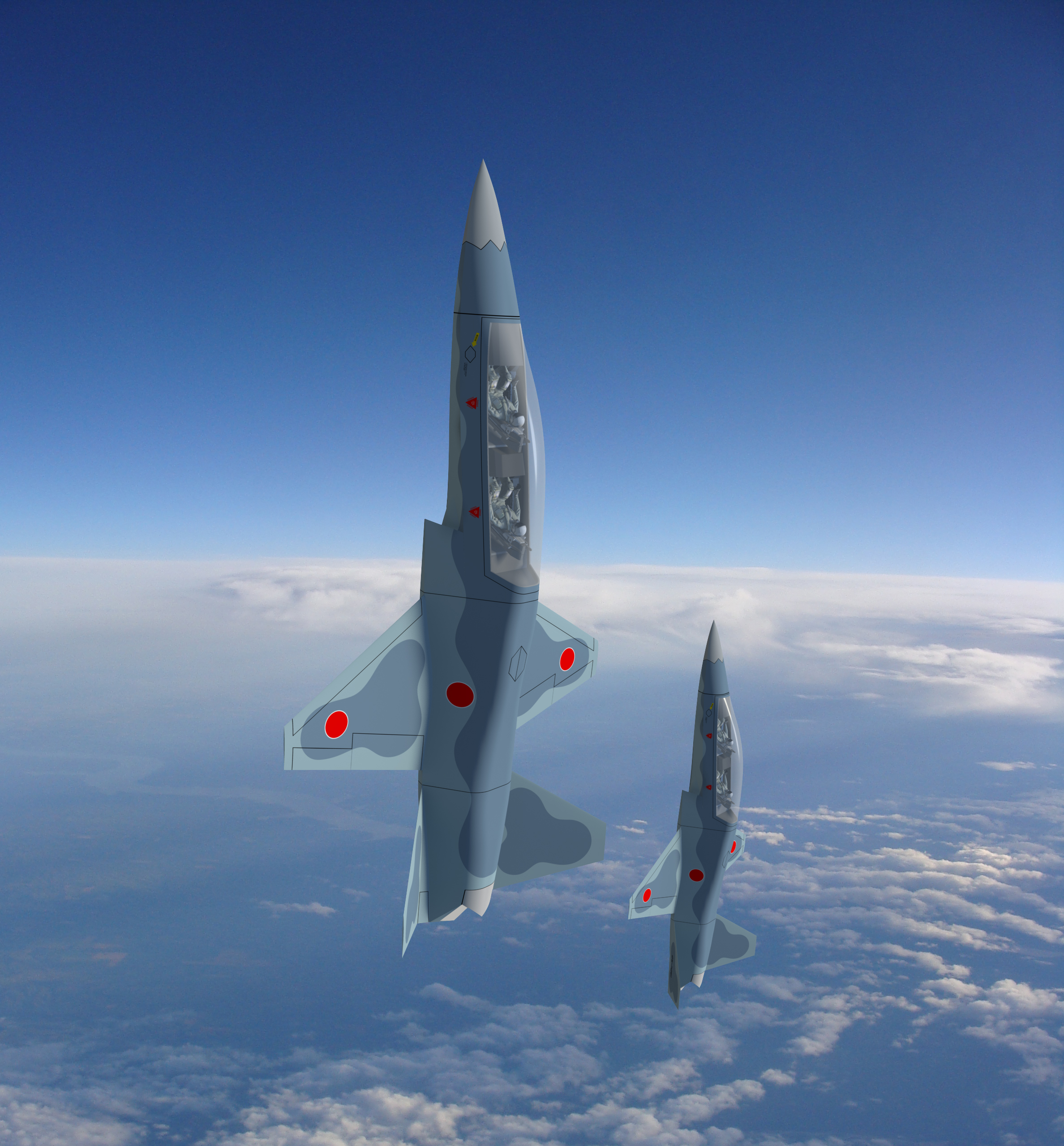
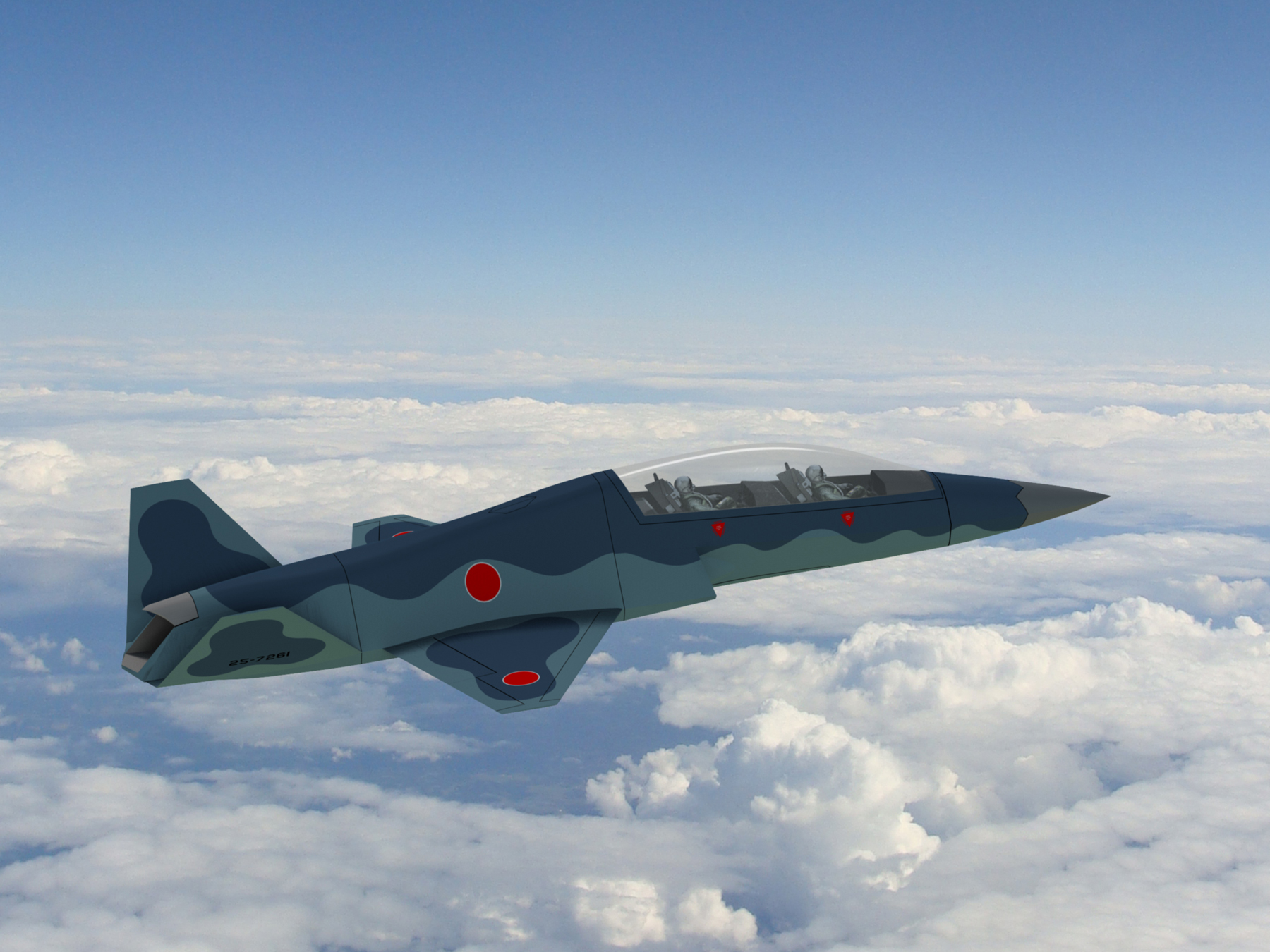
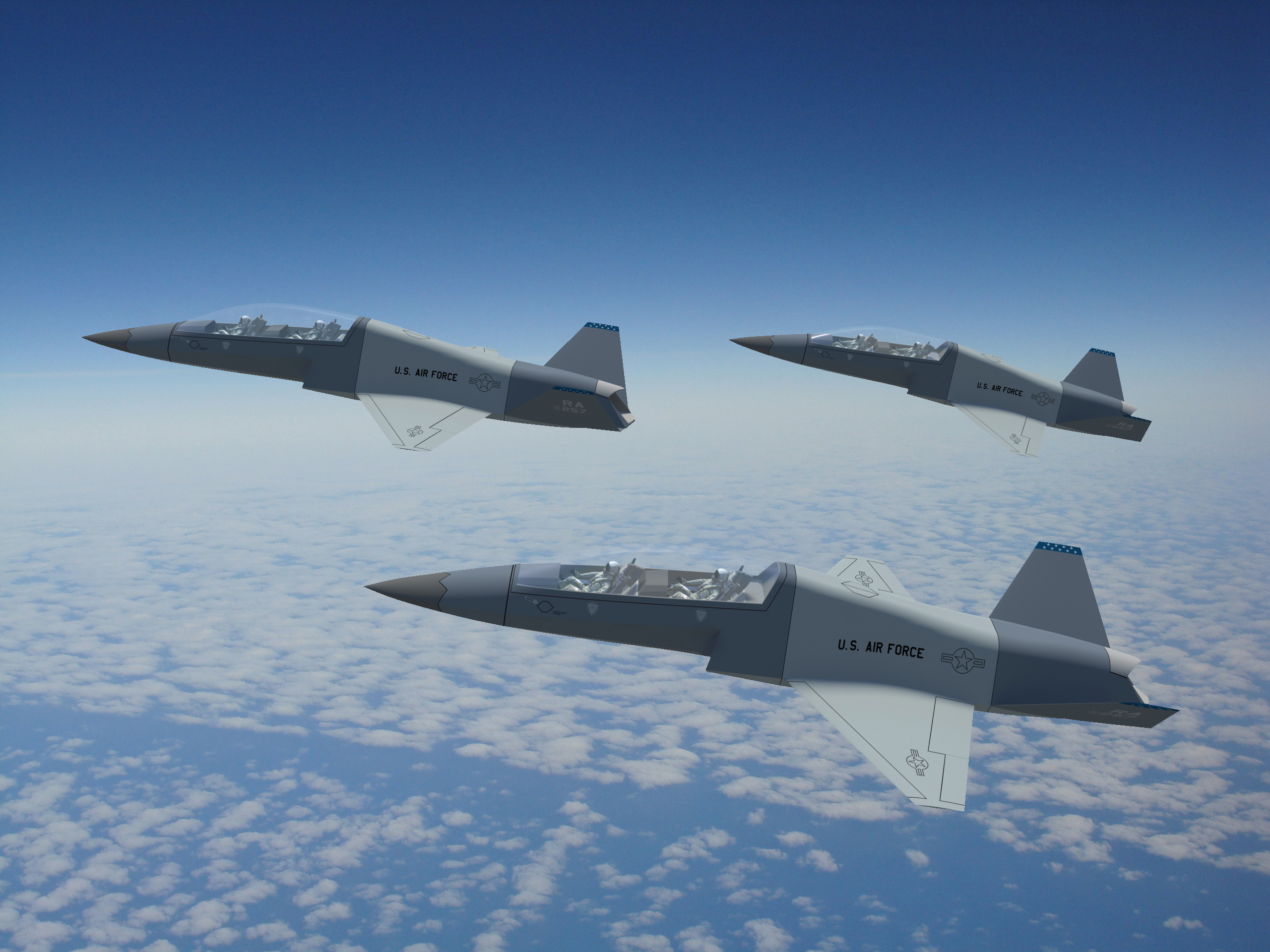
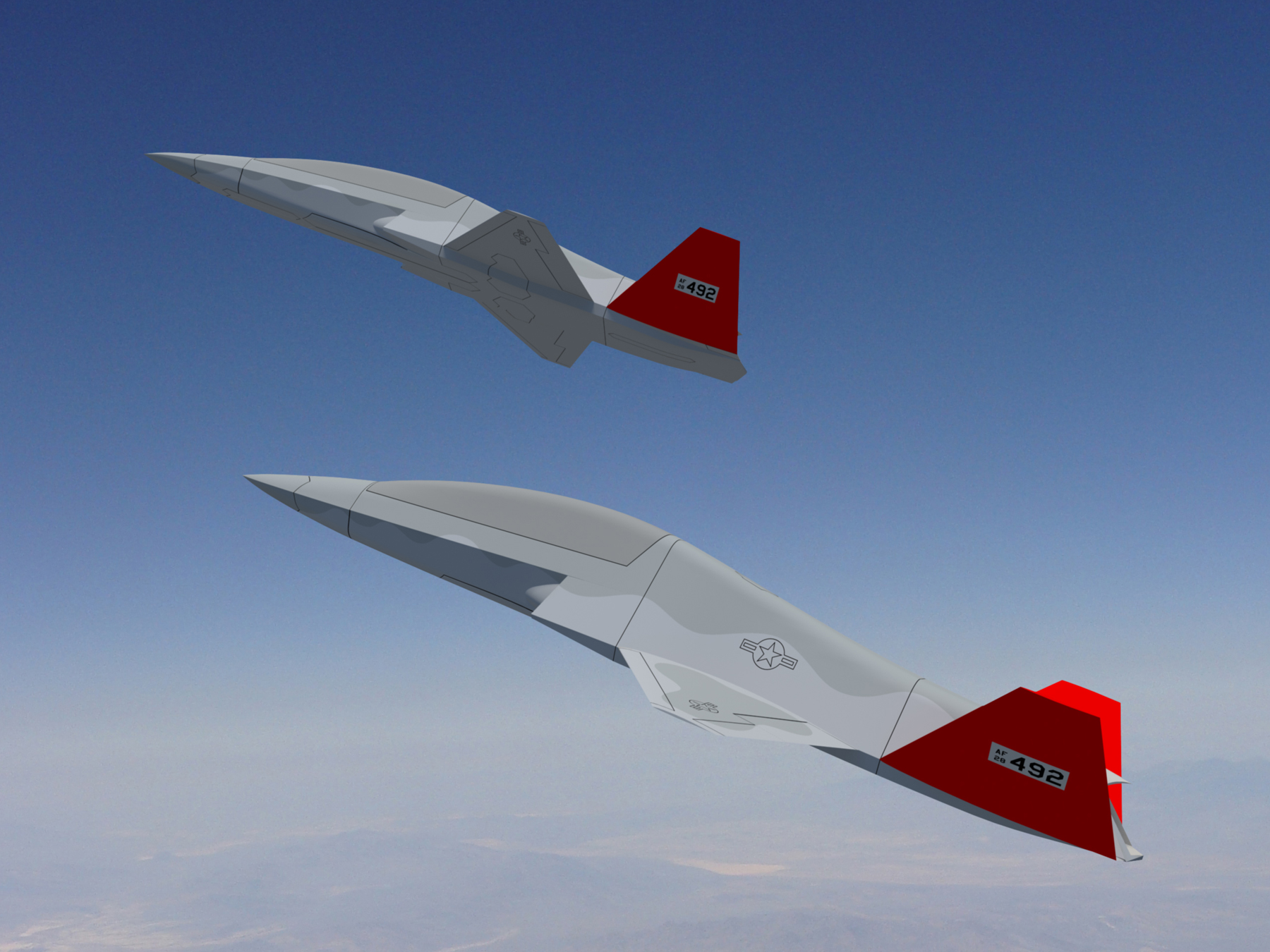
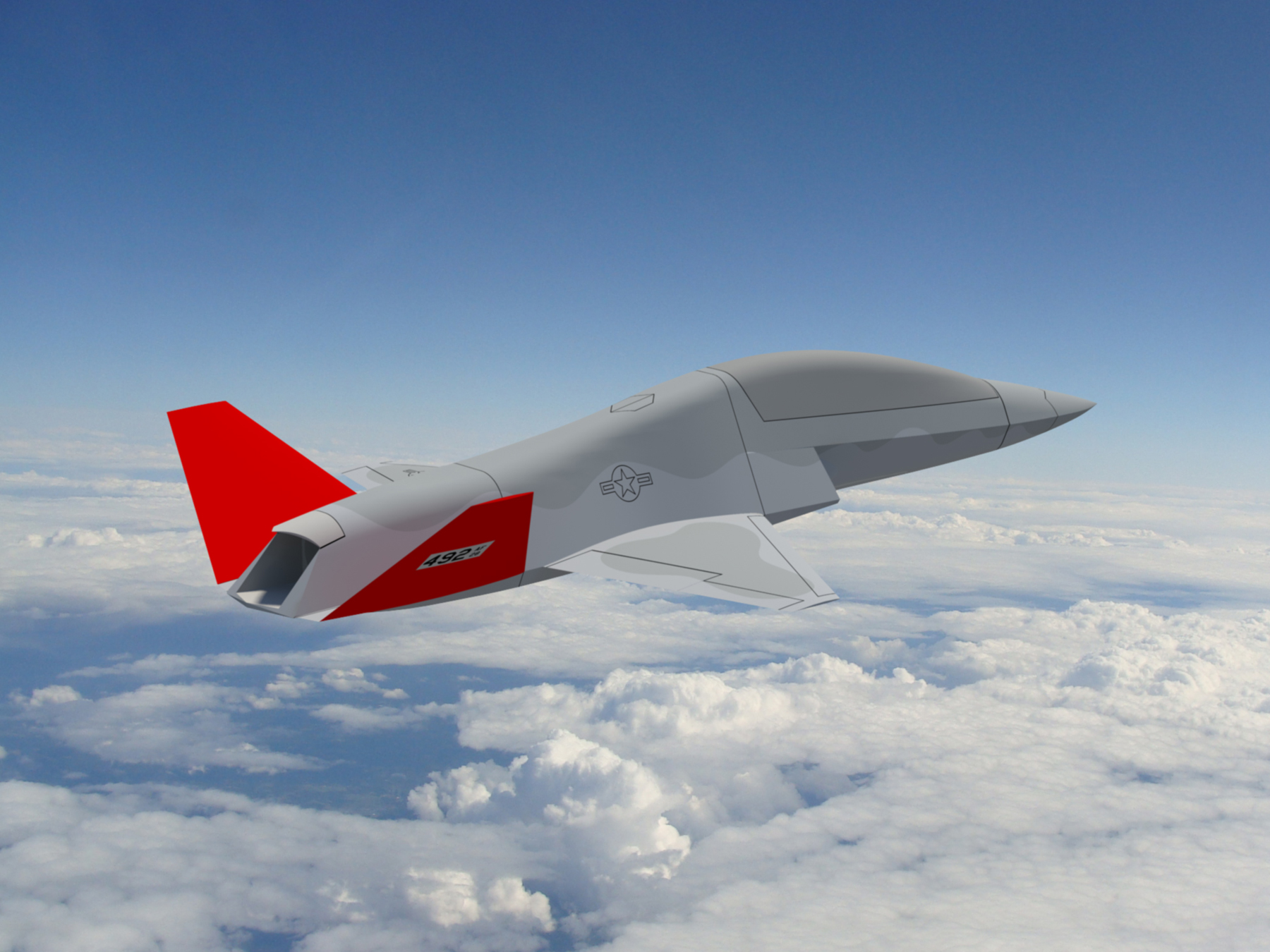
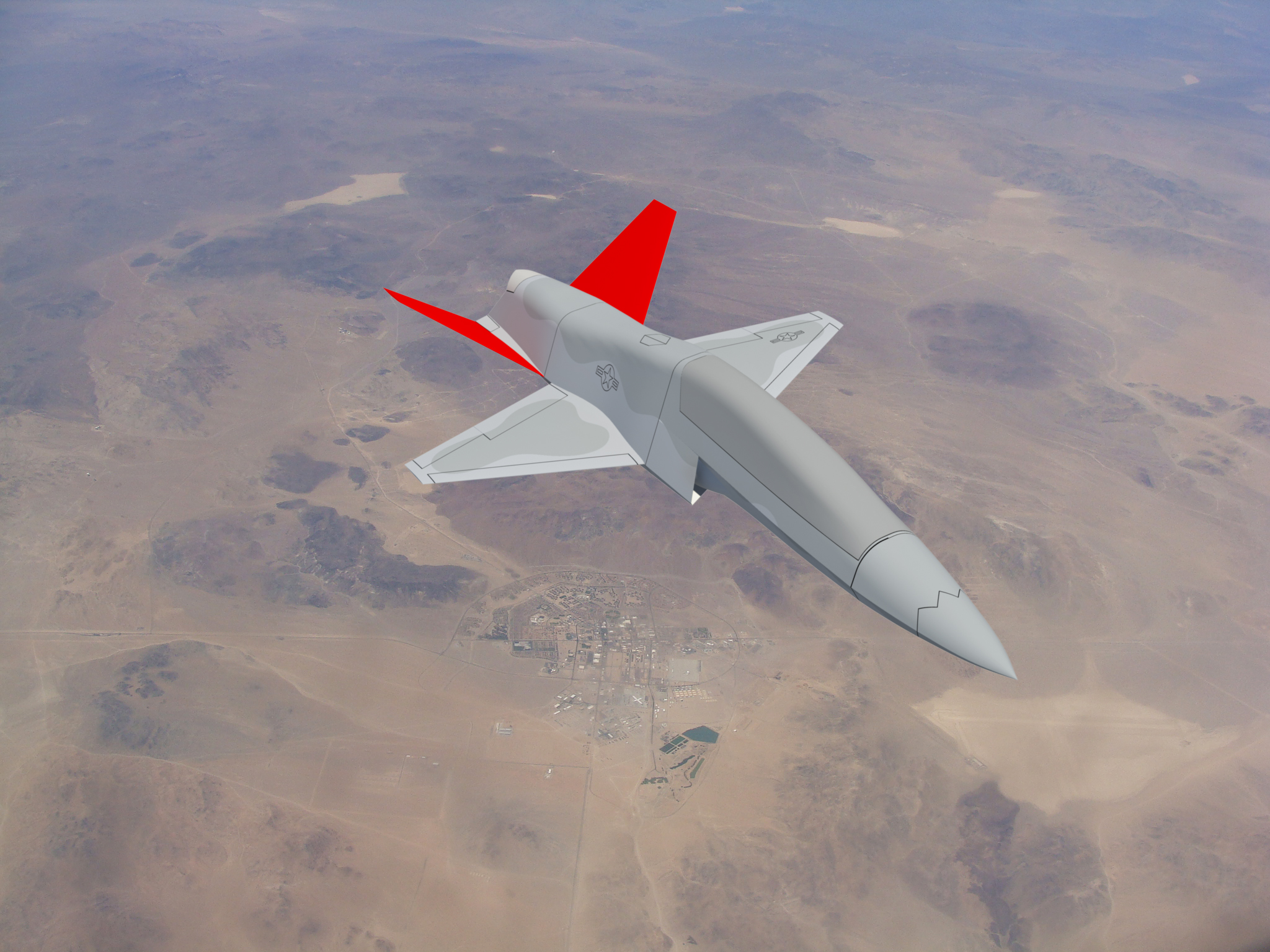
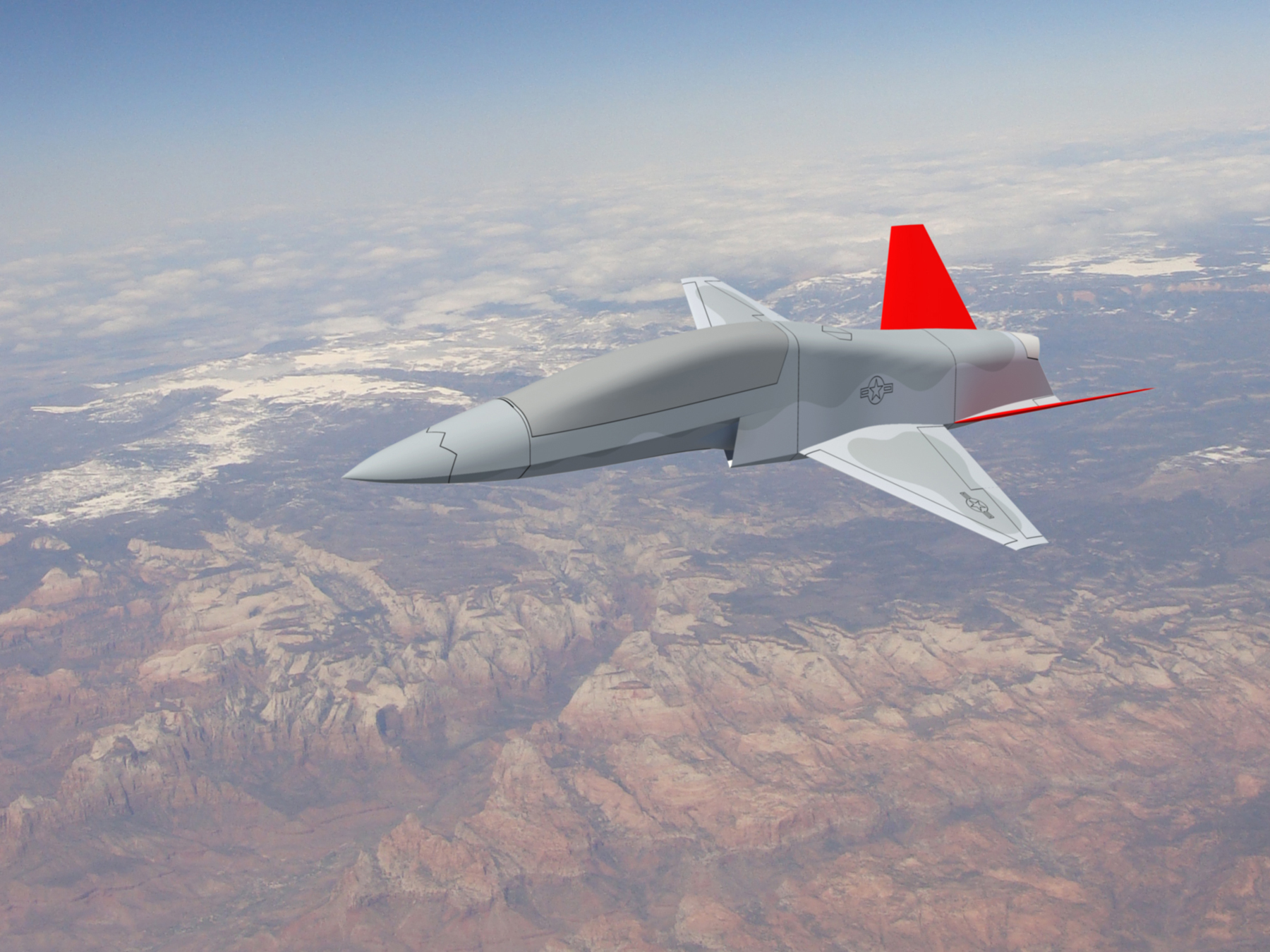
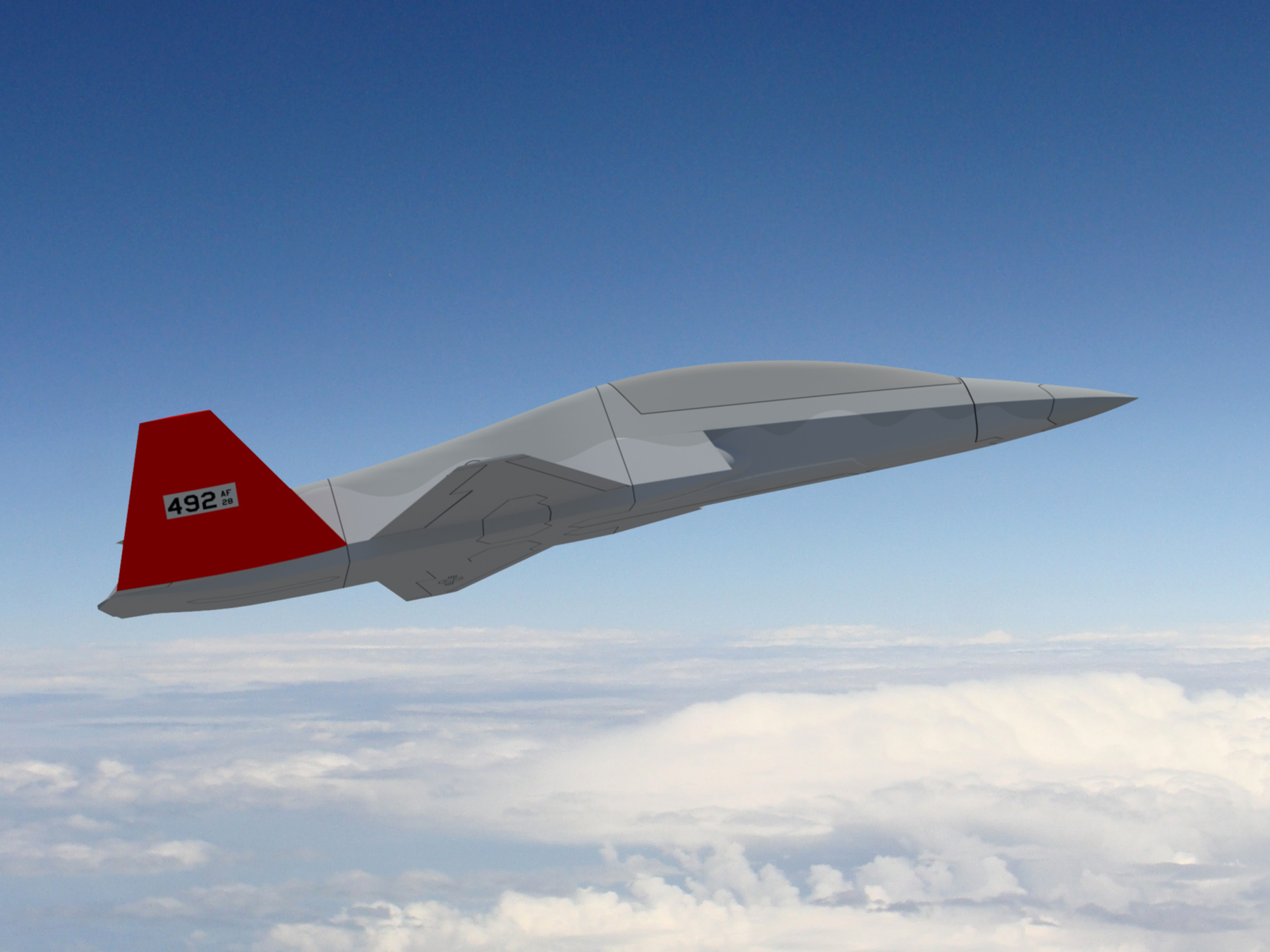
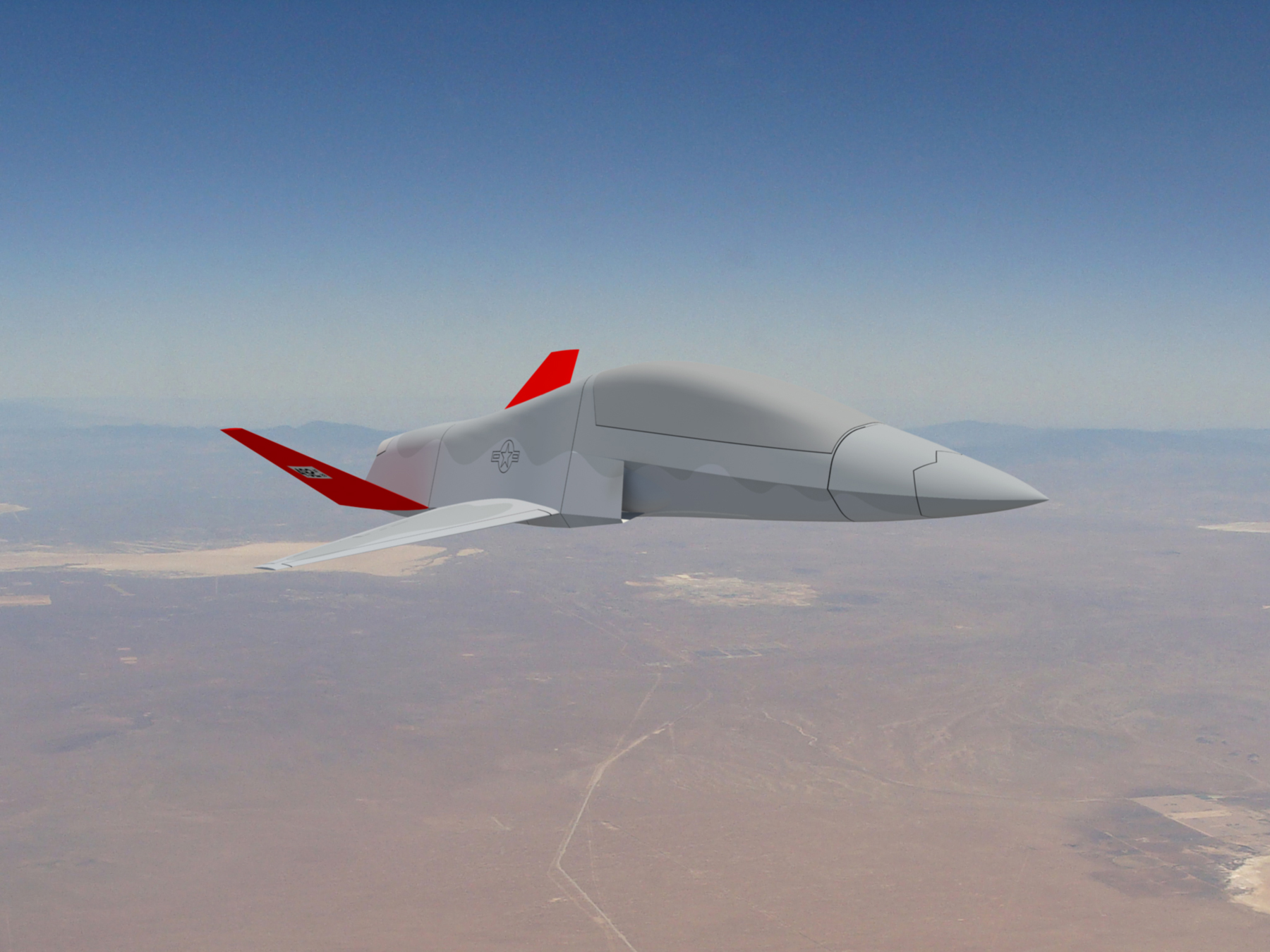
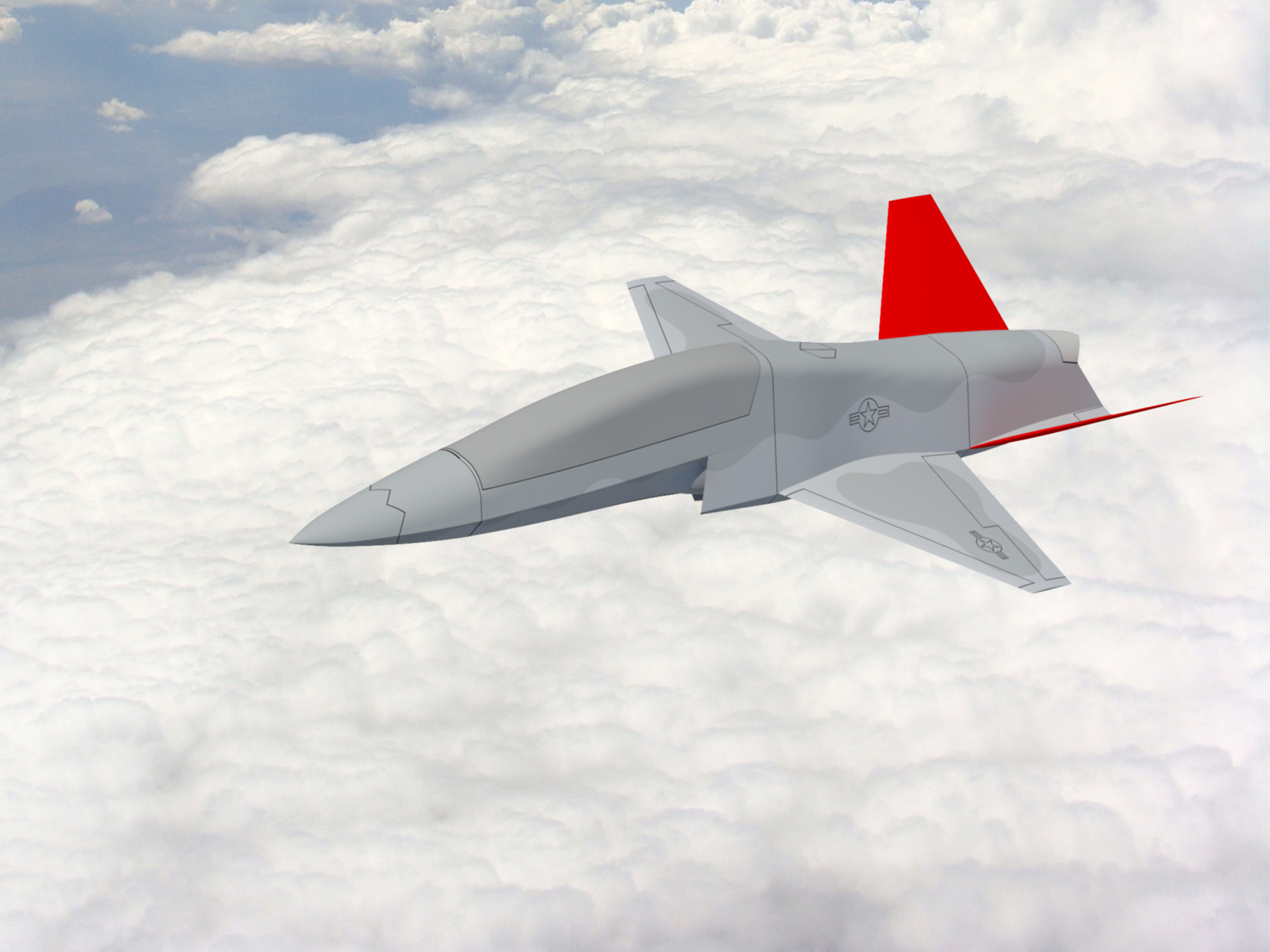
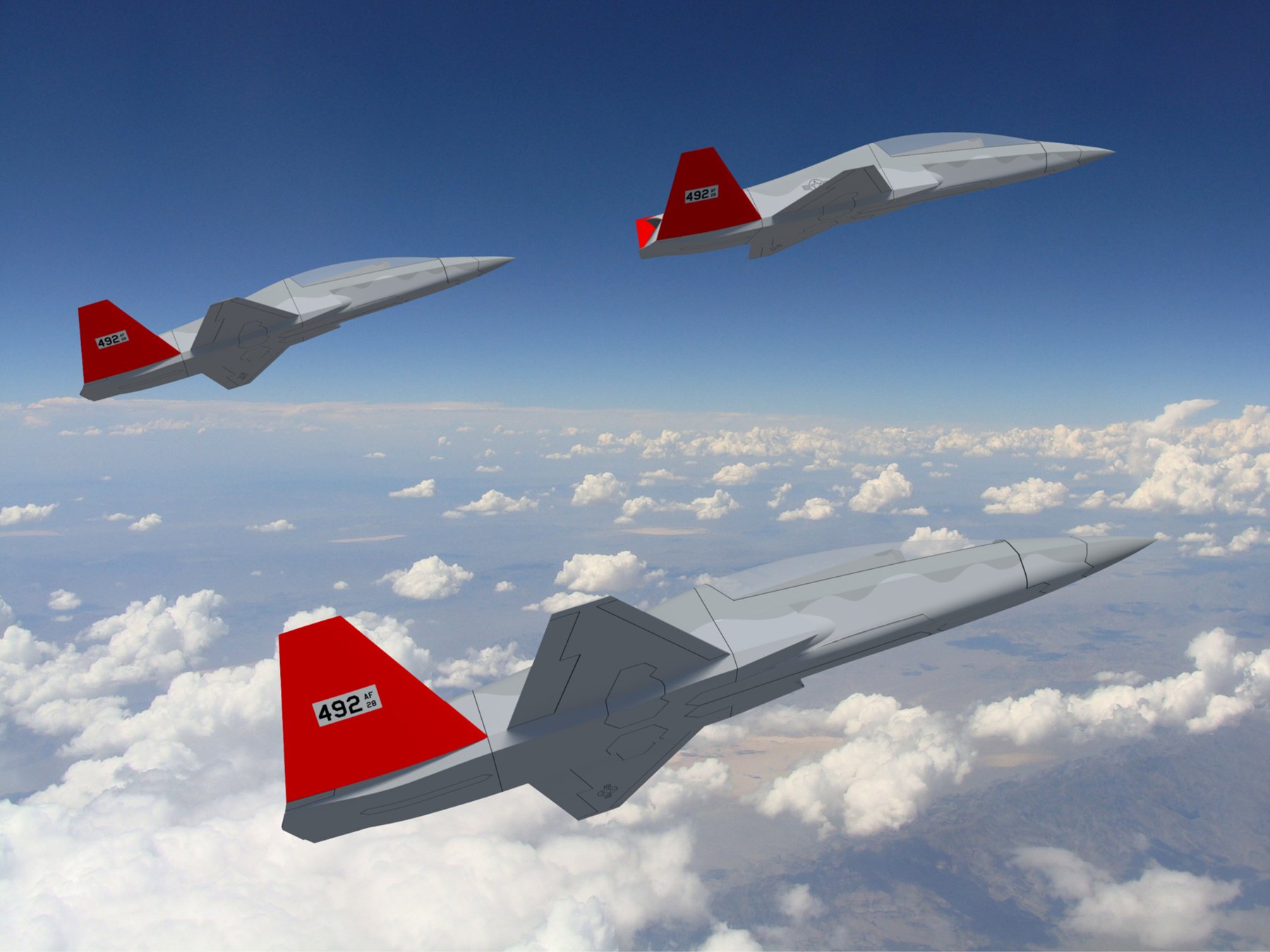
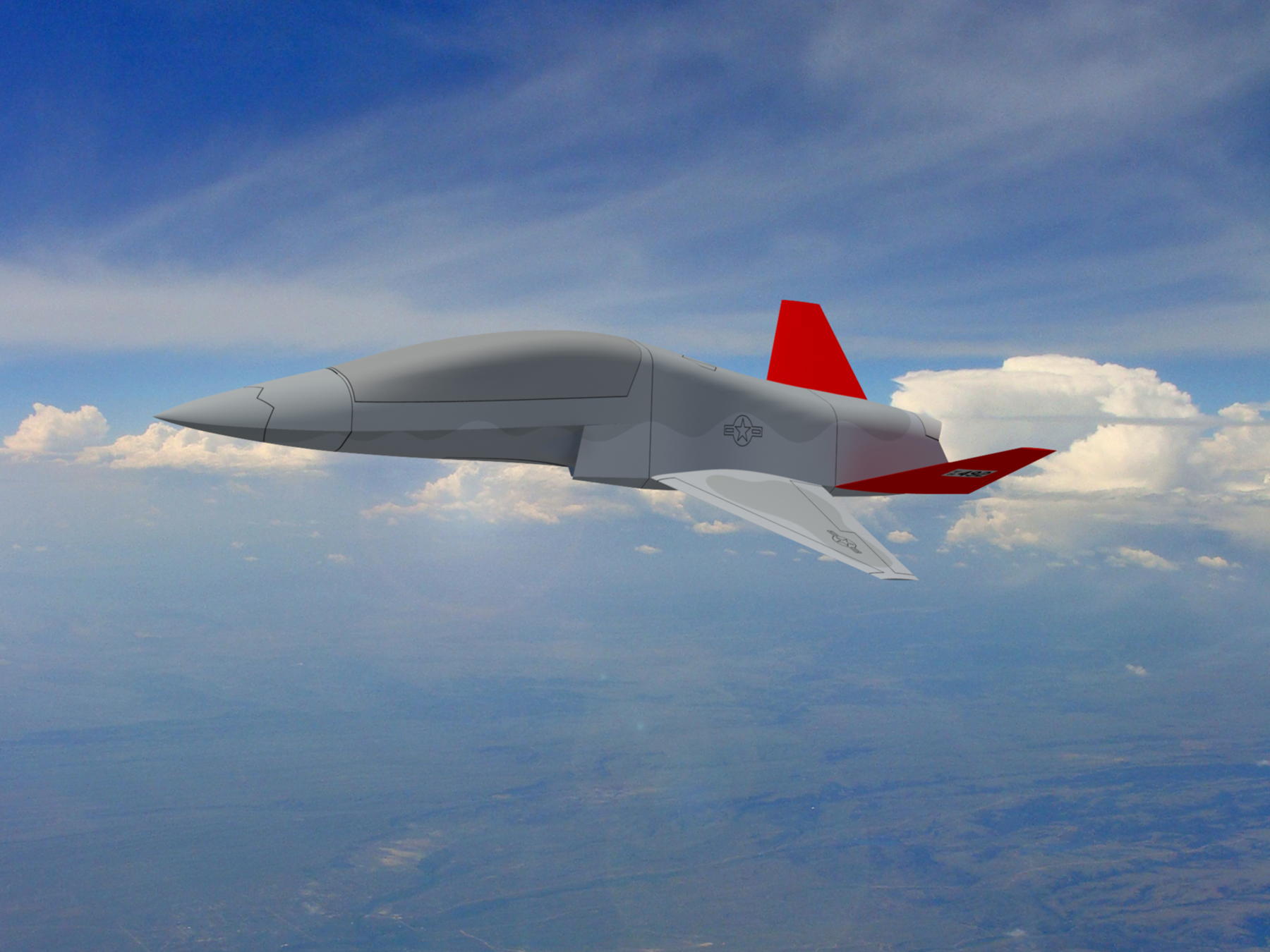
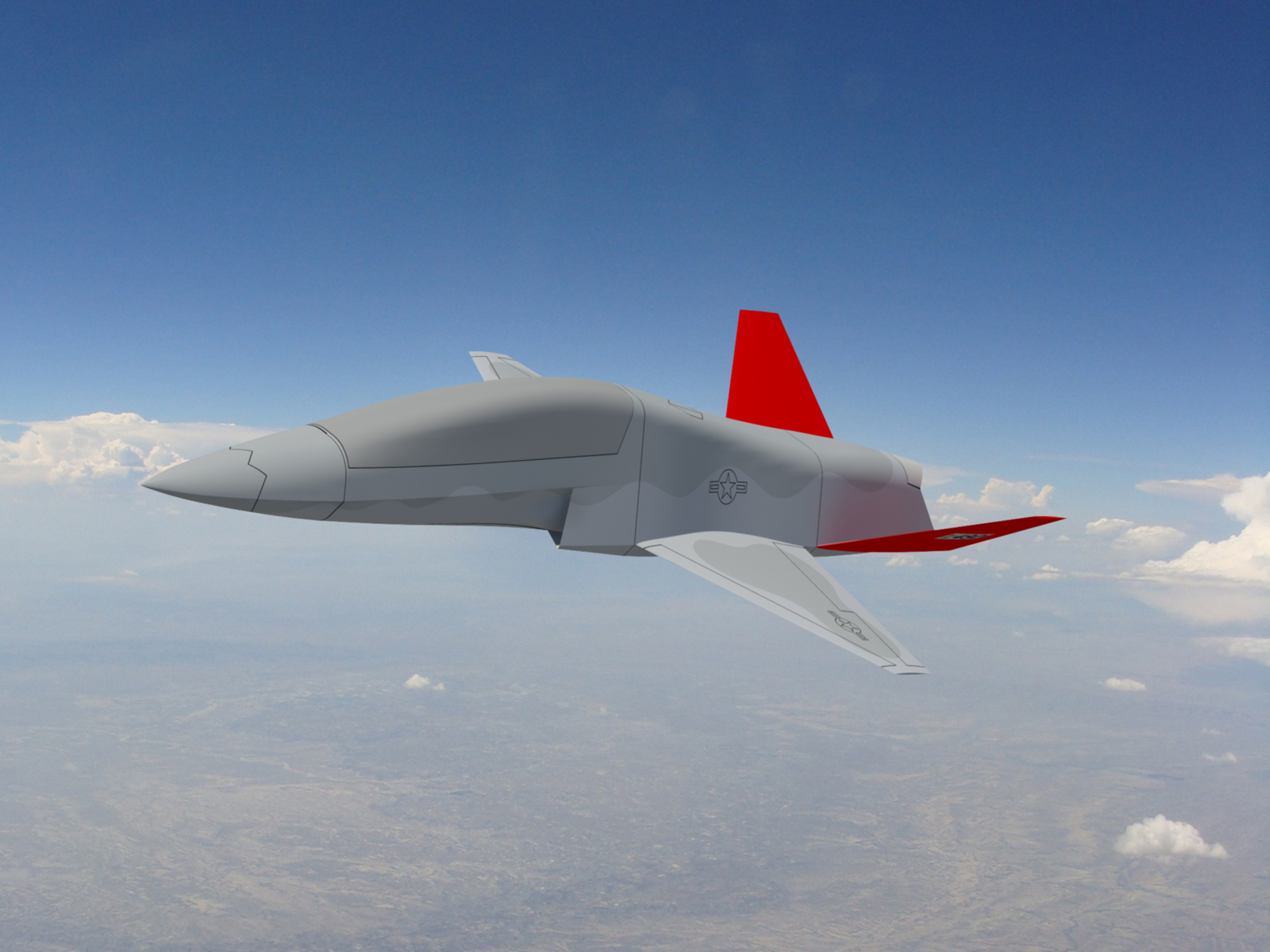
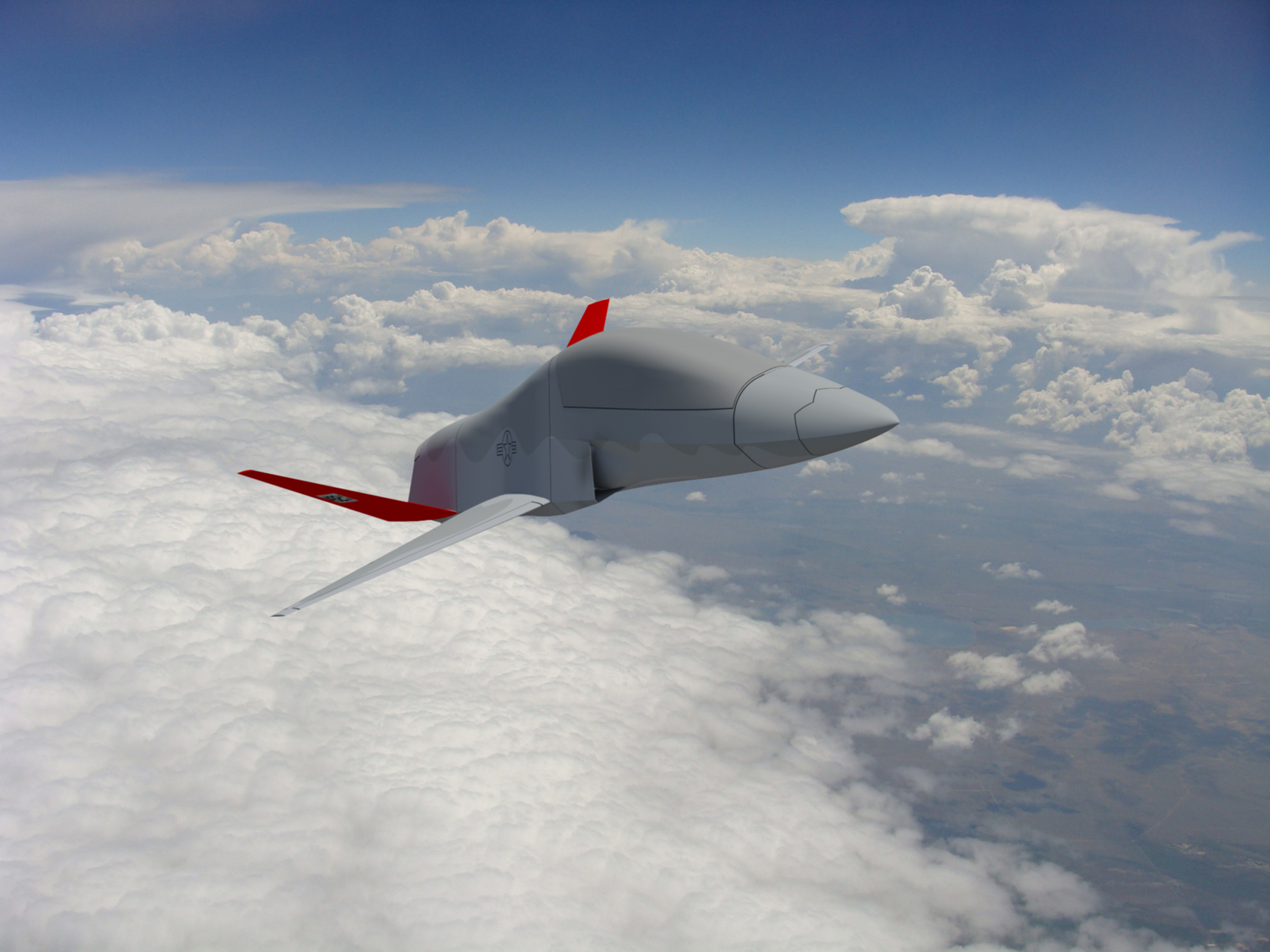
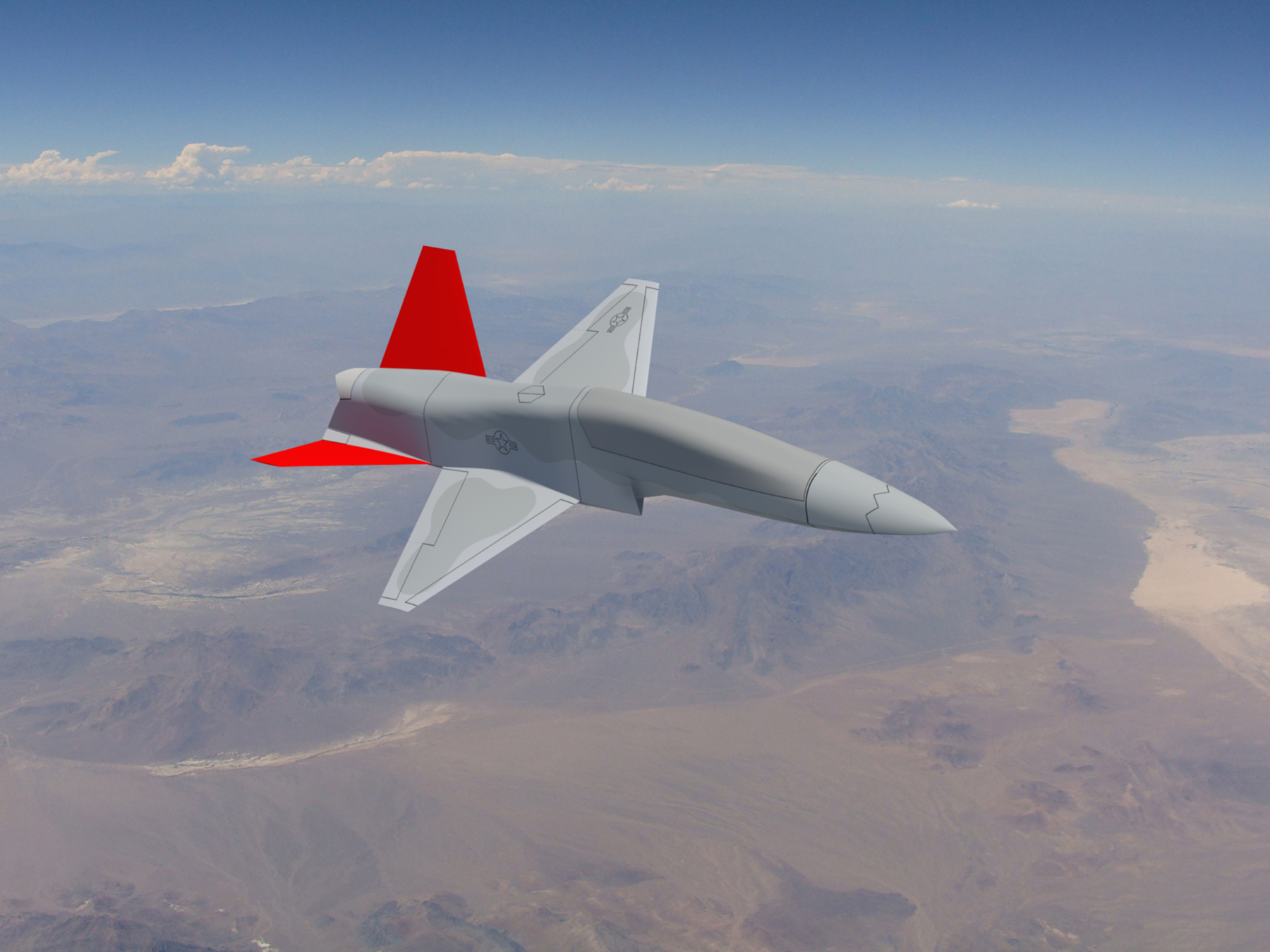
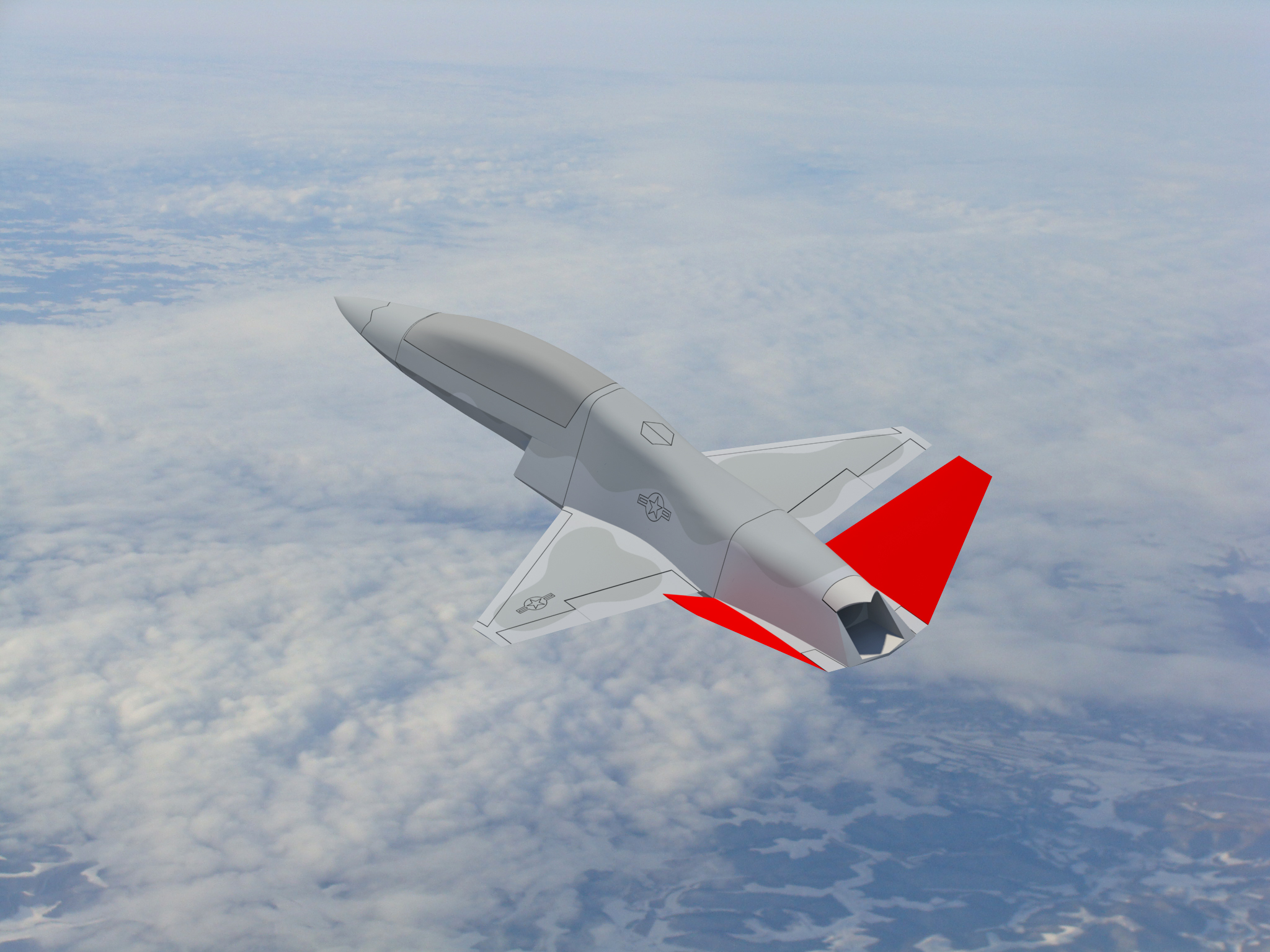
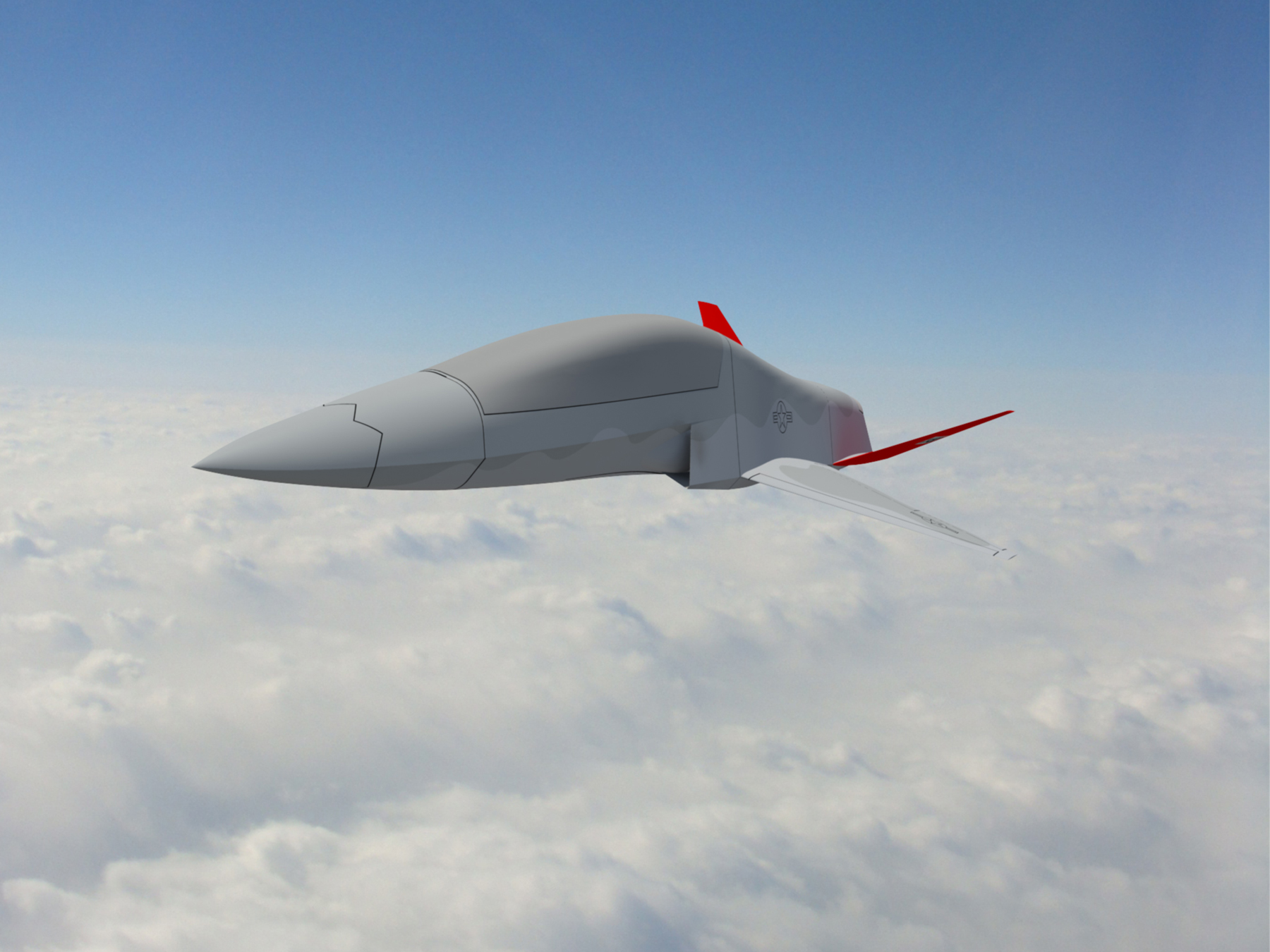
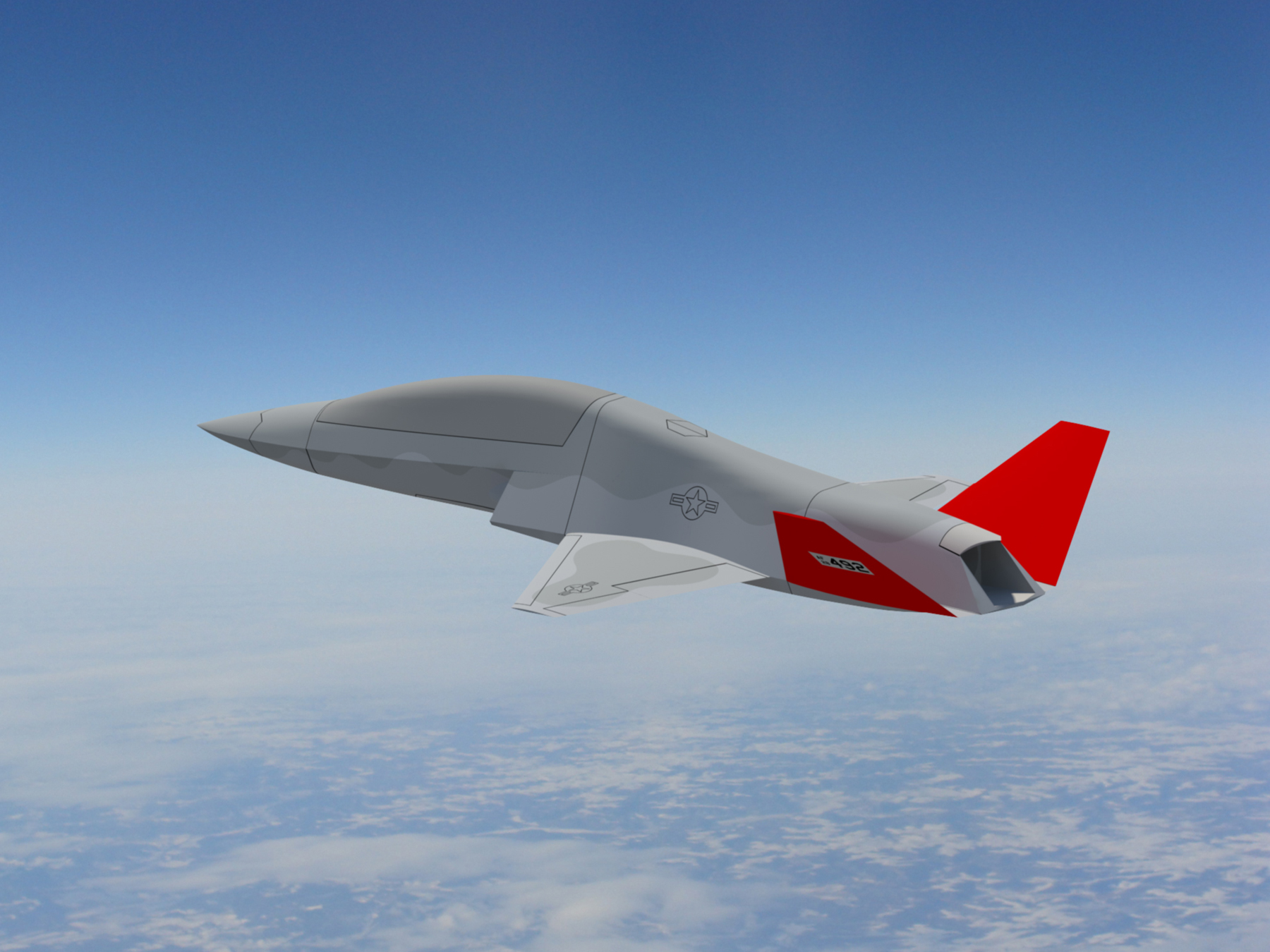
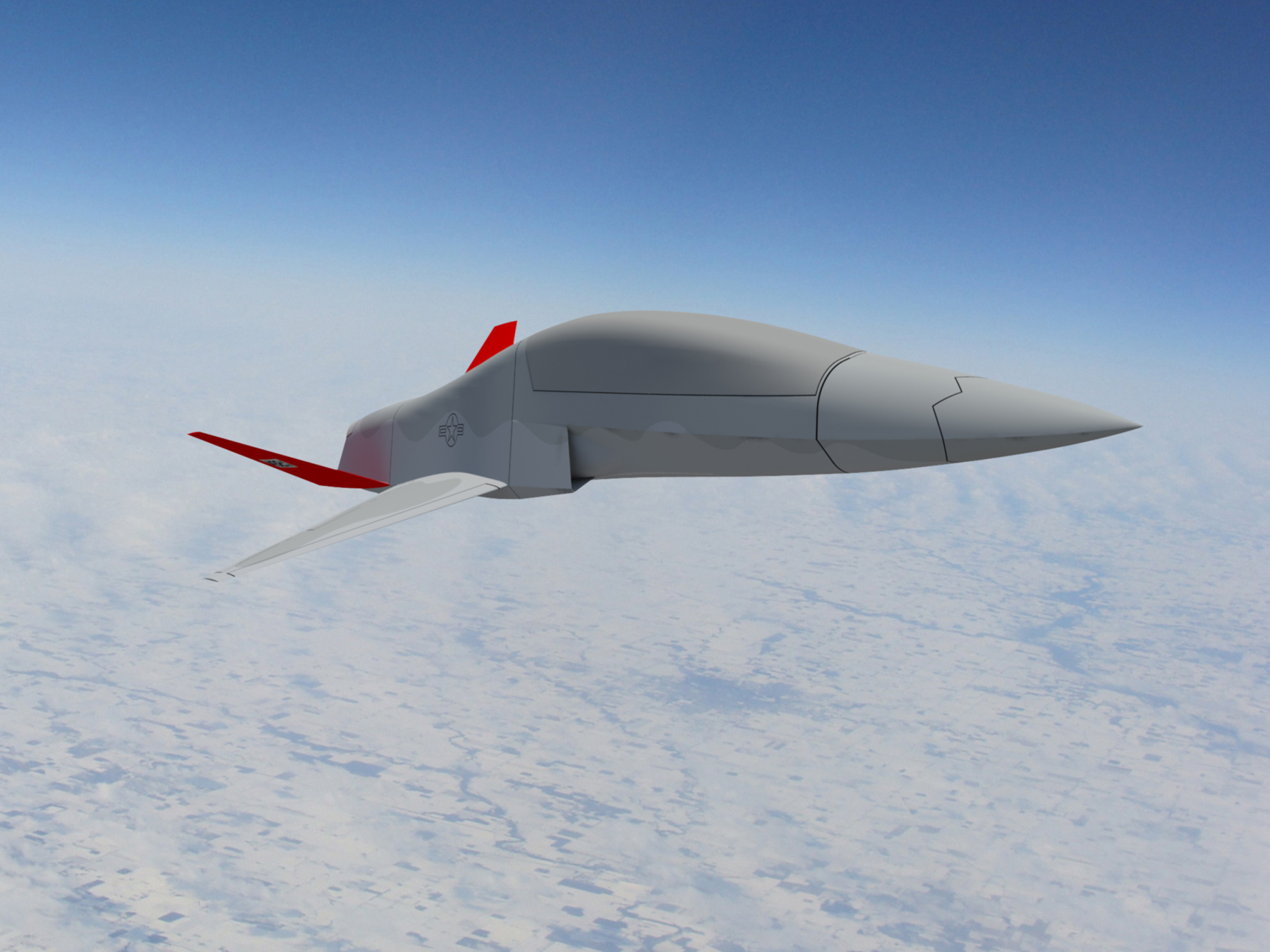
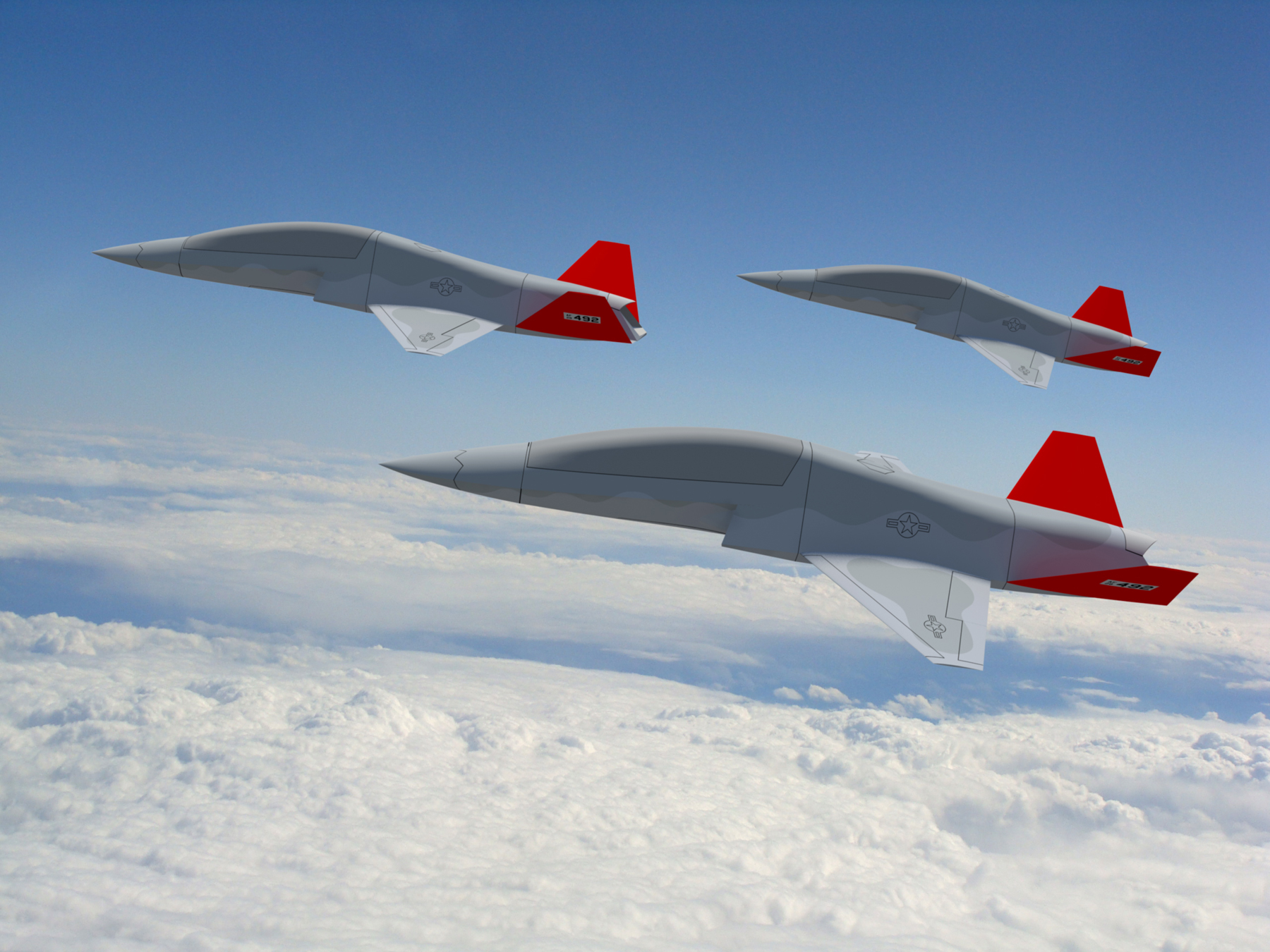
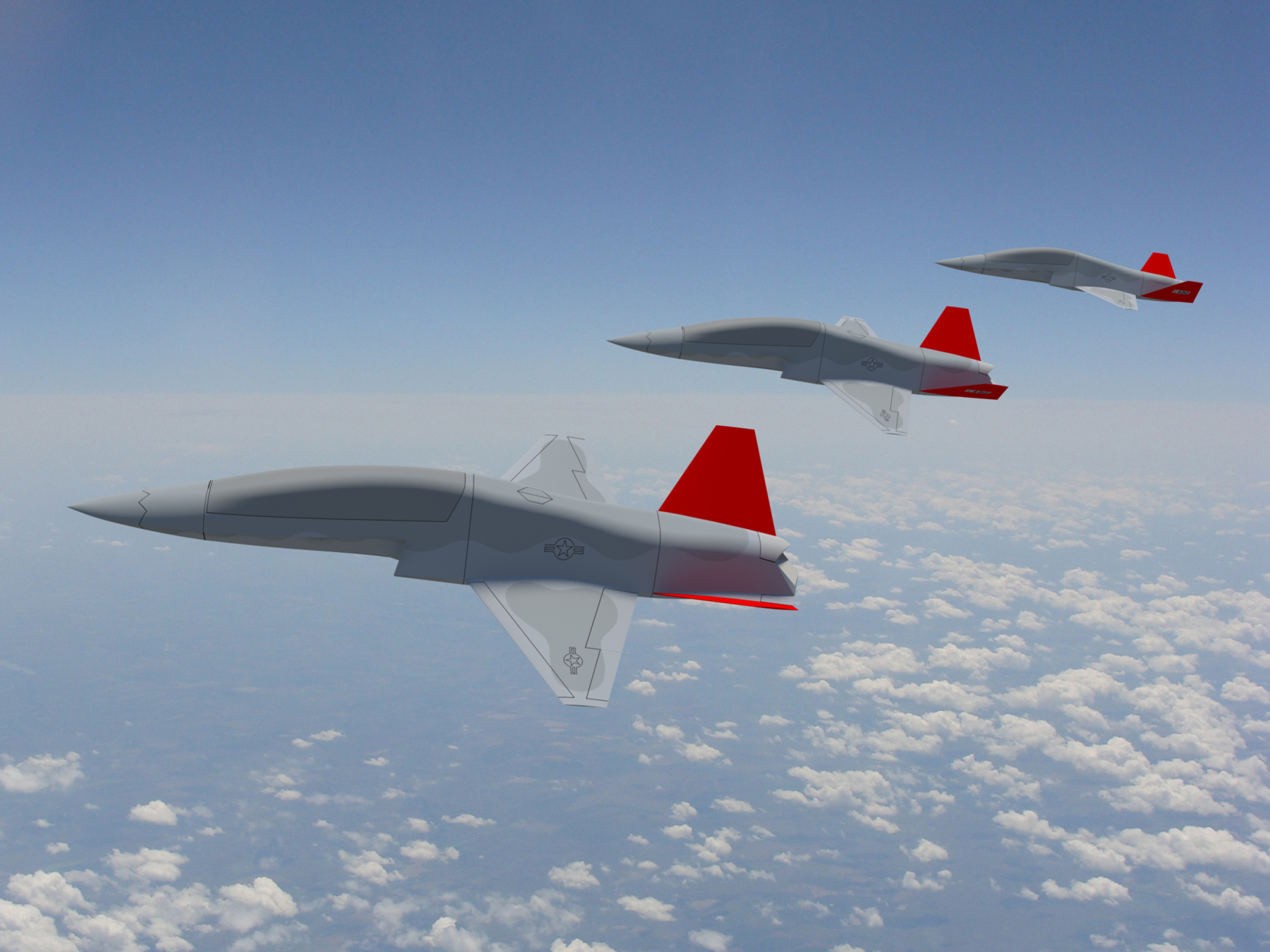
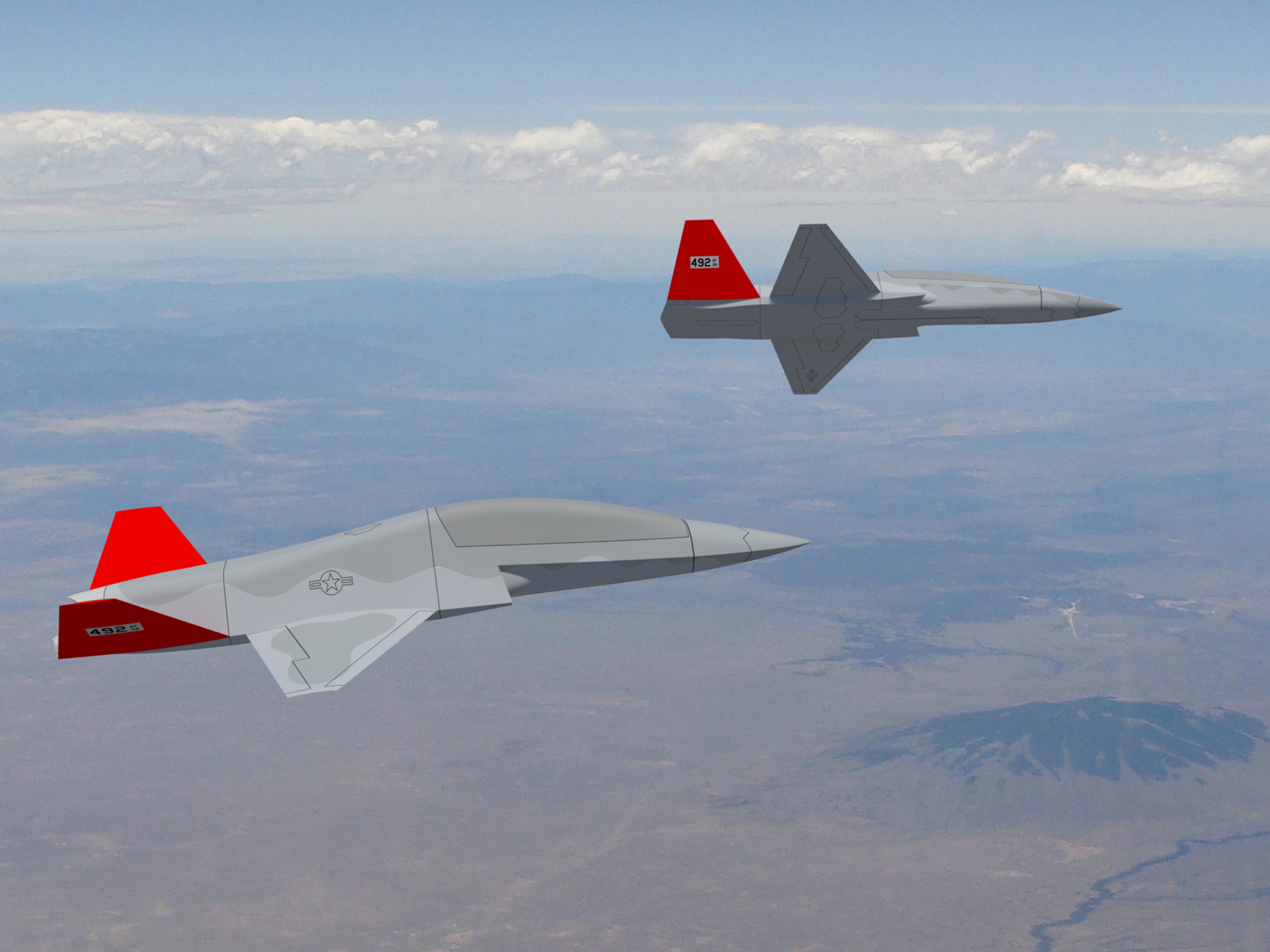
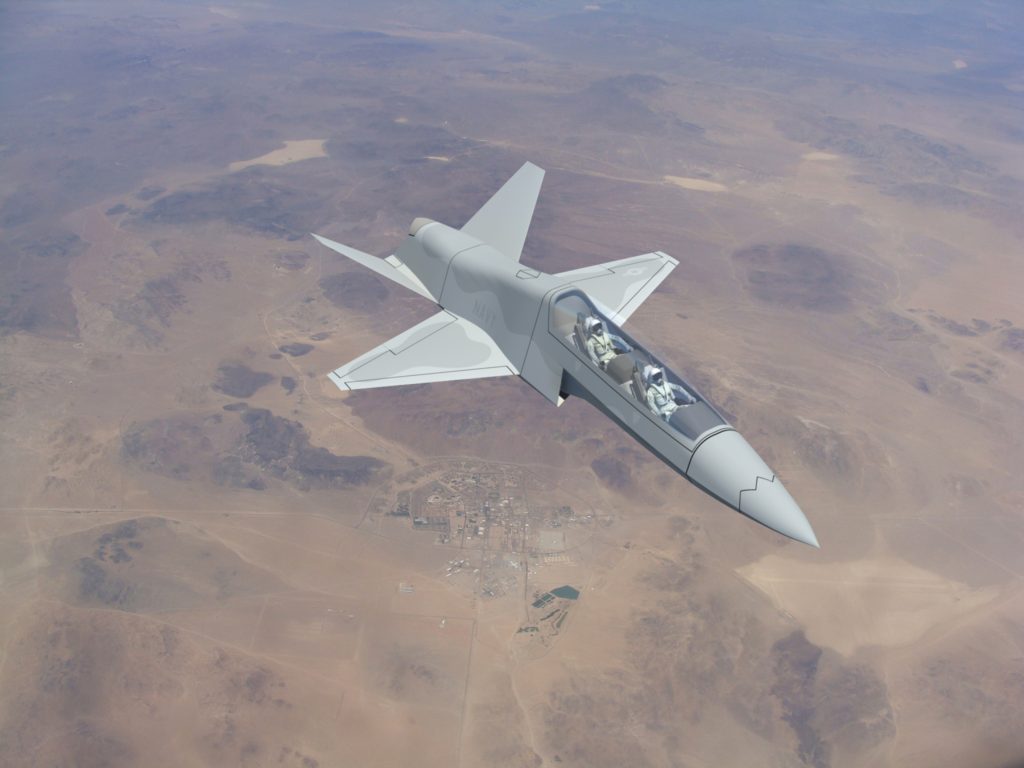
The SM-31 Stiletto™ is an all-new single-engine, supersonic military aircraft that will be produced as the SM-31T two seat tandem supersonic Advanced Pilot Trainer and Light Fighter and as the SM-31S single seat Light Fighter. A high performance, fifth generation, low-observable stealth aircraft, the SM-31 is of advanced configuration and features an internal weapons bay, planform alignment, a 2-D thrust vectoring nozzle and a V-tail. With advanced embedded sensors, a compact AESA fire control radar, integrated communications, navigation and identification (CNI) avionics and optional multi-function advanced datalink and comprehensive electronic warfare and self-protection suite
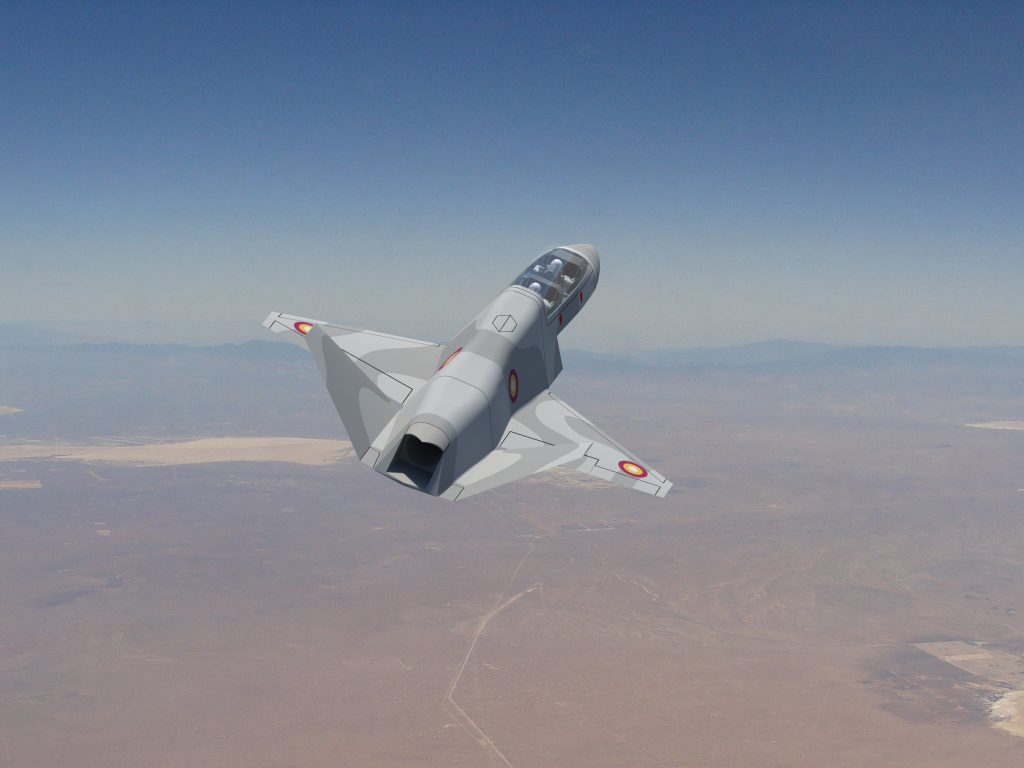
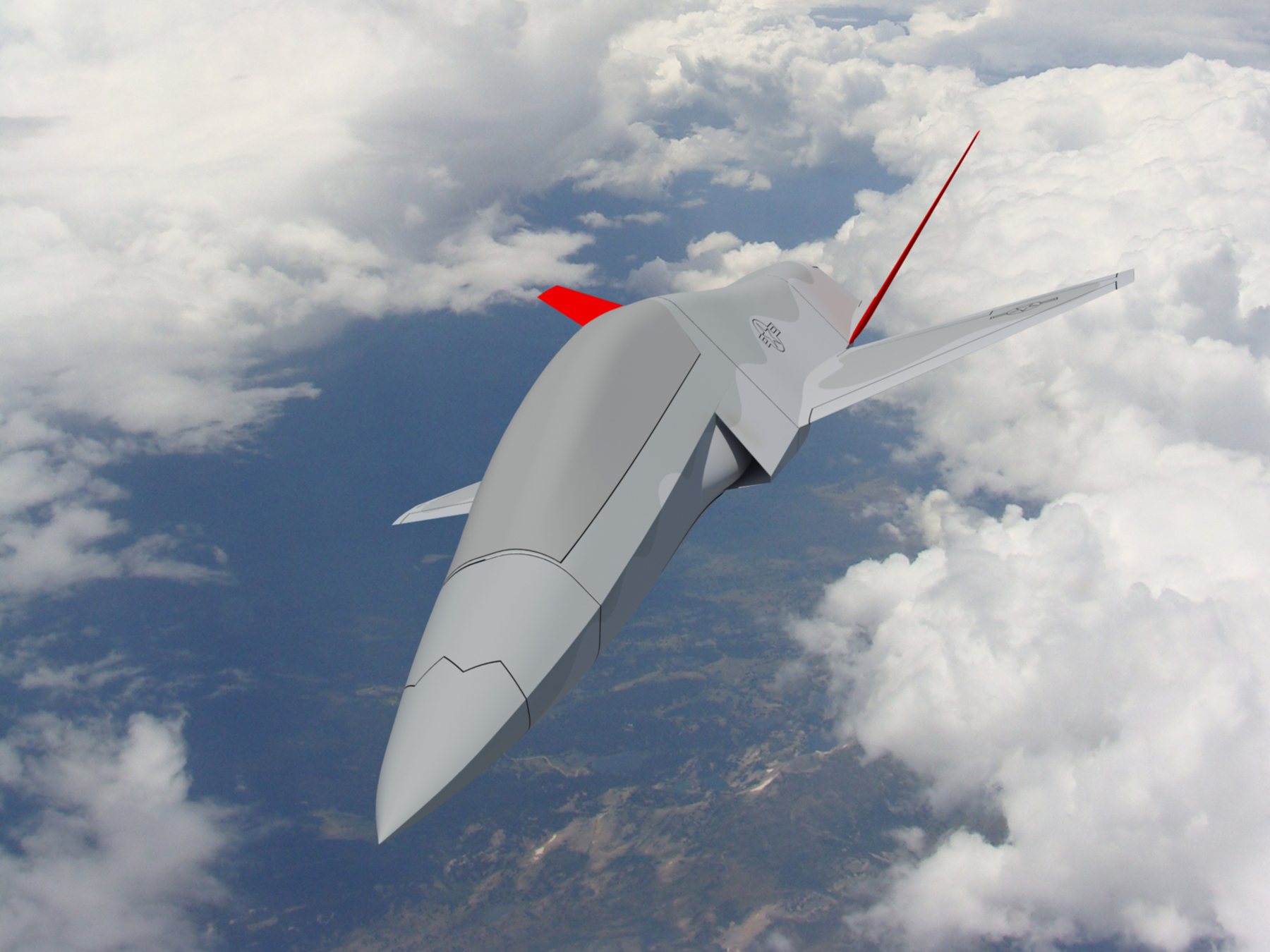
Powered by a single NeoThrust E450 afterburning turbofan to provide continuous airflow at all angles of attack, the SM-31 has bifurcated Diverterless Supersonic Inlets (DSIs) that blend into the aircraft’s faceted fuselage. The SM-31 has a low aspect ratio wing with 30 leading edge sweep, 176 sq ft of area and an aspect ratio of 3.27. The wing is equipped with slats, slotted flaps, ailerons and a proven thin wing section. For pitch and yaw authority the SM-31 features a prominent V-tail with all moving rudder-vader. Constructed from aluminum lithium and titanium the SM-31 will benefit from a near monocoque structural configuration that combines aluminum lithium honeycomb sandwich skins with integrated titanium and aluminum lithium bulkheads and frames.
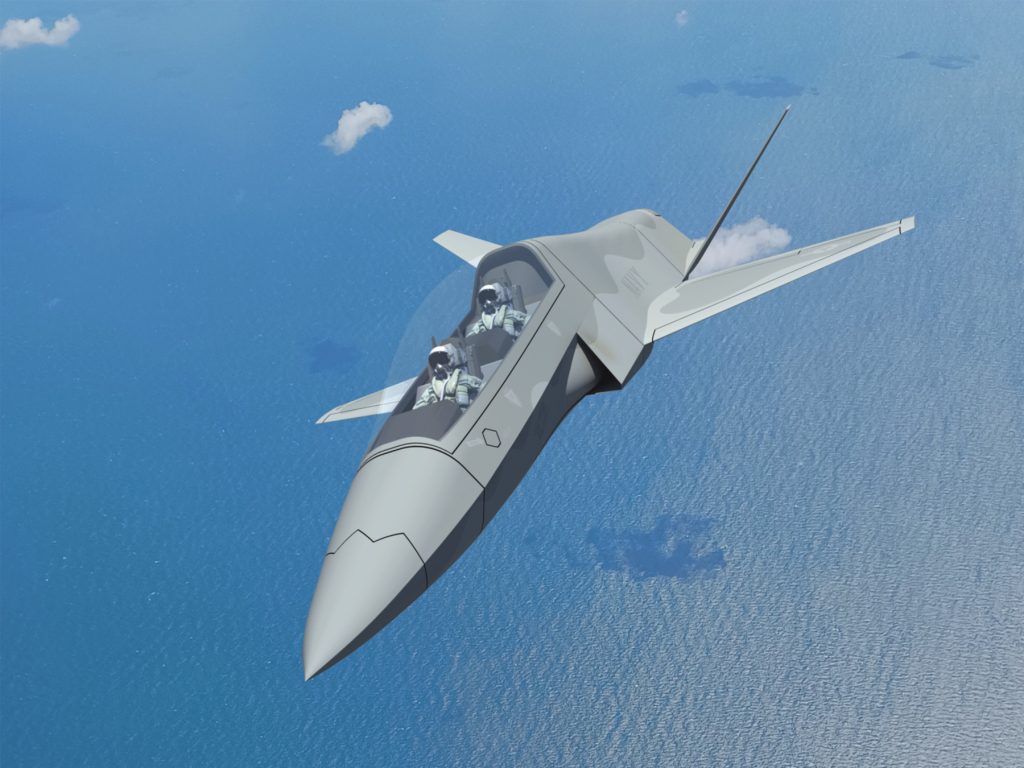
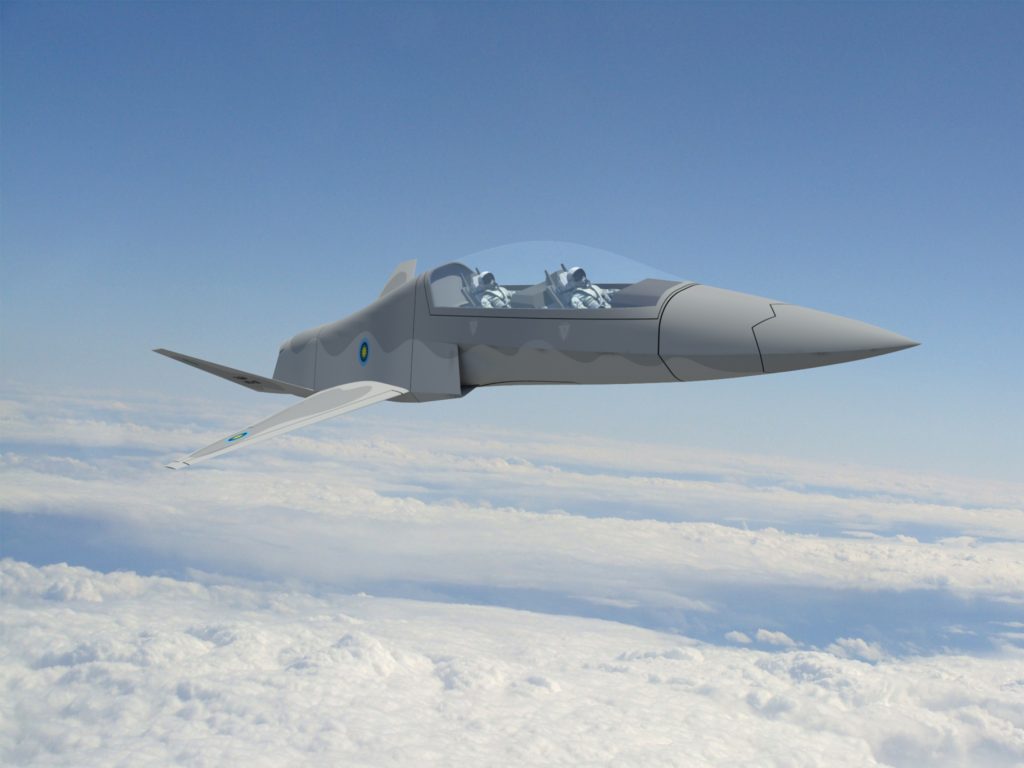
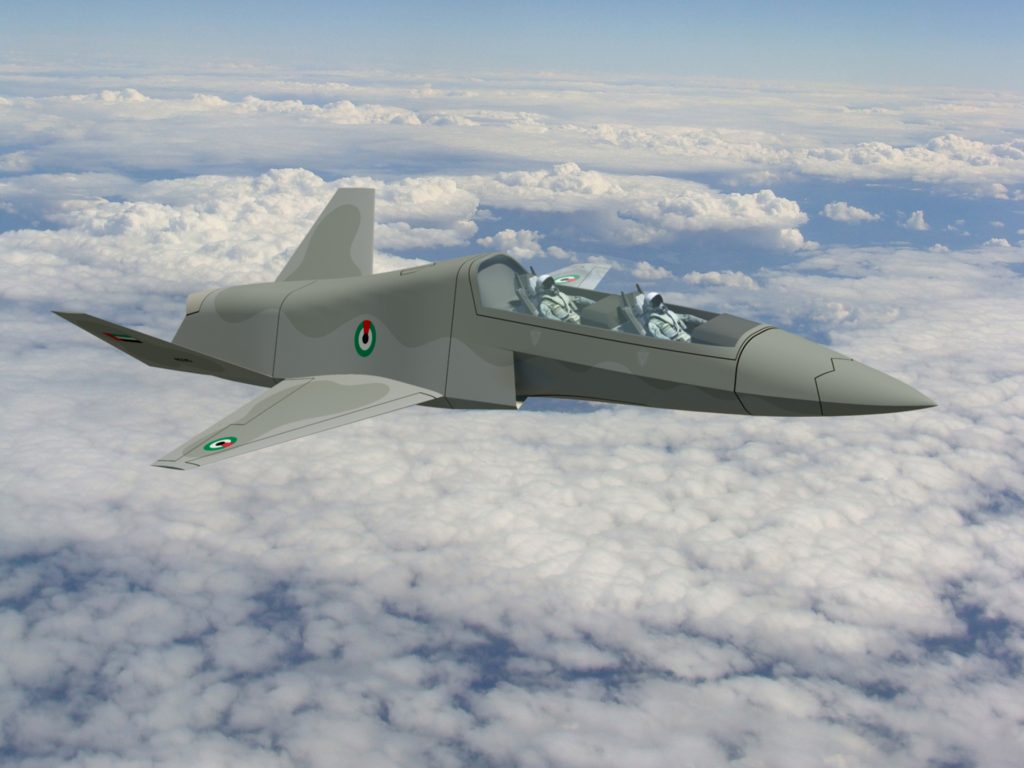
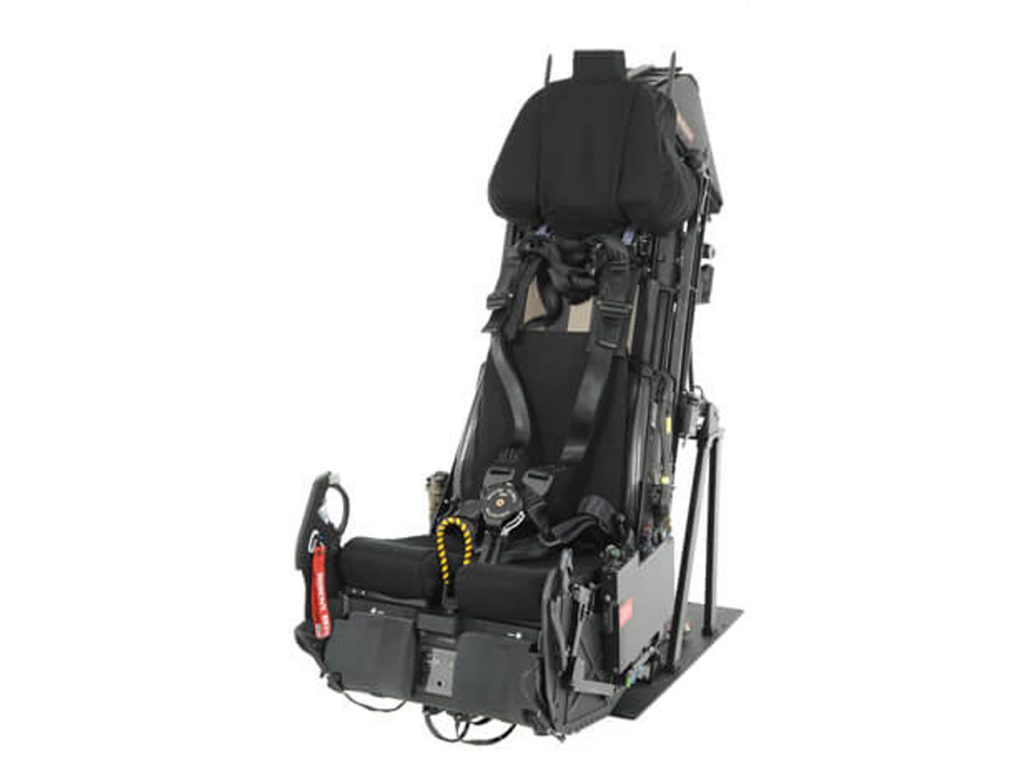
With a one piece birdstrike resistant clamshell bubble canopy, SM-31 flight crew are seated on reclined Martin Baker Mk16E or MK18 ejection seats for enhanced g-load tolerance. Aircraft flight controls and displays include F-16 style flight and throttle grips with HOTAS, Large Area Active Displays and a Canopy Embedded Display or HUD. Benefiting from Electromechanical and Electrohydraulic actuators for primary control functions, the SM-31 will be an all-electric, Power-By-Wire (PBW) aircraft. Suitable for both land and carrier based operations the SM-31 will be equipped with electromechanical retractable tricycle landing gear, an OBOGS/OBIGGs for crew oxygen and fuel fire suppression and optional retractable arresting gear. With in-flight refueling capability, integrated avionics and 9-g plus maneuverability with compact air-to-air intercept stores carried within an internal weapons bay the SM-31 can carry two AIM-9X class AAMs internally as well as up to six externally mounted underwing stores hardpoints to carry up to 7,000 lbs of external ordnance.
For close-in combat the SM-31S/T is equipped with an internally mounted 20mm M61A2 Vulcan cannon while future block configurations will feature Stavatti proprietary Directed Energy Weapons for offensive combat as well as active defense against missile threats.
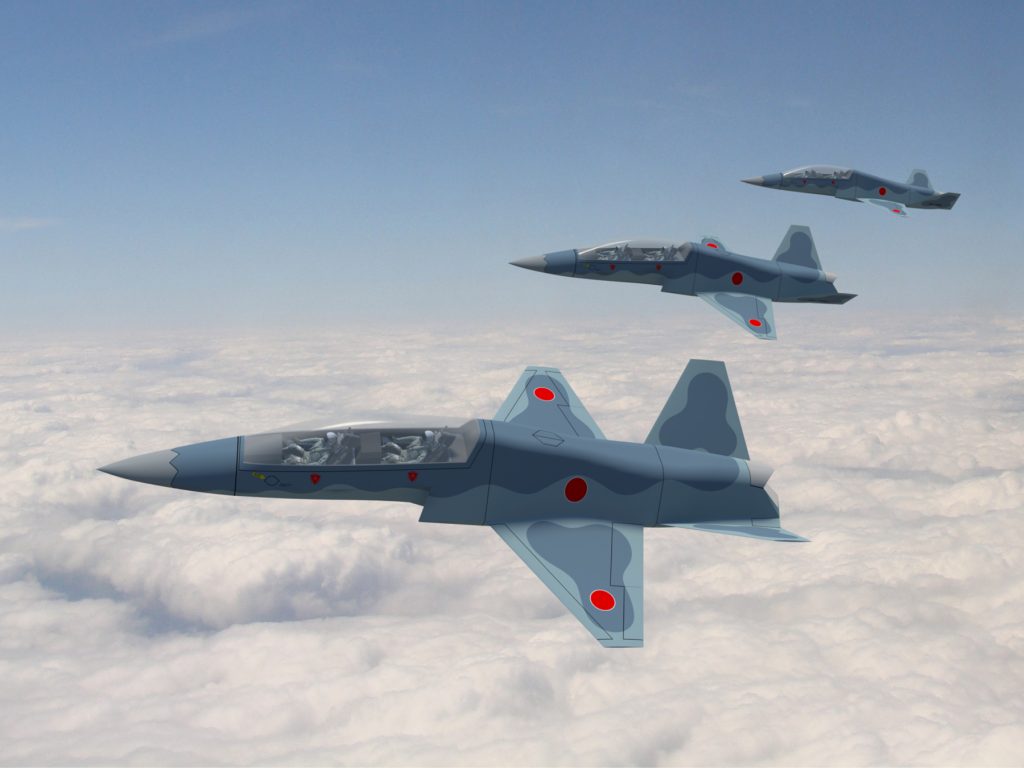
Designed to serve as a successor to a variety of Light Weight Fighters including the F-5A/E, CF-5, F-CK-1, HAL Ajeet, Folland Gnat, MiG-21, J-7 and F-16A/B/C/D as well as training aircraft including the T-38, the SM-31 Stiletto will compete directly with the Boeing T-7A and the T-50 Golden Eagle. Engineered and developed for production by Stavatti Aerospace Ltd, the SM-31 Stiletto is an original design conceived by Stavatti founder Christopher R. Beskar and is protected by USPTO Design Patent Number US D887,949 S. The Stiletto will be qualified at the AFFTC at Edwards, AFB and will certified to MIL-HDBK-516C airworthiness certification criteria in accordance with AFPD 62-6 and AFI 62-601 as a fully qualified Day/Night VFR and IFR aircraft.
Accommodation
The SM-31 Stiletto cockpit is designed to accommodate a wide spectrum of male and female crewmembers accommodating JPATS Cases 1 through 8 encompassing the 1st percentile female through the 99th percentile male (NATO) population range. This population range corresponds to crewmembers ranging from 4 ft 10 in/100 lbs through 6 ft 5 in/280 lbs. For planning and engineering development purposes, assumed standard crew-member weight is 260 lbs, including survival equipment.
The SM-31S Stiletto flight crew includes a single pilot seated on a Martin Baker MK16E or MK18 zero/zero ejection seat. In satisfaction of the Advanced Pilot Trainer/Supersonic Trainer role, the SM-31T Stiletto flight crew consists of a student and instructor seated in tandem (fore and aft crewstations respectively) on Martin Baker MK16E or MK18 zero/zero ejection seats. Total standard SM-31T Stiletto crewmember weight, including survival equipment, is 520 lbs.
Drone and Autonomous SM-31 variants (SM-31U) will employ a Stavatti proprietary Synthetically Intelligent (SI) unpiloted autonomous flight control architecture which will combine a Vehicle Flight/Mission Management System with Power-By-Wire (PBW) flight control systems, an integrated sensor and navigation suite and Synthetic Intelligence to command both aircraft flight controls, weapons and electronic warfare systems. The SM-31U Autonomous Flight Control Technology (AFCT) is derived from Stavatti open
architecture unpiloted air vehicle systems model that focuses heavily upon Synthetic Intelligence systems by Stavatti Industries Ltd and partner companies as our organic in-house Artificial Intelligence (AI) Solution. To improve aircraft safety, survivability and ensure mission completion and success, Stavatti is developing an open architecture flight control architecture which integrates Power-By-Wire flight controls, sensors, GPS/INS navigation, electronic countermeasures, weapon systems and an autonomous logic suite to arrive at a flexible, Line Removable Unit (LRU) type standard flight control system for military aircraft.
These systems will then be integrated with Stavatti Synthetic Intelligence (SI) to result in a truly autonomous, self-identifying aircraft. The basis for Stavatti’s autonomous and robotic products, the key differential between Stavatti and competitor autonomous aircraft will be the use of Synthetic Intelligence. Through this approach, Stavatti will produce an aircraft that will augment and enhance a pilot’s ability to deploy the aircraft in the most efficient, safe and tactically effective manner while resulting in a quasi thinking aircraft that is capable of satisfying multi-domain objectives in a threat saturated environment.
Powerplant
The SM-31 Stiletto benefits from a single afterburning turbofan powerplant. Available in three specific configurations, SM-31s may be powered by either the E450-NT-100 or enhanced performance derivative variants of the E450 including the E450-NT-125 and the E450-NT-160. All aircraft are fitted with an airframe integrated variable geometry, thrust vectoring 2D nozzle with thrust reverse for enhanced maneuverability, signature reduction and reduced landing distance.
The Stavatti NeoThrust™ E450 is a new design fifth generation two shaft low bypass ratio, afterburning turbofan that will be produced in multiple variants for both military and civil aircraft applications. Featuring a three stage fan with rotating spinner, the powerplant has an eight stage compressor featuring eight axial stages. With an annular combustion chamber and single stage high pressure and low pressure turbines, the powerplant has bypass and core flow afterburner. The E750 has an inlet fan diameter of 23.8 in, a maximum diameter of 34.5 in, an overall length of 149.14 in and a dry weight of 1,360 lbs. With a mass flow of 112 lb/sec, an overall pressure ratio of 34.0 and a bypass ratio of 0.483, the E450-NT-160 provides up to 16,000 lbs maximum thrust with afterburning and 13,763 lbs of Military/Dry Thrust. Specific Fuel Consumption (SFC) will not exceed 1.90 with afterburning and 0.76 with military power.
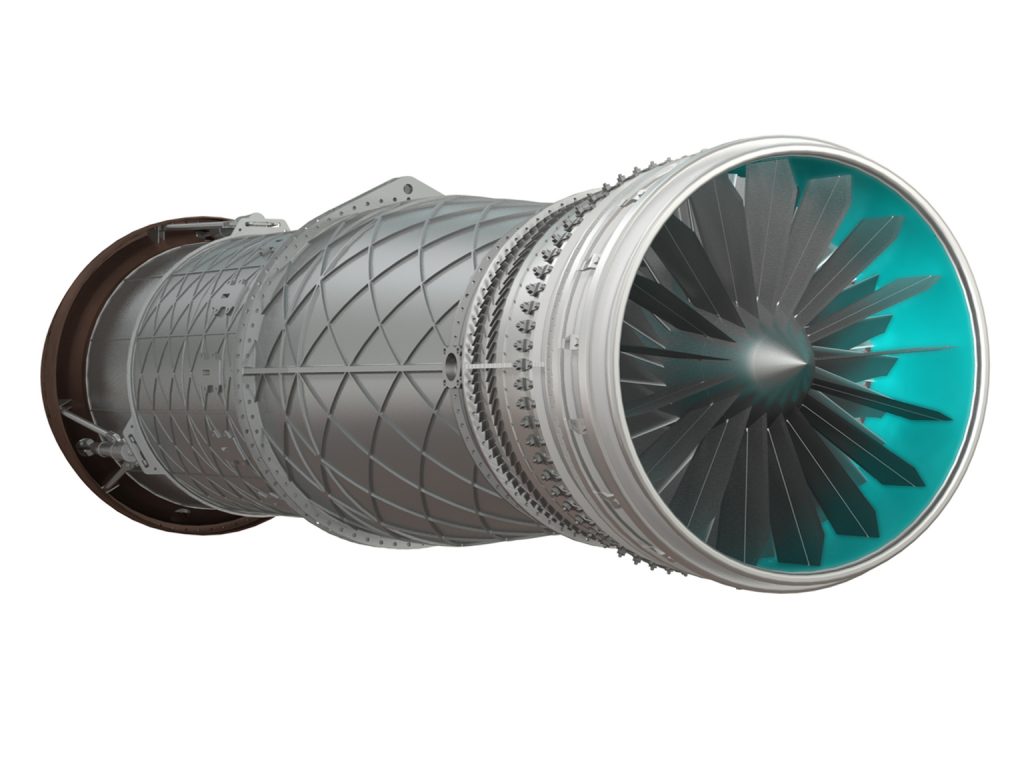
A family of modular engines, the E450 is being developed by the NeoThrust division of Stavatti as a new, fifth generation afterburning turbofan powerplant for the SM-31 family of aircraft. Intended as a drop-in alternative and successor to the F125 and the Turbomeca Adour family of afterburning turbofans, engineering design of E450 series began in 2021. The E450 family is being designed in accordance with USAF specifications and the engine will meet the USAF’s Engine Structural Integrity Program’s (ENSIP) MIL-STD-1783. Offering the highest thrust-to-weight ratio in its class and unlimited operation at all power ratings the E450-NT-160 will deliver exceptional inlet distortion tolerance and stall resistance. Equipped with dual Full Authority Digital Electronic Control (FADEC) the engine features an integrated Engine Monitoring Systems (EMS) with Built In Test (BIT). The E450 will be produced in both afterburning and non-afterburning variants. Afterburning variants will include the E450-NT-125 producing 12,500 lbs of static thrust with afterburning and the E450-NT-160 providing 16,000 lbs of static thrust with afterburning.
Afterburning variants of the E450 will power the SM-31A, SM-31S, SM-31T and SM-31U but may also be used to power a wide variety of existing aircraft in the drop-in retrofit capacity including the SEPECAT Jaguar and the Ching Kuo IDF. A wide variety of new design next generation fighters, trainers drones and UAVs may also be powered by the afterburning E450. Non-afterburning E450 variants producing between 10,590 and 13,763 lbs of static thrust will also be produced to power future Stavatti drones and executive aircraft including proposed subsonic mid-range twin engine business jets. The non-afteburning E450 may also serve as a drop-in retrofit for a wide variety of current production as well as legacy aircraft including the Leonardo M-346, the Aero Vodochody L-159 and the Boeing X-45A.
SM-31 E450 powerplants will feature custom exhaust nozzles that are integrated directly into an airframe mounted 2D thrust vectoring nozzle. The powerplants will feature FADEC control systems optimized for the Stiletto’s mission profile. The powerplants will also have a Stiletto specific low profile controls and accessories gear box. This customized accessories box will result in a more compact engine bay for improved aircraft aerodynamic efficiency. Benefiting from recent industry advances, the fifth generation E450 powerplants will feature new design Blisk Fans and high temperature metal ceramic engine components, including proprietary non-carbothermic titanium diboride, to improve engine hot section performance.
SM-31 Stilettos will be equipped with an 70 to 90 kW Auxiliary Power Unit (APU) to facilitate self-starting and to provide ground power.
Armament
The SM-31 Stiletto has both fixed internal and expendable, internally and externally carried weapons, ordnance and stores.
SM-31 Stiletto fixed internal armament includes one fuselage mounted 20mm cannon. The 20mm cannon is mounted on the left fuselage aft of the engine air intake on a vibration dampening mount. 20mm cannon ammunition is fed through a linkless feed system supplied by a fuselage located armored linear ammunition magazine. Ammunition is loaded/serviced through a ventral fuselage loading hatch. The cannon provides the aircraft with anti-aircraft capability.
To reduce aircraft operating weight in the USAF Advanced Pilot Trainer and USN Undergraduate Jet Training Systems (UJTS) roles, the cannon installation is omitted from the SM-31A Stiletto airframe.
The standard SM-31 Stiletto cannon is the General Dynamics M61A2 20mm Vulcan cannon. The M61A2 is a six-barrel, hydraulically driven cannon with a rate of fire of 6,000 rds/min to 6,600 rds/min. The M61A2 employs standard 20mm PGU-28/B ammunition. The SM-31 Stiletto is armed with 500 rds of 20mm ammunition contained within a titanium linear magazine that runs perpendicular to the fuselage centerline immediately aft and below the nose module fuselage break.
The aircraft features an Automatic Gun Targeting System (AGTS) which allows the aircraft targeting computer to guide and control the aircraft though its Power-By-Wire (PBW) flight control system upon designation of a specific gun target. When selected, the AGTS assumes momentary interruption of pilot flight control to assure positive lethal engagement of the target with minimum expenditure of ammunition. In the ATGS mode aircraft wing and tail flight control surfaces are applied in concert to enable the aircraft to maneuver as a Control Configured Vehicle (CCV).
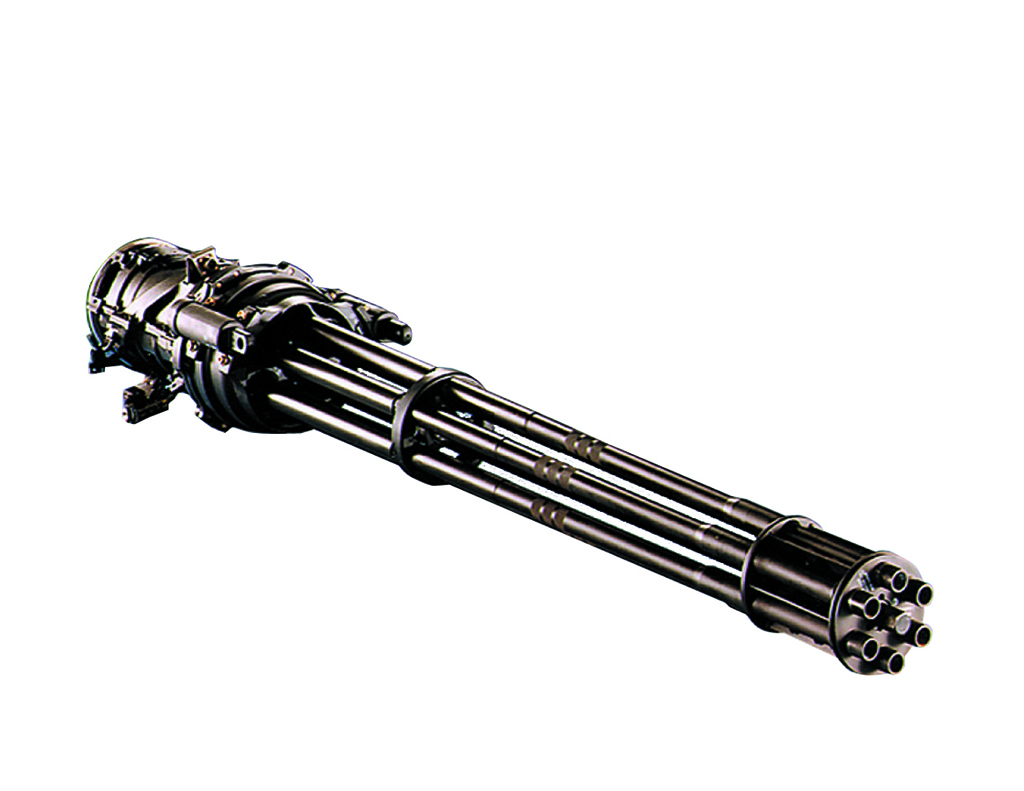
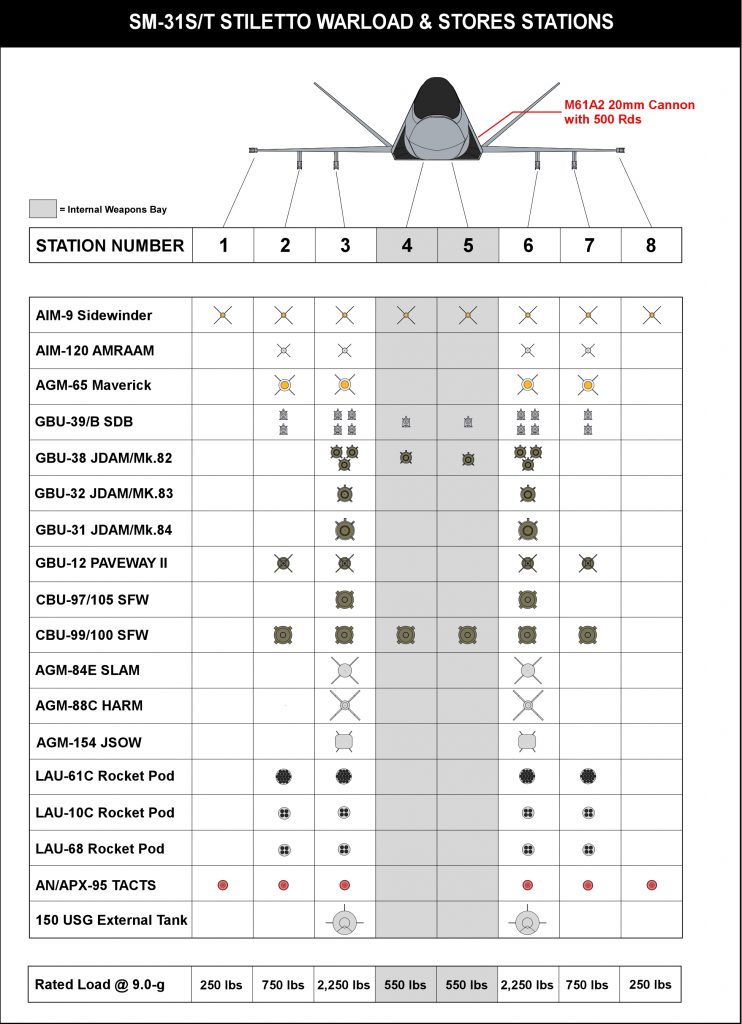
The SM-31 will carry up to 7,250 lbs of external stores on a total of two internal and eight external, wing-mounted hardpoints equipped with NATO standard suspension lugs. The internal weapons bay features two external hardpoints rated to 550 lbs each at a load factor of 9-g. The internal weapons bay measures 130 in long, 17 in high and 38 in wide and is located in the aircraft cockpit/nose module. The weapons bay features electrically actuated weapons bay doors that are designed for low observability. The internal weapons bay is designed to carry compact stores including up to two AIM-9X sidewinders or two GBU-39/B SDBs, two GBU-28 JDAMS or two CBU-99 SFWs. The internal weapons bay was omitted in the original SM-31A Stiletto T-X proposal to the USAF of 30 March 2017 resulting in a reduced cost aircraft.
The external hardpoints include a total of four underwing and two wing tip mounted hardpoints. Two of the are hardpoints rated to 2,500 lbs, two of the hardpoints are rated to 750 lbs and the two wing tip mounted hardpoints are rated to 250 lbs maximum external carriage capacity at a 9.0-g load factor. Two of the most inboard of the six underwing hardpoints are plumbed for external fuel tanks, including the Cobham-Sargent Fletcher #401315 150 USG tank used on the T-50. The SM-31T Stiletto may be equipped with external stores hardpoints to satisfy training missions that require external munitions.
The SM-31 Stiletto is designed primarily for air-to-air and air-to-ground missions, employing ordinance such as the AIM-9, AGM-65, GBU-39/B SDB, GBU-38 JDAM, GBU-31 JDAM, GBU-32 JDAM, CBU-97, CBU-99, AGM-154 JSOW and additional stores.
The SM-31 Stiletto is capable of SNIPER, LITENING and ECM pod carriage and employs a MIL-STD-1760 Weapon Interface Data Bus. Weapons release is conducted through a control column gun trigger switch and weapon release button for air-to-air/air-to-ground. An armament control panel is accessible as a touch-screen menu available on the aircraft’s dynamic Multi-Functional Displays (MFDs). An abridged SM-31 Stiletto stores loading chart is provided:
Avionics & Sensors
The SM-31 Stiletto have Open System Architectures (OSA) with avionics and sensors integrated about a MIL-STD-1553B Interface/Data Bus. Featuring a comprehensive avionics and sensors suite, the philosophy driving the Stiletto avionics configuration focuses upon capability, reliability, flexibility and ease of serviceability. Incorporating both avionics designed or modified to meet specific Stiletto needs as well as proven Military or Commercial Off-The-Shelf systems (MOTS/COTS), the Stiletto offers maximum flexibility to meet specific customer vehicle purpose and mission needs.
Standard core Stiletto avionics include the Power-By-Wire (PBW) Flight Control System, Air Data Computer, Flight Management System, Avionics Management System, Automatic Flight Direction System, Instrument Landing System, Secure Data Link, Voice/Data Recorder and emergency power supply.
Building upon the core avionics, to address specific customer needs the Stiletto will be offered with a variety of avionics configurations including an Option I, an Option II and an Option III configuration. In the Option I configuration, aircraft avionics and sensors are optimized to provide the most cost effective solution while providing the same basic capabilities as T-38C aircraft. In the Option I and II configurations, the SM-31 Stiletto features AESA radar, comprehensive IFF and other systems for enhanced mission performance equivalent to F-16 and F/A-18 fighters. A Sensor & Avionics summary table for SM-31 Option I, II and III configurations is provided:
| AVIONICS SYSTEM | OPTION I |
OPTION II |
OPTION III |
| SENSORS | |||
| Multi-Mode Radar | None | RACR AESA | RACR AESA |
| IRST | None | IRST 21 | EOTS |
| COMMUNICATION | |||
| VHF/UHF COMM | AN/ARC-210 Gen 5 | AN/ARC-210 Gen 5 | AN/ARC-210 Gen 5 |
| IFF Transponder | AN/APX-123A(V) | AN/APX-125(V) | AN/APX-126 AIFF |
| Digital Data Link (Link 16) | TACR-16DL | TACR-16DL | AN/URC-138 |
| Digital Anti-Jam Receiver | DAR GPS Digital | DAR GPS Digital | DAR GPS Digital |
| Intercom System Control | A301-412 | A301-412 | A301-412 |
| NAVIGATION | |||
| Radar Altimeter | LPIA-194 | LPIA-194 | LPIA-194 |
| INS/GPS | FALCN | FALCN | FALCN |
| TACAN | AN/ARN-153(V) | AN/ARN-153(V) | AN/ARN-153(V) |
| ILS/GS/MB | AN/ARN-147V | AN/ARN-147V | AN/ARN-147V |
| ADF | KR-87 | ADF-462/4000 | ADF-462/4000 |
| MISSION MANAGEMENT | |||
| Mission Computer | MMCU | MMCU | MMCU |
| Avionics Management System | CMA-2082M | CMA-2082M | CMA-2082M |
| Stores Management System | SM-31 ASMS | AAMS | AAMS |
| FLIGHT CONTROL | |||
| Flight Control System | 4 Channel PBW | 4 Channel PBW | 4 Channel PBW |
| Automatic Flight Direction System | Digital Autopilot | Digital Autopilot | Digital Autopilot |
| Carrier Landing System | None | JPALS | JPALS |
| DISPLAYS | |||
| Head Up Display (HUD) | Canopy Embedded Display | Canopy Embedded Display | Canopy Embedded Display |
| Helmet Mounted Display (HDMS) | Gen III HMDS | Gen III HMDS | Gen III HMDS |
| Display Processor | ADP | ADP | ADP |
| Forward Primary Display | AD189 20.0 x 9.5 in | AD189 20.0 x 9.5 in | AD189 20.0 x 9.5 in |
| Forward Center Display | AD44 6.0 x 7.5 in | AAD44 6.0 x 7.5 in | AD44 6.0 x 7.5 in |
| Forward Secondary Displays | AD40 6.7 x 7.0 in | AD40 6.7 x 7.0 in | AD40 6.7 x 7.0 in |
| Aft Primary Display | AD329 20.5 x 16.5 in | AD329 20.5 x 16.5 in | AD329 20.5 x 16.5 in |
| Aft Center Display | AD43 6 x 7.3 in | AD43 6 x 7.3 in | AD43 6 x 7.3 in |
| Aft Secondary Upper Displays | AD32 6.75 x 5 in | AD32 6.75 x 5 in | AD32 6.75 x 5 in |
| Aft Secondary Lower Displays | AD32 6.75 x 6.8 in | AD32 6.75 x 6.8 in | AD32 6.75 x 6.8 in |
| MISSION RECORDING | |||
| Cockpit Voice/Data Recorder | FA2100 | FA2100 | FA2100 |
| EMERGENCY POWER | |||
| Emergency Power Supply | PS-855/B | PS-855/B | PS-855/B |
Avionics listed in the above summary are identified by system designation or description rather than manufacturer. Many of the avionic systems identified in the above table have been produced under contract by a variety of different manufacturers over the course of their production life, hence avionics are cited by designation rather than specific producer. Avionics that may be provided by multiple vendors, or for whom a specific vendor has not yet been selected as the Stavatti vendor of choice, are identified as TBD rather than by a specific system designation.
Avionics configurations significantly impact the flyaway cost of individual aircraft. The typical flyaway cost of an SM-31T Stiletto equipped with Option sensors and avionics is approximately $23 Million. An Option III SM-31 Stiletto with AESA radar, integrated IFF and a comprehensive electronic countermeasures suite may have a flyaway cost of $24 Million or more. Potential SM-31S Stiletto customers are encouraged to discuss APT and ADF mission needs with Stavatti to arrive at their optimal SM-31S configuration.
Stavatti is spearheading the design and development of proprietary next generation avionics and sensors to equip the Stiletto family as well as other future Stavatti military aircraft. Optimized for Stiletto mission requirements, these new avionic systems will be tested, certified, qualified and introduced into Stavatti airframes over various aircraft production blocks as the systems enter production. One of the first avionic product lines introduced by Stavatti is a proprietary line of cockpit display systems including the Canopy Embedded Display (CED) and Advanced Multi-functional Liquid Crystal Displays (ADs) which offer a significant increase in the available surface area of tactical displays over alternative displays. Additional information regarding these new display systems is provided within the cockpit summary.
For expanded mission capability, the Stiletto may be equipped with Electro-Optical Sensors including both fixed sensors as well as externally mounted sensor pods. Electro-Optical targeting systems, including the Lockheed Martin Electro-Optical Targeting System (EOTS) as developed for the F/A-35, or the next generation Advanced EOTS (AEOTS) providing both forward-looking infrared (FLIR) and infrared search and track (IRST) functionality may be incorporated directly into the aircraft nose section. The IRST21 infrared search and track may also be integrated. Externally mounted EO sensor systems, including the SNIPER and LITENING III pods, may be mounted on wing external pylons or upon custom fuselage mounting stations. A summary table of possible EO sensor systems is provided:
| EO SENSOR SYSTEM | OPTION I |
OPTION II | OPTION III |
| Fixed Nose Integrated IR Sensor(s) | None | IRST21 | AEOTS |
| Externally Mounted EO Pods | SNIPER | SNIPER | SNIPER |
| Externally Mounted EO Pods | LITENING | LITENING | LITENING |
The cockpit is equipped with a Cockpit Video Recording (CVR) system capable for recording at least 120 minutes of HUD symbology, the external HUD field of view, cockpit LCD MFD symbology and all aircraft communication system audio. The aircraft is also equipped with a crash survivable Flight Data Recorder (FDR) capable of storing the last 90 minutes of flight data for post-crash flight reconstruction. The aircraft is fitted with a Crash Position Indicator (CPI)/Emergency Locator Transmitter (ELT) and a survivable Underwater Locator Beacon (ULB). To reduce electrical system complexity, Data Bus wiring used throughout the system architecture. A SpectrumFX fire suppression system utilizing Firebane® will be used as a non-Halon 1301 avionic system fire suppressant within sealed avionic bays.
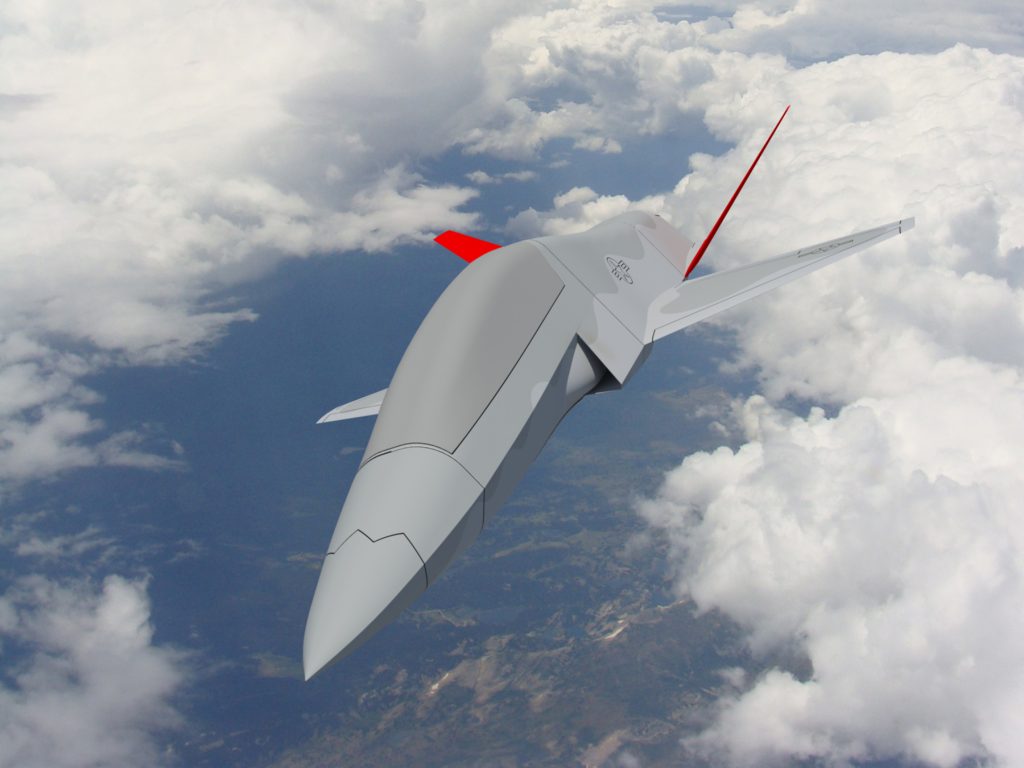
To realize pilotless and autonomous flight capability, the Stiletto OSA will incorporate open-architecture Synthetic Intelligence developed for Stavatti’s family of military aircraft that allow the aircraft to be readily converted for unpiloted operations. The SM-31 series of aircraft may be operated as piloted, remotely piloted or unpiloted autonomous air vehicles with the Synthetic Intelligence necessary for autonomous flight, including hardware and software, being embedded in the foundation of the aircraft’s Intelligent Flight Control System. When operating as a piloted aircraft, this pilotless system will augment piloted flight operations by serving as a Synthetic Intelligence to assist in maintaining positive aircraft control in the event of pilot incapacitation or failure to recover the aircraft during a departure or upset scenario. Deploying this technology, Stavatti will produce the SM-31U unpiloted/autonomous member of the Stiletto aircraft family. The SM-31U will benefit from synthetic intelligence and will function as both a drone reconnaissance aircraft as well as a target drone, drone tactical fighter, Collaborative Combat Aircraft and Loyal Wingman.
Electronic Warfare
The SM-31 Stiletto is equipped with an Electronic Warfare (EW) Suite designed to protect the aircraft from surface-to-air and air-to-air missiles in the high threat environment. Providing defense against both radar guided and infra-red guided missile threats the SM-31S/T Stiletto can employ both internal and external countermeasures Electronic Counter Measures (ECM). The SM-31S/T Stiletto EW system includes a wide variety of customer selected Radar Warning Receivers, Laser Warning Systems, Self Protection Jammers, Advanced Missile Warning Sensors and Countermeasures Dispensers. To further improve survivability the aircraft may be equipped with external jamming pods as well as towed decoy dispensers.
Like avionics and sensors, the EW suite for the Stiletto is selected by the end user who determines what systems and what decree of protection will be incorporated into the aircraft. A variety of complex ECM systems may be carried by the aircraft and integrated into its Open System Architecture. As the cost associated with SM-31 Stiletto EW systems varies from between $3,500,000 to $10,000,0000 for the Basic and the most sophisticated configurations, end users must ultimately determine what degree of EW is appropriate for them.
The standard SM-31 Stiletto EW suite begins with AN/ALE-47 or AN/ALE-52 Chaff/Flare dispensers mounted ventrally on the aircraft’s fuselage. These dispensers are controlled using a flight grip toggle switch that is keyed into a MFD display menu. Additional Chaff/Flare dispensers may be incorporated into the aircraft’s support booms and fuselage as desired. In addition to the AN/ALE-52, all Stilettos may carry one or more AN/ALE-50 towed decoys, mounted at either integrated within the aircraft aft fuselage or at the back end of external stores plyons. Looking beyond the countermeasure and decoy dispensers, the EW suit of the Stiletto varies by individual configuration as elected by customer. A table summarizing SM-31 Stiletto EW Systems for three Optional configurations is provided:
| ELECTRONIC WARFARE SYSTEM | OPTION I |
OPTION II |
OPTION III |
| Countermeasure Warning and Control Set | None | ALL-in-SMALL | AN/ALQ-211A(V)4 |
| Radar Warning Receiver | None | ALL-in-SMALL | AN/ALQ-211A(V)4 |
| Missile Approach Warning System | None | ALL-in-SMALL | AN/AAR-58 |
| Laser Warning System | None | ALL-in-SMALL | LWS-20V-2 |
| Airborne Self Protection Jammer | None | None | AN/ALQ-214(V)4/5 |
| Towed Decoy | None | AN/ALE-55 | AN/ALE-70 |
| Countermeasures Dispensing Set | None | AN/ALE-47 | AN/ALE-52 |
Reviewing the above table it is evident that the Option II Stiletto features a semi-comprehensive ECM system. To ensure aircraft survivability in a high threat environment while maintaining affordability, Stavatti is working with industry team members to develop and field a proprietary, affordable, austere integrated ECM system with RWR for warning and EW control that can be included in the Option I Stiletto configuration. Stavatti is also investigating the in-house development and production of affordable LWR, MAW and a novel Generated Intense Magnetic Pulse Airborne Self-Protection Jammer that may be offered on the basic Stiletto models while maintaining a flyaway cost of approximately $19 Million for single seat variants.
Conversely, the Option III SM-31S Stiletto will feature a very comprehensive EW suite that draws directly from the expertise of established contractors. Offering many of the same EW systems found in either the F-16C, the SM-31 is one of few aircraft in its class that has sufficient internal volume to carry complex Airborne Self-Protection Jammers. Employing proven, MOTS and COTS, the Option III SM-31S Stiletto EW solution will deliver known levels of survivability with no threat being a surprise. Providing F-16C level capability in a Light Fighter aircraft, the Option III SM-31S Stiletto will be suitable for all-weather, day and night operations in adverse high threat theaters.
Cockpit
The cockpit is available in two configurations: the single seat SM-31S Stiletto and the two seat tandem SM-31T Stiletto. Each configuration is designed for reduced workload operations with crewmembers seated on reclined Martin Baker MK16E or MK18 zero-zero ejection seats. All Stiletto models incorporate auto-eject and auto-eject sequencing. The cockpit is pressurized to 8,000 ft and is heated/air-conditioned to enable heating/cooling the aircraft cockpit and avionics bays within outside operational temperature limit range of -55°C to 55°C with solar gain. Crew oxygen is provided by a Cobham/Carlton OC1132 Molecular Sieve Oxygen Generating System (MSOGS).
The aircraft bubble canopy is of large area, frame-less, single-piece clamshell type. The canopy is of advanced bullet resistant polycarbonate composition and can safely sustain the impact of a 4 lb bird at airspeeds exceeding 450 kts from any attitude. Visibility is 350° azimuthal with 13° over-the-nose and 25° over-the-side. The canopy is electromechanically lifted upward for cockpit access. The canopy is defrosted and purged of precipitation using a perimeter high pressure, hot air system tied into the cabin heating and air conditioning system. An internally mounted, manual unlatch and hand-crank is provided.
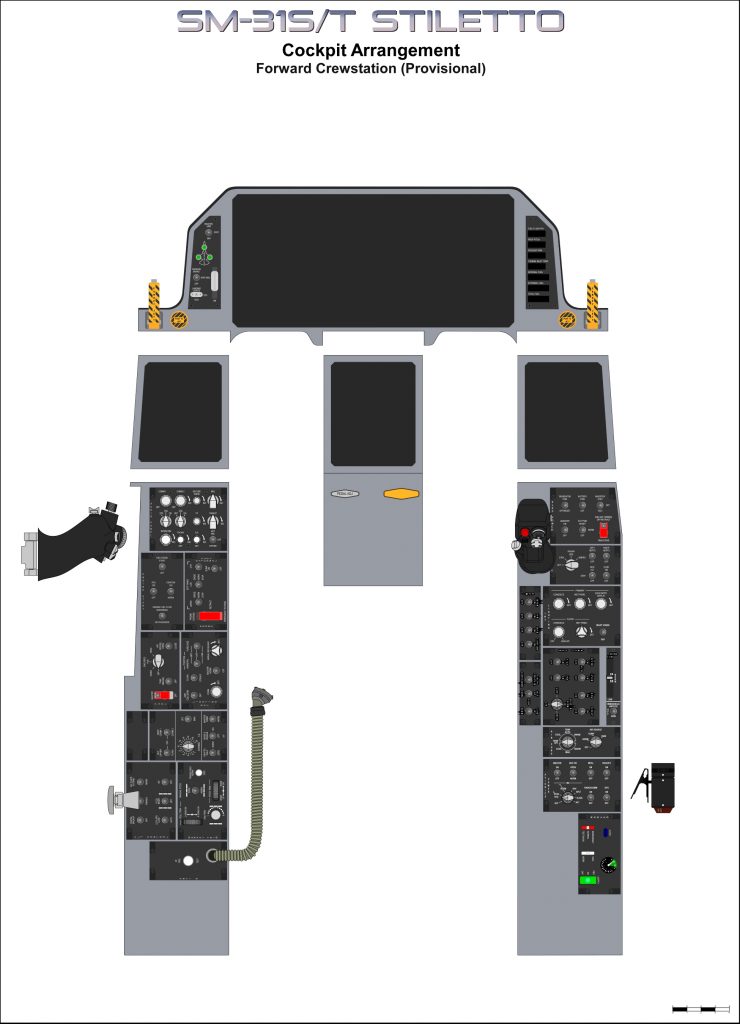
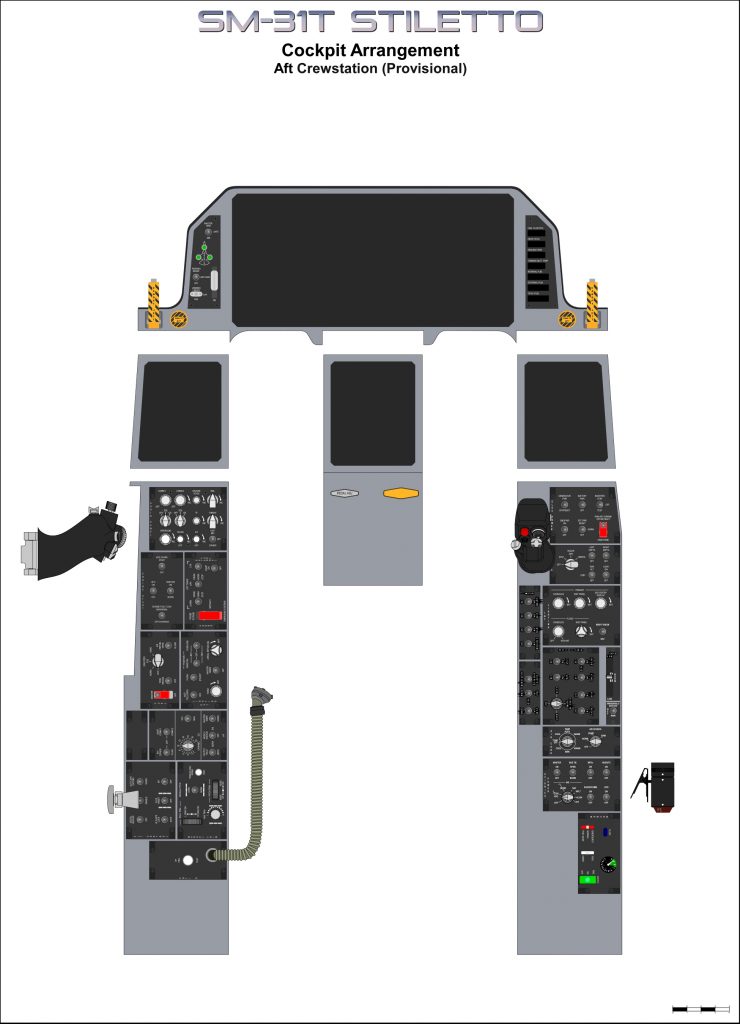
All Stiletto variants benefit from a HOTAS flight controls arrangement consisting of a right hand/starboard mounted Flight Control Grip (F-16 derivative) right console mounted flight control column, full deflection rudder pedals, power control lever (F-16 Grip Derivative). Flight and throttle grips are provided by Esterline/Mason Electric and are based upon current production articles. HOTAS provides toggles for aircraft flaps, speedbrake, propeller pitch, trim, sensors, weapons release, microphone, etc. Rudder pedals are fully adjustable. Dual flight controls are provided in two-seat variants. All flight controls, displays, instruments, system controls and circuit breakers are accessible from forward and aft crewstations by crew members with crew seat restraints fastened. Stiletto cockpits may feature either new design Stavatti proprietary display systems or off-the-shelf display systems. New design Stavatti display systems include a Canopy Embedded Display and Stavatti touch screen Active Displays (AD). Off-the-shelf solutions include HUDS, VSI HMDS and L3 Displays.
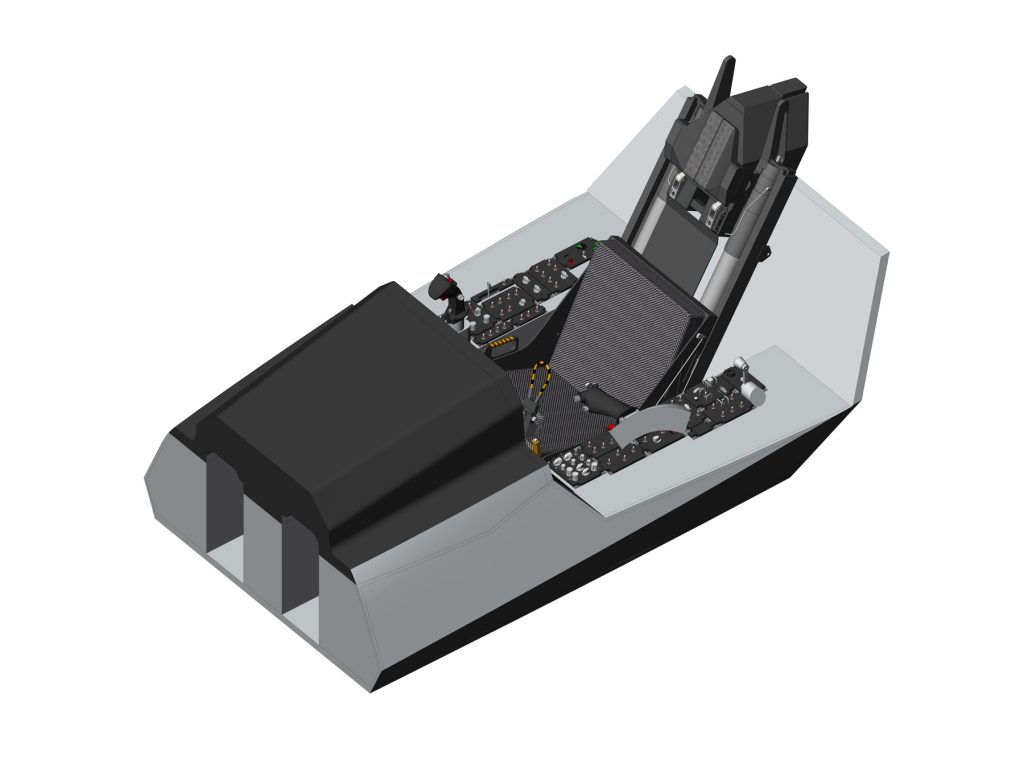
The Canopy Embedded Display (CED) is a new Head Up Display (HUD) technology that replaces conventional aircraft HUDs as well as Helmet Mounted Displays (HMDs). The Stavatti CED benefits from pioneering consumer electronics research in the field of transparent, curved LED displays, including Organic Light Emitting Diodes (OLEDs). Applying this technology to aircraft canopies under license from a specific industry partner, the inside of the canopy is layered with a transparent thin film LED which then projects data and symbology, serving as the aircraft’s HUD.
Presenting active visual situational awareness, the CED allows the aircraft’s canopy to serve as a large, wrap-around, transparent display suitable for displaying both menus and HUD symbology as generated by the aircraft’s multi-function display processors. The CED provides visual cuing locations for radar and sensor targets that are yet visually out-of-range while providing both situational awareness and heading cuing for navigational purposes. Also enabling the dimming and blacking-out of the canopy, the CED mitigates solar glare effects, reduces cabin temperature and can provide microsecond dimming to protect pilot vision during nuclear blasts. Serving as a primary visual flight reference display, the CED will deliver greater situational awareness than either HUDs or HMDS at a significantly lower cost. The Stiletto will be equipped with the CED as standard equipment within 36 months of prototype first flight.
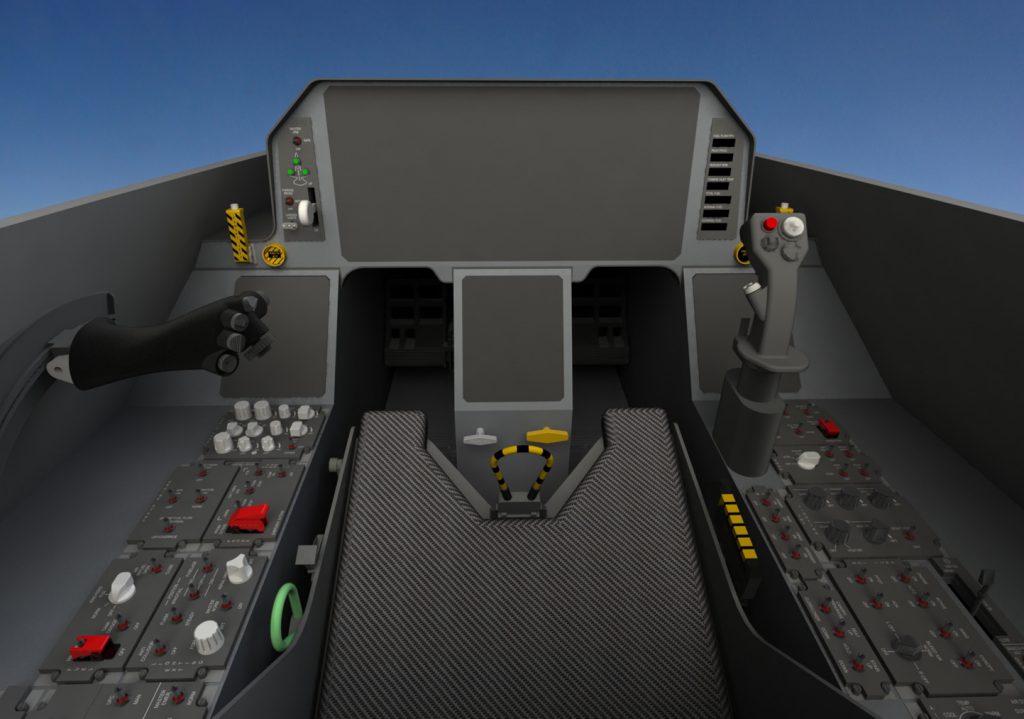
Stavatti touch screen Active Displays (AD) are next generation lightweight LED Multi-Functional Displays of unique trapezoidal configuration. A ruggedized display system engineered to MIL SPEC for operation in extreme environments and under high accelerations, this display technology allows for the production of non-rectangular, large format, cost competitive displays for both military and civil aircraft. Enabling next generation, all glass cockpits, Stavatti’s Active Displays will be produced by a leading military and consumer electronics industry team member for exclusive use in future Stavatti cockpits. Coinciding with the introduction of the CED, Stiletto cockpits will feature these Active Displays as standard equipment within 36 months of prototype first flight.
Serving as an off-the-shelf alternative to new Stavatti cockpit display technologies, the Stiletto may be equipped with a Esterline Night Hawk wide field-of-view HUD and HUD repeater system as the primary visual flight reference display system.
Alternatively, a VSI Integrated HMDS may be used as an alternative to the HUD for the forward crew station. Aircraft equipped with the Night Hawk HUD will employ five L3 Communications Actiview 104P 6 x 8 in LCDs in the forward crew station as secondary flight reference instruments. Aircraft featuring the HMDS will offer three Actiview 104P 6 x 8 displays and one L3 LAAD 20 x 8 display. The aft crewstation of the Stiletto will feature one L3 LAAD 20 x 8 as a primary MFD and three Actiview 104P 6 x 8 displays as secondary displays.
All Stiletto cockpits will be IFR certified and designed for Generation III night vision compliance and Helmet Mounted Cuing Systems/Integrated Helmet and Display Sighting Systems (HMCS/IHDSS). Forward and rear panels are complemented by a comprehensive warning annunciator system, integrated air conditioning/heater vents and standby control interfaces.
Layout drawings of the SM-31S/T Stiletto forward and aft crewstations featuring Stavatti display solutions are provided. Layout drawings of cockpits featuring off-the-shelf Night Hawk HUD and L3 Display Systems are available upon request. The layout drawings depict the cockpits with current production sensors, avionics and systems control interface panels. These control panels enable access to proven, current production avionic systems and may be representative of prototype and initial production aircraft. Future production SM-31S and SM-31T Stiletto aircraft will likely feature new design, proprietary Stavatti control interface panels with novel hermetically sealed buttons, switches and interfaces. These new design panels will be standard panels used in all new production Stavatti aircraft.
Structure & Materials
The Stiletto will be an all-metal aircraft featuring semi-monocoque construction. Benefiting from aluminum honeycomb sandwich fuselage skins and full depth honeycomb sandwich wings and empennage, the Stiletto structure results in an aircraft that is lighter, lower in cost and easier to maintain than the metal and composite structures of its competition. As a semi-monocoque aircraft, the Stiletto fuselage has external metal honeycomb sandwich skins that are supported by an internal structure of frames and bulkheads, made from high performance titanium and aluminum lithium alloys. Employing a minimal number of rivets and screw fasteners, the Stiletto fuselage is built from sandwich skins that are welded to titanium bulkheads, frames, spars and ribs using Laser or Friction Stir Welding (FSW) techniques.
The aircraft wing benefits from a full depth aluminum honeycomb core with the primary wing structure consisting of 3 main spars, 5 ribs and titanium plate skins. The wing substructure and skins are made entirely out of titanium while the honeycomb is made out of 3.04 lb/cu ft 2090 Aluminum Lithium. The aircraft V-tail has a full depth aluminum-lithium honeycomb sandwich structure with aluminum-lithium skins, two aluminum spars and three ribs including an intermediate rib, intercoastal beams and a machined tailplane-spar attachment fitting for mounting trunnions.
Featuring welded honeycomb sandwich structures, the Stiletto benefits from lessons learned from the B-58 Hustler and XB-70 Valkyrie high speed aircraft that pioneered the use of metal honeycomb sandwich structures. The B-58 made extensive use of bonded aluminum sandwich structures with approximately 90% of the B-58’s wings and 80% of the fuselage benefiting from that approach. Similarly the XB-70 used titanium and brazed stainless steel honeycomb sandwich structures to withstand heating during sustained Mach 3 flight.
Drawing from decades of improvements in the art, Stavatti can now produce an all-welded aluminum and titanium honeycomb aircraft that builds upon the success of the past. Offering extraordinary stiffness at a high strength-to-weight ratio that is competitive with composite structures, the honeycomb sandwich offers a high resistance to compression, shear, heat and temperature fluctuations.
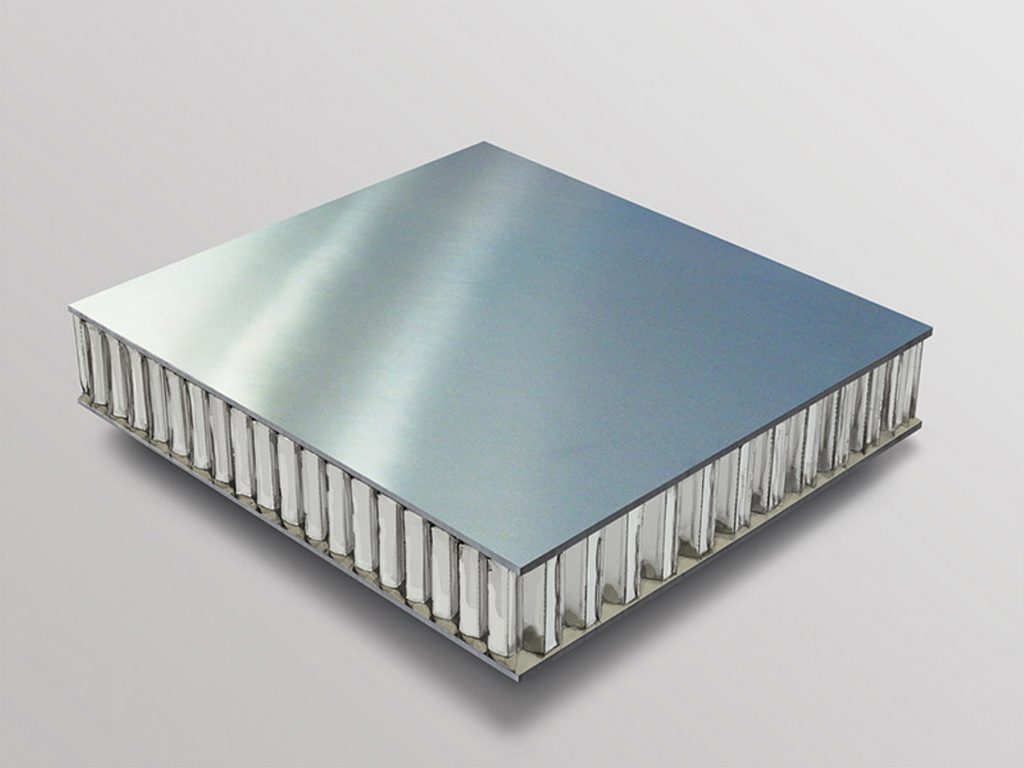
Applying the lessons learned as cited by F.A. Figge and L. Bernhardt in their AIAA Journal of Aircraft Publication Air Superiority Fighter Wing Design For Improved Cost, Weight, and Integrity, Stavatti applies full depth honeycomb sandwich materials as complete full-depth wing, tail and fuselage skin solutions. While virtually every modern aircraft has some sandwich structure, the Stiletto will be one of few airplanes featuring full depth aluminum honeycomb sandwich wings and aluminum sandwich fuselage skins. This approach replaces aircraft skin stiffeners, including stringers, with a honeycomb core, allowing the use of thinner airframe skins that can sustain high stress levels without buckling.
The principal alloys used in the aircraft’s construction are 2090-T83 aluminum-lithium, 2099-T86 aluminum-lithium, Ti-6Al-4V titanium, Ti-6222 titanium, SP700 titanium, PH 15-7 and Ferrium S53. Ti-6Al-4V titanium is used in the single variable geometry thrust vectoring and thrust reversing exhaust nozzle. Titanium Diboride metal ceramics may also be used in aircraft bearings, brakes, high temperature regions and future powerplant components to improve overall engine efficiency. High temperature composites will be used in all bandpass fairings including the radome and conformal antennas. The high temperature composites will employ high temperature resins, including NASA Langley RP46, which can operate for over 10,000 hours at temperatures in excess of 700° F. The fiber materials used in Stiletto composites include a mission specific band pass aramid for use in Stiletto radomes and antenna fairings. To increase aircraft combat survivability and damage tolerance, use of graphite reinforced composites as aircraft skins and primary structures was avoided.
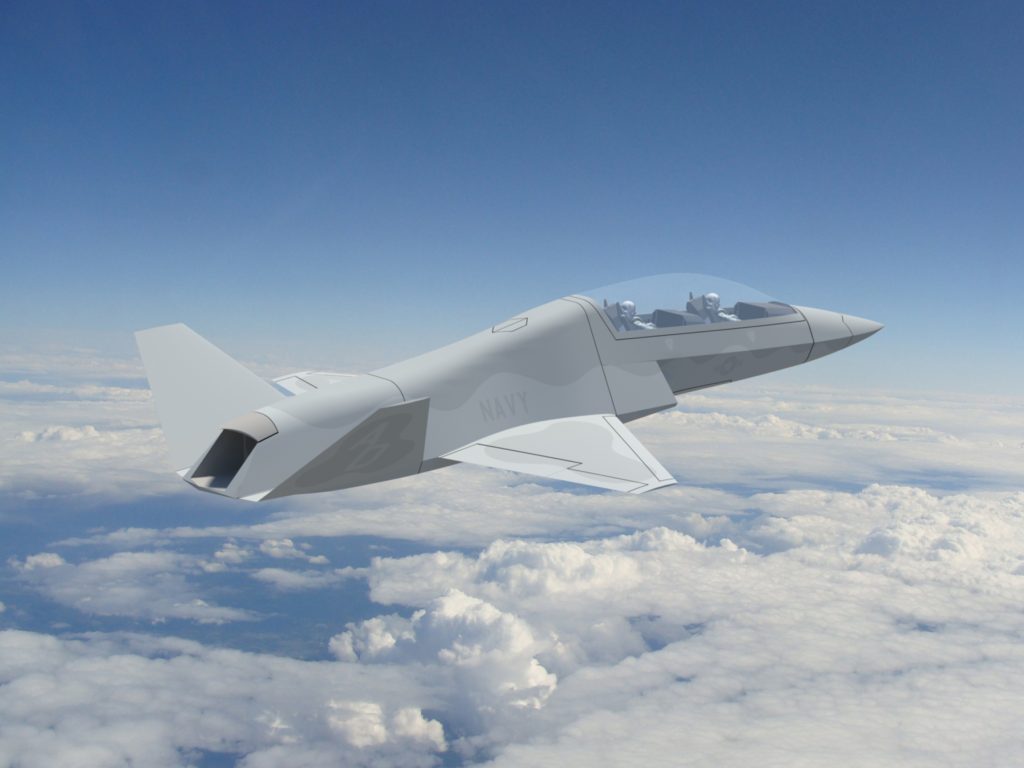
A ballistic impact specific formulation of Polycarbonate will be used for the aircraft’s canopy. Sharing the same canopy across all Stiletto series aircraft, the canopy may be injection molded based upon an approach developed at the AFRL for the low cost production of bird-strike resistant bubble canopies.
The primary skin, bulkhead, frame, spar, and rib materials used throughout the aircraft include 2090 aluminum-lithium, 2099 aluminum-lithium and Ti-6Al-4V titanium. Honeycomb sandwich skins are typically 2090 aluminum-lithium or Ti-6Al-4V titanium with titanium wing skin thickness ranging from 0.125 in to 0.025 in thick. The primary honeycombs used as Stiletto sandwich cores will be Hexcel 3.1 lb/cu ft and 4.4 lb/cu ft HexWeb CR III 5056 Hexagonal Aluminum Honeycomb for primary wing and empennage surfaces and Hexcel 3.1 lb/cu ft and 4.1 lb/cu ft HexWeb 5056 Aluminum Flex-Core for structural applications involving simple and compound curvatures.
Offering bare compressive strengths from 380 psi to 680 psi, the honeycombs are treated with CRIII or CR-PAA corrosion-resistant coatings for superior protection in extreme salt spray environments. The honeycomb materials meet the requirements of Mil-Spec MIL-C-7438 for corrosion resistant aluminum honeycomb.
To form metal and honeycomb sandwich structures, as well as aircraft sheetmetal into precision contoured fuselage, wing and tail skins, Stavatti will use a combination of aircraft metal forming techniques including laserforming, hydroforming, stretchforming and explosive hydroforming. Specific forming techniques are selected based upon part production quality, production run volume and overall cost. Sandwich structures are either provided to Stavatti as pre-formed components by industry team members or formed in-house. Low radius of curvature parts, including wing and tail skins will likely be stretch formed or stretch formed using laser assistance and then welded to a laser formed foam sandwich. Thick wing and tail structures may be machined from sheet stock to a desired thickness and configuration.
Aircraft landing gear may also benefit from titanium foam metal construction to reduce component weight. While specific airframe hardware and components may consist of machined aluminum-lithium and titanium, most of the external aircraft surface area will consist of aluminum-lithium and titanium sandwich structure.
Beneath the sandwich skins is a spaceframe substructure. Fuselage skins are supported by frames and bulkheads while lifting structures feature a substructure of spars and ribs. Fuselage bulkheads and frames are machined or built-up laser welded titanium or aluminum lithium structures that are fastened directly to the sandwich skins, typically by welding. Spars are of sine-wave design featuring an I-beam section where horizontal caps are supported by a sine-wave web. Wing, horizontal tail and vertical tail ribs are of machined or built up laser welded titanium or aluminum-lithium design with four wing ribs featuring reinforced trunnion ports for securing of external pylon attachment fittings.
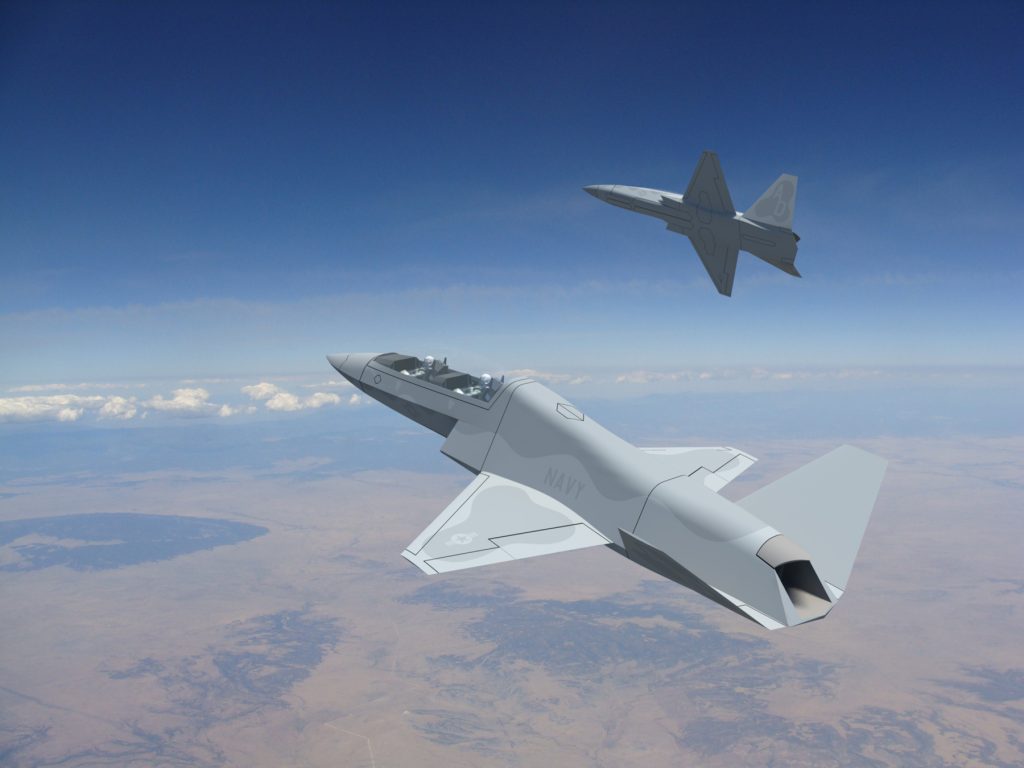
The SM-31 Stiletto structure is designed for a service life of 18,000 hours at an annual usage of 350 flight hours for a total lifetime of over 51 years. The aircraft will be capable of providing over 36,000 take-offs and landings over its service life. Aircraft design philosophy has emphasized application of Fail-safe design principles with load-path redundancy. Materials used throughout the aircraft exhibit plastic failure modes and maximum resistance to corrosion in all environmental conditions. The aircraft has been designed to a maximum limit load factor of +9.0-g and -4.5-g at a Maximum Takeoff Weight (MTOW) of 21,000 lbs for the Stiletto. The maximum limit load factor at Typical Takeoff Weight is is +13.8-g and -6.9-9. The maximum limit load factor at Typical Combat Weight is is +15.8-g and -7.9-g. For all gross weights, the aircraft’s Ultimate load factor is 1.5 times limit load factors.
Fuselage
The Stiletto fuselage is a modular, four section structure composed of nose, forward fuselage, center fuselage and aft fuselage modules. All four fuselage modules feature a built-up metal space-frame substructure of frames and bulkheads with exterior aluminum-lithium honeycomb sandwich skins. Skins are smooth for reduced skin friction drag. Exterior mechanical fasteners are used only for the attachment of removable access panels. Fuselage modules are connected by titanium bolts with quick electrical connectors to allow removal and replacement of modules in the event of significant damage or failure.
The nose module is 7 ft 6 in long with a 3 ft 4 in long integrated alloy structure and 4 ft 2in long bandpass composite radome. The radome hinges to the port for radar/avionics access. The nose module contains the forward portion of the aircraft nose landing gear and gear bay and serves as the primary radar and sensor bay with volume for limited additional primary avionics. The nose module is insulated, heated and air conditioned to ensure optimal climatic conditions for avionics and sensors. The nose module has sufficient volume to be equipped with a Raytheon RACR AESA, an Elta ELM-2032 or a Vixen 500E radar. The nose module provides hinged panels for access to aircraft avionics. The nose module structure has two aluminum-lithium bulkheads, two aluminum-lithium frames and aluminum-lithium honeycomb metal sandwich exterior skins. Spacing between nose module frames and bulkheads is approximately 10 in.
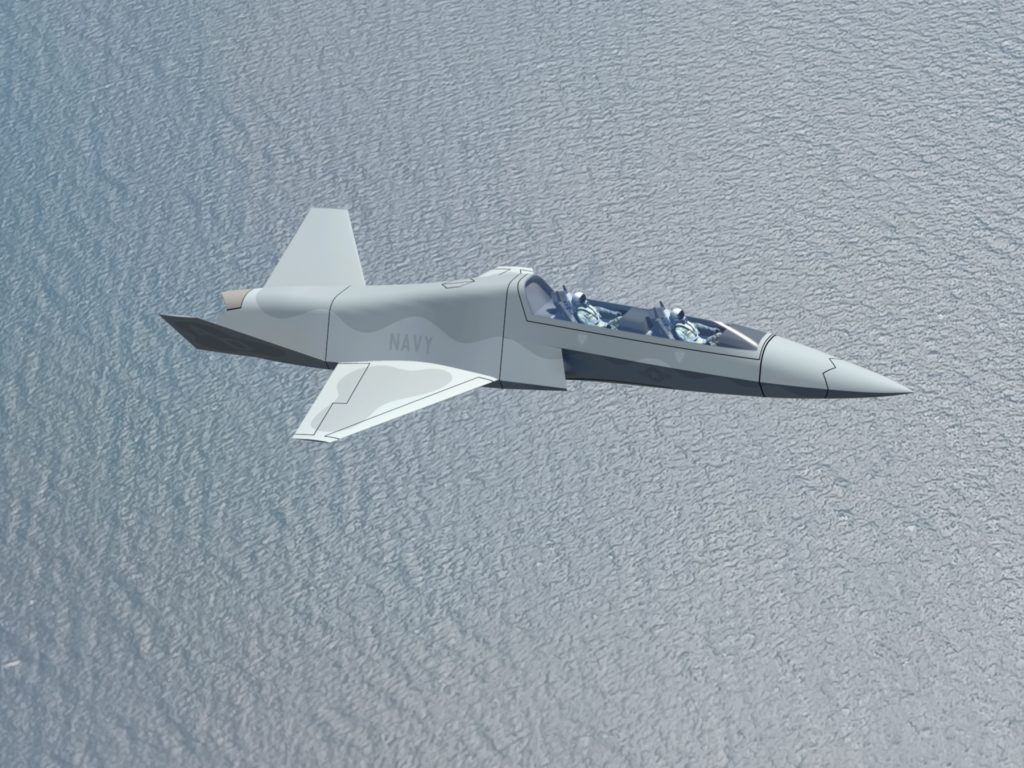
The cockpit module is a 14 ft 2 in long structure with a 13 ft 0 in long single piece polycarbonate clamshell canopy mounted to a frame featuring low observability cheverons for RCS reduction. The cockpit module contains the forward cockpit, the aft cockpit (For T-X variants), the aircraft nose landing gear, an internal weapon bay measuring 130 in long, 17 in long and 38 in wide. The cockpit module can also contain fuel tanks and avionics. The cockpit module is pressurized, heated and cooled and has hinged and removable panels for access to aircraft sensors, avionics and systems including the OBOGS. The cockpit module is also the attachment point for the aircraft air inlets.
The cockpit model has three aluminum-lithium bulkheads and eight aluminum-lithium frames. With 20 in spacing between frames, the nose module has aluminum-lithium honeycomb sandwich skins.
The center module is a 10 ft 10 in long structure containing the aircraft wings, main landing gear, primary fuselage internal fuel tanks, the air inlet duct and the forward engine mounts for the F125 or alternative AI-322F powerplant. The center module has a one titanium bulkhead, one aluminum-lithium bulkhead, seven titanium frames, five aluminum-lithium frames and aluminum-lithium honeycomb sandwich skins. Typical spacing between frames and bulkheads is 10 in. The aircraft wings are bolted to the center module directly through a titanium wing spar to titanium fuselage frame connection.
The aft module measures 9 ft 2 in long and contains the aircraft powerplant, APU, thrust vectoring exhaust nozzle, engine support systems, fuselage fuel tanks, speedbrakes, arresting hook and is the primary structural interface and mounting point for the aircraft V tail. The aft module features one titanium bulkhead and six titanium frames. Aft module frame spacing is typically 10 in. The aft module has aluminum-lithium honeycomb sandwich skins as well as titanium honeycomb sandwich skins in the high temperature regions near the exhaust nozzle.
Each fuselage module is an independent, integrated unit that contain all necessary control linkages, control systems, electrical wiring and harnesses, fuel lines specific to the module as integrated systems, interfacing with the other modules through reusable connectors. Designed for mission expansion, the fuselage offers significant unpopulated volume for future avionics, sensor and electronic warfare systems growth. The alloy spaceframe is a laser welded and built-up structure which serves as a rigid chassis for the integration of all alloy frames, primary bulkheads, mounts and the firewall. All fuselage contained systems, including avionics, electrical, armament, etc, are secured to spaceframe integrated alloy mounts.
Wings
SM-31 Stiletto wings are of low aspect ratio, trapezoidal planform, low-wing, cantilever type. Wing leading edge sweep is 30° and trailing edge sweep is -15°. Wing span, excluding SM-31S/T Stiletto missile launch rails is 24 ft 0 in. Reference wing area is 176 sq ft. Wing aspect ratio is 3.27 and taper ratio is 0.18. The wing root airfoil is a modified NACA 64A205 and the wing tip airfoil is a modified NACA 64A204. Wing incidence is 0°. Wing dihedral, from root, is 0°. The Stiletto wing is composed of a port and a starboard wing. Each wing is mounted to the aircraft fuselage by spar attachment fittings that bolt to fuselage bulkheads. Wings may be removed from fuselage for transport, repair or replacement.
Each wing features a full-depth honeycomb structure consisting of an aluminum honeycomb sandwich core with aluminium-lithium machine-tapered wing skins. The skins are machined from a single aluminium lithium plate. Each wing substructure includes six titanium sine wave spars which form the basis of a rigid titanium wing box. This wing box serves as mount and housing for the main landing gear. Each wing has five titanium ribs. Two of the ribs feature external hardpoint trunnion mounting fittings. All wing structures and components are either fastened by computer directed laser welding, Friction Stir Welding or by titanium screws and bolts. A metal honeycomb sandwich structure, Stiletto wings are stronger and lighter than conventional semi-monocoque wings.
Wings are equipped with trailing edge slotted flaps and trailing edge flapperons for roll control and to serve as trailing edge flaps for low speed handling. Each wing is also equipped with leading edge flaps for enhanced low speed/high AoA performance. Working in conjunction, the wing leading edge flaps and trailing edge flaps serve as a flight computer programmable variable camber wing section. All wing flight control surfaces are electromechanically actuated benefiting from a full-authority digital Power-By-Wire flight control system. Trailing edge slats, flapperons and leading edge flaps are of aluminium-lithium honeycomb sandwich construction. SM-31S Wingtips are equipped with a LAU-129 missile launch rail. The wing tip launch rail is rated to 250 lbs at 9 g and can carry a single AIM-9 Sidewinder missile. Wings are equipped with an Electro-Expulsive Separation System (EESS) for in-flight deicing. Wings have four external underwing hardpoints, with two hardpoints integrated into each wing.
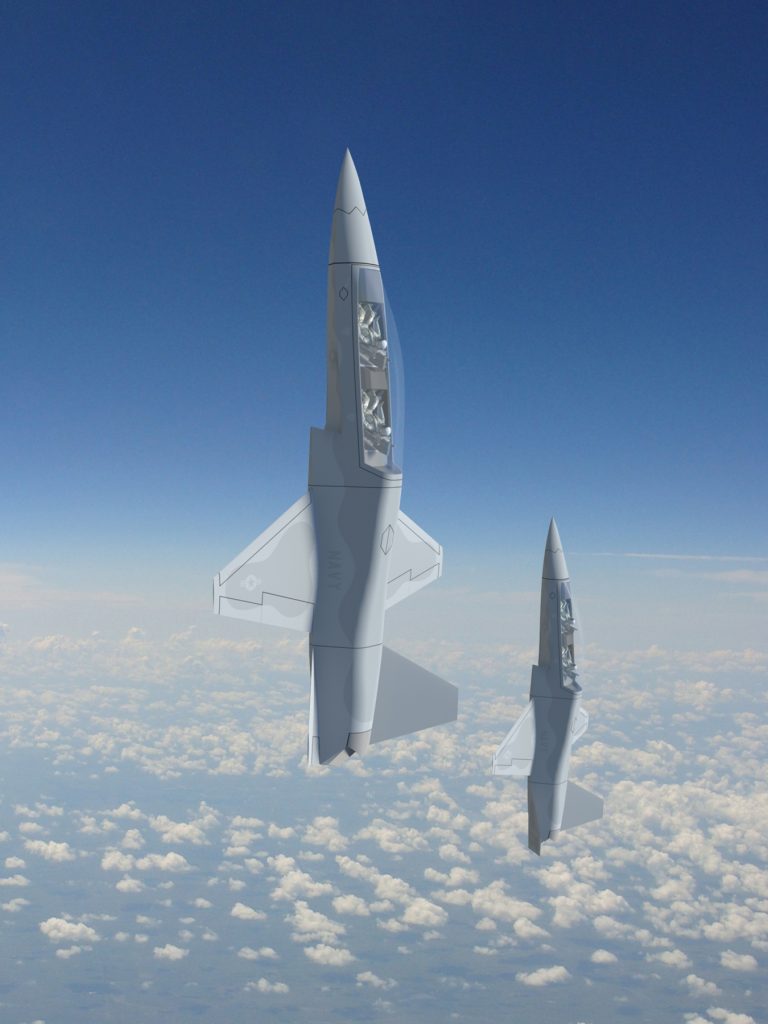
Two inboard hardpoints are rated to 2,250 lbs at 9-g while the two outboard hardpoints are rated to 750 lbs at 9-g. Two hardpoints are plumbed for external fuel tanks. Standard external tanks include the Cobham #401315 150 USG Tank.
Empennage
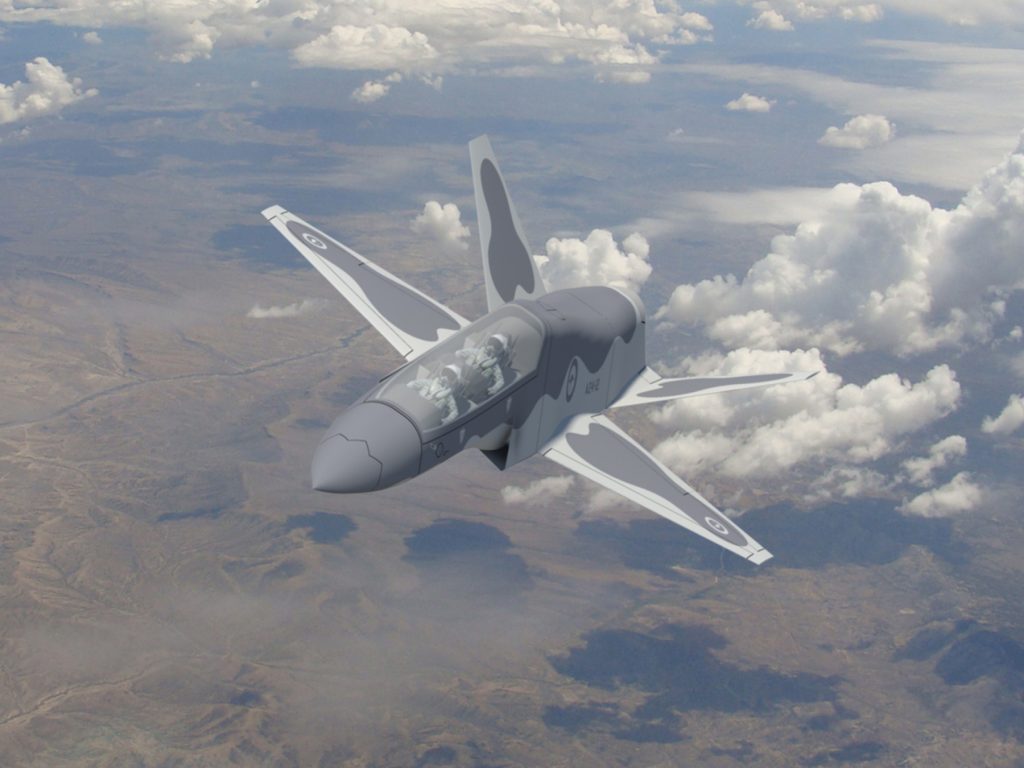
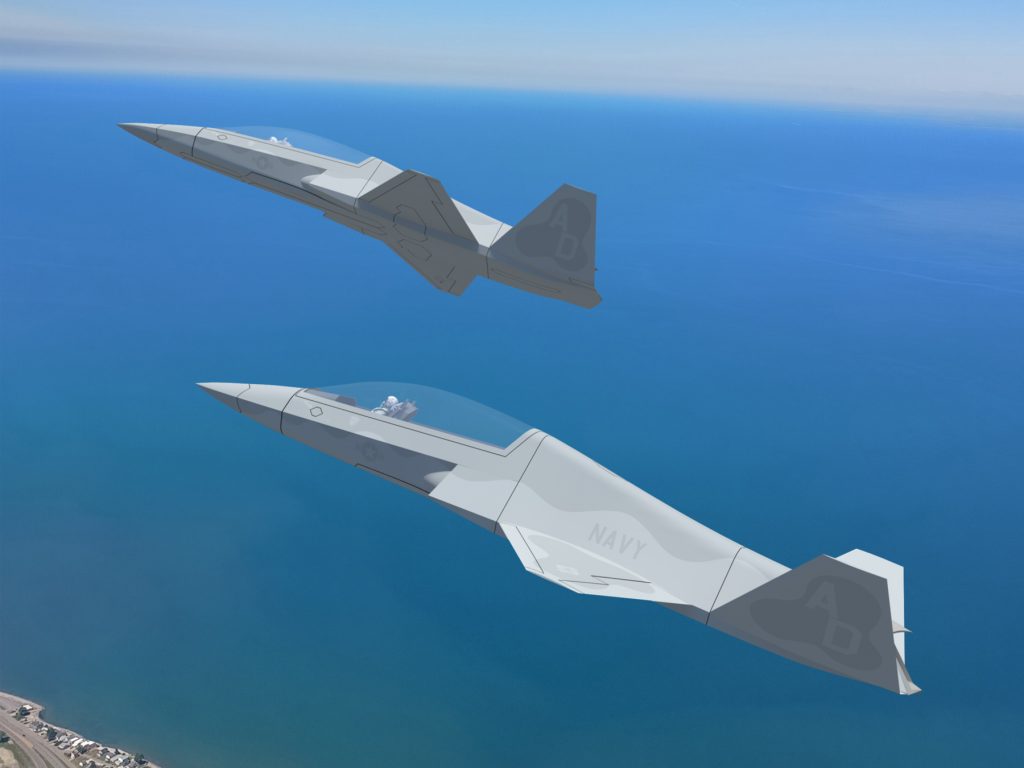
The SM-31 Stiletto empennage is of V-tail configuration with one V-stabilizer mounted to the port and starboard side of the aft fuselage. An all-moving, mass balanced stabilizer for longitudinal stability, pitch control and yaw control, the V-tail is close-coupled to the aircraft wing to improve instantaneous maneuverability and reduce aircraft physical dimensions. The V-tail is attached to the fuselage by a titanium trunnion and is electromechanically actuated. The V-tail is equipped with in-flight deicing.
The V-tail consists of two independent units of trapezoidal planform. V-tail leading edge sweep is 30°and trailing edge sweep is -15°. Each V-tail has a span of 7 ft 0 in and a reference area of 38.31 sq ft with an aspect ratio of 1.30. The taper ratio of each V-tail is 0.29 and the root and tip chord airfoils are a constant modified NACA 65A004 section. Total aircraft V-tail area is 76.63 sq ft. The stabilizers are mounted at a reference dihedral angle of 40° from the horizontal. Each V-tail feature full depth all metal honeycomb sandwich construction with aluminum-lithium honeycomb cores and machined aluminium-lithium skins. The V-tail substructure consists of three aluminium-lithium sine wave spars, and three aluminum-lithium ribs including a root rib, an intermediate rib and a tip rib. The V-tail is capable of deflecting +/- 35° in standard flight operations and up to 60° for use as a speedbrake for field length reduction after landing. The V-tail works in conjunction with the aircraft’s 2D thrust vectoring nozzle to provide pitch authority with thrust vectoring providing pitch recovery augmentation in the event of post-stall departure.
Landing Gear
The Stiletto has electromechanically actuated, retractable tricycle landing gear. The landing gear is designed for operations from unprepared, forward locations with sink rates up to 15 ft/s, with a high tolerance to hard landings. Landing gear struts are of SP 700 Titanium and Ferrium S53 construction. Maximum landing gear deployment airspeed is 250 Kts. Stiletto wheelbase is 15 ft 4 in. Stiletto wheel track is 10 ft 8 in. Landing gear weight distribution is 15/85 at MTOW. Maximum tip-back angle is 15°.
The main landing gear is of wing mounted, single-strut, oelo-pneumatic, single wheel units featuring hydraulic carbon disk brakes. Main wheels use 22 x 6.75-10 size tires including Goodyear 18 TL ply rib tread with a maximum inflation pressure of 245 psi.
The main gear retracts 90° inboard, with wheels stowed in the wing center section carry-through box upon retraction. Retraction is provided by a single self-locking electromechanical actuator. In the event of actuator failure, the gear extends and locks in the extended position. Each main gear strut may feature a single landing light.
The nose landing gear retracts forward and is an oelo-pneumatic, single wheeled unit. The nose wheel uses 18 x 4.4 size tires including 10 TL ply, Goodyear Rib DDT tread with a maximum inflation pressure of 185 psi. Nose wheel steering and main gear braking, is provided via rudder pedal inputs. Electromechanically actuated, the nose gear drops and is locked in the extended position in the event of actuator failure. The nose strut features a taxi light that steers with the nose wheel. For emergency landings the Stiletto is equipped with and arresting hook. For Naval operations and carrier deployment the Stiletto may be equipped with a USN carrier suitable arresting hook and nose catapult tow-bar interface.
Aircraft Systems
SM-31 Stiletto Aircraft Systems include flight controls, electromechanical systems, electrohydrostatic systems, hydraulic systems and the electrical system.
The Stiletto flight control system is a full-authority, Digital Power-By-Wire (PBW) flight control system. The PBW system features self-contained electrohydrostatic primary flight control actuators (EHAs), electromechanical actuators (EMAs) and electrically driven power drive units (PDUs). EHAs and EMAs are developed and produced by leading industry team members including Moog, Parker Aerospace and Beaver Aerospace. EHAs and EMAs position and actuate the aircraft’s flapperons, slats, rudders, stabilators, elevons, canopy, air stair, landing gear, landing gear doors, in-flight refueling doors, speedbrake and for the SM-31 Stiletto the 20mm cannon system and internal weapons bay doors.
The Stiletto EHAs enable flight control and systems actuation without the need for a central hydraulic system resulting in reduced aircraft weight, more efficient power consumption and improved aircraft maintainability. The EHAs consist of an integral fixed displacement reversible high speed pumps driven by a brushless electric motors. The EHAs are dual tandem designs with simplex hydraulic output that incorporate both fail-safe features and overload protection. The EHAs have operating pressures up to 5,000 psi with an electrical output range of 270 Vdc or 115 VAC with a transformer rectifier.
Stiletto EMAs include both linear and rotary electromechanical actuators that utilize a ball or Acme screw driven by brushless electric motors through a torque sum gear train. The EMAs my have a skewed roller or a fail-safe electromechanical brake. Linear or rotary variable differential transformers determine position of flight control surfaces actuated by the EMA. In the event of primary load path failure, the EMA’s primary load path is locked in place and load is transferred to a secondary load path.
The PBW system is quad-redundant, features BIT and benefits from flight control laws that enable variable stability and provide the pilot with maximum flight control authority enabling the aircraft to be fully aerobatic. PBW flight control law software allows the aircraft to perform all standard maneuvers including the stall, slip and spin, enabling full expression of exercises throughout any advanced training syllabus. The PBW architecture interfaces directly with pilotless remote piloted and autonomous flight command systems.
The Stiletto features two independent 4,000 psi (276 bar) hydraulic systems driven by electrically driven pump. Hydraulic systems are interconnected. Hydraulic systems actuate landing gear normal braking, and nose wheel steering. Hydraulic pressure is maintained automatically and is suitable for aerobatics and inverted flight.
The SM-31 Stiletto electrical system supplies 115 volt, three-phase, 400 cycle AC power and 28 VDC per MIL-STD-704D. Four independent sources are used for power generation including a primary switched-reluctance starter/generator, a Honeywell 36-150F APU, a RAM air turbine and a battery. AC power is supplied by two static inverters. Power is normally supplied by one inverter with the second serving as a backup. DC power is supplied by one 24 VDC battery. The starter/generator is a combination engine starter and 28 VDC generator. The secondary generator is a 28 VDC generator. The powerplant features an APU to supply DC and 400 Hz power, bleed air/air conditioning and hydraulic pressure. An external 28 VDC ground power connector is provided.
The Aircraft is equipped with Cobham OC1132 OBOGS and a NC1029 OBIGGS. The cockpit is pressurized, air conditioned and heated. The aircraft will feature an Electro-Expulsive De-icing System (EEDS) as developed by NASA and produced by IMS-ESS. EEDS is used for wing leading edge, canard leading edge, horizontal stabilizer leading edge and vertical stabilizer leading edge deicing. Electric deicing is used in the pitot tube, static ports, AoA transmitter, stall warning sensor and air intakes. Powerplant bleed air deicing is provided for the canopy and engine inlet. A fire detection and suppression system is provided for the engine, avionics bay and cannon/ammunition bay.
Fuel System
The aircraft fuel system is composed of three rigid fuel tanks and one feeder tank. All four fuel tanks are located within the fuselage. For increased survivability the fuel tanks are pressurized with a Cobham NC1029 OBIGGS. The maximum useful internal fuel load is 580 US Gallons equivalent to 3,768 lbs of JP-4 or 3,884 lbs of JP-8 at standard conditions. Stiletto fuel tanks are sized for a maximum capacity of 580 useable gallons of JP-8, plus any volume necessary for fuel tank self-sealing features. Unusable internal fuel is approximately 120 lbs to 204 lbs of JP-8.
Fuselage fuel tanks are of rigid, titanium type fitted lined with open cell reticulated foam as secondary survivability protection in addition to the OBIGGS. The standard SM-31 Stiletto has dry wings without fuel tanks. Future Stiletto aircraft may feature a foam metal sandwich structure of open cell titanium foam metal type to serve as both a structural core as well as a sealed fuel cell. These future wing fuel tanks would consist of cells defined by wing spars and ribs and a foam metal with a density of approximately 3.0 to 4.0 lbs/cu ft. The foamed metal core is metallurgically bonded to the metal face sheets on a molecular level to result in a fuel tank that is highly survivable. A single point refueling interface is located on the port fuselage, while gravity refueling may be accomplished through a single fuselage fueling point. A fuel quantities and tank arrangement diagram is provided.
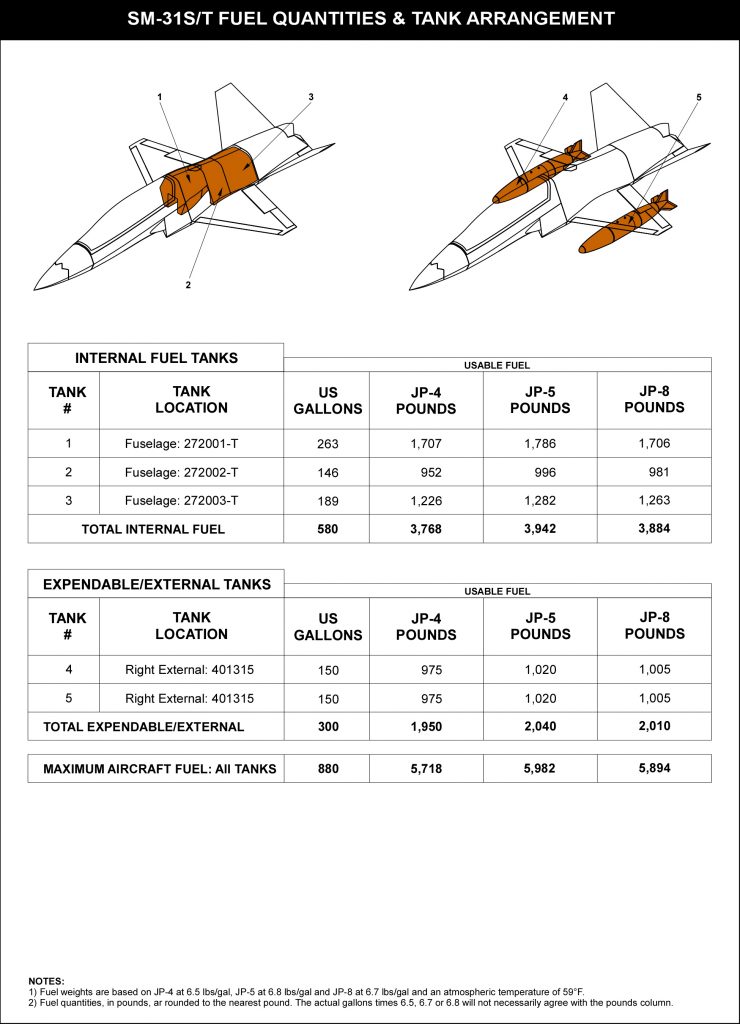
The aircraft features a standard flying-boom style Universal Aerial Refueling Receptacle Slipaway Installation (UARRSI) is located on the centerline dorsal fuselage aft of the cockpit to enable KC-135/KC-46 in-flight refueling. An optional probe-and drogue in-flight refueling system may be located in the aircraft nose. The refueling probe for the in-flight refueling system is of retractable type. To extend aircraft range two wing hardpoints are plumbed for external fuel tanks. The Stiletto may carry up to two Cobham/(Sargent Fletcher) P/N 401315 external fuel tanks with a maximum capacity of 150 USG for up to 2,010 lbs of additional JP-8 Fuel. A next generation, lighter weight version of the Cobham (Sargent Fletcher) P/N 24-275-48096H external fuel tank with a maximum capacity of 275 USG for up to 3,685 lbs of additional JP-8 Fuel may also be carried
Low Observability & Signature Reduction
The SM-31 features design characteristics as well as advanced technologies to significantly reduce Radar Cross Section (RCS), infrared signature, electromagnetic signature, visual signature and aural signature. A fifth generation fighter aircraft, SM-31 observability will be equal to or better than that of the F-35.
Qualification
The SM-31 Stiletto will be relevant category FAA FAR Part 25 Type certified for day/night VFR/IFR operations in the the Normal, Utility and Aerobatic Categories. The SM-31 manufacturing process and production line will be FAA Production Certified. The SM-31 will be certified for single pilot IFR operations and to fly in known icing conditions. The SM-31 will have a certified flight envelope cleared for stalls, spins, aileron and barrel rolls, Chandelles, Cuban Eights, Immelmans, Split-S and additional maneuvers.
The SM-31 is engineered to comply with relevant MIL-STD and MIL-SPEC requirements, including MIL-HDBK-516B Airworthiness Certification Criteria in accordance with AFPD 62-6 and AFI 62-601 and will be properly certified/qualified to meet acquisition requirements for service as a USAF/USN/USMC weapon system. The SM-31 will be qualified to allow for U.S. Allied/Mentor operation. The SM-31 will be flight tested at the USAF AFFTC and other qualified test centers including NAS Pax River. SM-31 stores qualification will be performed at the AFFTC and NAS China Lake. The SM-31 will be qualified to carry all stores identified within Warload and Stores chart as presented within this document. SM-31 aircraft for Export will be certified and tested for End Users in accordance with local existing laws and regulations.
Operational Costs
The SM-31T Stiletto will have an operational Cost Per Flight Hour (CPFH) of approximately $4,395 per hour, including an aircrew cost of $2,245 per hour and a fuel cost of $861 per hour. The CPFH estimates assume an annual utilization rate of 350 FH/PAA. Similarly the CPFH for the single seat SM-31S will be approximately $3,382 including an aircrew cost of $1,122 per hour and a fuel cost of $986 per hour. The SM-31 has been designed for a baseline operational service life of 18,000 hours, accumulating an average of 350 hours per annum. Aircraft fatigue life will be based upon 36,000 takeoffs and landings (cycles). The aircraft maximum design load factor limit is +9.0-g and -4.5-g at Maximum Gross Takeoff Weight (MTOW) with maximum external stores and full internal fuel (4,000 lbs).
Stavatti projects that the SM-31T Stilleto will require 3.46 MMH/FH while the single seat SM-31S will require 3.37 MMH/FH. Stavatti projects that the aircraft will exceed a Mission Capable (MC) availability rate of eighty-seven percent (89%) with ninety-eight percent (98%) likely. Aircraft Fleets of 12 or more aircraft are projected to sustain mission capable/mission availability rates of eighty-five percent (87%) to ninety-five percent (96%) or better.
The Stiletto is designed for operation in arid, desert, tropical, arctic and sea-salt environments and is capable of functioning without reduction in mission capable rates in -25°C to 55°C environments. The Stiletto will be equipped and FAA certified for single-pilot day/night IFR operations. The Stiletto will be able to operate in ground conditions from -25°C to 55°C and in flight conditions from -55°C to 60°C.
Performance & Specifications
MODEL
SM-31T Stiletto
TYPE
Advanced Pilot Trainer (APT), Supersonic Trainer (ST) and Light Fighter (LF)
ACCOMMODATION
Flight Crew of Two Seated in Tandem on Martin Baker MK16E or MK18 Zero-Zero Ejection Seats
POWERPLANT
One (1) NeoThrust E450-NT-125 Afterburning Turbofan delivering 12,500 lbs st with Afterburner and 10,590 lbs st at Military Power. The powerplant is fitted with variable geometry, thrust vectoring and reversing 2D nozzle.
STRUCTURE
Semi-monocoque aluminum lithium and aluminum honeycomb sandwich construction throughout. Titanium used in high fatigue areas and high temperature regions. Extensive use of Laser and Friction Stir Welding in all assemblies.
ARMAMENT
Fixed: One fuselage mounted M61A2 20mm gatling cannon with 500 rds
Expendable: Internal Weapons Bay and six external wing hardpoints for up to 7,250 lbs of external stores
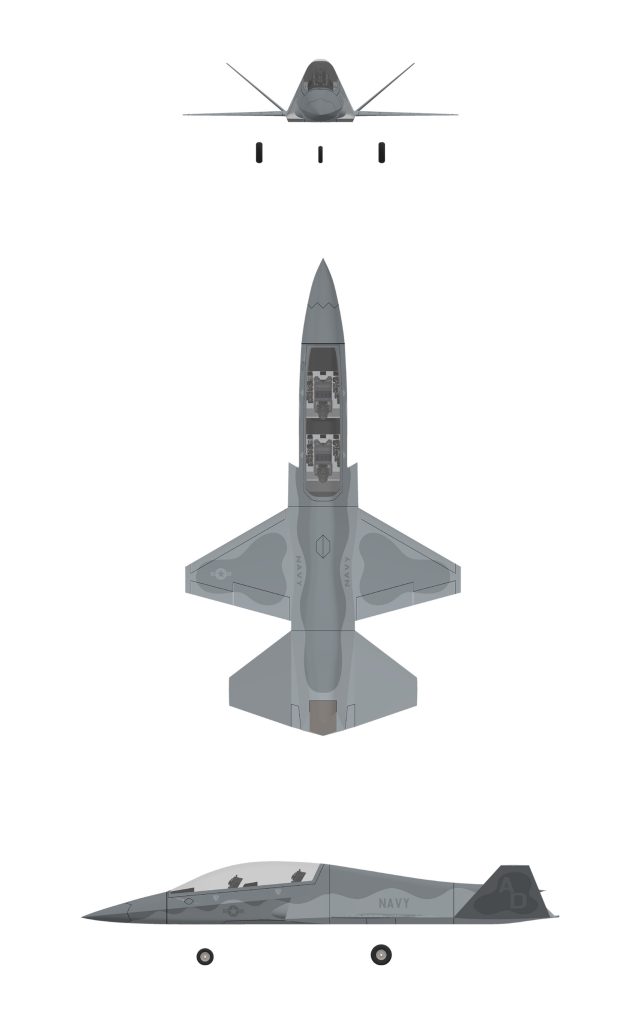
| DIMENSIONS | WEIGHTS & CAPACITIES | ||
|---|---|---|---|
| Wingspan | 24 ft 0 in | Empty Weight | 8,700 lbs |
| Length Overall | 41 ft 8 in | Maximum Internal Fuel (IF) | 4,000 lbs |
| Height Overall | 9 ft 0 in | Max Warload | 7,250 lbs |
| Wing Area | 176 sq ft | Max Useful Load | 8,000 lbs |
| Wheelbase | 15 ft 8 in | Typical Combat Weight (TCW) | 11,800 lbs |
| Wheeltrack | 10 ft 8 in | Max Take-Off Weight (MTOW) | 21,000 lbs |
| ESTIMATED PERFORMANCE | ESTIMATED PERFORMANCE | ||
|---|---|---|---|
| Max Level Speed @ SL | 1.03 Mach | Max Initial Rate-of Climb @ SL-MTOW | 21,544 ft/min |
| Max Level Speed @ 35,000 ft | 1.72 Mach | Max Initial Rate-of Climb @ SL-MMW | 40,918 ft/min |
| Max Cruise Speed @ SL | 0.90 Mach | Dash Range @ 1.65 Mach | 220 nm |
| Max Cruise Speed @ 35,000 ft | 0.90 Mach | Dash Radius @ 1.65 Mach | 103 nm |
| Typical Cruise Speed @ SL | 0.80 Mach | Cruise Range @ 0.90 Mach | 1,327 nm |
| Typical Cruise Speed @ 35,000 ft | 0.80 Mach | Cruise Radius @ 0.90 Mach | 452 nm |
| Typical Takeoff Speed-MTOW @ SL | 177 KTAS | Ferry Range-External Tanks | 1,982 nm |
| Stall Speed-MTOW @ SL | 150 KTAS | Takeoff-Ground Roll, Takeoff Weight | 1,370 ft |
| Typical Approach Speed-TLW @ SL | 127 KTAS | Takeoff over 50 ft, Takeoff Weight | 2,045 ft |
| Stall Speed-TLW @ SL | 106 KTAS | Landing-Ground Roll, Landing Weight | 1,490 ft |
| Service Ceiling Exceeds | 50,000 ft | Landing over 50 ft, Landing Weight | 2,218 ft |
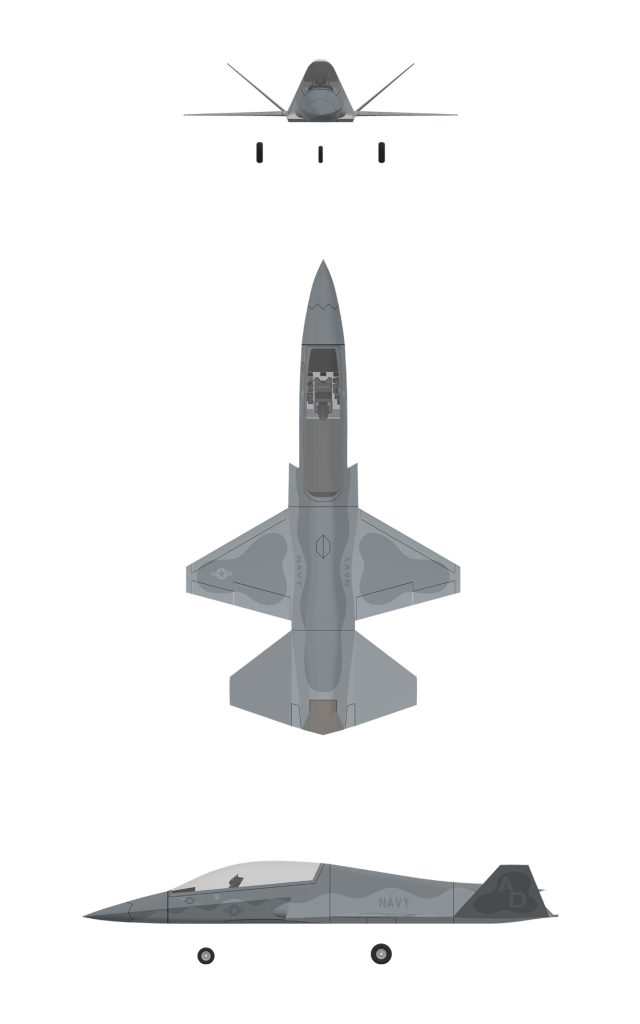
Performance & Specifications
MODEL
SM-31S Stiletto
TYPE
Light Fighter (LF), Air Defense Fighter (ADF) and Armed Reconnaissance (AR) Aircraft
ACCOMMODATION
Flight Crew of One Seated on a Martin Baker MK16E or MK 18 Zero-Zero Ejection Seat
POWERPLANT
One (1) NeoThrust E450-NT-160 Afterburning Turbofan delivering 16,000 lbs st with Afterburner and 13,763 lbs st at Military Power. The powerplant is fitted with variable geometry, thrust vectoring and reversing 2D nozzle.
STRUCTURE
Semi-monocoque aluminum lithium and aluminum honeycomb sandwich construction throughout. Titanium used in high fatigue areas and high temperature regions. Extensive use of Laser and Friction Stir Welding in all assemblies.
ARMAMENT
Fixed: One fuselage mounted M61A2 20mm gatling cannon with 500 rds
Expendable: Internal Weapons Bay and six external wing hardpoints for up to 7,250 lbs of external stores
| DIMENSIONS | WEIGHTS & CAPACITIES | ||
|---|---|---|---|
| Wingspan | 24 ft 0 in | Empty Weight | 8,600 lbs |
| Length Overall | 41 ft 8 in | Maximum Internal Fuel (IF) | 3,800 lbs |
| Height Overall | 9 ft 0 in | Max Warload | 7,600 lbs |
| Wing Area | 176 sq ft | Max Useful Load | 11,400 lbs |
| Wheelbase | 15 ft 8 in | Typical Combat Weight (TCW) | 11,336 lbs |
| Wheeltrack | 10 ft 8 in | Max Take-Off Weight (MTOW) | 20,000 lbs |
| ESTIMATED PERFORMANCE | ESTIMATED PERFORMANCE | ||
|---|---|---|---|
| Max Level Speed @ SL | 1.23 Mach | Max Initial Rate-of Climb @ SL-MTOW | 32,359 ft/min |
| Max Level Speed @ 35,000 ft | 2.19 Mach | Max Initial Rate-of Climb @ SL-MMW | 57,839 ft/min |
| Max Cruise Speed @ SL | 0.90 Mach | Dash Range @ 1.65 Mach | 137 nm |
| Max Cruise Speed @ 35,000 ft | 0.90 Mach | Dash Radius @ 1.65 Mach | 60 nm |
| Typical Cruise Speed @ SL | 0.80 Mach | Cruise Range @ 0.90 Mach | 1,246 nm |
| Typical Cruise Speed @ 35,000 ft | 0.80 Mach | Cruise Radius @ 0.90 Mach | 341 nm |
| Typical Takeoff Speed-MTOW @ SL | 177 KTAS | Ferry Range-External Tanks | 1,939 nm |
| Stall Speed-MTOW @ SL | 161 KTAS | Takeoff-Ground Roll, Takeoff Weight | 955 ft |
| Typical Approach Speed-TLW @ SL | 124 KTAS | Takeoff over 50 ft, Takeoff Weight | 1,625 ft |
| Stall Speed-TLW @ SL | 104 KTAS | Landing-Ground Roll, Landing Weight | 1,529 ft |
| Service Ceiling Exceeds | 60,000 ft | Landing over 50 ft, Landing Weight | 2,264 ft |
Performance & Specifications
MODEL
SM-31U Stiletto
TYPE
Collaborative Combat Aircraft (CCA), Unpiloted Combat Aircraft (UCA), Loyal Wingman (LW) and Target Drone (TG)
ACCOMMODATION
Secure Remote Piloted or Unpiloted Autonomous Aircraft benefiting from Stavatti Synthetic Intelligence
POWERPLANT
One (1) NeoThrust E450-NT-125 Afterburning Turbofan delivering 12,500 lbs st with Afterburner and 10,590 lbs st at Military Power. The powerplant is fitted with variable geometry, thrust vectoring and reversing 2D nozzle.
STRUCTURE
Semi-monocoque aluminum lithium and aluminum honeycomb sandwich construction throughout. Titanium used in high fatigue areas and high temperature regions. Extensive use of Laser and Friction Stir Welding in all assemblies.
ARMAMENT
Fixed: One fuselage mounted M61A2 20mm gatling cannon with 500 rds
Expendable: Internal Weapons Bay and six external wing hardpoints for up to 8,000 lbs of combined internal and external stores
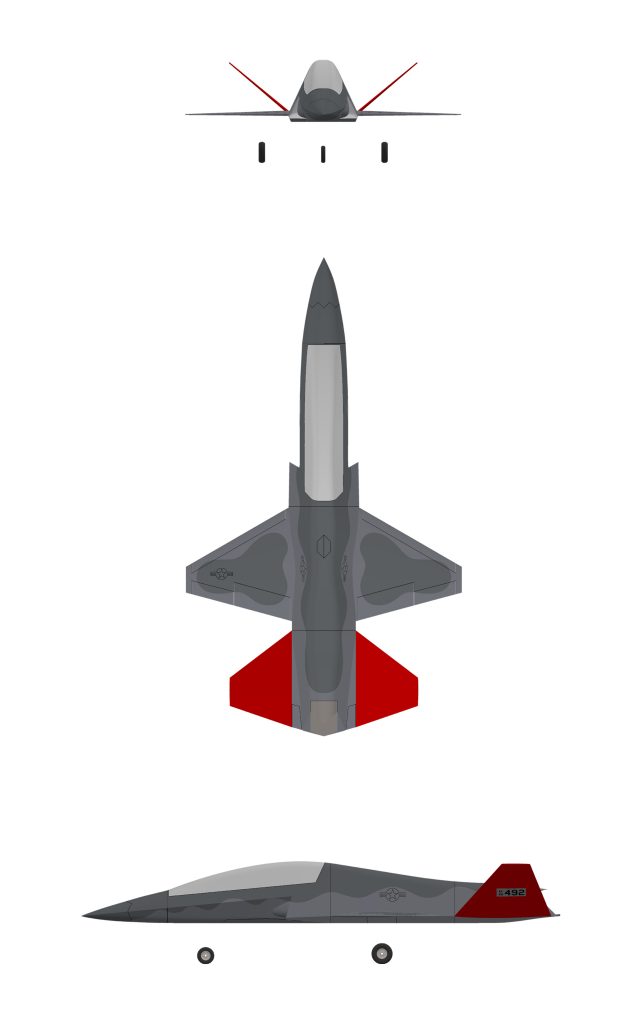
| DIMENSIONS | WEIGHTS & CAPACITIES | ||
|---|---|---|---|
| Wingspan | 24 ft 0 in | Empty Weight | 8,700 lbs |
| Length Overall | 41 ft 8 in | Maximum Internal Fuel (IF) | 3,800 lbs |
| Height Overall | 9 ft 0 in | Max Warload | 7,600 lbs |
| Wing Area | 176 sq ft | Max Useful Load | 11,500 lbs |
| Wheelbase | 15 ft 8 in | Typical Combat Weight (TCW) | 11,492 lbs |
| Wheeltrack | 10 ft 8 in | Max Take-Off Weight (MTOW) | 20,500 lbs |
| ESTIMATED PERFORMANCE | ESTIMATED PERFORMANCE | ||
|---|---|---|---|
| Max Level Speed @ SL | 1.23 Mach | Max Initial Rate-of Climb @ SL-MTOW | 21,717 ft/min |
| Max Level Speed @ 35,000 ft | 1.72 Mach | Max Initial Rate-of Climb @ SL-MMW | 39,554 ft/min |
| Max Cruise Speed @ SL | 0.90 Mach | Dash Range @ 1.65 Mach | 220 nm |
| Max Cruise Speed @ 35,000 ft | 0.90 Mach | Dash Radius @ 1.65 Mach | 103 nm |
| Typical Cruise Speed @ SL | 0.80 Mach | Cruise Range @ 0.90 Mach | 1,327 nm |
| Typical Cruise Speed @ 35,000 ft | 0.80 Mach | Cruise Radius @ 0.90 Mach | 452 nm |
| Typical Takeoff Speed-MTOW @ SL | 177 KTAS | Ferry Range-External Tanks | 1,982 nm |
| Stall Speed-MTOW @ SL | 150 KTAS | Takeoff-Ground Roll, Takeoff Weight | 1,370 ft |
| Typical Approach Speed-TLW @ SL | 127 KTAS | Takeoff over 50 ft, Takeoff Weight | 2,045 ft |
| Stall Speed-TLW @ SL | 106 KTAS | Landing-Ground Roll, Landing Weight | 1,490 ft |
| Service Ceiling Exceeds | 50,000 ft | Landing over 50 ft, Landing Weight | 2,218 ft |
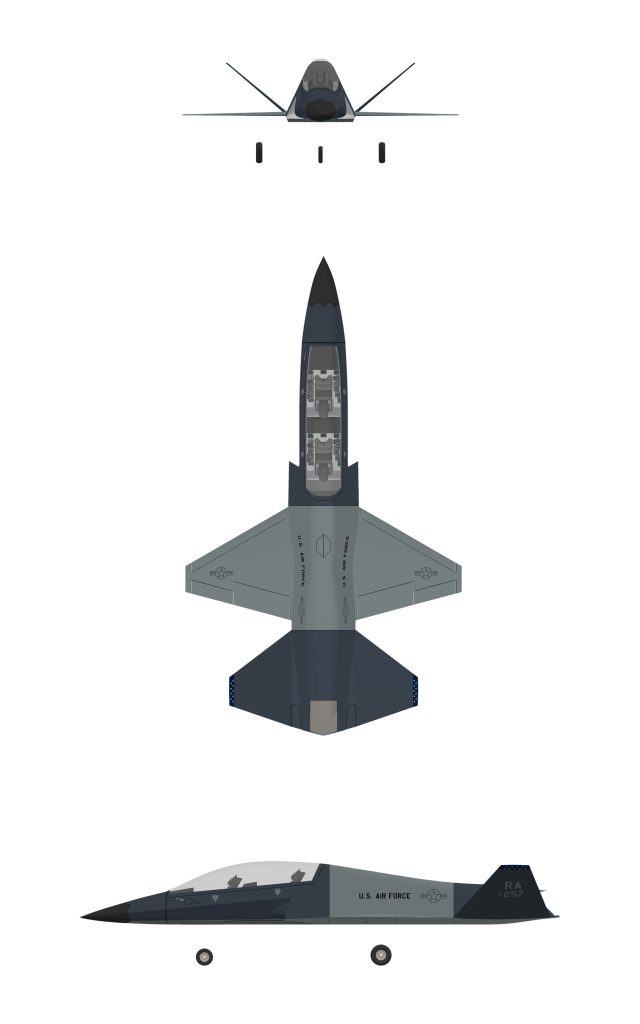
Performance & Specifications
MODEL
SM-31A Stiletto
TYPE
Advanced Pilot Trainer (APT/T-X) and Supersonic Trainer (ST)
ACCOMMODATION
Flight Crew of Two Seated in Tandem on Martin Baker MK16E or MK18 Zero-Zero Ejection Seats
POWERPLANT
One (1) NeoThrust E450-NT-100 Derivative Afterburning Turbofan delivering 10,000 lbs st with Afterburner and 6,325 lbs st at Military Power. The powerplant is fitted with variable geometry, thrust vectoring and reversing 2D nozzle.
STRUCTURE
Semi-monocoque aluminum lithium and aluminum honeycomb sandwich construction throughout. Titanium used in high fatigue areas and high temperature regions. Extensive use of Laser and Friction Stir Welding in all assemblies.
ARMAMENT
Fixed: None
Expendable: None; Has provisions for up to six external wing hardpoints for up to 7,100 lbs of external stores
| DIMENSIONS | WEIGHTS & CAPACITIES | ||
|---|---|---|---|
| Wingspan | 24 ft 0 in | Empty Weight | 7,100 lbs |
| Length Overall | 41 ft 8 in | Maximum Internal Fuel (IF) | 4,000 lbs |
| Height Overall | 9 ft 0 in | Max Payload | 1,700 lbs |
| Wing Area | 176 sq ft | Max Useful Load | 5,400 lbs |
| Wheelbase | 15 ft 8 in | Mid-Mission Weight (MMW) | 9,600 lbs |
| Wheeltrack | 10 ft 8 in | Max Take-Off Weight (MTOW) | 12,500 lbs |
| ESTIMATED PERFORMANCE | ESTIMATED PERFORMANCE | ||
|---|---|---|---|
| Max Level Speed @ SL | 1.00 Mach | Max Initial Rate-of Climb @ SL-MTOW | 26,591 ft/min |
| Max Level Speed @ 35,000 ft | 1.04 Mach | Max Initial Rate-of Climb @ SL-MMW | 35,679 ft/min |
| Max Cruise Speed @ SL | 0.90 Mach | Dash Range @ 1.00 Mach | 441 nm |
| Max Cruise Speed @ 35,000 ft | 0.90 Mach | Air Superiority Radius, Internal Fuel | 371 nm |
| Typical Cruise Speed @ SL | 0.80 Mach | Cruise Range @ 0.80 Mach | 1,343 nm |
| Typical Cruise Speed @ 35,000 ft | 0.80 Mach | Cruise Range @ 0.85 Mach | 1,321 nm |
| Typical Takeoff Speed-MTOW @ SL | 140 KTAS | Ferry Range-External Tanks | 2,441 nm |
| Stall Speed-MTOW @ SL | 128 KTAS | Takeoff-Ground Roll, Takeoff Weight | 1,763 ft |
| Typical Approach Speed-TLW @ SL | 114 KTAS | Takeoff over 50 ft, Takeoff Weight | 2,736 ft |
| Stall Speed-TLW @ SL | 99 KTAS | Landing-Ground Roll, Landing Weight | 1,997 ft |
| Service Ceiling Exceeds | 60,000 ft | Landing over 50 ft, Landing Weight | 3,102 ft |
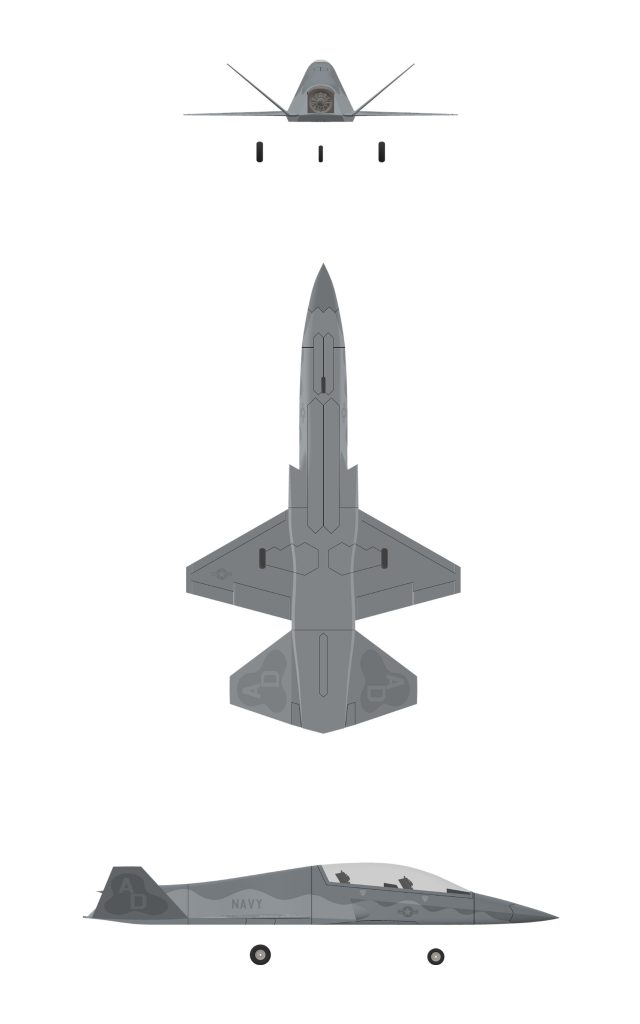
SM-31T Stiletto General Arrangement
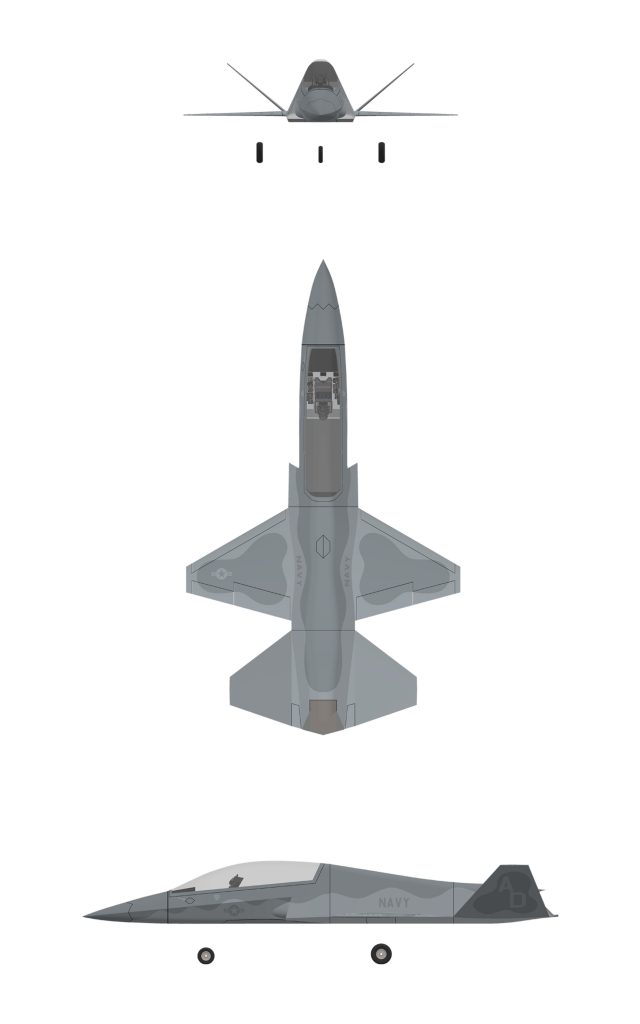
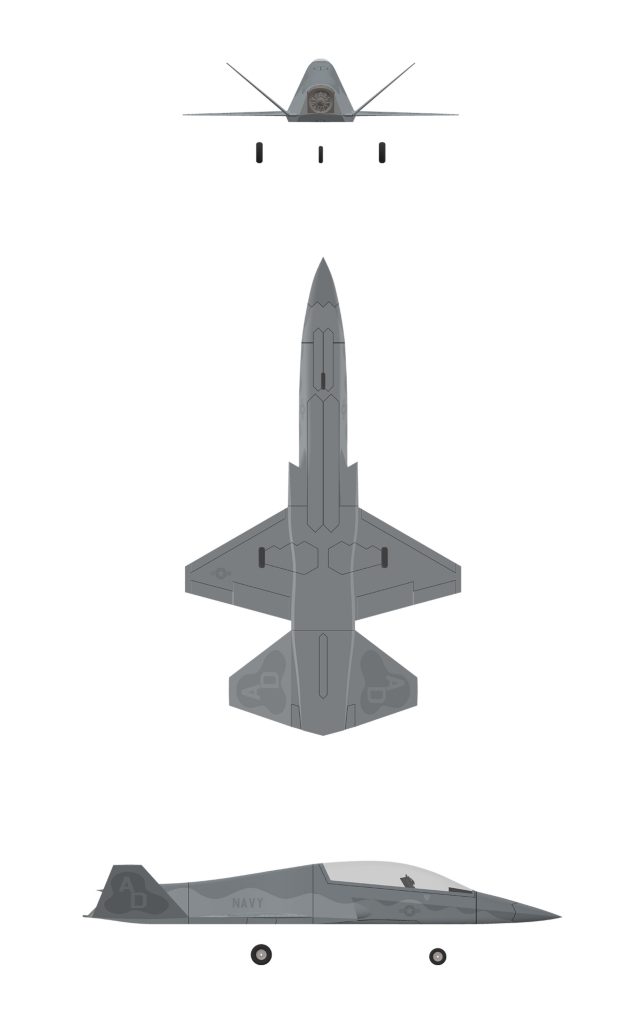
SM-31S Stiletto General Arrangement
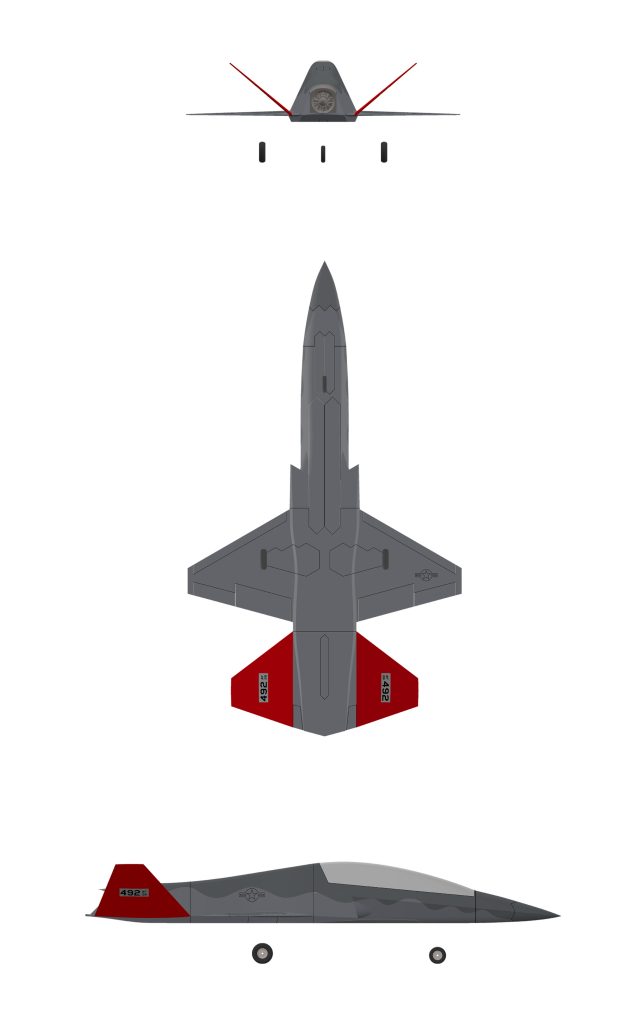
SM-31U Stiletto General Arrangement
Cost
The SM-31 Stiletto is now under development and is not currently in production. Qualified customers are invited to place pre-orders or issue a Letter of Intent for SM-31 Stiletto aircraft at this time. Upon entering production, the Per Unit Flyaway Cost (Flyaway Cost) of SM-31 Stiletto aircraft will be dependent upon the specific model, model block configuration, customer selected weapon system sensor-avionics-instrumentation-electronic warfare-armament systems package, and all related support equipment specific to an individual aircraft, not including fixed or expendable external stores (external or drop tanks, ordinance, pods and pylons), spares or ground support equipment.
Based upon a Standard Weapon System Configuration (SWSC) developed for each member of the SM-31 in support of the marketing and export of aircraft to NATO allied air defense forces, a Rough Order of Magnitude (ROM) Per Unit Basic Flyaway Cost has been projected for the Stiletto. Projected ROM Flyaway Costs for Block 10, Low Rate Initial Production (LRIP) SM-31 Stiletto aircraft of Basic SWSC are as provided. All projected ROM costs herein provided are approximate estimations issued to assist potential procurement bodies for future force budgetary planning only. Projected ROM costs are not contractually binding. The current year Basic Aircraft Flyaway Cost is:
FLYAWAY COST: $23,000,000
The Basic Per Unit Flyaway Cost (Flyaway Cost) of SM-31 Stiletto aircraft will be approximately $23,000,000 (twenty-three million) United States Dollars (USD), depending upon specific model and configuration.
These ROM, approximate Flyaway Costs apply to one (1) SM-31 Stiletto aircraft (Stavatti Model 31S or 31T) of Standard Weapon System Configuration (SWSC). In an effort to simplify the marketing and distribution of the SM-31 weapon system worldwide, Stavatti has developed the SWSC. The SM-31 SWSC represents a common SM-31S/T configuration which is readily suitable for mass production and expedient delivery to the customer. Stavatti customers will be able to purchase SM-31S/T SWSC aircraft at a specified flyaway cost plus applicable duties and export/delivery expenses.
SM-31S/T SWSCs are specified within the SM-31S/T Configuration Control Statement (CCS) document as issued by Stavatti Aerospace Ltd. for specific SM-31 models as appropriately configured for specific domestic and allied customers. Contact STAVATTI or visit SM-31 Stiletto Product Literature for a copy of an appropriate CCS. A portion of the avionics, displays, armament and related systems associated with the SM-31 SWSC are also indicated in the Specifications page of this website. The following support documentation, options, equipment and material is also included with each SM-31S/T of SWSC:
U.S. Standard Airworthiness Certificate, Export Certificate of Airworthiness, Weight and Balance Data Sheets/Weight and Balance Plotter, Aircraft/Engine/Armament System Log Books, Abbreviated Checklist, Flight Manual, Pilot‘s Operating Manual, Avionics Wiring Diagrams, Hydromechanical Systems Manual, Maintenance Manual (Airframe), Illustrated Parts Catalog (Airframe), Wiring Diagram Manual (Airframe), Weight and Balance Manual, Air Combat Manual, Special Combat Operations Manual, Advanced Training Instructional Manual (SM-31T), Component Maintenance Manual, Structural Repair Manual, System Control Code Programmers Manual, Illustrated Tool and Equipment Manual, Nondestructive Inspection Manual, Engine Maintenance Manuals, Engine Illustrated Parts Catalogs, Parts Warranty Listing, additional miscellaneous information concerning engine, airframe, avionics and armament support, Aircraft Tie-Down Kit (including tie-down anchors and cable, wheel chocks, control locks, pitot-static port covers, etc.), Aircraft Full Canopy Sunshade/Cover, Basic Aircraft Tool Kit, Aircraft Emergency Survival Kit, HGU-86/P pilot flight helmet and accompanying flight/anti-g suit of customer specified sizing (Note: SM-31T aircraft include two helmets and anti-g suits), 24 hours of Stavatti provided SM-31 operational ground schooling/orientation for one flight officer, 24 hours of Stavatti provided SM-31 maintenance and service ground schooling/orientation for one maintenance officer, 5 hours of SM-31 orientation flying in a Stavatti owned and operated SM-31 for one flight officer, Custom Paint Scheme consisting of up to 10 base colors and up to 25 trim colors as well livery/noseart, 500 rounds of installed 20 mm ammunition for M61A2 cannon or appropriate rounds for alternate fixed armament, Full Fuel consisting of JP-8 installed in aircraft, additional equipment and a 2,000-Hour ‘Nose-to-Nozzle’ Manufacturer’s Warranty.
All publications, documents and manuals will be provided in both hardcopy bound print as well as CD-ROM and Aerofiche format. In addition to documentation supplied by Stavatti Military Aerospace, additional documentation may be provided detailing the operation/maintenance of specific aircraft systems by specific aircraft system manufacturers. Stavatti will provide Service Bulletins, Service Letters, Air Worthiness Directorates and manual revisions for the duration of aircraft operational service life.
The Flyaway Cost of the SM-31S/T does not include the cost of any spares, external stores/armament, or other logistical support that may be associated with a weapon system procurement contract. The additional costs associated with the provision of spares, external stores/armament, Contractor Logistical Support or any other indicative cost options, maybe provided by Stavatti. All Flyaway Cost data provided herein is not contractually binding and are conceptual in nature.
The noted Flyaway Costs only apply to the SM-31S/T of SWSC. The SM-31S/T SWSC does not represent aircraft configured to satisfy specific customer requirements. Stavatti desires to satisfy all customer needs and requirements. In so doing, the SM-39S/T will employ open avionics and systems architecture allowing the SM-31S/T platform to employ a wide variety of avionics, armament and sensor systems. Customers are invited to procure aircraft which employ customized systems configurations, as specially developed by Stavatti. The Flyaway Cost of SM-31S/T aircraft of customized configuration will be dependent upon the systems specified and is determined only upon assessment of the specific configuration. Generally, the Flyaway Cost of SM-31 aircraft as projected will fall between $20 million and $30 million dependent upon ultimate configuration.
AVAILABILITY
The SM-31 Stiletto series of aircraft is currently under development by Stavatti Aerospace Ltd.-Tactical Air Warfare Systems Division. The SM-31 is not currently in production and is not available for delivery at this time. Stavatti is receiving and accepting orders for the SM-31 at the present time, hence initial production aircraft will be produced in satisfaction of backlog orders. The estimated time-frames for initiation of Low Rate Initial Production (LRIP), Initial Operational Capability (IOC) within end-user air defense arms and Full Rate Production (FRP) are as projected:
| AIRCRAFT MODEL | PROGRAM PHASE | TIME-FRAME |
|---|---|---|
| SM-31 STILETTO |
LRIP: | Contact Stavatti |
| IOC: | Contact Stavatti | |
| FRP: | Contact Stavatti |
Stavatti reserves the right to adjust, modify, expedite, cancel or otherwise enhance the projected dates for SM-39 Razor series LRIP, IOC or FRP at our discretion. All program phase time-frame estimates are for the benefit of future force program budget planners and are non-contractually binding.
Prior to entering Full Rate Production (FRP), the SM-31 Stiletto must complete a comprehensive RDT&E program, followed by twelve (12) to twenty-four (24) months of Low Rate Initial Production (LRIP). The SM-31 RDT&E program will result in the fabrication of a minimum of three (3)SM-39 Razor Prototype Air Vehicles (PAVs) of each series model (SM-31S & SM-31T), which will undergo over 2,000 hours of flight testing. Conclusion of the flight test program will result in FAA FAR 25 type and production certification as well as applicable MIL SPEC qualification.
LRIP consists of a one to two year gradual ramp-up of production, focused upon the manufacture of twenty five (25) to fifty (50) SM-31 Stiletto production aircraft. All aircraft produced during LRIP are considered Production Articles. The first one (1) to three (3) SM-31 Stiletto produced in LRIP will likely remain in possession of Stavatti to serve as company demonstrators. The remaining SM-31 Razors produced during LRIP will be delivered to satisfy customer orders. Due to security restrictions, Stavatti does not openly publish the current backlog for SM-31 Stiletto orders. Stavatti will begin satisfying this backlog through LRIP.
Full-Rate Production will result in the production of between 50 and 100 SM-31 Stiletto aircraft annually, with an anticipated SM-31 delivery lead time of 12 months. All SM-31 production availability schedules are subject to change.
PURCHASE
To purchase or order the SM-31 Stiletto Next Generation Supersonic Trainer and Advanced Light Fighter please complete and submit the following Letter of Intent (LOI) or Purchase Agreement (PA) forms and if a Non-USA entity also complete and submit an executed DSP-83 Nontransfer and use certificate:
SM-31 Stiletto aircraft are marketed and sold directly by Stavatti Aerospace Ltd. to the end user as a Direct Commercial Sale (DCS) with exception of specific systems which require a Foreign Military Sales (FMS) component including, but not limited to: IFF and COMSEC/TEMPEST related systems and equipment. Furthermore, all Global Positioning Systems (GPS) receivers incorporating a PPS (Y) Interface must be approved for export through the Joint GPS Program Office.
Stavatti reserves the right to market and sell the SM-31 Stiletto through the U.S. FMS program for purposes of assisting customers who desire the procurement of major weapon systems with military credits or direct program/operational support from the U.S. DoD.
To simplify the procurement process, Stavatti prefers to structure SM-31 Stiletto procurement contracts as Fixed Cost Contracts (FCC). Customers may elect to procure SM-31 Stiletto SWSC aircraft or SM-31 Stilettos configured for customized end user requirements. In the event customers wish to procure SM-31 Stiletto SWSC aircraft, there is a distinct possibility that aircraft may be procured from existing Stavatti inventory, thereby significantly reducing delivery lead-time.
If customers desire an SM-31 Stiletto of custom configuration, the procurement lead-time may increase from 6 to 12 months due to the lead-times associated with the procurement of specific aircraft systems including powerplant, avionics, displays and armament. It is for this reason that the Standard Lead Time for the procurement of SM-31 Stiletto aircraft is estimated at 12 months from date of contract signing.
Stavatti does not employ a standard SM-31 Stiletto series FMS procurement process. All SM-31 Stiletto procurement performed under FMS must be coordinated on a case-by-case basis. Stavatti’s standard SM-31 Stiletto DCS procurement process for all SM-31 aircraft is as follows:
1) Customer provides Stavatti with a Letter of Intent (LOI). An LOI is a statement indicating that the customer (client nation) intends to enter into a binding contract for the procurement of a specified number of SM-31 aircraft. The LOI must include information relating to the number, model and configuration which the customer wishes to procure, the address of the procurement body, a signature of a qualified purchasing representative of the procurement body and the address of the delivery destination of the SM39 aircraft.
2) Stavatti will submit forms DSP-5 and DSP-83 as appropriate to the State Department-Directorate of Defense Trade Controls (DDTC) to obtain the necessary export licenses associated with the SM-39 procurement by the specific customer/client nation. Export licenses are not required for domestic sales to the US DoD/government user agencies. Once an approved export license is received by Stavatti, the customer and Stavatti may proceed with contract draft and signing.
3) Customer and Stavatti draft and enter into/sign a SM-31 Stiletto Purchase Agreement (PA) or Procurement Contract (PC). The PC will specify the precise configuration of the SM-31 aircraft to be procured including powerplant, avionics, instrumentation, escape systems, armament, APU, armor plating, sensors, EW suite, tires, paint scheme and livery, warranty, associated support equipment, etc. Delivery destination, anticipated delivery date and total contact value will be specified, as well as all other information necessary to produce and deliver the contracted SM-31 aircraft to the customer in their desired configuration. The Customer must ensure the PC is accompanied by a Contract Initiation Payment (CIP) valued at ONE THIRD (1/3 or 33.3%) of the Total Contract Value to be paid to Stavatti.
4) Stavatti completes the production of SM-31 Stiletto aircraft to the “Green” or Un-Painted/Pre-Final Integration stage. Prior to “Painting” and completing final integration of aircraft armament, sensor, avionic and EW systems, the Customer is required to provide a Green Aircraft Payment (GAP) valued at ONE THIRD (1/3 or 33.3%) of the Total Contract Value to be paid to Stavatti. Once the GAP is received by Stavatti, “Green” aircraft enter the painting/ final integration phase.
5) Stavatti completes and delivers the SM-31 Stiletto aircraft as specified in the PC. Upon delivery (or upon completion in the event the Customer receives/takes possession of the completed aircraft directed at the factory) of the procured SM-31 aircraft to the customer, the balance of the total contract value, equal to the remaining ONE THIRD (1/3 or 33.3%) of the Total Contract Value, must be paid to Stavatti.
Stavatti will receive payment for domestic SM-31 Stiletto sales by wire transfer of funds, certified check, United States Dollars/Federal Reserve Notes (USD/FeRNs), gold or alternate precious Platinum Group Metal (PGM). Stavatti will receive payment for foreign export SM-31 Stiletto sales by wire transfer of funds, United States Dollars/Federal Reserve Notes (USD/FeRNs), gold or alternate precious Platinum Group Metal (PGM).
EXPORT
In compliance with the Arms Export Controls Act (AECA) and the International Traffic in Arms Regulations (ITAR: CFR 120-130), Stavatti restricts the marketing and sale of the SM-31 Stiletto air weapon system to qualified U.S. and NATO allied air defense arms. In support of current U.S. Arms Embargoes as issued by the U.S. State Department, Stavatti will not export SM-31 Stiletto aircraft to any of the following nations:
Belarus, Burma, Central African Republic, People’s Republic of China, Cuba, Democratic Republic of the Congo, Eritrea, Haiti, Iran, Kyrgystan, Lebanon, Libya, North Korea, The Russian Federation, Somalia, Sudan, Syria, Venezuela, Zimbabwe
Stavatti recognizes that the status of State Department Arms Embargoes is in constant flux with nations being added or removed from the Arms Embargo List from time to time. Stavatti therefore encourages parties and potential customers interested in procuring SM-31 Stiletto series aircraft to visit the State Department-Directorate of Defense Trade Controls (DDTC) Website at: https://www.pmdtc.org/ for a current State Department Embargo Reference List.
Prior to marketing the SM-31 Stiletto series to any potential customer nation, Stavatti contacts DDTC to receive “Prior Approval To Market.” Once prior approval is received, Stavatti initiates a comprehensive marketing program which consists of information and support material which is unavailable to the Public Domain. Prior to issuance of a production contract or purchase order, Stavatti submits an export license application (DSP-5 and DSP-83, etc.) for the purpose of obtaining an export license in support of the anticipated contract or purchase order. The export license application must be accompanied by attachments, some of which must be completed in-whole or in-part by the potential customer/procurement body. Furthermore, a Letter of Intent (LOI) or similar official document including a Procurement Contract must be issued by the intended procurement body to serve as an attachment to accompany the export license application for review by the State Department – DDTC in support of the SM-31 Stiletto series export licensing process.
Stavatti is a State Department – DDTC registered manufacturer and exporter or U.S. Munitions List (USML) Category I, II, III, IV, VIII (Aircraft), X as well as additional items. Copies of expired, prior year State Department – DDTC Registration Letters are available for review on the Stavati Licenses webpage. Current Registration Letters received from DDTC are not posted online for security purposes.
WARRANTY
Stavatti will assign each SM-31 Stiletto aircraft with a 2,000 hour, Nose-to-Nozzle, Manufacturer’s Limited Warranty. Stavatti expressly warrants each new SM-31 Stiletto aircraft (exclusive of powerplant and powerplant accessories as supplied by the manufacturer which are covered under manufacturer warranties), including factory installed avionics, armament, electronic countermeasures and additional factory installed equipment, both standard to the type and optional, to be free from defects in material and workmanship under normal use and service for a period of 2,000 flight hours beginning upon delivery of the SM-31 Stiletto aircraft to the initial end user.
Stavatti‘s obligation under this warranty will be limited to repairing or replacing, at its sole option, any component or components which within the applicable warranty period are identified by the owner/operator. The repair or replacement of defective components under this warranty will be made by or through any Stavatti or Stavatti approved manufacturer service facility without assessment of fee or cost to the warranty holder for components or labor for removal, installation and/or repair. All import duties, sales taxes and use taxes, if any, on such warranty repairs or replacement components are the sole responsibility of the warranty recipient.
The warranty will apply to any SM-31 aircraft, avionics and fixed aircraft equipment as integrated by Stavatti under production contract by the end user which has been flown, maintained and operated in accordance with Stavatti and other applicable manuals, bulletins, airworthiness directives and other written instructions. The warranty, however, will not apply to SM-31 aircraft, avionics and fixed aircraft equipment as integrated by Stavatti under production contract by the end user which have been subject to misuse, abuse, negligence, accident or battle damage; or which have been altered other than by Stavatti, or contrary to applicable manuals, bulletins, and other written instructions provided by Stavatti, in any way that, in the sole judgement of Stavatti, adversely affects their performance, stability or reliability; or to normal maintenance services (such as powerplant adjustments, cleaning, control rigging, brake and other mechanical adjustments and maintenance inspections); or to the replacement of service items (such as brake linings, filters); or to normal deterioration of appurtenances (such as paint and livery) due to wear.
Each manufacturer procurement contract will incorporate a complete description of all aspects associated with the 2,000 hour `Nose-to-Nozzle’ manufacturers limited warranty. Customers will be able to extend their warranties in 500 hour blocks beyond 2,000 hours for a nominal fee.
LEASING
SM-31 Stiletto manufactured aircraft will be made available for lease with customer approved credit directly from Stavatti. Stavatti lease programs are subject to U.S. State Department-Office of Defense Trade Controls Approval and may be conducted as DCS or FMS lease programs. FMS lease programs are coordinated through an appropriate U.S. DoD user agency and will generally consist of SM-31 aircraft owned by the U.S. DoD which are then leased, through a DoD negotiated lease agreement, to the end user. FMS lease programs are outside Stavatti’s sphere of influence and parties interested in leasing SM-31 aircraft through FMS are urged to contact the U.S. DoD.
Stavatti DCS leases will involve the lease of Stavatti owned aircraft to the end user. DCS lease terms and arrangements must be negotiated on a case-by-case basis and are dependent upon the type and number of SM-31 aircraft leased and the qualifications of the nation/air arm leasing the SM-31 aircraft. Typically SM-31 Stiletto SWSC aircraft will be available for 36, 60 and 120 month leases.
All Stavatti lease customers are subject to pre approval requirements. Additional requirements will also apply to qualify for the SM-31 Stiletto lease program. All lease customers will be required to maintain current Hull and Liability insurance from a qualified aerospace insurance provider throughout the duration of the lease. All leased SM-31 aircraft must be operated by a qualified, SM-31 Type Certified pilot with a current U.S. First Class Medical or equivalent medical certification and no less than 1,500 hours high performance aircraft experience. In the event lease customers are unable to provide a qualified pilot, Stavatti will provide contract pilot services at a negotiated contract cost. A Stavatti lease maintenance agreement will be implemented in conjunction with the standard 2,000 hour ‘Nose-to-Nozzle’ Limited Manufacturer’s Warranty. The lease customer will be responsible for the costs associated with maintenance and repairs on the SM-31 aircraft hull and systems resulting from the combat environment during the time of lease. In the event an SM-39 aircraft is destroyed and/or damaged to such an extent that the aircraft is considered a total loss, during either peace or war, the lease customer will responsible for the remainder of the lease owed due, plus the purchase price of the aircraft at lease end.
Additional requirements, limitations and restrictions will apply. Contact Stavatti for more information regarding the leasing of SM-31 Stiletto aircraft.
LICENSED PRODUCTION
SM-31 Stiletto aircraft will be available for licensed production in qualified facilities worldwide. Licensing of SM-31 Stiletto production is subject to U.S. State Department-Directorate of Defense Trade Controls Approval. Stavatti is responsible for coordinating and negotiating all SM-31 Stiletto licensing worldwide.
Stavatti will permit the production licensing of all SM-31 series models in its entirety, in kit form or, alternatively, industry teaming for the production of SM-31 aircraft in-part or in component form. Licensing arrangements must be considered on a case-by-case basis. Generally, Stavatti assumes license production involves the production of entire SM-31 aircraft from an indigenous producer within a customer nation. To produce the SM-31 under license a customer must first exhibit possession of a qualified, appropriate aircraft production facility capable of producing the SM-31 aircraft to the degree desired (i.e. in whole or in part) as well as qualified engineers and assembly personnel to support the production process. Customers must then pay an initial licensing fee, as well as annual licensing maintenance fees and a royalty on aircraft produced/sold.
Qualified Customers who produce the SM-31 under license will receive significant technical and production support from Stavatti, including access to both Stavatti’s U.S. domestic SM-39 production facility as well as complete familiarization with SM-31 prototypes, production vehicles and demonstrators.
In the event a nation desires to produce the SM-31 under license, but lacks the facilities and equipment to do so, Stavatti can provide total support and assistance with regard to the organization and creation of a suitable production facility.
OFFSET
To address the issue of global fiscal responsibility with regard to necessary defense spending, Stavatti offers numerous Offset opportunities associated with SM-31 procurement.
The standard cost offset associated with SM-31 procurement is the licensed production of SM-31 subsystems and components in the customer nation. Stavatti maintains industry partners worldwide and desires to expand major airframe component/assembly production into your region of the world.
Barter is an offset opportunity which Stavatti will willingly consider. Oil, minerals, and additional goods may serve as suitable barter toward the procurement of SM-31 aircraft. Additionally, Stavatti will take trade-ins from existing nation fighter/trainer/ transport aircraft fleets, serving to reduce overall aircraft procurement costs.